Advertising disclosure: This page includes affiliate product links that may earn us a commission, as well as products from our own store.
Five pullers. Five weight classes. One national result. Baku’s scheduled IFA Team World Armwrestling Championships put a team-sport twist on an event better known for dramatic one-on-one contests: every right-hand match contributes to a country’s overall score, and a single superstar cannot win the title alone.
Scheduled for November 26–30, 2026, with actual competition planned for November 28–29, the inaugural tournament will use national squads, a group phase and elimination fixtures. Here is how the unusual scoring works, why roster depth matters, and what recreational lifters can borrow from the sport without treating a professional armwrestling table like a gym toy.
Why the new team format changes the contest
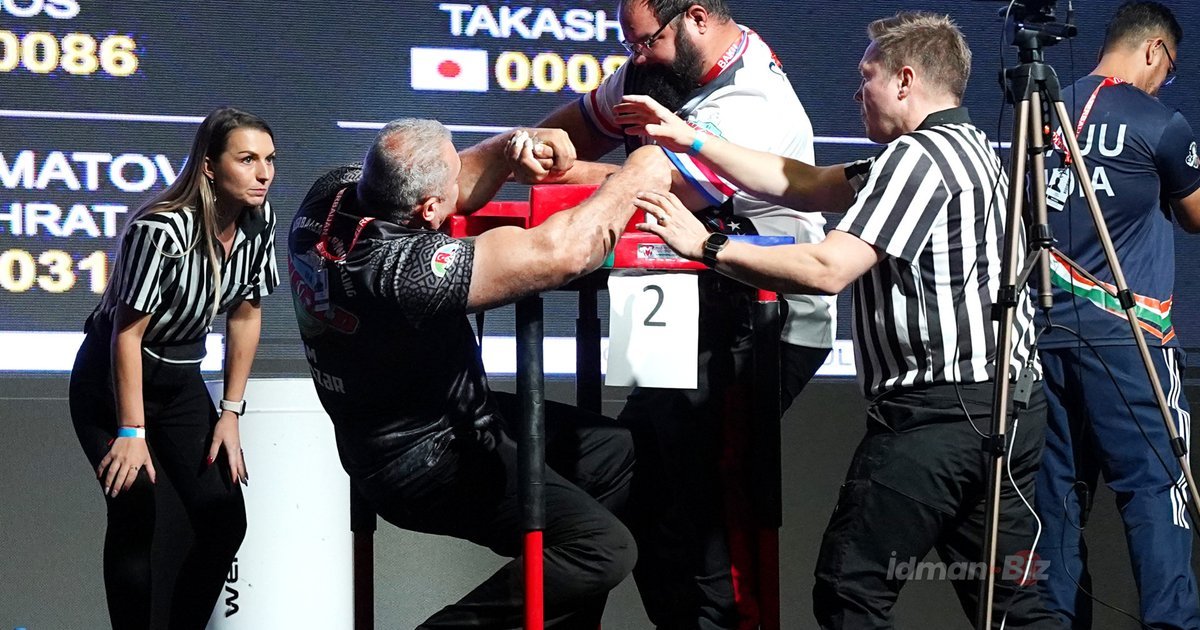
Armwrestling usually presents itself as a sequence of intensely personal challenges: one puller, one opponent and a grip decided by inches. The Baku format changes the frame. Instead of adding up separate individual medals after a championship, a national squad faces another national squad in a direct fixture. Every category can alter the same team result.
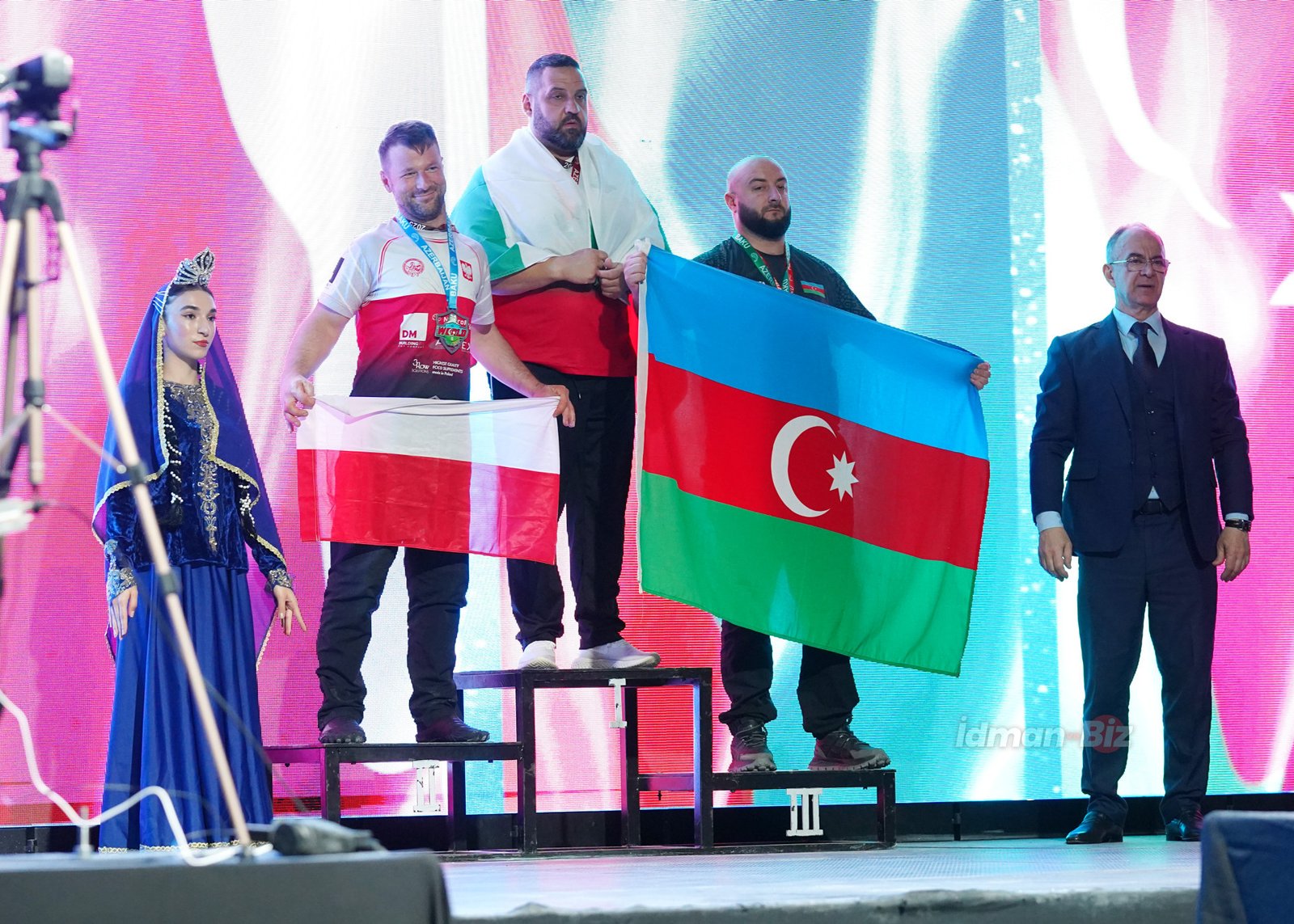
The International Federation of Armwrestling has invited up to sixteen teams from its membership. Each complete squad needs five competitors, including one woman. This is a new dedicated team-format championship, not evidence that the sport never recognized national rankings before. Historical individual events have awarded team honors too; Baku builds the national rivalry directly into the bracket.
That shifts attention from the biggest star to the weakest link. One brilliant puller may win all three of their category bouts while four teammates lose enough that the national fixture slips away. Coaches must value reliability, suitable weight-class coverage and repeat performance. Every weight matters because there is no substitute category where a country can hide a bad matchup.
The event is still upcoming as of November 23. The published invitation is a competition plan, not a finished draw or results document. A confirmed sixteen-nation roster, the exact matchups and eventual champions must be established from later organizer updates, not inferred from the announced format.
Five classes and fifteen pulls: the exact score
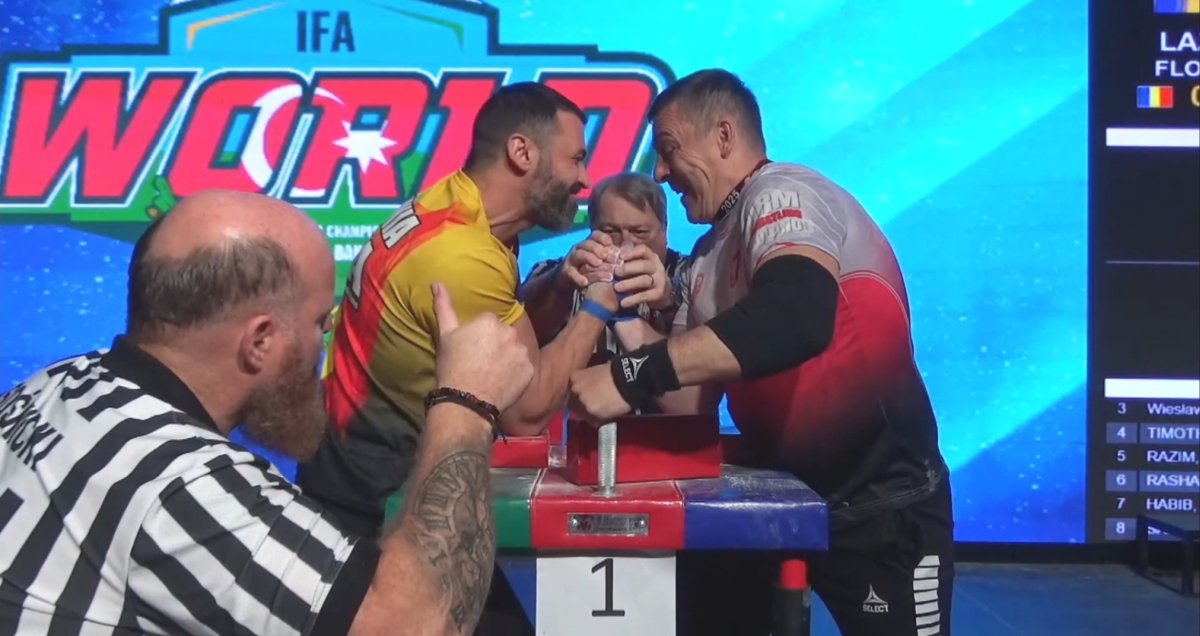
The lineup is four men’s weight classes at 70, 86, 95 and over 95 kilograms, plus a women’s 70-kilogram class. All five use the right arm. That last requirement matters: other armwrestling competitions may recognize left- and right-arm events independently, while this team tournament measures a single specific hand and set of match skills.
Within each team fixture, the official competition rules call for three individual pulls in each of the five category pairings. Five multiplied by three yields fifteen contested points. Eight victories against seven losses can therefore win the entire fixture, even if the margin looks uncomfortably narrow. The example illustrates scoring, not an actual completed Baku result.
A fixture winner collects two standings points in the group phase, while the loser receives none. A strong heavyweight specialist contributes no more than any other class can contribute: three individual wins. An underdog team can thus compete by taking close decisions in several categories rather than needing an overwhelming performance at the top weight.
Repeated pulls also challenge recovery. High-force hand, wrist and elbow work can feel easy for a few seconds but become punishing when it has to be reproduced after earlier rounds. Warmth, composure and sensible between-bout recovery become part of the competition, while trying to squeeze in extra maximal practice risks costing an athlete the next point.

Equipment Worth Exploring
Explore equipment, accessories and gear from our carefully selected range.


Leather Wrist Grips
Padded leather lifting grips help support the hands and wrists on heavy pulling exercises.

Leather Lifting Straps
Padded leather straps support grip during heavy rows, deadlifts and pulling exercises.


Angles 90 Grips
Flexible grip attachments that allow natural wrist movement during pulling exercises.
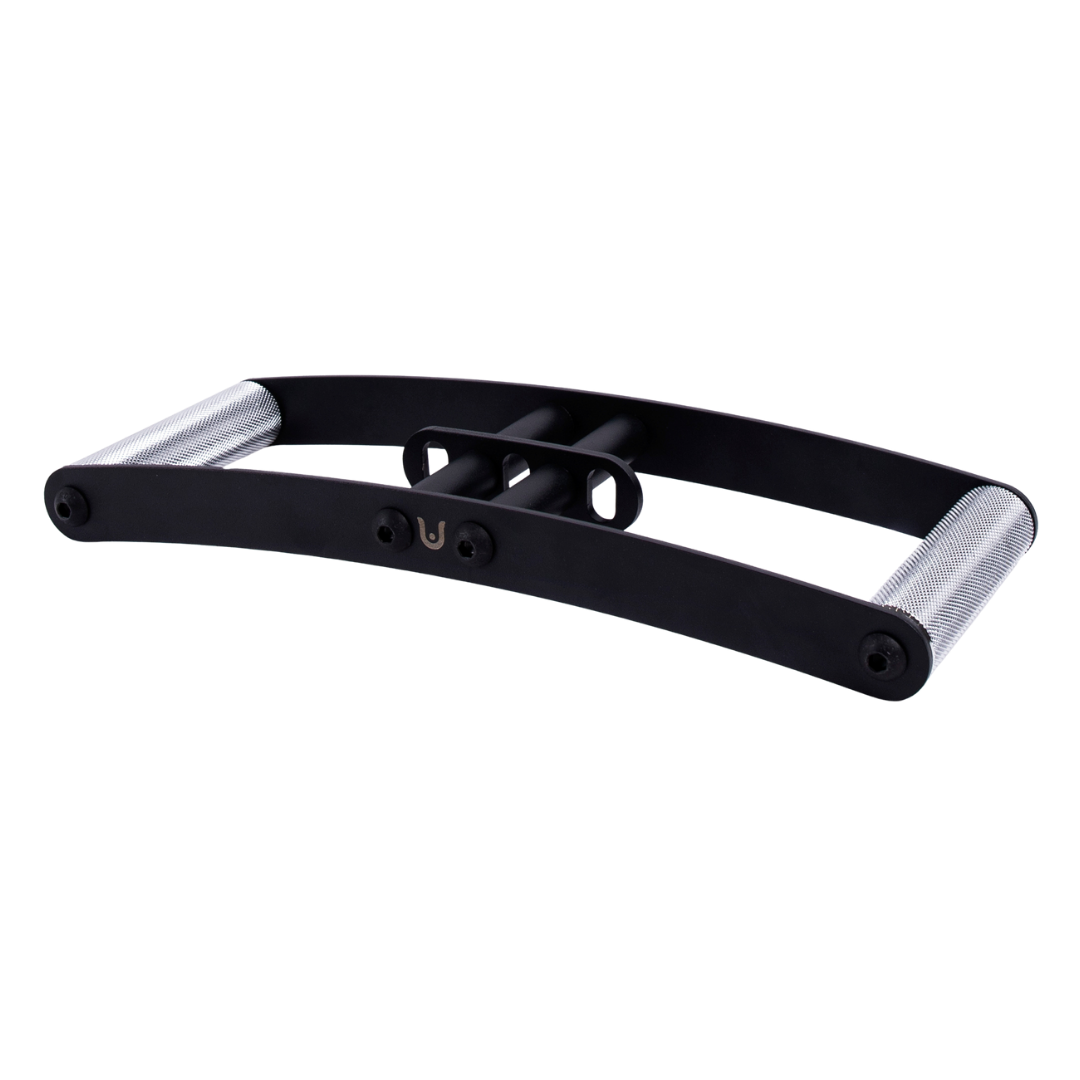
Horizon Grip
Ergonomic V-style cable grip for rows and back training.
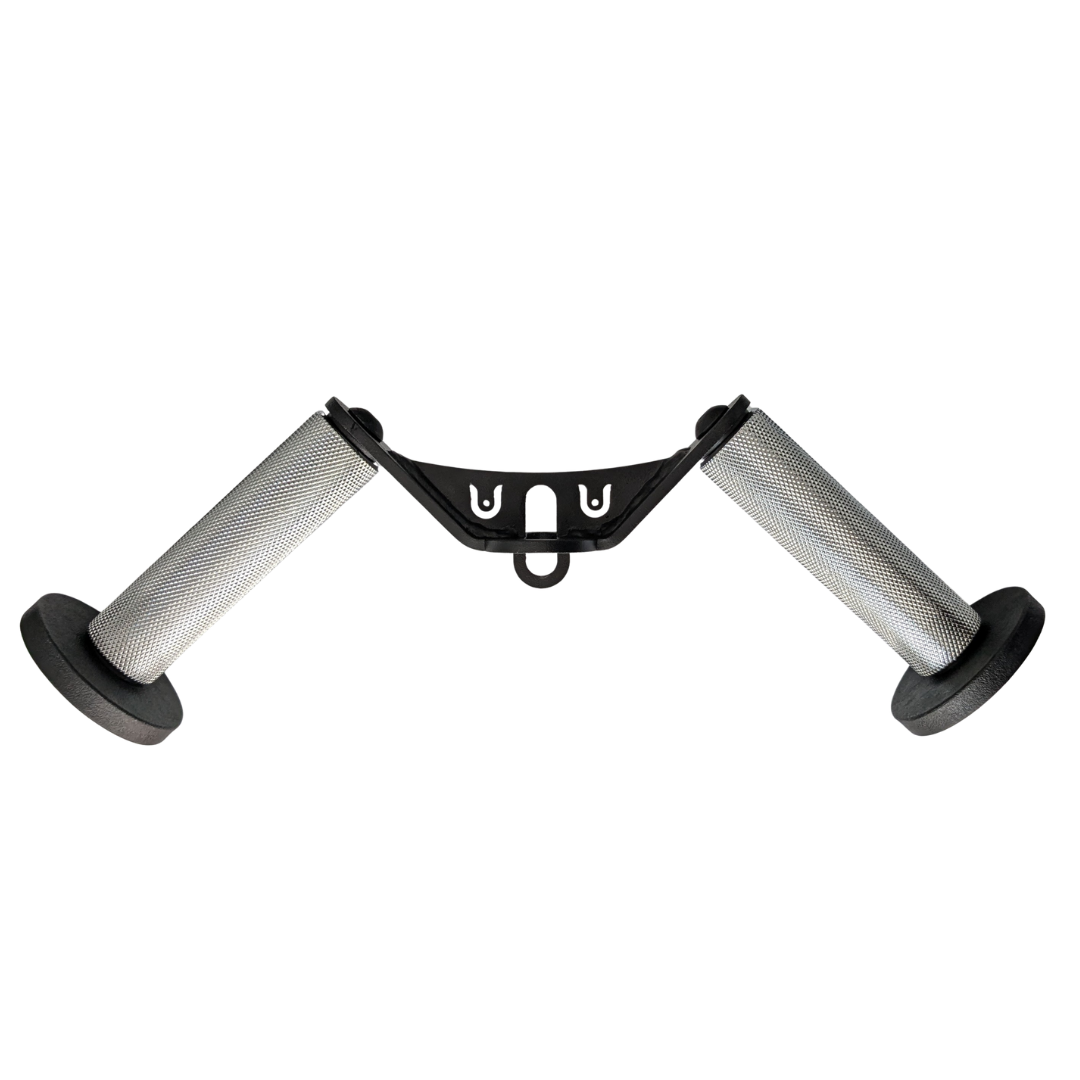
W Grip
Angled cable grip for comfortable rows, pushdowns, and curls.


GymPin Ergo Handles
Pair of ergonomic cable handles shaped for comfortable triceps and pulling exercises.
The four-group route to the final
The planned field is divided into four groups of four. Organizers intend to form seeding baskets from previous IFA championship results, then draw one team from each basket into a group. It is an effort to spread historically strong contenders rather than load every favorite into the same opening group. Past seedings are only a starting point; results still have to be earned.
Each country meets the other three in its group, making three national fixtures per squad. The best two teams from every group advance, leaving eight quarterfinalists. Those winners move into the semifinals; losing semifinalists have a bronze-medal fixture, and the remaining teams compete for the title. Unlike a single-elimination exhibition, early matches have standings consequences.
A roster built around one unstoppable athlete can look intimidating in a highlight video. In a fifteen-pull format, however, its weaker classes may decide more points than its famous name. A balanced squad with five consistent right-arm specialists could be more difficult to beat than one assembled around a single record holder with little depth.
That is why the group matches are worth following even before the final. An unexpected eight-to-seven national win changes the standings just as surely as a one-sided performance, and an apparently routine class matchup can become the deciding pull. Spectators can track the running team score rather than only looking for the last spectacular pin.
Baku dates, location and what remains unconfirmed
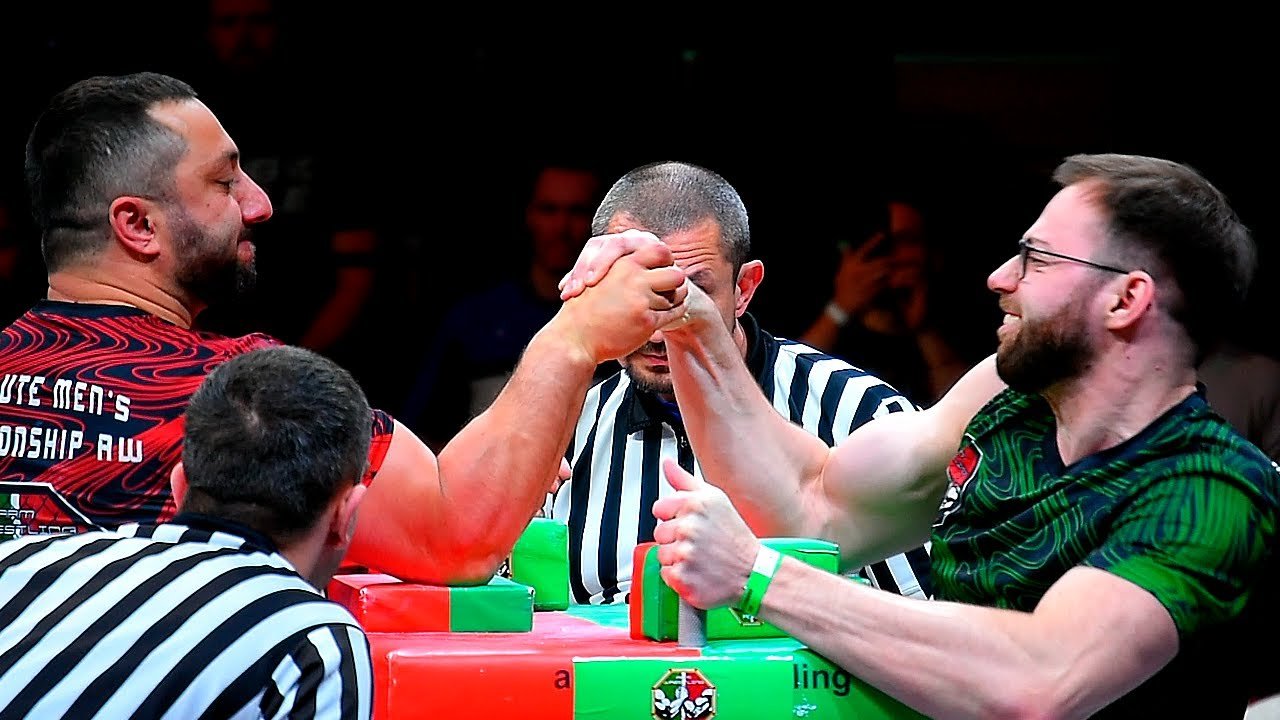
The official event window begins Thursday, November 26, and ends Monday, November 30. Not all five days are competition days. The first is for team arrivals. Friday, November 27, is designated for weigh-ins, the group draw and team-management and refereeing meetings at Baku’s Golden Coast Hotel.
Saturday, November 28, is scheduled for the group phase at Elektra Events Hall. Quarterfinals, semifinals, the bronze match and championship final are planned for Sunday, November 29. The format starts with two competition tables and consolidates decisive late matches onto one, giving viewers a clearer sequence when the field narrows.
The organizer has advertised no participation fee for the registered competitors and a planned hotel arrangement for team athletes. Those points do not mean every travel expense is covered for an entire delegation. National team managers still face selection logistics, travel, weigh-in requirements and the practical problem of athletes recovering between bouts.
The precise list of nations and athletes, the final bracket, confirmed livestreams and any revised start times remain items to check closer to the matches. An event announcement is not a result sheet. Stories about who won must wait until the actual competition happens and official results are available.

Funny Gym Shirts & Workout Gear
Funny gym shirts, tanks, hoodies and workout gear for lifters who like training hard.

Grip Training Essential Gymbro Jumper & T-Shirt
For laid-back days and lifting humor: “Grip Training Essential”.

Grip Day Legend Essential Gymbro & T-Shirt
Rep “Grip Day Legend” humor in and out of the gym.

Grip Strength Fanatic Meme Hoodie
Show off your lifting humor in a laid-back “Grip Strength Fanatic” hoodie.


Grip Day Legacy Gymbro & Decal Sticker
Give your everyday gear a playful “Grip Day Legacy” twist.


Get A Grip Grip Training Decal & Gymbros Sticker
Give your everyday gear a playful “Get a Grip” twist.

Pumpeye Forearm Gains Grip Training Popeye Meme Vest Tank Top
Add some lifting attitude to training with “Pumpeye”.

Slip Not Grip Training – Heavy Metal Workout Jumper Pul T-Shirt
Bring “Slip Not Grip Training” humor to your everyday gym style.

Huh Huh Let'S Train Grip Beavis And Butt-Head T-Shirt
Make gym days more fun with “Huh Huh Let's Train Grip” style.
The right-hand technique behind the power
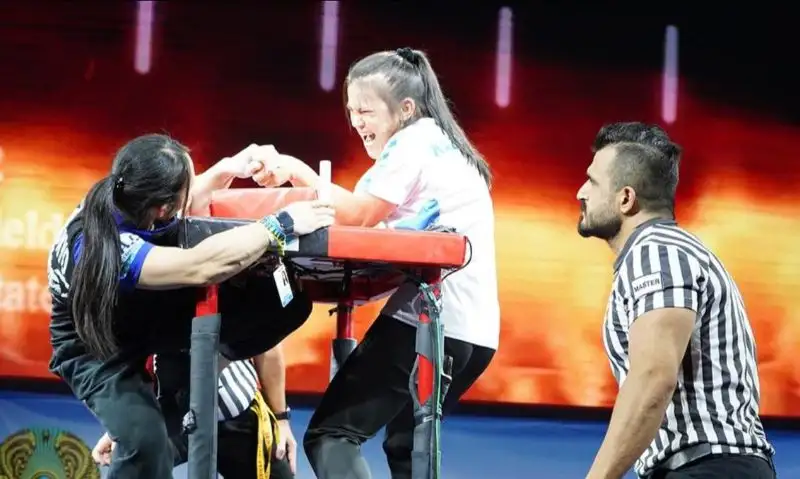
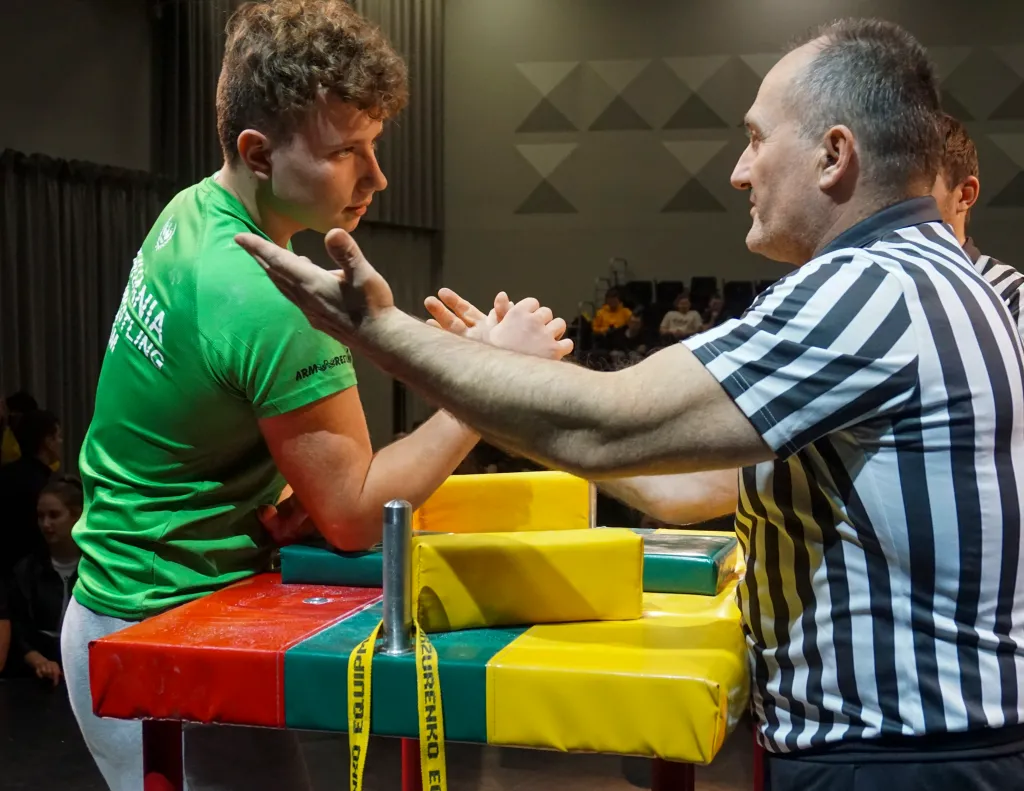
An armwrestling table is not a one-arm curl station. A competitor must establish an approved starting position, keep the elbow within the required area and respond to referees’ instructions. At the same time, the opponent is trying to change the grip, hand height and direction of pressure. A huge biceps curl alone does not solve those competing demands.
Forearm pronation, wrist control and the ability to connect hand pressure to the back and shoulder all influence leverage. Athletes can sometimes make an opponent’s fingers open or wrist collapse before a dramatic arm movement ever occurs. The sport rewards years of table practice, timing and positioning as well as gym-built strength.
Right-arm-only team selection creates another wrinkle. A lifter with remarkable left-arm results is not automatically equally effective on the right, especially when the class and opponent differ. National medal totals accumulated across many divisions also do not predict a narrowly defined five-category right-arm bracket. Specific competition skill matters more than impressive but mismatched statistics.
Most importantly, this is not a safe maximal challenge for uncoached beginners. Armwrestling can put awkward rotational forces through the upper arm and elbow, particularly when someone twists their torso away while keeping a planted elbow and fighting a stronger rival. Stop when alignment deteriorates; qualified supervision is more valuable than a surprise victory.
A grip-training template recreational lifters can actually use
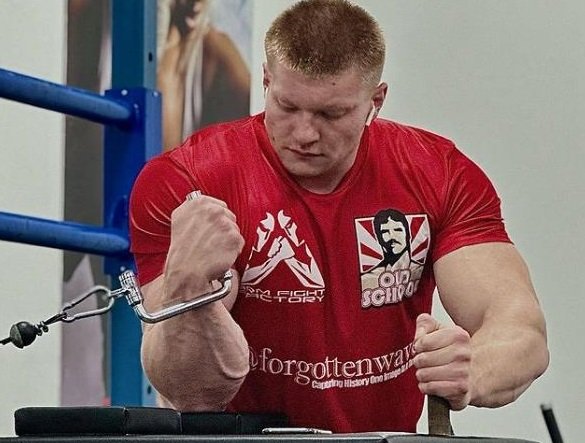
Take inspiration from the demands without copying professional match intensity. Start with general pulling strength: rows, a comfortable vertical pull and neutral-grip hammer curls. A basic session might use three moderate sets of rows, two sets of curls and two short carry holds, leaving repetitions in reserve instead of grinding every forearm muscle to failure.
For a more direct hand challenge, alternate a controlled suitcase carry with light wrist pronation and supination. Two carries of twenty to thirty seconds and a couple of easy forearm sets make a reasonable starting example for someone already comfortable lifting. These are editorial suggestions, not a verified program practiced by any athlete on the Baku roster.
The forearms receive substantial work from deadlifts, rows and everyday lifting, so extra grip sessions are not free recovery. Begin with one or two exposures per week, allow a rest day between hard sessions and progress only when hands, wrists and elbows remain comfortable. Pain, tingling or an old elbow injury calls for scaling back and appropriate individual guidance.
The useful message from Baku is balance. One great athlete cannot guarantee a team victory, and one flashy grip drill cannot replace a durable strength base. Build pulling strength, useful hand control, sensible technique and enough recovery to repeat good efforts. Watch the tournament for the skill and national-team pressure rather than as proof that every lifter should armwrestle at maximum intensity.
Equipment Worth Exploring
Explore equipment, accessories and gear from our carefully selected range.


Open Hex Bar
Open-frame trap bar with multiple handles for deadlifts, carries, and lower-body training.


FID Bench MAX
Adjustable bench offering flat, incline, and decline positions + adjustable headrest.