Advertising disclosure: This page includes affiliate product links that may earn us a commission, as well as products from our own store.
The best lifting chalk is the format you can use consistently without turning the gym into a cleanup job. Loose powder, blocks, chalk balls and liquid chalk can all belong in a training bag. The decision is less about finding a universal winner and more about matching application, gym rules and the exercise in front of you.
Start with a practical question: what is actually interrupting your set? Sweaty palms, an awkward handle and tired forearms are different problems. Chalk selection should address the first without pretending to solve every limitation of grip. This guide compares formats and a repeatable way to choose between them, rather than promising extra repetitions from a particular brand.
Identify the problem before buying another grip aid
Pay attention during an ordinary working set. Does the handle slide across damp skin, or do your fingers gradually open even though the contact feels secure? Does the issue occur on every implement, or only on a thick handle? Those observations make your next decision more useful than buying the product with the boldest performance claim.
Keep the exercise and setup consistent when comparing sessions. A different bar, handle diameter, grip position or repetition target changes the task. If you switch all of them while trying a chalk product, the result will tell you little about which change mattered. A familiar, manageable set is a better starting point than a personal-record attempt.
Straps, grips, alternative handles and chalk also have different jobs. Straps can change how the hand connects to the load; a handle can change the contact shape. Neither should be treated as an interchangeable chalk substitute. Decide whether your priority is maintaining the chosen grip or allowing the target muscles to keep working when grip becomes limiting.
This distinction matters for deadlifts, rows, pull-ups and carries. You may want one exercise to challenge your hands while another primarily trains your back. Write the purpose into your plan. It prevents a useful accessory from becoming an automatic addition to every set, and makes comparisons with your training log easier to interpret.

Equipment Worth Exploring
Explore equipment, accessories and gear from our carefully selected range.


Angles 90 Grips
Flexible grip attachments that allow natural wrist movement during pulling exercises.

Leather Wrist Grips
Padded leather lifting grips help support the hands and wrists on heavy pulling exercises.

Leather Lifting Straps
Padded leather straps support grip during heavy rows, deadlifts and pulling exercises.
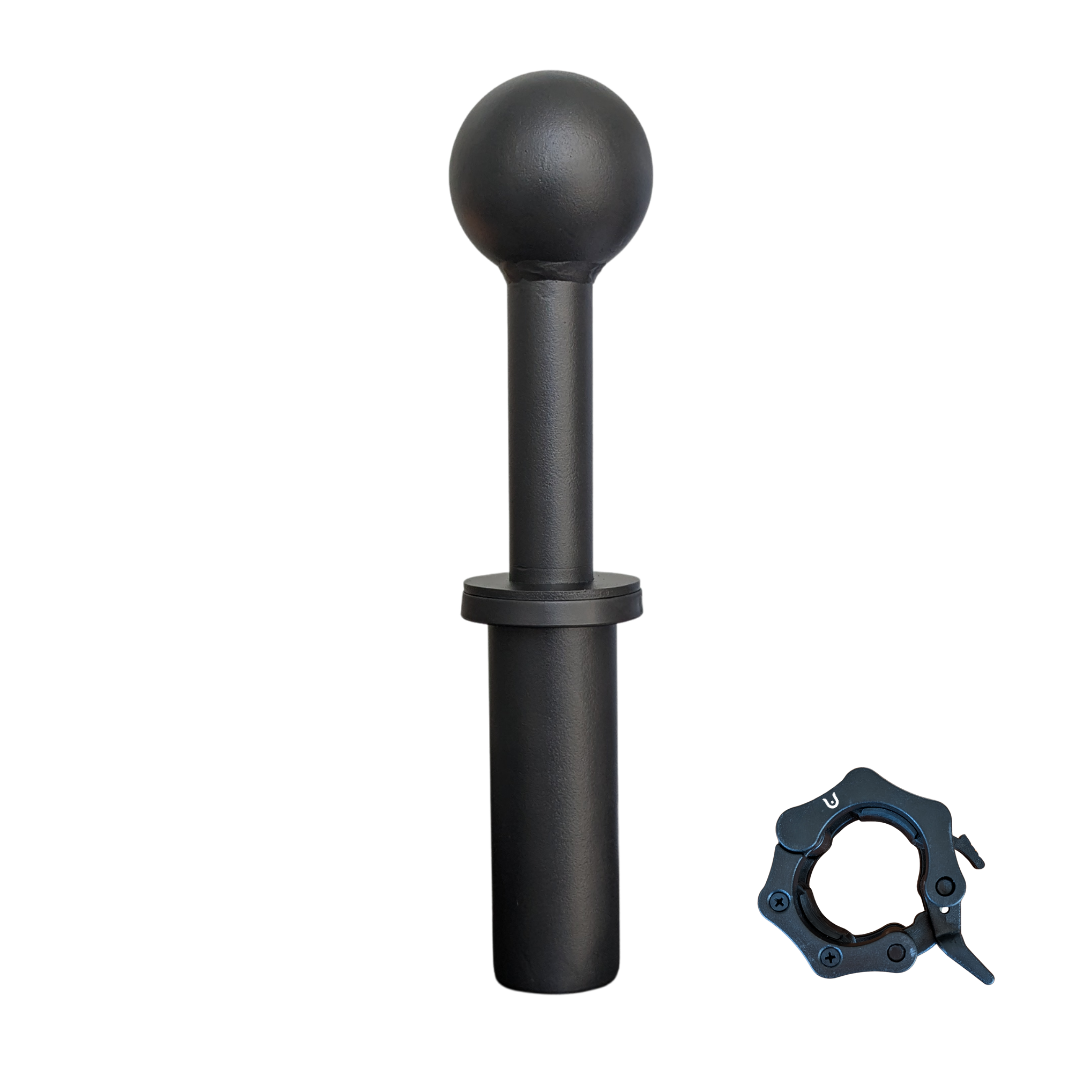



GymPin Barbell Row Handle
Heavy-duty handle attachment for barbell, landmine and T-bar rows.
Choose the format around access, storage and permission

Loose chalk is quick to reach into, while a block lets you rub chalk onto selected areas. A chalk ball contains powder inside fabric, and liquid chalk spreads from a bottle before drying. These are differences in delivery and handling; the packaging alone does not establish which option will improve your lifting most.
Think through the journey from your bag to the platform. An open container is convenient in a dedicated training area but needs a secure place where it will not spill. A bottle is easier to close between uses. A block needs protection from being crushed accidentally. A refillable ball still needs somewhere to contain escaped powder.
Ask staff what is allowed before opening anything. Permission for liquid chalk does not automatically include loose powder, and an apparently tidy application does not override a facility rule. If the answer is unclear, name the exact format and show the container. Avoid making a purchase around an assumption about what your gym will tolerate.
A climber’s chalk bag illustrates convenient access between efforts, but a lifting platform has different practical demands. You do not need to copy an entire climbing setup to use chalk for deadlifts. Choose a container and application routine that fit the rest periods and equipment changes in your own session.
For a shared gym, the sensible first option is an allowed format you can control. For a dedicated training space, convenience and storage may carry more weight. Neither setting requires buying every format. Begin with the smallest practical purchase and learn what actually needs improving before adding another container to your bag.
Picture a session that moves from rows to pull-ups and then carries. You want the container reachable during your rest periods, without leaving it underfoot or occupying another station. Test that arrangement before deciding you need a different formula. Sometimes the inconvenient part is where you put the chalk, rather than the chalk itself.
Use a controlled amount and finish the application
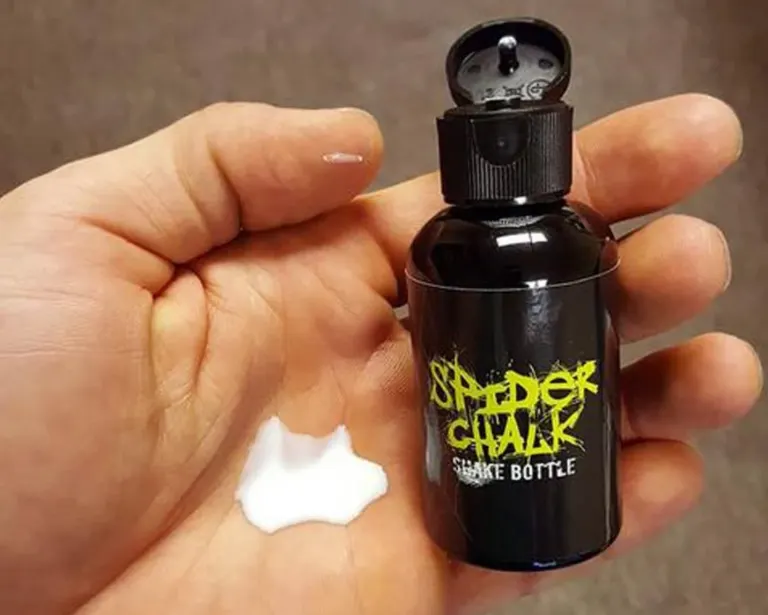
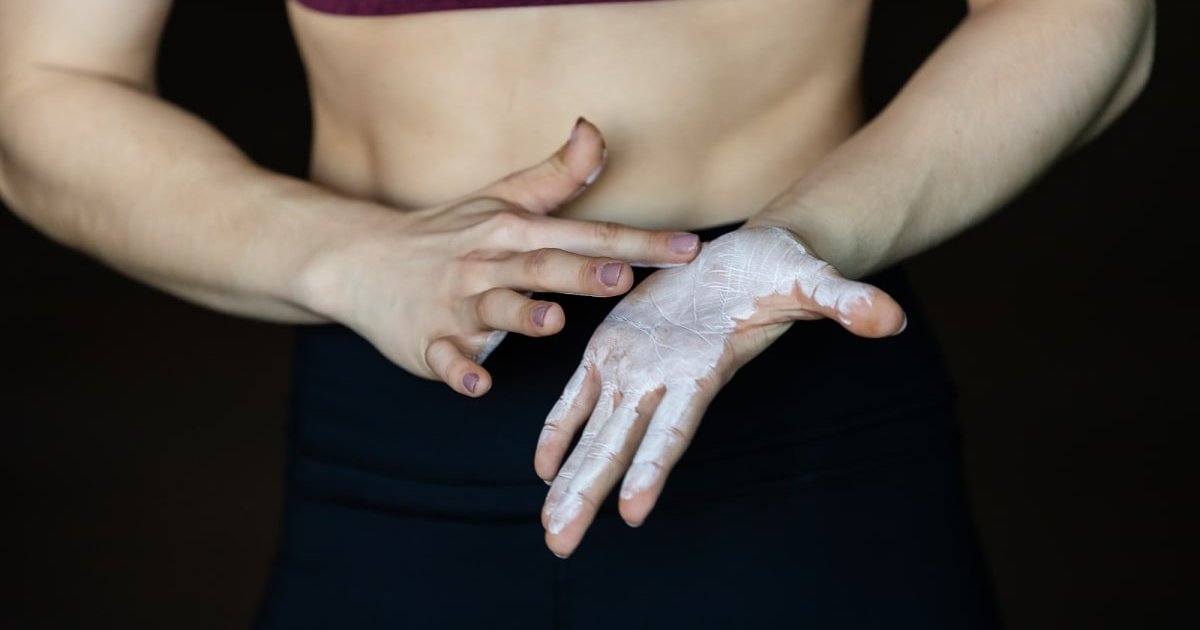
Begin with clean, dry hands and read the product directions. For a liquid formula, follow its shaking and application instructions, spread a small amount and let it dry before gripping equipment. Keep the bottle closed afterwards. A wet application and a finished chalk layer are different stages, so allow time for the second.
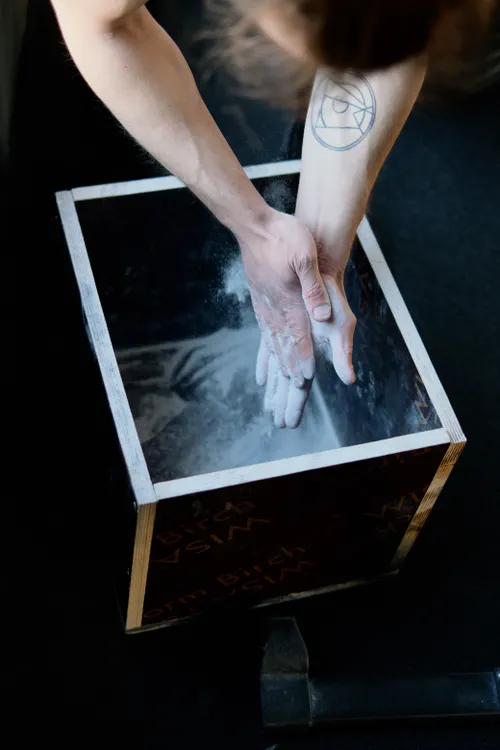
For powder or a block, apply over the container rather than across the room. Aim for coverage on the areas contacting the implement, then assess whether you need more. Clapping a cloud into the air adds spectacle without telling you anything useful about the layer on your palms. Keep the process close and controlled.
Do not turn a suggested quantity into a universal rule. Hands, products and sessions differ. If one small application covers your working sets, there is no need to reapply simply because the next set is heavy. If coverage changes, assess it during the rest period instead of adding product automatically before every repetition.
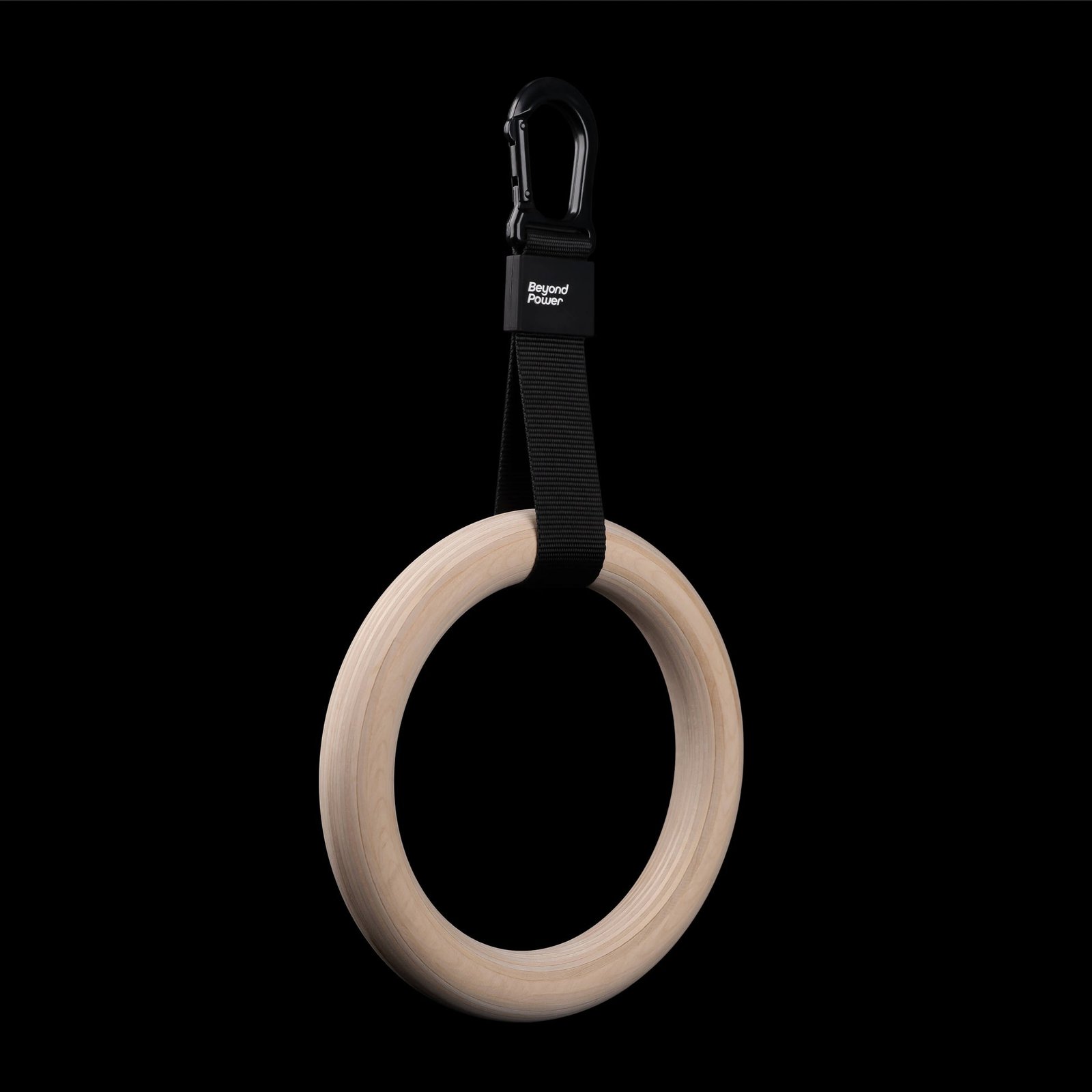
Grip tools and handheld equipment also need their own instructions. Wooden rings, textured metal handles and coated equipment are different surfaces. Check what the equipment owner permits, and do not assume that a product sold for one sport is approved for every implement. Practical compatibility is more useful than treating all white chalk as identical.
Keep the surrounding routine straightforward: prepare the hands, apply the chosen product, finish drying if required, perform the planned set and inspect what remains. That sequence makes a messy application easier to spot. It also helps separate a preparation problem from the normal fatigue that arrives late in a demanding set.
Equipment Worth Exploring
Explore equipment, accessories and gear from our carefully selected range.


Open Hex Bar
Open-frame trap bar with multiple handles for deadlifts, carries, and lower-body training.


Cast Iron Kettlebells
Textured cast-iron kettlebells for swings, squats, carries, and full-body training.


Rubber Hex Dumbbells
Rubber-coated hex dumbbell pairs with a stable shape for home and commercial strength training.


Compare sessions without believing every label
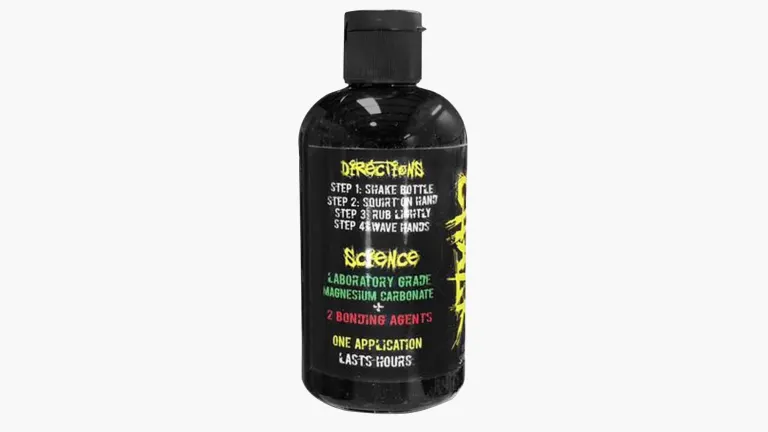
A bottle may advertise a long-lasting grip or a large number of applications. Treat those as product claims rather than a promise about your next workout. Read directions and ingredients before buying, and compare equivalent information. A larger container is not automatically better value if you dislike using its formula or cannot use it at your gym.
Choose two or three ordinary sessions for a practical comparison. Keep your main exercise, working weight, grip arrangement and repetition target similar enough to recognise meaningful differences. Record the format, how often you reapplied and whether slipping interrupted the planned work. This is a personal buying aid, not a controlled experiment proving performance benefits.
Add the unglamorous observations: did the lid leak, did powder escape into your bag, and how much cleanup followed? A product that feels acceptable during a set can still be inconvenient across a month of training. Conversely, a modest container that fits your routine may be more useful than an impressive specification you never exploit.
Compare total spending over a useful period instead of inventing a precise cost per application. Record when you opened the container and when it needed replacement. Only then can you judge your own consumption. Advertised application counts may use a different quantity from the amount you actually apply.
Keep your conclusions narrow. One better session does not establish that the product caused a strength gain. Sleep, training fatigue and ordinary variation also change how a workout feels. You can still make a sound practical decision: this format was permitted, easy to apply and satisfactory during the exercises you actually perform.

Powerlifting Shirts & Lifting Gear
Powerlifting shirts and gym gear for squat, bench and deadlift lifters who live for heavy numbers.

– Dost Thou Even Hoist Sir? Hooded & Top Hoodie
Keep it laid-back with a little “Dost Thou Even Hoist Sir? Workout Hooded” attitude.

Praise The Deadlift Holy Lifting Meme Fans Tank Top
Add some deadlift attitude to training with “Praise The Deadlift”.

Lift Eat Repeat Sweater & Meme Fans T-Shirt
For laid-back days and lifting humor: “Lift Eat Repeat”.

Deadlift And Chill – & Top T-Shirt
Heavy lifts, good laughs, and a little “Deadlift and Chill” energy.

Shirt – Deadlift – Meme Gains & Bros T-Shirt
Heavy lifts, good laughs, and a little “Deadlift” energy.

1 Plate Deadlift Club Meme – Motivational Top T-Shirt
Heavy lifts, good laughs, and a little “1 Plate Deadlift Club” energy.

I Love Deads Shirt – Valentine'S Day Deadlift Meme T-Shirt
Show some deadlift attitude with a playful “I Love Deads” tee.

Deadlifter Life Shirt – Halloween Ghost T-Shirt
Rep “Deadlifter For Life” humor in and out of the gym.

Deadlift Addict & Barbell Cigarettes Can'T Quit T-Shirt
Show some deadlift attitude with a playful “Deadlift Addict & Barbell Cigarettes” tee.

Bending Bars Meme Breaking Bad Decal Water Bottles & Sticker
Give your everyday gear a playful “Bending Bars Gym Meme” twist.
Leave the equipment ready for the next lifter
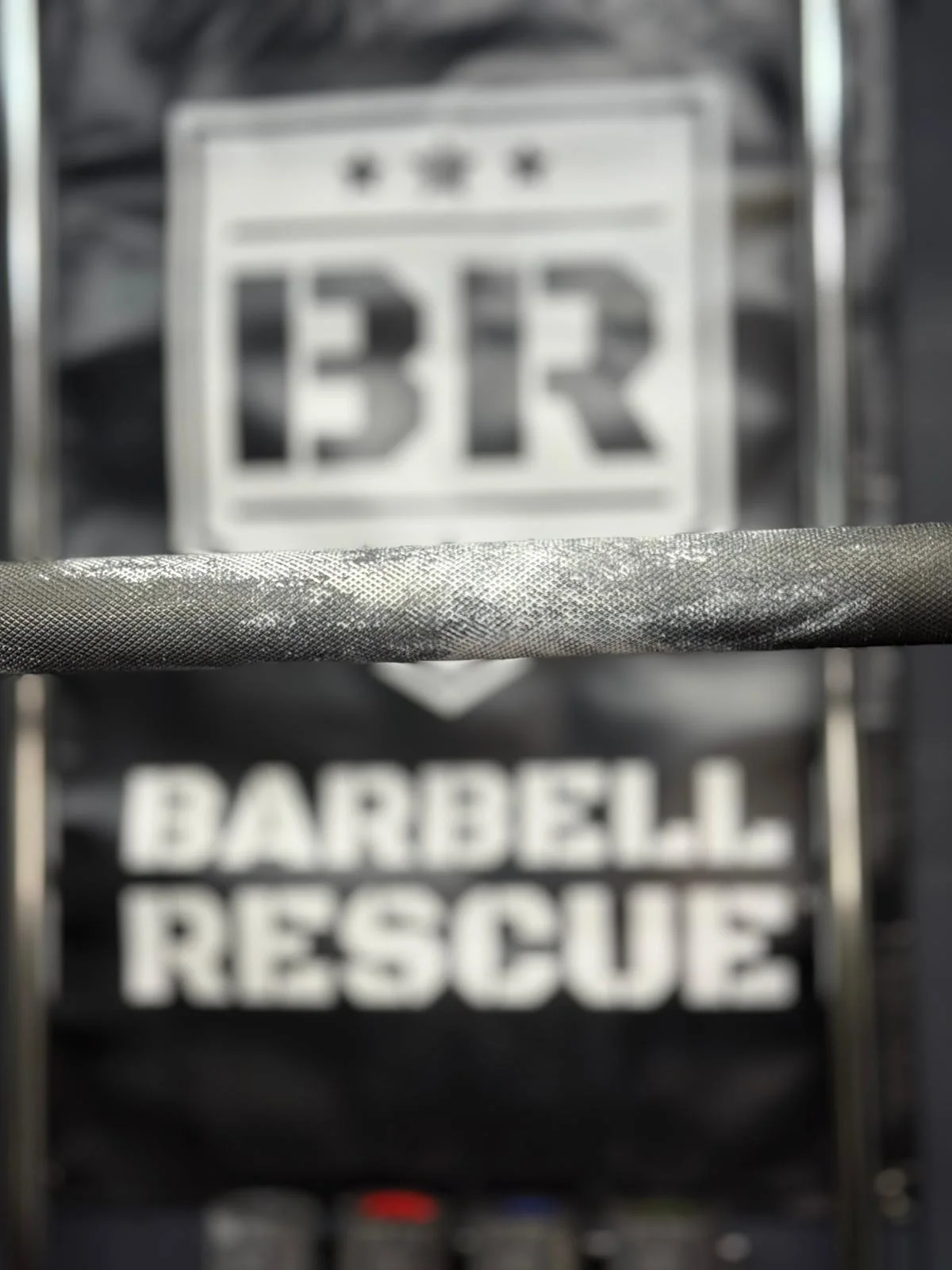
Lower dust does not mean zero cleanup. Look at the handle, bar and nearby floor when you finish. Remove residue using the facility’s approved method and follow the equipment manufacturer’s care instructions. Do not improvise with an aggressive brush or cleaning chemical because it worked on a different finish.
At home, store chalk where a knocked-over bottle or open bag will not land on moving equipment. Keep the container dry and closed between sessions. In a commercial gym, return shared equipment and leave the training area usable. Cleanup belongs inside the workout time you have available, rather than becoming somebody else’s task.
If you compete, check the event’s rules before packing your usual product. Training permission and competition approval are separate questions. Confirm the permitted ingredients and format directly, rather than relying on a bottle that simply says it has been used in competition.
The buying decision can stay simple. Choose an allowed format, apply it deliberately and compare it during familiar training. Keep it if the handling, grip feel and cleanup suit your needs. Change it when a specific problem remains unresolved. Chalk earns its place through a useful routine, rather than through a bigger dust cloud.