Advertising disclosure: This page includes affiliate product links that may earn us a commission, as well as products from our own store.
A brutal squat set can leave you breathing hard long after the bar returns to the rack. That experience makes the afterburn story appealing: push until another repetition is impossible, then keep burning energy while you recover. The useful question is whether that extra metabolic demand is a good reason to take your squats to failure.
A small 2026 experiment offers a more specific way to think about the issue. It compares different repetition counts at the same relative load, rather than testing an entire fat-loss program. For lifters, the distinction matters. A session can demand more recovery without becoming the best session for your actual goal.
What the eight-man squat comparison tested
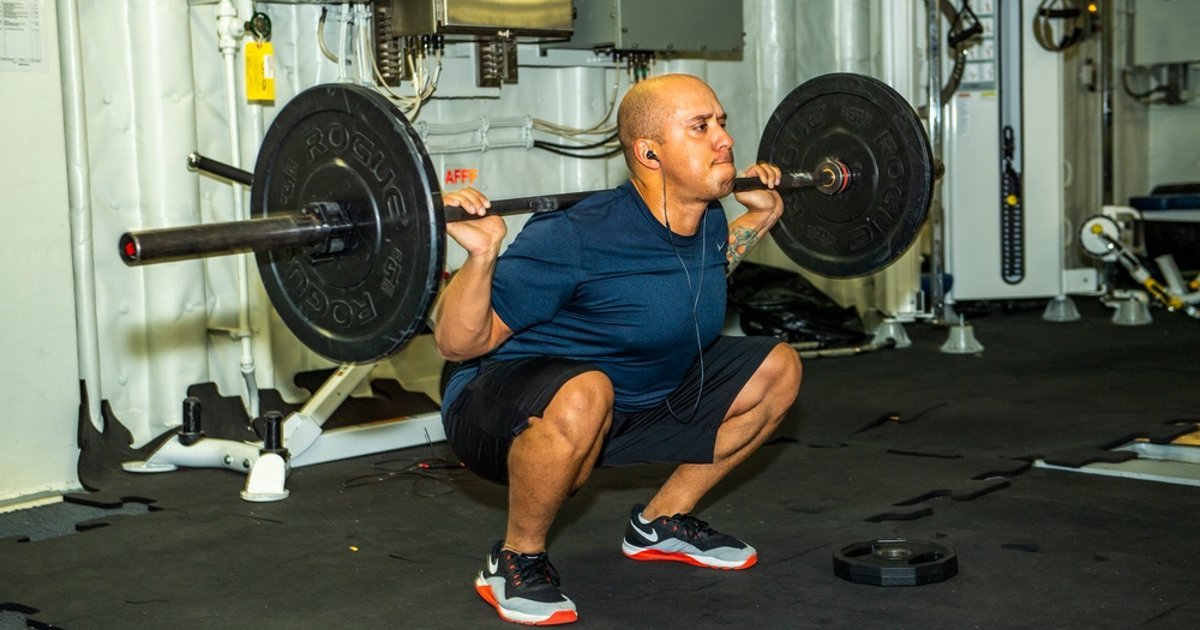
Eight resistance-trained male university students completed randomized squat trials: three sets at 75% of their tested one-repetition maximum, using four repetitions, eight repetitions or repetitions to failure. Rest between sets was two minutes. Oxygen uptake and other responses were followed during exercise and for 120 minutes afterward. The paper appeared online on August 25, 2026.
The reported afterburn lasted 35 minutes after the four-repetition condition, 70 minutes after eight repetitions, and remained elevated through the two-hour observation after failure. Total excess oxygen use and estimated post-exercise energy expenditure increased across those conditions. However, the difference in oxygen use was no longer statistically significant after adjustment for total exercise volume. These were acute measurements in eight men, not a test of long-term fat loss.
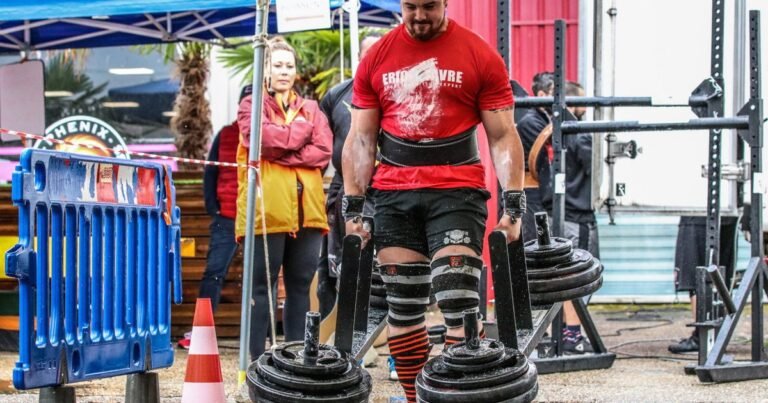
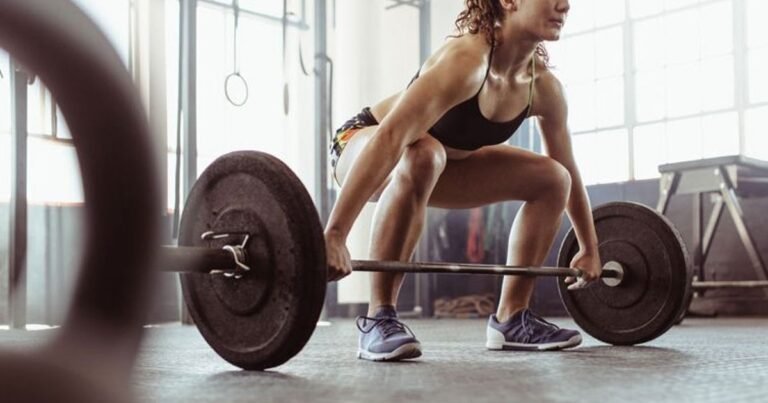
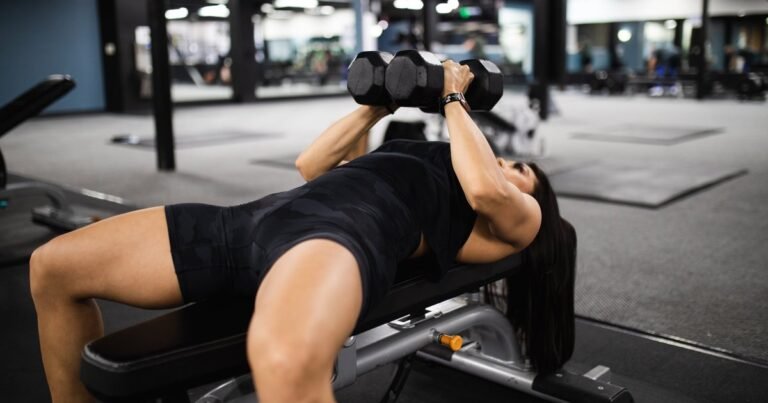
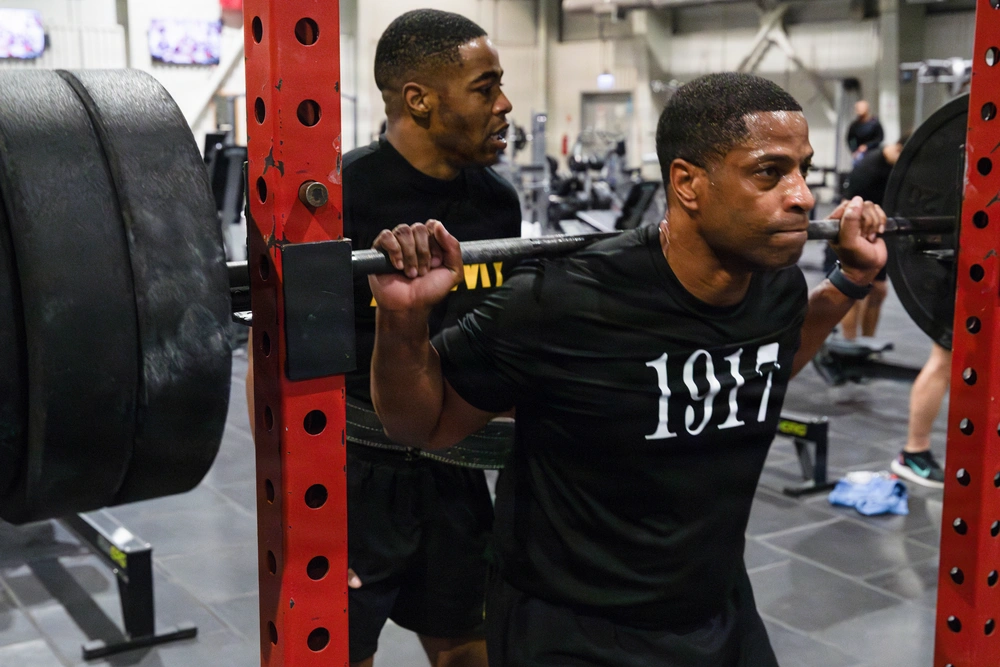
The photographs here illustrate ordinary training, equipment and record keeping. They do not show the study participants or document its laboratory procedures.
For a reader assessing a training claim, start by identifying exactly what changed. The percentage of maximum stayed fixed, but the amount of work did not. That means this comparison cannot isolate a special benefit of reaching failure from the consequences of completing more repetitions. Nor should a prescribed four-repetition set automatically be translated into a particular number of repetitions in reserve for every lifter.
A longer afterburn is not a fat-loss result
Afterburn refers to oxygen consumption above the resting baseline after exercise. Its duration and its total size answer different questions. A small elevation lasting longer can have a different energy cost from a larger elevation lasting briefly. A headline that gives only a number of minutes leaves out that distinction.
Think of the difference between how long a tap runs and how much water fills a bucket. Time alone does not tell you the volume. That analogy does not calculate workout calories; it simply explains why a duration should not be treated as an energy total. A claim about the total requires actual measurements and a defined baseline.
Measuring the energy cost of lifting is also more complicated than reading a watch. A 2024 review of measurement methods identified substantial variation across studies and limitations in capturing the contribution of anaerobic metabolism. A laboratory estimate and a consumer device display should not be treated as interchangeable measurements.
For weight management, keep attention on the eating pattern and activity you can sustain. A demanding workout does not establish that you will lose more fat over the following weeks. Avoid inventing an afterburn allowance and automatically adding it to your food intake. Equally, do not dismiss lifting because it is difficult to attach a precise calorie number to every set.
If you are cutting, assess the plan through repeated observations under reasonably consistent conditions. One sweaty afternoon is a poor basis for changing the entire diet or doubling the difficulty of your next leg session.
Why the extra repetitions change the interpretation
Suppose a lifter performs three sets of four repetitions with 80 kilograms. The simple volume-load calculation is 960 kilograms. Three sets of eight with the same load produce 1,920 kilograms. That is twice the arithmetic total before asking whether any set reached failure. This is an original numerical illustration, not additional data from the experiment.
Volume load is an incomplete description of training: it does not capture depth, movement speed, individual leverage or how difficult the final repetition felt. Nevertheless, it exposes an obvious problem in a comparison. If one condition includes much more work, attributing every difference to failure alone is too confident.
This is also why the word intensity needs context. Percentage of maximum describes the load relative to tested strength. Effort describes how close a set comes to the limit of what you can complete. Holding the first constant does not hold the second constant, and neither term tells you how many total repetitions were performed.
When comparing your own sessions, record the movement, load, repetitions and stopping rule together. Note a change in squat depth or equipment rather than silently treating it as the same task. A heavier number achieved with a shorter movement is a different observation from an improvement under unchanged conditions.
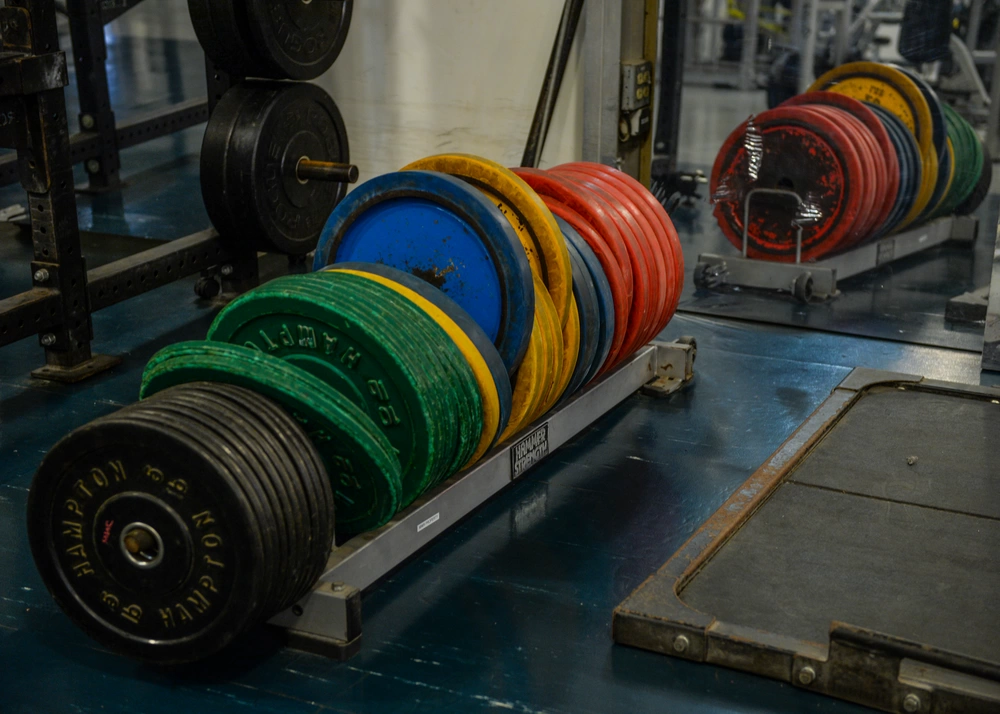
Choose racks, bars, plates and collars for compatibility and repeatable setup. Their role is to support the exercise you intend to perform; owning a particular product does not reproduce a laboratory protocol or guarantee a larger metabolic response.

Equipment Worth Exploring
Explore equipment, accessories and gear from our carefully selected range.


Foldable Wall Rack
Wall-mounted folding squat rack designed to save floor space between workouts.


Competition Plates
Competition-style bumper plates for Olympic lifts and loaded strength training.


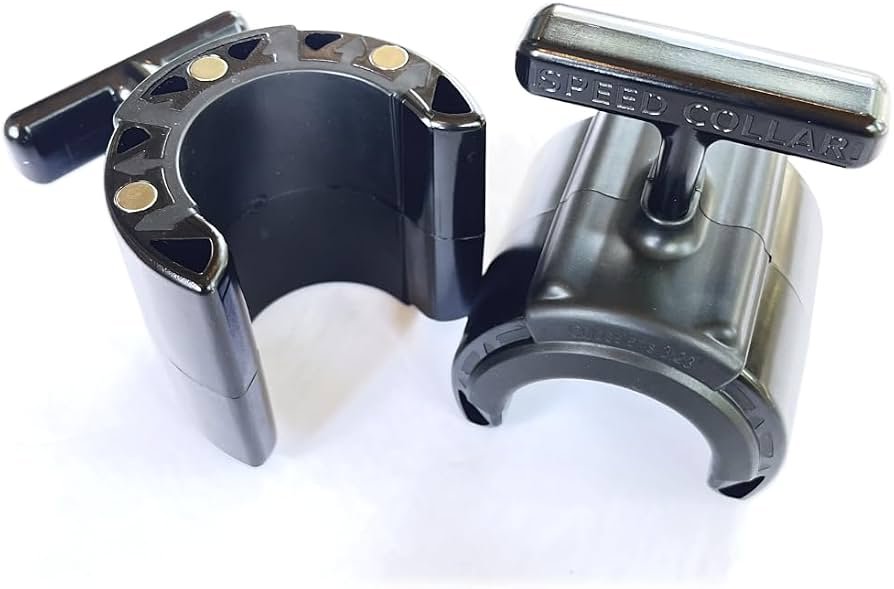
Speed Collar
Quick-release collars designed to secure weight plates on standard two-inch Olympic bars.
Build the session around the job of each set
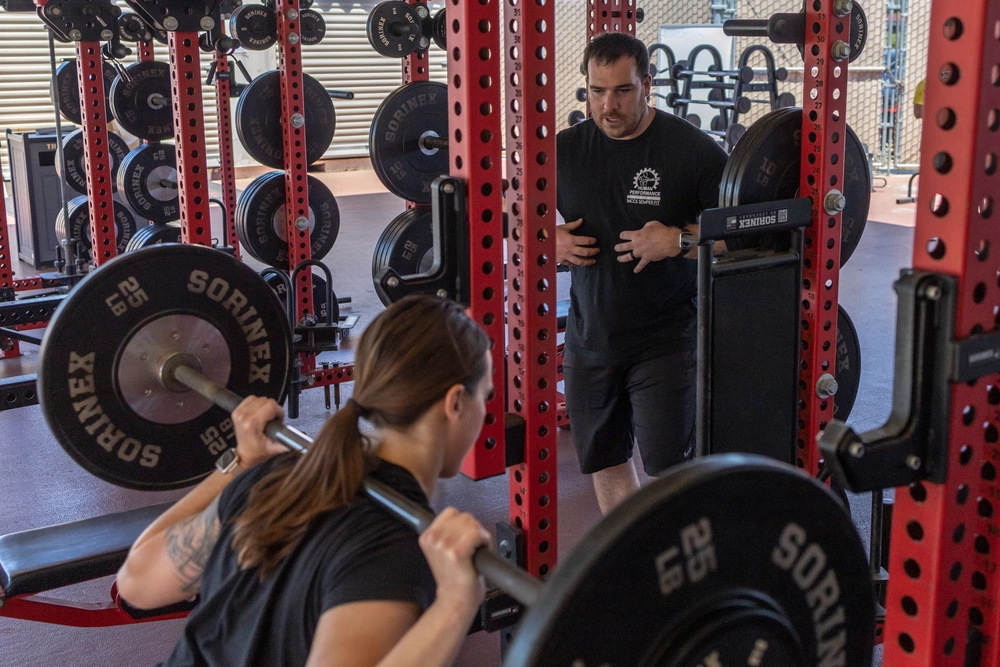
Before a hard set, decide what you are trying to practise. A squat session aimed at improving a repeatable barbell movement needs a different review process from a short conditioning circuit. The first question afterward should be whether the planned work was completed as intended, rather than how exhausted you looked.
Broader training evidence does not support treating failure as compulsory for every productive set. A review of 15 studies found no statistically significant overall difference in strength or muscle growth between failure and non-failure training, although a trained-participant subgroup favored failure for muscle growth. That nuance argues for a programming choice, rather than a rule that either approach always wins.
Here is a practical planning example, not a tested prescription: keep your existing squat load and set structure, but write down the intended stopping point before starting. End a set if you cannot maintain the movement standard you chose. Review the completed repetitions and the following session before adding more work. You do not need to deliberately fail a squat to make that record useful.
A rack and an appropriate, understood safety arrangement matter when using a barbell. Learn the equipment and seek qualified instruction where needed. A photograph of a spotter is not a demonstration of a complete spotting or escape procedure.
For assistance work, dumbbells, a leg press or a leg-extension and curl machine can offer different exercise options. They are not interchangeable versions of the tested squat. Choose an option because it fits the planned movement and available setup, then log it consistently. General resistance-training guidance also emphasizes regular participation and adapting the program to the person.
Equipment Worth Exploring
Explore equipment, accessories and gear from our carefully selected range.

Leg Press/Hack Squat BPR-790
Convertible 45-degree leg press and hack squat machine with a broad footplate and band pegs.

Compact Leg Press CLP-700
Compact reverse-style leg press with a moving seat carriage and an adjustable footplate.

Leg Extension/Curl BCO-780
Leg extension and lying leg curl combo with plate loading, band pegs and a cable-loading option.

Seated Leg Combo BCO-680
Adjustable seated leg extension and leg curl machine with band pegs for added resistance.

Studio V-Squat
Plate-loaded V-squat machine for supported lower-body strength training.


GymPin Squat Wedges
Non-slip 15-degree squat wedges help elevate the heels for deeper quad-focused squats.

Safety Squat Handles
Barbell squat handles that reduce shoulder positioning demands during high-bar squats.
Keep a training log, not an afterburn scoreboard
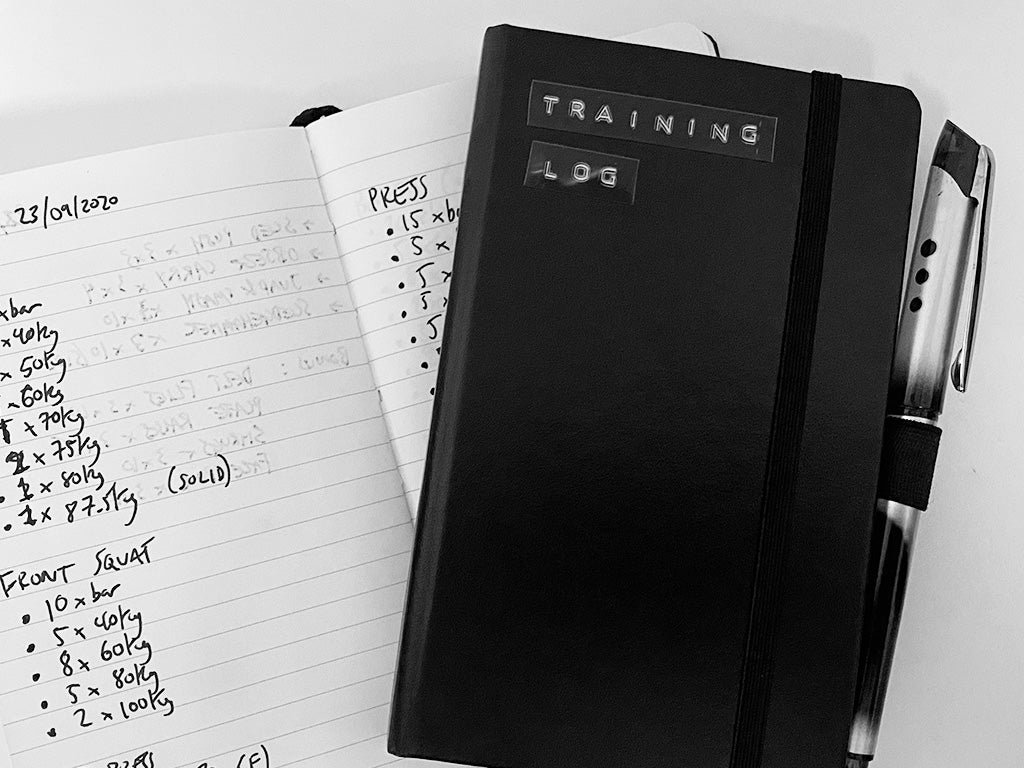
A useful log can remain simple: exercise, load, sets, repetitions, rest and a short note about effort or technique. Add context when something meaningfully changes, such as a different machine or an unusually interrupted session. A notebook and a basic phone note can both do the job.
Review comparable sessions together. If your technique standard is consistent and you complete the planned work more reliably, you have information you can act on. If every session becomes an improvised test of endurance, it becomes harder to separate progress from changes in the task.
Before changing anything, write one question you want the next few sessions to answer. For example: can I complete my planned squat repetitions with the same depth and rest period? That is more useful than asking whether today’s workout was hard enough in the abstract. Keep the question narrow enough that your notes can actually answer it.
Then change one practical feature deliberately. If you alter the stopping rule, avoid simultaneously adding sets, changing the exercise and shortening every rest period. Otherwise, a better or worse session will have several plausible explanations. This is a way to organize personal observations, not a controlled experiment or proof of what will work for everybody. If the change makes the plan harder to follow, that consequence belongs in the review too.
Keep nutrition and activity records separate enough to interpret them. Do not award yourself extra food simply because a set felt spectacularly difficult, and do not turn a disappointing session into punishment cardio. Look for a sustainable pattern that supports your chosen goal.
The practical lesson is to choose effort deliberately. Failure can be part of a program, but an afterburn duration is a weak standalone reason to chase it on every squat set.

Powerlifting Shirts & Lifting Gear
Powerlifting shirts and gym gear for squat, bench and deadlift lifters who live for heavy numbers.

Burn The Fat Feed The Ego Shirt – Meme & Top T-Shirt
Bring “Burn The Fat Feed The Ego” humor to your next gym day.


Leg Day Squats Deadlifts Vest Meme Tank Top
Bring “Leg Day” humor to your next lifting session.

Off-Season Rest Day Sweater & Bros Meme T-Shirt
For laid-back days and powerlifting humor: “Off-Season Rest Day”.

Never Skip Leg Day Chicken Legs Meme & Bros Hoodie
Show off your leg-day humor in a laid-back “Never Skip Leg Day” hoodie.

Anti Leg Day Leg Day Club Decal Water Bottles & Sticker
Give your everyday gear a playful “Anti Leg Day Leg Day Club” twist.

Skip Leg Day Meme Leg Day No Thanks Deadlifts Hoodie
Show off your leg-day humor in a laid-back “Skip Leg Day” hoodie.

Negative Leg Day Review Not Recommended 1 Star T-Shirt
Keep things casual with a little “Negative Leg Day Review” attitude.

I Love Squats | Valentine's Leg Day Muscle Shirt Tank Top
Add some leg-day attitude to training with “I Love Squats”.
Heavy Metal Skeleton Squat for Powerlifters, Bodybuilde T-Shirt
A t-shirt featuring the Heavy Metal Skeleton Squat for Powerlifters, Bodybuilders and Leg Day Lifters artwork, bringing lifting-inspired humor and distinctive gym graphics to your everyday gear.