Advertising disclosure: This page includes affiliate product links that may earn us a commission, as well as products from our own store.
The 2026 World Armwrestling Championships in New Delhi produced a striking contrast: Russia led the national standings, India celebrated 59 medals across the combined armwrestling and para program, and some of the most revealing performances came from athletes far beyond the traditional open-age divisions. The event finished on November 6. Behind the totals are important questions for anyone fascinated by strength: how do two arms create separate medal opportunities, why can a dominant qualifier still lose the final, and what can an ordinary lifter reasonably take from a world-class puller?
A world championship bigger than one athlete count
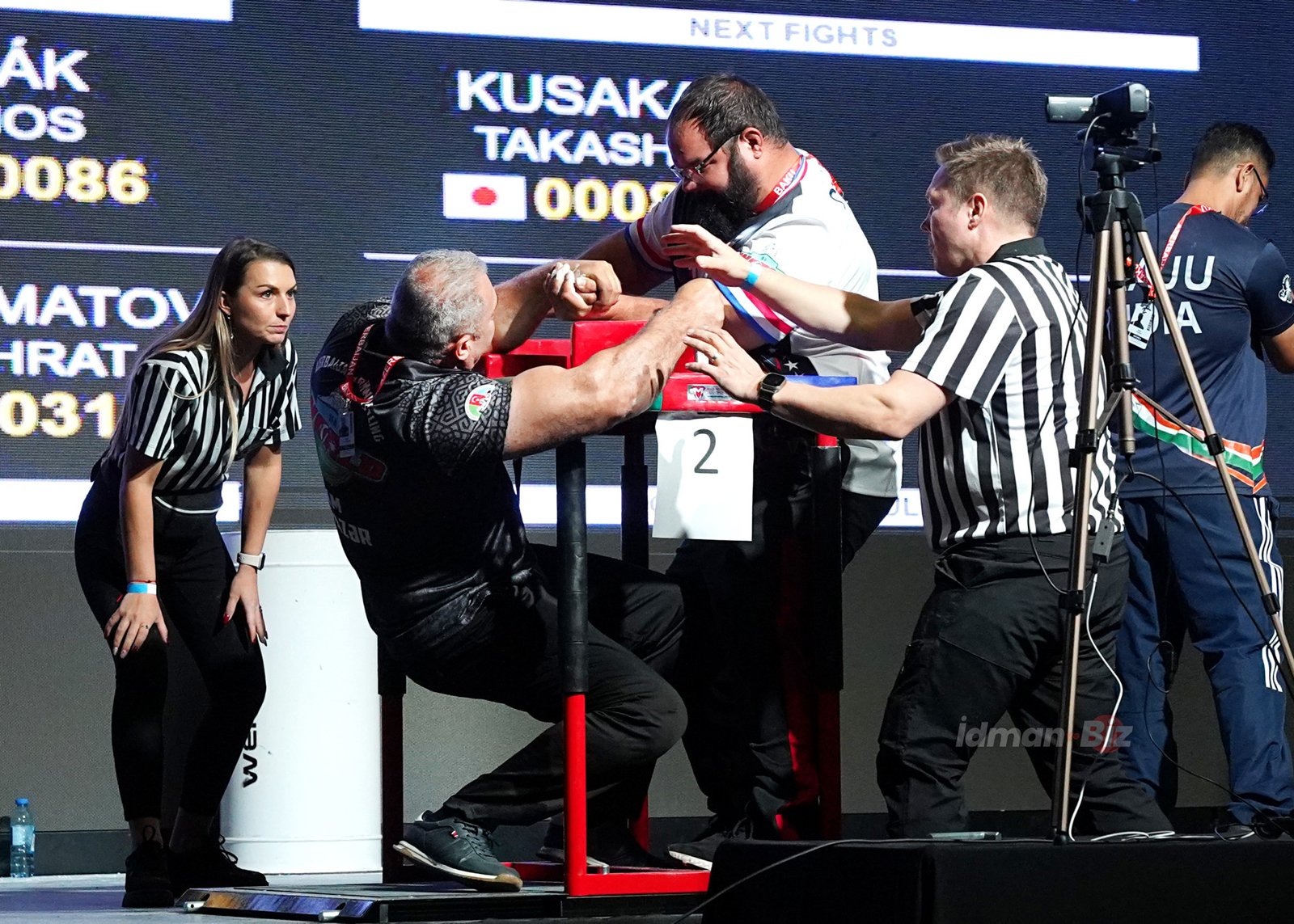
The 47th World Armwrestling Championship and 28th World Para Armwrestling Championship brought international competitors to New Delhi, India, with the competitive portion running from October 29 through November 6, 2026. The wider event schedule included activities around those dates, so opening and closing dates can differ depending on whether a listing refers to the formal tournament or the full championship gathering.
The results database for the conventional armwrestling bracket lists 949 athletes, 57 countries, 188 competitive categories and 3,188 matches. The broader championship was described as welcoming more than 1,700 athletes, officials and supporters from over 60 countries. Those figures are not interchangeable: the first counts competitors covered in one published results system, while the second describes a larger gathering and different scope. It would be misleading to treat the larger total as 1,700 verified entrants in those same 188 classes.
The huge category count makes sense once the sport is understood. Competitors are separated by age, body weight, sex and often left versus right arm. A single athlete may have a very different competitive path with each arm. The structure makes armwrestling a compelling strength sport precisely because a giant forearm is not enough. Hand control, positioning, experience, endurance and the ability to produce force at a narrow joint angle can overturn what looks like a simple size advantage.
For a gym audience, the central distinction is between strength in general and strength expressed at a table. A big deadlift or an enormous dumbbell curl may establish useful capacity without automatically creating a winning setup against someone who can take the wrist, control the pronation and deny a favorable pulling angle.
Russia led; the double-arm champions tell another story
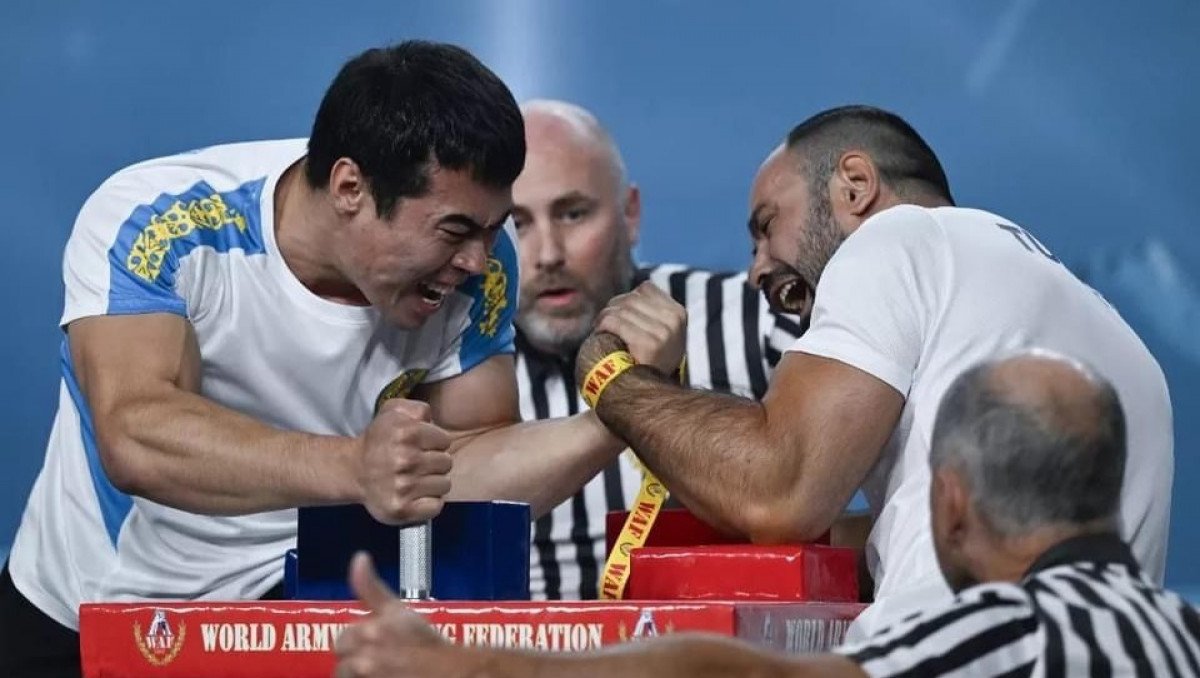
Russia finished first in the overall national classification, ahead of Kazakhstan and Türkiye. That is the headline team result. Yet armwrestling medals are distributed through so many separate categories that a useful recap needs more than a three-country leaderboard. A country can collect points across multiple ages, weights and arms without producing a single dominant heavyweight personality; conversely, a spectacular individual champion does not by itself tell you the depth of a federation.
Six competitors took senior gold with both arms. Melek Celik and Esra Kiraz represented Türkiye, Ulbossyn Elmurat and Yerdualet Nurmakhan represented Kazakhstan, and Irina Driaeva and Tengizi Natsvlishvili represented Georgia. These are especially impressive doubles because left-arm and right-arm matches are distinct competitions, not a combined score from one pull. Winning both requires consistent technique and the ability to handle separate brackets under accumulated tournament fatigue.
It is tempting to imagine that right-hand dominance predicts the left-hand result. It does not have to. Athletes may have different dominant hands, old injuries, specialized techniques or simply more successful matchups with one arm. Grip position, shoulder alignment, elbow location and how an opponent attacks the fingers can vary enough to produce a different final. A double gold is therefore a meaningful marker of versatility, not merely a repeated trophy for the same performance.
National team rankings also require a consistent definition. The official conventional armwrestling team table and a combined championship tally including para divisions can show different medal totals. Comparing two countries using a mix of these systems is a recipe for false claims about their finishing positions.
India’s 59 medals were a team story, not 59 senior titles
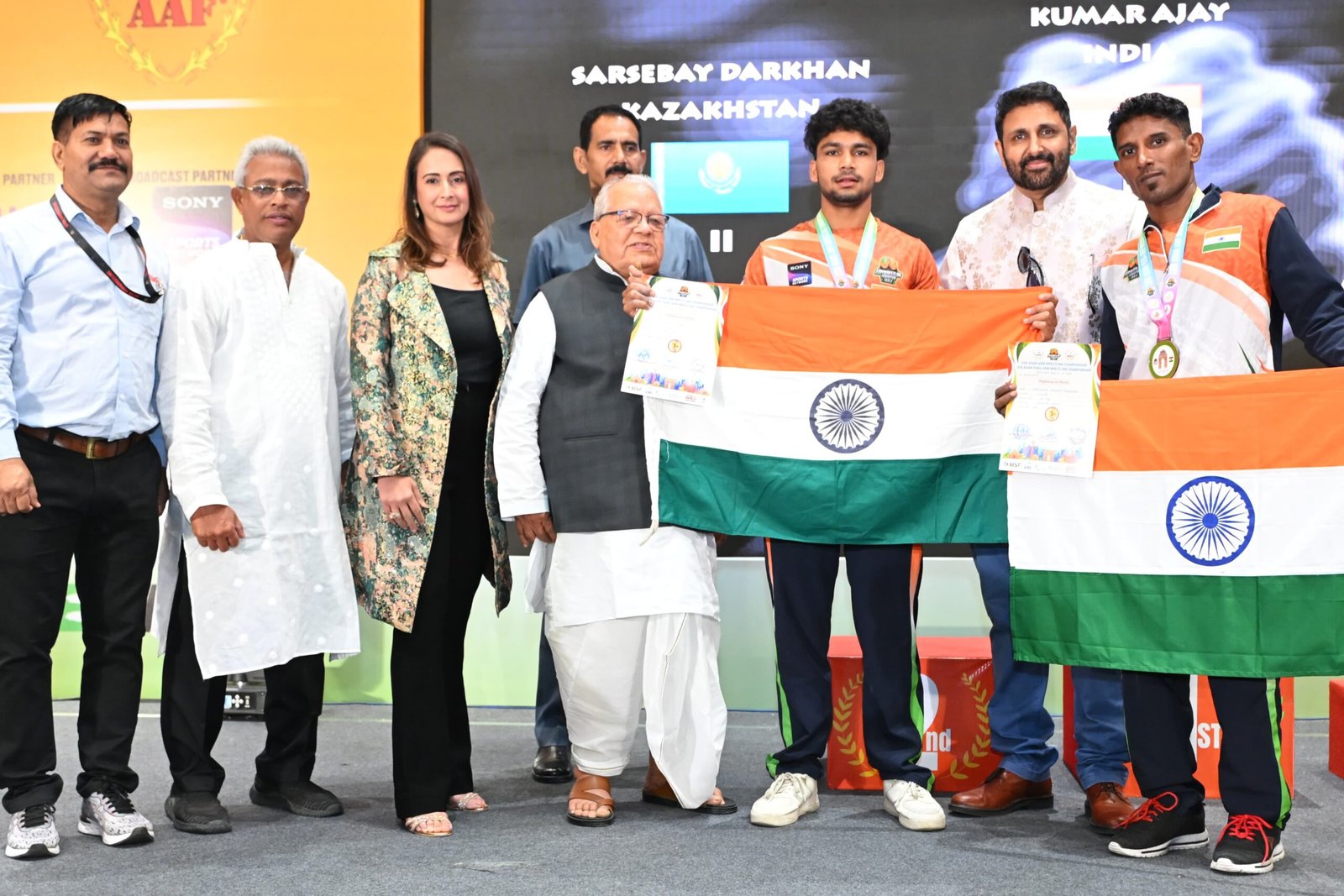
India’s home championship haul totaled 59 medals: nine gold, 19 silver and 31 bronze across the reported combined program. The breakdown tells the real story. Para armwrestlers contributed 26 medals, youth and junior divisions added 20, masters and grand masters supplied 12, and the open senior program contributed one bronze. Those groups add to 59; they are not four additional medal tallies to stack on top of the national total.
Para athletes earned two gold, ten silver and fourteen bronze, with India placing fifth in the reported para standings. The sub-junior, junior and youth groups contributed three gold, eight silver and nine bronze. Masters and grand masters added four gold, one silver and seven bronze. The only reported senior Indian medal was a right-arm bronze for Madhura K N in the women’s 70 kg division. That senior-versus-development split matters if evaluating the depth of India’s current open-age elite rather than celebrating the growth of the sport as a whole.
Jincymol Sebastian supplied a vivid example of the value of age-category competition, winning on both arms in the Grand Master Women 80 kg class. Yogesh Choudhary and Shoukath VT each combined a right-arm gold with a left-arm bronze in their respective masters divisions. This was not a one-person performance disguised by a large headline count. Different generations and competition pathways contributed real podium finishes.
The home setting matters without proving a performance advantage. Organizing an international meet can build local visibility, recruit younger pullers, and give spectators a closer look at a discipline that often lives outside major sports broadcasts. But the tournament results alone do not demonstrate that the host country will suddenly dominate open senior categories. Development and elite conversion are separate challenges.
Why a win in the bracket does not always settle the final
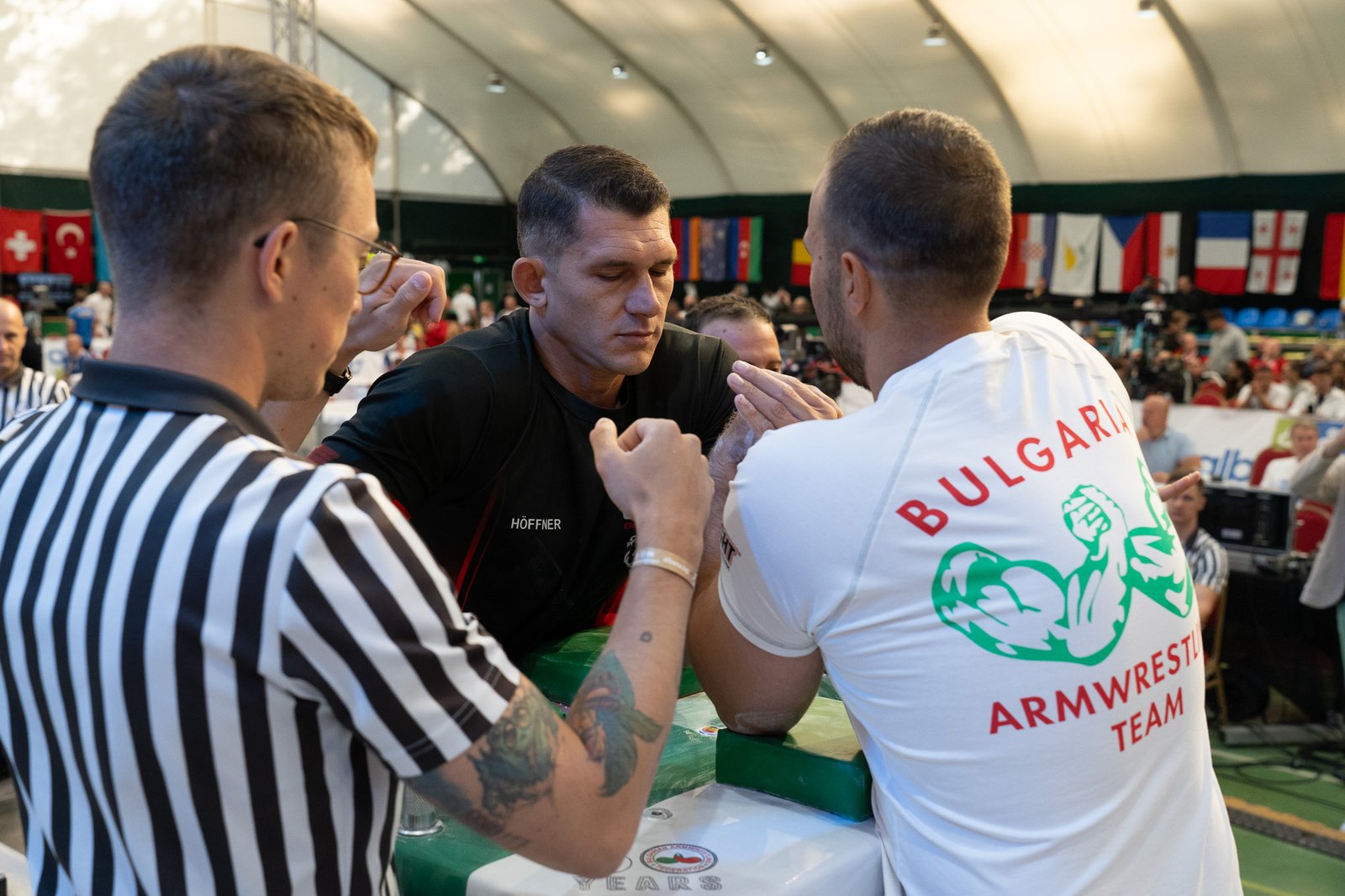
Many armwrestling championships use double elimination, in which an athlete generally remains in contention after a first loss but exits after a second. A competitor can beat a rival earlier in the tournament and still meet that same person again in a decisive round. That is part of what makes tournament progress less straightforward than a single-elimination fight card.
The 2026 Grand Master Men over-100 kg left-arm contest illustrates it. Giorgos Charalampopoulos defeated Konstantin Petrov on the way to the final, only to meet him again. Petrov won the later contest, leaving the Greek veteran with silver. Charalampopoulos also earned right-arm bronze, where foul calls and repeated restarts became important parts of his run. Those details matter more than a simplistic claim that the athlete who won their first meeting must be stronger in every subsequent exchange.
An armwrestling pull is constrained by rules: elbow positioning, grip setup, starts, slips, straps, false starts and fouls can all change the route to victory. The exact enforcement and restart procedures matter. Technique is not a loophole around strength; it is how strength is made useful within the rules. An athlete who attacks with raw side pressure before securing hand position may surrender the very leverage that their stronger muscles need.
For spectators, a good habit is to distinguish a clean pin from a technical or foul-related outcome. For lifters, the lesson is narrower but valuable: specificity changes rankings. A stronger wrist flexor is useful; controlling an opponent’s hand, staying legal and preserving position through multiple rounds is a separate skill that takes table practice.
Masters success does not mean aging stops mattering
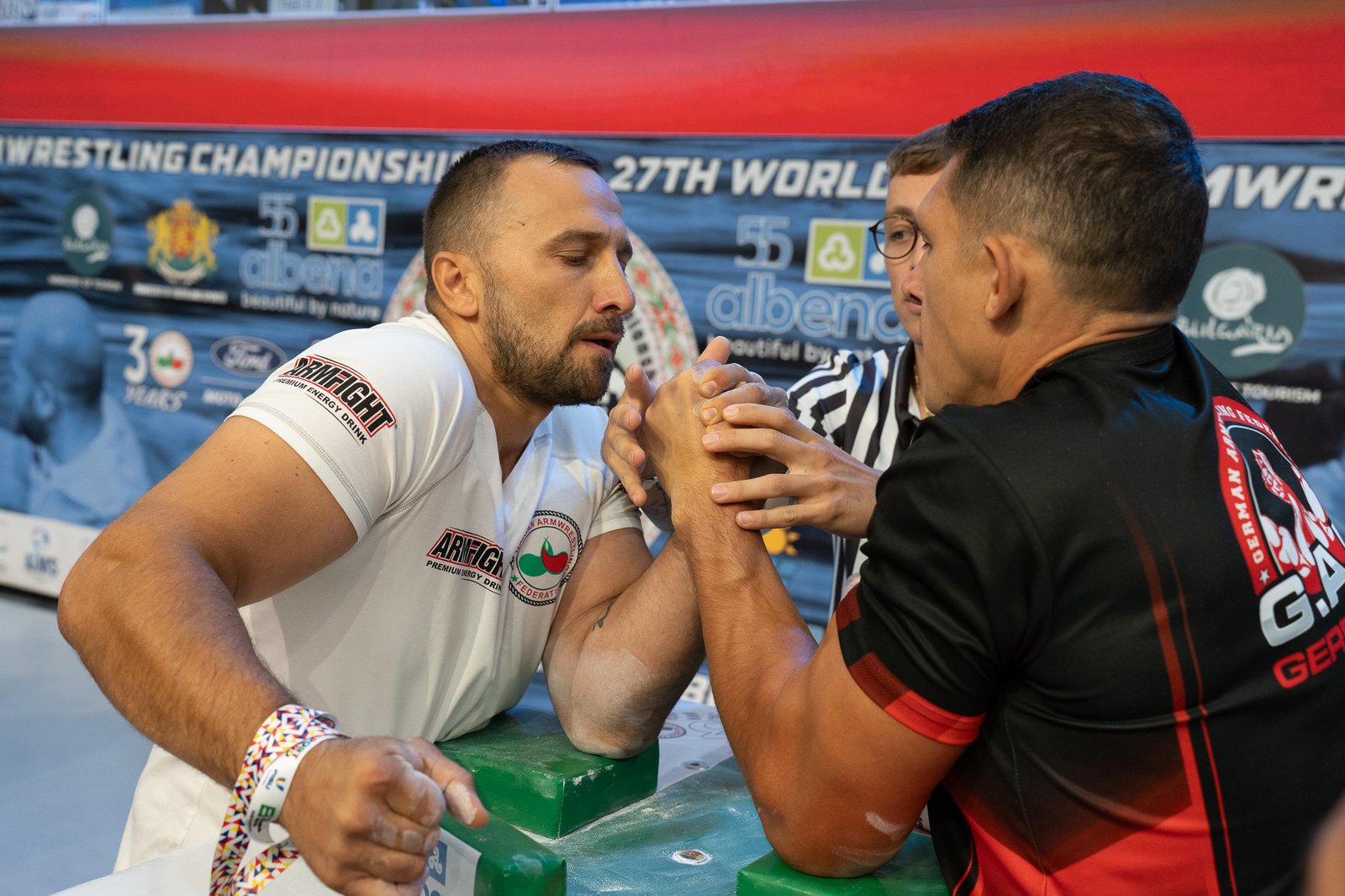
The championship’s veteran categories are one of its most interesting features. Open senior results often dominate online clips, but masters, grand masters and older groups show how a technical strength sport can keep athletes meaningfully involved for decades. Charalampopoulos was competing in the Grand Master over-100 kg bracket at 51, and Sebastian’s double victory came from a separate veteran category. Neither result should be confused with winning an open senior world title.
There is an encouraging lesson here, without pretending the biology of aging disappears. Experience can sharpen hand positioning, anticipation, pacing and recognition of familiar setups. Muscular strength can be trained later in life, but recovery, tendon capacity, injury history and connective-tissue tolerance differ among individuals. Comparing a trained veteran with an untrained younger person says little about what everyone should be able to do at that age.
The categories themselves allow better competition between people at comparable life stages. That is not a consolation prize: the rules, pressure and need to execute are real. It is also not evidence that a particular athlete follows an extraordinary secret regimen or that viewers should immediately copy a champion’s heavy isometrics. The event result verifies the placing, not the details of an athlete’s weekly training unless that routine is separately documented.
If you are returning to lifting or trying armwrestling in middle age, a sensible progression is to rebuild general pulling strength, then add light rotational and wrist work before hard table sessions. Progress can be measured through repeatable exercises and controlled efforts, not only in all-out matches with stronger friends. Recurring elbow pain is a reason to adjust loading and seek appropriate professional guidance rather than force more maximal pulls.
What gym lifters can actually learn about grip and table strength

Winning a high-level armwrestling match requires several linked capacities. Finger containment and wrist flexion help keep a useful grip. Pronation and supination control determine whether the hand stays oriented in a favorable position. Elbow flexion, lat engagement and shoulder positioning help connect the hand to the rest of the body. A recreational lifter does not need an athlete’s peak loads to improve these abilities.
Start with two controlled grip sessions per week, separated by enough recovery to avoid carrying sore elbows into every workout. One day can prioritize crush and support work: three sets of 20–30-second farmer holds, then two moderate sets of towel or thick-handle hangs with feet available for assistance. The other can emphasize wrist positions: two or three light sets of wrist flexion and extension, plus gentle controlled pronation and supination using a short lever. Keep several repetitions or seconds in reserve and stop if joint pain replaces muscular effort.
Make the challenge harder gradually. Increase hold time before chasing massive external weight; move the hand farther along a lever only when range of motion and control are stable. The small muscles and tendons around the wrist and elbow may not tolerate the rate of progression that large back or leg muscles can. No accessory eliminates that limitation, and grip straps can be useful during general back training when the goal is to load the back rather than turn every set into a forearm test.
None of these exercises substitutes for coached table practice. Armwrestling places the arm under rotational and side-pressure demands that ordinary gym curls do not reproduce. Beginners should avoid improvised maximum-force matches with a fixed upper arm or an awkwardly rotated shoulder; proper coaching, equipment and controlled resistance matter. In particular, do not treat a casual bar-table challenge as a harmless test of gym strength.
The real takeaway from New Delhi is that strength has different forms. The medal table rewards people who can combine specialized hand control, repeated technical execution and resilience across brackets, arms, ages and weight classes. General lifting can build a useful foundation, but the world-level result still belongs to the athlete who knows how to express that foundation under the exact rules of the sport.

Equipment Worth Exploring
Explore equipment, accessories and gear from our carefully selected range.
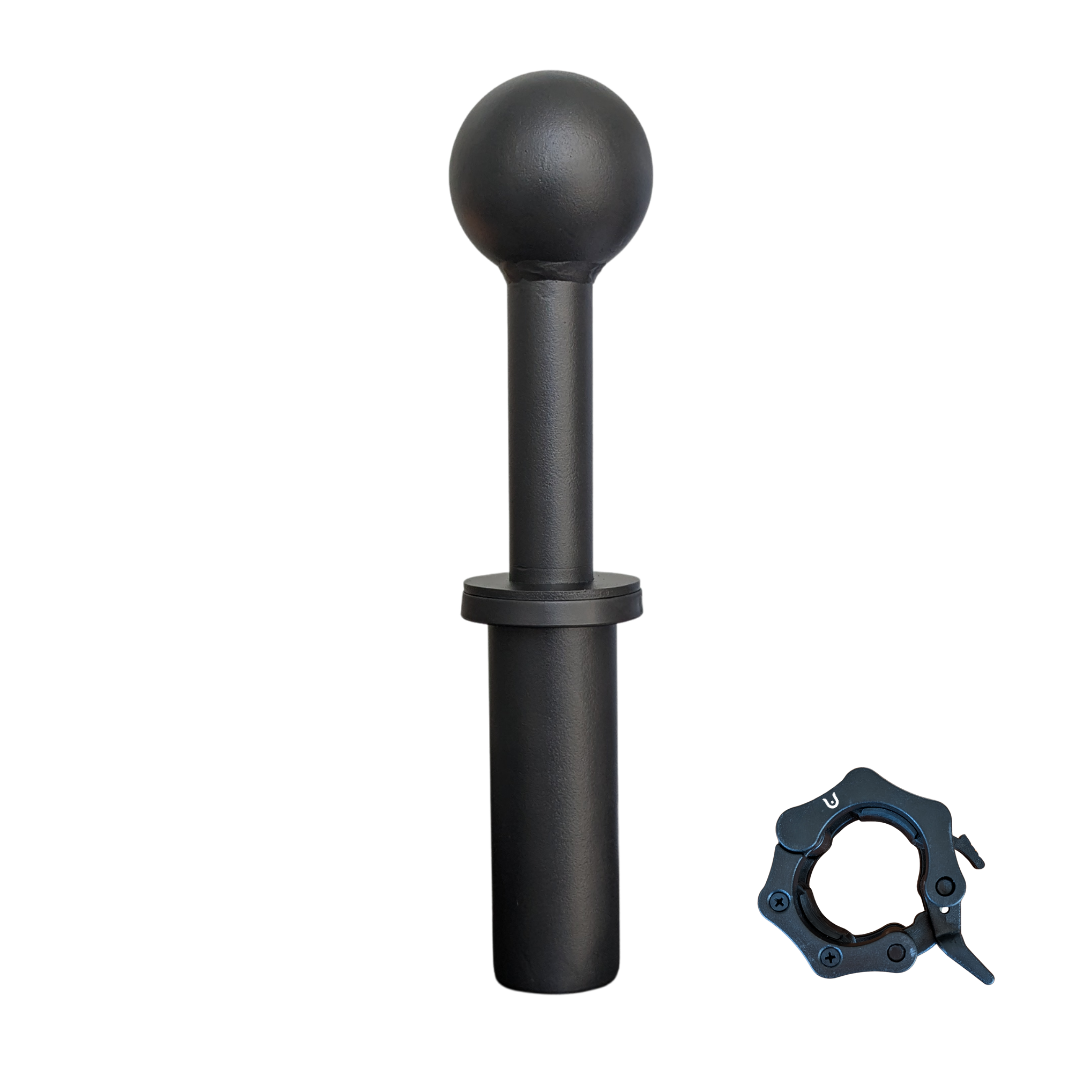


Leather Wrist Grips
Padded leather lifting grips help support the hands and wrists on heavy pulling exercises.

Leather Lifting Straps
Padded leather straps support grip during heavy rows, deadlifts and pulling exercises.

Angles 90 Grips
Flexible grip attachments that allow natural wrist movement during pulling exercises.

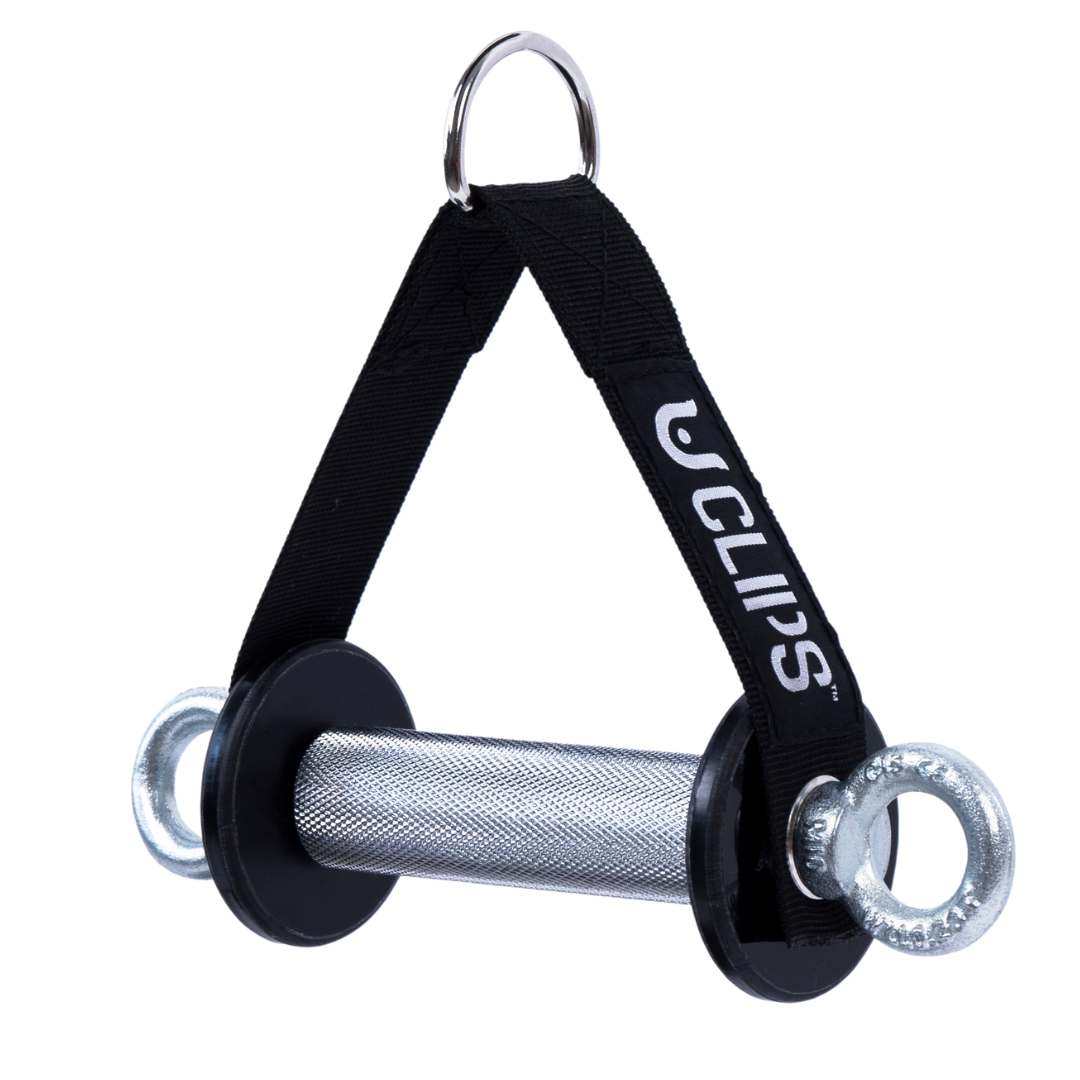
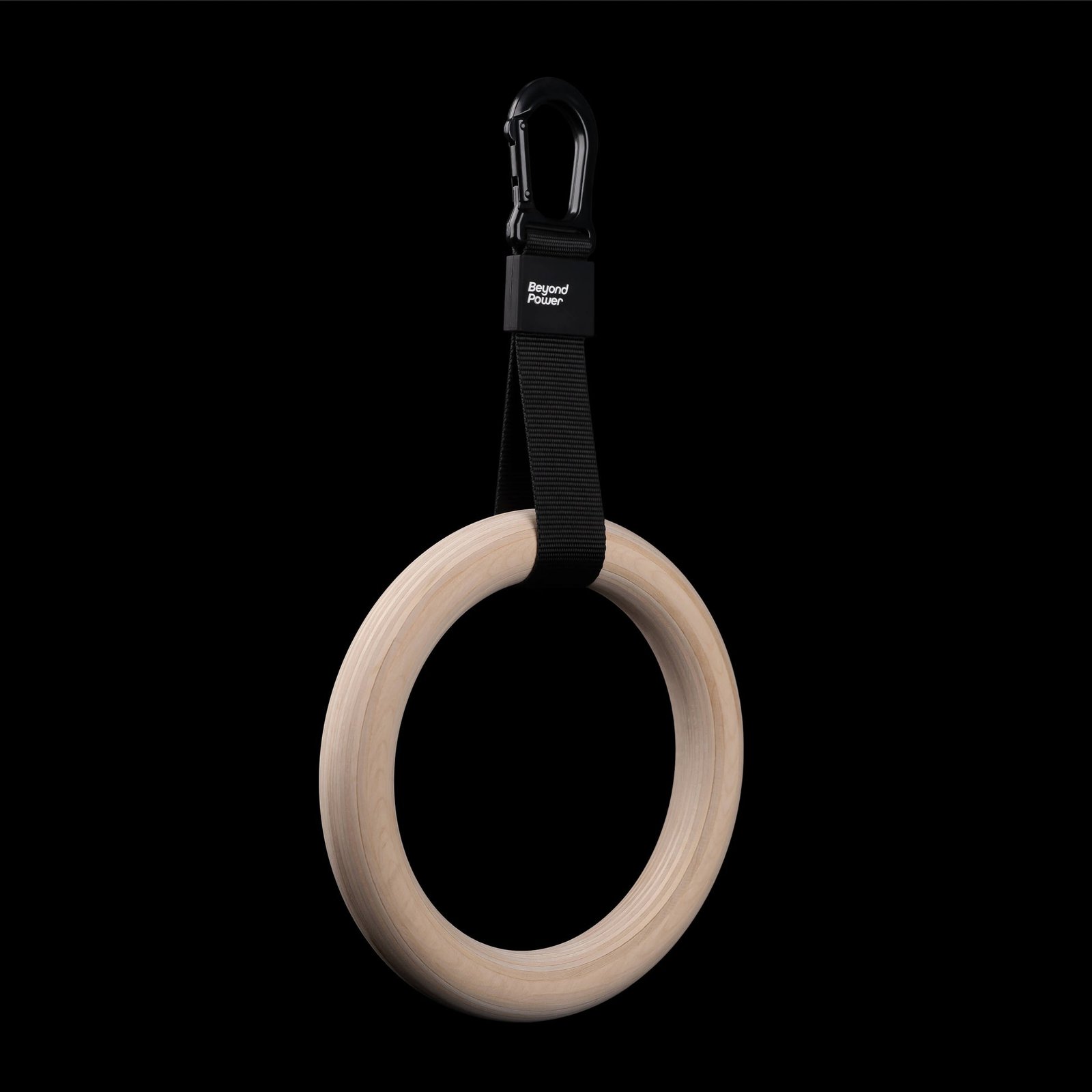

GymPin Ergo Handles
Pair of ergonomic cable handles shaped for comfortable triceps and pulling exercises.

Useful grip tools belong in a gradual training plan, not in a promise that buying an accessory recreates a world champion’s hand strength. The equipment selection above is general training context and is not represented as used or endorsed by any championship competitor.

Funny Gym Shirts & Workout Gear
Funny gym shirts, tanks, hoodies and workout gear for lifters who like training hard.

Grip Strength Fanatic Meme Hoodie
Show off your lifting humor in a laid-back “Grip Strength Fanatic” hoodie.


Grip Day Legacy Gymbro & Decal Sticker
Give your everyday gear a playful “Grip Day Legacy” twist.

Get A Grip Grip Strength Vest Tank Top
Bring “Get a Grip” humor to your next lifting session.

Pumpeye Forearm Gains & Grip Strength Popeye Meme Hoodie
Keep it laid-back with a little “Pumpeye” attitude.

Grip Training Essential Gymbro Jumper & T-Shirt
For laid-back days and lifting humor: “Grip Training Essential”.

Grip Train Get A Grip Jumper Grip Training T-Shirt
Show some gym-day personality with “Grip Train”.


Shirt Pull Day – Back & Biceps Meme Top T-Shirt
Heavy lifts, good laughs, and a little “Pull Day Graphic” energy.

International results deserve their numbers and distinctions intact. Russia led the overall field, India’s 59 medals spanned several programs, and left-hand, right-hand and age-group successes each tell a separate story. Appreciating those differences makes the sport more interesting, and it gives ordinary lifters a better question than who has the biggest biceps: who can actually control the hand when the match begins?