Advertising disclosure: This page includes affiliate product links that may earn us a commission, as well as products from our own store.
The 2026 World Weightlifting Championships in Ningbo produced six U.S. medals, 14 American records, and the first real snapshot of the road to Los Angeles 2028. Hampton Morris’s final attempt grabbed the headlines, but Miranda Ulrey’s three podium finishes, Ella Nicholson’s snatch bronze, and several near-podium performances reveal a much wider American story. Here’s what actually counted, where the margins lay, and what these results mean before Olympic qualification moves on.
Six medals, 16 athletes, and an Olympic clock already ticking
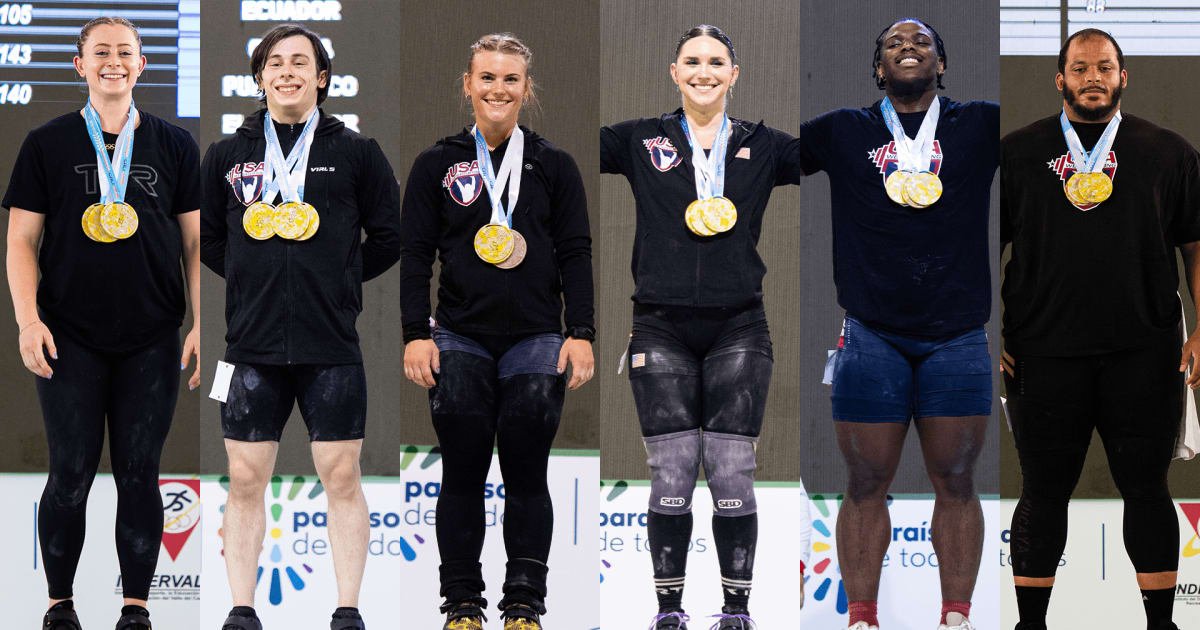
The United States left the 2026 World Weightlifting Championships in Ningbo, China, with six medals across the snatch, clean and jerk, and combined total. The medals came from three people: Miranda Ulrey, Hampton Morris, and Ella Nicholson. Sixteen Americans competed, and the group collectively established 14 American records. It is a substantial team result, but the headline becomes more interesting when the three lifters’ very different paths to the podium are considered.
Medal accounting in Olympic weightlifting deserves a quick explanation. At a world championship, medals can be awarded separately for the best successful snatch, the best successful clean and jerk, and the highest combined total. A lifter who excels in both disciplines can therefore win multiple medals in a single session. That is how three American medalists collected six medals; it is not a claim that six different athletes reached the podium.
The U.S. women placed fourth in the team standings with 378 points, while the men finished sixth on 274. Team points describe a wider performance than medal totals alone. An athlete can contribute meaningfully through a sixth-, seventh-, or tenth-place finish even when the podium is out of reach. Conversely, a dramatic world-record attempt can dominate the conversation without revealing how the whole team performed across the weight categories.
Ningbo also opened a new Olympic qualifying cycle rather than simply closing another world-championship season. The performances became initial reference results for the road to Los Angeles in 2028. That distinction matters because the early rankings are useful snapshots, not tickets already punched. A promising total in November 2026 will have to survive more qualifying competitions, new rivals, and the challenge of producing valid totals repeatedly.
Hampton Morris: why 185 kg counted and 189 kg did not
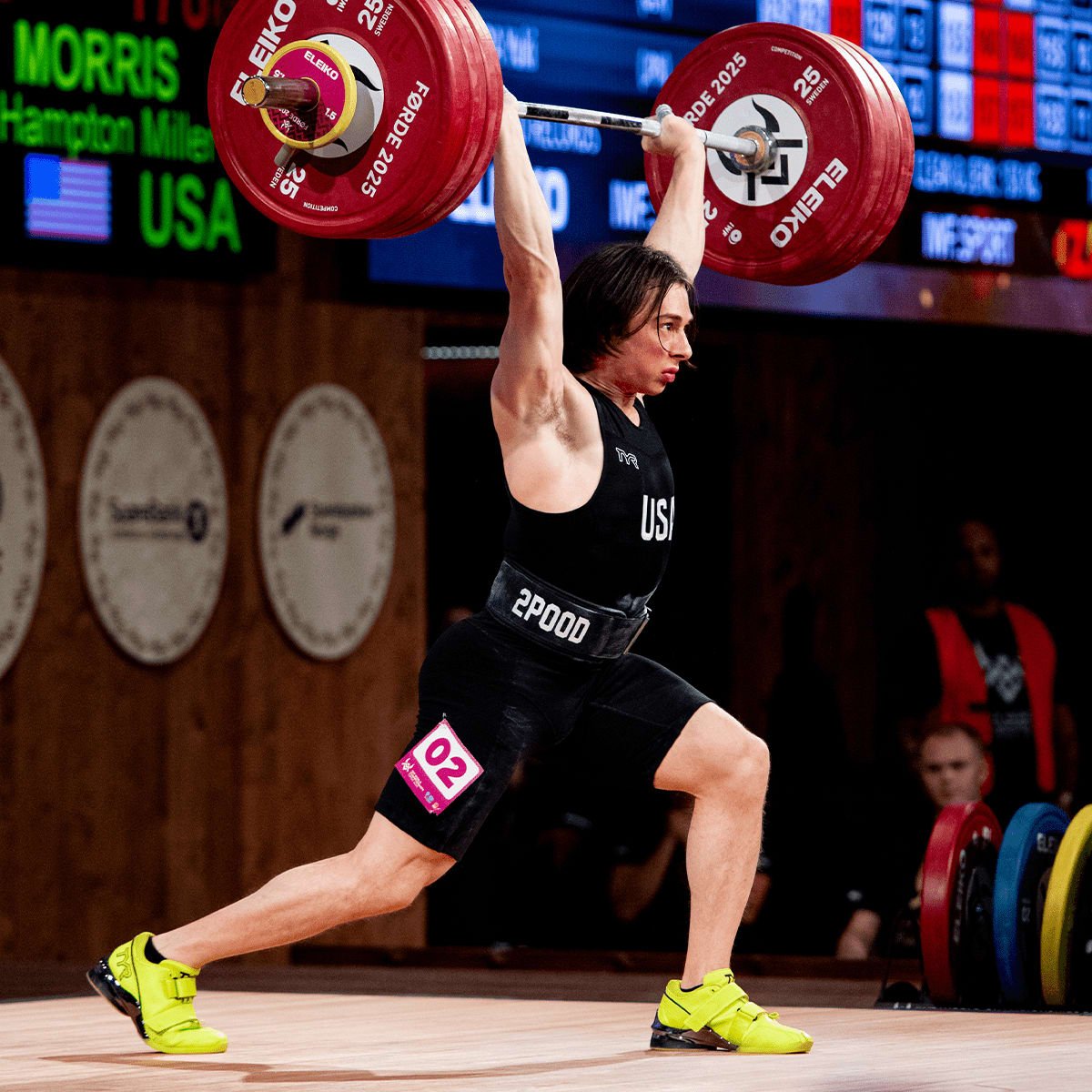
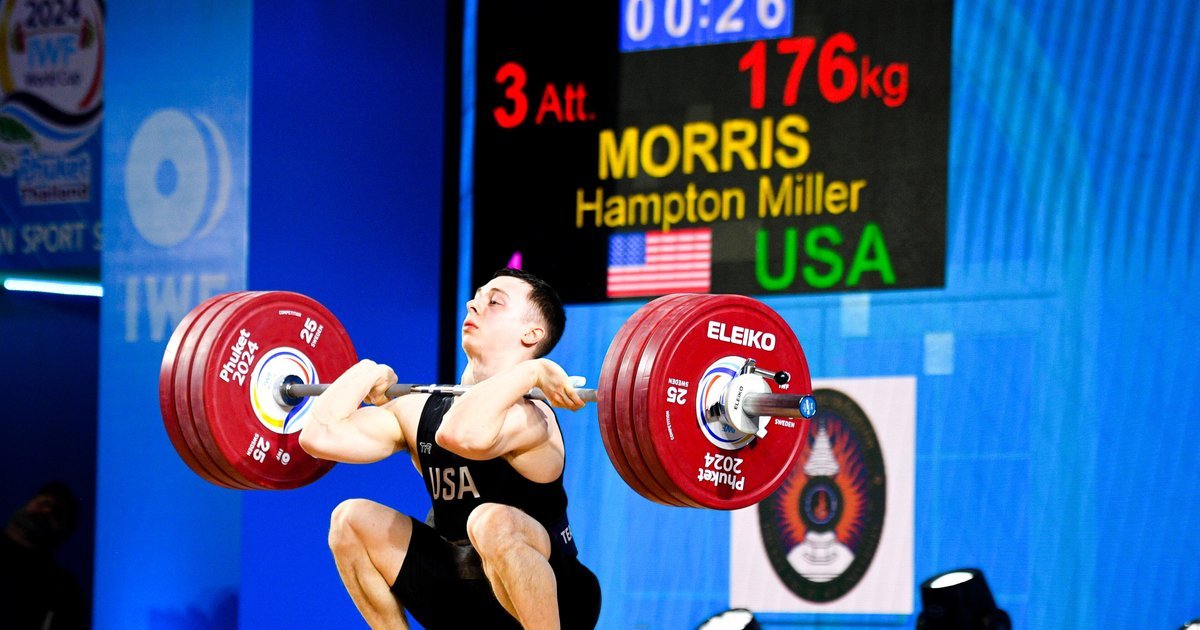
Morris’s men’s 65 kg session delivered the kind of finale that makes weightlifting compelling and, sometimes, brutally unforgiving. He finished with a 143 kg snatch and a 185 kg clean and jerk, giving him a 328 kg total. That earned clean-and-jerk silver and total bronze, alongside American records in both lifts and the total. His 185 kg temporarily stood as a senior clean-and-jerk world record before the mark moved again.
North Korea’s Pak Myong Jin then lifted 187 kg in the clean and jerk and secured a 331 kg total. Türkiye’s Muhammed Furkan Özbek finished with 330 kg, leaving Morris third at 328 kg. A successful final 189 kg attempt would have changed the picture dramatically. Morris appeared to complete the lift and celebrated, but after the officials reviewed his elbow action the attempt was ruled a no-lift for bending and extending. The official result is 185 kg, not 189 kg.
This is an important distinction for anyone recounting the competition. The attempted 189 kg was not a ratified lift or a world record that survived the final decision. Morris still accomplished an exceptional 185 kg clean and jerk and finished two kilograms behind second place on total. A denied attempt does not erase the value of his five valid lifts or the three American records, but neither should it be added to the scoreboard as though the ruling were optional.
For ordinary lifters there is a practical lesson here, though it is not that a certain accessory or program would have changed the result. Olympic weightlifting rewards powerful extension, aggressive movement under the bar, a stable receiving position, and a legally completed overhead lockout. Training lifts, no matter how spectacular, are not identical to judged competition attempts. The safest home-gym takeaway is to practice repeatable technique under manageable loads and treat any competition-style rule set as a separate skill.
A barbell, consistent plates, secure collars, and adequate platform clearance are much more fundamental to practicing cleans and snatches than a large collection of exotic attachments. A rack can support squatting and pulls but does not replace the need for safe overhead room, appropriate drop surfaces, or supervision when learning difficult lifts. The equipment below is training context, not an endorsement by Morris or a claim that these particular products were used in Ningbo.

Equipment Worth Exploring
Explore equipment, accessories and gear from our carefully selected range.


Competition Plates
Competition-style bumper plates for Olympic lifts and loaded strength training.


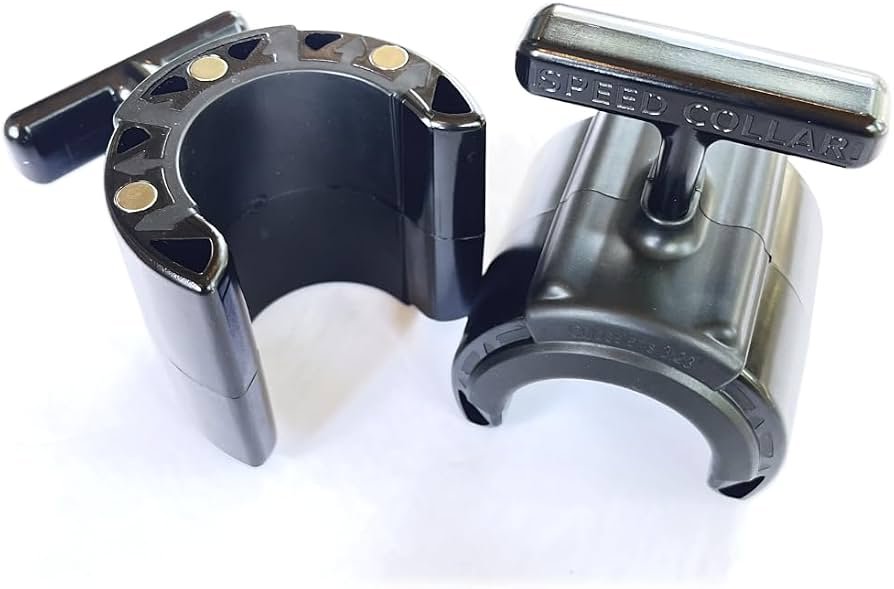
Speed Collar
Quick-release collars designed to secure weight plates on standard two-inch Olympic bars.


Foldable Wall Rack
Wall-mounted folding squat rack designed to save floor space between workouts.

GymPin Squat Wedges
Non-slip 15-degree squat wedges help elevate the heels for deeper quad-focused squats.
Miranda Ulrey: a 220 kg total in a one-kilogram fight
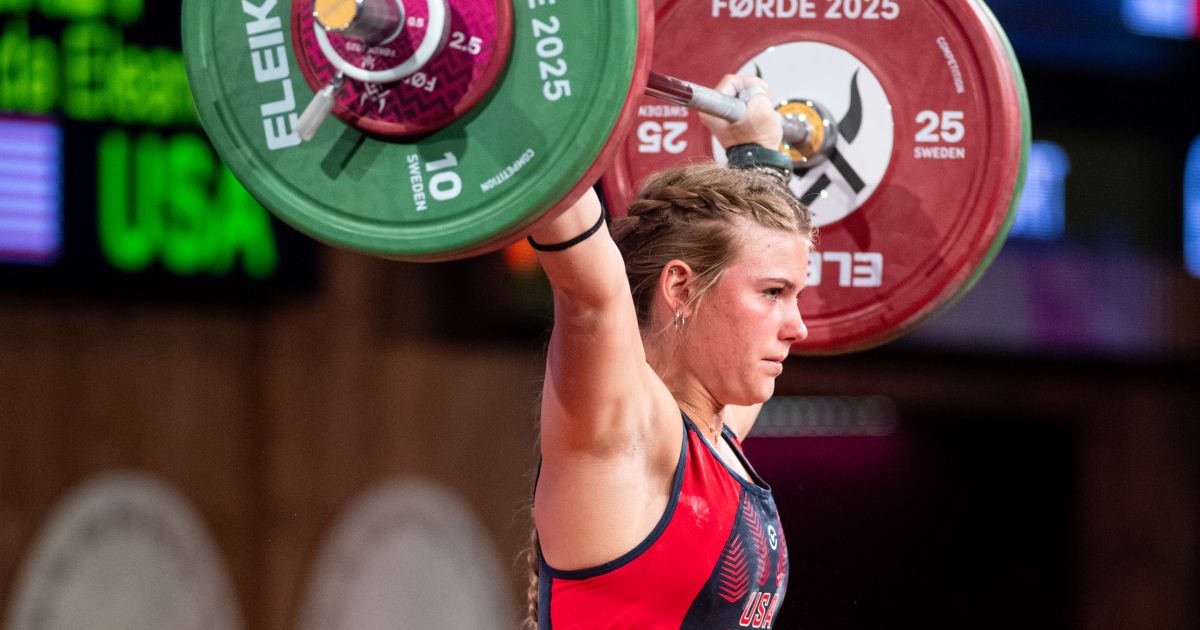
Miranda Ulrey was the U.S. team’s most prolific medal winner at Ningbo. In the women’s 53 kg division she lifted 98 kg in the snatch and 122 kg in the clean and jerk, combining for 220 kg. Those performances brought her snatch silver, clean-and-jerk bronze, and total silver. All three numbers also raised American records. Her performance illustrates why a lifter can be on three podiums even when she has not won either individual lift.
The total contest was exceptionally tight. China’s Zhang Haiqin won the overall title with 221 kg, only one kilogram more than Ulrey. That margin makes both successful attempts and missed opportunities matter. Ulrey tried 100 kg in the snatch, a weight that would have challenged the world standard, but did not complete the attempt. A single missed lift at the top of the range should not obscure what her successful 98 kg and 122 kg already achieved.
At this level a kilogram is both tiny and enormous. It can be less than one percent of the total, yet it can separate a world champion from a silver medalist. Lifters must manage six attempts across two disciplines, fatigue in the warm-up room, competition timing, and how much risk to take on a third attempt. The highest imaginable attempt is not always the most useful one. A total exists only when the lifter has recorded at least one successful snatch and one successful clean and jerk.
Ulrey’s three Ningbo medals are particularly notable for a lifter at only her second senior world championship. The more useful performance measure than a highlight clip is the whole attempt sequence: reliable openers, productive second attempts, and a third attempt chosen for a realistic competitive purpose. This is not a recommendation that beginners copy elite attempt jumps, nor evidence that there is one universally optimal percentage at which every person should open.
In a home-training log the comparable habit is to note successful repetitions, how consistently positions were held, and whether technique survived the intended load. Heavier numbers are valuable only in context. Repeated, measurable practice is what creates an opportunity for heavier valid performances later; a single forced personal record is a poor substitute for an entire training cycle.
Ella Nicholson: bronze in the snatch, fourth on total
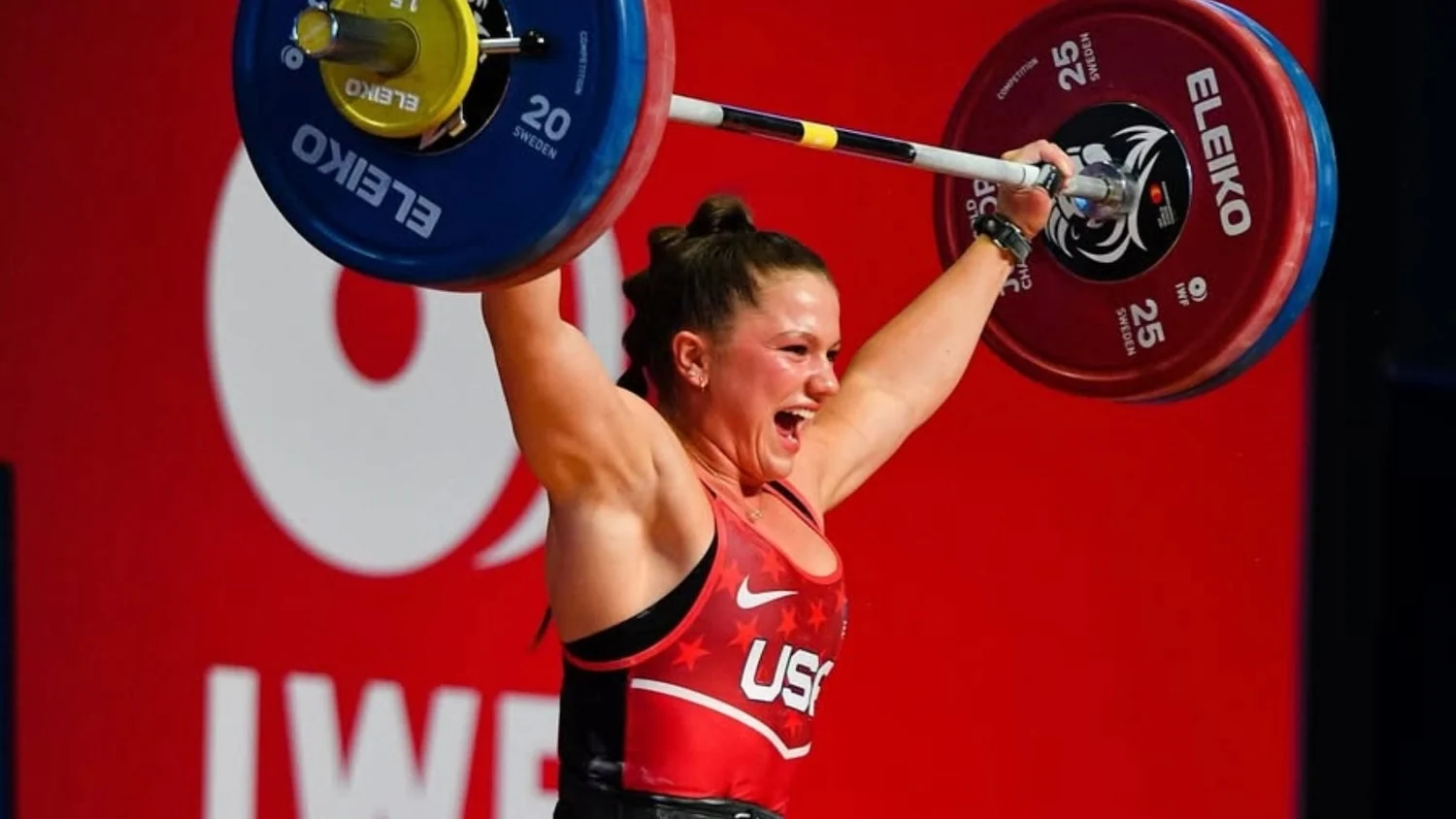
Ella Nicholson provided a different kind of American breakthrough. Competing in the women’s 86 kg category at her senior world championship debut, she snatched 120 kg for the bronze medal. The successful lift established new junior and senior American marks. She then completed a 145 kg clean and jerk and finished with a 265 kg total, good for fourth overall. Her clean and jerk and total also advanced senior American records.
Calling Nicholson a world bronze medalist is accurate, but specifying the snatch matters. She did not win bronze on total. Her 265 kg combined performance placed her just off the overall podium, while the 120 kg snatch brought the individual medal. Keeping those categories separate makes the achievement clearer, not smaller. A snatch medal at a senior world championship debut is a remarkable result in its own right.
Her nine-kilogram improvement on the American total record is also a reminder that personal and national progress can coexist with a fourth-place finish. Relative placing depends on the field. An athlete can lift more than ever, set a domestic benchmark, and still encounter multiple rivals who are stronger on that day. This is why one competition produces several sensible performance questions: Did the lift count? Did the total improve? Was a medal earned in a particular discipline? How did the field perform?
For developing lifters, the snatch presents challenges that are easy to underestimate. Speed under the bar, an efficient pull, and stability overhead must happen together. More shoulder mobility alone does not solve a poor bar path, just as more leg strength alone will not automatically fix an inconsistent receiving position. The appropriate learning progression depends on an individual’s experience, available space, and qualified coaching.
Nicholson’s result is also a useful counterexample to the idea that all successful weightlifting progress must be judged by the same lift. Her standout snatch established a place on the podium, while the combined total established a different record and ranking. Neither achievement needs to be rewritten as a claim of superior long-term training methods.
Beyond the podium: Kolbi Ferguson and the rest of the U.S. team
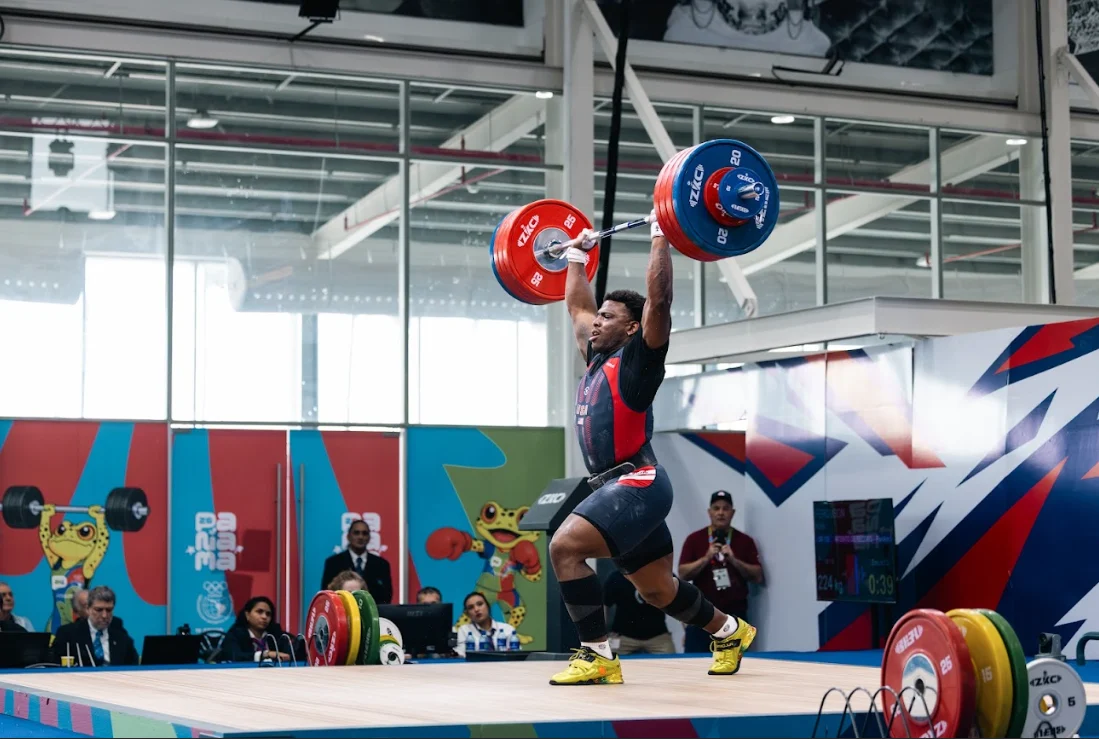
Kolbi Ferguson supplied one of the strongest non-medal American performances. In the men’s 110 kg class he recorded a 170 kg snatch and a 227 kg clean and jerk, totaling 397 kg. He placed fourth in the clean and jerk and seventh overall. His 227 kg set an American clean-and-jerk record, and for the first time in his international career he made all three of his clean-and-jerk attempts. Those details tell a fuller story than simply reporting seventh place.
Ferguson’s total tied the American record he had established earlier in the year. That matters because successful attempts and repeatable competition totals are central to the Olympic qualification process. A lifter who can occasionally hit a huge number but fails to register a valid total creates a different qualification problem from a lifter who repeatedly puts competitive numbers on the board.
Other team results carried useful context. Katie Estep went 104 kg in the snatch and 130 kg in the clean and jerk for a 234 kg total and sixth overall at 61 kg. Mattie Rogers lifted 111 kg and 140 kg for 251 kg and seventh overall at 77 kg, with a fourth-place finish in the clean and jerk. These are high-quality results without individual medals. Rankings that display only medalists would miss their contribution to the team’s depth.
At the other end of a demanding championship, several Americans did not record a combined total. A no-total result can arise because no clean and jerk is completed or because a lifter has no valid snatch. The published competition record is not an invitation to speculate about anyone’s motivation, health, or preparation. It does reinforce a basic feature of the sport: a completed total is the starting requirement for many rankings, and the scoring system has little tolerance for a missed series.
For gym lifters the most transferable message is less glamorous than a national record. Make the repetitions count. Choose loads that let technical work be judged honestly, and use a log that distinguishes attempted weight from completed weight. A successful personal record is not the biggest plate stack briefly moved; it is the performance actually finished to the intended standard. That principle also makes progress easier to compare across training blocks.

Funny Gym Shirts & Workout Gear
Funny gym shirts, tanks, hoodies and workout gear for lifters who like training hard.

No Days Off for Lifting, Bodybuilding, Powerlifting and T-Shirt
For laid-back days and powerlifting humor: “No Days Off”.

Therapy Barbell – Lifting Bodybuilding Powerlifting Mem Sticker
Bring “Therapy Barbell” attitude to your water bottle or laptop.

Shirt Girl Power Weights & Ultimate Top T-Shirt
Make gym days more fun with “Girl Power Weights Graphic” style.

No Plates No Dates | Weightlifting Meme For PRs & Gains T-Shirt
Heavy lifts, good laughs, and a little “No Plates No Dates” energy.

Anti Social Lifting Club Powerlifters & Bodybuilders Hoodie
Stay casual and show some lifting attitude with “Anti Social Lifting Club”.

Barbell Crossed Weights 45LB Plate Hardcore Workout Gra T-Shirt
Show some powerlifting attitude with a playful “Classic Barbell Crossed Weights 45LB Plate” tee.

Raise The Barbell Shirt – Motivational & T-Shirt
Show some powerlifting attitude with a playful “Raise The Barbell” tee.

Icy 45LB Weight Plate Frozen Barbell Lifting Workout Co T-Shirt
For laid-back days and powerlifting humor: “Icy 45LB Weight Plate”.

Shirt: Pink Metal Weight Plate 45LBs Girl Power & T-Shirt
Make gym days more fun with “: Pink Metal Weight Plate 45LBs” style.

Shirt – I Want You To Lift Heavy Uncle Sam – T-Shirt
Heavy lifts, good laughs, and a little “I Want You to Lift Heavy Uncle Sam” energy.
LA28 qualification: why the first ranking is not a guaranteed place
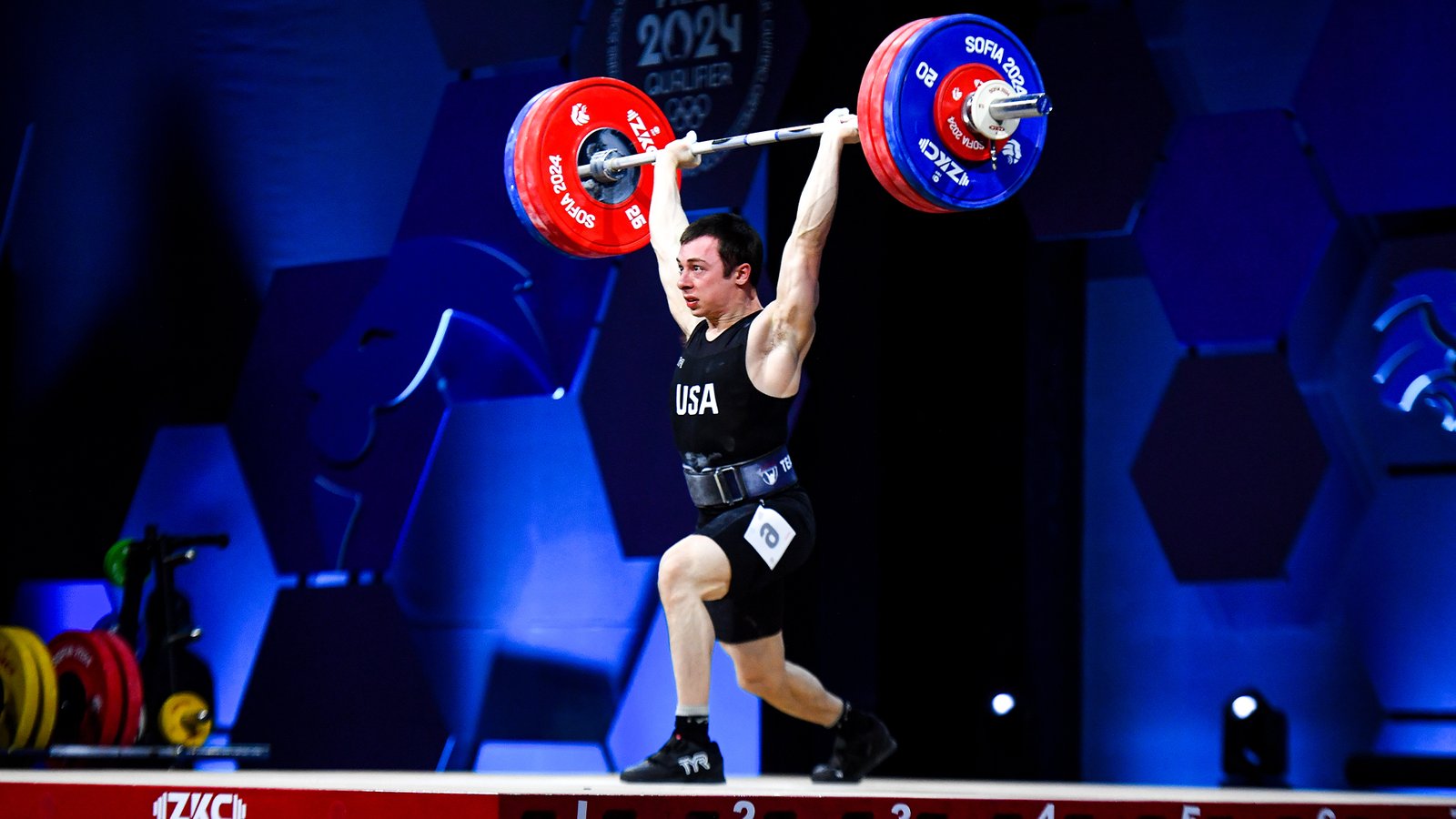
The 2026 world championships were part of the opening qualifying period for weightlifting at the 2028 Los Angeles Olympics. The approved framework provides for 120 weightlifters in 12 Olympic categories: 60 men and 60 women. Of those places, 96 are assigned through the Olympic qualification ranking and 12 through continental representation, with six host-country places and six universality places also included. Those allocation channels are distinct, and being ranked near the top today is not the same as owning a final Olympic quota.
Qualification requires sustained participation. The planned system has six qualifying events in Period 1 and four in Period 2, with athletes needing three valid total results in the first period and two in the second to become eligible for the Olympic qualification ranking. This does not mean five medals, five personal records, or five consecutive first-place finishes. It means recording enough qualifying totals at the designated events and then remaining competitively placed under the eventual allocation rules.
After Ningbo, the first ranking snapshot put Morris third in the men’s 65 kg class and Ulrey second among women at 53 kg. The United States had eight athletes ranked in the top ten across the relevant classes. Such positions are encouraging, especially so early in the cycle, but they remain provisional. Other international competitors will compete, rankings will move, and an athlete who leads now still needs to meet the required event-participation and total criteria.
The next qualification event was scheduled for December 7–16, 2026 in Doha, Qatar. Rather than predicting a future Olympic team from one November ranking, watch how athletes build a series of successful totals. Also remember that rankings may be organized with limits on how many athletes one national federation can ultimately enter. A country with two exceptionally strong lifters in one class does not necessarily receive two places just because both appear high on a long ranking list.
Ningbo left American weightlifting with multiple distinct reasons for optimism: Ulrey’s three medals and near-title, Morris’s world-record-level clean and jerk despite the final no-lift, Nicholson’s senior breakthrough, and strong supporting totals deeper in the squad. The next two seasons will show which of those results can be repeated under different conditions. That is the real LA28 race: not a single sensational attempt, but a sequence of valid performances.