Advertising disclosure: This page includes affiliate product links that may earn us a commission, as well as products from our own store.
Counting the lowering phase changes what a squat set asks you to do. It also changes what your training log needs to explain. A heavier squat, a higher jump and a bigger quadriceps are separate outcomes, so a useful tempo decision starts with the result you want to improve. Two seconds and four seconds are options to evaluate within a program, rather than labels for good and bad lifting.
What the squat-tempo trial can actually tell you
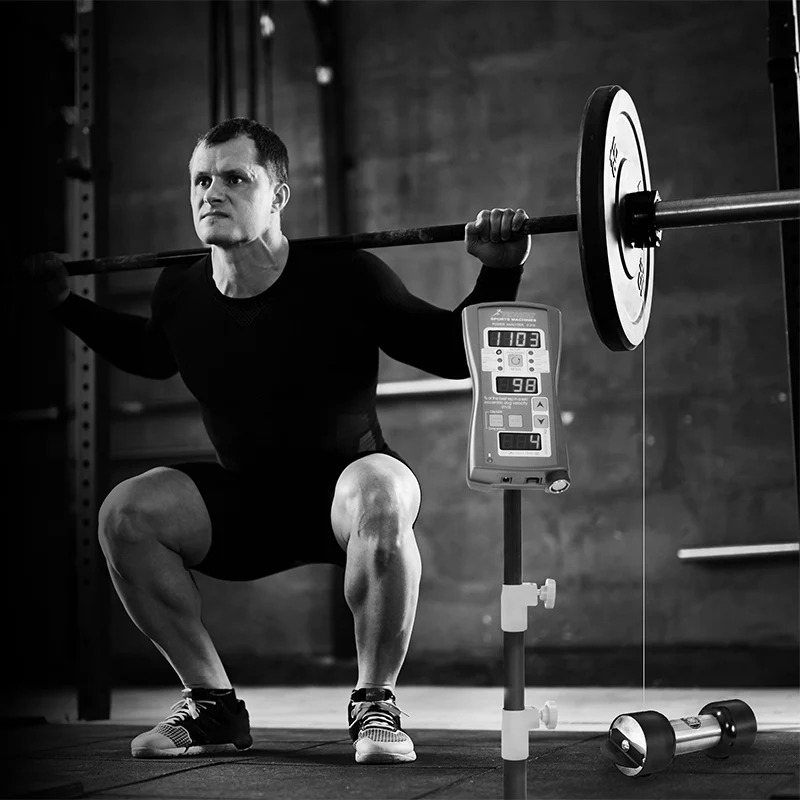
An eight-week trial assigned 30 male sports-training students to squats with two-second, four-second or self-selected lowering, twice weekly. All groups used an intended explosive lifting phase. Maximum squat strength improved in every group, without a statistically significant difference between groups. The larger descriptive strength effect in the two-second group does not establish that tempo as superior for strength. Jump and sprint results favored the two-second condition over four seconds, but the report contains conflicting statements about some comparisons. Its limited jump measurement and mixed sporting backgrounds also narrow interpretation. Muscle growth was not measured.
The useful question is therefore smaller than “Which tempo wins?” Ask whether deliberately extending the descent helps the quality you are currently trying to train. Someone preparing for a jump test has a different decision from someone practicing a more consistent squat. Neither person needs to turn a small experiment into a permanent rule for every exercise.
Read any training comparison with three separate boxes in mind: what participants practiced, what the researchers measured and what you plan to change. A finding belongs in the measured-outcome box first. Moving it into your own program requires a judgment about exercise, training history, effort and priorities. Changing several of those at once makes the practical comparison less informative.
A sensible response is to keep a working squat program intact while identifying a specific reason to test tempo. If you cannot name the problem a longer descent is supposed to solve, adding seconds may simply create another number to chase. If consistency is the problem, define what a successful repetition should look like before adjusting the clock.
Write the whole repetition into your plan
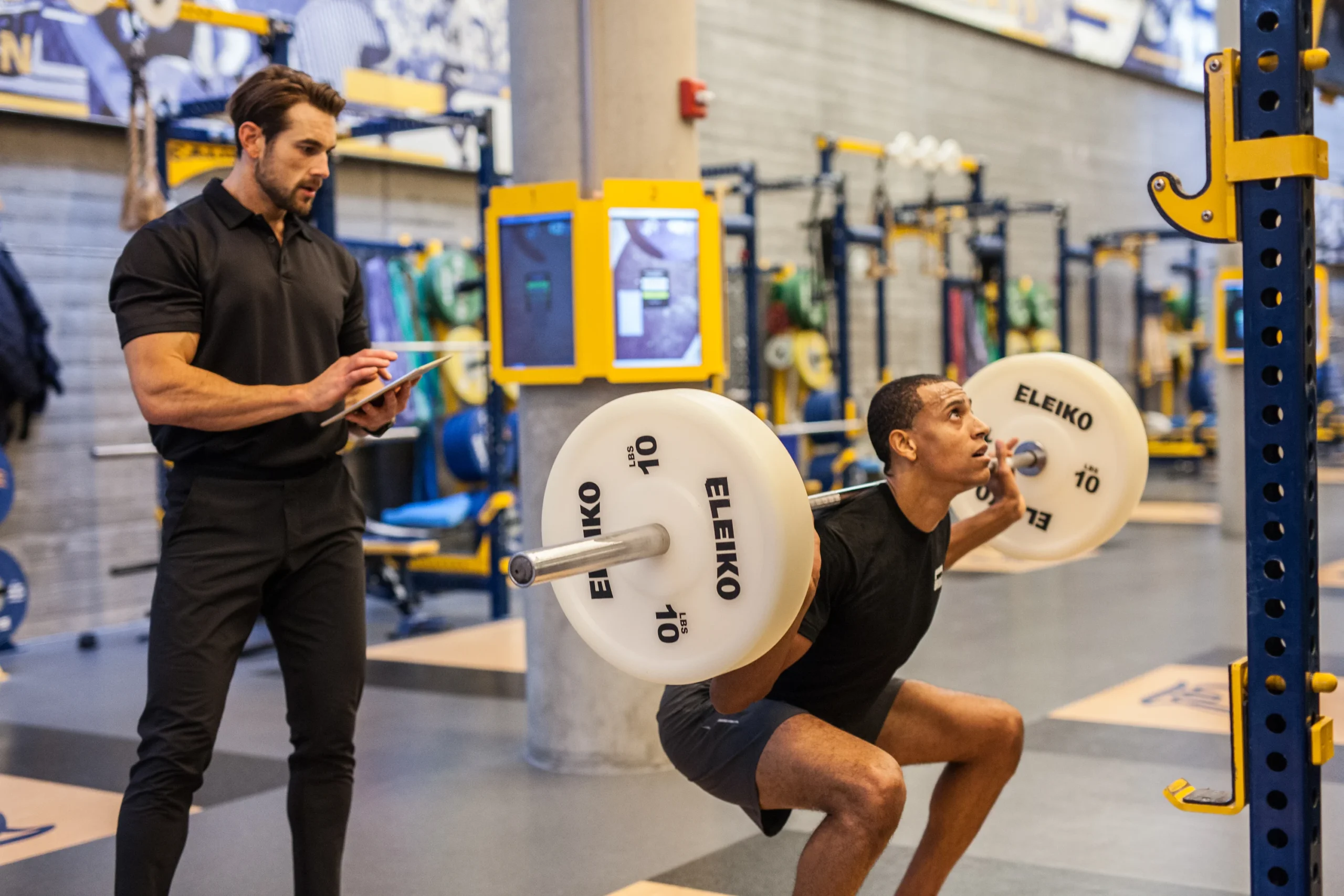
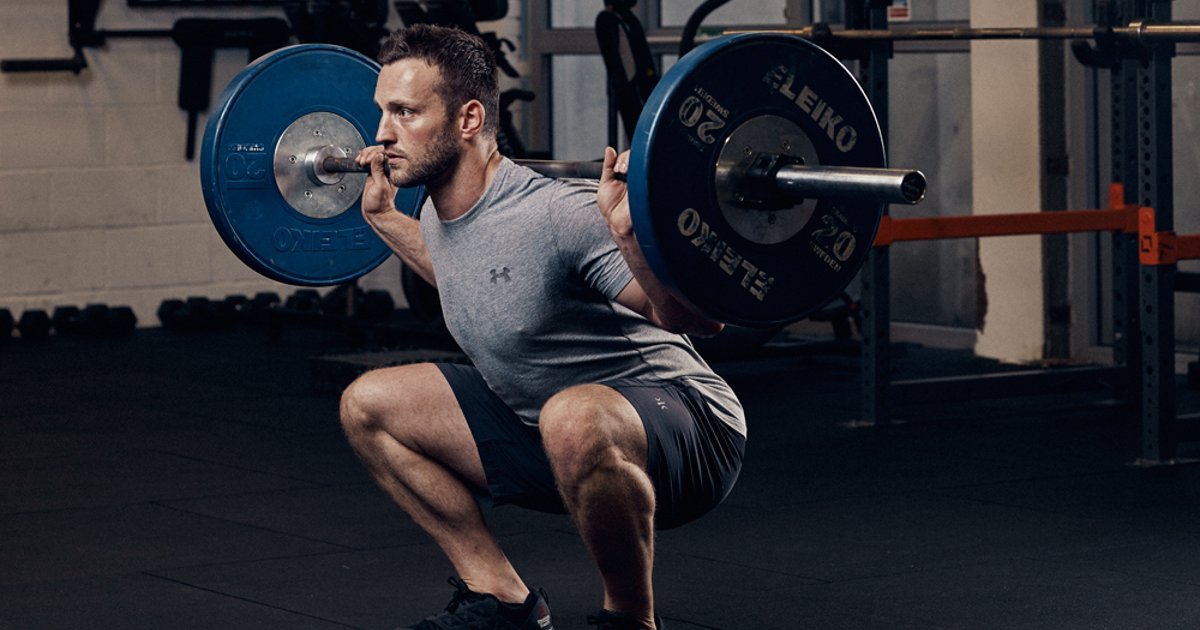
In a four-part tempo notation, 2/0/X/0 means approximately two seconds lowering, no deliberate bottom pause, an intended fast ascent and no prescribed top pause. X describes intent; a heavily loaded bar will not necessarily move quickly. Four seconds of lowering changes the first part of that instruction, rather than automatically making the entire repetition more controlled.
Use ordinary language alongside the digits. For example: “Lower smoothly for about two seconds, reach the agreed depth, stand with intent, then reset.” That is a practical coaching description, not a claim to reproduce a laboratory protocol. A training partner should be able to read it and understand which parts you intend to keep consistent.
Separate a pause from a slower descent. Spending longer on the way down and waiting at the bottom are different tasks. If a lifter adds a long bottom hold while comparing two lowering speeds, the trial now includes another change. The same applies when one set uses a shallow turnaround and the other reaches noticeably greater depth.
Time under tension can be described with simple arithmetic, but it is not a complete dose measurement. Six descents at two seconds account for about 12 seconds of lowering; six at four seconds account for about 24. Those totals omit the ascent, pauses, load, range and effort. They explain the timing difference without proving that the longer set supplies twice the useful stimulus.
Use a clock, a partner or a short video to make the instruction understandable. Avoid turning exact counting into the main purpose of the set. If counting disrupts bracing or position, simplify the cue and reduce the challenge until the movement and timing can coexist.
Keep strength, jumping and muscle size on separate scorecards
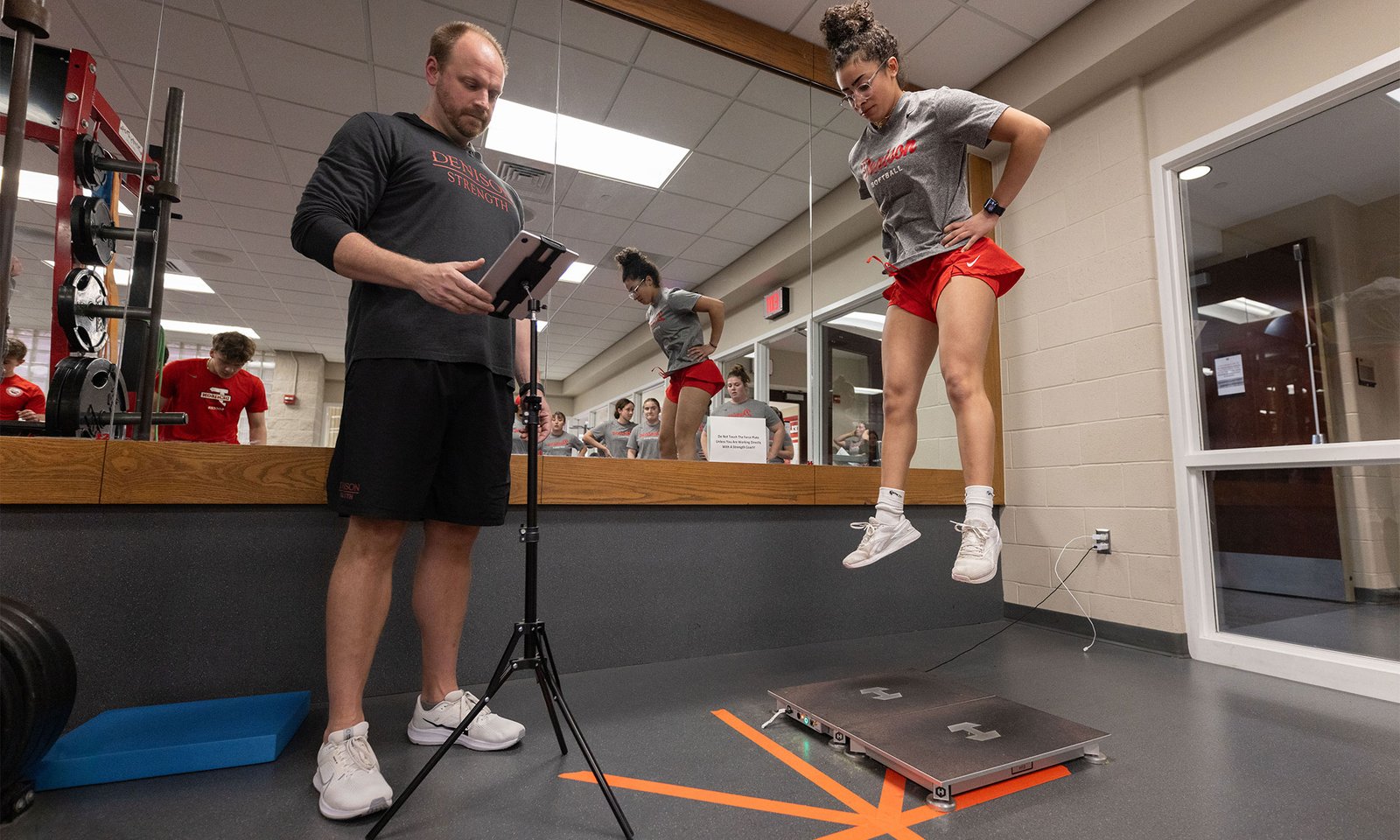
A maximum squat test answers how much load a lifter can complete under its testing standard. A jump test records a different performance. Muscle size requires another measurement altogether. These can be related training goals, but a favorable change in one does not substitute for measuring the others.
There is also contrary longer-term squat evidence worth keeping in perspective: a separate seven-week comparison in 18 participants without recent resistance training found greater strength improvement with four-second than one-second lowering, alongside greater growth in one measured quadriceps muscle. That is a different population and comparison. It makes a blanket rejection of slower squats difficult to justify.
For a strength-focused block, decide which squat standard matters and compare performance under that same standard. For a jumping block, retain an actual jump measure with consistent instructions. For a size-focused block, do not award a hypertrophy victory because a set felt longer or left you more tired.
Imagine a lifter who adds weight to a tempo squat while their usual jump score remains unchanged. That does not make the squat improvement imaginary. It also does not make the jump goal achieved. Keeping both entries visible helps the coach decide whether the balance of practice still serves the intended outcome.
Avoid diagnosing a mechanism from the scoreboard alone. A lower jump result does not tell you which muscle fibers changed or whether technique, fatigue or another factor explains it. Treat those explanations as questions unless they were actually measured. Your next decision can remain practical: preserve the desired skill practice and review the training context.
Change tempo without losing the squat you meant to train
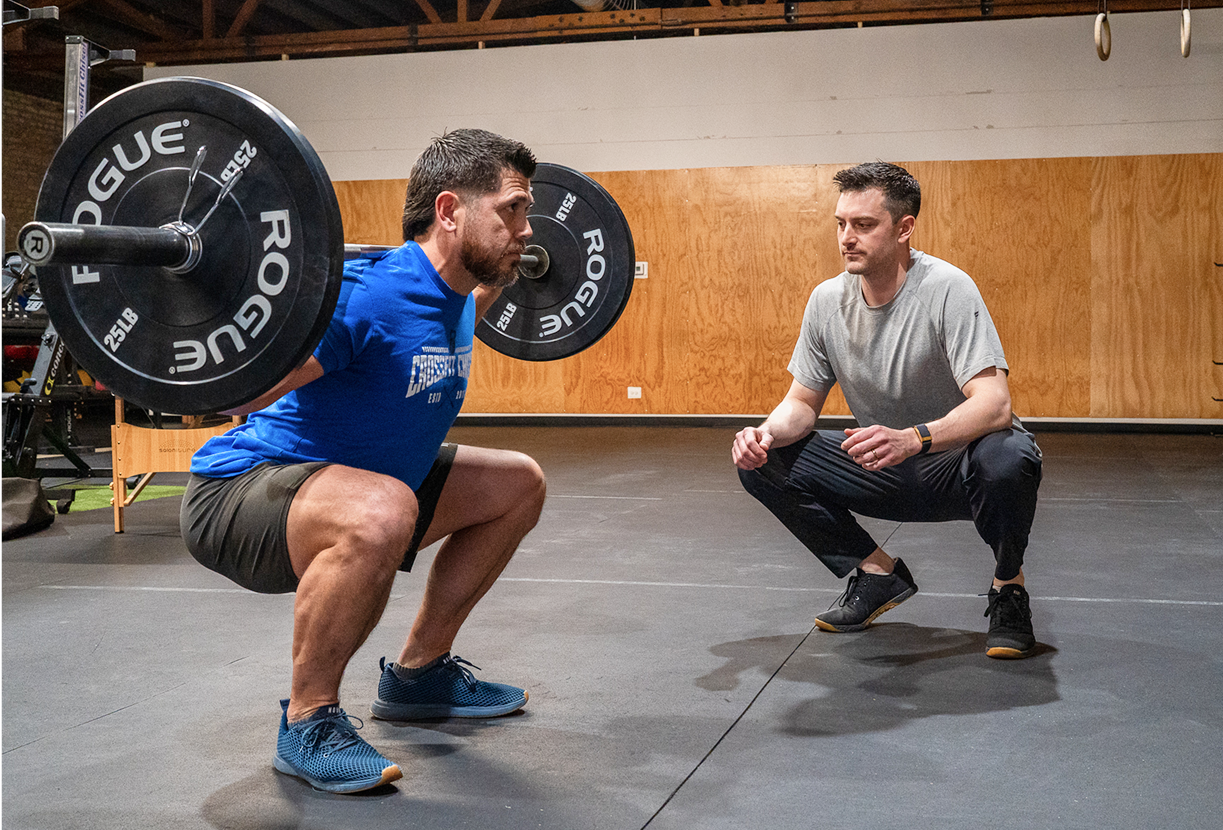
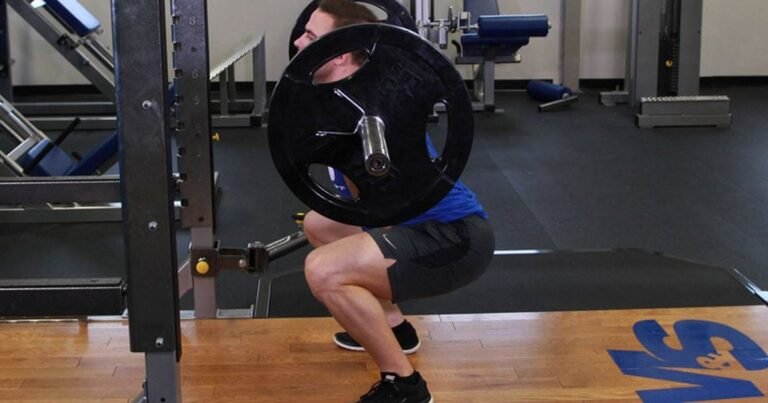
Start with the exercise setup you can repeat: bar position, stance, footwear, target depth and the way you reset between repetitions. These details are useful reference points when reviewing a filmed set. A slow descent that drifts into a different squat is a poor comparison with your usual repetition.
If you choose to experiment, begin with a manageable familiarization set instead of applying a new timing demand to your hardest work immediately. This is a coaching suggestion, not a universal percentage prescription. Select a load at which the timing and intended movement remain clear. Review the result before deciding what the next working set should be.
Match the plan to the goal rather than forcing one repetition style onto every session. Broad resistance-training guidance distinguishes strength and power priorities and emphasizes individualization. A general fitness trainee may value a simple routine they can repeat; an athlete may need a more specific balance of lifting and sport practice.
Equipment changes deserve their own label. A cambered bar, heel wedge, different rack arrangement or squat machine can alter the setup you are comparing. Keep those entries separate from an unchanged barbell squat. The equipment suggestions alongside this guide are options for different training setups, not the devices tested in the tempo experiment or proof that an accessory improves its results.
Before adding more slow work, consider what else the session contains. A set that takes longer can affect scheduling, rest decisions and the work you still intend to complete. Make those tradeoffs explicit. Stop and reassess if you cannot maintain the movement you planned, rather than treating completion of the count as the only successful outcome.

Equipment Worth Exploring
Explore equipment, accessories and gear from our carefully selected range.



Speed Collar
Quick-release collars designed to secure weight plates on standard two-inch Olympic bars.


GymPin Squat Wedges
Non-slip 15-degree squat wedges help elevate the heels for deeper quad-focused squats.

Safety Squat Handles
Barbell squat handles that reduce shoulder positioning demands during high-bar squats.


Foldable Wall Rack
Wall-mounted folding squat rack designed to save floor space between workouts.

Multi Pull Smith Rack MPHR-780
All-in-one rack with a Smith machine, functional trainer, lat pulldown and low row.
Use a log that can answer the next question
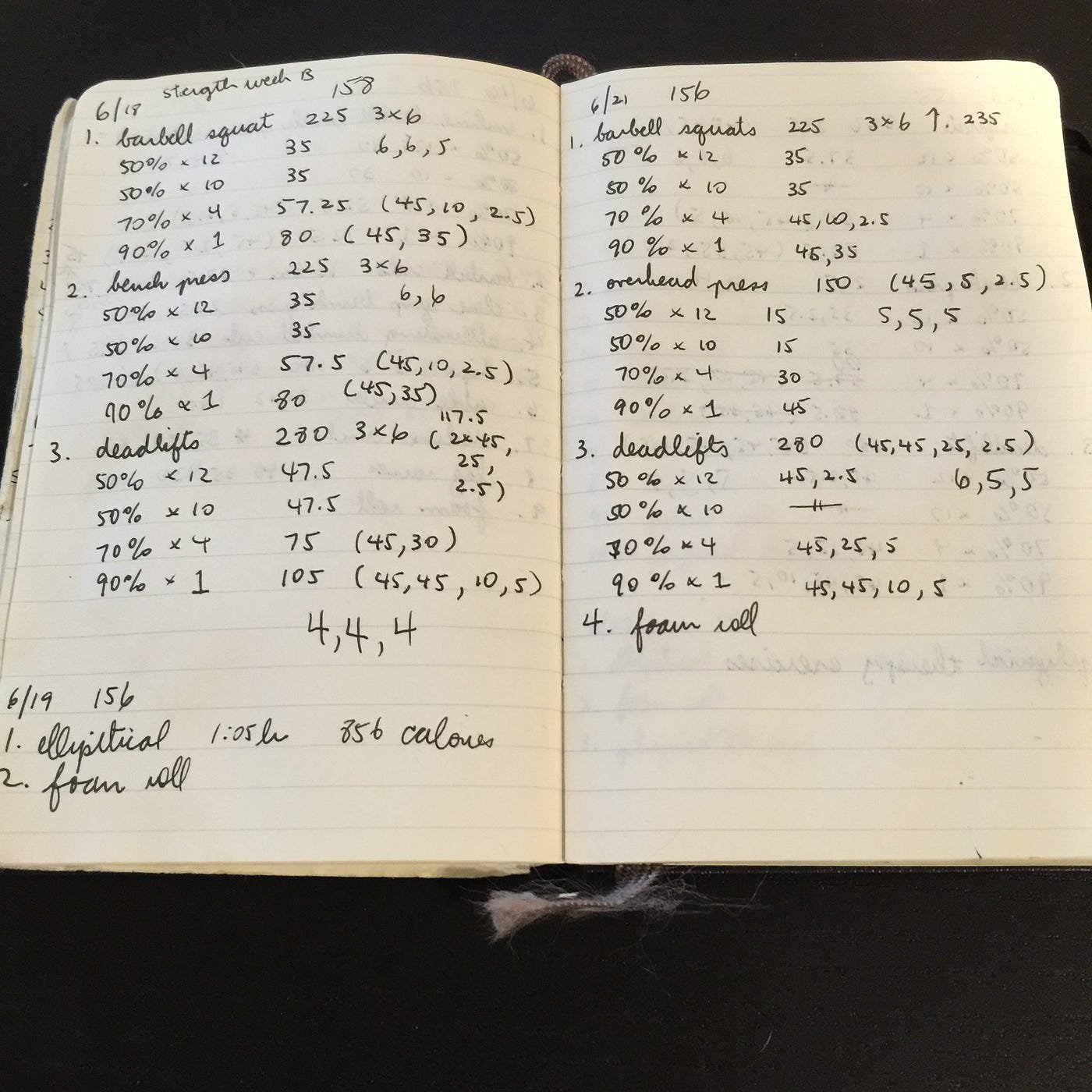
Record the squat variation, load, sets, completed repetitions, intended tempo, approximate rest and a short effort note. Add a sentence about what actually happened: timing drifted on the final repetitions, depth changed, or the planned instruction stayed consistent. That information makes the next session easier to interpret than a weight-and-repetition entry alone.
Keep planned and observed tempo distinct. Writing “four seconds” in the program does not prove every descent took four seconds. A brief video sample can help you notice a large mismatch without demanding a frame-by-frame analysis of every repetition. The purpose is useful feedback, not a second workout spent auditing the first.
Here is an illustrative entry: “Back squat, familiar stance and shoes, six repetitions, about two seconds down, no deliberate bottom pause; final repetition slower upward, depth maintained.” Add the actual load and rest you used. If you later test a longer descent, make the changed instruction visible rather than silently comparing unlike sessions.
Also distinguish an immediate response from adaptation across weeks. A review of single-session eccentric-tempo research found that fatigue and recovery depended on the surrounding protocol, including total work and loading. Its scope does not establish a long-term winner for strength or growth. Feeling unusually tired after one session is a reason to review the session, not a complete forecast.
Choose a review point and one main question: did the timing change improve the practice or performance you intended, at an acceptable cost to the rest of training? Keep notes on attendance and other major program changes. A personal log cannot establish causation like a controlled trial, but it can prevent avoidable confusion and support a clearer discussion with your coach.

Funny Gym Shirts & Workout Gear
Funny gym shirts, tanks, hoodies and workout gear for lifters who like training hard.

Don'T Fart Squats Decal Water Bottles & Weight Sticker
Give your everyday gear a playful “Don't Fart Squats” twist.


Squat Here | Edgy Workout Sweater | Gym Humor Meme Crew T-Shirt
Bring “Squat Here” humor to your everyday gym style.

Funny Squatbucks Gym | Starbucks Parody Workout | Leg D Hoodie
Bring “Squatbucks” gym humor to lazy days and post-workout plans.

Leg Day Thou Shalt Not Skip Leg Day Medieval Knight Pul Hoodie
Show off your medieval humor in a laid-back “Leg Day” hoodie.

Patriotic Eagle Stars Stripes and Squats Muscle Shirt f Tank Top
Bring “Patriotic Eagle” humor to your next lifting session.
Heavy Metal Skeleton Squat for Powerlifters, Bodybuilde T-Shirt
A t-shirt featuring the Heavy Metal Skeleton Squat for Powerlifters, Bodybuilders and Leg Day Lifters artwork, bringing lifting-inspired humor and distinctive gym graphics to your everyday gear.

Shirt – Squat Bench Deads Gains T-Shirt
Heavy lifts, good laughs, and a little “Squat Bench Deads” energy.

Leg Day Gym Fails
Show some leg-day attitude with a playful “Leg Day Gym Fails Funny Grunge Graphic” tee.

Never Skip Legday – Chicken Legs Meme , , & Leg Day T-Shirt
Heavy lifts, good laughs, and a little “Never Skip Legday” energy.