Advertising disclosure: This page includes affiliate product links that may earn us a commission, as well as products from our own store.
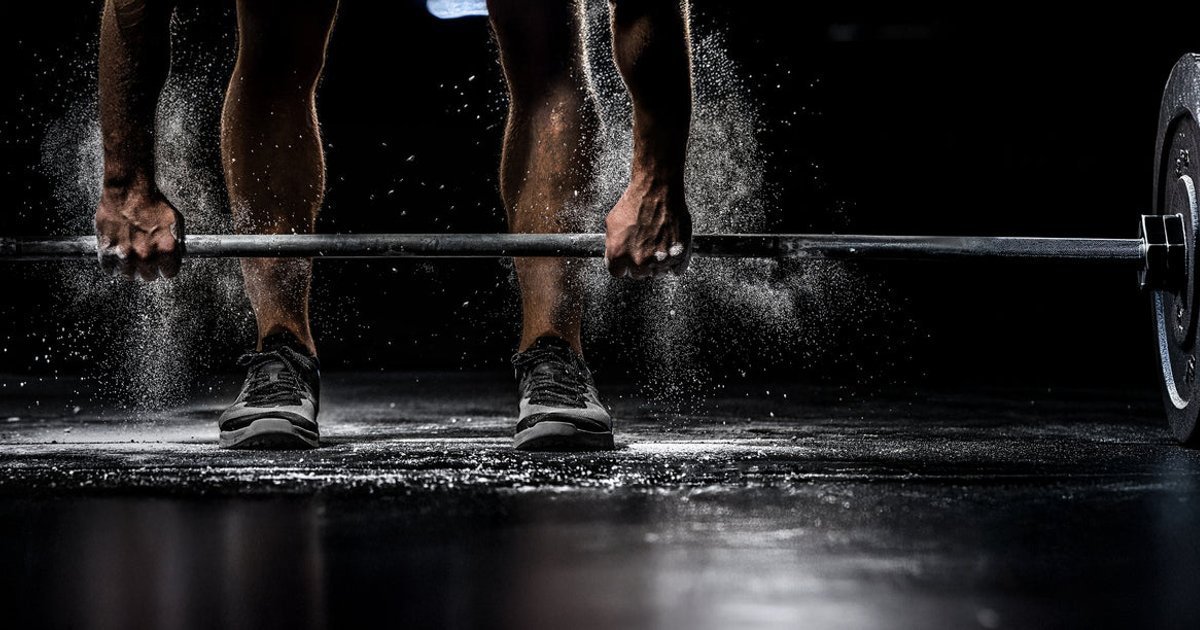
There is a reason powerlifters chalk their hands before a difficult pull: a deadlift can fail because the bar slips long before the hips and legs are done. Yet the useful claim is narrower than “chalk makes you stronger.” A small controlled test in eight experienced powerlifters found almost twice as many deadlift repetitions with chalk, while measured speed and power per repetition did not change clearly. The distinction matters when deciding whether you need more chalk, better grip practice or a different training strategy.
This guide separates the actual evidence from the familiar gym ritual. It explains how magnesium carbonate behaves on different surfaces, how liquid chalk and straps solve different problems, and how to test whether hand friction is holding back your training without turning a single small study into a universal promise.
Eight powerlifters, one clear comparison
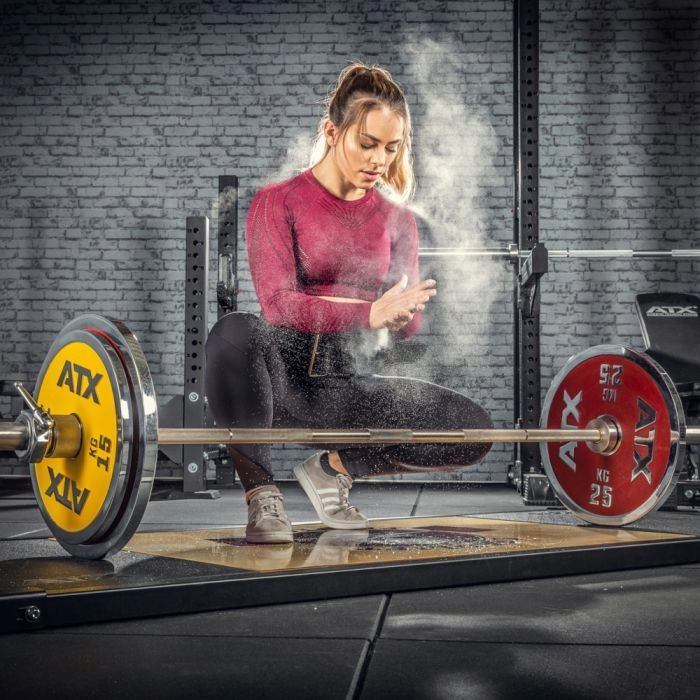
If your deadlift feels stronger than your grip, a fresh layer of chalk seems like an easy fix. But what does it actually change? In a small 2021 crossover experiment, eight accomplished male powerlifters performed one deadlift set to technical failure at 85% of their individual one-repetition maximum, once with magnesium carbonate chalk and once without it. The investigators randomized which condition came first, separating the trials by seven days. These were experienced lifters, not beginners learning to hold a bar for the first time.
The mean repetition count was 4.75 without chalk versus 9.75 with chalk. That is five extra repetitions on average, or a 105.26% relative increase in this specific sample. The paired test reported p = 0.005 for repetition count. The researchers also recorded peak and average bar velocity, power, range and repetition duration. None of those movement-quality measures showed a statistically significant difference. In ordinary language: these athletes kept completing reps longer when chalked, without a demonstrated speed or power boost per rep.
That is a striking result, but do not turn eight men and one testing protocol into a promise that chalk doubles everyone’s deadlift volume. Some lifters used mixed grip, others overhand; the investigators allowed each person’s normal style. Athletes already had experience using chalk. Touch-and-go repetitions at 85% 1RM and one set to failure are not the same as a paused heavy single, a five-set hypertrophy workout or a beginner’s first pull. The most useful question is whether grip was your actual stopping point.
Why the friction story is more complicated
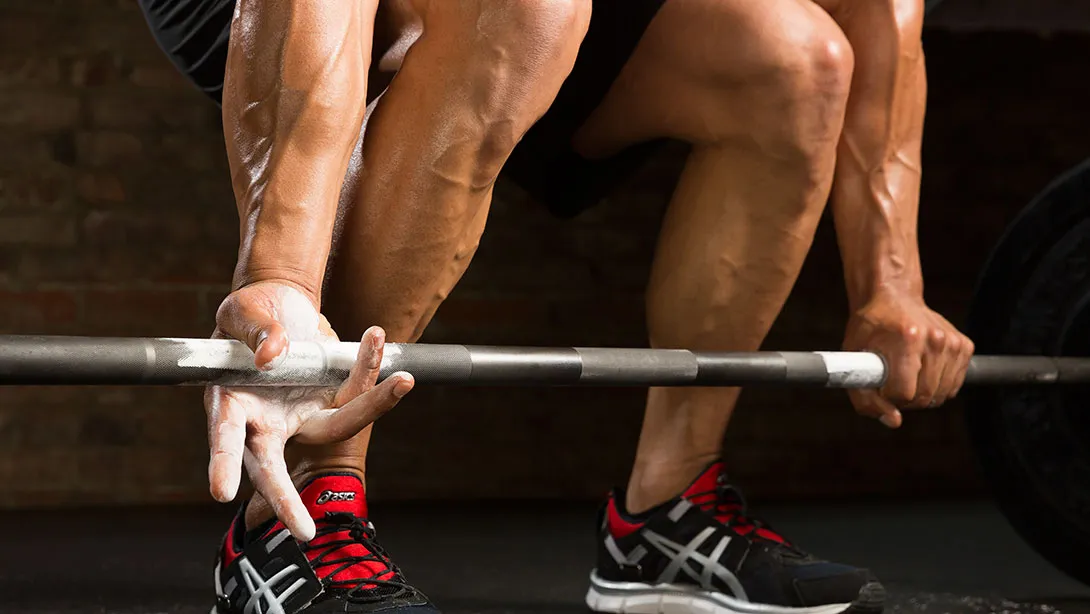
Powdered gym chalk usually means magnesium carbonate, a material intended to help keep the hands dry. Damp skin and a smooth bar are not an ideal combination when a heavy load tries to roll the shaft through your fingers. Yet surface friction depends on the skin, humidity, the texture and coating of the bar, pressure and how much powder ends up between the two surfaces. More white dust is not a scientifically established route to more friction.
Research on climbing illustrates the limits. One controlled climbing experiment found a longer mean hang after chalk use but no statistically detectable difference in its measured coefficient of friction or forearm muscle activity. Other finger-pad tests on different rock surfaces have reported that chalk’s effect changes with moisture and roughness; a much older rock-contact experiment even found lower friction with chalk. A climbing hold is not a steel barbell, and a fingertip contact test is not a deadlift. These results are a useful warning against presenting any chalk mechanism as a universal law.
In practice, first wash and dry your hands if they are oily or sweaty, then apply a modest, even layer. Excessive caking can become gritty and messy. Feel the bar with a controlled warm-up and repeat rather than assuming the chalk has guaranteed your next personal record. A useful grip aid should change the slip problem, not distract from a rounded back, poor setup or load that is simply beyond your pulling strength.
Powder, block or liquid: choose for the room
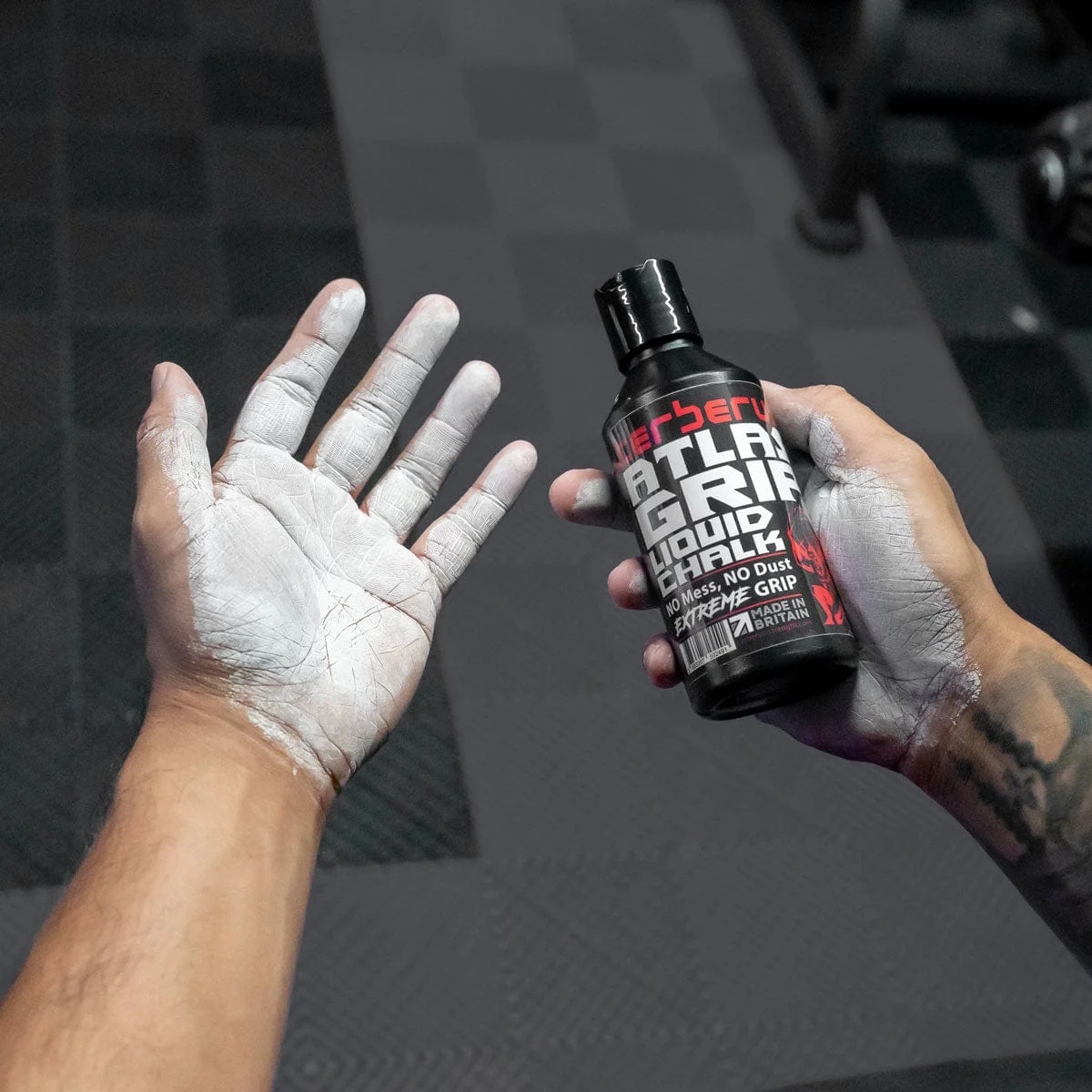
Loose chalk is quick to distribute, and a block can be crushed into the amount you need. A chalk ball reduces how much loose powder escapes at once. Liquid chalk suspends grip material in a fast-drying carrier, often producing less airborne dust and letting you control exactly where it goes. These are practical format differences; the eight-powerlifter study compared a chalk condition with no chalk, not brands or liquid versus powdered versions.
For a dedicated garage gym, a small block or loose chalk tub can be inexpensive and convenient. For an apartment or compact gym in a living space, the biggest constraint may be cleanup. Apply chalk with your hands above a tray, close the container immediately and keep it away from electronics, fans and upholstered surfaces. Some commercial facilities prohibit chalk altogether. Follow the facility policy rather than treating liquid chalk as an automatic loophole.
Try one thin application before adding another. If your palms still feel greasy, address the surface first. If the product contains alcohol, give it time to dry and keep it away from flames or ignition sources. Moisturize skin separately after training if repeated drying leaves it cracked. An irritant or rash is a reason to stop using the product; grip quality does not require accepting damaged hands as a badge of seriousness.
Chalk is not a replacement for grip strength or straps
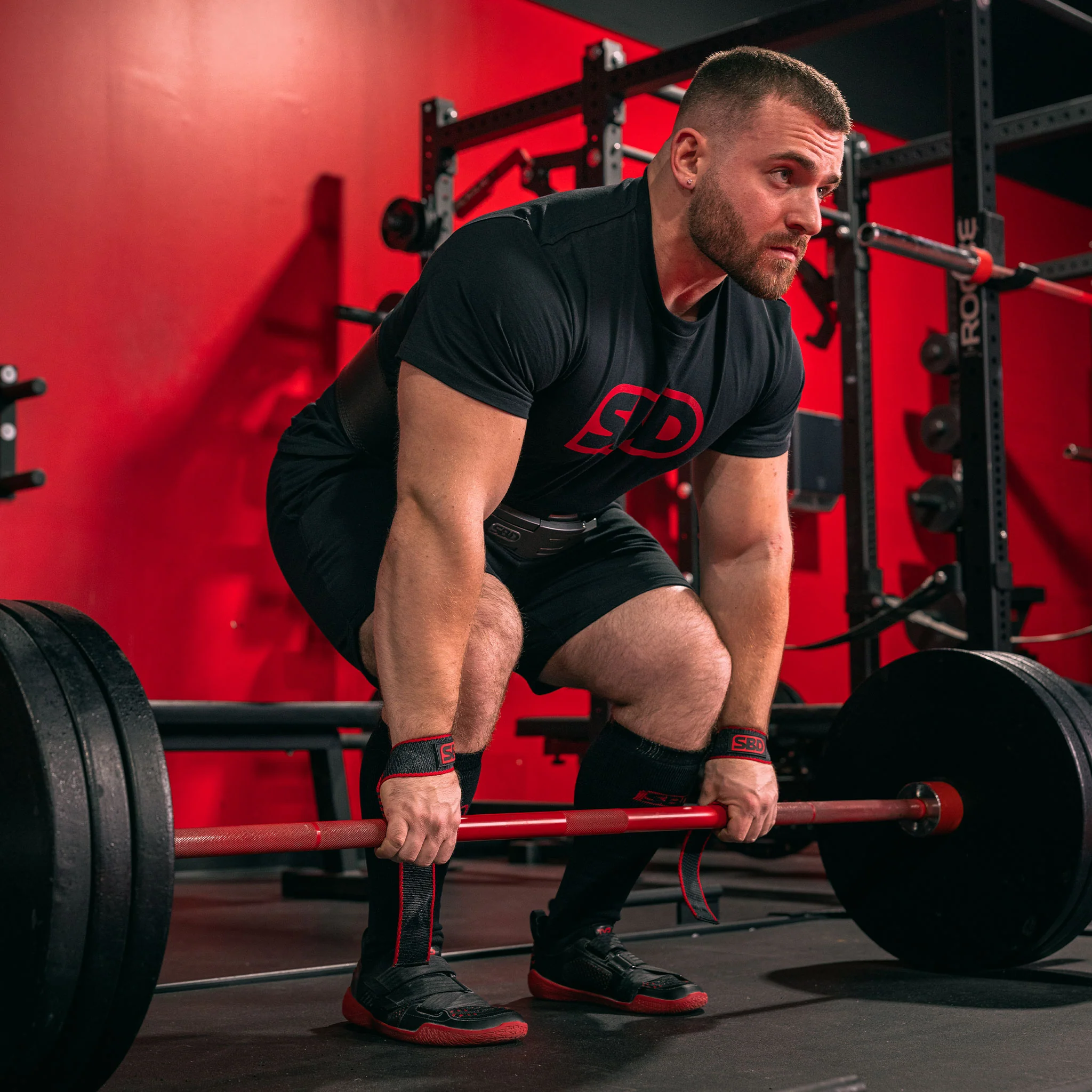
A deadlift’s limiting factor can change by the rep. Your back, hips or legs might be capable of another clean pull while the bar starts to unroll from your fingers. Chalk is useful only when that hand-to-bar connection is the bottleneck. It does not change your forearm muscle capacity, alter the weight on the plates or magically correct a poor hand position. A double-overhand grip is useful for building and testing the unaided grip, but some lifters switch to hook or mixed grip for heavier attempts.
Straps solve a different practical problem. They mechanically connect your wrist and the bar, reducing how much fingertip friction and finger-flexor endurance are required to keep hold. That can be helpful when the program’s goal is hamstrings, glutes or back training rather than maximal grip fatigue. The trade-off is that you should still include some non-strapped pulling or direct grip work if maintaining unaided grip strength matters. Never treat straps as permission to ignore setup or release mechanics.
The equipment you use also matters. A clean, correctly knurled straight bar, an open trap bar and a thick handle all feel different. A very aggressive knurl can bite into the hands, while a badly worn slick shaft may encourage slipping. Accessories such as thick grips or forearm trainers can deliberately make the grip harder, but they are not substitutes for a standard, repeatable deadlift test. Pick gear to serve the outcome rather than stacking every possible aid on a single working set.

Equipment Worth Exploring
Explore equipment, accessories and gear from our carefully selected range.


Leather Lifting Straps
Padded leather straps support grip during heavy rows, deadlifts and pulling exercises.

Leather Wrist Grips
Padded leather lifting grips help support the hands and wrists on heavy pulling exercises.

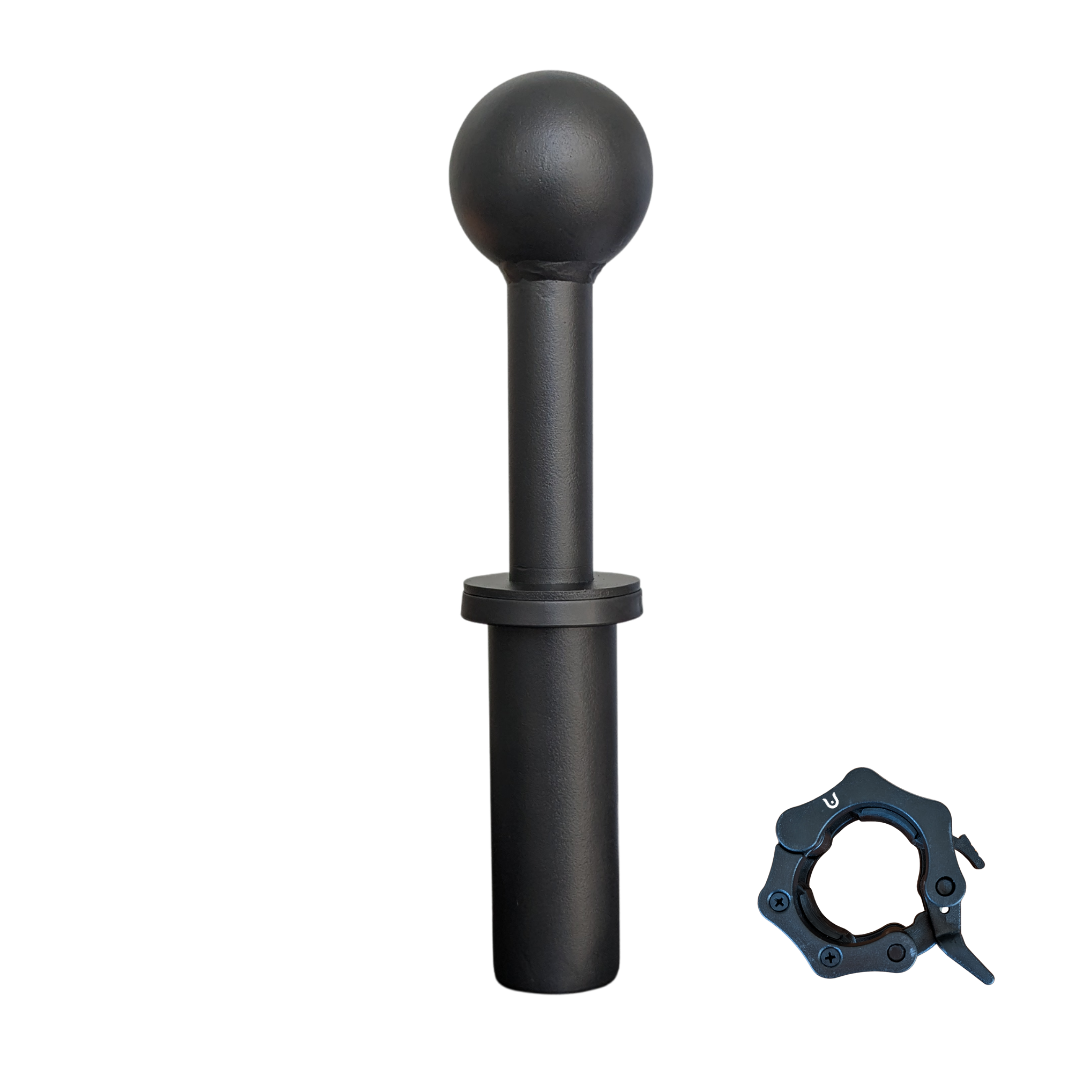


Open Hex Bar
Open-frame trap bar with multiple handles for deadlifts, carries, and lower-body training.

Angles 90 Grips
Flexible grip attachments that allow natural wrist movement during pulling exercises.

Keep chalk out of the knurling and off your floor
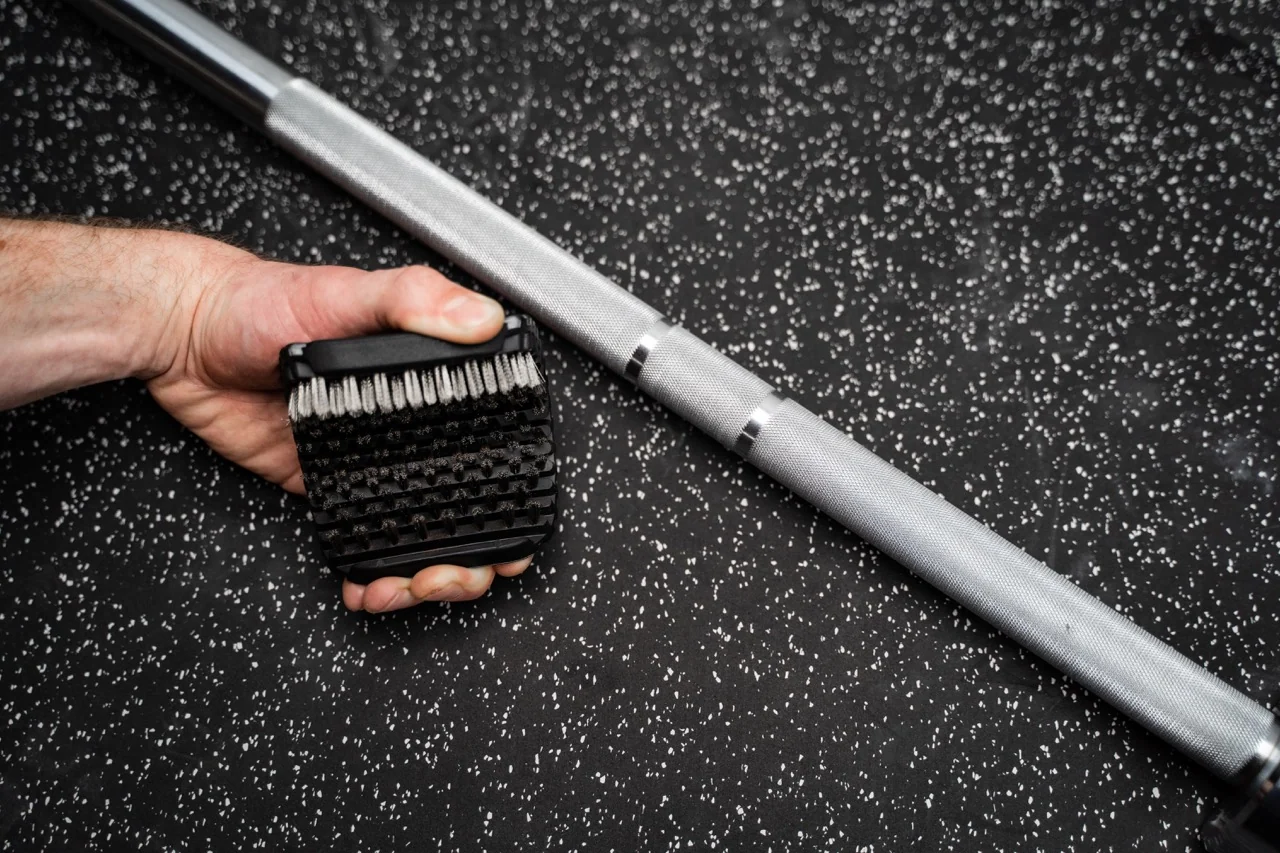
Grip preparation does not end when the set is over. Powder trapped in a bar’s knurling picks up sweat and grime, making the surface less consistent across sessions. Over time, moisture and residue may contribute to corrosion depending on the bar’s finish and storage environment. A suitable soft-bristle brush, used in line with the bar manufacturer’s instructions, removes chalk from the grooves without needing a destructive cleaning method.
A dedicated lifting platform or rubber mat makes post-session cleanup easier. Sweep or vacuum chalk from the platform and nearby furniture rather than blowing it into the air. Wipe any skin oils and moisture off the bar; follow the maker’s advice on coatings, cleaning solutions and lubrication. Avoid applying general-purpose cleaners indiscriminately to bare, stainless, coated and zinc-finished steel. You want a consistent grip, not damaged plating or a slick oily shaft.
The same maintenance standard improves your experiment. If you compare a greasy bar on one day with a freshly brushed bar on the next, you have introduced another variable. Record the handle, grip style, chalk use, load and room conditions. What looks like a powerful supplement effect could partly be a change in surface friction or simple familiarity with the handle. Cleaner and more repeatable equipment makes training comparisons more useful.
A four-session test before you change your program
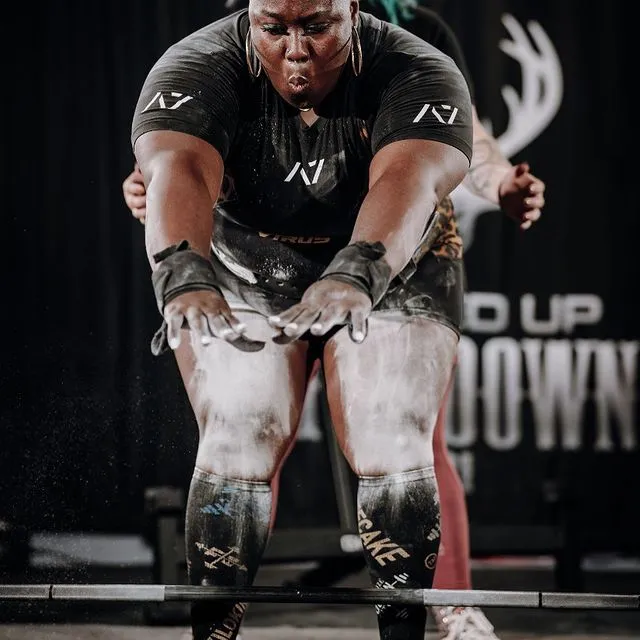
Do not copy the study’s failure set blindly. To see whether chalk matters for you, choose a weight you can deadlift with technically stable repetitions and no pain. Keep the bar, footwear, grip style, rest, warm-up and target effort consistent. On one day train with dry clean hands and no chalk; on the other, use a modest chalk layer. Put at least enough recovery between sessions that overall fatigue does not dominate the result, and alternate the order in a repeat comparison if you can.
Track the actual stopping reason. If you set the bar down because the shaft rotated toward your fingertips, that is a grip-limited ending. If your hips stop extending or positioning fails while the bar remains secure, chalk is unlikely to fix the relevant problem. Stop when technique degrades. Log repetitions, set effort, skin condition and whether you had to reset your grip. You can also test a controlled timed hold with a load you can safely lower at any moment, using identical equipment each time.
After four comparable sessions, ask whether chalk repeatedly reduced slipping or merely felt reassuring. If it does help, put it where the training goal benefits: heavy deadlifts, rows or carries where your hands otherwise quit before your target muscles. If it makes no clear difference, stop treating chalk as a mandatory ritual. Maintain grip practice and clean equipment either way. A simple accessory earns its place by solving an observed constraint—not by the size of the dust cloud it makes.

Funny Gym Shirts & Workout Gear
Funny gym shirts, tanks, hoodies and workout gear for lifters who like training hard.

Praise The Deadlift Holy Lifting Meme , & T-Shirt
Show some deadlift attitude with a playful “Praise The Deadlift” tee.

Bending Bars Meme – Barbell Squat Bench Deadlift, & T-Shirt
Heavy lifts, good laughs, and a little “Bending Bars Gym Meme” energy.

Nice Try Gravity Astronaut Deadlift – , Gymbros & T-Shirt
Rep “Nice Try Gravity Astronaut Deadlift” humor in and out of the gym.

Deadlifts & Gains Meme – Essential T-Shirt
Heavy lifts, good laughs, and a little “Deadlifts & Gains” energy.

Deadlift Lovers Grim Reaper Skeleton Sweater & Leg T-Shirt
Add a playful “Deadlift Lovers” touch to your casual rotation.

Zombie Deadlift Lifting Dead Halloween T-Shirt
Add a playful “Zombie Deadlift” touch to your casual rotation.

I Love Deadlifts Muscle | Funny Valentine's Gym Vest Fo Tank Top
Add some deadlift attitude to training with “I Love Deadlifts”.

Deadlift Skull Explosion Pullover for Powerlifting Leg Hoodie
Show off your leg-day humor in a laid-back “Deadlift Skull” hoodie.

Deadlift Purple Skull Gym Decal for Powerlifters Heavy Sticker
Put “Deadlift” gym humor on your laptop, bottle, or gym gear.

Trap Bar Deadlift Behold Thee Trap Bar Medieval Knight T-Shirt
Make gym days more fun with “Trap Bar Deadlift” style.