Advertising disclosure: This page includes affiliate product links that may earn us a commission, as well as products from our own store.
Dumbbell presses and flyes load the chest through different movements, but a new ten-week comparison found similar changes in measured pectoralis major thickness. That gives lifters a useful alternative to declaring one exercise essential and the other ineffective. The practical question is which movement fits your goal, technique and program. Read the result within its limits, then choose exercises you can perform and progress consistently.
What the 26-man comparison actually found
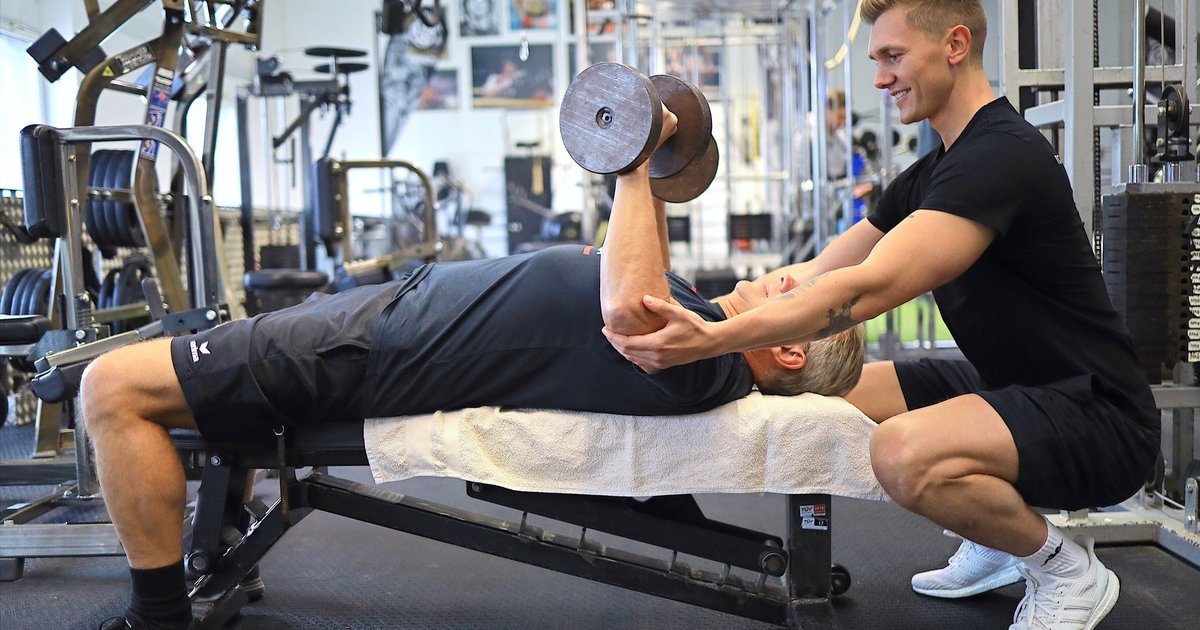
The study, published November 17, 2026, allocated 26 young, healthy men to dumbbell bench press or dumbbell fly training. They had recreational resistance-training experience, averaging approximately 3.3 years. Both groups trained twice weekly for ten weeks, with weekly chest set numbers individualized from their previous training volume.
Chest muscle thickness was measured by ultrasound at three sites before and after the intervention. Thickness increased over time, without a statistically significant difference in change between groups at the measured sites or their combined thickness measure. The finding concerns those measurements under those training conditions.
That is not the same as proving that the exercises are identical for every outcome. A study of 26 participants cannot rule out every potentially meaningful difference. Nor does chest thickness establish that both movements produce equal pressing strength, triceps development, comfort or long-term results in every population.
The individualized weekly set number also matters. This was not a demonstration that everyone should perform the same fixed chest routine. Without importing unreported protocol details, the useful takeaway is that a well-organized fly program was capable of producing measurable chest growth alongside the press program.
Use the result to widen your exercise options rather than to overturn a routine that is working. If you already progress a comfortable dumbbell press, you do not need to replace it. If a controlled fly has a clear role in your chest training, the comparison gives no reason to dismiss it merely because it uses a smaller load.
Different movement paths still create different tasks
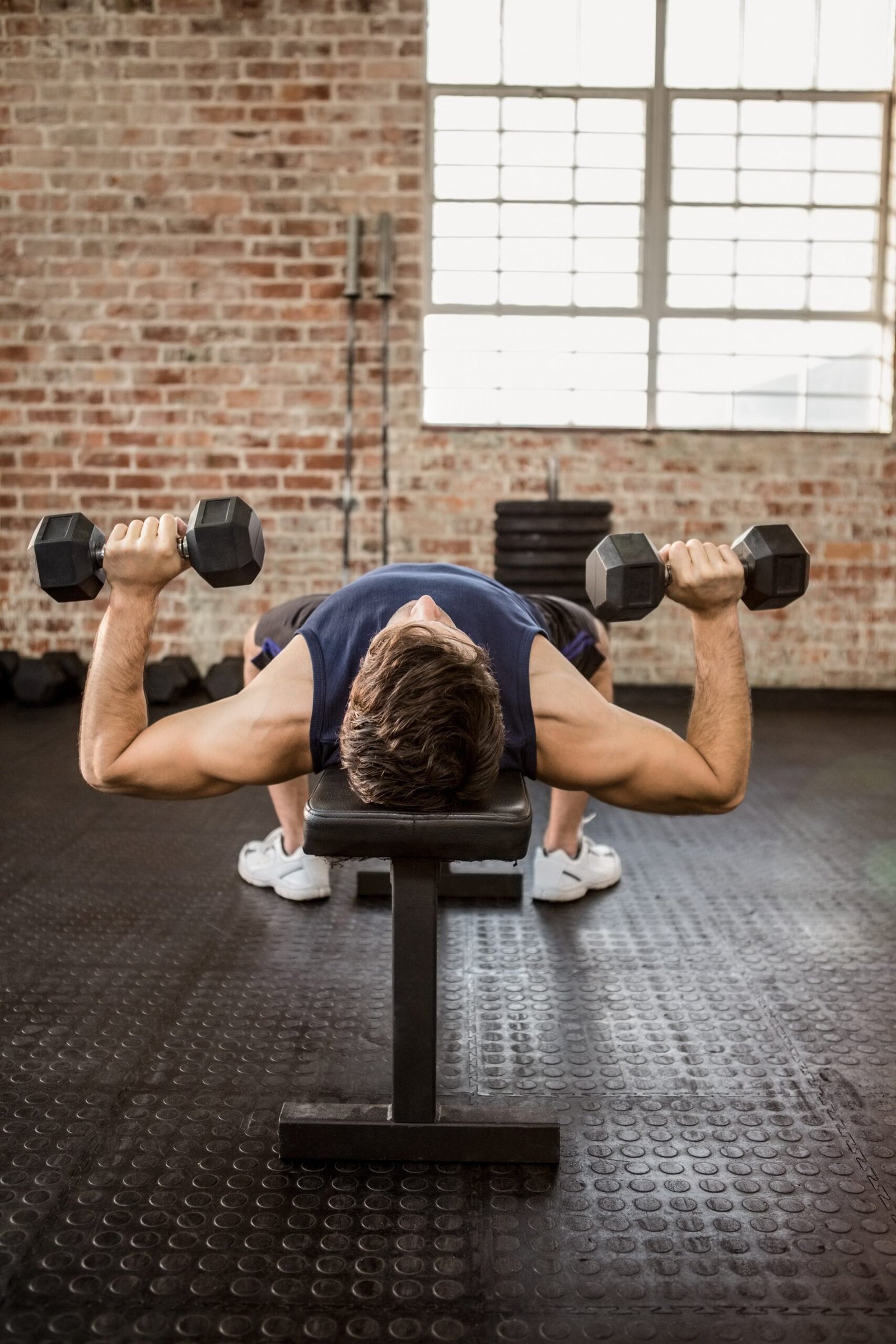
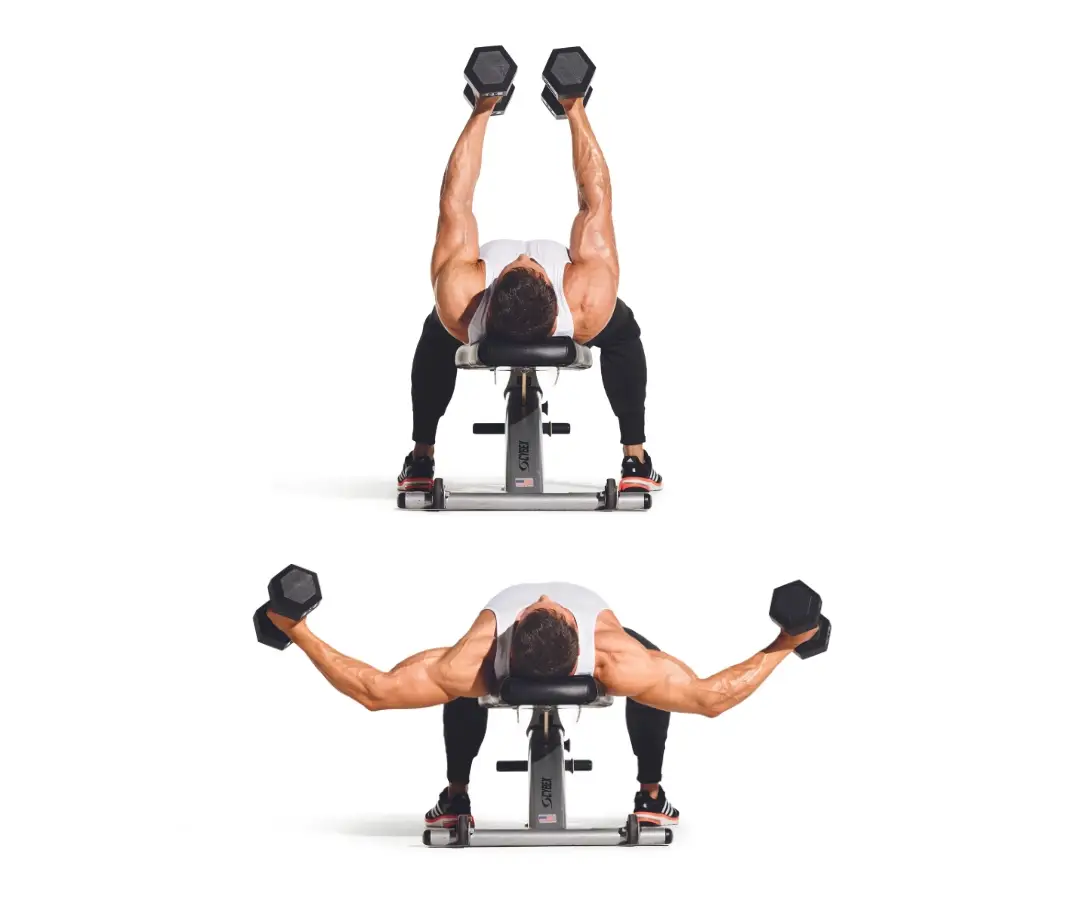
A dumbbell press combines movement at the shoulder and elbow. In a fly, the elbow usually stays relatively stable while the upper arm moves through a wider arc. That distinction changes how the load is managed, even when both exercises involve bringing the arms toward the front of the body.
Do not compare the dumbbell numbers as though they describe the same task. A lighter fly can create a demanding movement because the weight is held farther from the shoulder through parts of the arc. Using the same dumbbells for both exercises is not a fair test of which one trains the chest.
Choose a movement standard you can reproduce. For pressing, decide on a controlled lowering path and a setup that lets you enter and leave the position safely. For flyes, use a manageable load and a range you can control without turning the return into a hurried press.
Your technique should remain recognizable as fatigue builds. If each repetition uses a progressively different elbow position or a shorter lowering range, the heavier session is not directly comparable with the previous one. Record meaningful changes rather than treating every completed repetition as equivalent work.
Keep the bench and dumbbells appropriate for the task. Check their instructions and locking arrangements, and allow room to get into position and put the weights down. A compact arrangement that obstructs your arms or exit can make a technically simple movement unnecessarily awkward. Practical setup is part of choosing the exercise.
A muscle signal and a growth measurement answer different questions
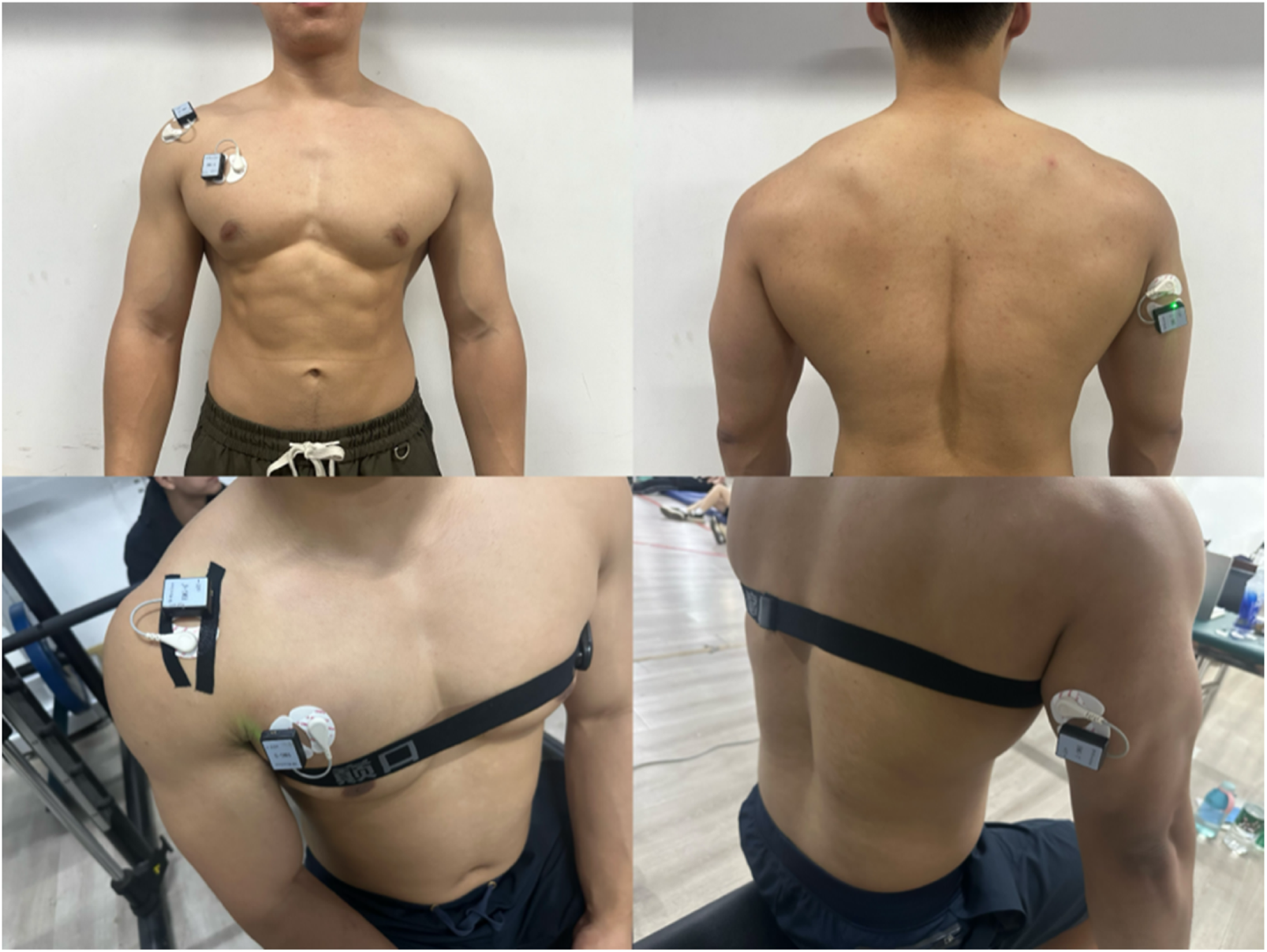
A muscle can feel active during a set without that sensation ranking its long-term growth response. Surface electromyography records an electrical signal during a particular task. Ultrasound measurements before and after weeks of training examine a different outcome. These tools should not be treated as interchangeable exercise scoreboards.
An earlier small experiment compared barbell pressing, dumbbell pressing and flyes in 12 college-age men and women. It found no significant difference in activation level for the measured chest and front-shoulder muscles, while flyes showed less relative activation time. That was an acute comparison, not a muscle-growth intervention.
A separate acute study in 17 trained men found greater activation in several muscles during barbell bench pressing than during dumbbell flyes. It used a barbell press comparison, not the same dumbbell press comparison as the new ten-week trial. Differences in movement, loading and measurement context matter.
These findings illustrate why a single activation figure cannot settle every programming question. A higher signal in a particular test does not automatically establish a larger increase in muscle thickness after months of training. Equally, similar thickness changes do not mean the exercises have identical demands during a repetition.
For your own decisions, identify the outcome you care about before choosing the evidence. Chest size, performance in a particular press and the ability to perform a comfortable fly are related training interests, but they remain separate questions. A useful program can respect those differences instead of trying to nominate one universal winner.
Give each exercise a job in the program
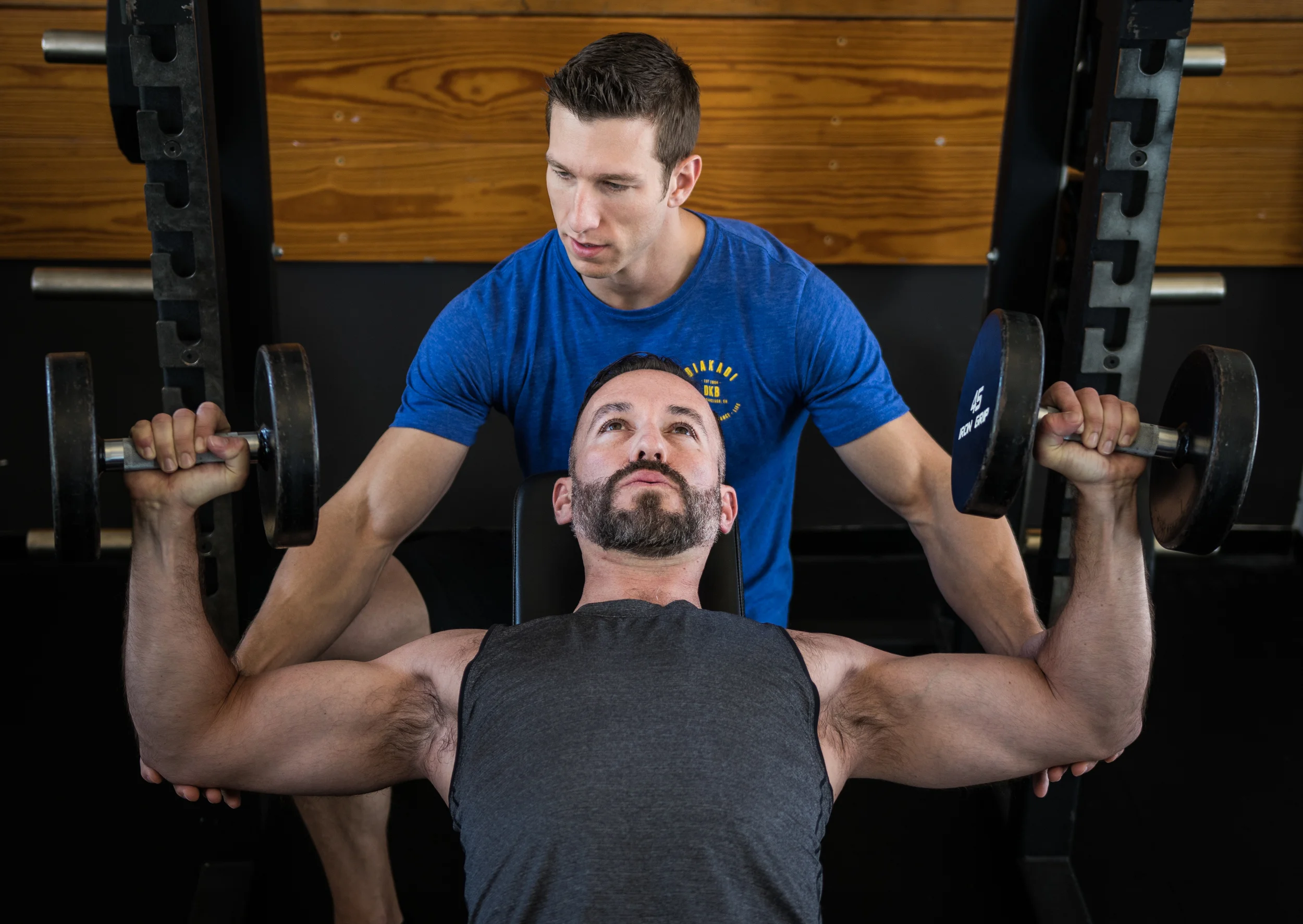
If improving a dumbbell press is your main performance goal, practicing that press directly is a straightforward priority. A fly does not reproduce its entire movement. If your aim is to add a separate chest exercise with less emphasis on elbow extension, a fly offers a different task to organize and assess.
You can also include both without assuming the combination has been proven superior by this study. The comparison tested separate exercise groups; it did not establish the ideal press-to-fly ratio. Adding every movement that can work is not automatically better than selecting a manageable amount of training.
An illustrative arrangement is to keep your existing press work and replace a small portion of other chest work with controlled flyes. This is a practical example, not the trial protocol or a guaranteed improvement. Keep the total workload understandable so that you can see how the change affects performance and recovery.
When evaluating a change, write down what you expect it to accomplish. Easier setup, a more controllable range and a clearer chest-training role are practical outcomes you can assess. They are different from a claim that one exercise must build more muscle, and they can matter even when the growth evidence does not identify a winner.
Consider exercise order when reviewing the results. A fly performed after demanding presses is being tested under different conditions from one performed fresh. If you change the order and the load changes, note that context. Do not immediately conclude that an exercise has become more or less effective.
General resistance-training guidance emphasizes individualization and consistent participation. Apply that principle by choosing movements you can perform regularly, rather than building a complicated routine around a single headline. If an exercise does not suit your current setup or capabilities, use a suitable alternative while preserving a clear training purpose.

Equipment Worth Exploring
Explore equipment, accessories and gear from our carefully selected range.

Rubber Hex Dumbbells
Rubber-coated hex dumbbell pairs with a stable shape for home and commercial strength training.


Multi Bench MBX-650 2.0
Adjustable multi-bench with roller adjustment, 15 backrest positions and accessory mounts.

FID Bench MAX
Adjustable bench offering flat, incline, and decline positions + adjustable headrest.


Track progression without changing the exercise halfway through
Record the movement, bench setup, load per hand, completed repetitions and an estimate of effort. Add a brief note when you change the range or technique standard. Separate records for presses and flyes make it easier to identify progress within each movement instead of comparing unlike numbers.
Keep a new variation stable long enough to become familiar with it. Early improvements may reflect learning the setup or coordinating the movement more confidently. That is useful progress, but it does not by itself demonstrate a specific increase in chest muscle size.
Review several comparable sessions before changing another variable. If you can repeat the planned work with controlled technique, consider a modest load or repetition increase within your program. If the fly repeatedly turns into a press as the load rises, reconsider the increase rather than counting the altered movement as an automatic success.
Plan a review point instead of changing exercises after every disappointing session. Look for a pattern in comparable work and check whether the program remains manageable. If the result is unclear, inspect the notes for changed bench positions, exercise order or extra sets before assuming the movement itself is the problem.
Keep physique observations separate from the training log. A pump, lighting change or one particularly flattering photograph cannot reproduce a standardized ultrasound assessment. If you collect your own measurements or photographs, use comparable conditions and interpret gradual trends cautiously rather than promising a result from one workout.
The study's practical value is flexibility. Dumbbell presses and flyes both produced chest-thickness improvements in this particular ten-week comparison. Choose a clear role for each movement, control its setup and let repeatable training guide the next adjustment. Similar measured growth leaves room for preference without making every other training consideration disappear.

Funny Gym Shirts & Workout Gear
Funny gym shirts, tanks, hoodies and workout gear for lifters who like training hard.

| Pencilneck Science-Based Lifting Hooded for Gym Bros Hoodie
Bring “Pencilneck Science-Based Lifting” gym humor to lazy days and post-workout plans.

Bro Science Swole Scientist | Bodybuilding & Powerlifti Sticker
Stick a little “Bro Science Swole Scientist” humor on your favorite gear.

Gains Before Brains | Zombie Lifting Meme Pullover | Ha Hoodie
Bring “Gains Before Brains” gym humor to lazy days and post-workout plans.

Musclenomics Muscle Graph : The Ultimate Meme Shirt & T-Shirt
Make gym days more fun with “Musclenomics Muscle Graph” style.

Bro Science Periodic Table Tee
Bring “Bro Science Periodic Table” humor to your next gym day.


I Love Bench Press | with Pink Heart Weight Plate Desig Hoodie
Keep it laid-back with a little “I Love Bench Press” attitude.

2 Plates Bench Club & Chest Day Top T-Shirt
Rep “2 Plates Bench Club” humor in and out of the gym.


Mind Muscle Perfection Brain and Biceps Gym for Science T-Shirt
Show some gym-day personality with “Mind Muscle Perfection Brain and Biceps”.