Advertising disclosure: This page includes affiliate product links that may earn us a commission, as well as products from our own store.
Adding more sets or swapping curl exercises each week feels like progress. But a useful program change should solve a real problem: insufficient effort, too little productive training, an uncomfortable movement, or a genuine plateau. Otherwise it can increase complexity without improving the result.
A 14-week upper-body experiment involving 32 young adults tested that idea. After a common introductory phase, some arms continued familiar hard training while others received additional sets, changing exercises, or both. All approaches showed further increases in measured upper-limb lean tissue, but the extra complexity did not yield a statistically detectable advantage.
The result is not proof that variety never matters, or that higher volume cannot produce more muscle. It is an invitation to examine effort, starting volume, measurement limits and your own progression before changing a successful routine.
How a 14-week arm-training experiment was actually organized
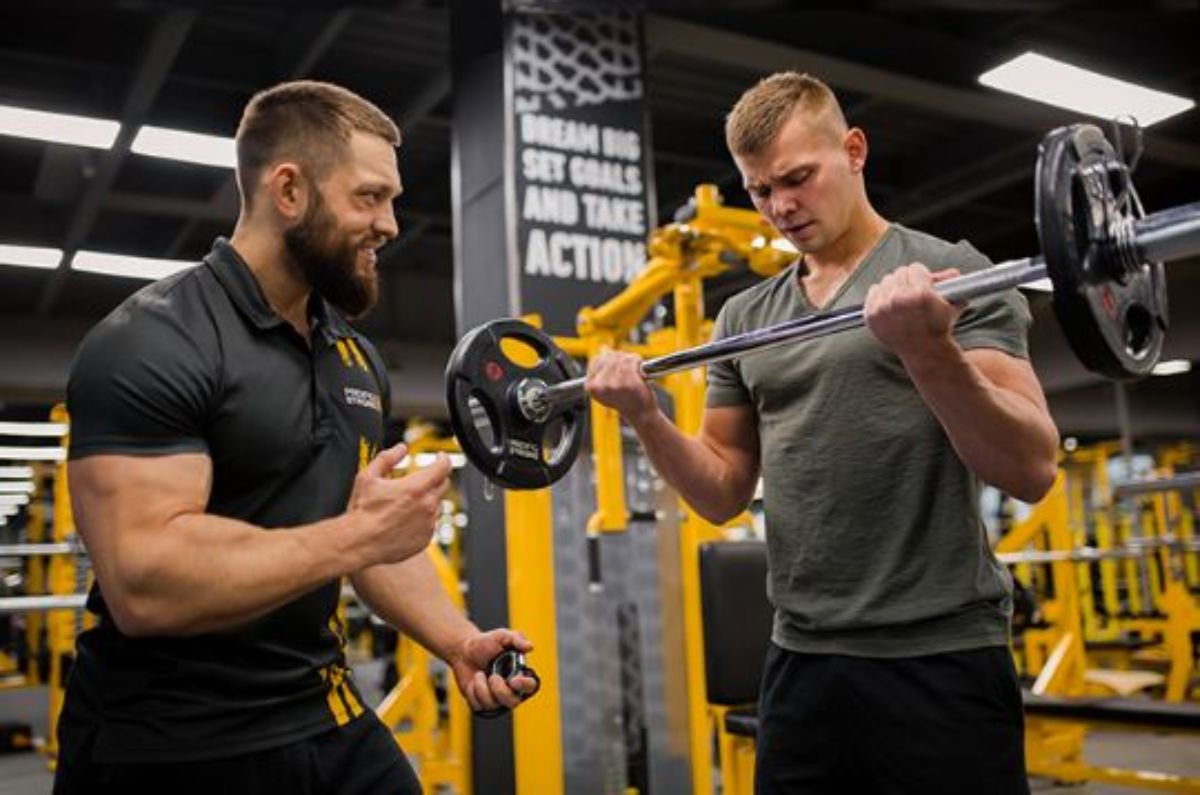
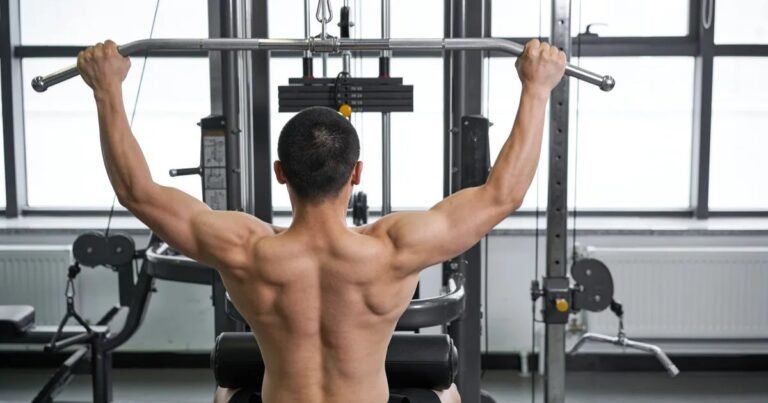
The experiment included 32 participants who finished the full program: 17 women and 15 men, all with little recent resistance-training experience. The opening six weeks were deliberately ordinary. Everyone trained their upper body twice weekly with bench presses, lat pulldowns, barbell curls and triceps pushdowns. Direct curl and pushdown work included four hard sets per session, alongside three sets of each compound movement. That common start allowed the next phase to test changes in an already established routine rather than comparing experienced lifters against complete beginners.
In the remaining eight weeks, each participant continued the usual program with one arm. The other arm was assigned to one of three interventions: higher direct volume, changing biceps and triceps exercises, or both. Higher volume meant six rather than four direct sets per session for each target muscle, roughly twelve versus eight direct weekly sets. The exercise-variation group held direct volume constant but rotated among movements such as barbell, incline and preacher curls. The combined group performed extra sets and changed exercises.
The control arm was present in all 32 participants. The modified arms were allocated ten to higher volume, eleven to exercise variation, and eleven to both. Sets targeted eight to twelve repetitions, with one-minute rests and instructions to work to concentric failure. This within-person setup helps control individual differences, although both arms still share one person’s sleep, food, broader training and recovery. It cannot guarantee that two arms respond completely independently.
Because these participants had no regular lifting for at least twelve months, the study is best read as a test of early training adaptation. It does not reproduce the conditions of an advanced bodybuilder already performing years of progressive arm work.
The four measured outcomes and what the percentages mean
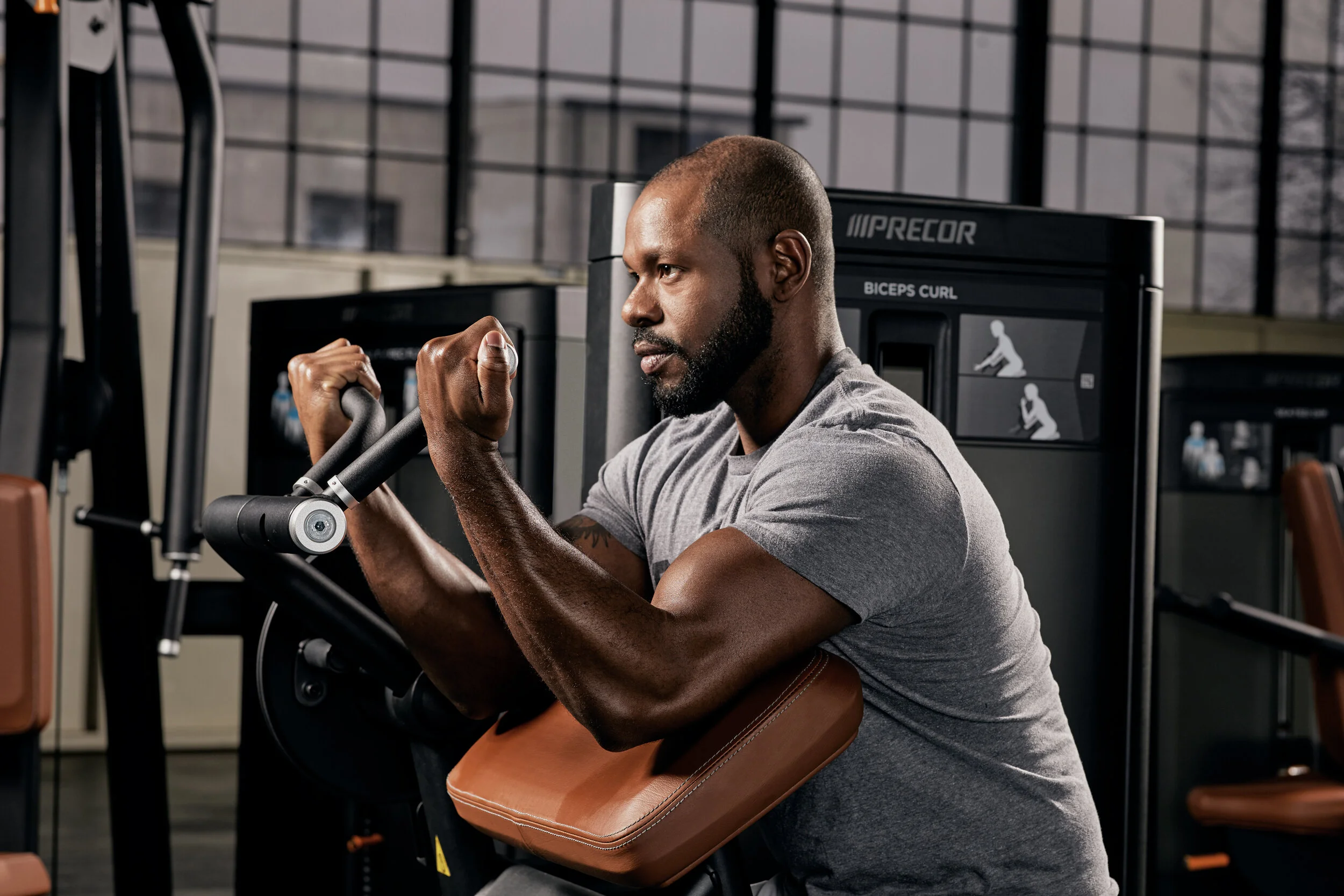
During the identical first six-week phase, mean upper-limb lean tissue increased approximately 4.0 percent. In the subsequent eight weeks, all conditions showed further gains in the measured outcome. The unchanged control arms averaged a 3.1 percent increase; higher-volume arms averaged 2.2 percent; exercise-variation arms averaged 3.0 percent; and the combined higher-volume-plus-variation arms averaged 3.2 percent.
These are averages of measured whole-arm lean tissue, not guaranteed increases in biceps size and not an exercise leaderboard. There were no statistically significant differences among the four conditions. The lower point estimate for higher volume is not evidence that extra sets made muscles shrink, just as the slightly higher combined estimate does not establish a better method. The trial was modest in size and the participants varied substantially in their responses.
Researchers also compared how many people exceeded a predetermined response threshold. The distribution did not show a clear advantage for any one added-volume or variation protocol. Some participants’ arms appeared to improve more with the usual routine, while others improved more when the program changed. That diversity makes it risky to turn a small trial into a one-size-fits-all rule.
The limited but useful conclusion is that a consistently performed novice program continued to produce measured upper-limb changes, and adding four weekly direct sets or frequent exercise substitutions did not detectably improve those changes over this eight-week period.

Equipment Worth Exploring
Explore equipment, accessories and gear from our carefully selected range.


EZ Curl Barbell
Olympic EZ curl bar with angled grips for curls and triceps exercises.


Rubber Hex Dumbbells
Rubber-coated hex dumbbell pairs with a stable shape for home and commercial strength training.



FID Bench MAX
Adjustable bench offering flat, incline, and decline positions + adjustable headrest.

Multi Bench MBX-650 2.0
Adjustable multi-bench with roller adjustment, 15 backrest positions and accessory mounts.
Why extra sets did not automatically deliver extra growth
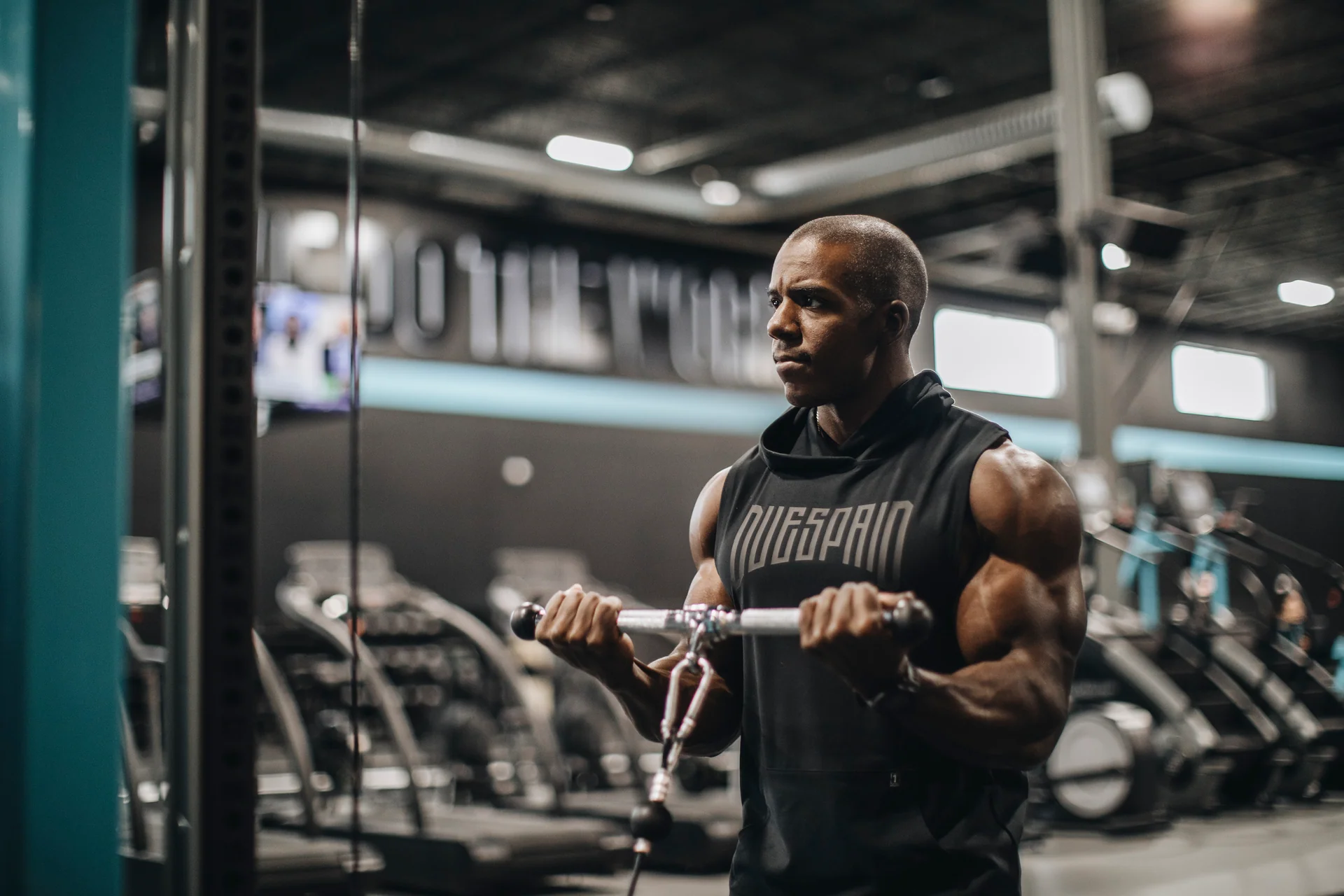
Weekly set volume describes the amount of meaningful work a muscle receives, but it is not a perfect measure of growth stimulus. A hard curl set performed with repeatable technique, an appropriate range and sufficient proximity to failure differs from a set rushed through with momentum. Adding volume to an undertrained muscle can help; adding volume to a program that already challenges it may produce smaller additional benefits while accumulating more fatigue.
The control condition was not low-volume inactivity. Its eight direct weekly sets for each arm muscle occurred alongside lat pulldowns and bench presses, both of which involve elbow flexors or extensors. A compound set is not identical to a curl or pushdown set, and the exact contribution depends on exercise mechanics and execution. However, ignoring all indirect arm work exaggerates the gap between a modest isolation program and an already demanding total upper-body workload.
Training effort is equally important. The trial instructed participants to complete demanding sets to concentric failure, so adding sets meant adding hard work to a relatively rigorous base. That is not comparable to adding two challenging sets to a casual routine where the lifter typically stops six repetitions short of fatigue. More sets are not intrinsically superior, inferior or useless. Their value depends on the starting dose and how productively the person can perform and recover from them.
Before raising weekly arm volume, ask whether the current program gives clear opportunities to improve repetitions, whether recovery has settled before the next session, and whether your elbows or wrists tolerate the workload. An automatic set increase each week can be less useful than making the existing sets consistent and progressive.

Bodybuilding Shirts & Workout Gear
Bodybuilding shirts, tanks and gym gear for lifters chasing muscle, size, symmetry and the pump.

Ha Ha Hammer Curls Joker Gym Funny Workout Crewneck Pul T-Shirt
Keep things casual with a little “Ha Ha Hammer Curls Joker” attitude.

Stronger Than You Wonder Woman Inspired Bros & Heroes T-Shirt
Show some superhero attitude with a playful “Stronger Than You” tee.

Beauty And The Biceps Meme Top Tank Top
Your gym-day look, with a playful “Beauty And The Biceps” twist.

– Muscle Inflation Graph Meme Jumper | Gym Economics Pu T-Shirt
Keep things casual with a little “Muscle Inflation Graph Meme” attitude.

Progressive Overload Milo Tee
Bring “Progressive Overload Milo Bull” humor to your next gym day.

One More Rep Shirt: Motivational & T-Shirt
Make gym days more fun with “One More Rep” style.

Blood Sweat & Gains | Dracula Vampire Workout T-Shirt
Bring “Blood Sweat & Gains” humor to your next gym day.

Unlock Your Gains: DNA Meme – Ultimate Top T-Shirt
Heavy lifts, good laughs, and a little “Unlock Your Gains:” energy.


Big Biceps Theory Decal Water Bottles & Gear Meme Sticker
Bring “Big Biceps Theory” attitude to your water bottle or laptop.
Exercise variation changes the movement, not the basic stimulus
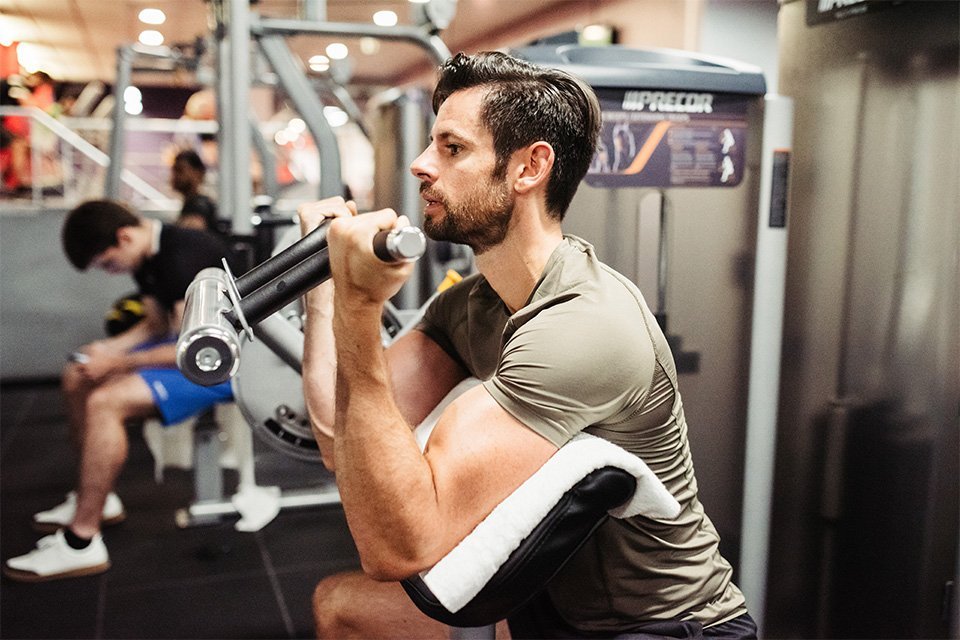
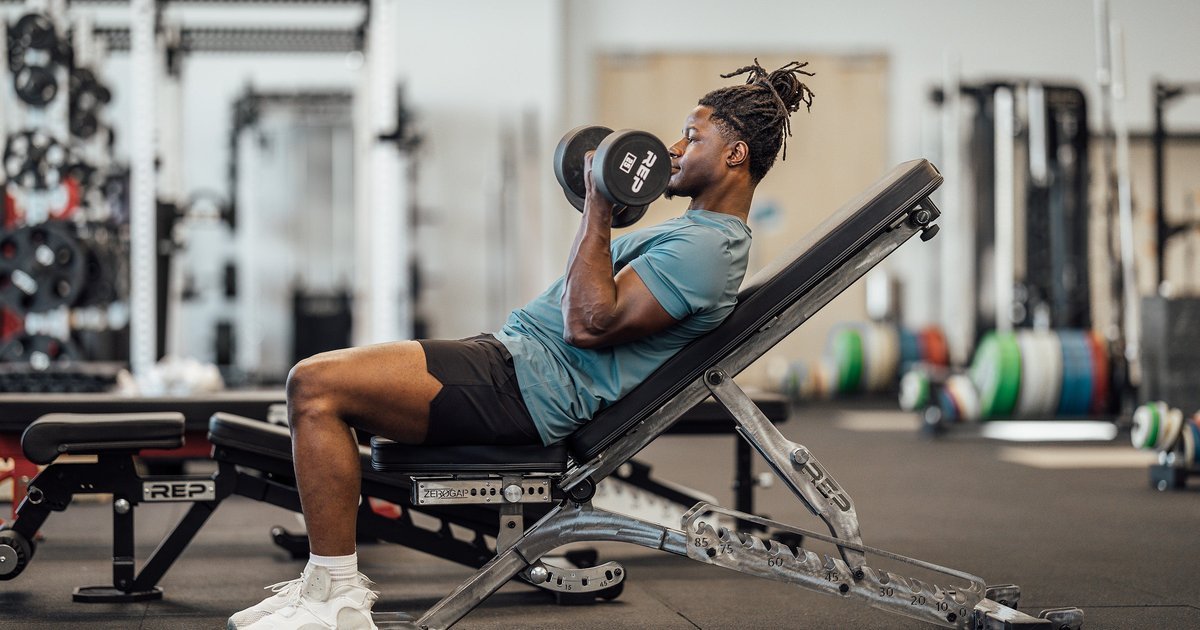
Exercise changes are sometimes marketed as necessary to keep a muscle guessing. Muscles do not need surprise; they respond to tension, effort, range and repeated exposure. Nevertheless, changing a movement can be useful. A preacher curl supports the upper arm and alters the loading experience. An incline dumbbell curl changes shoulder position and the length at which the elbow flexors must produce force. A cable curl can make it easier to select precise resistance and maintain a controlled path.
The experiment deliberately tested structured variation. Biceps work included barbell, preacher and incline curls; triceps options included skull crushers, French presses and kickbacks. Participants in the exercise-variation condition distributed the same number of sets across two movements and changed one weekly. That makes its finding more informative than a hypothetical comparison between a planned program and random exercise swapping.
However, a new curl every session makes progress harder to judge. More reps on a novel machine may come from improved setup, a shorter range or a different strength curve rather than new muscle. Holding one primary movement steady for six to eight weeks creates a comparable logbook. A secondary movement may then earn its place by providing a different comfortable position, better loading access or improved joint tolerance.
Variation is particularly useful when a movement irritates a joint, required equipment disappears, a plateau remains after recovery is addressed, or an advanced lifter wants to target a specific weak position. None of those reasons require a wholesale weekly rewrite. For early lifters, consistency often improves technique and makes gradual overload easier.
The measurement limits that prevent an easy yes-or-no answer
Upper-limb lean tissue was estimated with DXA, also called DEXA. This scan-based outcome includes the whole upper limb, not an isolated measure of biceps long-head thickness, triceps regional growth or actual contractile protein. Lean tissue can also reflect water and other nonfat components. It is a useful comparative measurement under consistent procedures, but it cannot tell whether one particular curl angle improved a small region that the aggregate measurement failed to isolate.
The reported measurement variability was approximately 1.5 percent for the whole-arm lean-tissue estimate. When a potentially useful training modification might create a small extra change over only eight weeks, measurement variation and the limited sample can make that difference hard to detect. A nonsignificant statistical comparison is not the same thing as proving precise equivalence between training strategies. It also does not justify claiming that all extra volume is worthless.
The final sample was smaller than originally estimated for the study, and everyone had completed the same early introductory period. There was no nontraining control group to estimate natural fluctuation and no long-term follow-up. The study does not establish what happens to regional biceps or triceps size, tendon tolerance, one-rep-max strength or lifelong muscular development. The findings also should not be freely extrapolated to advanced lifters already approaching the limit of recovery.
What can be said is useful: within this design, extra weekly direct sets and exercise rotation did not produce a clear measurable whole-arm lean-tissue advantage beyond the hard, stable base program. The uncertainty is a reason to measure your own training response carefully instead of treating the percentages as universal predictions.
Equipment Worth Exploring
Explore equipment, accessories and gear from our carefully selected range.
VOLTRA
Compact digital cable trainer with smooth, adjustable resistance.

Go-Tone Pro
Portable digital cable trainer with up to 66 lb (30 kg) of adjustable resistance.

VForce Wall Trainer
Space-saving wall-mounted functional trainer with pivoting cable arms and variable resistance ratios.

VForce Lat Tower
Wall-mounted cable tower with pivot arms and adjustable 1:1 or 2:1 pulley ratios.

Dual Hook EZ Curl Bar
Angled aluminum dual-hook cable bar for biceps curls and pulldown variations.
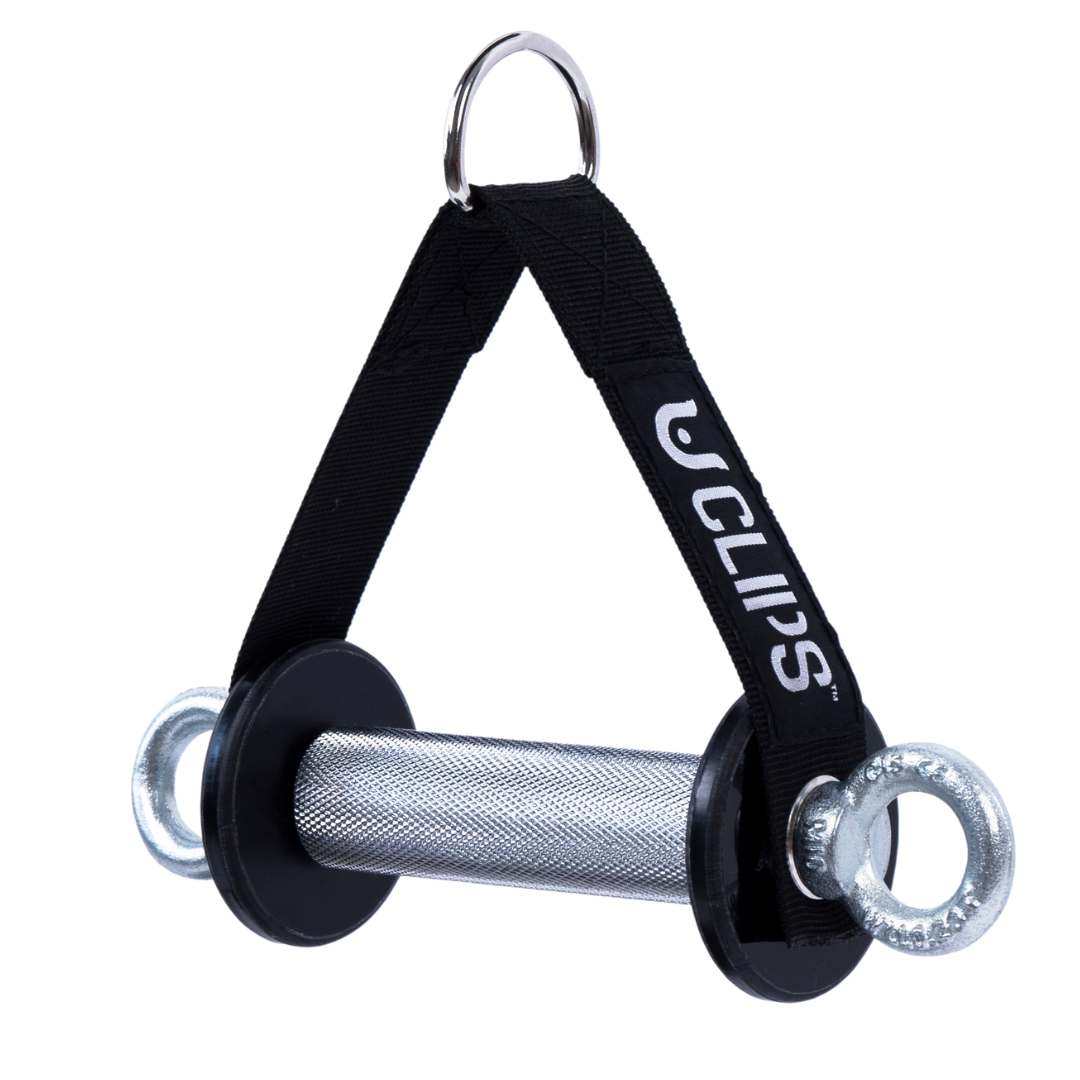
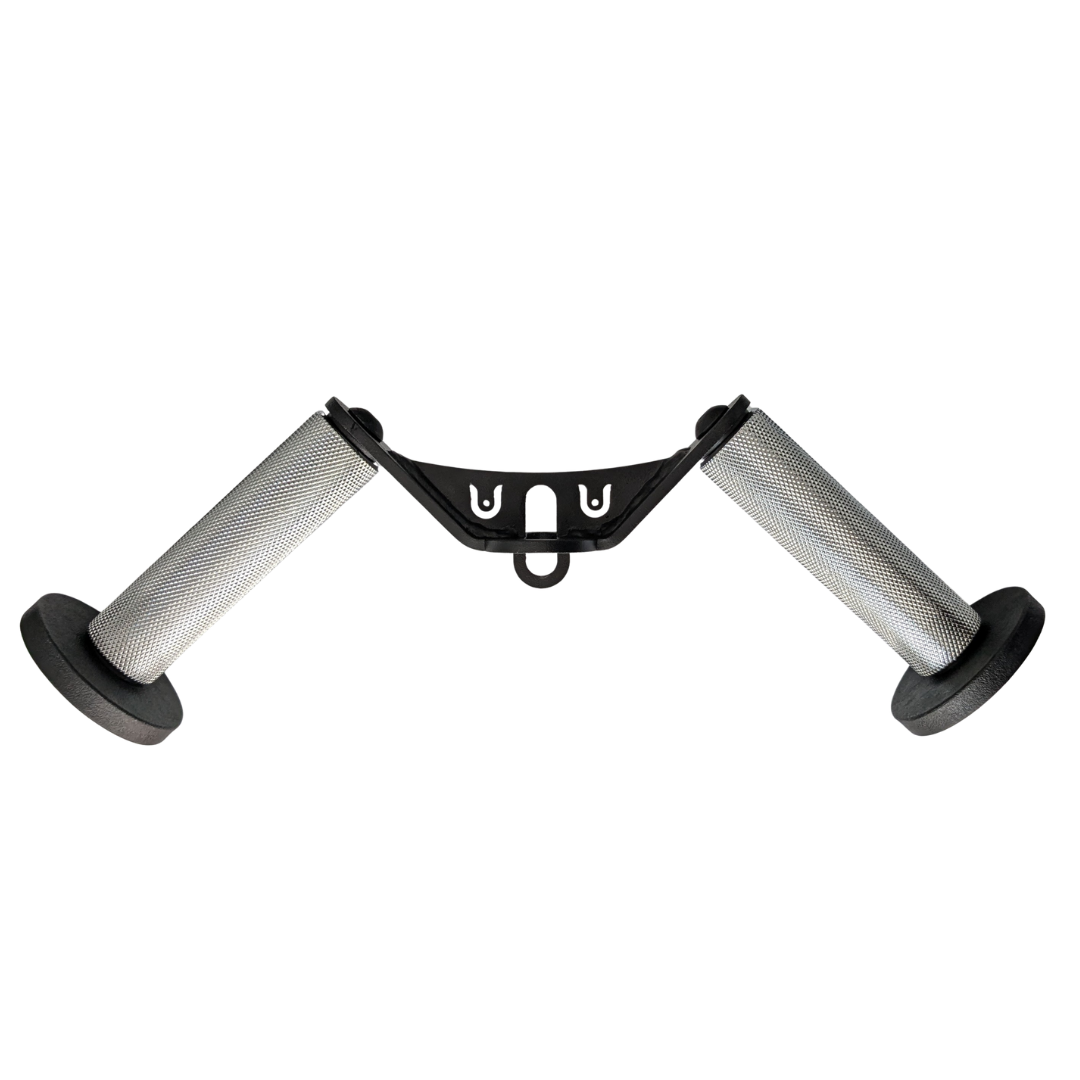
W Grip
Angled cable grip for comfortable rows, pushdowns, and curls.
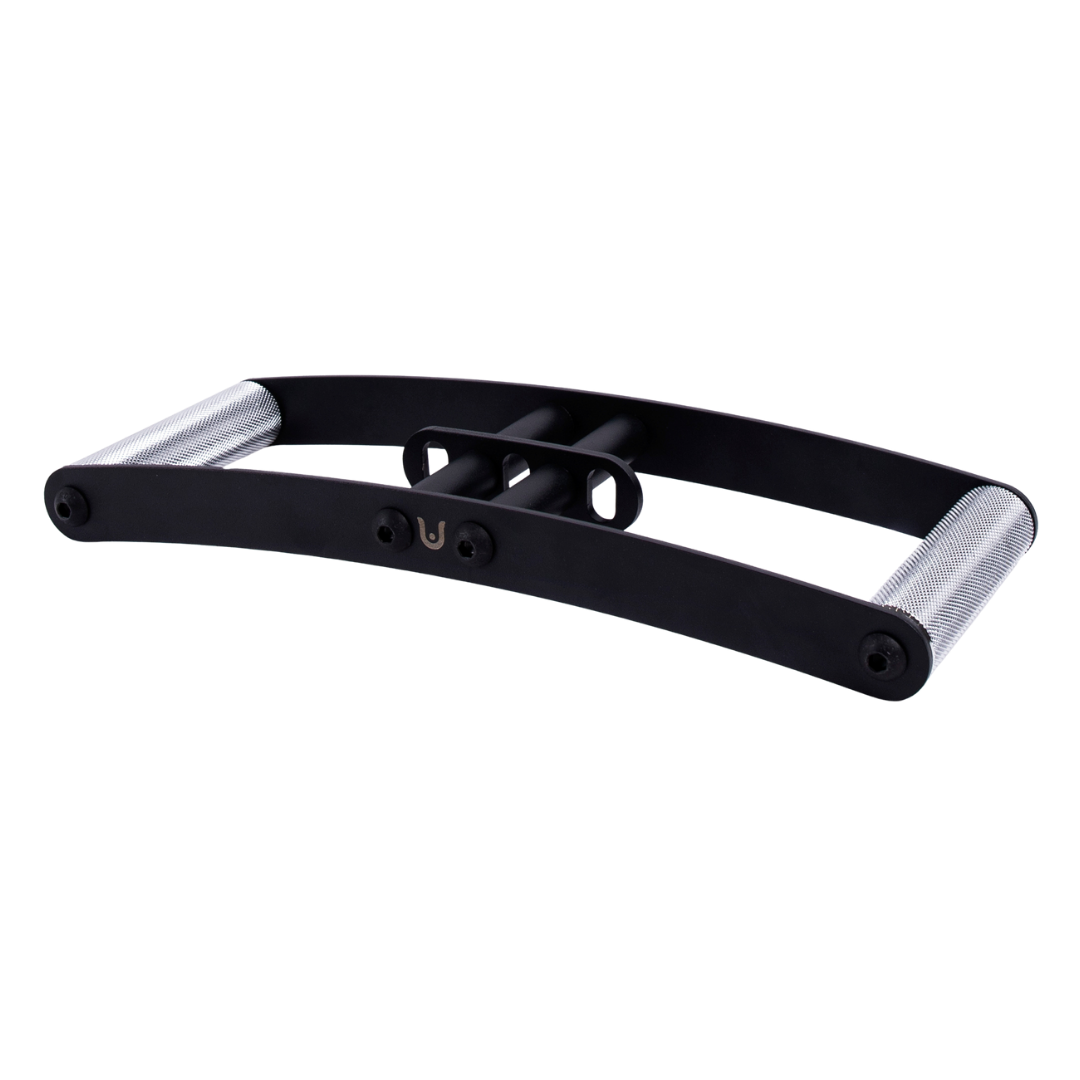
Horizon Grip
Ergonomic V-style cable grip for rows and back training.

GymPin Ergo Handles
Pair of ergonomic cable handles shaped for comfortable triceps and pulling exercises.

Angles 90 Grips
Flexible grip attachments that allow natural wrist movement during pulling exercises.
A practical eight-week arm plan without pointless complexity
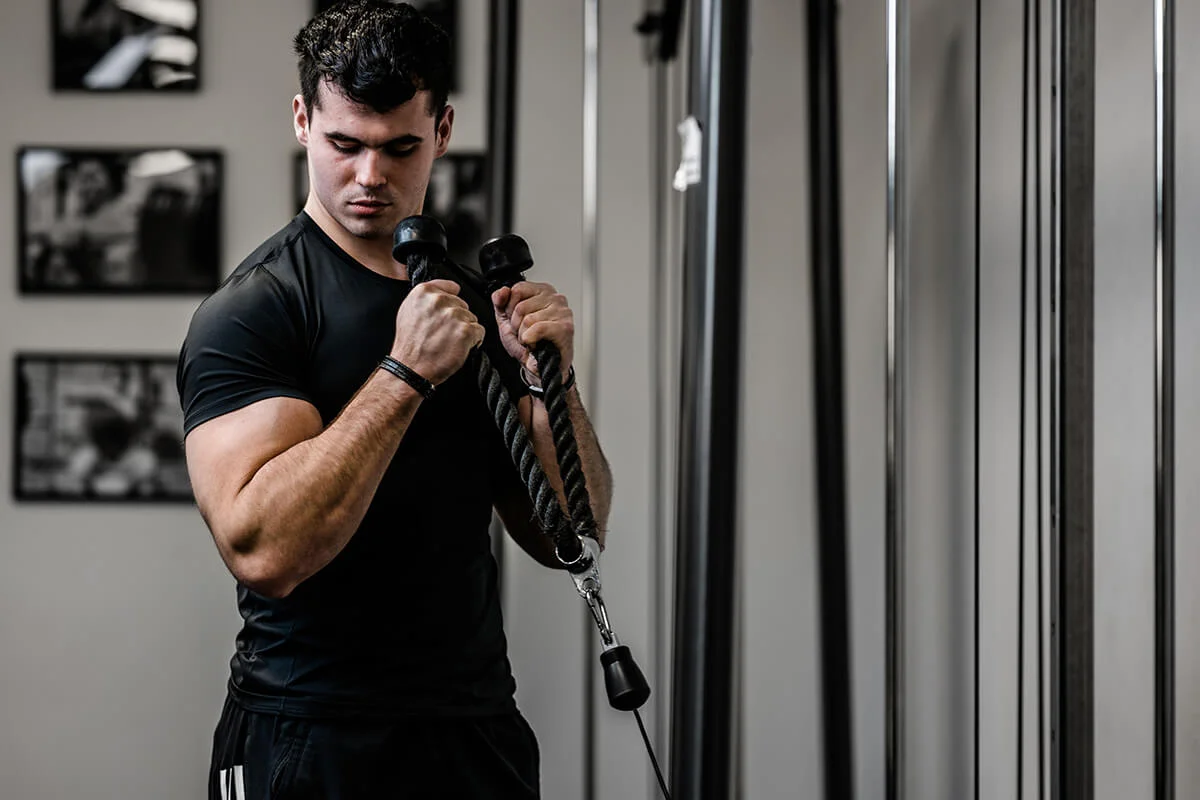
Build the next eight weeks around two manageable weekly arm sessions. Start with one primary biceps movement you can repeat comfortably: an EZ-bar curl, standing dumbbell curl or comparable cable setup. Pair it with a controlled triceps pushdown or extension. Include the rows, pulldowns and presses elsewhere in the week when evaluating your total workload. The goal is a repeatable plan that exposes the muscles to progressively demanding work without overwhelming recovery.
During weeks one and two, perform about three or four direct sets for biceps and the same for triceps in each of the two sessions. Use roughly eight to twelve reps for the primary isolation movements, with a controlled lowering phase and a comfortable range. That totals six to eight direct weekly sets per muscle, an initial working example rather than a magic prescription. For the first sessions, stop with perhaps one or two solid repetitions in reserve while learning the equipment and technique.
During weeks three and four, add repetitions while keeping the exercise, grip and range of motion consistent. Once all prescribed sets reach the upper end with clean form, increase the load by the smallest useful increment and build repetitions again. If an exercise hurts, change the setup or substitute a tolerable movement rather than forcing a position simply to preserve your log. A consistent bar path matters more than a certain brand of curl attachment.
In weeks five and six, review the record. If performance improves and recovery is good, keep going. If two or three exposures pass without progress despite adequate sleep, nutrition and effort, test one change: add one weekly direct set, or replace one accessory with a different angle. Avoid changing both the load progression, volume and movement list simultaneously. In weeks seven and eight, repeat that adjustment long enough to judge whether it actually helped.
Extra exercises are optional, not mandatory. A preacher or incline variation can provide an enjoyable secondary movement, but it should not turn two efficient sessions into lengthy workouts full of interchangeable curl variations. If elbow soreness accumulates or reps fall across multiple sessions, lower fatigue for a short period rather than automatically increasing the dose.
How to decide whether your next change should be sets or exercises
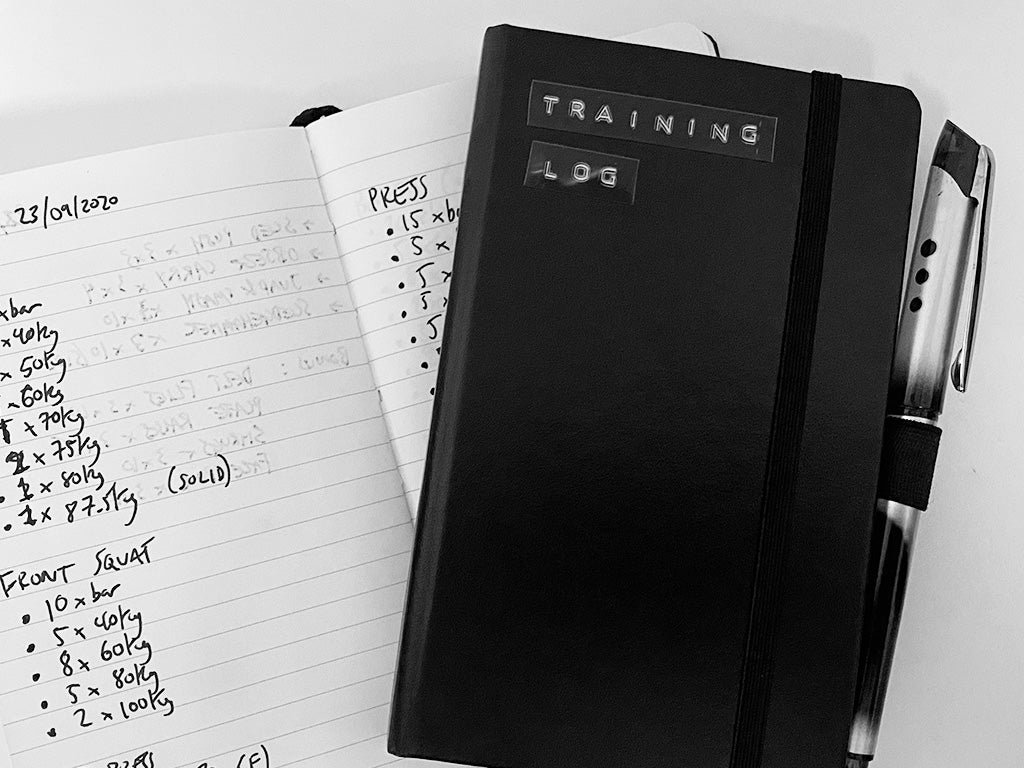
A useful decision begins with your logbook. Are you adding weight or repetitions under comparable conditions? Can you feel and control the intended muscle rather than swinging the entire load? Does your arm work leave you capable of a productive next session? If the answers are yes, a stable routine may be doing exactly what you need. More sets are not a necessary badge of seriousness.
If training has stalled, identify the constraint. If sessions are too easy and direct volume is low, a modest set addition may be reasonable. If forearms or wrists fatigue before the target muscle, a different attachment or grip may be the better change. If curls are uncomfortable or equipment limits loading precision, choose a more controllable movement. If every set is already taken to failure and soreness lasts several days, better recovery or fewer hard sets may solve the problem.
Track one or two repeatable exercises for at least a block, not just the sensation of a pump. Similar-angle progress photos, relaxed arm circumference, and occasional body-composition measures can add context, but hydration, glycogen and measuring technique all create noise. Judge trends over several weeks rather than treating one larger postworkout arm measurement as proof of hypertrophy.
The 32-person trial does not say that more volume and more variety can never work. It shows why adding them to an already sound early-stage program does not guarantee a measurable advantage. Build a dependable baseline, push it with reasonable effort, and change the smallest variable that could address a real problem. The most effective program is the one you can perform, recover from and improve repeatedly.
Funny Gym Shirts & Workout Gear
Funny gym shirts, tanks, hoodies and workout gear for lifters who like training hard.

Gains O'Clock | Workout Sweater & Gym Bros | Fitness Me T-Shirt
Add a playful “Gains O'Clock” touch to your casual rotation.

Doctor Discipline Hoodie
Bring “Doctor Discipline Gym Villain” gym humor to lazy days and post-workout plans.

Grind Mode Stoic Bodybuilder : Greek God Marble T-Shirt
Bring “Grind Mode Stoic Bodybuilder” humor to your next gym day.

Hustle for Muscle Hoodie
Bring “Hustle For That” gym humor to lazy days and post-workout plans.

Funny Train Hard Gains Gym | Thomas The Tank Engine Wor T-Shirt
Show some gym-day personality with “Train Hard Gains”.

Iron Made Gains Heavy Metal Gym Decal for Workout Motiv Sticker
Put “Iron Made Gains Heavy Metal” gym humor on your laptop, bottle, or gym gear.

Commitment To Gains Stoic Sigma Greek God Marble T-Shirt
Rep “Commitment to Gains Stoic Sigma Greek God” humor in and out of the gym.

Hustle Stoic Sigma : Meme Shirt Bodybuilders & – T-Shirt
Make gym days more fun with “Hustle Stoic Sigma” style.

Virtue Gains Stoic Philosophy Greek God Marble T-Shirt
Heavy lifts, good laughs, and a little “Virtue Gains Stoic Philosophy Greek God” energy.

I'M Stronger Than Your Boyfriend Shirt – Rizz & Gains T-Shirt
Make gym days more fun with “I'm Stronger Than Your Boyfriend” style.