Advertising disclosure: This page includes affiliate product links that may earn us a commission, as well as products from our own store.
The classic Gironda chest dip asks you to change your lean, elbows and bar position to emphasize the pecs. But the old 33-inch prescription is not a universal safety rule. Here is how to test the movement, avoid needless shoulder stress and progress it without confusing extreme depth with better training.
Why Gironda dips are not ordinary parallel-bar dips
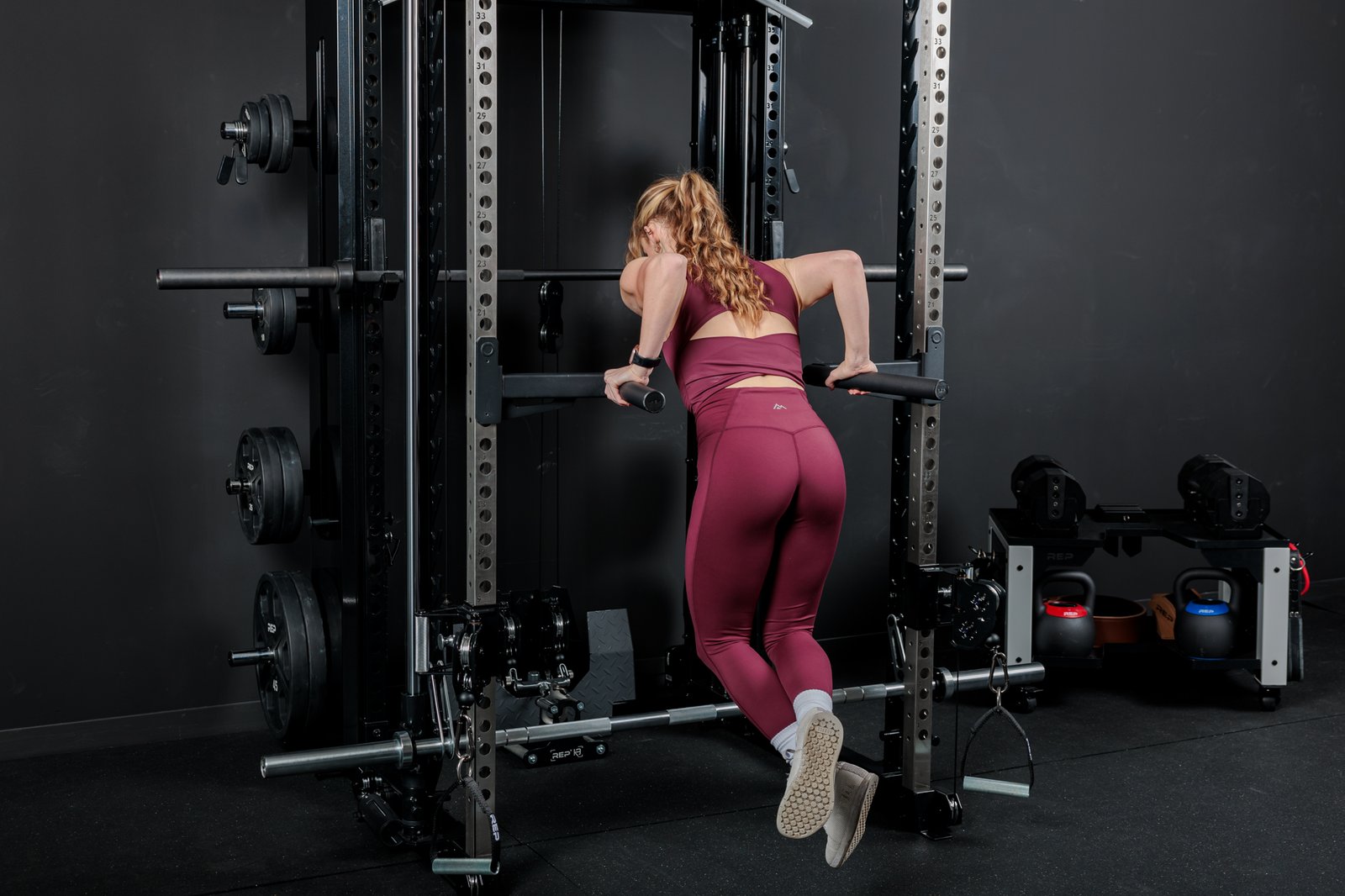
Vince Gironda treated the parallel-bar dip as a chest-building movement, not simply a triceps finisher. His version used an unusually wide or V-shaped pair of bars, an intentionally forward-curved torso and elbows that traveled farther out than in a conventional narrow-grip dip. You will also see it called a Gironda chest dip, wide-pec dip or V-bar dip. Those names describe a technique emphasis, not a special machine or a proven new way to isolate a separate portion of the chest.
The pressing muscles still work together. The pectoralis major assists shoulder movement, the triceps extend the elbows and the front deltoids contribute at the shoulder. Changing the lean and arm path changes the task, but cannot switch off the triceps or make the chest work alone. Gironda’s followers described his precise setup with almost ritual certainty. A useful modern interpretation keeps the intent—controlled chest-biased pressing—without treating every historical measurement as an anatomical law.
This distinction matters because a lifter may already be strong at upright, elbows-in dips while struggling with a forward-biased repetition. That is not necessarily evidence of a weak chest. The new position can demand different shoulder tolerance, balance and range control. Rather than chase an old-school aesthetic by copying the most extreme photo you see, first establish a smooth movement your shoulders accept. The goal is repeatable useful chest training, not demonstrating allegiance to a technique legend.
Choose bar width and hand position before you climb
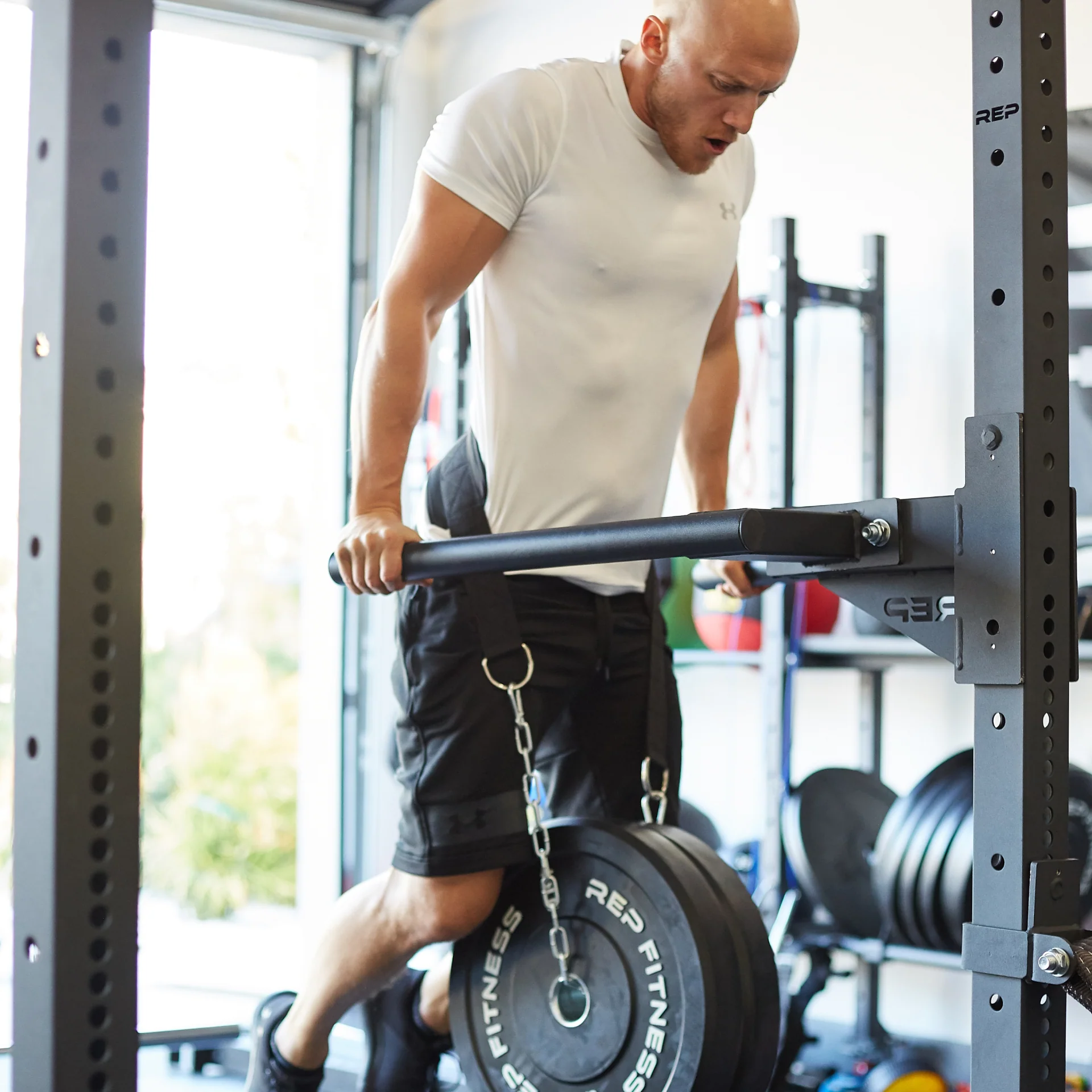
Historical descriptions of Gironda’s setup specify roughly 32 to 34 inches between the hands, often on V-shaped dip bars. That is a description of the method, not a research-established universal grip width. Shoulder breadth, arm length, available bar spacing and joint history vary. On a narrower body, forcing a fixed wide measurement could create an awkward wrist angle or excessive stress at the shoulder. Do not wedge yourself onto a station just to reproduce the number.
Inspect the attachment and load rating, check that the handles are firmly fixed, and verify that the floor beneath your feet is clear. On a V-shaped station, test a moderate position first; move outward a small amount only if your upper arms and wrists feel comfortable. Keep the whole hand on the handle, wrists supported rather than sharply bent back, and shoulders under active muscular control. A rack attachment also needs adequate upright clearance so the body cannot strike the rack on the way down.
Step or jump carefully into the top support and hold still for two seconds. You should be able to support your body without shrugging into your ears or rocking backward. If the hold already causes pinching, instability or wrist pain, do not attempt the loaded range. Use assistance, another station or a different chest exercise. The best bar width is the one that lets you repeat controlled reps while your body moves freely between the handles.
Keep the equipment decision separate from any mythical chest-shaping promise. Adjustable bars are valuable because they give you choices, and a stable power tower or properly rated rack dip attachment may be more useful than a fixed extreme-width device. A secure weight belt and plates are only relevant after unassisted repetitions are comfortable.

Bodybuilding Shirts & Workout Gear
Bodybuilding shirts, tanks and gym gear for lifters chasing muscle, size, symmetry and the pump.


The Chestfather Arnold Meme Big Chest Vest Tank Top
Add some lifting attitude to training with “The Chestfather”.

I Love Bench Press | Heart Weight Plate Hooded For Ches Hoodie
Keep it laid-back with a little “I Love Bench Press” attitude.


Gym Dost Thou Even Fly Medieval Knight Chest Workout Cr T-Shirt
Show some gym-day personality with “Dost Thou Even Fly Medieval Knight Chest”.

Gym Sir Swole of Benchalot Medieval Knight Chest Day Mu Tank Top
Bring “Sir Swole of Benchalot Medieval Knight” humor to your next lifting session.


My Bench Press Is Stuck Horror Scary Movie Meme Hoodie
Show off your Halloween humor in a laid-back “My Bench Press Is Stuck Horror” hoodie.

Shirt: Good Argument But I Bench More Than You – T-Shirt
Make gym days more fun with “: Good Argument But I Bench More Than You” style.

Build the rep around a lean—not a dramatic shoulder stretch
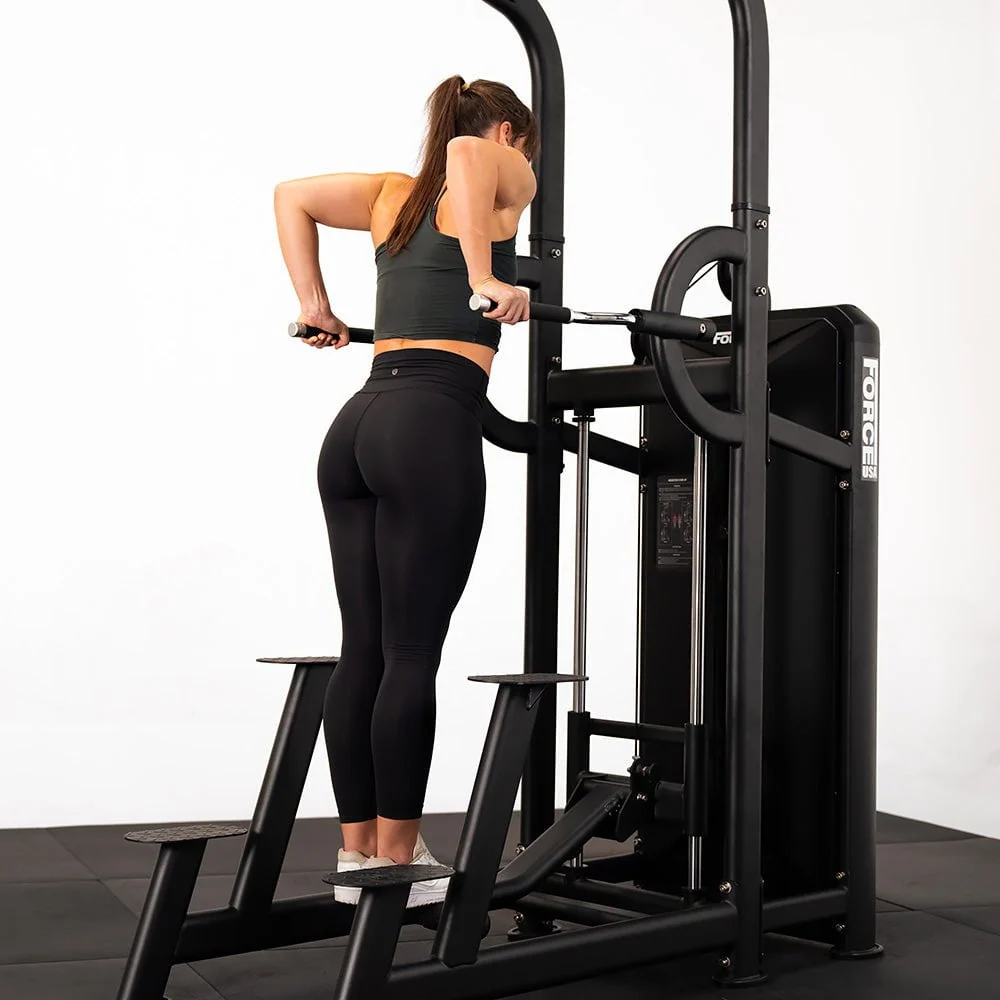
Begin with elbows extended but not forcefully locked, shoulders steady and a modest forward lean. Look slightly down, bring the feet a little forward and let the upper back round naturally if that helps you keep a chest-biased posture. Gironda described a pronounced crescent shape; you do not have to exaggerate spinal flexion to train the chest. Keep the abdomen braced enough that the pelvis does not swing from front to back between repetitions.
Now bend the elbows and lower in a controlled two- to three-second descent. Let the elbows move somewhat outward, but retain a comfortable path and keep the upper arms under the shoulders rather than pulling them far behind the body. Stop at the deepest point you can own without an anterior shoulder pinch, sudden dropping, loss of grip or a sharp change in scapular control. The often-repeated instruction to descend as low as possible is not a sensible target for every shoulder.
Drive the handles down as you rise while maintaining the torso angle. Avoid finishing each rep by snapping upright to recruit momentum. Use the same bottom position, elbow path and top support on every repetition; otherwise a heavier set may simply be a shorter set. Breathing can be simple: inhale on the descent and exhale as you press through the difficult portion, without turning each rep into a prolonged maximal breath hold.
A practical form check is to film one set from the side and another from the front. In the side view, compare the first and last rep for lean, depth and swing. In the front view, check whether the elbows drift unpredictably, one shoulder rises or one wrist folds more than the other. If these deteriorate, the set is finished even when you could grind out another partial repetition.

Equipment Worth Exploring
Explore equipment, accessories and gear from our carefully selected range.

Power Tower
Freestanding pull-up and dip station with adjustable handles for bodyweight training.


Foldable Wall Rack
Wall-mounted folding squat rack designed to save floor space between workouts.


Multi Pull Smith Rack MPHR-780
All-in-one rack with a Smith machine, functional trainer, lat pulldown and low row.

Grip Plates
Rubber-coated weight plates with handholds for loading barbells and machines.
What changes compared with upright dips or bench presses?
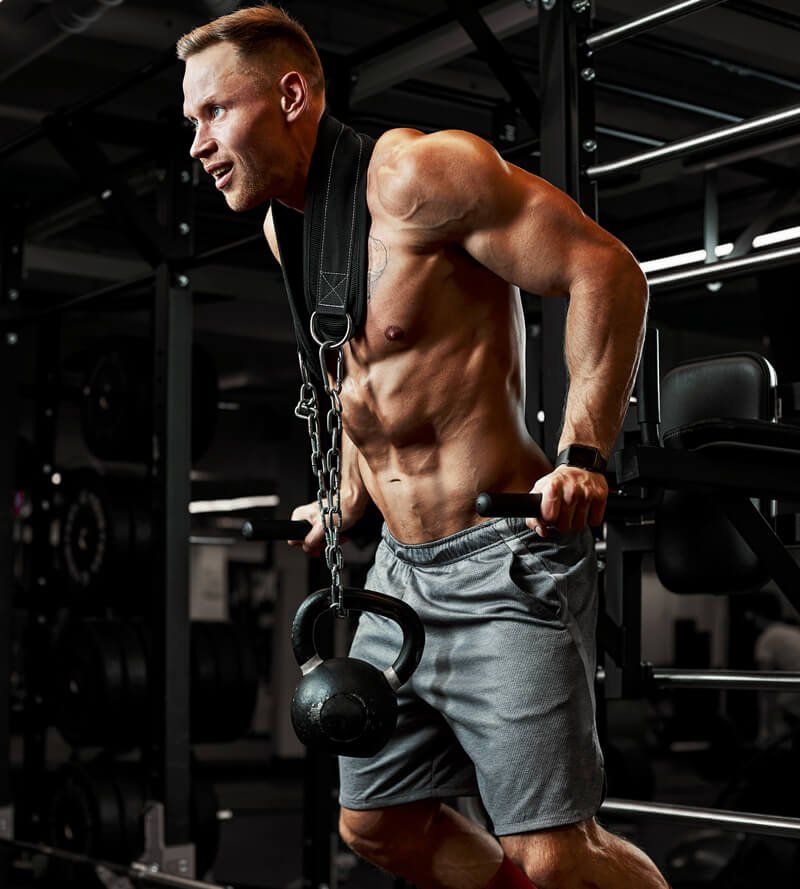
Standard upright dips usually allow the elbows to stay closer to the body and can feel more triceps dominant. A forward-leaning dip with moderately wider elbows shifts the feel of the movement toward the chest, but the exact change in muscle contribution depends on technique and the person performing it. That is why a claimed lower-pec or outer-pec isolation effect should be treated as coaching shorthand, not a literal promise to reshape muscle insertions.
A bench press is another compound chest exercise, yet the setup is mechanically different. The bench supports the torso, while a dip makes the shoulders and arms support the entire suspended body. In one older ACE-sponsored test of 14 trained men, several chest exercises—including dips—were compared using electromyography. Such measurements describe muscle excitation under the tested conditions, not which movement will deliver more hypertrophy for every lifter over months. The study also did not specifically validate Gironda’s historical 33-inch dip setup.
It helps to think of the choices as complementary instead of ranking them by folklore. If ordinary dips are strong and shoulders tolerate them, you can make Gironda-style reps a controlled chest accessory. If wide elbows feel uncomfortable, dumbbell presses, a stable chest-press machine or cable flyes may supply the stimulus you want with less awkward positioning. A movement is only superior if you can load it consistently, recover from it and keep useful effort on the intended muscle.
Compare exercises using the same questions: Can I perform full, repeatable sets? Does the muscle I am trying to train do meaningful work? Is the joint sensation acceptable during and the day after? Can I add repetitions, resistance or control across weeks? The answer matters more than whether a photo resembles the Iron Guru’s original pose.
Scale the dip to your strength and your shoulders
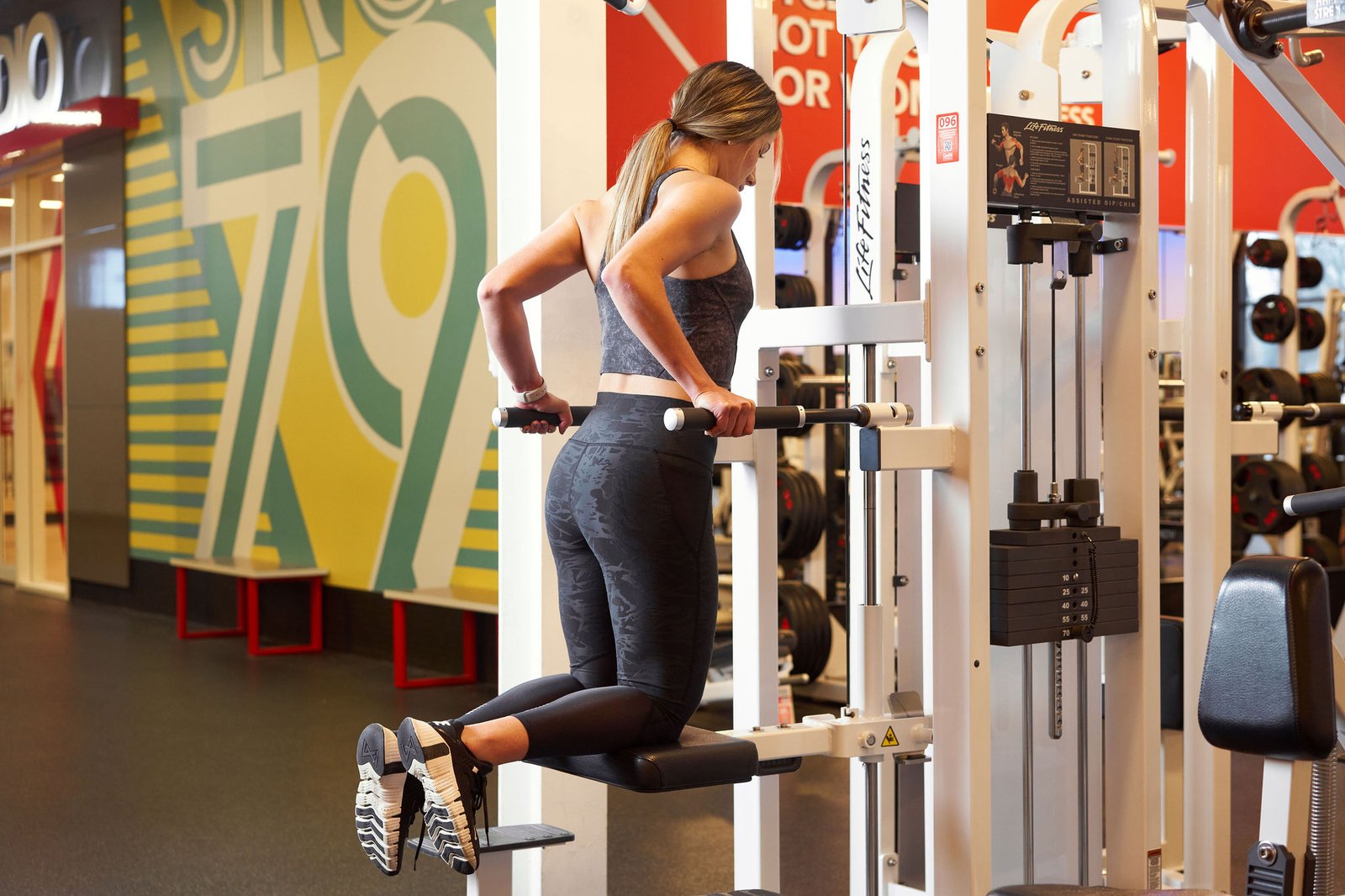
There is no prize for starting with full body weight if the first rep immediately turns into a shoulder dive. On an assisted dip machine, set enough support to make a controlled sequence of six to ten reps possible. The moving knee pad changes the balance and cannot duplicate free-standing dips perfectly, but it lets you rehearse a forward lean and stable elbow path. Alternatively, use a foot-supported dip station or reduce your range temporarily while you develop strength.
A standard dip attachment with moderate-width handles is also a reasonable option. You may not reproduce the classic V-bar geometry, but you can test the same chest-biased intent. Resistance bands can offer assistance, although their tension varies through the rep and they must be anchored securely; do not rely on a flimsy band setup that could slip under load. Ring dips introduce an entirely different stability demand and are not a simple one-for-one substitute for fixed wide-bar dips.
Once you complete several clean sets without shoulder irritation, use a cautious overload method. Add one repetition per set before adding external load, or use a small loading increment attached to a rated dipping belt. Keep the belt plate clear of the knees and floor, and verify that the rack and dip handles are rated for the total suspended system. Weighted reps with a bigger range or worse shoulders are not progression.
Persistent sharp shoulder pain, instability, numbness or a sense of catching warrants stopping and considering qualified assessment. Soreness in the chest and triceps may be expected when introducing a new angle, but joint pain is not an achievement to push through. Use another chest movement if your anatomy simply dislikes wide dips.
Equipment Worth Exploring
Explore equipment, accessories and gear from our carefully selected range.

Standing Chest Press SCP-760
Standing chest-press machine with adjustable handle positions for chest and close-grip pressing.

Pec Fly/Rear Delt PEC-650
Combination machine with adjustable movement limits for chest fly and rear-delt exercises.


FID Bench MAX
Adjustable bench offering flat, incline, and decline positions + adjustable headrest.

Rubber Hex Dumbbells
Rubber-coated hex dumbbell pairs with a stable shape for home and commercial strength training.


VForce Wall Trainer
Space-saving wall-mounted functional trainer with pivoting cable arms and variable resistance ratios.
VOLTRA
Compact digital cable trainer with smooth, adjustable resistance.

Lever Arm Multi Press LMP-650
Multi-press with independent lever arms and an integrated adjustable bench for upper-body training.
A four-week plan with useful stopping rules
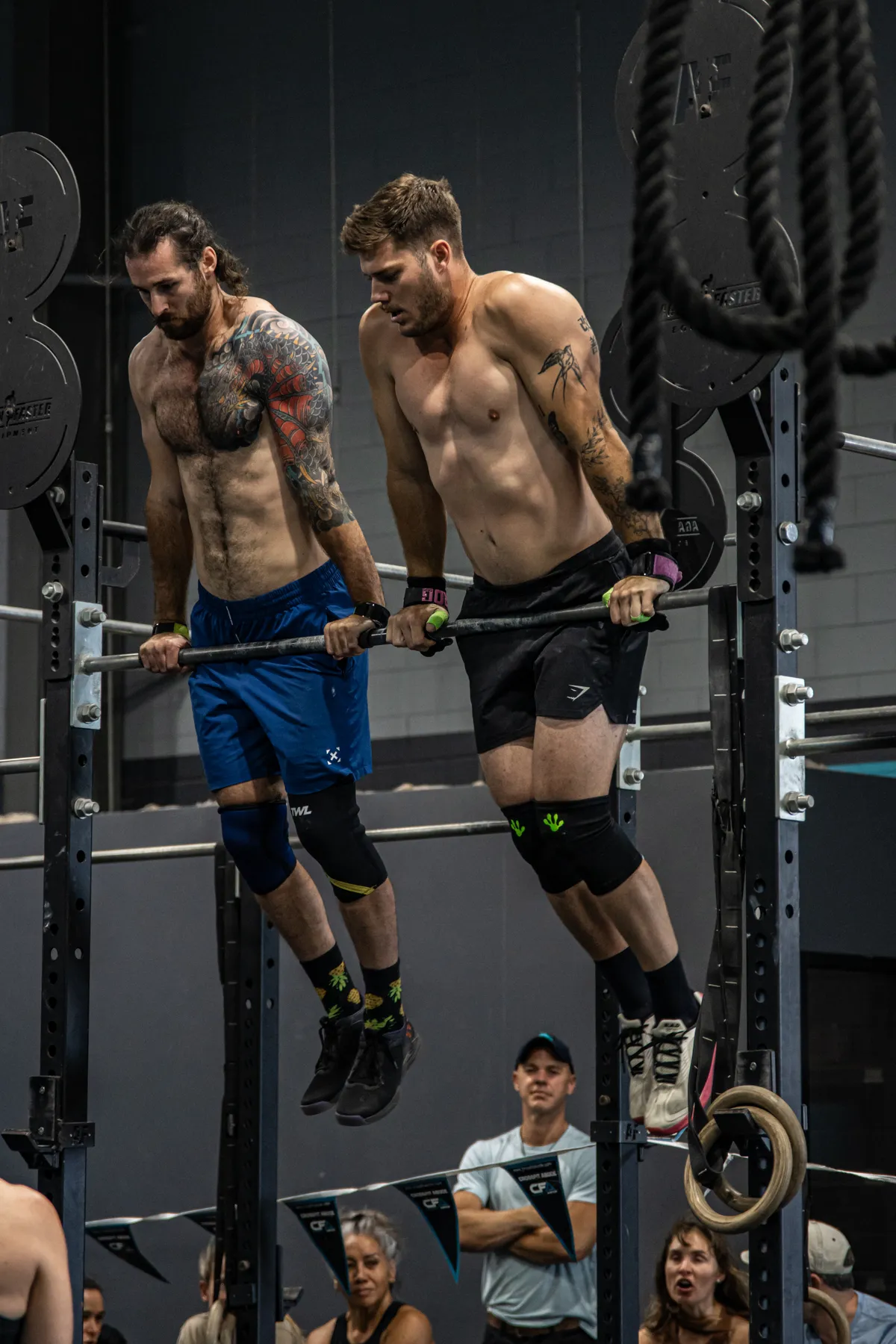
Use Gironda-style dips as a supplement to a balanced pressing routine rather than forcing them into every upper-body session. In week one, perform two sets of six to eight controlled repetitions with two or three reps left in reserve. If you cannot reach six clean bodyweight repetitions, reduce the load with assistance. Record the handle spacing, your chosen bottom depth and a brief shoulder-comfort score so later changes are comparable.
In week two, keep the same bar setup and add a third set only if the first week’s soreness and joint response were acceptable. In week three, try eight to ten controlled reps per set before extending your range or adding weight. In week four, repeat the most consistent setup and compare total quality repetitions at the same assistance or load. A small improvement in controlled work is more informative than a dramatic one-day max.
Leave roughly 48 to 72 hours between demanding chest sessions when you are new to the movement; adjust the spacing to your whole program and recovery. You might pair the dips with a horizontal or incline press, then a lighter fly variation, rather than stacking three fatiguing dip variations. If chest work has already exhausted your shoulders, perform fewer dips or shift them earlier in the session while technique is fresh.
Use a compact training log: sets × quality reps; assistance or added load; grip setting; controlled depth; shoulder discomfort during and the next morning. Hold back on progression if two sessions in a row show slipping depth, rising discomfort or increasing elbow flare. At the end of four weeks, keep the exercise only if it offers a repeatable stimulus and a clear path forward. There is no special benefit in forcing a historic movement into a program when a simpler press works better for you.
The take-home principle is straightforward: Gironda’s wide dip is a distinctive chest-biased option with a rich bodybuilding history. The durable results come from stable equipment, honest repetitions and shoulder-tolerant progression—not from blindly copying a fixed inch measurement or the deepest possible stretch.
Calisthenics Shirts & Street Workout Gear
Calisthenics and bodyweight-training gear for pull-ups, dips, handstands and street-workout athletes.


Pullups Heartbeat Crewneck
Keep things casual with a little “Calisthenics Pullups Heartbeat” attitude.


Be Stronger Than Your Excuses – Motivational T-Shirt
Rep “Be Stronger Than Your Excuses” humor in and out of the gym.

Shirt – Lord Of The Calisthenics Rings – Meme T-Shirt
Bring “Lord of the Calisthenics Rings” humor to your next gym day.

Always Pull Yourself Up Tank
Show some personality between sets with “Always Pull Yourself Up”.

Calisthenics Evolution
Show some lifting attitude with a playful “Calisthenics Evolution” tee.


Pull Up or Shut Up Hooded Pullover for Calisthenics Pul Hoodie
Keep it laid-back with a little “Pull Up or Shut Up” attitude.