Advertising disclosure: This page includes affiliate product links that may earn us a commission, as well as products from our own store.
Pairing a bench press with a row can make a workout more compact, but the time saving comes with decisions about recovery, fatigue and equipment. A small acute experiment gives a useful starting point. Here is what it tested, what it cannot promise, and how to evaluate a paired block without turning every set into a race.
What the 15-man trial actually tested
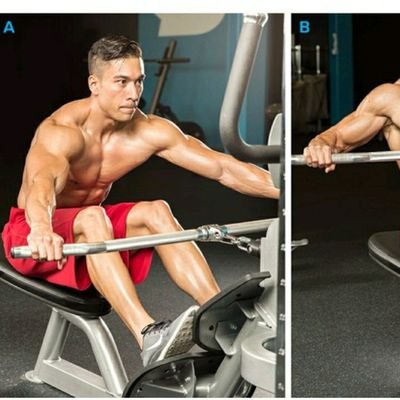
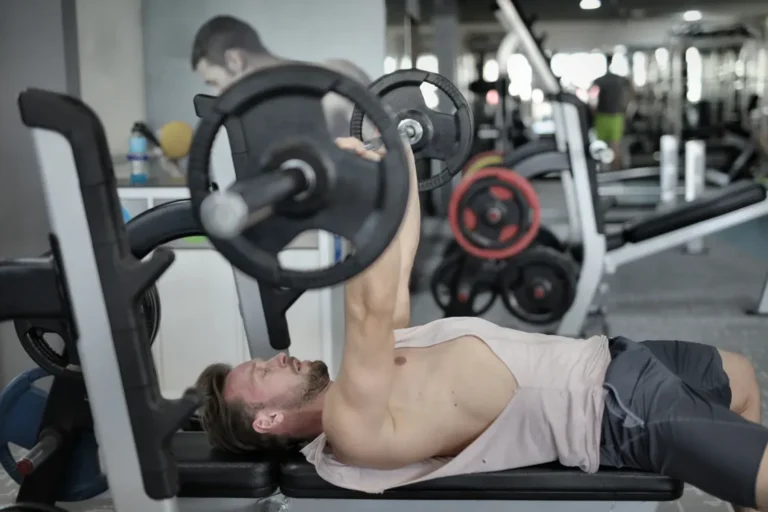
A 2017 experiment compared two ways to organise the same bench-press and wide-grip seated-row work in 15 trained men. Both conditions used loads established as ten-repetition maximums. One condition completed three bench sets before three row sets. The other alternated the exercises, placing each row immediately after a bench set and resting two minutes after the pair.
The paired condition produced higher volume load in every set of both exercises and finished the work in less time. It also produced greater measured muscle-fatigue indices. Volume load fell across successive sets under both arrangements. Pairing did not make fatigue disappear; it changed how work and recovery were distributed within the session.
Those findings describe an acute workout comparison. They do not establish that every lifter will gain more muscle from supersets or that this exact sequence is best for maximal strength. The participants, exercises, loads and rest rules all matter. A different row variation, a crowded gym or an unusually demanding bench set can change the practical experience.
Use the result as a reason to examine your session structure, rather than as a reason to rush every exercise. If you currently complete all pressing before all rowing, alternating the two is a genuine organisational change. It deserves a clear trial with comparable loads, repetitions and execution, not an immediate claim that your programme has become superior.
The seated-row photograph illustrates the pulling movement, not a participant in the experiment. Neither an exercise picture nor a single successful session demonstrates the long-term outcome. Keep the research question separate from the result you want your own training to deliver.
Understand the recovery clock before shortening it
Two minutes between pairs is not the same schedule as two minutes between every set. After pressing, the lifter performs the row before the shared rest begins. The time until the next press therefore includes the row, the transition and that rest. This helps explain why a shorter overall session can still contain a meaningful interval between sets of the same exercise.
That interval is not complete rest for the whole body. You are moving, gripping, bracing and breathing during the other exercise. Presses and rows involve different principal actions, but a muscle chart does not turn one into passive recovery from the other. Your ability to execute the next set remains more useful than assuming that opposing movements never interfere.
A separate acute experiment in 14 trained men compared two- and four-minute rests after bench-and-row pairs using eight-repetition-maximum loads. Total repetitions did not differ significantly, but the shorter-rest condition produced greater fatigue indices. Similar repetition totals can therefore coexist with different fatigue costs; the easiest stopwatch result is not the whole comparison.
When trying a pair, record where the timer starts and stops. Write rest after the row rather than simply rest two minutes. If you pause while changing a handle or adjusting a bench, include that transition in the description. Otherwise, two sessions with the same written prescription may have quite different recovery schedules.
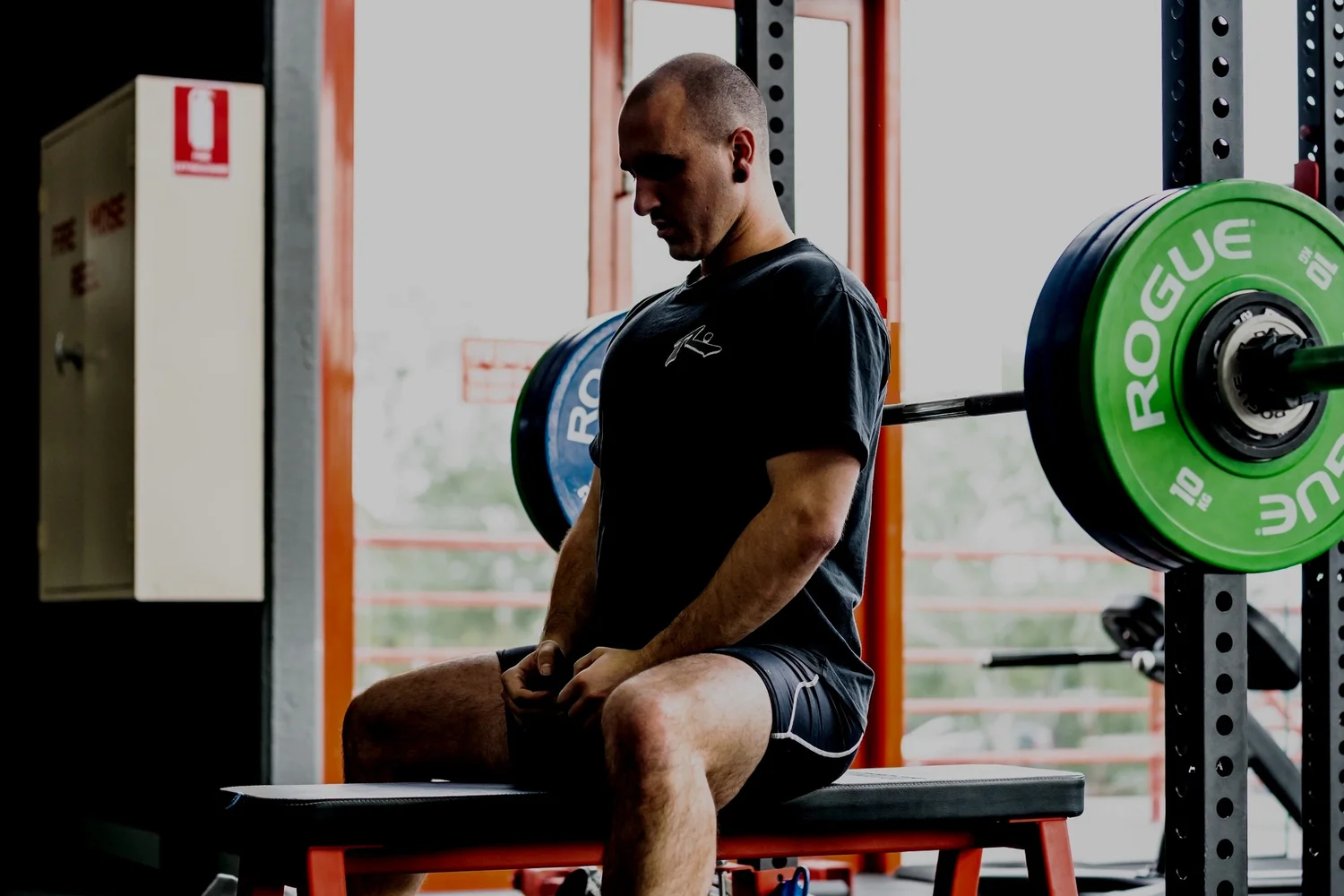
The seated lifter pictured here represents a pause between efforts. His posture does not measure fatigue or establish an optimal rest duration. Use the photo as context for planning a deliberate break, then choose enough recovery to repeat the intended movement rather than copying an arbitrary deadline.
Choose two stations you can actually alternate
The most elegant pairing on paper can become awkward when it occupies two popular stations. Before changing your workout, check whether the equipment is available and whether alternating will inconvenience other people. A useful time-saving method should reduce avoidable waiting, not depend on reserving half the gym or repeatedly interrupting another lifter.
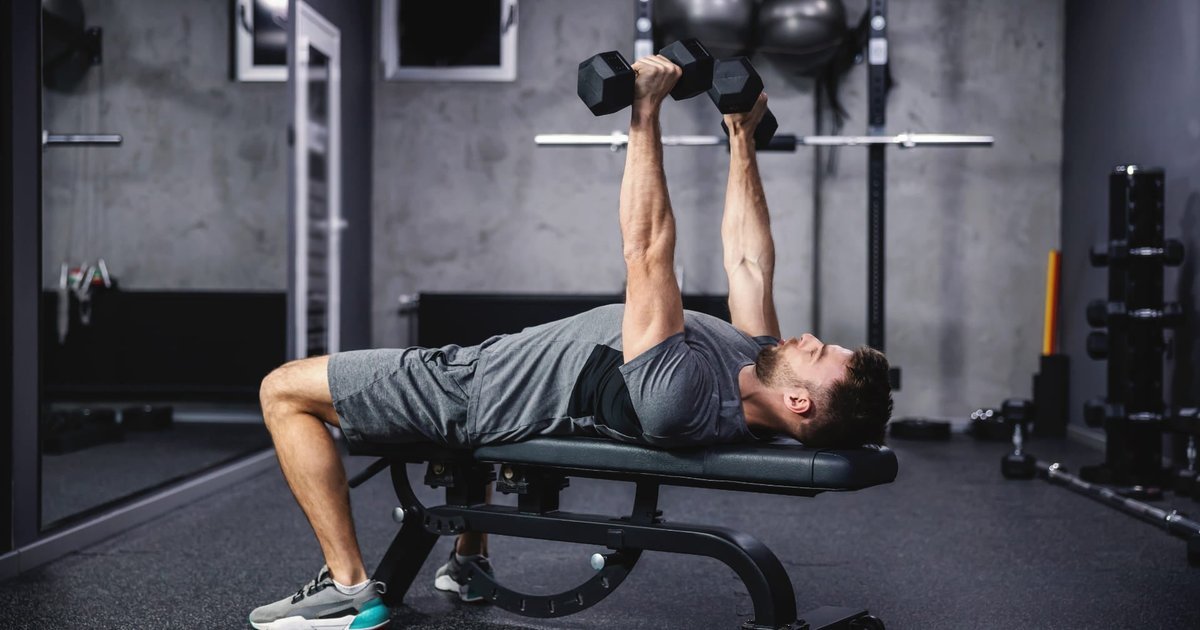
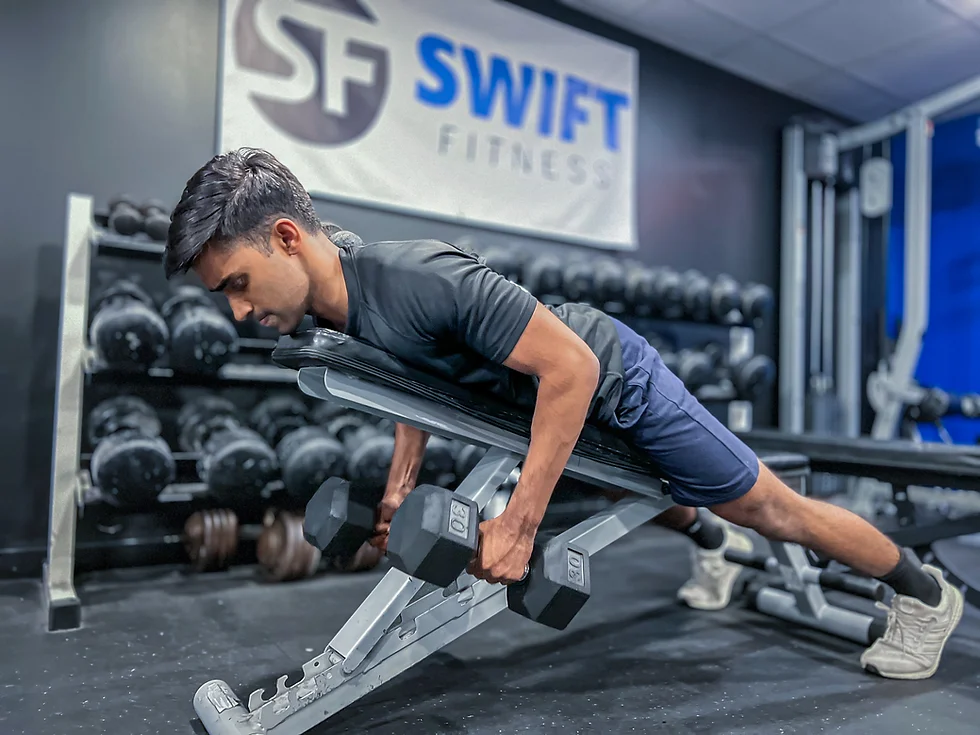
A bench press and seated cable row are the specific exercises in the 15-man comparison. A dumbbell press and chest-supported dumbbell row can be a practical alternative to explore, but they are not a replication of that experiment. They change the implement, support and setup demands. Label the substitution honestly instead of transferring the study result unchanged.
The chest-supported row photograph shows a lifter using an incline bench. If your press uses a flat bench, changing its angle between exercises adds work and time. Separate benches might make the transition easier when available, while a busy session may make ordinary straight sets the simpler choice. Convenience depends on the actual room and equipment.
Keep the row setup reproducible: the same support, handle, grip and intended range of motion. Avoid turning later repetitions into increasingly large torso movements just to preserve the number on the page. For the press, establish a stable bench and an appropriate loading and safety setup before the first work set.
Benches, dumbbells and rowing handles can support different versions of this training arrangement. They are exercise tools, not devices that create the research result by themselves. Choose the items you need for your actual movements, and check adjustment, compatibility and available space before buying equipment to solve what may simply be a scheduling problem.

Equipment Worth Exploring
Explore equipment, accessories and gear from our carefully selected range.



FID Bench MAX
Adjustable bench offering flat, incline, and decline positions + adjustable headrest.


Rubber Hex Dumbbells
Rubber-coated hex dumbbell pairs with a stable shape for home and commercial strength training.

Multi Bench MBX-650 2.0
Adjustable multi-bench with roller adjustment, 15 backrest positions and accessory mounts.
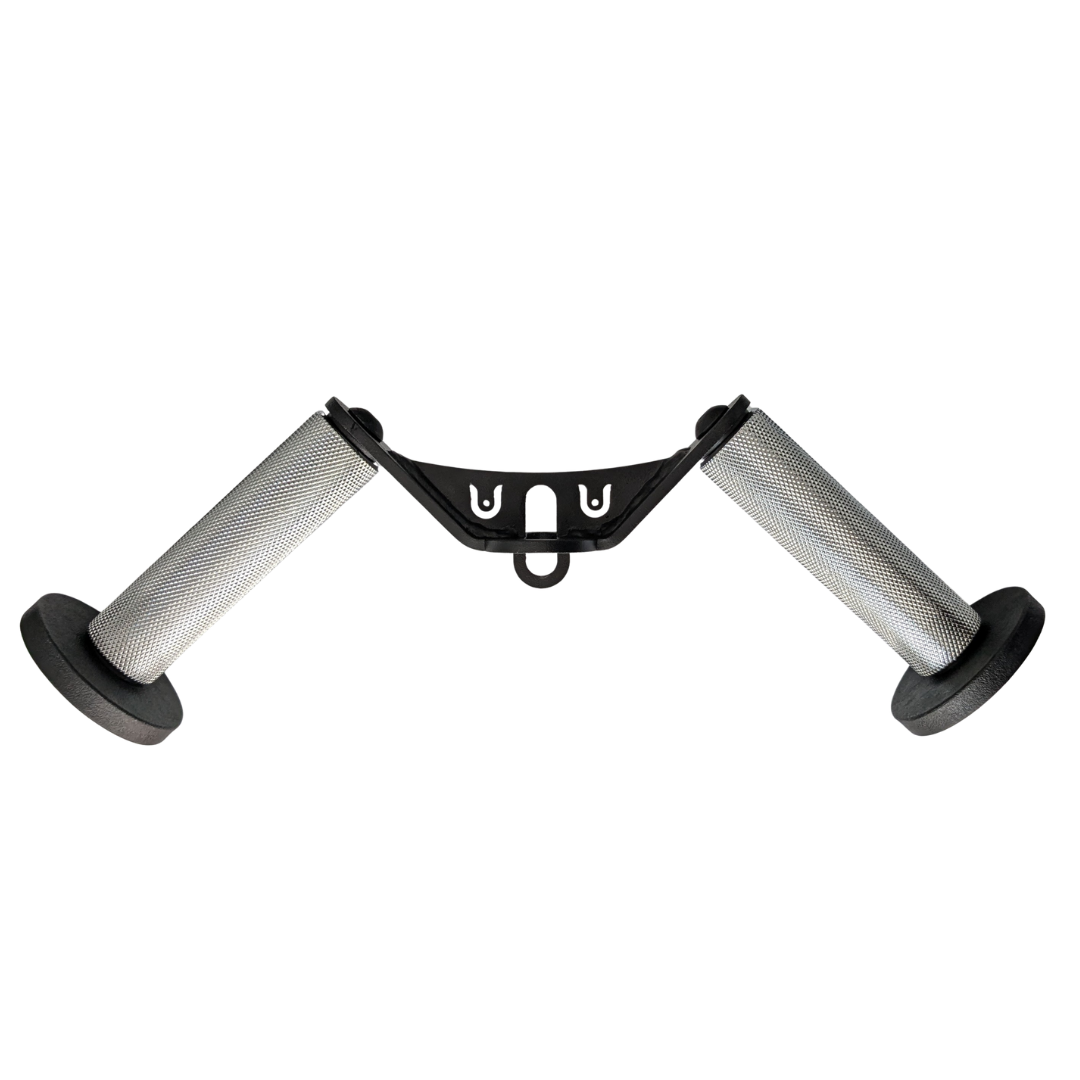
W Grip
Angled cable grip for comfortable rows, pushdowns, and curls.
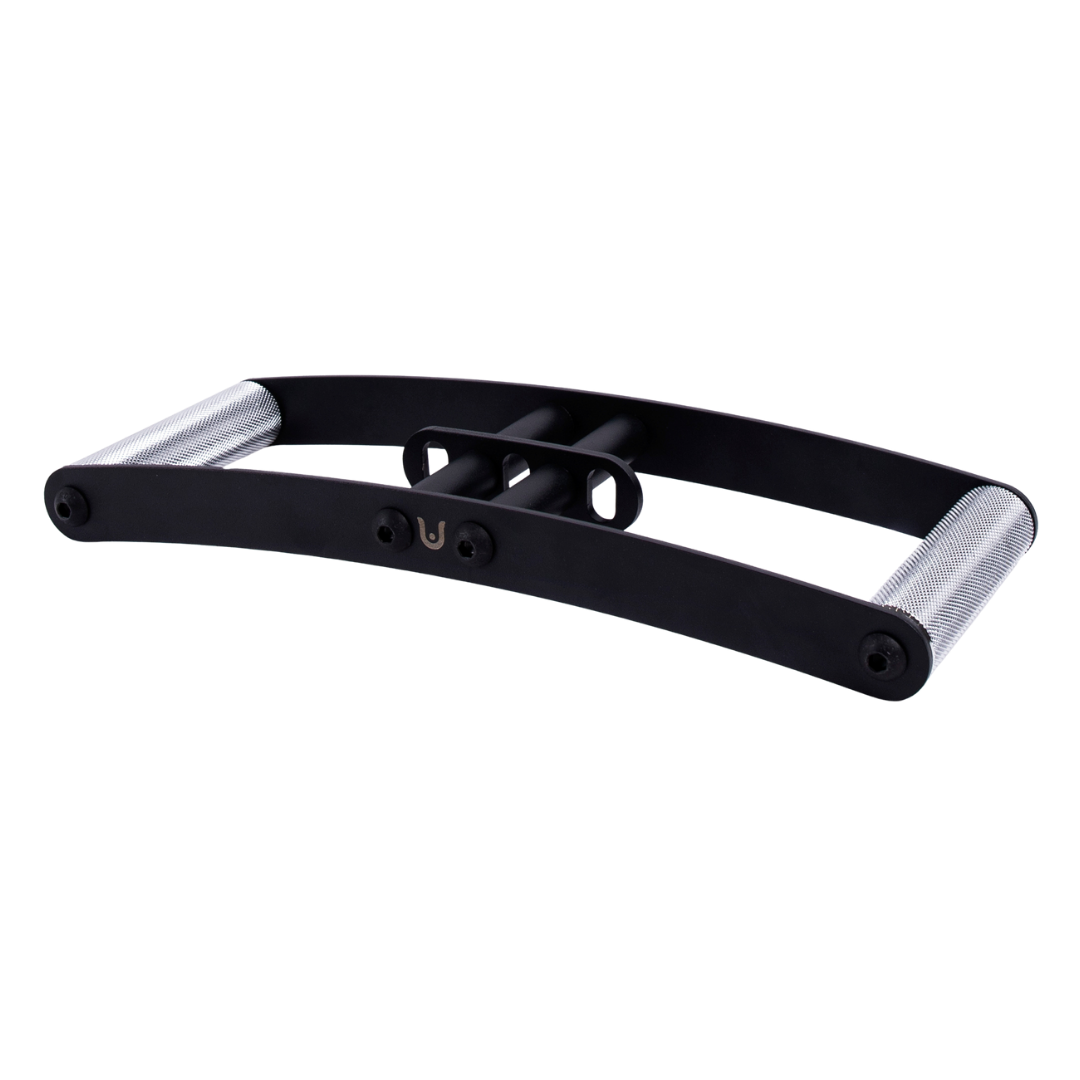
Horizon Grip
Ergonomic V-style cable grip for rows and back training.

GymPin D Handle Bar
Multi-use steel D-handle bar for cable rows, pulldowns and other cable exercises.
Run a small comparison with clear stopping rules
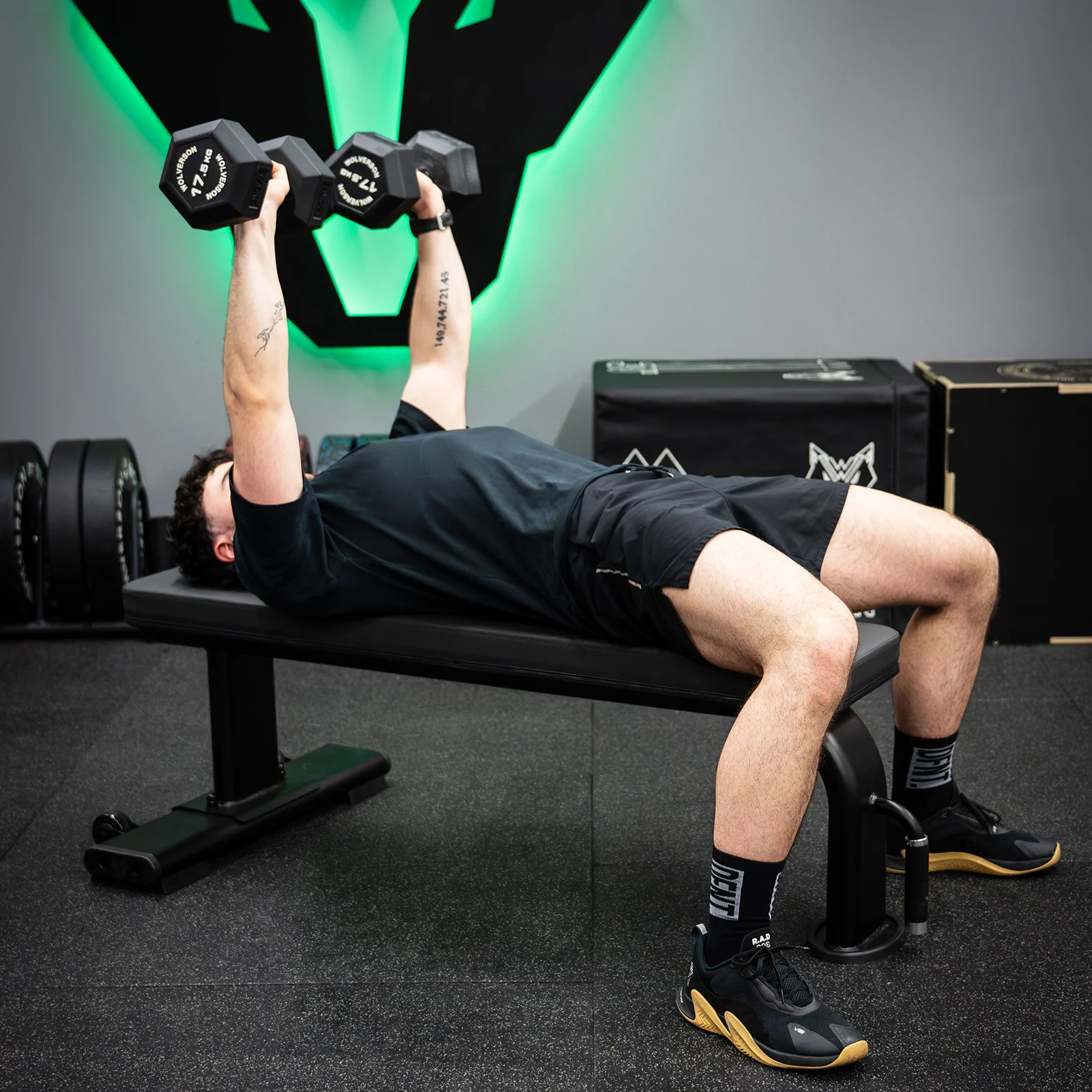
Start with one familiar press-and-row block instead of reorganising an entire training week. This is a practical trial suggestion, not the published protocol. Keep the exercises and execution consistent enough that you can recognise whether the arrangement helps. Do not combine a new exercise, a heavier load and shorter rests and then attribute everything that changes to pairing.
Write down your planned sets, repetition range and effort target before starting. Warm up each movement appropriately, then record the actual repetitions and load for every work set. Note any change in range, control or assistance. A repetition that needs substantial help should not silently become equivalent to a controlled repetition completed independently.
Use an appropriate spotter or safety arrangement for the press. Do not make a rushed transfer to the row more important than safely finishing and racking the weight. If you cannot repeat your intended execution, lengthen the recovery, reduce the load or return to straight sets. The exercise should not become a race against a phone timer.
Also record the block duration and the time spent changing stations. A method that saves several minutes under quiet conditions may offer no advantage during peak hours. That is useful information about implementation, not evidence that your body responded incorrectly to the training method.
After the trial, compare like with like. Ask whether you completed the intended work with acceptable control and whether the time saved mattered. A faster session with fewer suitable repetitions might still fit a busy day, but it should be described as that compromise. Do not count speed alone as proof of a better muscle-building stimulus.

Bodybuilding Shirts & Workout Gear
Bodybuilding shirts, tanks and gym gear for lifters chasing muscle, size, symmetry and the pump.

Superset Octopus Meme – Gymbro T-Shirt
Bring “Superset Octopus Gym Meme” humor to your next gym day.


Gym Sir Swole of Benchalot Medieval Knight Chest Day Cr T-Shirt
Show some gym-day personality with “Sir Swole of Benchalot Medieval Knight”.

I Love Bench Press | Red Heart Weight Plate Decal Sticker
Put “I Love Bench Press” gym humor on your laptop, bottle, or gym gear.

Shirt Pull Day – Back & Biceps Meme Top T-Shirt
Heavy lifts, good laughs, and a little “Pull Day Graphic” energy.

Bench Press and Chill Funny Gym T
Make gym days more fun with “Bench Press and Chill” style.

Ultimate Bench Press Tee
Heavy lifts, good laughs, and a little “Ultimate Bench Press” energy.

Off-Season Rest Day & Meme Fans Athletic Shirt Tank Top
Add some lifting attitude to training with “Off-Season Rest Day”.

Shirt: Good Argument But I Bench More Than You – T-Shirt
Make gym days more fun with “: Good Argument But I Bench More Than You” style.

Keep straight sets when the priority calls for them
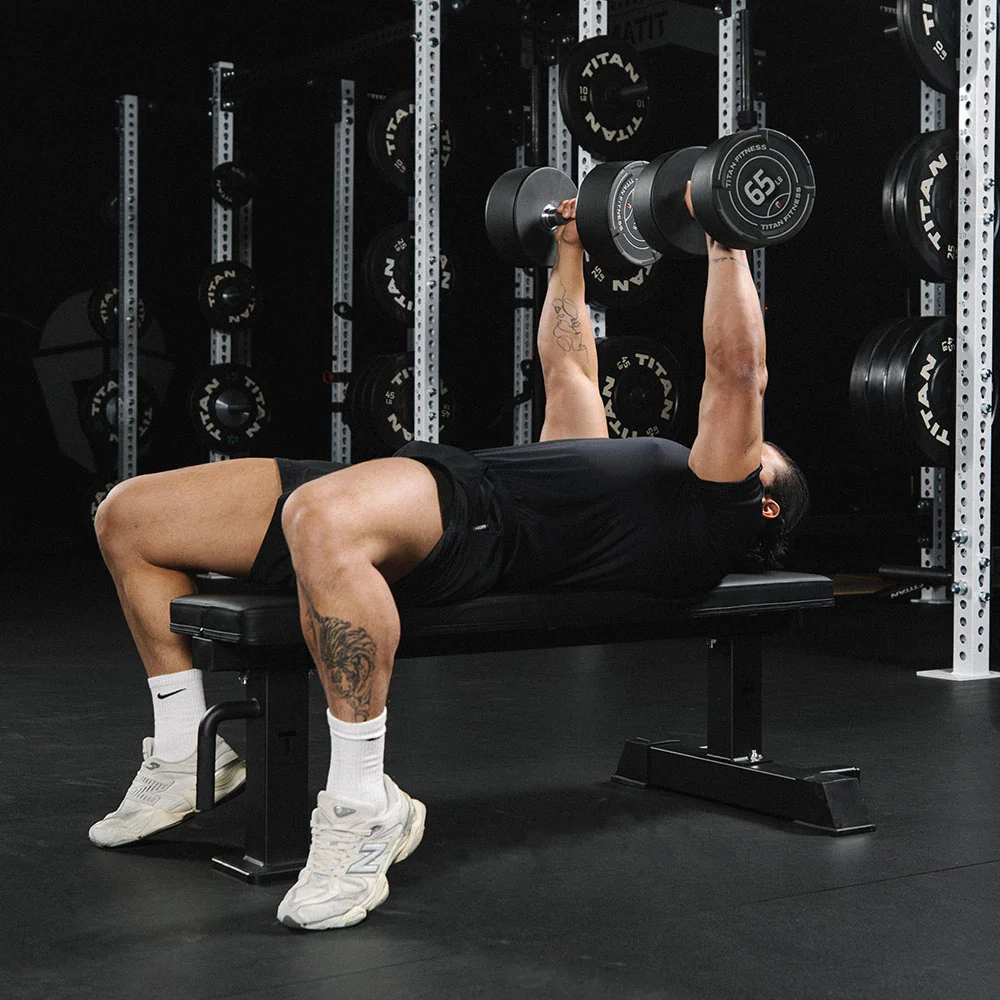
Time efficiency is a legitimate goal, especially when it makes a session easier to complete consistently. It is not the only goal. A lifter prioritising a particular heavy movement may reasonably keep that exercise first, preserve fuller recovery and pair less important work later. You do not need to choose one format for every exercise indefinitely.
Longer-term evidence deserves attention alongside acute workout results. A 2024 randomised trial used ten weeks of twice-weekly training after a familiarisation phase. It included leg press, bench press, lat pull-down and seated rows. Traditional training produced a larger pull-down strength improvement, while bench and leg-press improvements were similar. That is a reason to keep exercise-specific goals visible.
A broader synthesis has also found that supersets can shorten sessions while increasing perceived exertion, with broadly similar estimated adaptations in several longer-term outcomes. Different pairings and protocols were included. An average across those studies is not a guarantee that a particular pairing will preserve every lifter’s performance.
For your own programme, separate what you can observe now from what needs time. Session length, completed repetitions and setup problems are immediately visible. A claim about improved hypertrophy requires more than a harder pump or a higher fatigue reading after one workout. Avoid adding extra work automatically because the original block finished early.
The useful decision is specific: can this pairing deliver the work you need, in the time available, without undermining the movement you most want to improve? Keep it when the answer remains yes. Adjust the rest or return to straight sets when that better serves the session. A training format should earn its place through repeatable usefulness, not through a promise that more fatigue always means more progress.