Advertising disclosure: This page includes affiliate product links that may earn us a commission, as well as products from our own store.
Cluster vs Straight-Set Bench Press: What an Eight-Week Replication Found
Breaking a bench-press set into singles with short rests can make the session feel different. That does not automatically mean the change will produce more strength or power after weeks of training. A useful comparison needs to separate what happens during a set from what changes across a programme.
An eight-week replication offers a reason to keep that distinction clear. Rather than treating clusters as a secret upgrade, use them as one way to organise practice, rest and effort. The practical question is whether the structure helps you complete the work you intended without obscuring how much time and loading it required.
What the 25-lifter bench comparison found
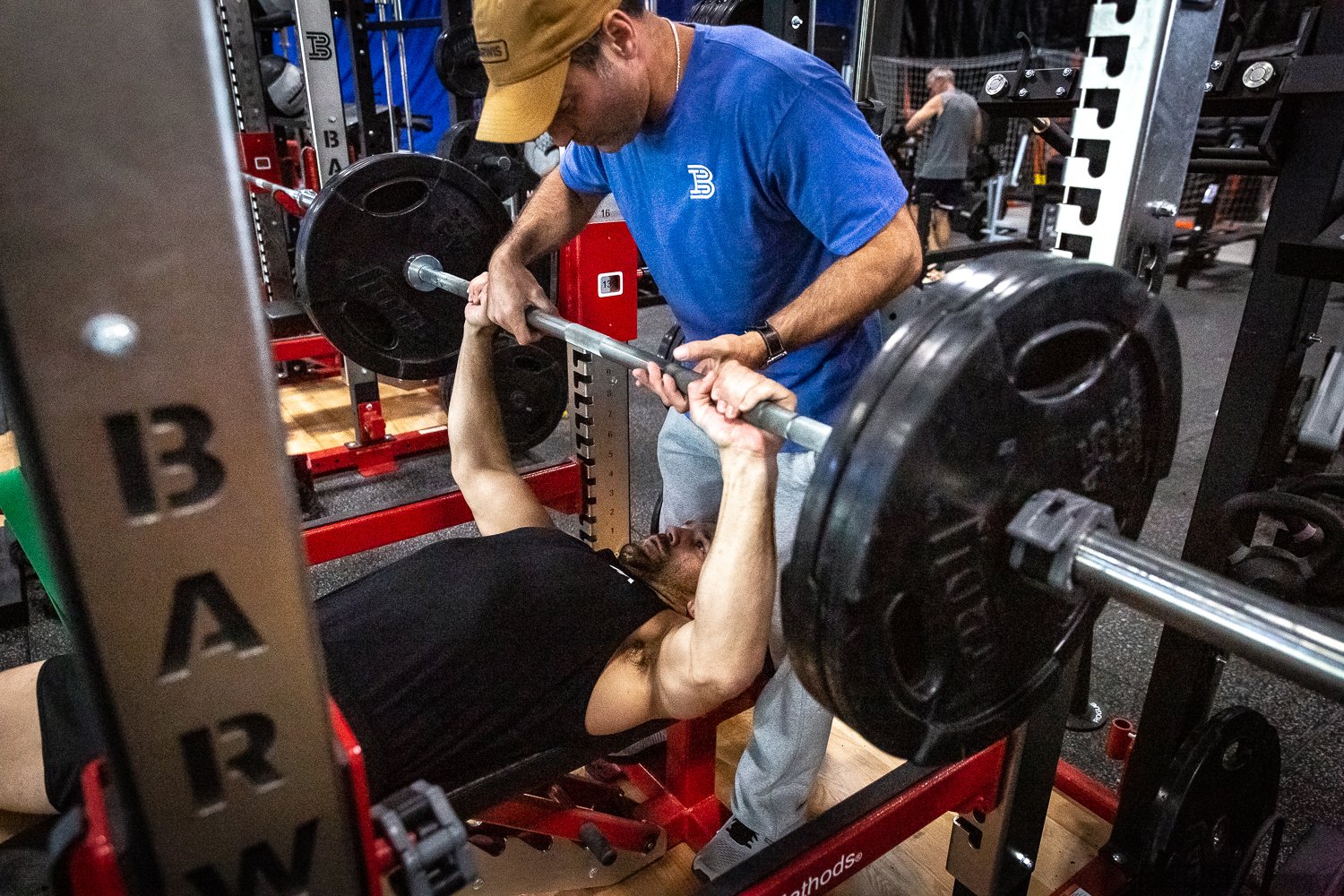
A 2025 replication followed 25 trained adults through eight weeks of bench training. Both groups used four sets of five at 85% of one-repetition maximum. Traditional sets had five-minute breaks; clusters used 30 seconds between repetitions and three minutes between sets.
Both groups improved maximal strength, without a statistically significant group-by-time difference. The comparison did not show robust velocity or power improvements attributable to either structure. Prescribed bench rest also differed: 17 minutes for clusters versus 15 for traditional sets. The findings neither establish universal equivalence nor demonstrate a muscle-growth advantage.
For your own programme, keep the conclusion proportionate. A method can be useful without winning a universal contest. The outcome that matters is the one you actually intend to improve, measured consistently over time.
Write the rest structure before counting the repetitions
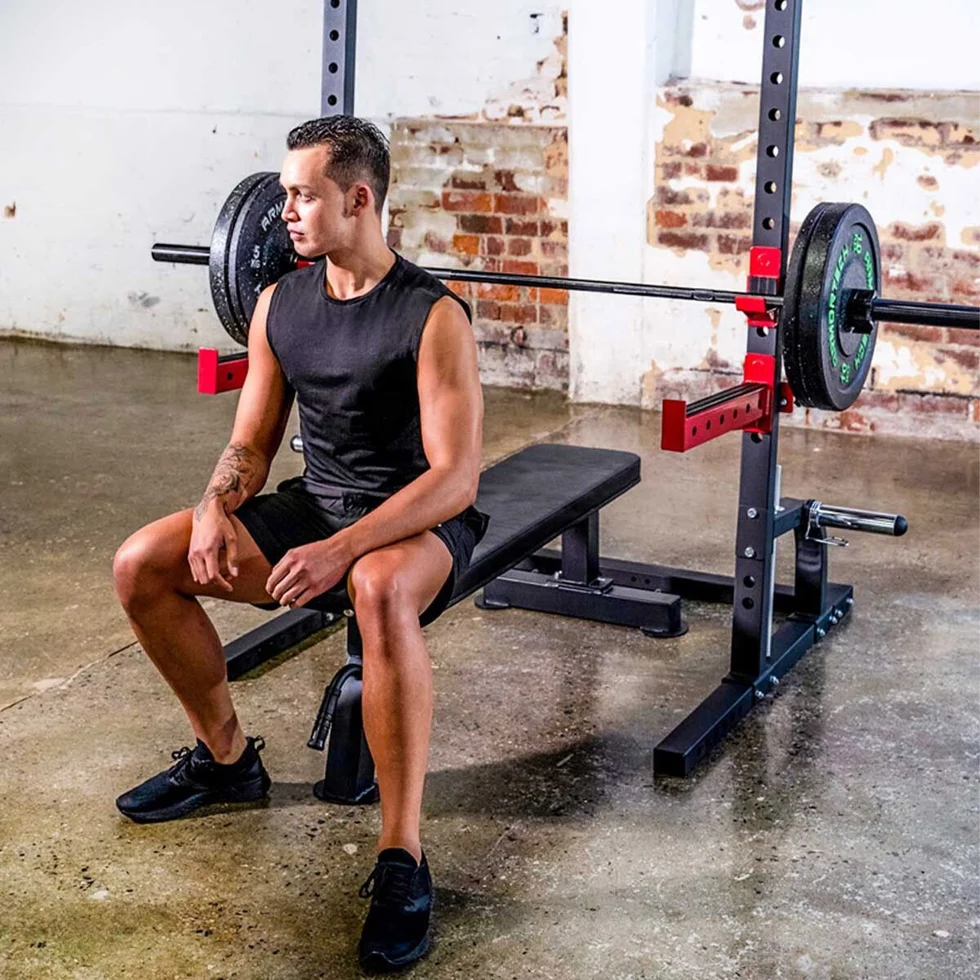
A cluster is not simply an ordinary set that happened to be interrupted. Its pauses are planned. Write down how many repetitions occur before each pause, how long those pauses last and how long you rest before the next larger set. Otherwise, “four sets of five” can describe two very different sessions.
As an illustrative notation example, “six reps as 3 + 3, with a timed pause between the groups” communicates more than “six reps, cluster style.” Add the actual pause duration and load to the entry. The example describes a logging format, not a recommendation to adopt a particular weight or effort level.
Also distinguish adding rest from redistributing it. If you retain your ordinary between-set breaks and insert new pauses, the exercise may take longer. If you shorten some breaks to make room for others, you have changed the rest budget differently. Neither arrangement should be described as time-matched unless you have actually checked it.
Define when the clock starts. For a rack-based bench cluster, you might record the pause from a secure re-rack until the next unrack, consistently across sessions. Changing from a timed pause to a variable conversation break makes the next repetition harder to compare. Keep the measurement simple enough that you will really use it.
Rep speed, maximal strength and power answer different questions
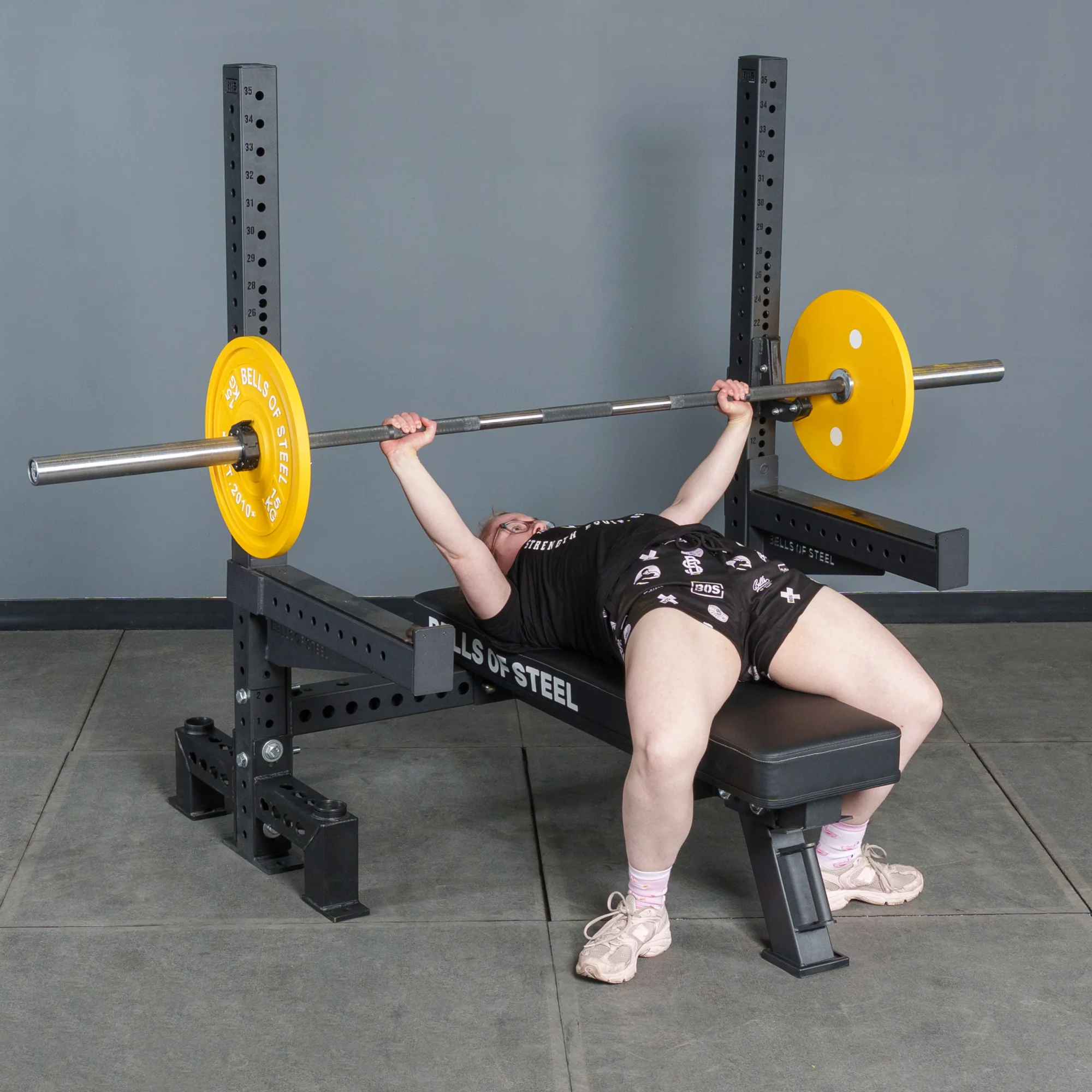
A broad 2026 review of 37 studies found that alternative set structures generally preserved movement velocity better than traditional sets during resistance exercise. Direct differences among the alternative structures were less clear. That short-term pattern is useful context, but maintaining speed within a session is a different question from increasing a tested outcome over several weeks.
Do not turn one quick-looking repetition into a claim about maximal strength. A controlled lift can be technically sound without being a personal record, and an all-out attempt can move slowly despite a strong effort. Decide whether you are tracking the weight completed, the quality of repeated work or a properly measured velocity outcome.
Be precise about the comparison load too. If a person’s one-repetition maximum rises from 100 to 110 kilograms, 70% changes from 70 to 77 kilograms. Testing the same percentage and testing the same absolute weight answer different questions. A training note that omits the actual load makes an apparently simple before-and-after comparison less informative.
If you use a velocity device, keep the device, attachment and repetition standard consistent. Without one, record what you can genuinely observe: complete range, controlled descent, whether assistance occurred and whether the set was completed. A video can support technique review, but a subjective impression of speed is not a measured power value.
Make repeated unracks a setup decision
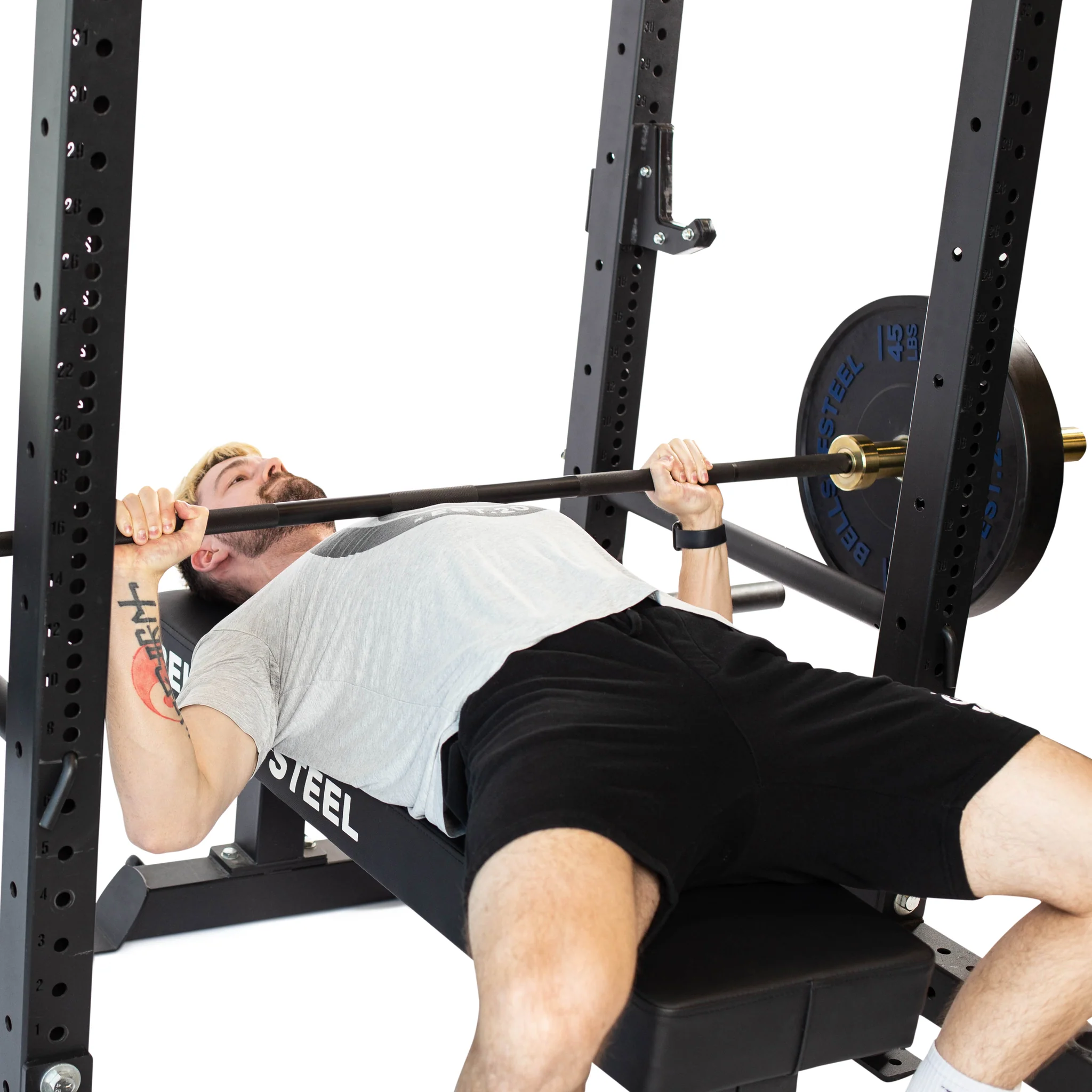
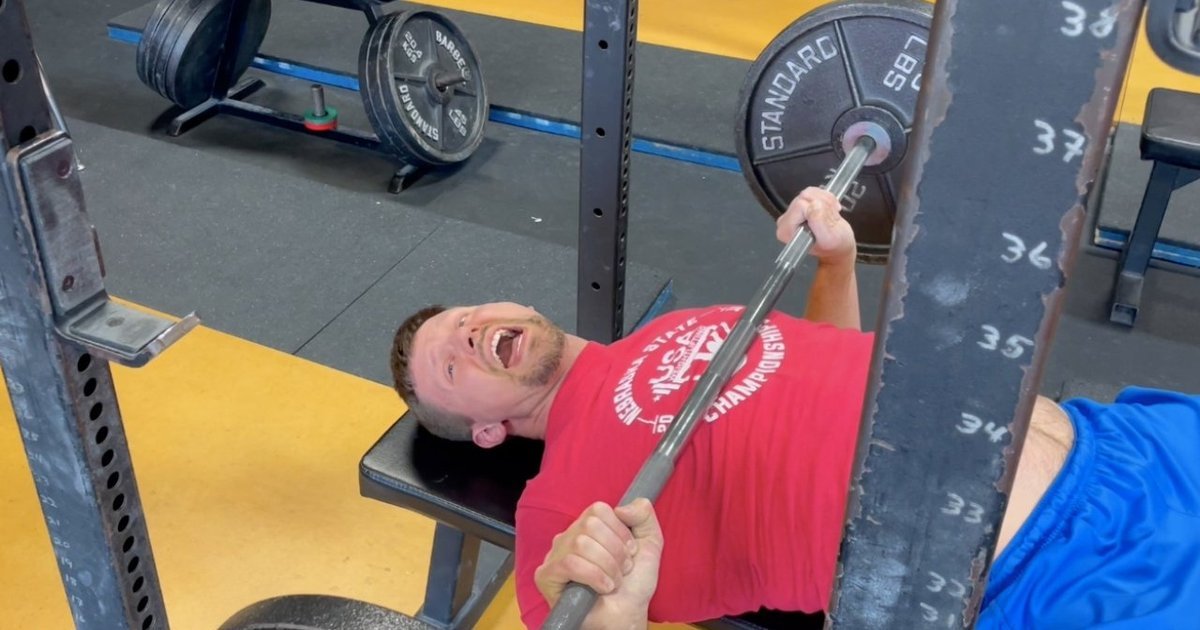
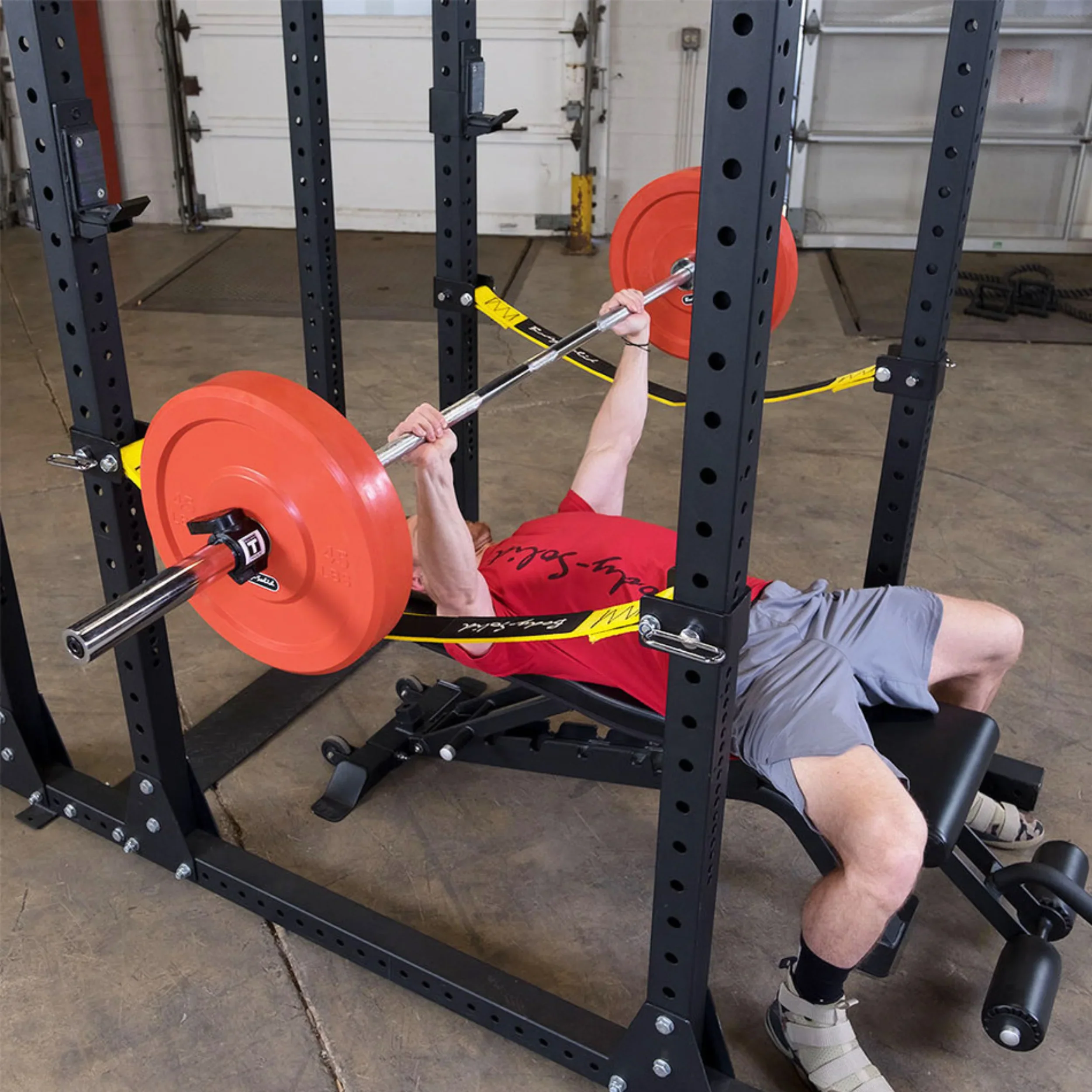
Resting between bench repetitions involves putting the bar somewhere secure. Holding it at arm’s length is still supporting a load; it is not the same task as a passive re-racked pause. Choose the intended method before starting, and do not improvise a new rest position as fatigue increases.
Use a suitable rack and properly adjusted safety system, with competent spotting where appropriate. Check the setup with an unloaded bar before working sets. The supports need to allow the intended press while providing an effective catch if the lift cannot be completed. Follow the equipment instructions and get help checking the arrangement if you are unsure.
A cluster adds more opportunities to unrack and re-rack. Practise those transitions with a manageable load. If you cannot reliably reach and settle the bar in the hooks, change the setup or choose a simpler set structure. Short rest does not justify rushing the next unrack before you are ready.
The equipment below covers bench and loading choices: benches, a straight bar, plates, smaller increments and compatible collars. None was validated as superior by the study. Check dimensions, rack fit and load ratings for the complete setup rather than treating a higher individual component rating as a guarantee for the whole station.

Equipment Worth Exploring
Explore equipment, accessories and gear from our carefully selected range.



Multi Bench MBX-650 2.0
Adjustable multi-bench with roller adjustment, 15 backrest positions and accessory mounts.


Competition Plates
Competition-style bumper plates for Olympic lifts and loaded strength training.

Grip Plates
Rubber-coated weight plates with handholds for loading barbells and machines.


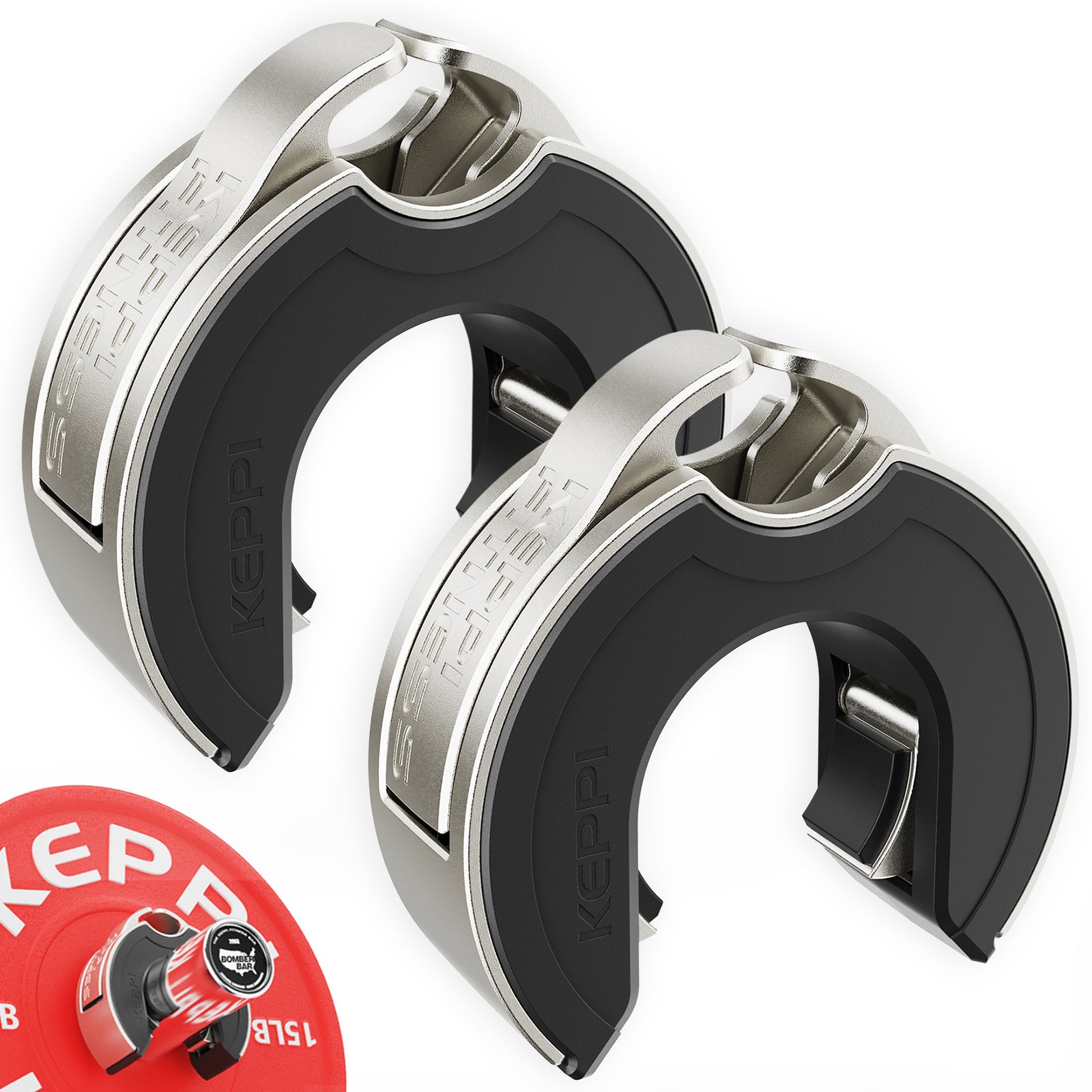
Keppi Open Collars
C-shaped magnetic Olympic barbell collars with a quick-lock mechanism and grippy lining.
Choose the structure that serves the session
A separate acute 2026 experiment in 12 recreationally trained men showed why the stopping rule matters. With high-load Smith-machine work taken to momentary failure, longer cluster rests allowed more repetitions, especially in the half squat, and the additional work increased the session’s demands. That does not establish the long-term effect of a free-weight bench programme, nor does it make failure a requirement for using clusters.
Start with your purpose. If you want practice at a consistent technique standard, choose work you can complete without repeated rescue attempts. If you want to compare a new structure with your ordinary programme, keep the exercise, loading progression and success criteria clear. Avoid changing the set structure, exercise and effort target simultaneously and then crediting the result to only one of them.
An illustrative review entry could list the load, repetitions per cluster, pause durations, between-set rest, completed work and total exercise time. Add whether the spotter touched the bar and why the session ended. This creates a more useful record than an unqualified statement that clusters felt easier.
Review more than the best set. A structure that preserves one strong repetition but makes the session impractically long may not suit your schedule. A simpler arrangement that you can repeat and recover from can be a sensible choice. Neither conclusion requires calling clusters useless or treating straight sets as outdated.
The second equipment selection includes other bench options, dumbbells, racks and specialty pressing bars. These represent broader pressing choices, not interchangeable versions of the tested protocol. A different grip, implement or range should receive its own training entry; the bench study does not establish the same result for every pressing exercise.
Equipment Worth Exploring
Explore equipment, accessories and gear from our carefully selected range.

FID Bench MAX
Adjustable bench offering flat, incline, and decline positions + adjustable headrest.


Rubber Hex Dumbbells
Rubber-coated hex dumbbell pairs with a stable shape for home and commercial strength training.



Speed Collar
Quick-release collars designed to secure weight plates on standard two-inch Olympic bars.

Foldable Wall Rack
Wall-mounted folding squat rack designed to save floor space between workouts.
The bench and chest-day designs below are optional merchandise for the training theme. Keep the evidence separate from the artwork: plan the rest, record the work and judge progress against the outcome you intended to change.

Funny Gym Shirts & Workout Gear
Funny gym shirts, tanks, hoodies and workout gear for lifters who like training hard.

Chest Day Sweater Bench Press & Meme T-Shirt
Add a playful “Chest Day” touch to your casual rotation.

Ultimate Meme : The Essential Bench Press Shirt T-Shirt
Show some powerlifting attitude with a playful “Ultimate” tee.

I Love Bench Press | Heart Weight Plate Hooded For Ches Hoodie
Keep it laid-back with a little “I Love Bench Press” attitude.

Gym Sir Swole of Benchalot Medieval Knight Chest Day Mu Tank Top
Bring “Sir Swole of Benchalot Medieval Knight” humor to your next lifting session.

1 Plate Bench Club Meme – Top T-Shirt
Heavy lifts, good laughs, and a little “1 Plate Bench Club” energy.

2 Plates Bench Club Chest Day Meme & Top T-Shirt
Heavy lifts, good laughs, and a little “2 Plates Bench Club” energy.

Shirt: Good Argument But I Bench More Than You – T-Shirt
Make gym days more fun with “: Good Argument But I Bench More Than You” style.

Bench Press and Chill Funny Gym T
Make gym days more fun with “Bench Press and Chill” style.


Ultimate Bench Press Tee
Heavy lifts, good laughs, and a little “Ultimate Bench Press” energy.