Advertising disclosure: This page includes affiliate product links that may earn us a commission, as well as products from our own store.
Single-Arm Cable Lateral Raises: Set the Pulley, Quiet the Traps and Build Side Delts
A well-executed cable lateral raise looks almost boring: the body stays still, the upper arm rises and the handle returns under control. Yet changing the pulley by a few notches or standing too close to the stack can make the same pin feel like a different exercise. Single-arm cable raises give you enough freedom to fine-tune those details without pretending every variation has a secret muscle-building advantage.
This guide starts with mechanics, then turns those mechanics into six weeks of practical shoulder training. The aim is to make the side delt do its share of the work while removing the usual distractions: a swiveling torso, an overactive neck, a wandering pulley line and progress judged only by stack numbers.
Some product links may be affiliate links, which can support Mind Muscle Perfection at no additional cost to you.
1. What the cable changes – and what it cannot promise
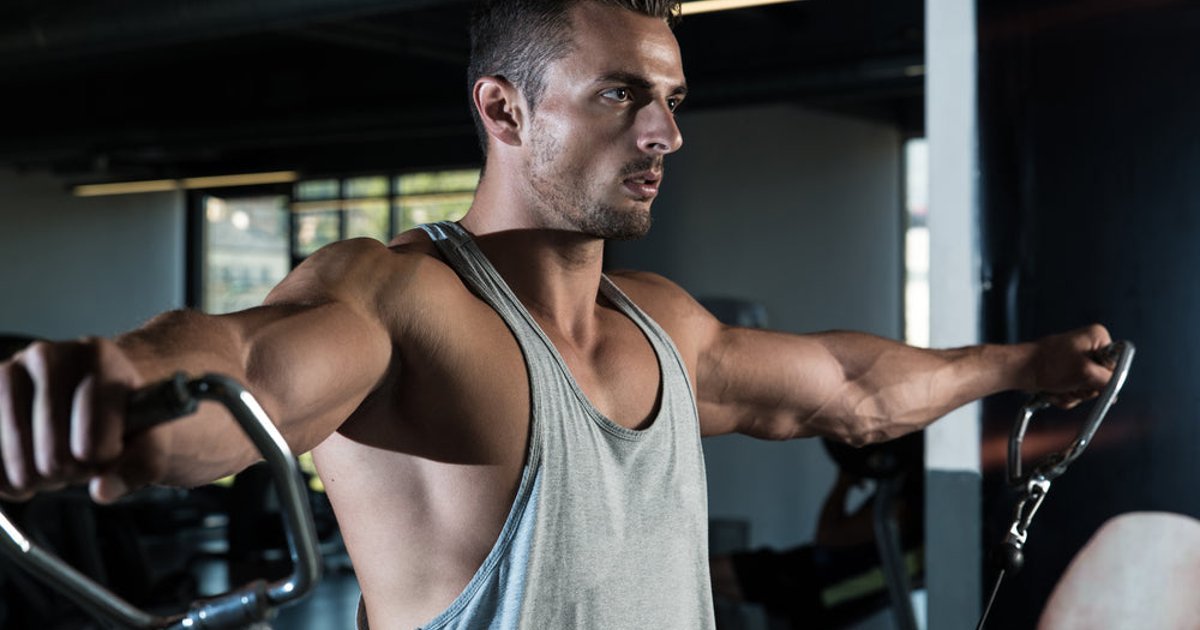
The lateral deltoid helps move the upper arm away from the torso. A lateral raise trains that action without asking you to press a heavy load overhead, which is why it often fits well after presses or as a dedicated shoulder accessory. The front and rear portions of the deltoid, rotator cuff and upper traps still participate. Isolation here means emphasis, not that every other muscle switches off.
A cable does not magically apply identical shoulder torque throughout a repetition. The weight stack pulls through a cable, but the angle between the cable and your arm changes as you move. Because the cable can pull diagonally instead of only straight down, you can adjust where the exercise feels hardest by changing the pulley height and your position. That controllability is the main practical attraction.
Lower-pulley raises tend to feel demanding through a broad arc, especially once the hand moves away from the body. A pulley near hand height can load the starting position more heavily. Neither setup has proven universally superior for shoulder growth, and there is no reason to turn a promising mechanical theory into a guarantee about which part of a muscle will grow.
One arm at a time offers a free hand to steady the torso, makes it simpler to compare left and right sides, and lets you experiment with line of pull without coordinating two independent cables. It also takes longer than doing both arms together. Choose unilateral training for control and practical convenience, not because two arms supposedly stop working when trained together.
2. Set the pulley, your stance and the handle before chasing load
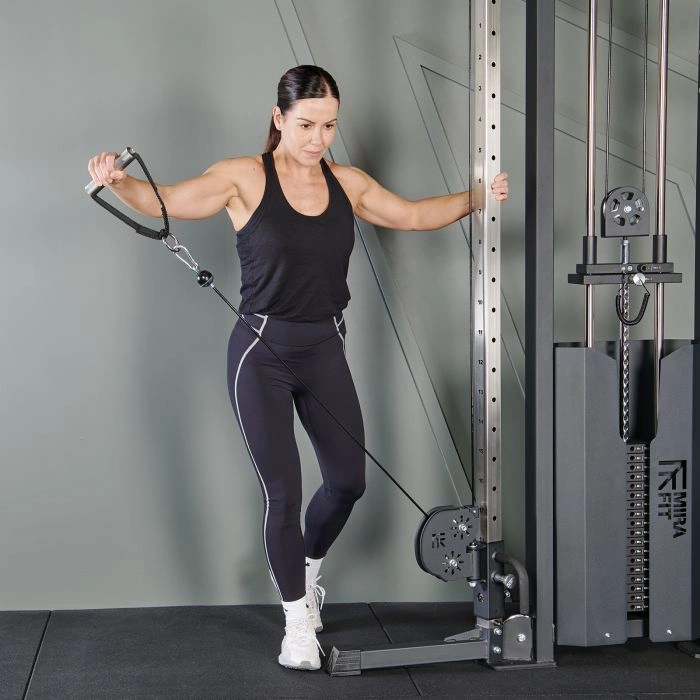
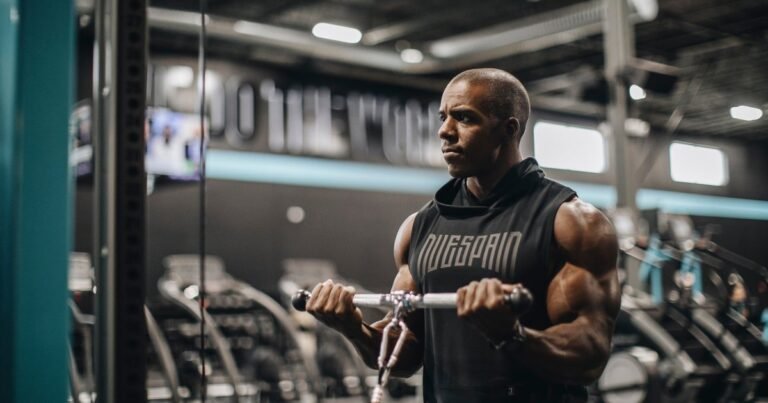
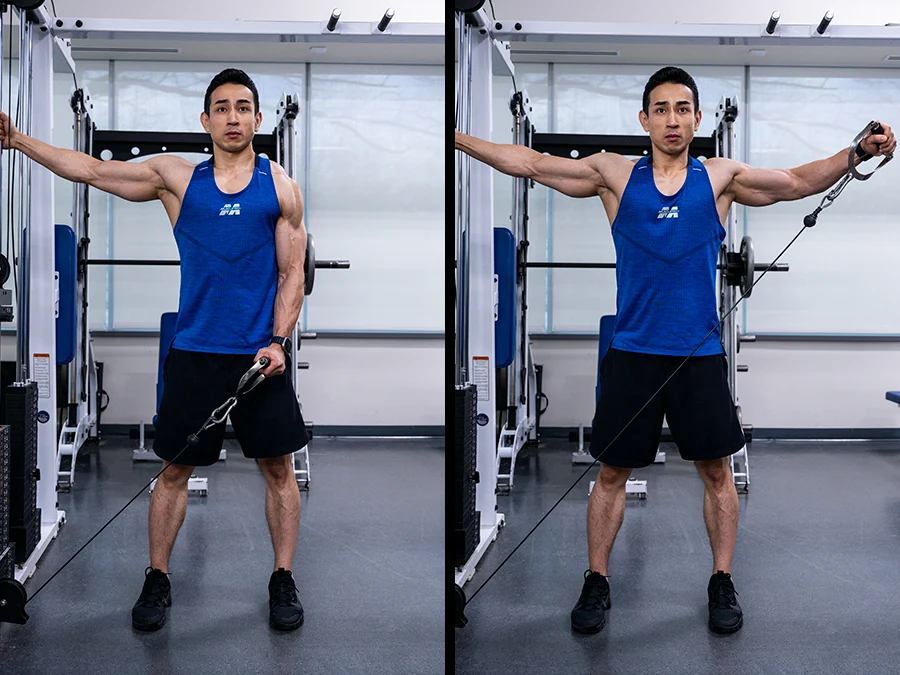
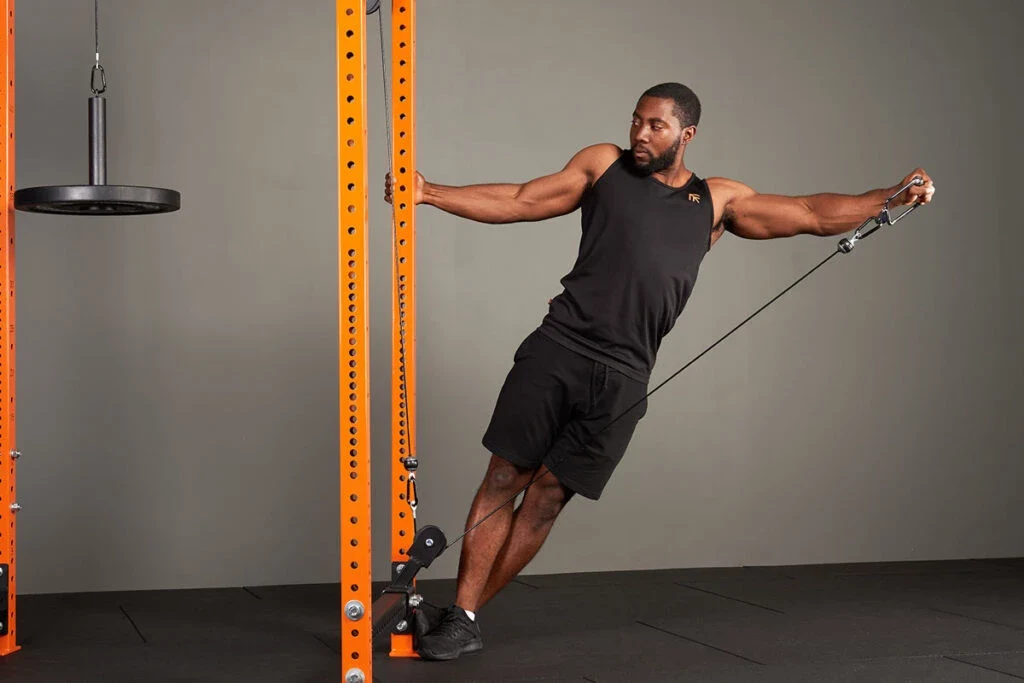
Begin with a single low pulley and an ordinary D-handle. Stand side-on to the stack, grip the handle with the hand farther from the pulley and let the cable travel in front of your hips. Hold the frame lightly with the near hand. Put your feet in a comfortable stable stance and soften your knees. Start with a load that lets you move without twisting the torso.
Do a slow unloaded trial before the first working set. Check that the cable clears your legs, the handle does not catch clothing, the carabiner moves freely and the stack cannot crash into its stops. Small cable machines and functional trainers have different pulley ratios: the number printed on one stack is not directly comparable to another. Log the actual machine and setting along with the load.
Your distance from the pulley matters. If you stand directly over the cable, the beginning of the movement can feel unusually slack or cramped. Step slightly away until the cable has a sensible direction across your body without pulling you off balance. Small positional changes are easier to judge with a light weight than with a heavy, swinging stack.
A wrist cuff is an optional substitute if gripping a handle is distracting. It shifts the contact point and can change comfort and leverage, so do not assume that the same pin setting produces the same challenge. A handle is a perfectly good default. Make one adjustment at a time – height, distance, or attachment – and keep it consistent for several sessions before deciding it helped.

Equipment Worth Exploring
Explore equipment, accessories and gear from our carefully selected range.
VOLTRA
Compact digital cable trainer with smooth, adjustable resistance.

Go-Tone Pro
Portable digital cable trainer with up to 66 lb (30 kg) of adjustable resistance.

VForce Wall Trainer
Space-saving wall-mounted functional trainer with pivoting cable arms and variable resistance ratios.

VForce 2IN1
Half rack and pivot-arm functional trainer with switchable 1:1 and 2:1 pulley ratios.

VForce 3IN1
All-in-one rack combining an adjustable Smith machine, functional trainer, and free-weight station.

VForce 3IN1 Max
Six-post all-in-one rack with Smith machine, functional trainer, and variable-force cables.

Multi Pull Smith Rack MPHR-780
All-in-one rack with a Smith machine, functional trainer, lat pulldown and low row.

VForce Lat Tower
Wall-mounted cable tower with pivot arms and adjustable 1:1 or 2:1 pulley ratios.

Trinity Lat Machine LSW-850
Weight-stack pulldown tower offering three cable directions and adjustable seated support.

3. Lead with the elbow, keep the torso quiet and control the return
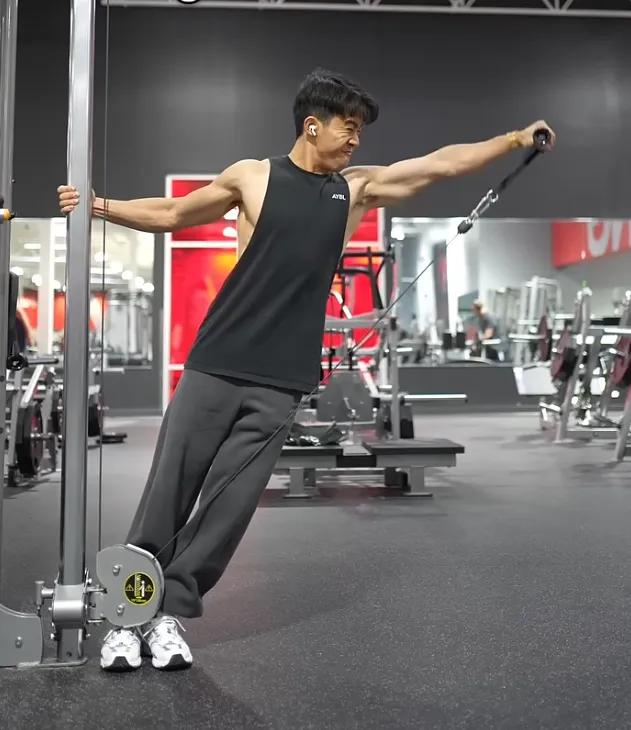
Before the first repetition, face straight ahead, brace just enough to resist the machine pulling you sideways and settle the shoulder into a comfortable position. Keep a small, natural bend in the working elbow rather than locking it straight or turning the lift into a bent-arm upright row. The wrist can remain neutral; there is no need to twist the hand dramatically as you rise.
Move the upper arm outward in a smooth arc. Think about guiding the elbow away from the body, with the hand following, rather than trying to throw the handle toward the ceiling. For most people, roughly shoulder height is a useful upper limit. The precise comfortable path may be slightly forward of a perfect side-on line, and it should not require pinching, grinding or a shrug toward the ear.
The simplest test of whether the weight is sensible is your torso. If the shoulders rotate toward the pulley, the knees bounce or the body leans farther with each repetition, you are no longer comparing the same movement across your set. Reduce the load until you can repeat the start, top and return with similar posture. A modest amount of normal muscular effort is expected; sharp joint discomfort is not.
Lower the handle deliberately, often for around two seconds, without yanking the shoulder toward the stack or letting the plates slam down. At the bottom, keep enough control that the next repetition starts from your chosen position. Do not shorten the last few reps only because the burn increases; end the set when the range and position can no longer be repeated cleanly.
If your neck dominates the effort, check whether you are shrugging and whether the load is too high. If the front of the shoulder feels irritated, try a slightly forward arm path, a shorter comfortable range or a lighter stack. Persistent or sharp pain is a reason to stop and have the shoulder assessed, not an instruction to fight through it.
4. Front-of-body, behind-the-back and lean-away raises
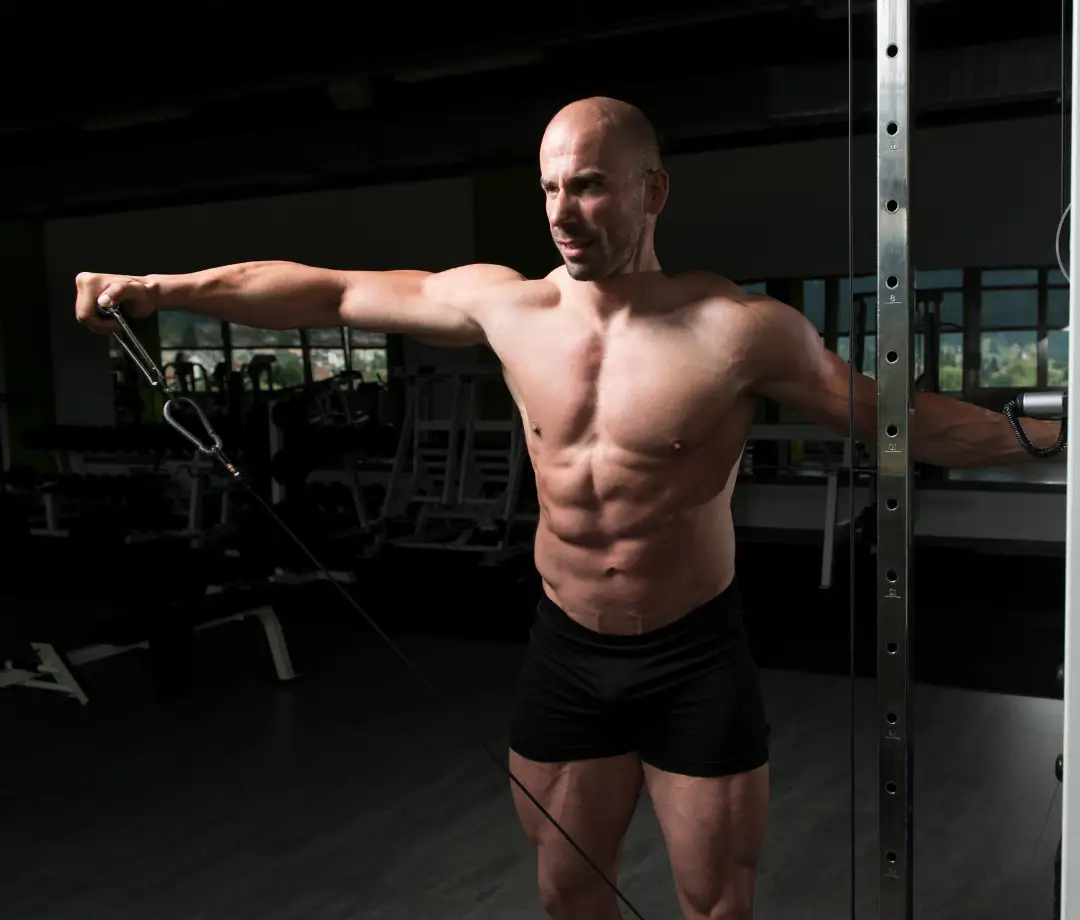
Cross-body setup is a useful default: the cable passes in front of the hips and the far hand lifts outward. A behind-the-back version routes the cable behind the body. This changes how the cable tugs the arm forward or backward, and some lifters find one route more comfortable. It does not automatically make the side delt work twice as hard or prove that the other version is wrong.
A gentle lean away from the machine is another option. Set the lean before the rep and hold it; do not use the torso as a pendulum to launch each repetition. Leaning can help you create space and stabilize your stance. It does not by itself guarantee a greater stretch stimulus, because the pulley line, the hand’s cross-body position and the exact arm path all matter.
Hand-level pulley raises are a distinct experiment. Raising the pulley nearer the start position can increase the challenge when the arm is closer to the body, but may make the upper part feel different. Adjust carefully with a light stack first. If two settings feel different, that does not yet tell you which builds more muscle; it tells you which range of motion has become harder for you to control.
A useful comparison session is to try three light sets – one with the cable in front, one behind, and one with a small fixed lean – then record where you feel stable and how close each set stays to the same arm path. Pick one as your main variation for the next training block rather than rotating every trick in the same workout. Consistency makes progression measurable.
Equipment Worth Exploring
Explore equipment, accessories and gear from our carefully selected range.

GymPin D Cuffs
Adjustable wrist cuffs with textured grips for supported cable-machine exercises.

GymPin Ergo Handles
Pair of ergonomic cable handles shaped for comfortable triceps and pulling exercises.

GymPin D Handle Bar
Multi-use steel D-handle bar for cable rows, pulldowns and other cable exercises.
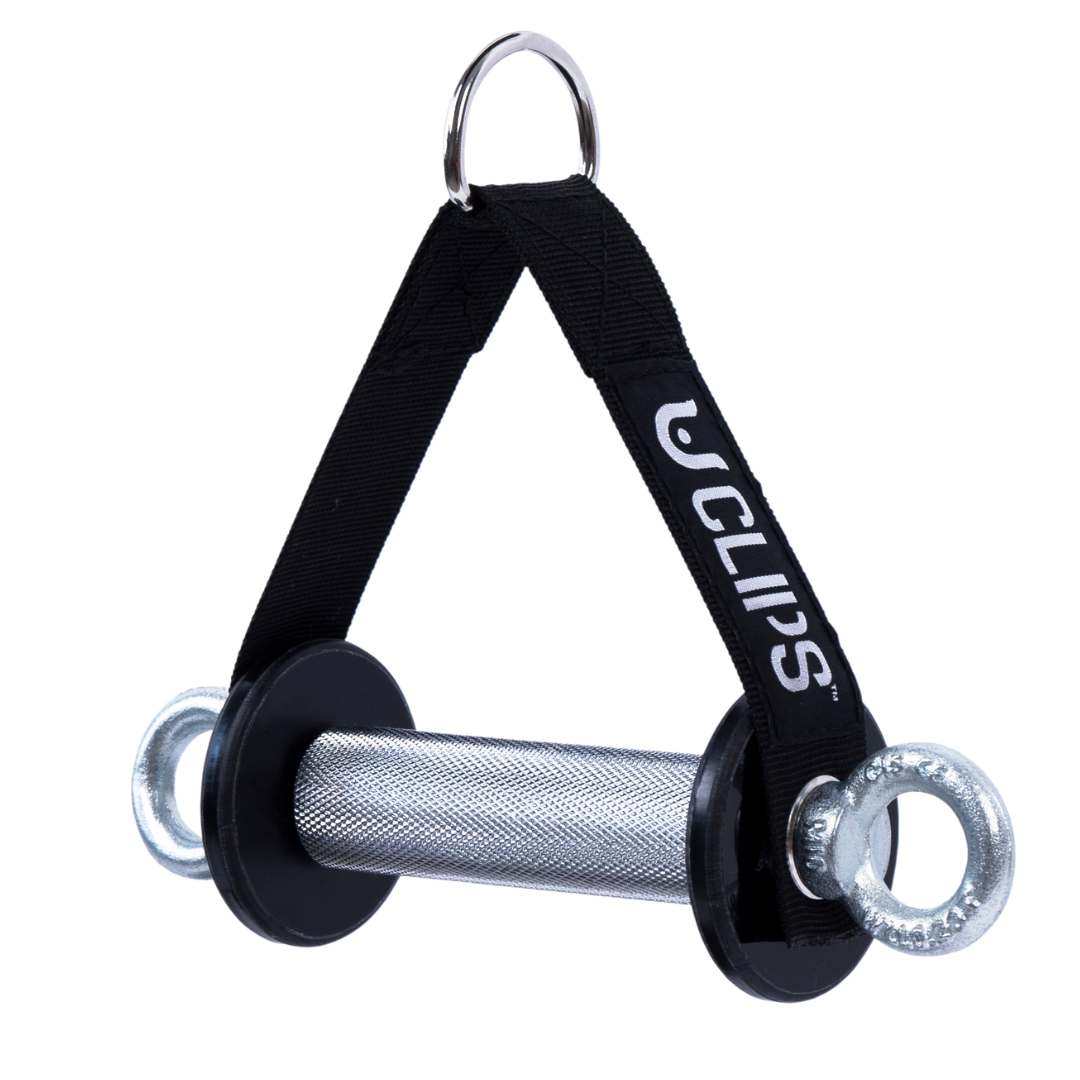
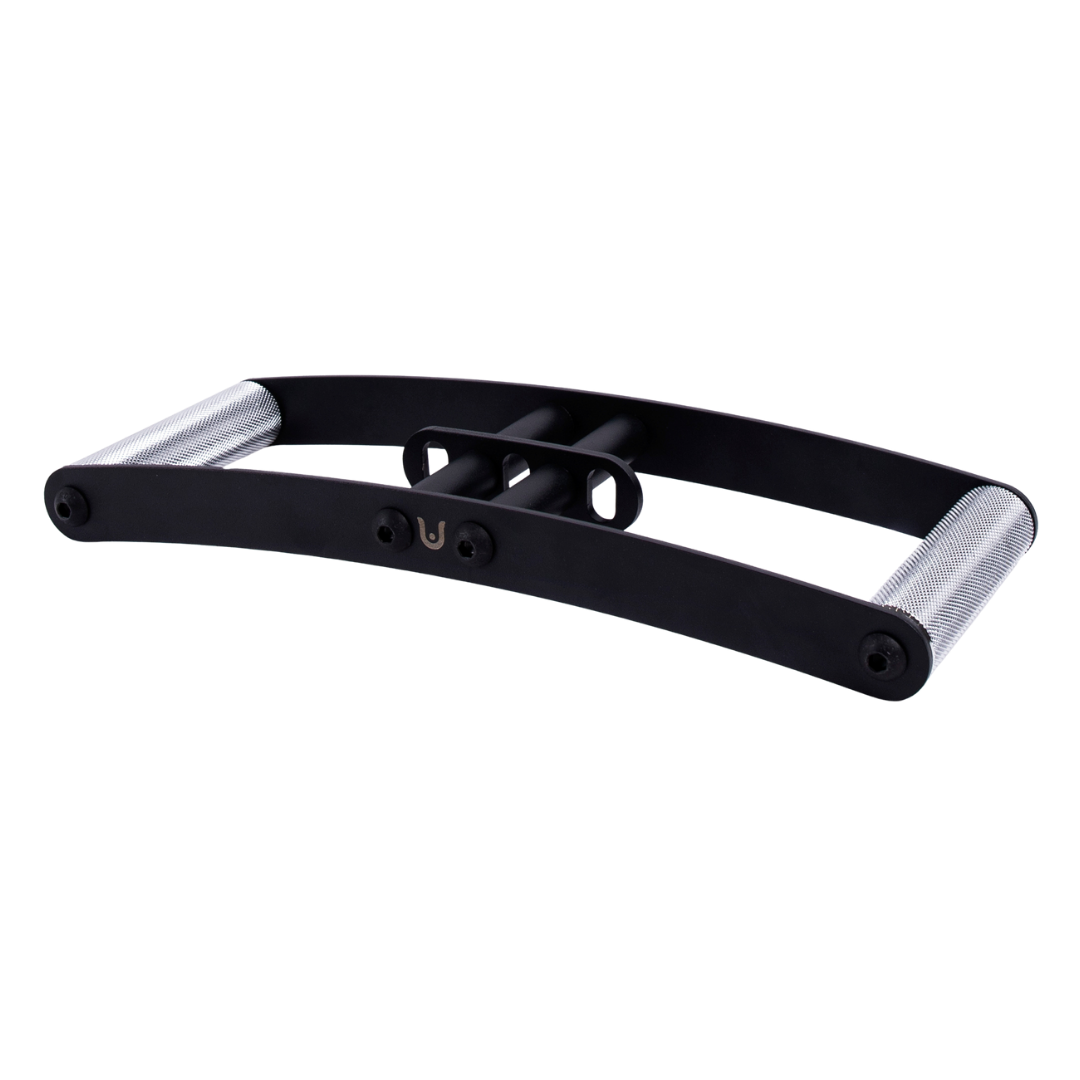
Horizon Grip
Ergonomic V-style cable grip for rows and back training.


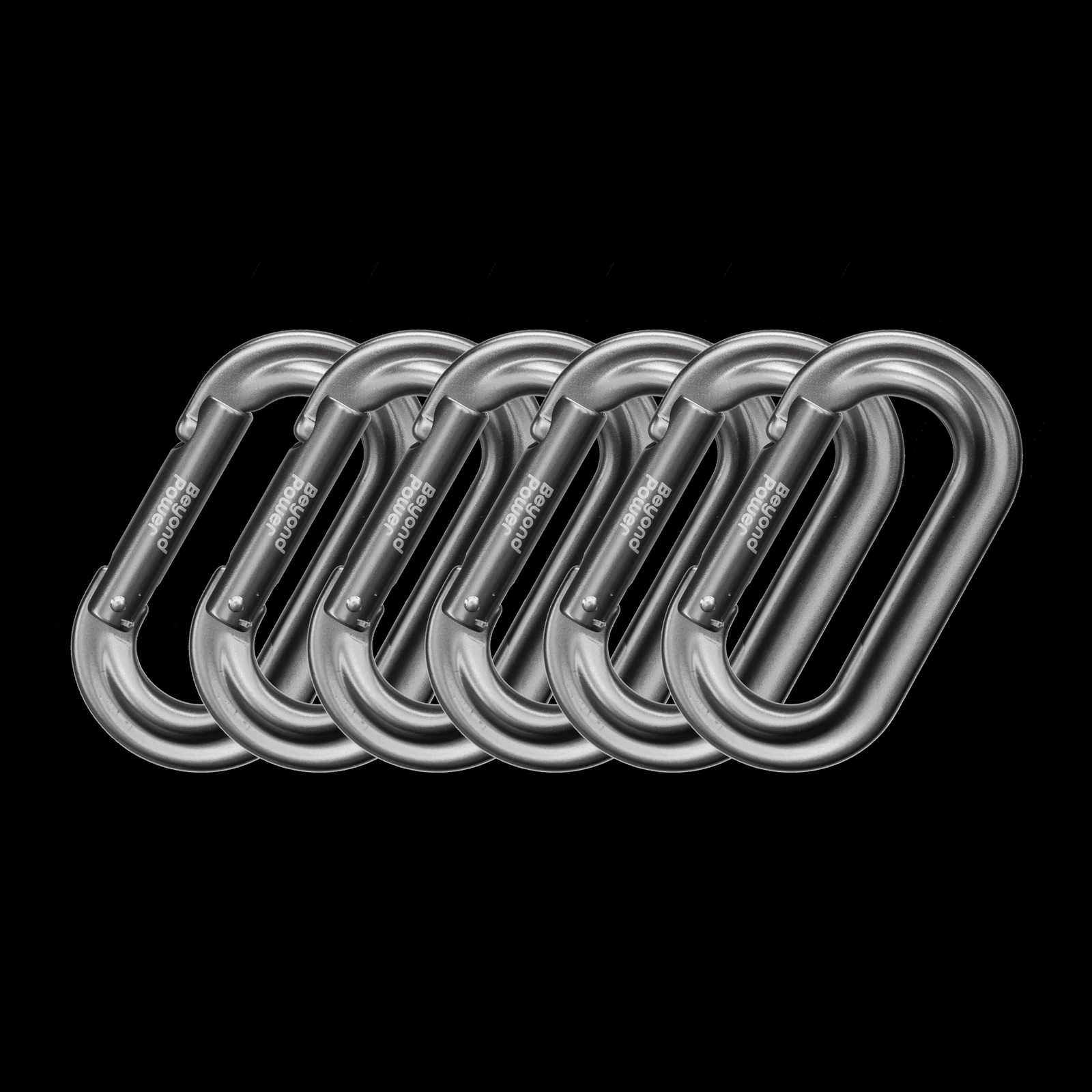
Premium Carabiner
Durable carabiner for connecting cable attachments and training accessories.
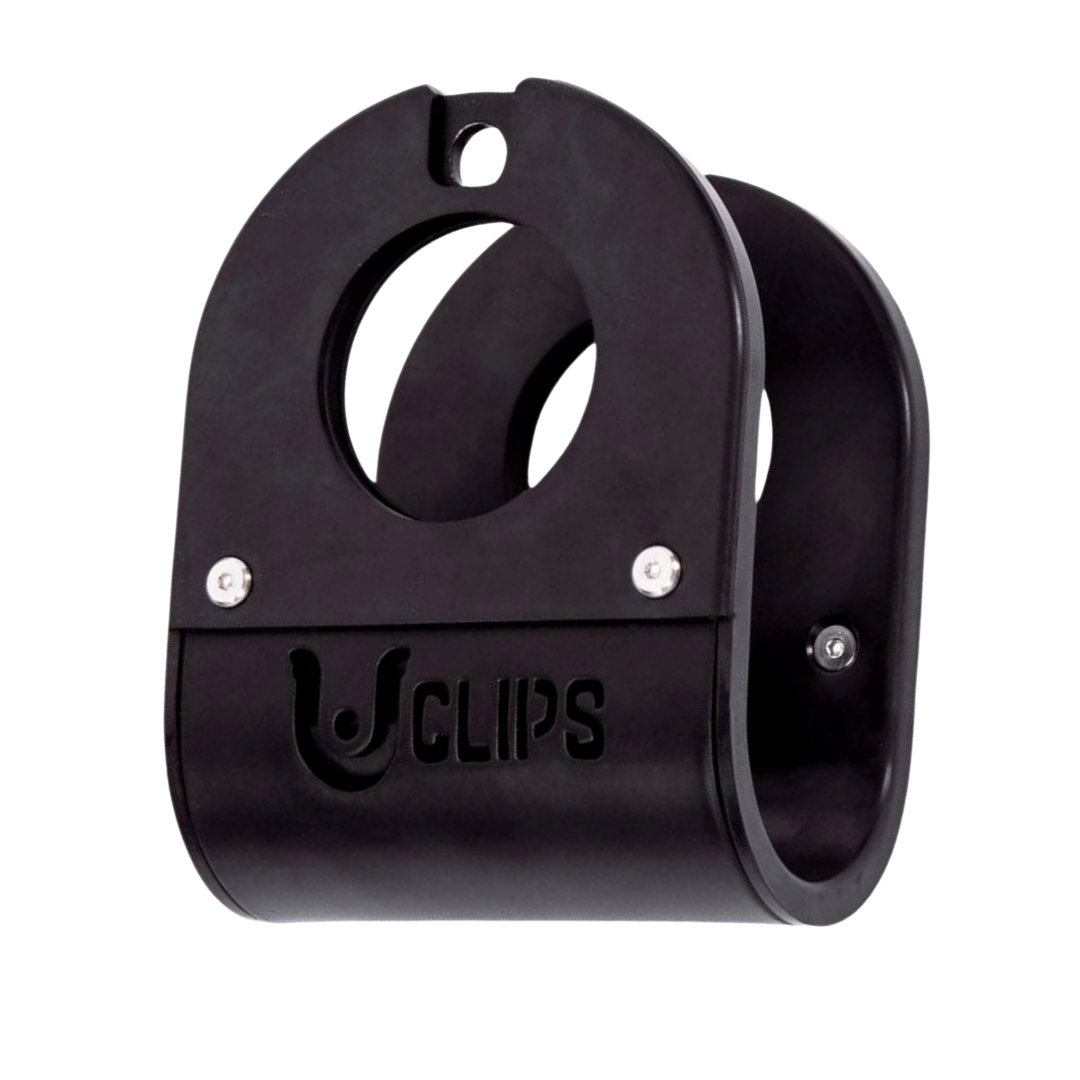
U Clips
Versatile gym clips for barbell, landmine, and attachment setups.

Angles 90 Grips
Flexible grip attachments that allow natural wrist movement during pulling exercises.
5. Cable or dumbbell lateral raises: what growth evidence actually says
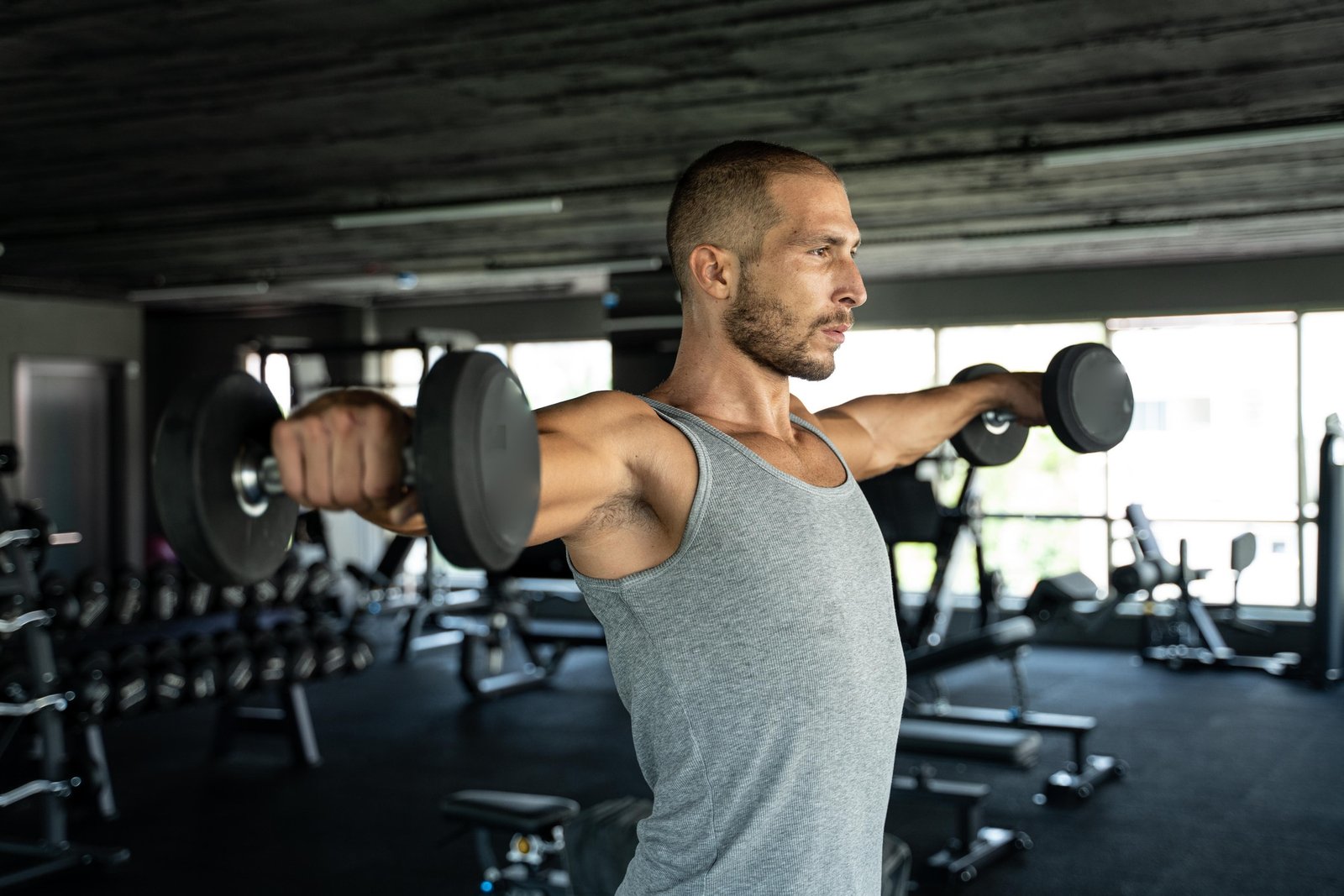
An eight-week comparison of 24 resistance-trained men and women gave each participant a cable raise on one arm and a dumbbell raise on the other. Participants trained twice per week, using five sets per arm per session to momentary failure. Both approaches increased measured lateral-deltoid muscle thickness by roughly 3.3 to 4.6 percent, with no meaningful difference between conditions in the study’s analysis.
That is useful evidence against declaring cables the only serious way to build side delts. But it is also one relatively small, short study using specific movements and standardized ranges of motion. It does not prove every pulley height, every technique variation, or every program gives identical results. It is better interpreted as permission to choose the implement you can train hard and consistently.
Dumbbells are simple, portable and quick to set up. Their load is gravity-based, so the resistance moment around the shoulder usually rises as the arm approaches horizontal and becomes smaller near the bottom. Cables can offer a different challenge near the bottom depending on geometry, and a cuff or handle might feel better to an individual lifter. Neither replaces sound execution, recovery and progressive training.
Machines with supported upper arms reduce balance demands further. Two-arm cable raises may save time if the station allows a comfortable, symmetrical path. The best version for your next six weeks is the one that permits repeatable reps, adequate effort and small load increases without turning every set into an argument with your traps.
Do not compare a 10-kilogram dumbbell directly with a 10-kilogram cable-stack label. Pulley ratios, friction, attachment length and cable direction all affect how it feels. Use reps at a given setup and effort level as the progression currency. A clean extra rep is more informative than claiming a dramatic strength gain after switching machines.
6. A six-week side-delt progression with honest checkpoints
Place cable lateral raises after your main pressing work, or give them a small dedicated slot when your shoulders are relatively fresh. Start with two sessions per week and two or three hard sets per arm. For many lifters, a range of 10 to 20 smooth repetitions works well. Leave roughly one to three clean reps in reserve at first, since the goal is a repeatable shoulder exercise rather than maximal stack movement.
In weeks one and two, select the handle, pulley height and stance, then keep them unchanged. Use a load that allows at least 10 controlled repetitions with a deliberate return. Begin with whichever arm you control less easily, and let that arm establish the rep target. Match the number and form on the stronger side rather than adding extra sloppy repetitions because it can lift more.
In weeks three and four, add repetitions before adding weight. Suppose you log 12, 11 and 10 controlled reps in week two; aim for 13, 12 and 11 with the same setup and similar effort the following week. A record that moves forward while your torso stays still is useful progress. When all working sets reach the top of your chosen rep range, move the stack up by the smallest available increment and start near the lower end again.
In weeks five and six, consider a third weekly set only if you are recovering well and your main pressing performance is stable. A different pulley height can be tested in a single light comparison set, but do not change both load and geometry in your tracked sets at once. When the shoulder is sore from other training, reduce volume before sacrificing technique.
Log which cable station you used, pulley position, distance, handle, reps on each side, load and an effort estimate. A brief note such as ‘right shoulder shrugged from rep 14’ will make your next session more actionable than a vague note that it burned. If the same weight gives you more smooth reps with less torso movement after six weeks, you have built a better training tool even if the stack number barely changed.
The side delts respond to sustained, sensible work, not a single heroic set. Give the movement enough attention to progress, but not so much that it crowds out rows, presses, rear-delt work, sleep and the rest of a balanced upper-body program. The winning version is the one you can repeat, audit and gradually improve.

Bodybuilding Shirts & Workout Gear
Bodybuilding shirts, tanks and gym gear for lifters chasing muscle, size, symmetry and the pump.


The Incredible Pump Hulk Bodybuilding Muscle Humor T-Shirt
For laid-back days and superhero humor: “The Incredible Pump Hulk”.

The Lifting King Gym | Funny Lion King Bodybuilding Mem Hoodie
Bring “The Lifting King” gym humor to lazy days and post-workout plans.

Broseidon God of the Gains | Poseidon Gymbro Workout & T-Shirt
Rep “Broseidon God of the Gains” humor in and out of the gym.

Lifting Is My Therapy – Bodybuilding Powerlifting Meme Tank Top
Your gym-day look, with a playful “Lifting Is My Therapy” twist.

Big Flex Theory Tee
Bring “The Big Flex Theory Science-Based Lifting” humor to your next gym day.

Shoulder Press Dost Thou Even Press Medieval Knight Gym Sticker
Give your everyday gear a playful “Shoulder Press” twist.

Jesus Lateral Raises Tee
Bring “Jesus Christ Dumbbell Cross Lateral Raises” humor to your next gym day.