Advertising disclosure: This page includes affiliate product links that may earn us a commission, as well as products from our own store.
Cross-Body Hammer Curls: Keep the Grip Neutral and Build Thicker Arms
Cross-body hammer curls look like an ordinary dumbbell curl until the weight moves across your torso instead of straight ahead. That slight change is useful for finding a comfortable line of pull, but it does not turn the exercise into a magical biceps shortcut. Your forearm stays in a neutral, thumb-up position while the elbow bends; the upper-arm and forearm muscles still do the lifting.
The practical opportunity is to train hard while controlling a relatively simple single-arm movement. With a sensible starting weight, a stable elbow and consistent depth, you can make each rep comparable to the last. This guide explains what the diagonal motion actually changes, how to clean up common mistakes and how to fit the lift into a progressive arm routine without endlessly chasing heavier dumbbells.
1. Why crossing the body changes the feel of a hammer curl
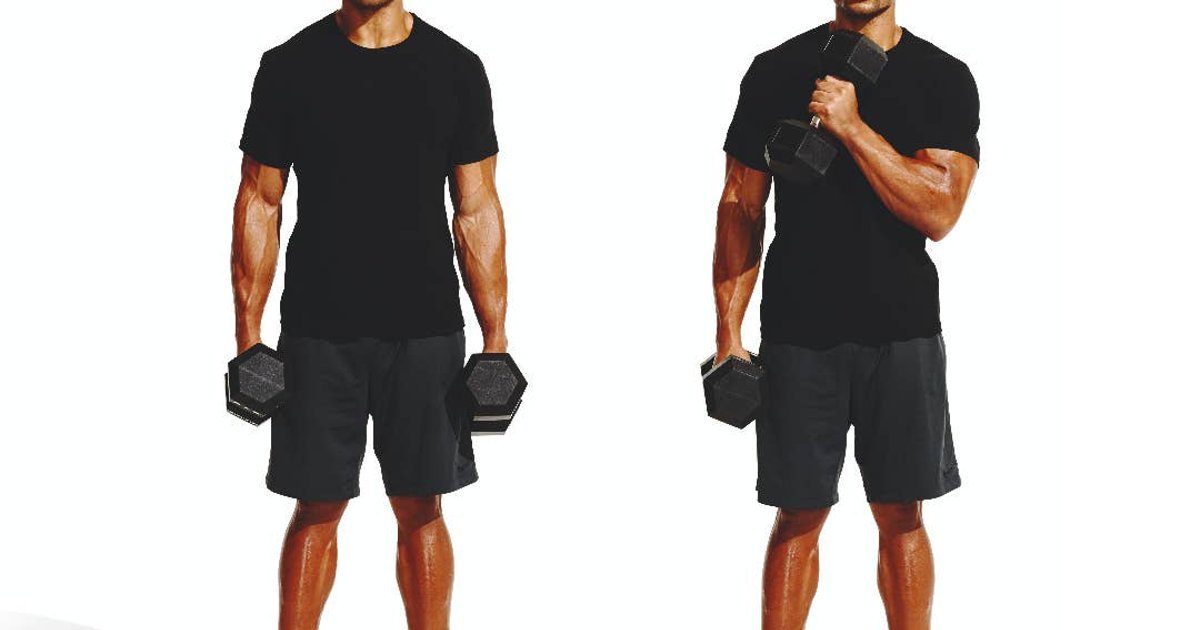
Start with the movement’s most important feature: a neutral forearm. Rather than turning the palm toward the ceiling as in a traditional supinated curl, keep the thumb pointing up as the dumbbell travels toward the opposite side of the chest. Bending the elbow recruits several muscles together: the biceps brachii, the brachialis beneath it and the brachioradialis toward the thumb side of the forearm. Grip position changes their relative leverage, but it does not switch any one of them on or off.
The diagonal line mostly changes where your hand finishes and how the upper arm is oriented. Some lifters find that bringing the dumbbell toward the opposite pec helps keep the elbow from flaring and makes the motion easier to repeat. Others prefer the vertical path of a standard hammer curl. Neither option has convincing evidence of universally superior growth merely because the path looks different.
Do not confuse an intense forearm sensation with proof that one variation is objectively better. Muscle size comes from adequate training effort, enough recoverable work and progression over time. Think of the cross-body version as a useful tool for building a complete elbow-flexor program, not a substitute for all other curls.
2. Choose your dumbbells and establish a repeatable setup
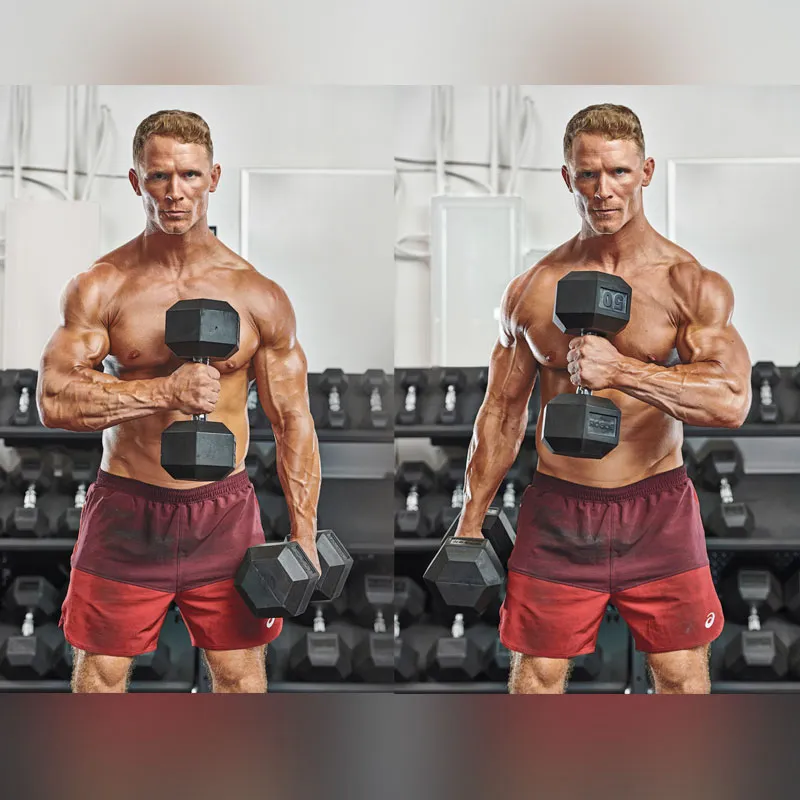
Stand approximately hip-width apart with a dumbbell in each hand. Let both arms hang naturally, soften your knees and brace the torso enough to avoid rocking backward. Keep the shoulders relaxed and your wrists straight. The knuckles should point mostly to the sides; do not start with palms turned forward or deliberately bend the wrist as the weight rises.
Choose a pair you could move cleanly for eight to twelve alternating repetitions per arm, leaving a couple of repetitions available at the end of the first set. A surprisingly common mistake is copying the weight used for rows. An elbow-flexion isolation exercise demands far less load than a full back movement, especially when you stop using shoulder momentum.
Look at the dumbbell shape too. Large adjustable bells may hit your torso before the elbow has finished bending, while smaller hex dumbbells often allow a cleaner path. Change the angle slightly rather than wrenching the wrist around an oversized handle. If balance is difficult, perform one arm at a time with a free hand lightly touching a rack upright; the support should steady you, not launch the dumbbell upward.
Do two or three unloaded practice repetitions on both sides. Decide where the handle will finish and how far the elbow can straighten comfortably. Use that same start and finish every working set. Consistency matters more than the impressive-looking top position.

Equipment Worth Exploring
Explore equipment, accessories and gear from our carefully selected range.


Rubber Hex Dumbbells
Rubber-coated hex dumbbell pairs with a stable shape for home and commercial strength training.



FID Bench MAX
Adjustable bench offering flat, incline, and decline positions + adjustable headrest.


3. Make the diagonal rep smooth from bottom to top
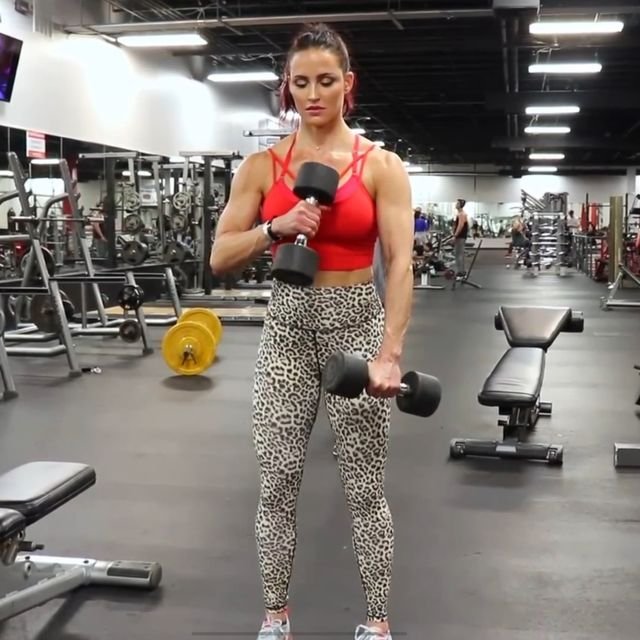
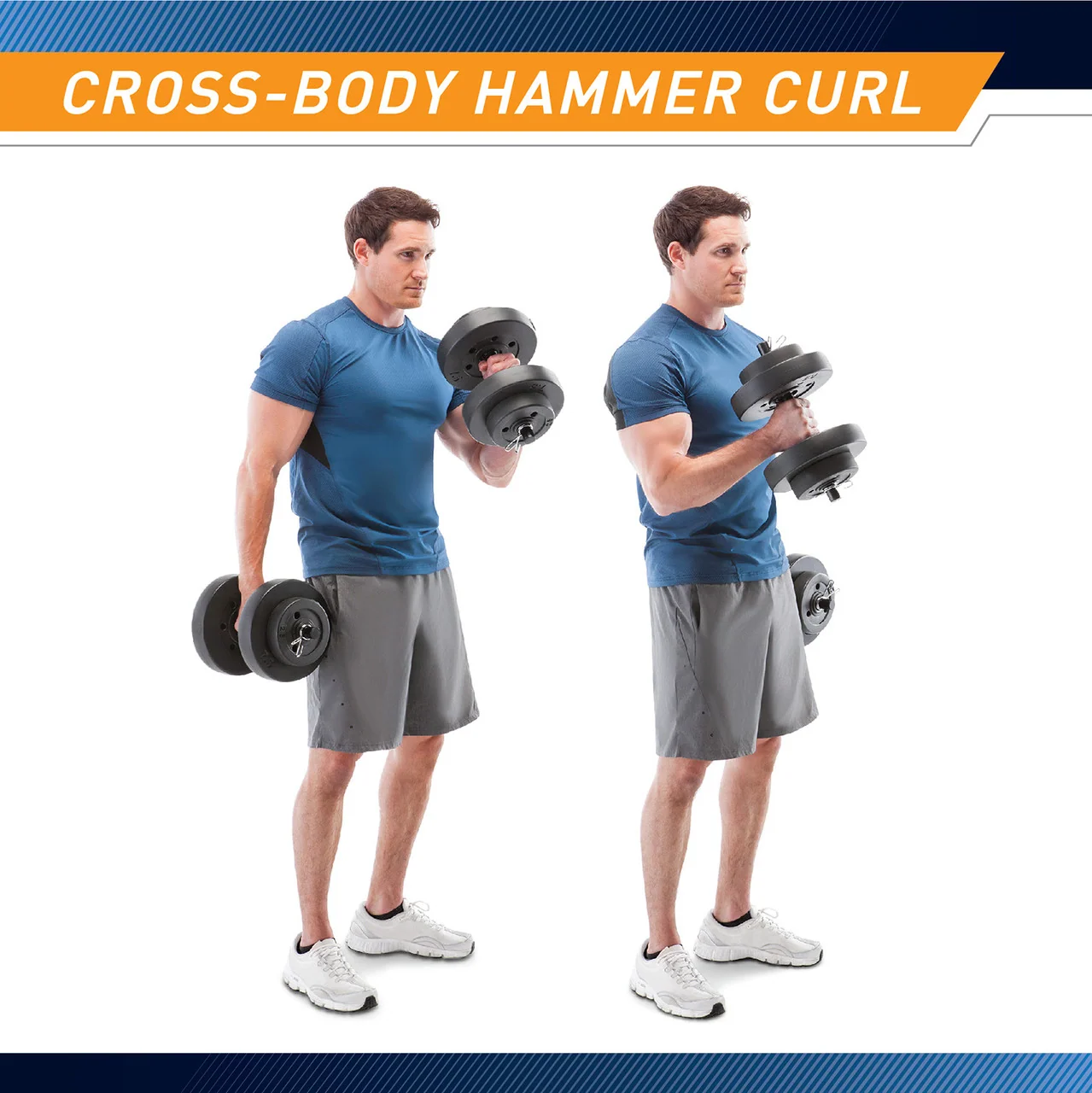
From the bottom, tighten your grip just enough to keep the dumbbell steady and begin bending the right elbow. Aim the right hand toward the left side of your upper chest while the right upper arm stays relatively close to the ribs. The hand should cross naturally; the shoulder does not need to sweep forward to drag the weight through a bigger arc.
Lift in roughly one to two seconds, stop when you can no longer bend the elbow without a conspicuous shoulder shrug, and briefly control the top. Then lower along the same diagonal for roughly two to three seconds. Allow the elbow to approach a comfortably straight position without bouncing into the joint. Repeat on the other side, or finish the whole side before switching if you are working around an asymmetry.
The range is individual. A tall lifter with long forearms or bulky dumbbells may reach the chest sooner than a smaller lifter. Forcing the bell all the way to the opposite shoulder can turn a controlled curl into a shoulder movement. Your useful endpoint is the last position you can reach while keeping tension and joint alignment, not an arbitrary point on your shirt.
If the last third of the set becomes a whole-body dance, the weight is too heavy for your chosen standard. Reduce it and earn the repetitions. The last clean rep is usually more informative than three swung repetitions that look nothing like the first.
4. Five technique errors worth fixing before you add weight
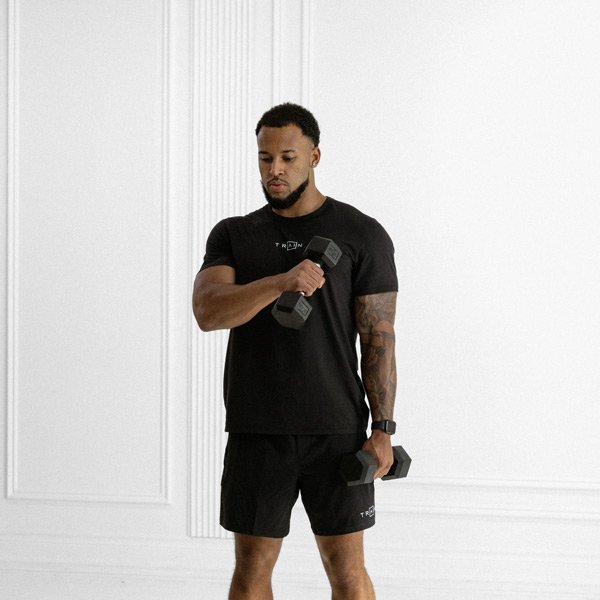
First: swinging the trunk. The hips extend and the rib cage leans back just before the dumbbell moves. Fix this by slowing the first inch and lowering the load until your shoulders can stay above your hips. A video from the side makes the problem obvious.
Second: letting the elbow travel forward. A small natural movement is fine, but driving the upper arm across the torso to finish a rep changes the task. Keep the elbow near the side of the rib cage and stop where you can maintain the same path across repetitions.
Third: twisting into a palms-up curl. Rotation is not inherently dangerous, but it turns the exercise into something else. If the neutral grip is your goal, keep the thumb-up orientation from start to finish. A slightly relaxed hand position often beats a rigidly forced wrist.
Fourth: dropping through the lowering phase. A weight that falls straight down bypasses valuable controlled work and makes the next rep inconsistent. Lower deliberately and check that the hand passes through roughly the same landmarks each time.
Fifth: chasing a bigger range by rolling the shoulder. Shrugging or rounding forward does not guarantee better elbow-flexor loading. Consider slightly smaller dumbbells, a narrower diagonal or a standard hammer curl if your preferred equipment collides with your torso. Pain in the elbow, wrist or shoulder is a reason to change the setup, not a cue to fight through it.

Bodybuilding Shirts & Workout Gear
Bodybuilding shirts, tanks and gym gear for lifters chasing muscle, size, symmetry and the pump.

Ha Ha Hammer Curls Joker Meme , Villain Top & Gains T-Shirt
Show some powerlifting attitude with a playful “Ha Ha Hammer Curls Joker Meme” tee.

For Whom The Bell Curls Dumbbell Metallica Heavy Metal T-Shirt
Add a playful “For Whom The Bell Curls” touch to your casual rotation.

Gym If You're Reading This It's Arm Day Drake Parody & T-Shirt
Bring “If You're Reading This It's Arm Day Drake” humor to your next gym day.

Gym Dost Thou Even Curl Medieval Knight Arm Day Crewnec T-Shirt
Show some gym-day personality with “Dost Thou Even Curl Medieval Knight Arm Day”.


Pumpeye Forearm Gains Grip Training Popeye Meme Vest Tank Top
Add some lifting attitude to training with “Pumpeye”.


Every Day Is Arm Day
Make gym days more fun with “Every Day is Arm Day Octopus Gym Meme” style.

Mind Muscle Perfection Brain and Biceps Gym for Science Hoodie
Show off your lifting humor in a laid-back “Mind Muscle Perfection Brain and Biceps” hoodie.
5. When to choose straight hammer curls, palm-up curls or cables
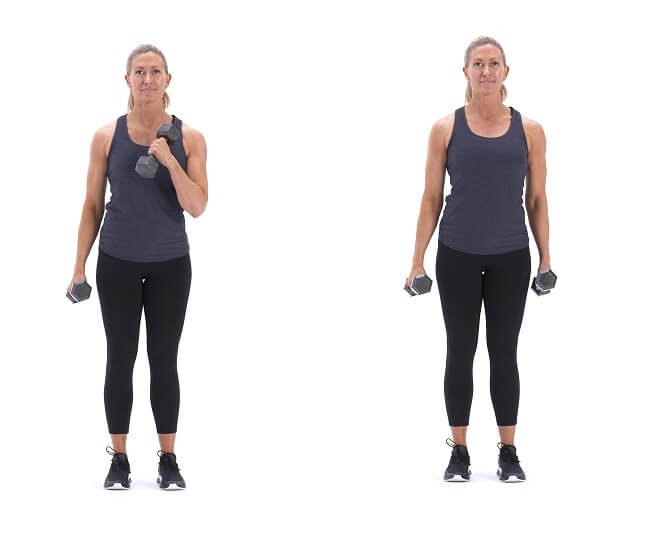
Standard hammer curls send the dumbbell upward beside the torso. Cross-body curls bring it diagonally across the front. Both retain the same basic neutral forearm and train the elbow flexors. Your choice can depend on which path feels smoother, which dumbbells clear your body and whether you can compare repetitions reliably week after week.
Palm-up curls add forearm supination. Because the biceps brachii helps both flex the elbow and supinate the forearm, those curls provide a meaningfully different grip position. They are a sensible complement rather than an inferior version of the hammer curl. A simple arm session might include one palms-up exercise and one neutral-grip exercise, but there is no requirement to cram every grip angle into each workout.
Rope hammer curls on a cable station keep a neutral grip but alter the resistance direction and loading curve. They are useful when your dumbbell jumps are too large or you want a different feel through the bottom of the movement. Cable handles, wrist cuffs and adjustable resistance are options, not prerequisites: if you own a pair of dumbbells that let you work hard with controlled form, you already have everything necessary.
Alternate between variants only for a reason. Constantly switching every session makes it hard to know whether you are growing stronger or merely changing the exercise. Keep a primary variation for several weeks, then experiment if the current one becomes awkward, stale or difficult to progress.
Equipment Worth Exploring
Explore equipment, accessories and gear from our carefully selected range.
VOLTRA
Compact digital cable trainer with smooth, adjustable resistance.

Go-Tone Pro
Portable digital cable trainer with up to 66 lb (30 kg) of adjustable resistance.


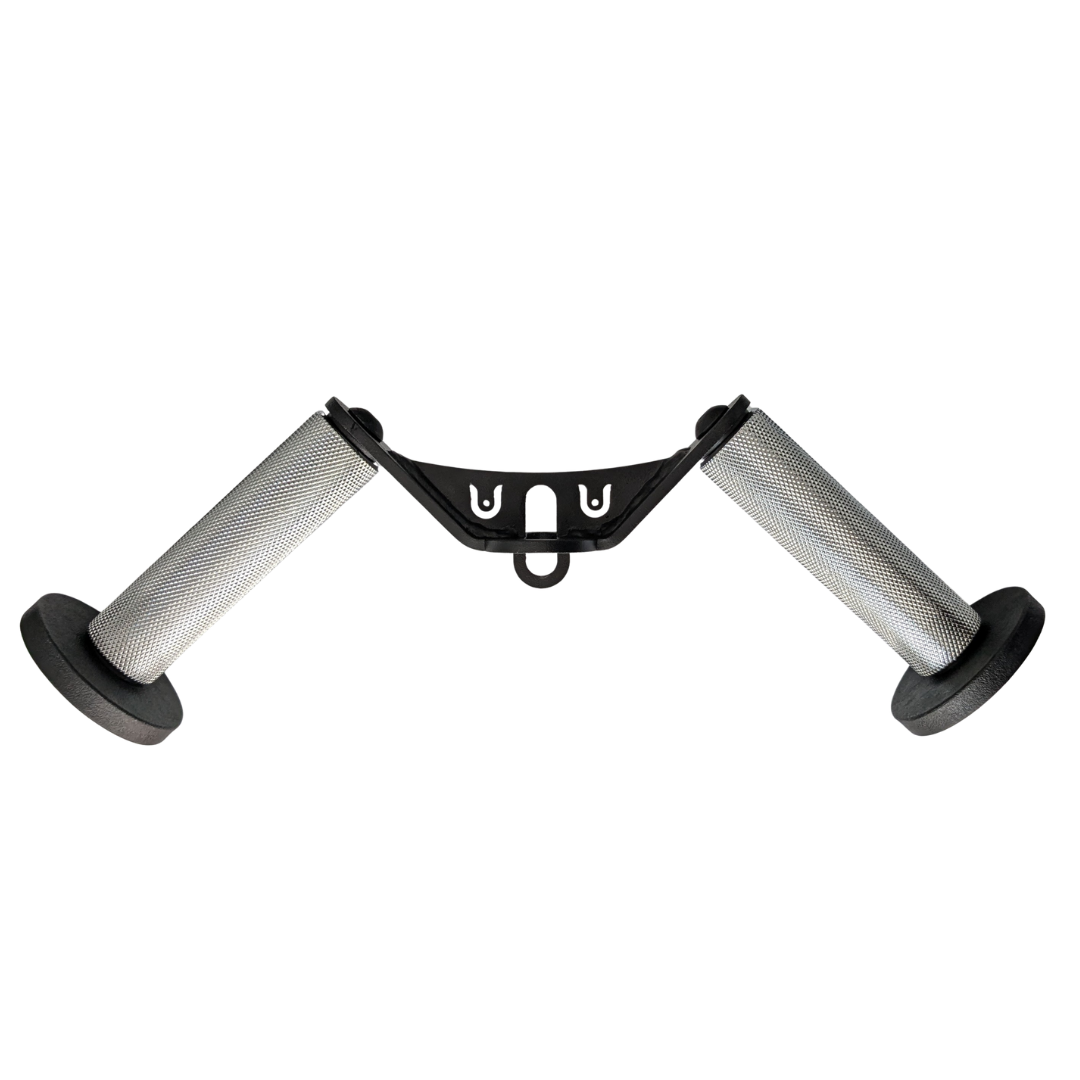
W Grip
Angled cable grip for comfortable rows, pushdowns, and curls.

GymPin D Cuffs
Adjustable wrist cuffs with textured grips for supported cable-machine exercises.

GymPin Ergo Handles
Pair of ergonomic cable handles shaped for comfortable triceps and pulling exercises.

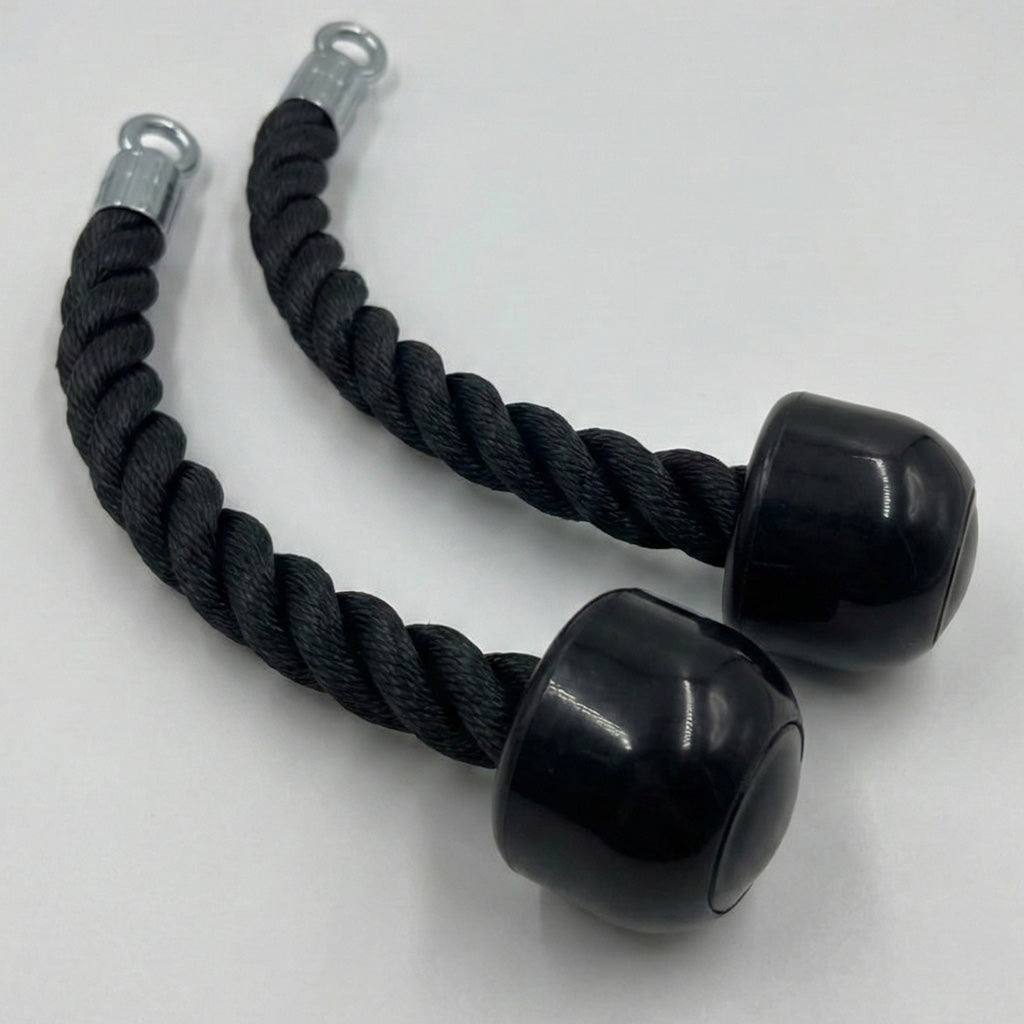
Individual Tricep Ropes
Pair of individual cable ropes for triceps pressdowns and cable hammer curls.

VForce Wall Trainer
Space-saving wall-mounted functional trainer with pivoting cable arms and variable resistance ratios.
6. Build four weeks of measurable arm training
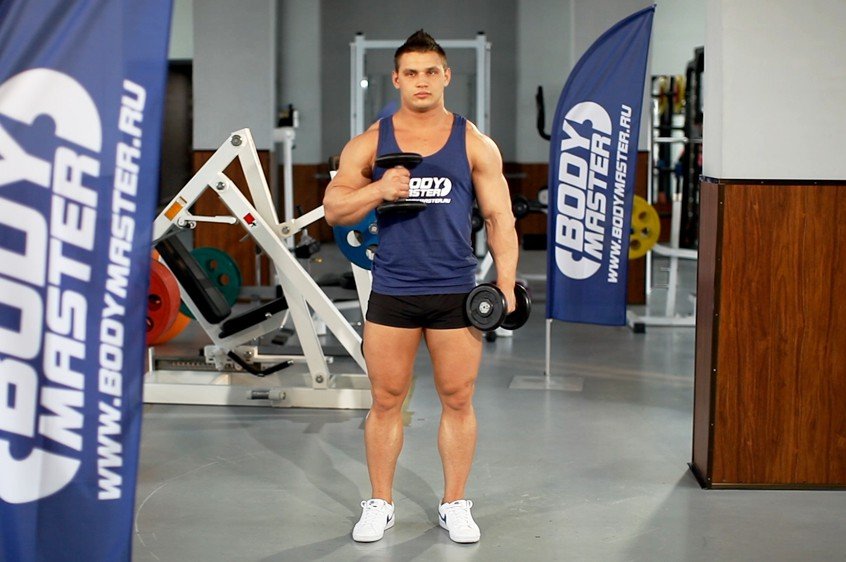
Use the cross-body hammer curl after heavier pulling or at the end of an upper-body workout. Begin with two or three sets of eight to twelve clean repetitions per arm, resting approximately sixty to ninety seconds after each complete round of both sides. If forearms tire before the elbow flexors, try reducing grip tension slightly without letting the dumbbell slip; if your form collapses, rest longer.
Week one: select a weight you can control for two sets of ten per side with about two repetitions left in reserve. Record the dumbbell weight, the number of reps and whether both sides met your usual range of motion. Start with the weaker arm and let it determine the number of reps you perform on the stronger side.
Week two: keep the same load and work toward the upper end of the repetition range. For example, two sets of ten might become eleven and ten, then twelve and eleven. Do not call a torso-swung twelfth rep a successful progression.
Week three: once all sets reach twelve controlled reps, use the next manageable dumbbell increment and return to eight or nine. If your adjustable set jumps too far, keep the load and add a third set instead. Either method increases the workload, so do not change both variables blindly.
Week four: maintain your best repeatable movement standard and build reps again. If elbows feel beat up or your pulling workouts are suffering, reduce one set or leave more reps in reserve for the week. An example is a framework, not a guarantee that your arms will gain a particular measurement in twenty-eight days.
For most lifters, training the biceps and related elbow flexors over more than one weekly session is practical. Count hard sets from rows and pulldowns when considering your total workload, since those exercises also challenge the elbows. If arm growth stalls, review your overall training effort, food intake, sleep and recovery before assuming the diagonal curl needs replacing. The best variation is the one you can execute, recover from and progressively overload.
The takeaway: keep the forearm neutral, bring the bell across without chasing a forced endpoint, lower with purpose and log a clear progression. Those fundamentals will do more for your arm training than turning a curl into a contest of who can swing the heaviest dumbbell.