Advertising disclosure: This page includes affiliate product links that may earn us a commission, as well as products from our own store.
PNF Stretching Between Sets: A Useful Upper-Body Experiment?
A stretch between sets can feel productive: you are using the break, moving a tight area and doing something other than staring at the clock. Whether that improves the next set is a separate question. A recent experiment offers an interesting reason to investigate one specific method, but it is far too early to replace ordinary recovery with an improvised stretching routine.
What the small upper-body experiment actually tested
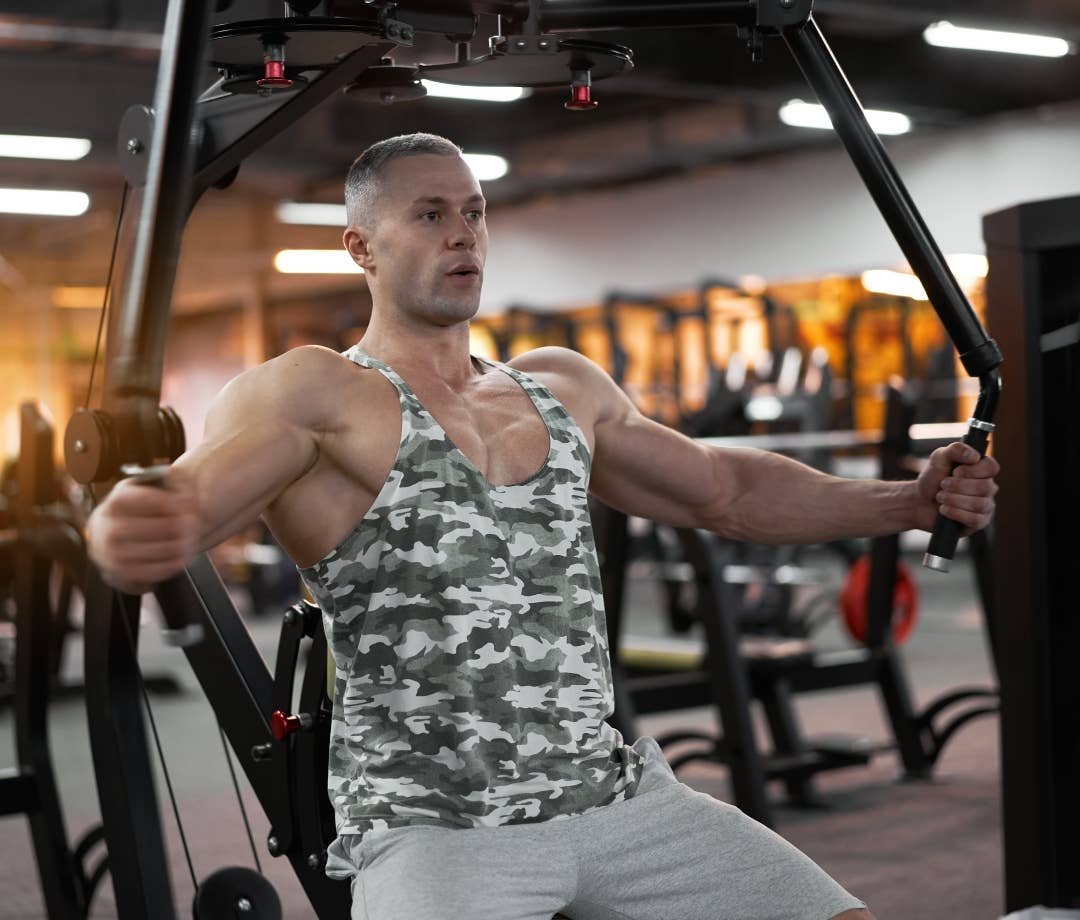
Published in October 2026, the experiment involved 12 resistance-trained young men. Each completed four conditions in a randomized crossover design: passive rest and three forms of proprioceptive neuromuscular facilitation, or PNF, between sets. The exercises were the butterfly and lat pulldown, with sets taken to muscular failure. Contract–relax produced more repetitions and higher total load than passive rest and hold–relax across both exercises. The combined method improved those outcomes over passive rest for the butterfly only. Contract–relax also had a more favorable perceived-effort result than the other PNF conditions. These are exploratory findings from a small sample without prospective registration.
That is a useful lead, rather than a complete training prescription. Imagine an intervention described only as a “special squat warm-up.” You would still want to know what movements were used, how hard they were performed and when the working sets began. A method name does not supply those details. The accessible abstract does not provide enough information to reproduce every contraction, stretch position and recovery interval confidently.
The sensible coaching question is therefore specific: could a clearly defined intervention improve a particular session without changing the exercise standards? It is not whether every spare minute should contain extra activity. Before adopting the idea, identify the actual problem you want to solve. Losing position, feeling stiff, rushing recovery and simply expecting too many repetitions are different problems, even if all four appear as a disappointing number in the training log.
PNF is more specific than holding a chest stretch
PNF combines stretching with deliberate muscular contractions. Contract–relax and hold–relax belong to this broader family, while other versions add further contraction phases. Ordinary static stretching generally involves maintaining a position without that planned contract-and-relax sequence. Evidence about one method cannot automatically be transferred to the other. The older PNF literature also makes timing important: stretching before a demanding performance task is a different situation from separate flexibility work or an intervention between lifting sets.
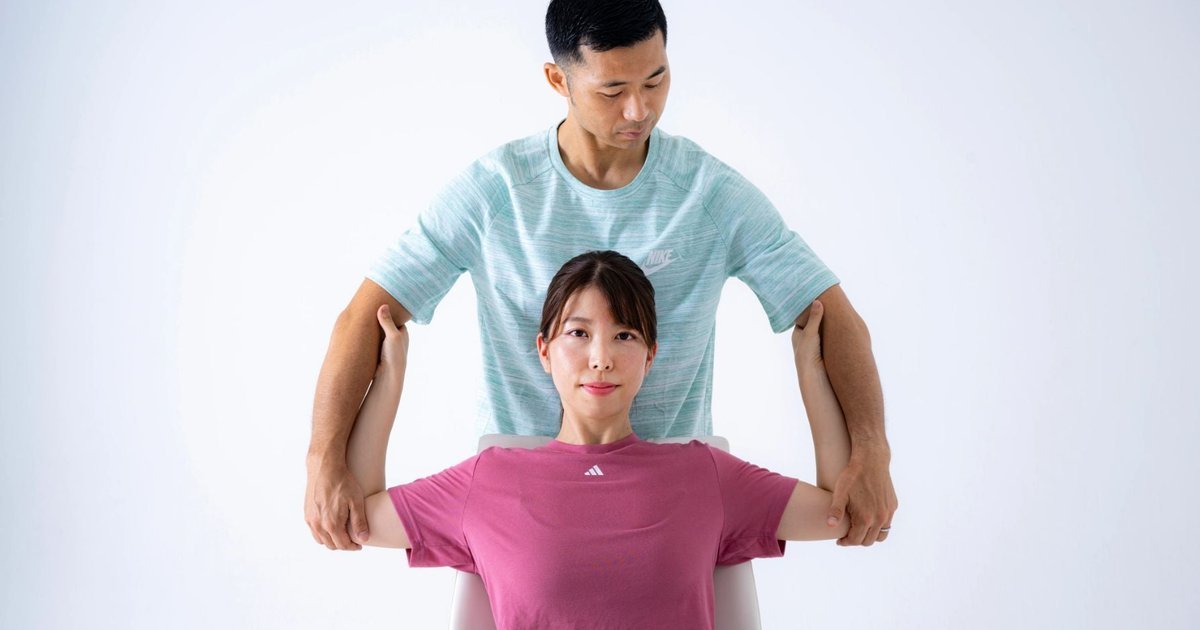
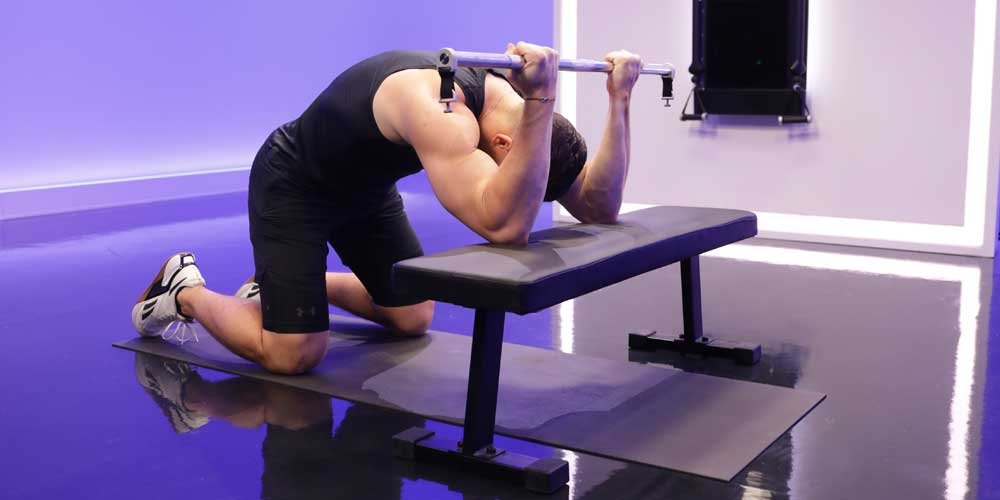
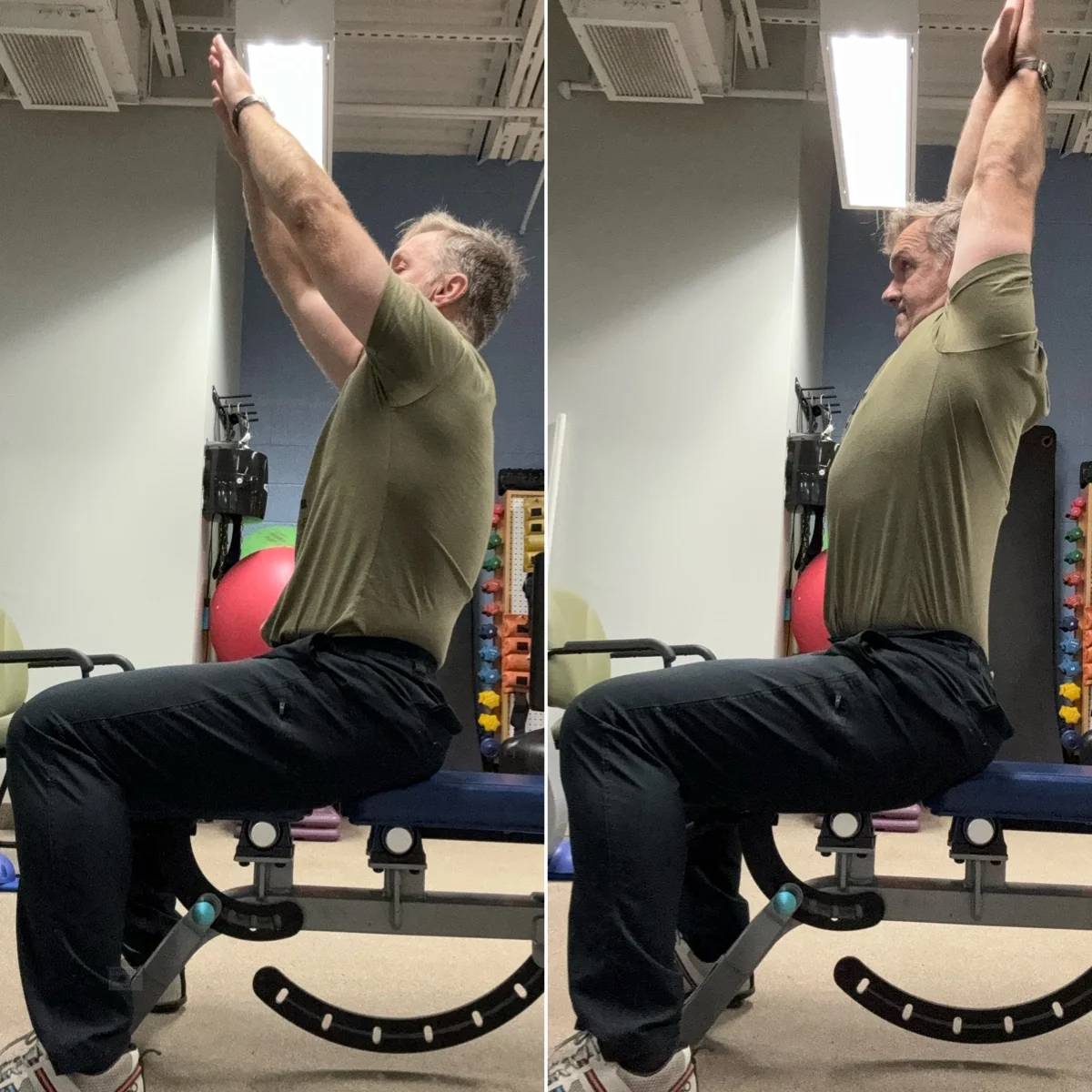
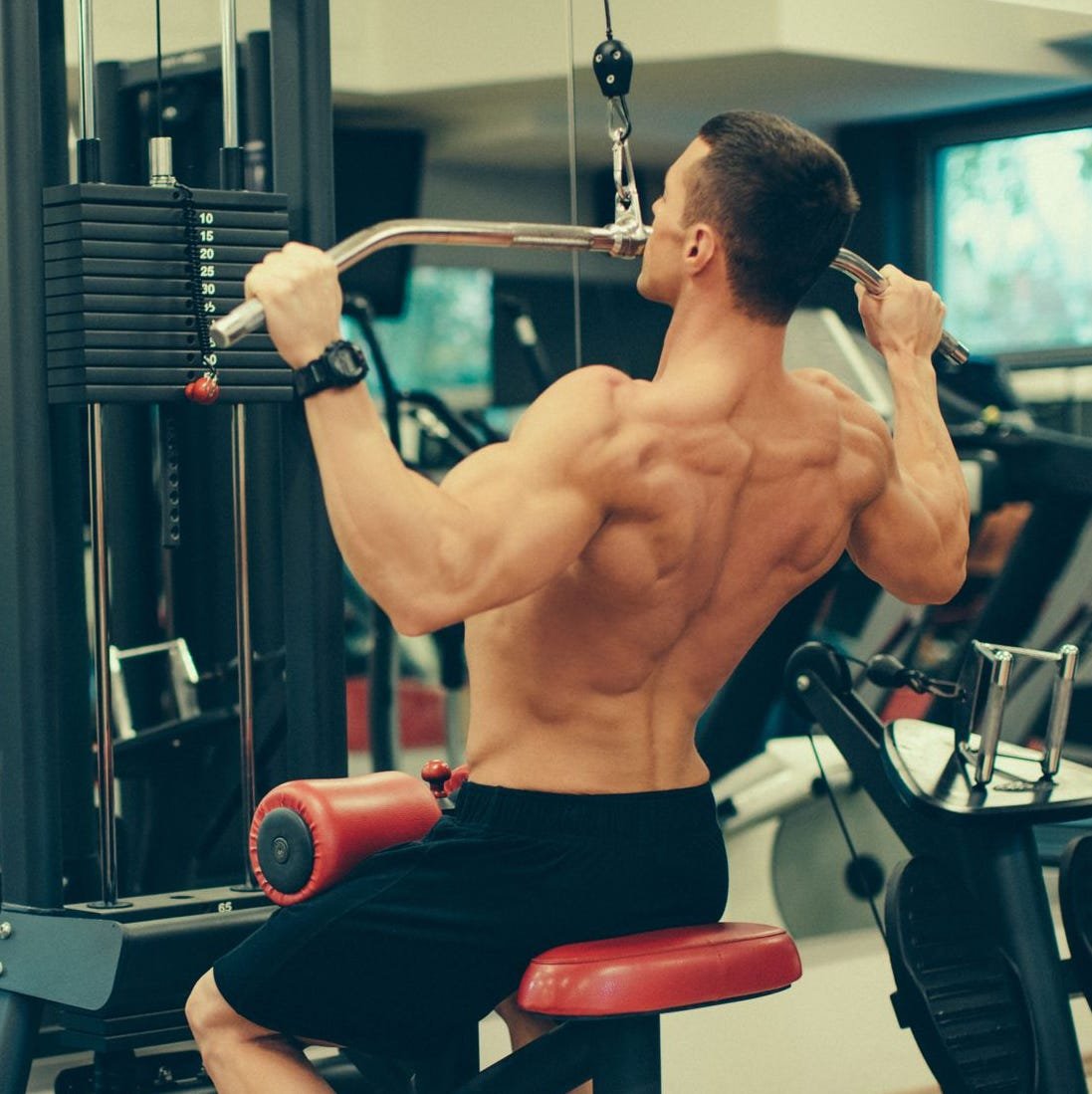
For a lifter, the practical consequence is straightforward. A familiar bench-supported lat stretch may show the general area being lengthened, but a photograph cannot tell you the force, timing or intended contraction of a research protocol. Nor does a trainer moving someone’s arms backward establish that the technique matches the experiment. Visible similarity is a weak basis for copying a method that contains several hidden variables.
Separate the goal of comfortable movement from the goal of adding repetitions. You might value a gentle, familiar mobility drill because it helps you settle into your normal exercise position. That remains a personal observation; it does not turn the drill into a proven performance enhancer. Equally, flexibility practice can be worthwhile without earning its place inside the rest interval of every working set.
Do not invent a hard contraction or forceful partner-assisted stretch to fill the missing instructions. Learning a demanding technique during an already tiring chest or back session makes interpretation harder. If you want to explore PNF specifically, obtain clear instruction from a qualified coach who can distinguish its versions and adapt the position to you. A simple name on a workout card is insufficient detail.
A rest interval has a job of its own
Different interset activities do not all produce the same result. A separate experiment in 14 untrained men compared passive rest, 20 seconds of static stretching and walking during leg-extension rest intervals. It found no significant differences in repetitions to exhaustion or total volume load. That result concerns a different muscle group, population and intervention. It helps resist a sweeping claim that making the break more active must improve the next set.
Coaching guidance on rest also considers more than the stopwatch: local muscular fatigue, breathing and mental readiness can all matter. Adding an activity changes what happens during that recovery window. The relevant comparison is the next set you can perform to your intended standard, not how busy the interval looks.
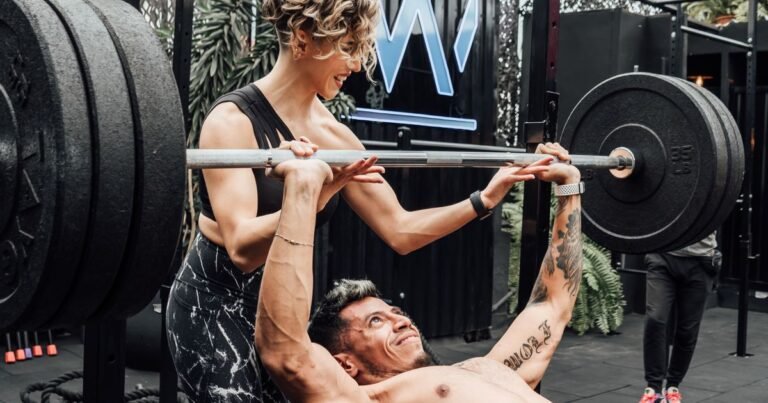
Consider two chest sessions with identical written breaks. In one, you sit, reset the seat and rehearse your starting position. In the other, you walk across the room, wait for assistance and stretch before returning. The timer may show the same number, yet the routine contains different movement, attention and setup demands. An apparent benefit or drawback cannot be credited confidently to stretching if several things changed together.
Equipment consistency matters here too. On a pec deck, record the seat and starting-arm positions. On a lat pulldown, note the handle, thigh-pad setting and how far you lean. A different grip or movement endpoint creates another comparison. Choose equipment that supports repeatable chest and back work; an attachment does not establish the value of a stretching method.

Equipment Worth Exploring
Explore equipment, accessories and gear from our carefully selected range.

Pec Fly/Rear Delt PEC-650
Combination machine with adjustable movement limits for chest fly and rear-delt exercises.

Trinity Lat Machine LSW-850
Weight-stack pulldown tower offering three cable directions and adjustable seated support.

VForce Lat Tower
Wall-mounted cable tower with pivot arms and adjustable 1:1 or 2:1 pulley ratios.

VForce Wall Trainer
Space-saving wall-mounted functional trainer with pivoting cable arms and variable resistance ratios.

VForce 2IN1
Half rack and pivot-arm functional trainer with switchable 1:1 and 2:1 pulley ratios.
VOLTRA
Compact digital cable trainer with smooth, adjustable resistance.

48in Aluminum Lat Bar
48-inch aluminum lat pulldown bar with knurled grip and rotating center swivel.

44in Dual Hook Bar
44-inch aluminum dual-hook straight bar for cable rows, pulldowns, and curls.

Lat Pulldown Set
Multi-grip cable attachment set for pulldowns, rows, and varied upper-body training.
Keep performance, effort and longer-term progress separate
The PNF experiment also measured blood lactate, with lower values in some conditions at selected times. That measurement and perceived effort did not form one simple ranking. A more favorable reading on one measure does not mean every aspect of a session improved.
Think of a workout dashboard with separate columns. Repetitions describe completed work. Perceived effort describes how demanding the experience felt. A laboratory measurement describes something else again. Combining those into a vague “recovery score” discards information. A session that feels smoother may be appealing, but you still need to ask whether the load, movement standard and completed work remained comparable.
Here is an illustrative logging problem. Suppose a lifter records 12, 10 and 9 repetitions one week, then 12, 11 and 9 the next. If the second week also used a shorter range or a more generous definition of a completed repetition, the extra rep is not a clean comparison. The same applies if a partner began assisting the hardest part of the movement. The numbers look precise while the underlying task has shifted.
Likewise, a good afternoon does not establish a better training block. Your eventual decision might be to retain a comfortable routine because it fits the session, drop it because it is distracting, or keep observing because the difference is unclear. Those are useful outcomes even when no dramatic performance claim emerges. The discipline is to describe what you observed and leave the larger claim unmade.
For upper-body training, precise language is more useful than a universal hack. Record whether a change affected comfort, setup, effort or completed work. That gives the next session a meaningful question to answer.
How to evaluate the idea without turning every break into a test
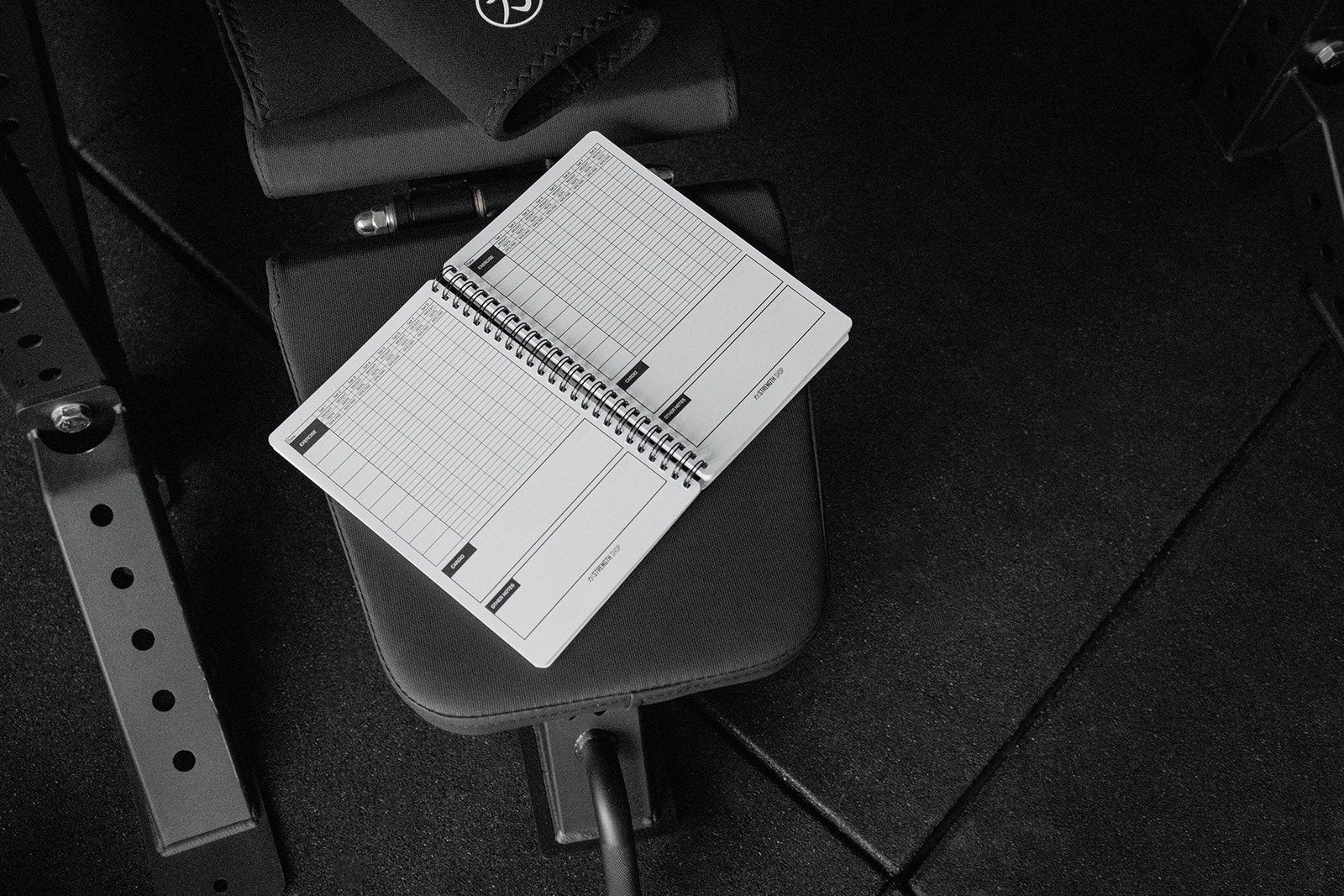
Start with a stable baseline. Pick familiar exercises and keep their order, setup and working loads consistent enough that your notes mean something. Write down the planned rest interval rather than reconstructing it afterward. Also record your ordinary stopping rule: a set ended at a chosen repetition target is different from one stopped when another acceptable repetition was impossible.
Next, decide what you are evaluating. If your interest is simply whether a familiar gentle stretch improves comfort, say so. Do not label that a replication of PNF research. If a coach introduces a specific PNF method, record the actual instructions instead of reducing them to “stretch during rest.” Keep the experiment modest and avoid stacking it with a new exercise, new grip and new progression scheme.
A short log can cover the essentials: exercise and settings; load and repetitions for each set; actual rest time; activity during the break; perceived effort; and any change in movement quality. A brief note such as “same repetitions, easier setup” is more informative than “worked well.” If you skip the activity on one set, record that too rather than smoothing the session into a cleaner story.
Do not force an uncomfortable range or continue a drill that causes pain. You do not need to push through a questionable stretch to make the comparison worthwhile. Keep appropriate recovery available, and return to your established routine if the addition makes the session harder to manage. A training idea should earn its place through useful, repeatable observations.
The strongest habit to take from this discussion is careful comparison. Maintain your standards, change one meaningful variable at a time and give uncertain results room to remain uncertain. PNF between sets is an interesting question for upper-body training. It becomes less useful when an intriguing experiment is turned into a compulsory ritual that interrupts otherwise solid work.

Funny Gym Shirts & Workout Gear
Funny gym shirts, tanks, hoodies and workout gear for lifters who like training hard.

Anti Stretching Stretching Club Meme Shirt – T-Shirt
Bring “Anti Stretching Stretching Club” humor to your next gym day.


Consistency King Tee
Make gym days more fun with “Consistency King Stoic Greek God Marble” style.

Safety Practice Safe Sets Vest Weightlifting Tank Top
Bring “Gym Safety” humor to your next lifting session.

Lift Smart Brain Weight Plate Mind Muscle Connection 45 Hoodie
Keep it laid-back with a little “Lift Smart Brain Weight Plate” attitude.

Mind Muscle Perfection Brain and Biceps Gym for Science Sticker
Give your everyday gear a playful “Mind Muscle Perfection Brain and Biceps” twist.

Bro Science Graph Shirt – Essential & Gains T-Shirt
Heavy lifts, good laughs, and a little “Bro Science Graph” energy.

Vive La Resistance Bands – Resistance Bands Warmup Reha Tank Top
Your gym-day look, with a playful “Vive La Resistance Bands” twist.

Chest Day Sweater Bench Press & Meme T-Shirt
Add a playful “Chest Day” touch to your casual rotation.

Bro Science Periodic Table Tee
Heavy lifts, good laughs, and a little “Bro Science Periodic Table Graphic” energy.