Advertising disclosure: This page includes affiliate product links that may earn us a commission, as well as products from our own store.
Wrist Roller vs Wrist Curls: Build Bigger Forearms With Less Guesswork
Forearm training is easy to overcomplicate. You can spend a session collecting grip gadgets, chasing the biggest pump and still have no useful way to measure improvement. Two inexpensive options do much of the practical work: a wrist roller with a hanging load and ordinary dumbbell wrist curls. Both challenge the muscles around your wrists, but they do not impose the same task.
A roller makes you repeatedly turn a handle while a plate rises, then control its descent. Wrist curls let you train a shorter, more isolated motion with supported forearms. Choosing between them is less about finding a magical forearm exercise and more about deciding whether you need a repeatable strength set, a longer endurance challenge or a combination that fits your existing training.
Why a roller and a wrist curl are not interchangeable
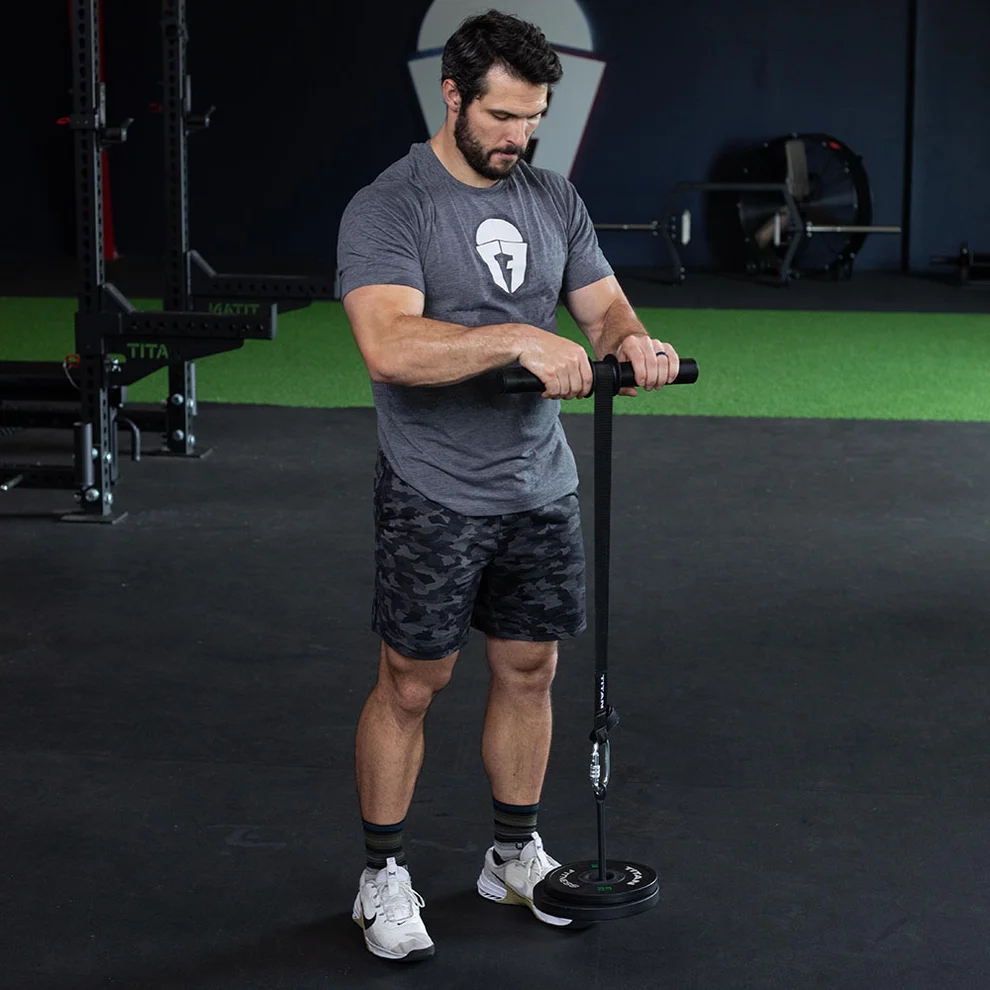
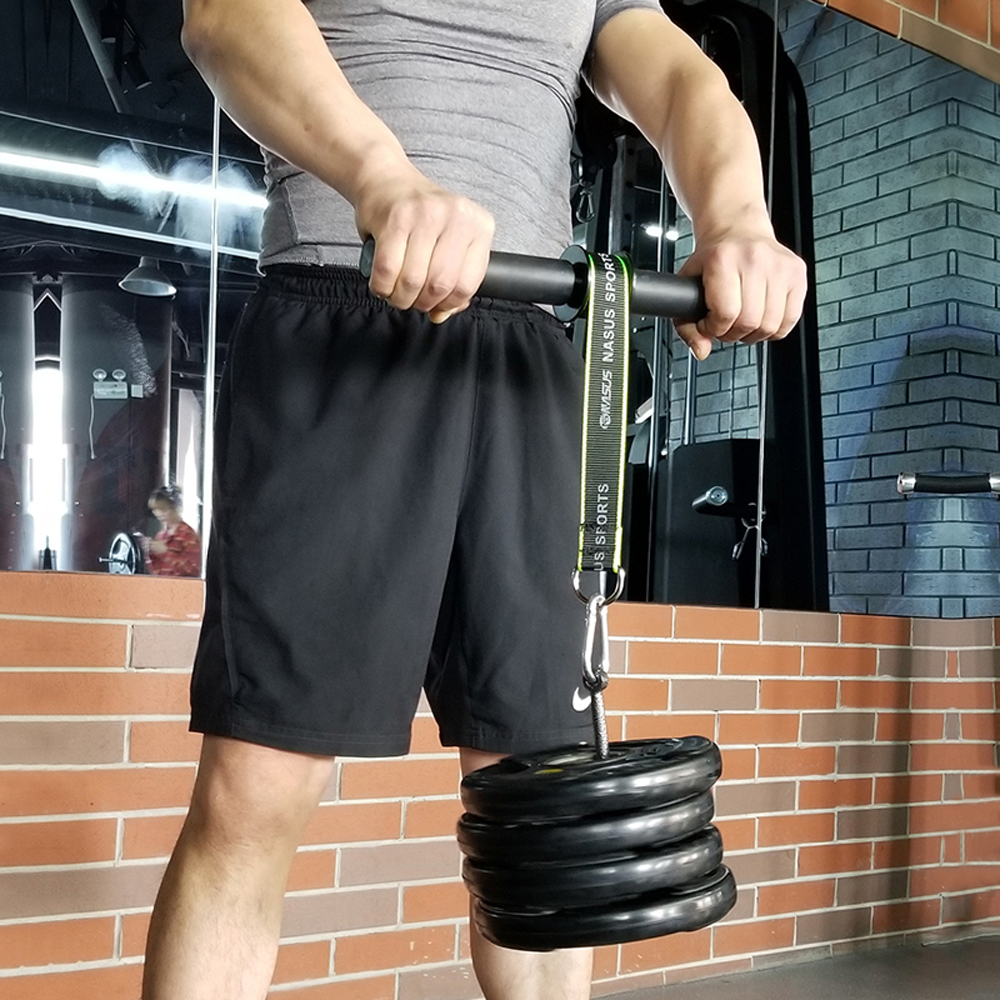
With a wrist roller, the weight hangs from a cord instead of sitting directly in your hands. Each small wrist turn winds the cord around a cylinder. You must keep gripping that cylinder throughout the winding and unwinding, so the finger muscles help even when the objective is to move the wrists. The work is continuous until you reach the top, reverse the direction and bring the weight down again. That makes one complete up-and-down trip a much more useful unit than counting every little hand rotation.
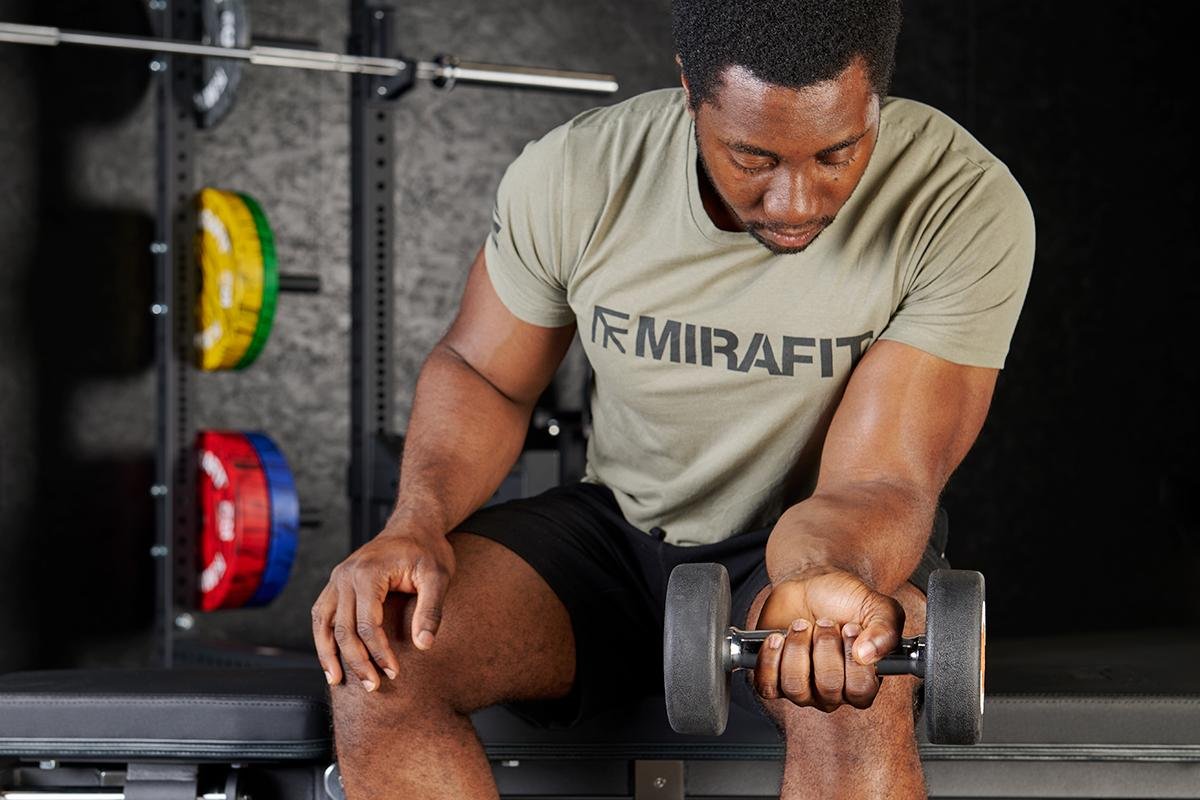
A seated wrist curl is more specific. Rest your forearms on your thighs or a bench, leave the hands beyond the edge and bend the wrists while the elbows stay quiet. Turning your palms up emphasizes the wrist-flexion pattern; turning them down makes wrist extension easier to isolate. The moving weight follows a shorter path, and you can record conventional repetitions. If the goal is to improve a measured dumbbell wrist curl, that exercise gives you a cleaner benchmark than timing a roller.
Neither exercise has special evidence proving it builds larger forearms than the other in every lifter. They share some muscles but challenge grip, stabilization and fatigue differently. Use the roller when you want an economical continuous-grip finisher; use supported curls when you want a clear flexion or extension progression. If your forearms already tire after heavy rows, start with whichever option lets you preserve controlled movement rather than simply prolonging the burn.
Identify the weak link before adding more load
Your first decision should be what fails during a set. If the plate stops rising because your fingers can no longer keep the roller turning, the challenge may be grip endurance. If you can keep gripping but your wrists can barely move through their intended range, the local wrist muscles are more limiting. If your shoulders begin shaking while your forearms still feel fresh, holding the roller at shoulder height has become the main difficulty. These are different outcomes, and they call for different adjustments.
For a free-standing wrist roller, check that the cord and attachment are secure, and start with a light, clearly marked plate. Stand balanced with enough clearance for the load to travel without hitting your shoes. Hold the shaft around chest height, elbows comfortably extended rather than rigidly locked, and avoid leaning backward to help the weight. Turning the handle should raise the plate gradually. If the cord bunches unevenly or the hook twists, stop and reset the hardware before beginning a work set.
You can also support the roller on a compatible rack-mounted unit or lower the arms if shoulder fatigue is the limiter, provided the equipment is designed for that position. A supported roller does not make the forearms effortless; it simply removes some static shoulder work. Keep that distinction in your log. Changing from arms-out to rack-supported while retaining the same plate is a different exercise setup, so an instant increase in rounds is not proof that your forearms suddenly got stronger.

Equipment Worth Exploring
Explore equipment, accessories and gear from our carefully selected range.
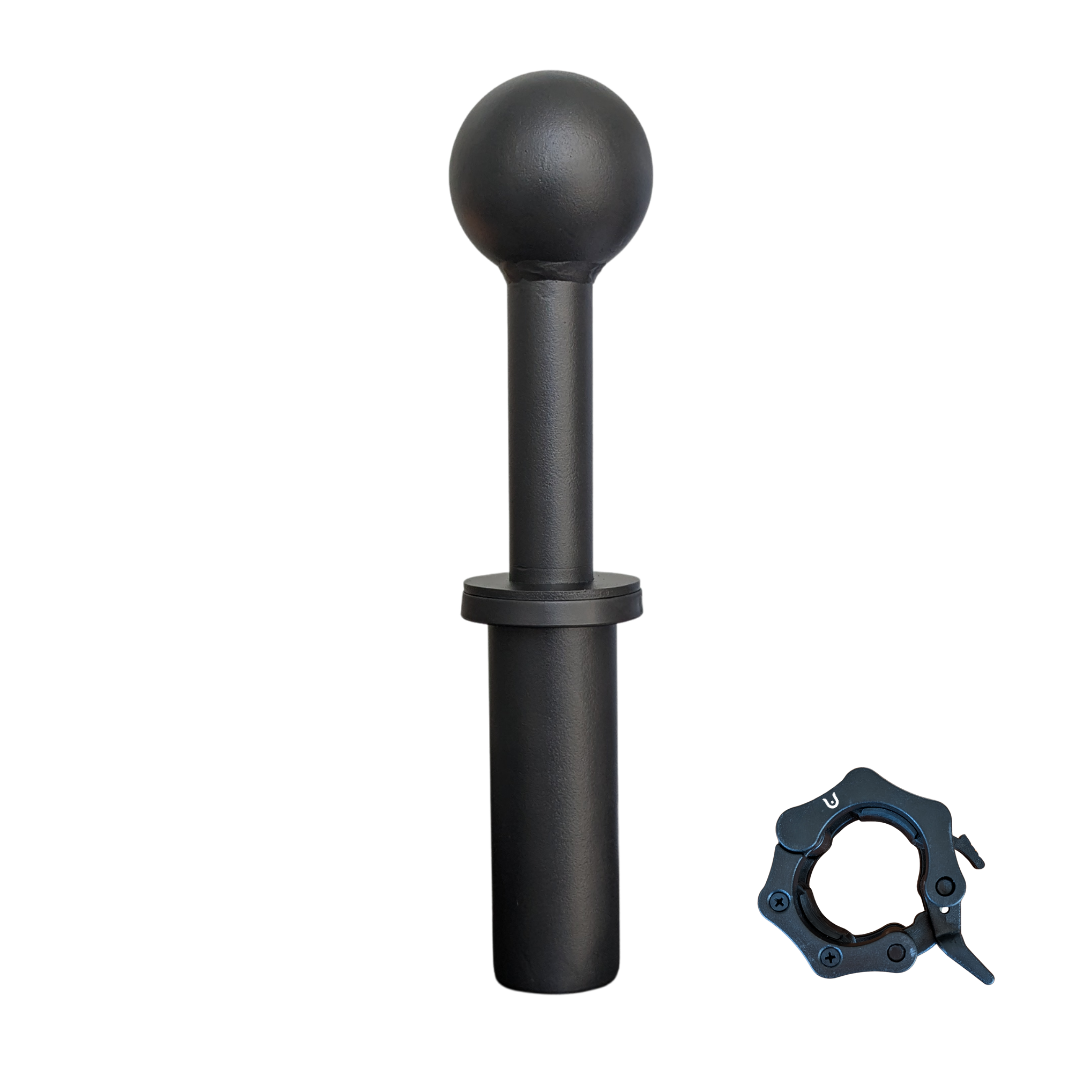


Grip Plates
Rubber-coated weight plates with handholds for loading barbells and machines.

Competition Plates
Competition-style bumper plates for Olympic lifts and loaded strength training.

Leather Wrist Grips
Padded leather lifting grips help support the hands and wrists on heavy pulling exercises.

Leather Lifting Straps
Padded leather straps support grip during heavy rows, deadlifts and pulling exercises.
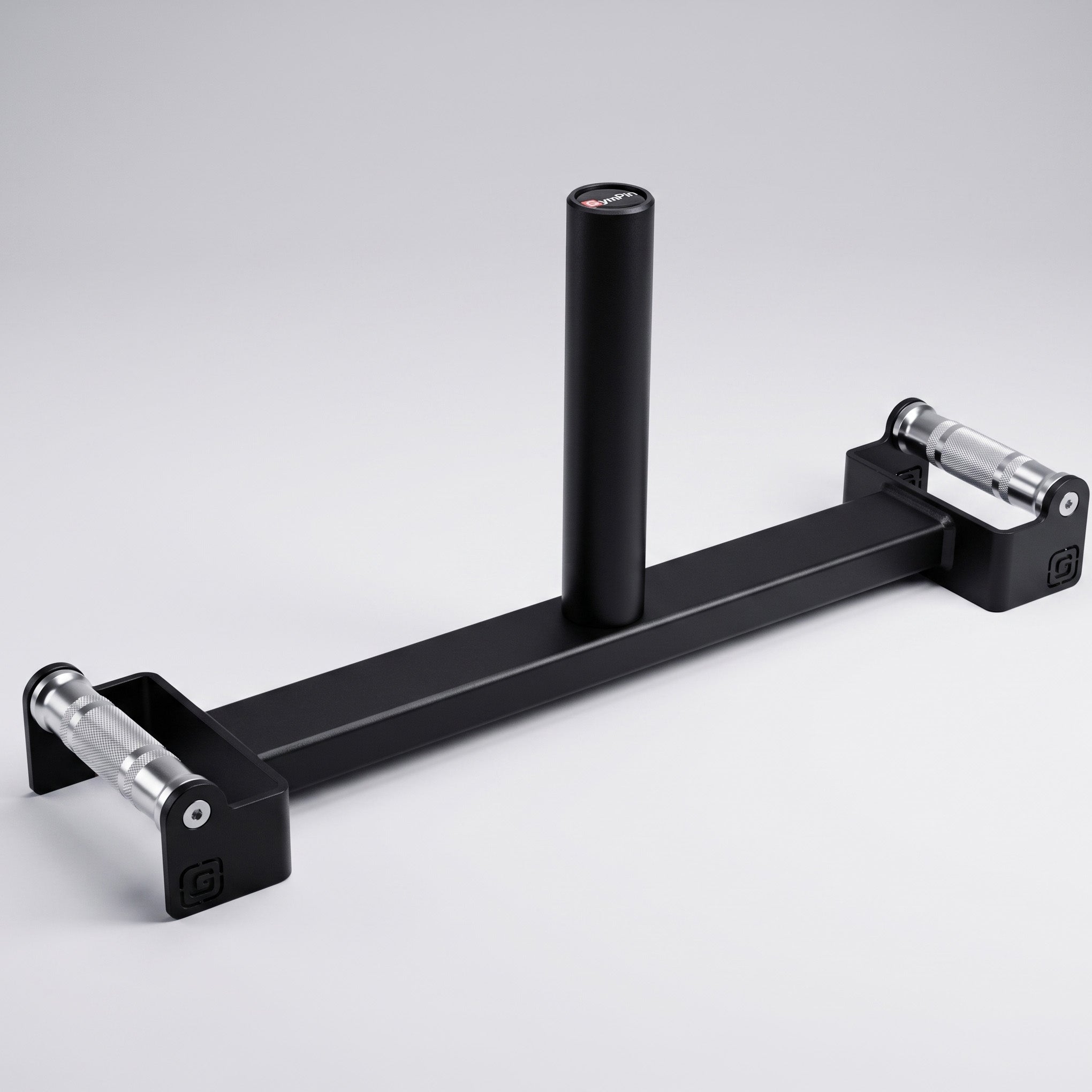
GymPin Hyper Loader
Central Olympic-plate loading attachment for weighted hyperextensions.

Make the lowering phase part of every repetition
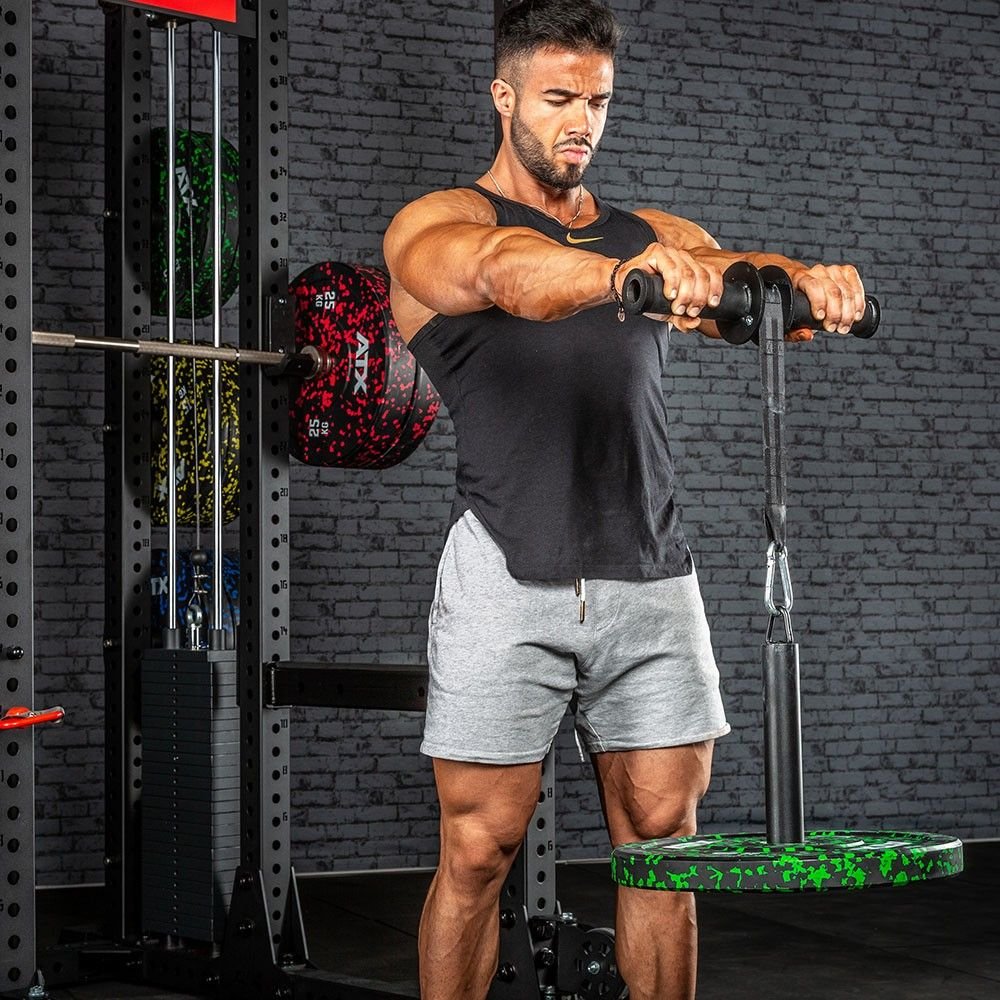
Start with the plate near the floor and a controlled grip around the shaft. Rotate the wrists in small alternating turns until the cord has wound up. Keep your upper arms as still as practical, and take a brief breath rather than shrugging the shoulders upward. When the plate reaches its safe highest point, reverse the wrist turns and guide it down. Do not release the handle and let the plate free-fall: the downward phase is work you can train, not an intermission between upward efforts.
Choose one direction for a full set and note it. Changing the winding direction alters which wrist action gets more of the challenge, especially when you reverse the cord on the way down. For general forearm training, alternate directions over successive sets or sessions rather than spinning randomly through whichever pattern gets the weight up fastest. A consistent direction, plate, rope length and handle height makes the next session comparable. Film one short set if you are unsure whether your arms and trunk remain steady.
Stop a set when the next turn would require wrist jerking, shoulder swinging, excessive neck tension or letting the plate slam down. A strong forearm pump is normal; sharp wrist or elbow pain is a reason to stop and reassess, not a target sensation. The complete trip matters more than achieving a particular plate number. A very light roller performed through the full safe travel can be a better training stimulus than a heavy one that only lifts the plate a few inches.
Where curls, hangs and thicker grips fit
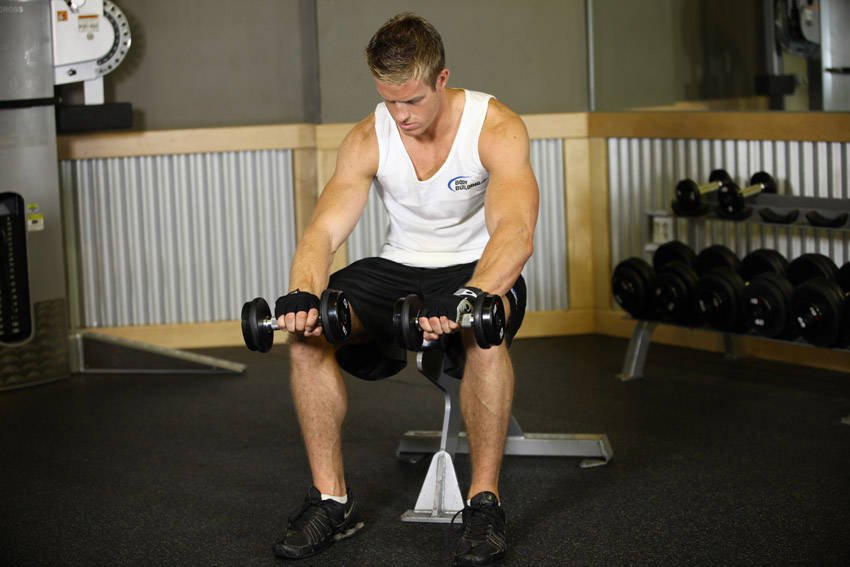
Supported dumbbell wrist curls solve two common roller problems: they provide a stable forearm position and let you progress one wrist at a time. Try a palm-up set with the wrist moving freely beyond the bench edge, then a lighter palm-down set. Keep the wrist movement smooth and avoid bouncing at the bottom. Because the forearm is supported, you can stop worrying about whether your shoulders will survive the next twenty seconds and concentrate on the intended motion.
Heavy carries, dead hangs and rows serve a different purpose. They train your ability to keep an object in your hands while your whole body or other joints work. They are useful for grip performance but cannot be treated as interchangeable substitutes for local wrist flexion and extension. A thick handle can further challenge the fingers, yet it can also reduce the load you manage. Measure the intended skill: held time for hangs, distance for carries and controlled repetitions for curls.
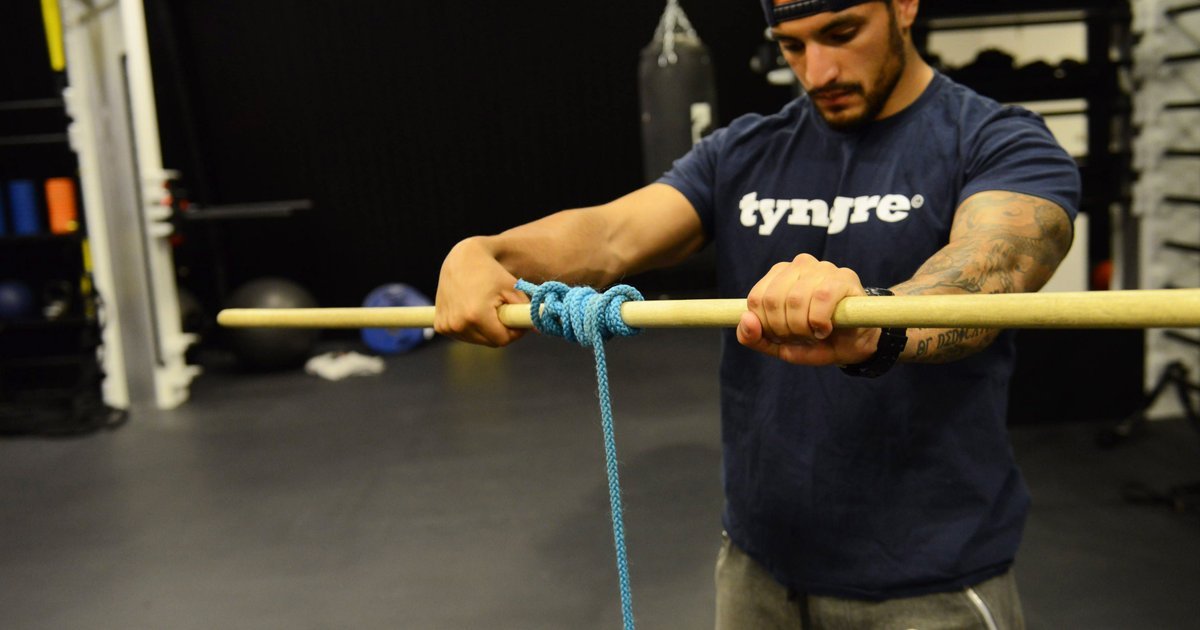
If you have limited home-gym space, do not buy an entire forearm station just to begin. A basic roller plus your existing small plates and dumbbells offers several distinct training options. Use carabiners, straps and loading pins only within their published ratings and inspect them for wear. If you substitute a homemade dowel and rope, verify that the rod, connection and plate attachment can safely handle the moving weight. Simple does not mean improvised hardware is automatically safe.
Equipment Worth Exploring
Explore equipment, accessories and gear from our carefully selected range.


Rubber Hex Dumbbells
Rubber-coated hex dumbbell pairs with a stable shape for home and commercial strength training.


EZ Curl Barbell
Olympic EZ curl bar with angled grips for curls and triceps exercises.

Angles 90 Grips
Flexible grip attachments that allow natural wrist movement during pulling exercises.

GymPin Ergo Handles
Pair of ergonomic cable handles shaped for comfortable triceps and pulling exercises.

VOLTRA
Compact digital cable trainer with smooth, adjustable resistance.
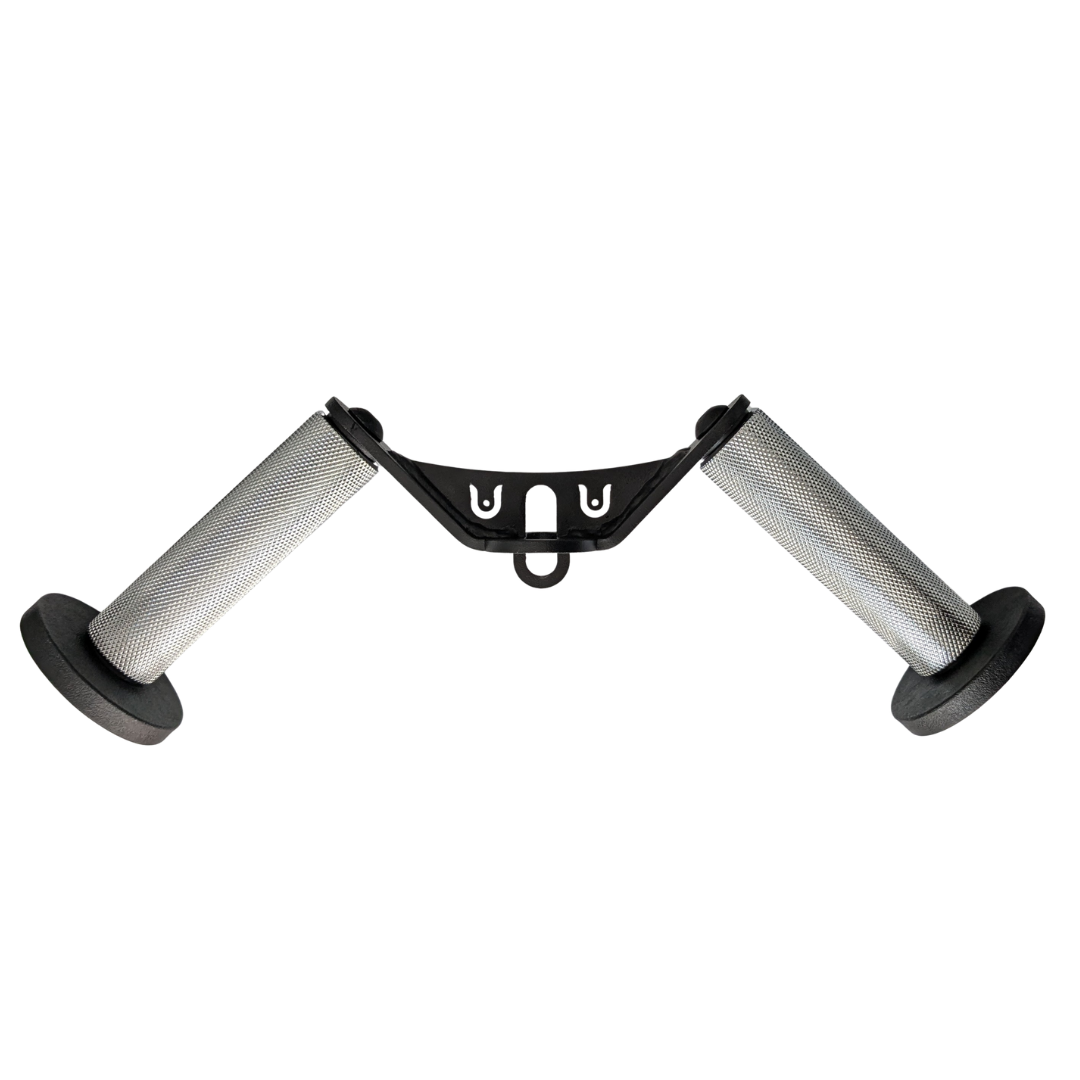
W Grip
Angled cable grip for comfortable rows, pushdowns, and curls.
A six-week routine that you can actually compare
For weeks one and two, attach the lightest plate that lets you complete one full upward wind and one controlled unwinding. On two nonconsecutive days each week, perform two rounds, resting about 60 to 90 seconds between them. Finish with one light set of supported wrist curls in each direction, stopping before the motion gets sloppy. Record the plate, rope length, number of full trips and whether the roller was free-standing or supported. Keep other strenuous grip finishers modest while you establish this baseline.
In weeks three and four, aim to complete two or three high-quality rounds per session with the same plate. Add a round only when the last descent is as controlled as the first. You can alternate winding directions between the first and second rounds; record which was which. If you struggle to keep your elbows still during a free-standing set, shorten the work interval or use a designed support rather than hiding the problem under heavier weight. Retain the separate wrist-curl sets if you tolerate them well.
During weeks five and six, choose only one progression: a small plate increase, one additional complete round, or slightly longer controlled winding at the same load. Do not increase all three at once. Keep at least a day between demanding forearm sessions, and reduce volume if your hands are already exhausted from heavy pulling or climbing. Your log should show a real comparison by the end: the same setup completed with better control, more travel, more rounds or a modestly heavier load.
Forearm training should make your other lifting easier to sustain, not leave your wrists irritated every time you grip a bar. There is no need to turn a burning sensation into a contest. If pain, tingling or persistent loss of grip appears, stop the exercise and get appropriate medical advice. For everyone else, a quiet handle, a controlled plate and consistent records are enough to decide whether the roller, wrist curls or both deserve a regular spot in the program.

Funny Gym Shirts & Workout Gear
Funny gym shirts, tanks, hoodies and workout gear for lifters who like training hard.


Slip Not Grip Training – Heavy Metal & Gymbros – T-Shirt
Heavy lifts, good laughs, and a little “Slip Not Grip Training” energy.

Every Day Is Arm Day
Make gym days more fun with “Every Day is Arm Day Octopus Gym Meme” style.

Grip Training Essential Gymbro Jumper & T-Shirt
For laid-back days and lifting humor: “Grip Training Essential”.

Pumpeye Sweater Forearm & Grip Training Popeye Meme T-Shirt
For laid-back days and bodybuilding humor: “Pumpeye”.

Grip Strength Fanatic Meme Hoodie
Show off your lifting humor in a laid-back “Grip Strength Fanatic” hoodie.

Welcome to the Gun Show Hoodie
Keep it laid-back with a little “Welcome to the Gun Show” attitude.

Guns N Poses – Rock Music Arm Day Meme Vest Muscle Shir Tank Top
Add some rock-and-lifting attitude to training with “Guns N Poses”.

Gym If You're Reading This It's Arm Day Drake Parody & Tank Top
Train hard, laugh a little, and rep “If You're Reading This It's Arm Day Drake”.

Right To Bare Arms George Washington Decal Sticker
Stick a little “Right To Bare Arms” humor on your favorite gear.