Advertising disclosure: This page includes affiliate product links that may earn us a commission, as well as products from our own store.
Citrulline Malate Before Lifting: More Reps Are Possible, Not Promised
Citrulline malate is easy to sell with a promise: a bigger pump, more repetitions and a better workout. The useful question is narrower. Does adding it improve the work you actually complete, enough to justify another purchase and preparation step? The evidence leaves room for a small benefit, but little room for certainty.
For lifters, that means separating an ingredient mechanism from a training result, and a good session from a lasting change. Here is how to read the findings, compare labels and make a practical decision without turning every workout into a supplement experiment.
1. A small average effect is not a forecast for your next set
A June 2026 review combined 30 randomized trials involving 644 participants. The pooled performance effect was small: a standardized effect of 0.16, with low to very low certainty. Perceived exertion did not improve significantly overall. Results varied, and the analysis did not establish a reliable best dose, timing strategy or group of people who consistently benefit.
That standardized effect is not a 16% improvement. It cannot be translated into a guaranteed extra repetition on your bench press. The review combined different exercise tests, and an average across those tests does not describe every session or person.
Consider two ways of evaluating your training. One records whether the workout felt exciting. The other records the load, repetitions, rest period and point at which you stopped each set. Enjoyment has value, but the second record is more useful when deciding whether a performance product earns a place in your routine.
Keep the question specific. If you want more repeatable pressing performance, examine pressing performance. A changed sensation in your arms or an unusually energetic warm-up does not answer that question. Nor does a personal best after changing the exercise order, the bench angle and the amount of rest.
This is also a reason to set expectations before buying. An optional product can be worthwhile without transforming training. Equally, you can decide that an uncertain marginal benefit is not worth the cost or inconvenience. Neither decision requires treating the ingredient as either essential or completely useless.
2. Read the ingredient amount, the blend and the rest of the label
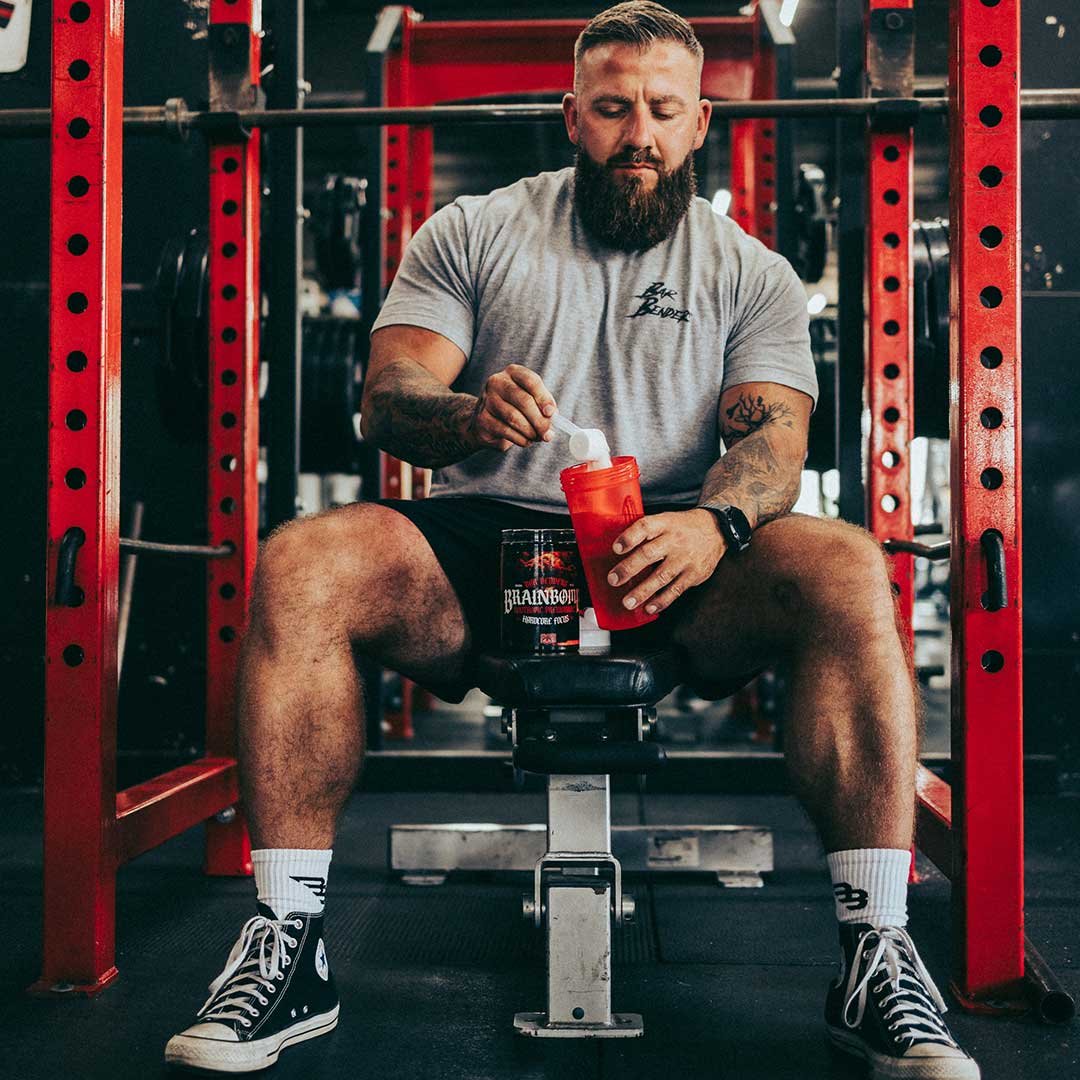
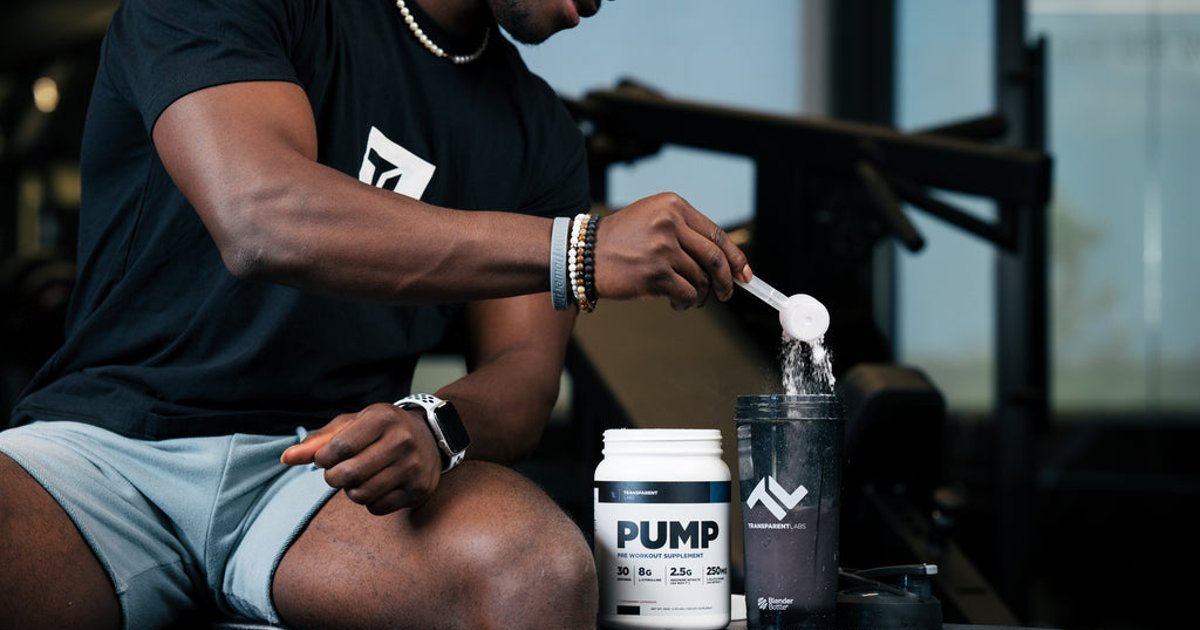
L-citrulline and citrulline malate are not interchangeable gram for gram. Citrulline malate includes malate, so the total amount of powder is not automatically the amount of L-citrulline. Products also describe ratios differently. A clearly stated blend amount is more informative than a large scoop illustration on the front of a tub.
If a label explicitly describes a 2:1 ratio by weight, six grams of that mixture would mathematically contain four grams of citrulline and two grams of malate. That calculation explains the label; it does not verify the contents or prove that four grams is an effective dose for your workout. Do not assume every product uses that ratio or has independently verified composition.
Build a comparison around three entries: the named ingredient, the disclosed amount per serving and the actual number of servings. Then list everything else in the formula. A multi-ingredient pre-workout may also contain caffeine or creatine. Any change after starting the whole product cannot automatically be attributed to citrulline.
Cost comparisons need the same care. A cheap tub with a small serving and a larger tub with a different formula cannot be compared simply by counting scoops. Use the stated serving instructions, price and disclosed ingredients. Avoid treating a study’s intake as a reason to exceed a product label or combine several overlapping products.
Tolerance matters too. Stomach discomfort has been reported, while evidence on prolonged supplemental use remains incomplete. If you take medication or manage a health condition, check the full formula with a qualified clinician or pharmacist before experimenting. A supplement that disrupts training is not delivering a useful benefit.
3. The lifting trials do not tell one consistent story
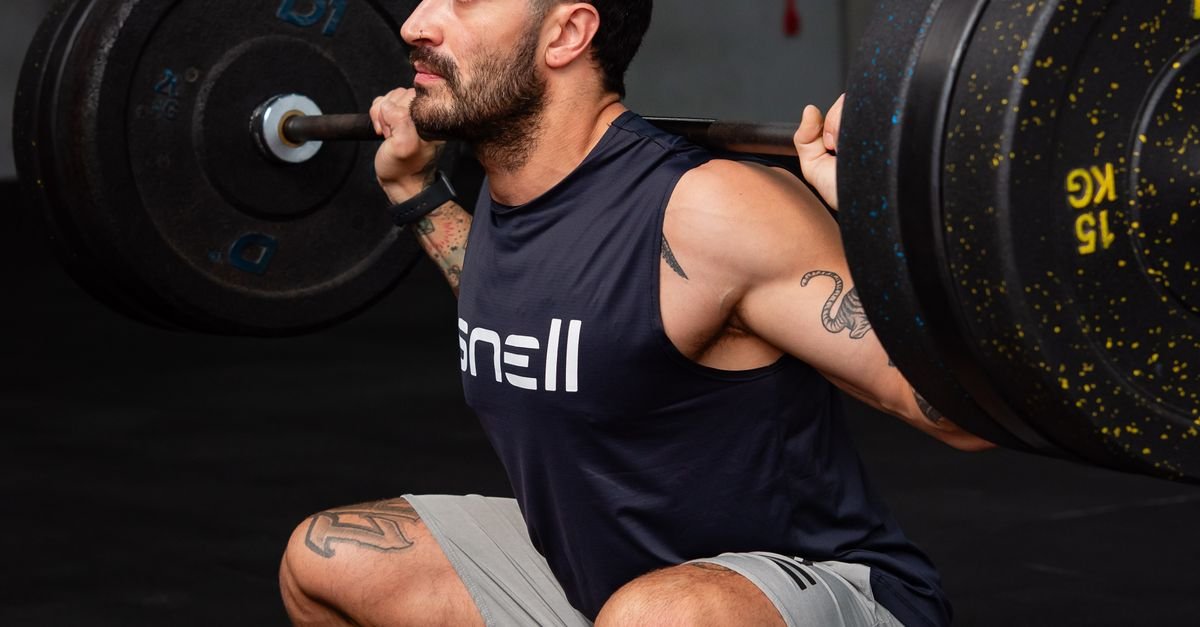
A small March 2026 pilot compared eight grams, twelve grams and placebo in 12 trained adults. Participants performed bent-over rows and leg presses. The higher intake improved the repetition outcome, with the observed advantage concentrated in the leg press. The smaller intake did not establish the same benefit. This was a limited acute experiment, not a long-term muscle-building trial.
Another trial reported in October 2026 tested 22 resistance-trained men. They completed separate sessions after L-citrulline, citrulline malate or placebo, followed by five sets to failure of back squats and bench presses at 70% of their one-repetition maximum. Neither supplement condition improved total repetitions, perceived exertion or soreness compared with placebo.
These findings do not justify calling twelve grams a universal solution or claiming that supplementation never works. They show why one successful protocol cannot settle the question for all exercises, people and products. A result on a leg press does not automatically transfer to your dumbbell curl, and a single-session test does not establish months of added progress.
When you hear a strong claim, ask what was actually tested. Was the outcome a final set to exhaustion, all repetitions across a session, muscle size or a subjective rating? Were the participants trained? Was the product tested alone? Were the exercises and rest periods close to your own routine?
Keep your normal safety practices while answering those questions. You do not need to copy repeated sets to failure on squats or bench presses to evaluate a supplement. Use your established training plan, appropriate safeties and normal stopping rules. A research protocol is evidence to interpret, not an automatic prescription for your next workout.
4. A pump, extra repetitions and muscle growth are different outcomes
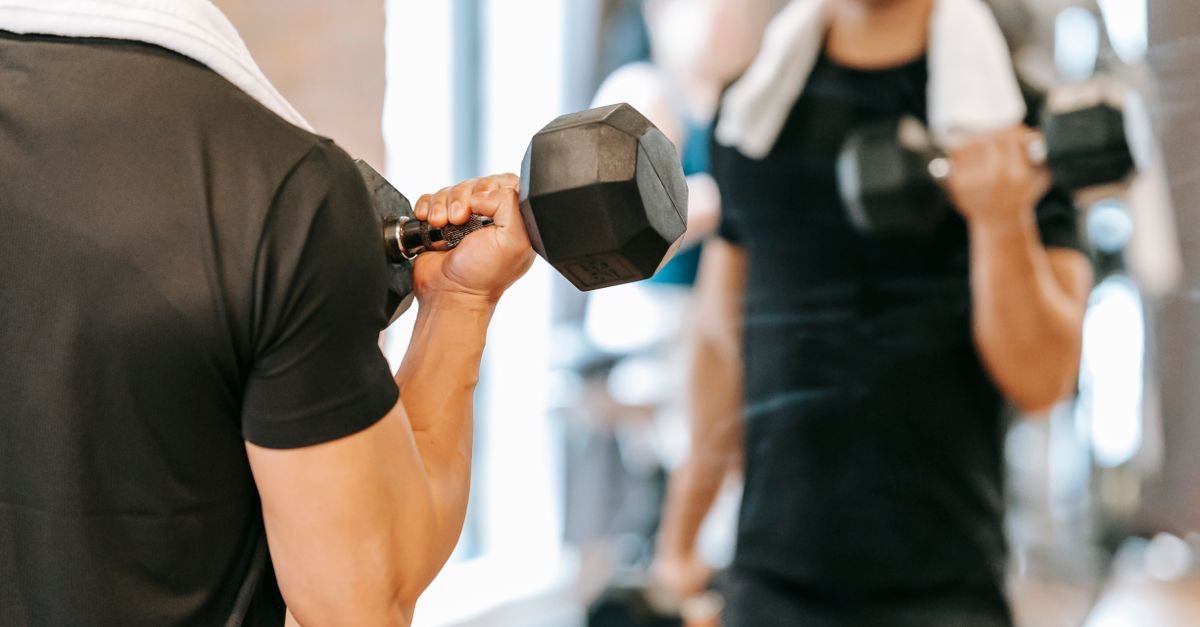
A fuller-looking arm immediately after curls is not a measurement of new muscle tissue. Likewise, completing more repetitions on one day is not proof of superior growth over a training block. Those observations answer different questions, so keep them separate in your notes and expectations.
A 2025 analysis of 21 trials examined citrulline or watermelon supplementation and body composition. Overall, it found no substantial improvement in fat-free mass, body fat or the other assessed body-composition outcomes. Some subgroup signals appeared, but the overall findings do not establish citrulline as a dependable muscle-gain or fat-loss tool. The included populations and interventions also extended beyond trained young lifters using citrulline malate.
A sensible training record therefore has different time horizons. Session notes describe performance and tolerance. A longer record describes how your established exercises and physique measures change. A mirror check after an arm workout belongs in the first category, not as the final verdict on the second.
For physique comparisons, use similar conditions rather than your best post-workout lighting one week and a rushed morning photograph the next. For exercise comparisons, preserve the same range of motion and stopping rule. Otherwise, a larger number may simply describe a different task.
There is nothing wrong with enjoying a pump. The mistake is making that enjoyment carry a claim it cannot support. Buy training apparel because you like the design, choose your equipment for its practical fit, and judge a performance supplement by the outcome you wanted to improve.

Bodybuilding Shirts & Workout Gear
Bodybuilding shirts, tanks and gym gear for lifters chasing muscle, size, symmetry and the pump.

Broscientology Crewneck Pullover Sweater Bro Science Gy T-Shirt
Show some gym-day personality with “Broscientology”.

Bro Science Element Chemical T-Shirt
Show some bodybuilding attitude with a playful “Bro Science Element” tee.

Bro Science Graph Shirt – Essential Maximum Rizz & T-Shirt
Bring “Bro Science Graph” humor to your next gym day.

Creatine Gym Cosmic Graphic , Crazy Workout Pullover Hoodie
Show off your bodybuilding humor in a laid-back “Creatine” hoodie.

Preworkout – Heavy Metal Gym Vest for Bodybuilding and Tank Top
Bring “Preworkout” humor to your next lifting session.

Control Your Gains Stoic Greek God Marble Sculpture T-Shirt
Make gym days more fun with “Control Your Gains Stoic Greek God Marble” style.

Safety Practice Safe Sets Sweater Jumper T-Shirt
Show some gym-day personality with “Gym Safety”.

Installing Muscles Meme – Vest Tank Top
Show some personality between sets with “Installing Muscles Gym Meme”.

Lift Eat Repeat – Weightlifting & – Meme Bros & T-Shirt
Make gym days more fun with “Lift Eat Repeat” style.

One More Rep Shirt: Motivational & T-Shirt
Make gym days more fun with “One More Rep” style.
5. Make the decision with a repeatable session and an honest log
Start by choosing a familiar session you already perform regularly. Write its exercise order, working loads, rest periods and usual effort target. A bench press followed by a row and curls is easier to compare when the setup stays consistent. You do not need a special supplement-testing workout or a new machine.
Use several ordinary sessions to understand your normal range. A simple entry might read: bench press, same load, three work sets, 10/9/8 repetitions, same rest interval, usual stopping rule. Those numbers are an example of a log format, not a target or a claim about expected performance.
If you decide to try a product, keep the surrounding routine stable and record exactly what you took, when you took it and any unwanted effects. Note obvious disruptions such as poor sleep, an unusual meal schedule or a changed workout time. Do not hide those details because they make a result less exciting.
Compare the pattern across comparable sessions rather than selecting the best day. If performance stays within your ordinary range, the honest conclusion is that you have not identified a useful benefit. If it repeatedly improves, the product may be worth keeping for your purposes, but an unblinded personal log still cannot prove which ingredient caused the change.
The same discipline applies to equipment. Keep bench angle, rack height, cable attachment and grip setup consistent when comparing repetitions. The equipment options below are for resistance-training setups; none is necessary to make citrulline work. Avoid changing handles or adding lifting straps halfway through a comparison and then crediting the supplement for the difference.
Decide in advance what would make you stop purchasing it: no repeatable improvement, poor tolerance, too much complexity or a cost that does not fit your priorities. Citrulline malate can remain optional. A clear record lets you make that decision without needing another dramatic promise.

Equipment Worth Exploring
Explore equipment, accessories and gear from our carefully selected range.



Leg Press/Hack Squat BPR-790
Convertible 45-degree leg press and hack squat machine with a broad footplate and band pegs.

Multi Pull Smith Rack MPHR-780
All-in-one rack with a Smith machine, functional trainer, lat pulldown and low row.

GymPin D Cuffs
Adjustable wrist cuffs with textured grips for supported cable-machine exercises.


Leather Lifting Straps
Padded leather straps support grip during heavy rows, deadlifts and pulling exercises.