Advertising disclosure: This page includes affiliate product links that may earn us a commission, as well as products from our own store.
Pre-Exhaustion for Leg Growth: Faster Sessions, Uncertain Extra Gains
Doing leg extensions before a squat can make the squat feel much harder with less weight. That sensation is easy to mistake for proof of a better muscle-building session. Pre-exhaustion changes the condition in which you perform the second exercise; it does not automatically tell you what will grow more over the following months.
The useful question is whether the arrangement serves your goal. A lifter trying to practise a strong, consistent squat may make a different choice from someone trying to fit a demanding lower-body session into a short window. An eight-week comparison offers a useful starting point, provided you keep its uncertainty separate from your own programming decisions.
1. Understand what the comparison can actually tell you
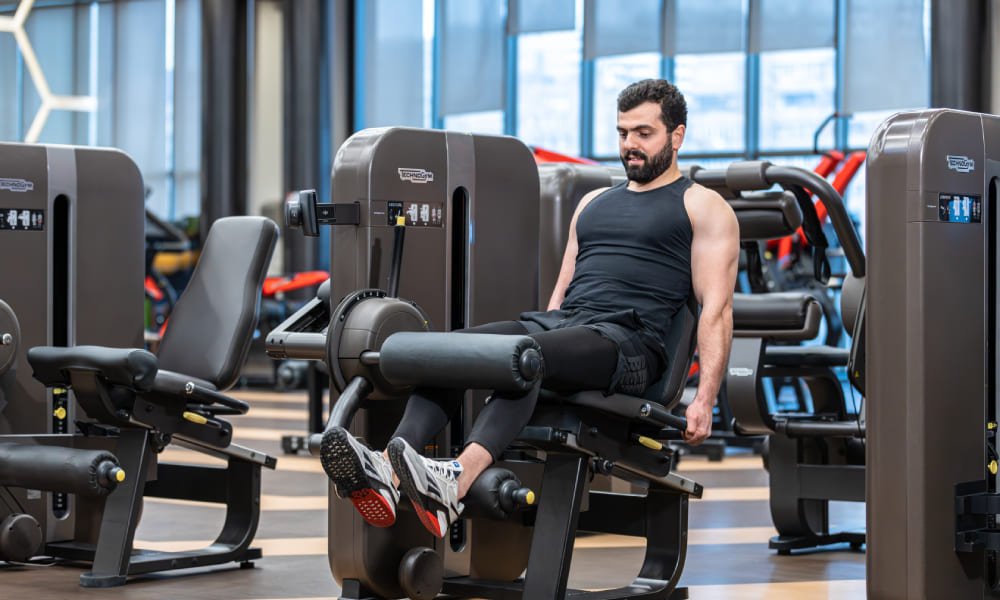
A 2026 trial compared conventional sets with lower-body pre-exhaustion. Forty-eight trained adults entered and 41 completed it, including 32 men and nine women. The paired approach linked seated hamstring curls with Romanian deadlifts and leg extensions with Smith squats. Conventional training completed the sets of each exercise separately.
Muscle-size changes slightly favoured conventional training, with uncertainty about a true difference. Strength, muscular endurance and jump changes were similar. This does not establish that the methods are identical, and it does not demonstrate a special growth advantage from pre-exhaustion.
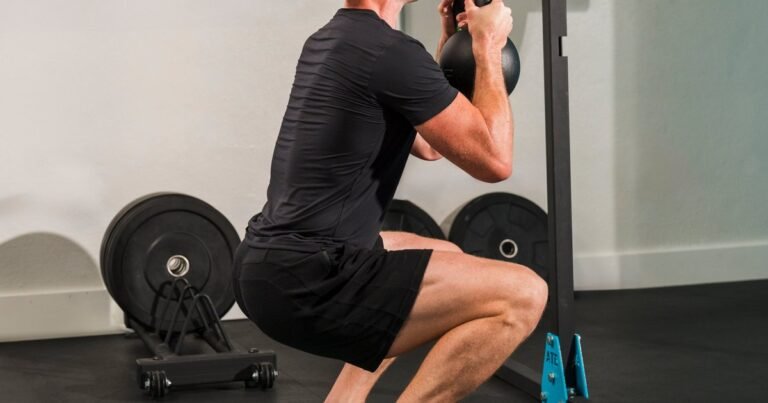
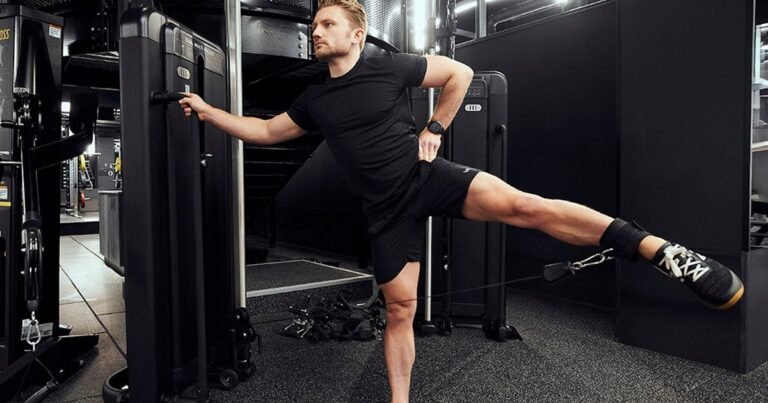
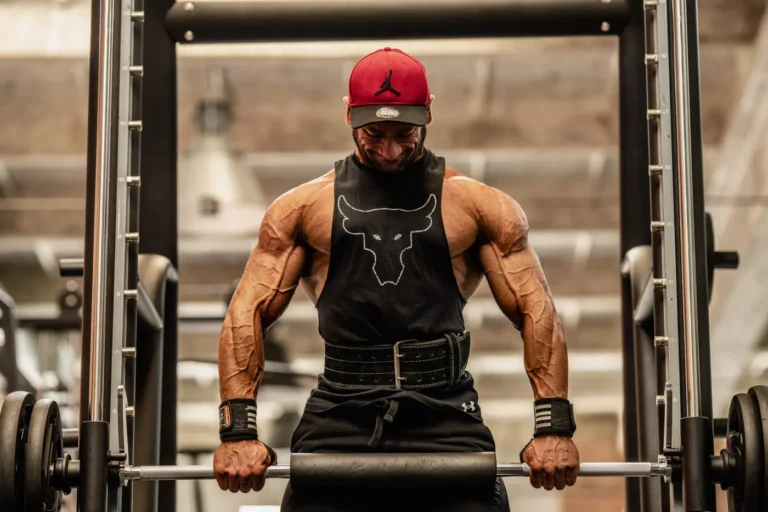
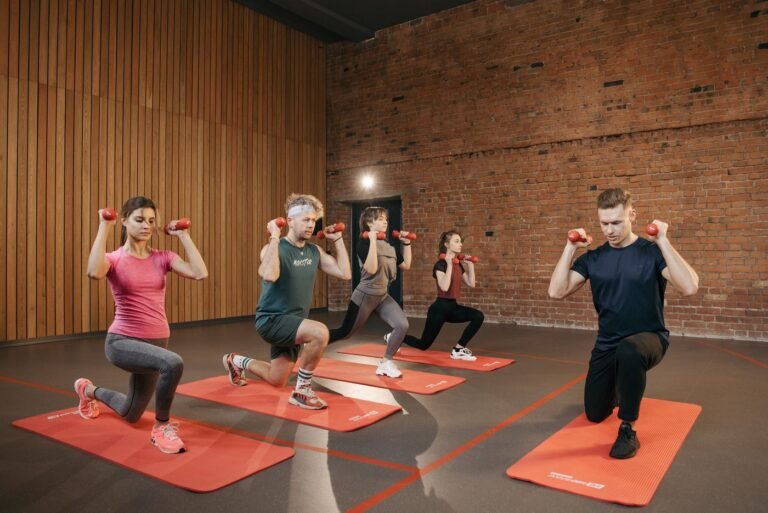
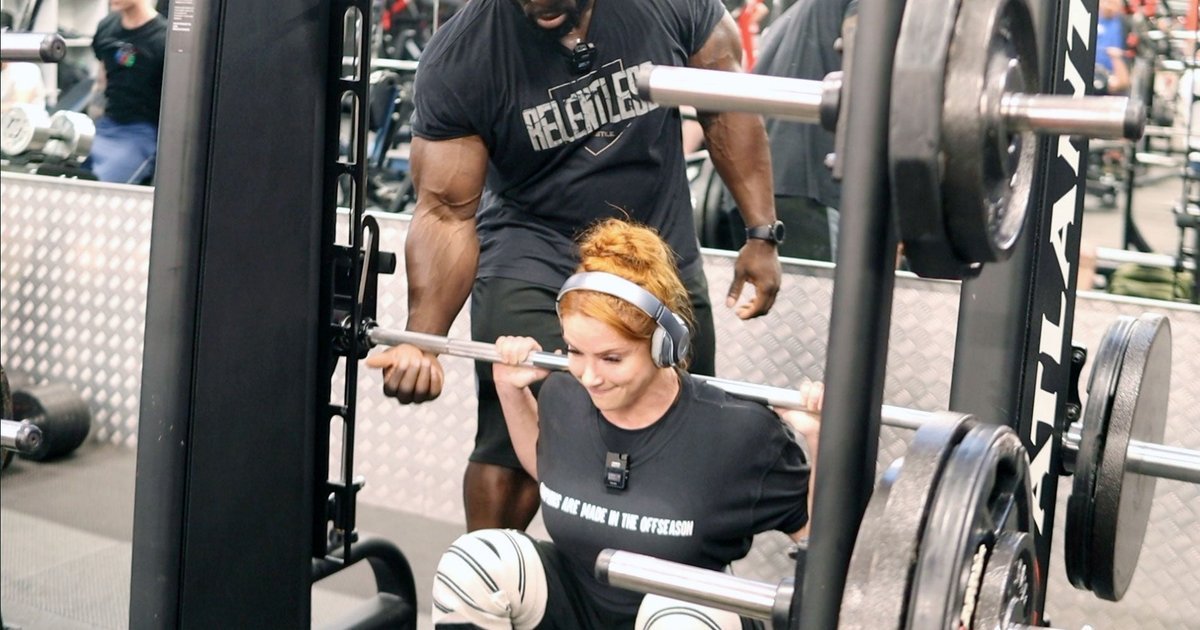
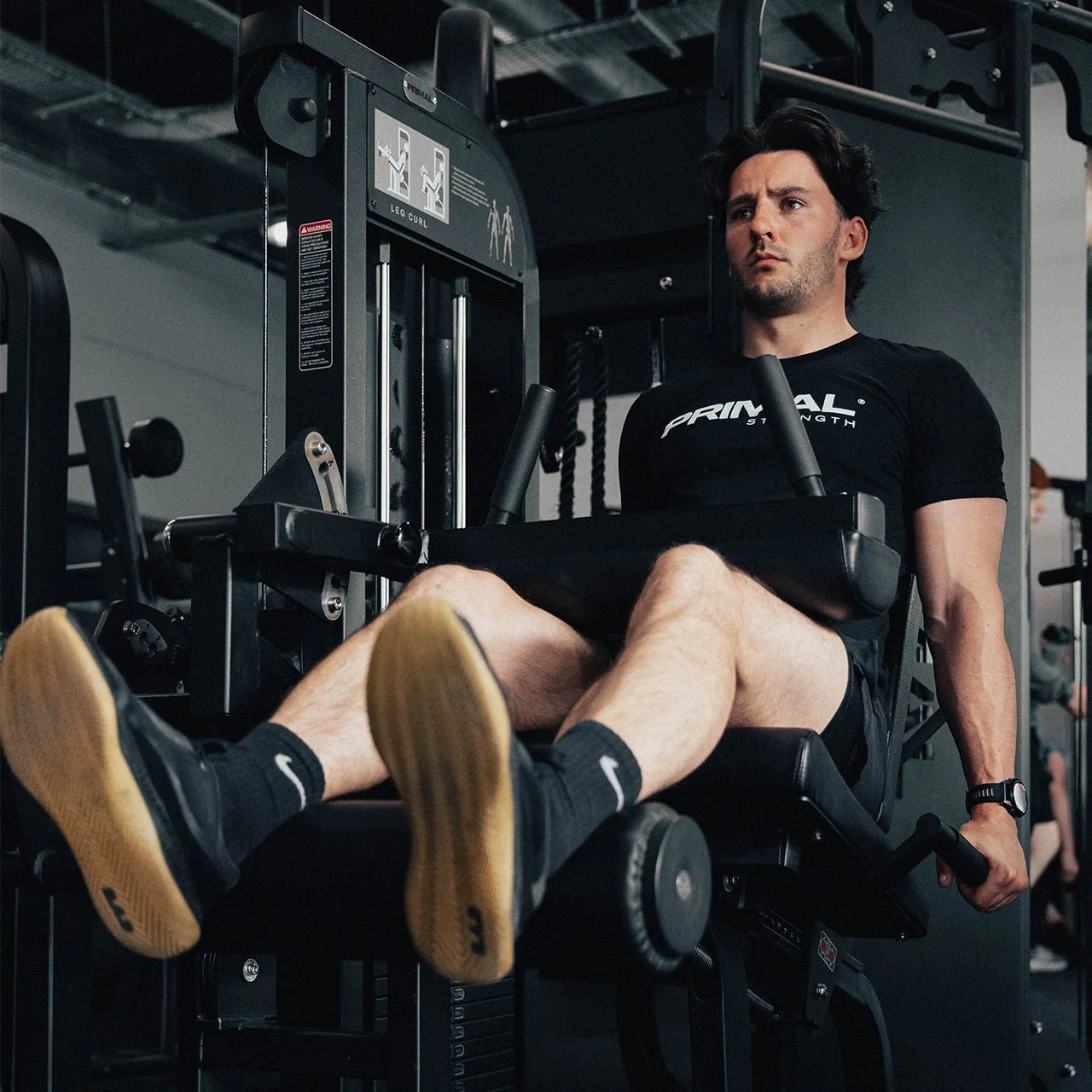
The exercises shown here illustrate the discussion; the photographs are not images of the trial participants. A picture of a leg-extension machine helps identify the movement, but it cannot show how hard a set was, whether the seat fitted the lifter or what happened across weeks of training.
Interpret the result at the level it measures. Feeling a target muscle working during one session, improving a squat test and increasing measured muscle size are different observations. They can all matter, but one should not be used as a substitute for another. A strong burning sensation is not a growth measurement.
Think of the findings as a reason to question the promise that extra fatigue must produce extra gains. You still need to decide whether the method makes your training easier to complete, harder to recover from or more difficult to track. Those are practical questions a single group comparison cannot answer for every individual.
2. Protect the exercise you most want to improve
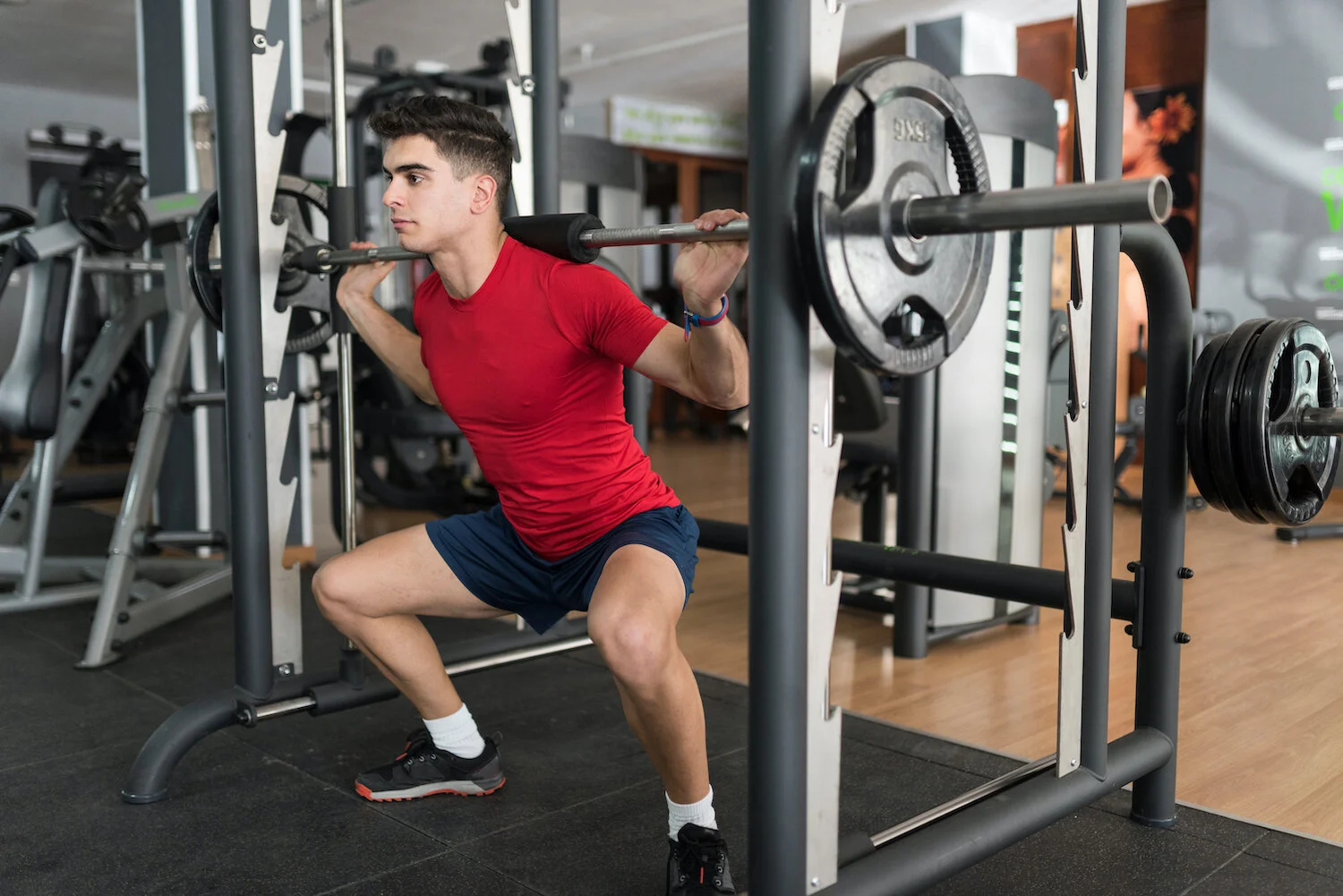
Decide what success means before moving the exercises around. If the main goal is a stronger squat with a consistent setup, deliberately tiring the legs immediately beforehand changes the task you are practising. The load you can use after a demanding isolation exercise should not be judged against your fresh squat as though the preparation were identical.
Broader exercise-order evidence suggests that strength improvements tend to favour exercises performed earlier in a session. That supports a simple planning choice: give an important lift a position where you can practise it well. It does not mean isolation work is inferior or that every compound movement must always come first.
A warm-up set and a hard pre-exhaustion set serve different purposes. The warm-up prepares you to perform the upcoming work without unnecessary fatigue. An isolation set taken close to your current limit may substantially affect what follows. Calling both activation can hide a meaningful change in the workout.
Write down the order rather than relying on memory. Smith squat followed by leg extension describes a different sequence from leg extension immediately followed by Smith squat. If you alternate between those arrangements according to which machine happens to be free, comparisons of squat load and repetitions become less clear.
Keep the equipment distinction visible too. A Smith squat has a guided bar path; a free-barbell squat requires a different setup and balance task. If you choose another movement, treat it as your own program variation. Do not present a different exercise combination as an exact replication of the study.
3. Count the time saved alongside the effort required
In the trial, reported session duration averaged about 26 minutes for pre-exhaustion versus 41 minutes for conventional training, approximately 36% shorter. The paired sessions also felt harder. That is a useful tradeoff to consider rather than a reason to declare one approach universally better.
Measure time honestly in your own setting. A short transition between two nearby stations may be straightforward in a quiet facility. Crossing a busy gym, adjusting a seat and waiting for equipment can make the same arrangement awkward. Do not rush the setup merely to preserve a transition time from a research protocol.
Consider which part of the session you are shortening. Combining two exercises reduces some waiting between work bouts, but it does not remove the need for preparation, appropriate rests and a controlled finish. If you save several minutes only by cutting the warm-up or hurrying a fatigued hinge, you have changed more than the set arrangement.
Use a simple start and finish rule for your comparison. For example, count from the first planned work set to completion of the last work set, and record preparation separately. Apply the same rule each time. A faster number means little if one session includes setup and another quietly excludes it.
Also check whether the shorter format helps you attend consistently. A compact session you can repeat may be useful when the alternative is regularly missing the workout. But a format that leaves you dreading every leg day may not solve the adherence problem. Enjoyment, scheduling and the ability to finish the planned work all deserve a place in the decision.
4. Adjust the load without changing the movement standard
Fatigue is a reason to reassess the next load, not a reason to force the number you normally lift while fresh. Choose resistance that lets you maintain the intended range and control. If the first repetition already looks different from your normal movement, reduce the demand or return to separate sets.
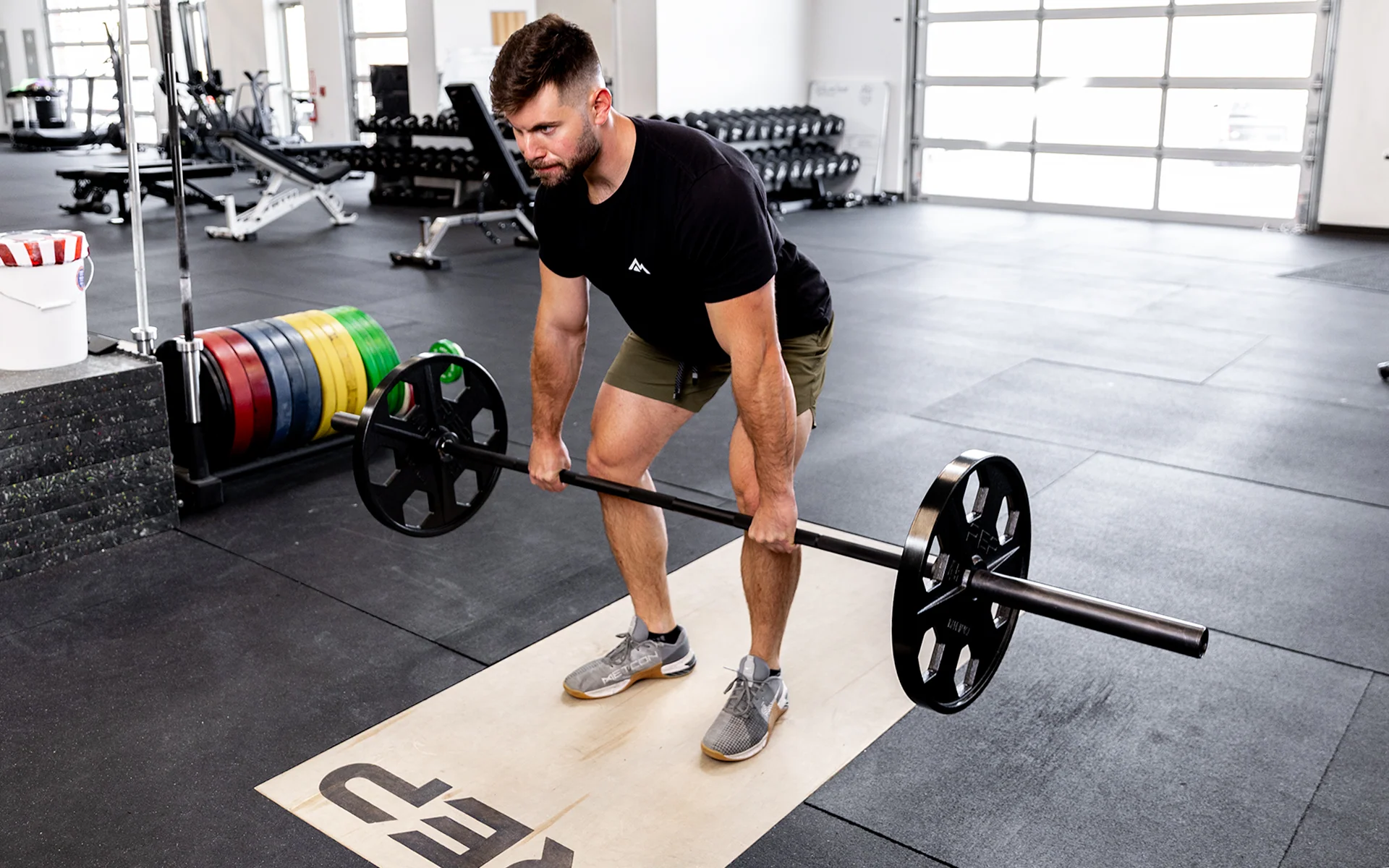
For a Romanian deadlift, establish a controlled hip hinge and keep the bar close to the body. Use a range you can manage without turning the descent into a reach toward the floor. The purpose is not to make the plates touch a predetermined point regardless of how the trunk position changes.
On a leg-extension or leg-curl machine, keep the seat and pad settings consistent. A change in the support or lever position can alter the experience before fatigue enters the picture. Record useful settings and check that the machine suits you rather than treating every numbered stack as the same resistance.
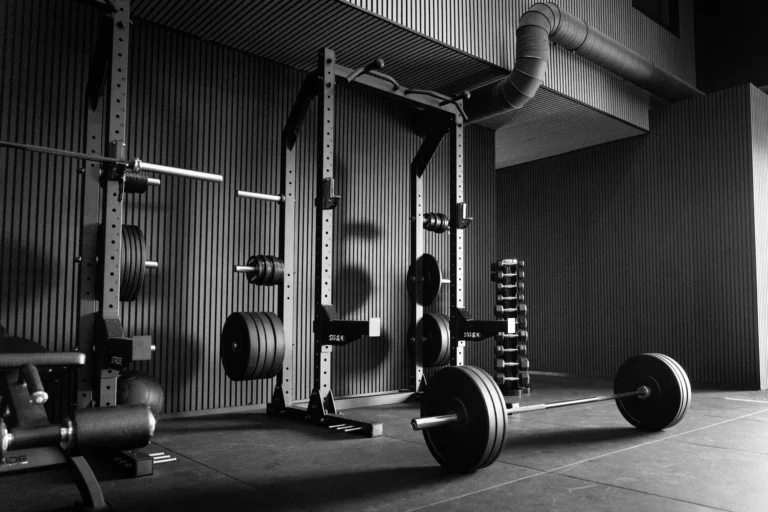
A loaded bar, plates and collars also need an orderly setup. Small load adjustments can help you choose a workable effort, but they are not an invitation to keep adding weight to compensate for an untidy set. Adjustable dumbbells offer another loading option for a hinge; they still create a different exercise from the barbell movement being discussed.
Stop if pain, lightheadedness or loss of control makes the next repetition inappropriate. A demanding technique is not a test of whether you can ignore those signs. Rest and choose a more suitable session structure. There is no requirement to make every set exhausting enough to justify the method’s name.

Equipment Worth Exploring
Explore equipment, accessories and gear from our carefully selected range.

Multi Pull Smith Rack MPHR-780
All-in-one rack with a Smith machine, functional trainer, lat pulldown and low row.

Leg Extension/Curl BCO-780
Leg extension and lying leg curl combo with plate loading, band pegs and a cable-loading option.

Seated Leg Combo BCO-680
Adjustable seated leg extension and leg curl machine with band pegs for added resistance.


Rubber Hex Dumbbells
Rubber-coated hex dumbbell pairs with a stable shape for home and commercial strength training.


5. Judge the method through a useful training log
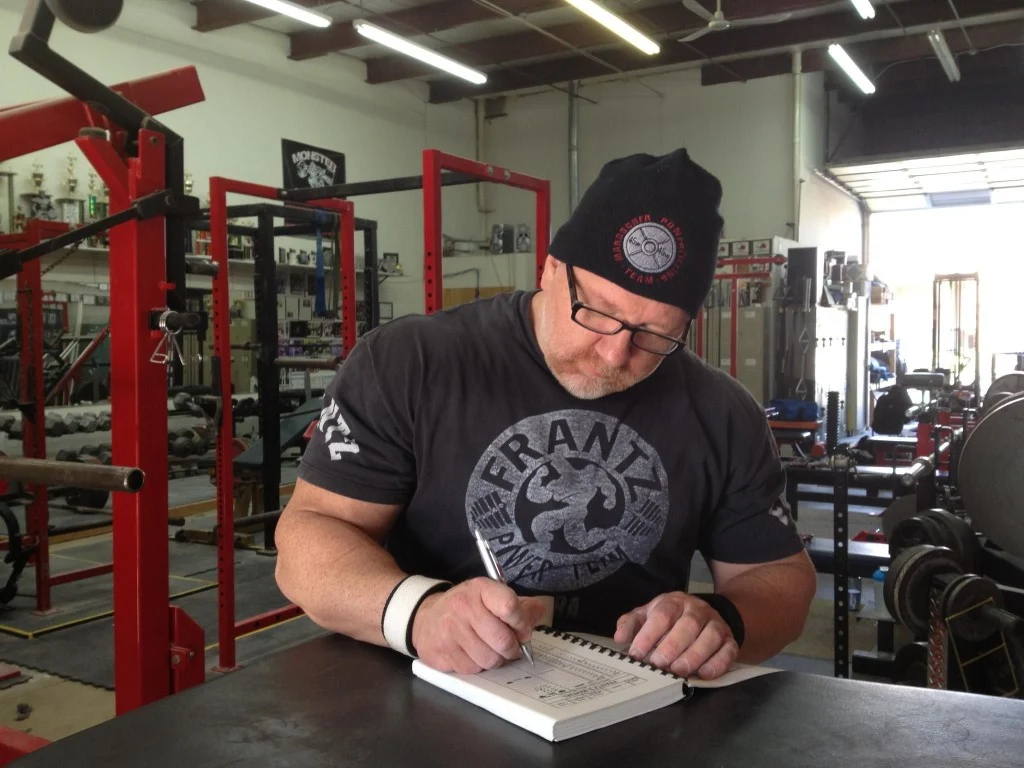
Start by recording what you already do. List the exercise order, work sets, repetitions, loads, approximate rests and session duration. Add a short note about how repeatable the movements felt. That baseline gives you something more reliable than a vague memory that the previous workout was easier.
If you experiment, change a limited part of the session. You might keep your main squat work separate and explore a paired accessory block elsewhere, or compare a familiar pair over several otherwise similar sessions. These are practical options, not the study protocol, and they do not need to become a permanent rule.
Review the whole pattern. Are you completing the planned repetitions with a consistent range? Is the time saving real after equipment changes are included? Can you return for the next planned session without repeatedly cutting it short? None of those questions requires turning ordinary training into a laboratory experiment.
Keep soreness in perspective. It can be worth noting because it affects the next session, but a sore muscle is not a direct measure of a productive hypertrophy stimulus. Plan rest days and the next lower-body workout around how you are functioning, not a competition to create the most dramatic aftermath.
Finally, separate an experiment from a verdict. A few enjoyable paired sessions can show that you like the format; they cannot establish that it builds more muscle than another program. Conventional sets remain a straightforward option when clarity and performance on the main lifts matter. Use pre-exhaustion when its particular tradeoffs make sense, and keep enough detail in the log to know what you actually changed.

Bodybuilding Shirts & Workout Gear
Bodybuilding shirts, tanks and gym gear for lifters chasing muscle, size, symmetry and the pump.

Leg Day Is Calling You Squats & Deadlifts Meme Hoodie
Stay casual and show some leg-day attitude with “Leg Day Is Calling You”.

Negative Leg Day Review Leg Day Sucks Meme Squats, T-Shirt
Show some leg-day attitude with a playful “Negative Leg Day Review” tee.

Dino-Sore – Dinosaur , Meme Shirt Sore Muscles & T-Shirt
Bring “Dino-Sore” humor to your next gym day.

Rest Day Sloth – Essential T-Shirt
Show some bodybuilding attitude with a playful “Rest Day Sloth” tee.


One More Rep Shirt: Motivational & T-Shirt
Make gym days more fun with “One More Rep” style.

Safety Practice Safe Sets Sweater Jumper T-Shirt
Show some gym-day personality with “Gym Safety”.

Installing Muscles Meme – Vest Tank Top
Show some personality between sets with “Installing Muscles Gym Meme”.

Repetition Stoic Shirt: Meme Sigma & Greek God Pump T-Shirt
Show some lifting attitude with a playful “Repetition Stoic” tee.

Shirt – I'M Strong Barbell Heartbeat , Gymbro , & T-Shirt
Bring “I'm Strong Barbell Heartbeat” humor to your next gym day.