Advertising disclosure: This page includes affiliate product links that may earn us a commission, as well as products from our own store.
Hand-Release Push-Ups: Reset on the Floor and Keep the Press Honest
A hand-release push-up adds a visible reset to a familiar movement. Your chest reaches the floor, your hands stop supporting you briefly, and you rebuild the position before pressing again. That makes it harder to hide a shortened repetition behind a quick change of direction, but the release alone does not guarantee good technique.
The useful skill is moving the trunk and legs together while the arms do the pressing. Learn that skill at a manageable effort before turning the exercise into an endurance challenge. This guide separates the main versions, explains the floor reset and offers a straightforward way to practise without chasing untidy repetitions.
1. Decide which hand-release variation you are practising
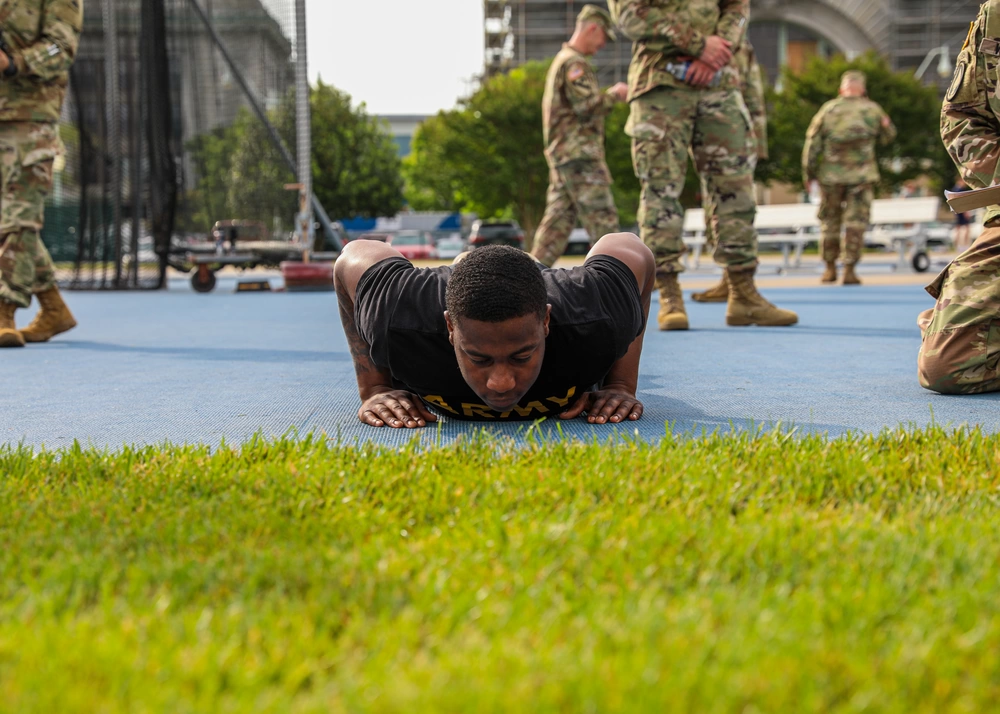
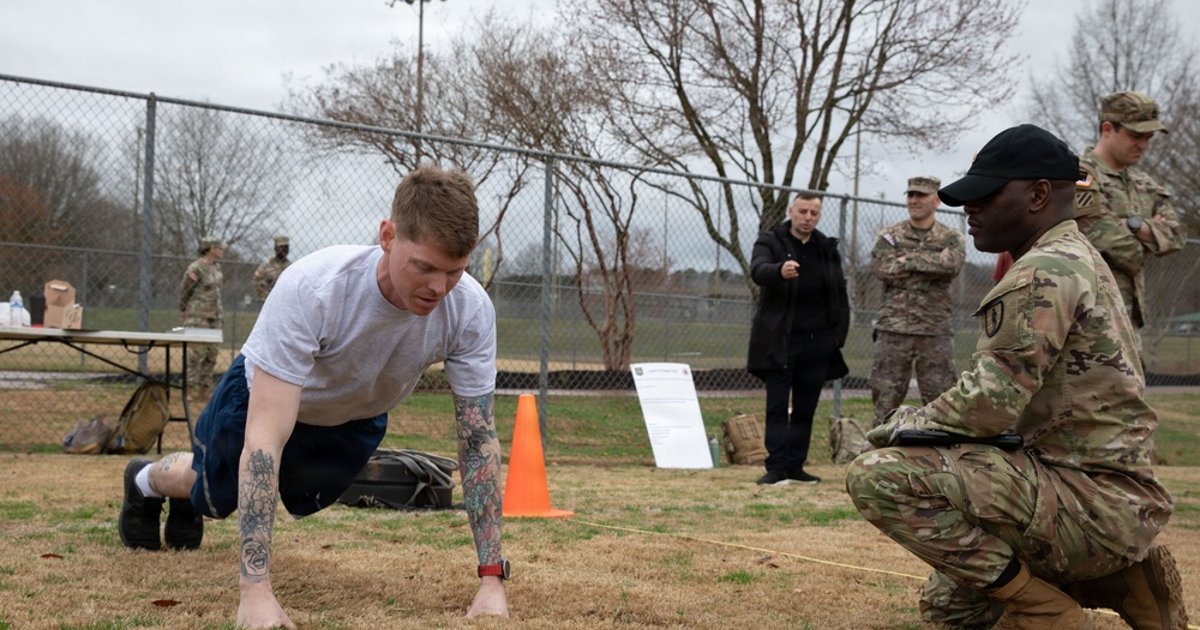
The name covers more than one sequence. In a simple gym version, you lower to the floor, lift the hands briefly, replace them and press up. An arm-extension version also moves the arms outward into a T while the torso remains on the ground, then returns the hands to the starting position. Those are different movement tasks and should be recorded separately.
A floor contact is a reset, not an invitation to bounce. Place the hands back deliberately before loading them. Avoid sliding them into a different position every time fatigue builds. A repeatable hand position gives you a better comparison between the first repetition and the last than an improvised scramble beneath the shoulders.
For a structured fitness assessment, use its exact current instructions. A training variation that feels harder is not automatically an acceptable substitute in a test, and an old score chart should not determine what you count today. This article concentrates on general practice rather than age-specific scoring or a promise that a particular number qualifies anyone.
For ordinary training, write a short definition before starting: full floor contact, the chosen release, hands returned, then one straight-body press. Use that definition throughout the set. If you change to a shorter release or a knee-supported press, note the change instead of folding the two versions into one unexplained total.
The floor reset can also reveal where a set becomes inconsistent. One repetition may begin from a settled position while the next begins as the hips are already rising. Slowing down enough to see that difference is useful practice even when it reduces the number on the page.
2. Press the body upward as one controlled unit
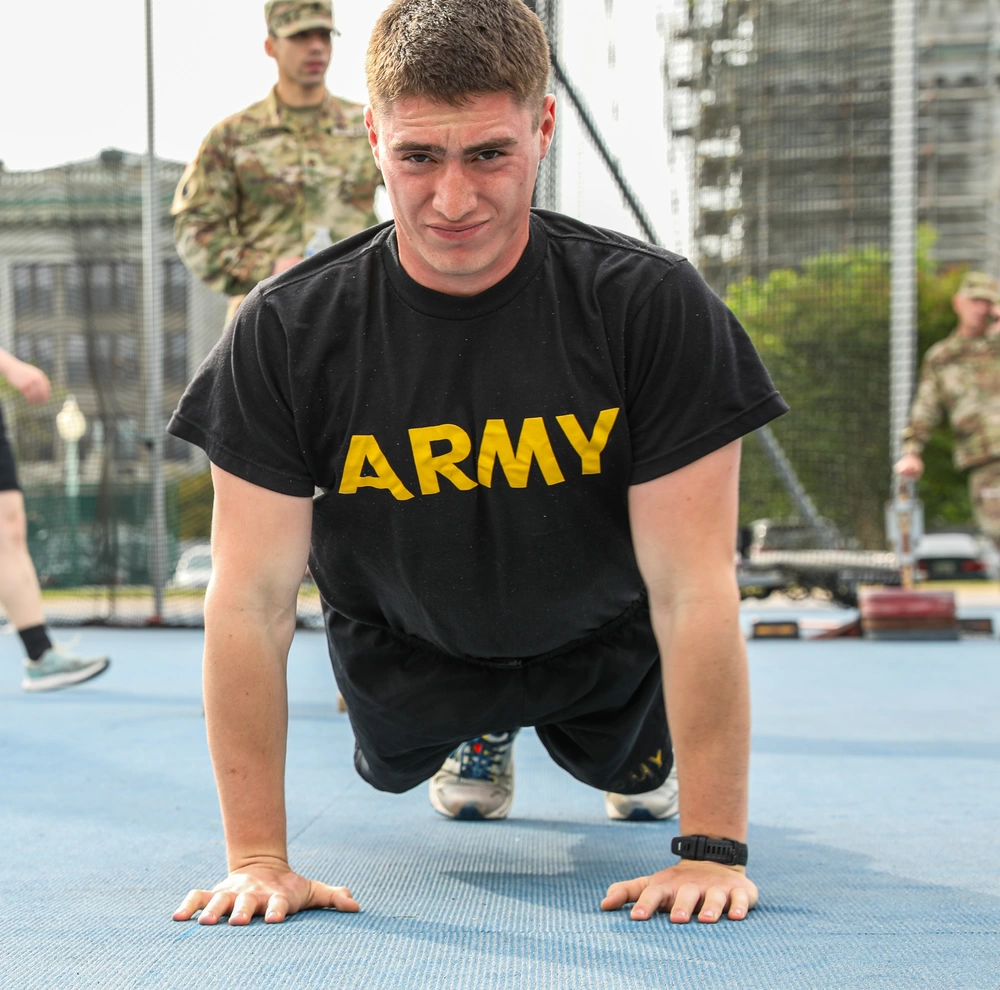
Set the palms securely and use the toes as the lower-body contact for the full version. Before pressing, organise the trunk so the chest and hips begin moving together. Think about a long line through the body rather than leading with the face or lifting the chest first while the pelvis stays on the floor.
Push through the hands and extend the elbows under control. At the top, your position should look like a deliberate high plank, not an exaggerated arch. Keep the head in line with the trunk rather than craning forward to make the repetition appear higher. You do not need to snap the elbows or jerk into the finish.
Then lower deliberately. A controlled descent helps you return to the same area of floor without dropping the chest ahead of the hips. If the final centimetres repeatedly become a collapse, the set is no longer providing the same task as its opening repetitions. Stop, rest or choose a version you can control.
A side-view video can be more informative than a front-facing mirror. Check when the chest and hips start to rise, whether the lower back changes shape dramatically and whether the body reaches a stable top position. Film a manageable set rather than using a maximal effort as your only example of technique.
It is normal for demanding repetitions to look slower. The issue is a meaningful change in the movement, such as lifting the upper body and then pulling the hips after it. More speed does not repair that sequence. An easier variation gives you room to practise a coordinated press instead of repeatedly rehearsing a struggle off the ground.
3. Make the release a small, deliberate movement
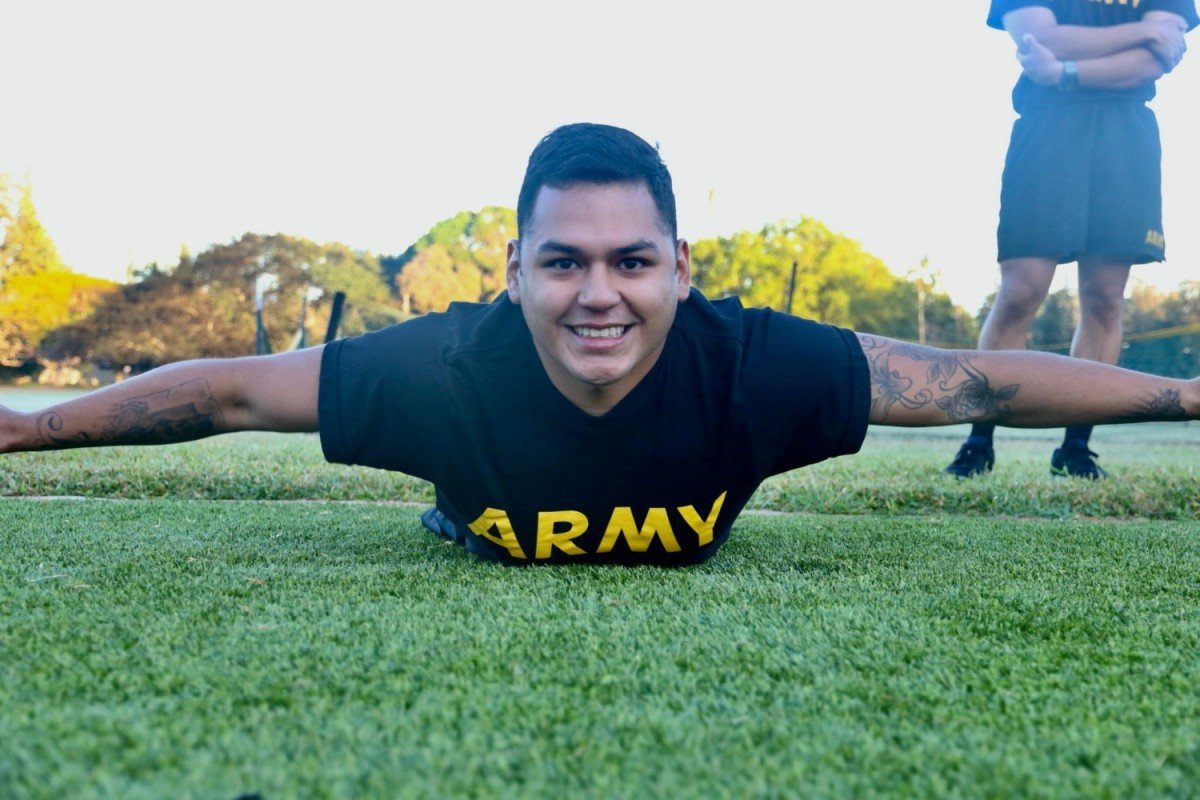
Once you have lowered to the floor, distinguish the hand movement from the press. In the brief-release version, remove support from the hands without throwing the whole upper body upward. In the T-extension version, move both arms outward as required, then bring them back before beginning the next press.
Keep the lower body quiet during that reset. A large leg kick, twisting the hips or pushing the head into the surface adds movement that does not help define a clean repetition. Choose enough space that the arms can extend without hitting a wall, another person or nearby equipment.
The reset does not require lifting the face high or forcing the shoulders into an uncomfortable position. If a particular arm position creates pain, stop trying to satisfy it through extra strain. You can train pressing with a more comfortable variation while deciding whether the discomfort needs assessment.
Check the surface as carefully as the exercise. Loose rugs can slide, very soft pads can make the hands unstable and rough outdoor ground can make floor contact unpleasant. Use a firm, level area that provides reliable contact. A mat may improve comfort, but it should not fold beneath the palms as you press.
Practise one controlled repetition and pause to assess it before starting a longer set. You should be able to explain where the chest contacted, what the hands did and how the next press began. A clear sequence is more valuable than a dramatic release that changes with every attempt.
4. Use regressions and assistance without disguising the exercise
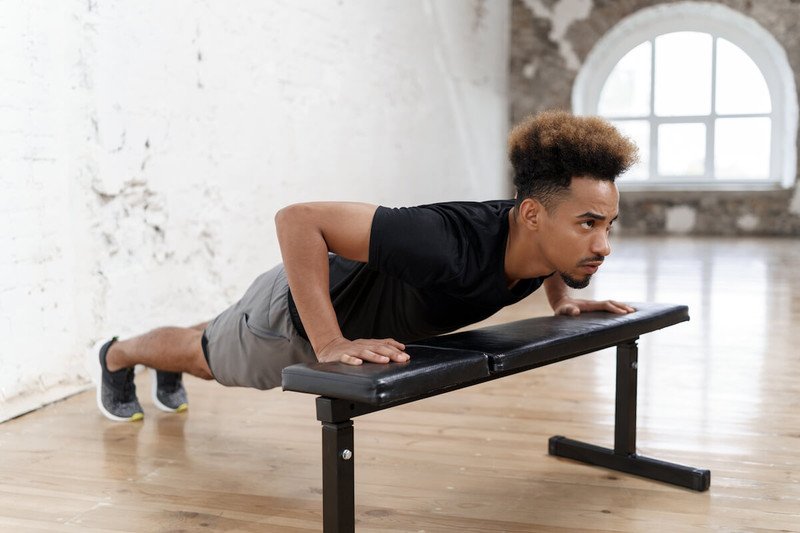
If a full press from the floor is currently too demanding, separate the skills. You can practise a supported push-up with the knees on the floor, maintaining a controlled trunk position. You can also use a stable elevated surface for ordinary incline push-ups. These are training options, not identical repetitions of the full hand-release version.
Do not lift the hands off a bench while leaning your body weight into it. For an incline push-up, keep contact with the support and work on a coordinated press. Practise the floor release separately in an unloaded position if it is comfortable. This avoids turning an easier exercise into a balance problem.
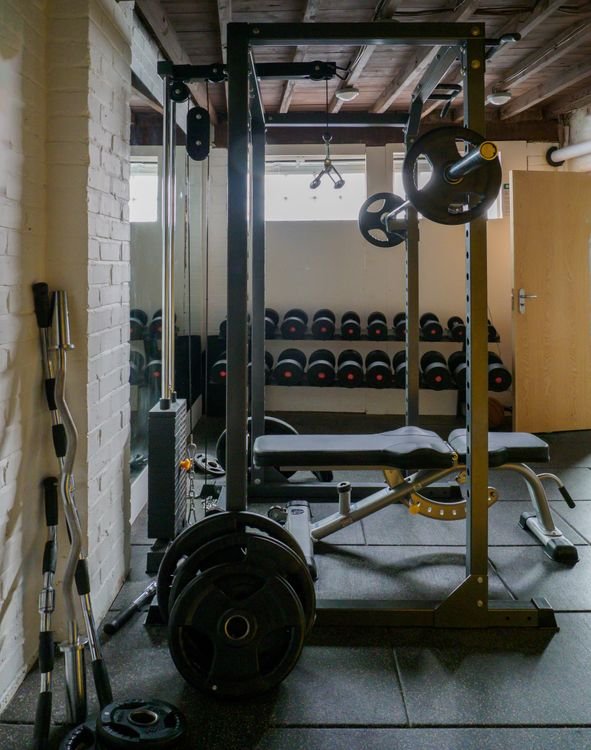
Any elevated support must be stable, suitable for the force being applied and placed so it cannot slide or tip. A heavy-looking adjustable bench is not automatically secure for every direction of loading. Follow its intended use and check the setup with light pressure before committing your weight to it.
Other pressing exercises can sit in an existing program. Dumbbell presses or an appropriate chest-press machine allow you to choose external resistance, while bodyweight pressing gives you a different way to practise control. None is a guaranteed shortcut to a particular hand-release total, and none removes the need to learn the actual sequence.
Equipment is optional for the floor exercise. Handles, rings and a weighted vest create other variations and should not be added merely to make the session look advanced. In particular, a hand-release repetition requires a secure return to the surface; adding unstable equipment changes the problem rather than improving the reset.

Equipment Worth Exploring
Explore equipment, accessories and gear from our carefully selected range.




FID Bench MAX
Adjustable bench offering flat, incline, and decline positions + adjustable headrest.


Multi Bench MBX-650 2.0
Adjustable multi-bench with roller adjustment, 15 backrest positions and accessory mounts.


Rubber Hex Dumbbells
Rubber-coated hex dumbbell pairs with a stable shape for home and commercial strength training.
5. Build a short practice plan with clear stopping points
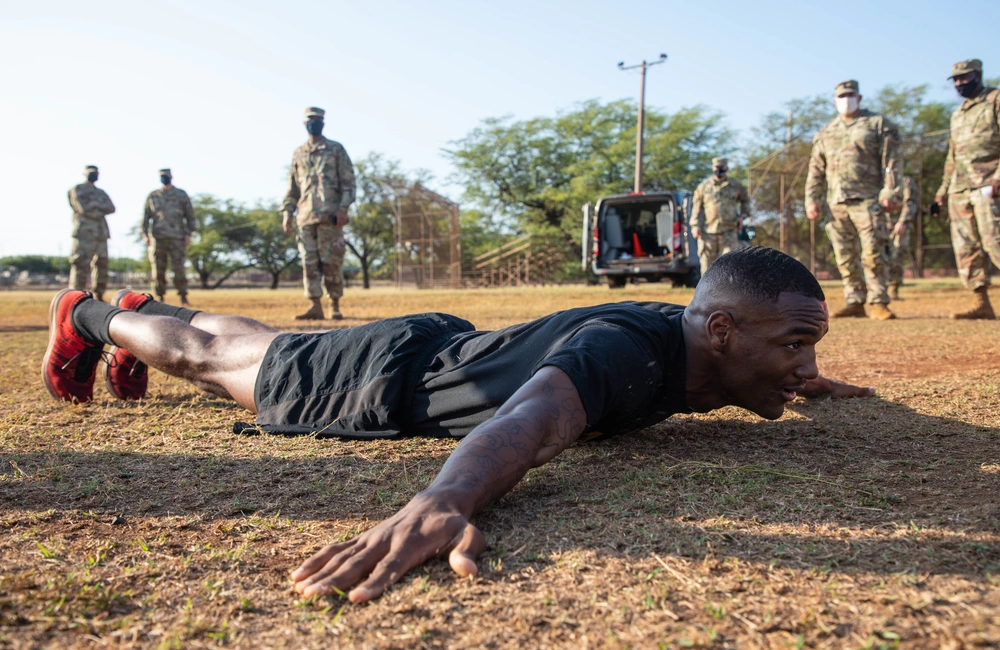
Begin with a few comfortable preparation repetitions of a suitable push-up variation. Check the surface and hand position, then try a small number of full hand-release repetitions while fresh. Choose a number you can repeat with the same sequence rather than testing the maximum on the first day.
As an illustrative starting session, you might perform two sets of three to five controlled repetitions with enough rest to regain a dependable press. Use fewer repetitions or a regression when needed. This is a practice example, not a universal prescription or a study-tested guarantee of progress over a fixed number of weeks.
Record the variation, completed repetitions and the first reason a repetition stopped matching the plan. Useful notes include hands moved wider, hips rose late, release shortened or descent became uncontrolled. The note explains the performance; it should not be replaced by a vague comment that the session felt difficult.
Keep the place in the workout reasonably consistent when comparing sessions. Practising after several demanding chest and triceps exercises is a different situation from practising while fresh. If you move the exercise, record that change before interpreting a lower total as lost strength.
Increase the work gradually when the present amount becomes repeatable. You could add a controlled repetition to a set before adding another set, while keeping the same definition of completion. Avoid increasing repetitions, shortening rests and adding load at the same time if you want to understand which change made the practice harder.
Finish the set when the chosen sequence breaks down, rest and return to a task you can execute. Stop for pain rather than trying to turn a technique session into a test of tolerance. The goal is a reset you can recognise and a press you can reproduce, giving your training log something more useful than a large but ambiguous count.

Bodybuilding Shirts & Workout Gear
Bodybuilding shirts, tanks and gym gear for lifters chasing muscle, size, symmetry and the pump.


Safety Practice Safe Sets Sweater Jumper T-Shirt
Show some gym-day personality with “Gym Safety”.

Installing Muscles Meme – Vest Tank Top
Show some personality between sets with “Installing Muscles Gym Meme”.

Ultimate Bench Press Tee
Heavy lifts, good laughs, and a little “Ultimate Bench Press” energy.

Control Your Gains Stoic Greek God Marble Sculpture T-Shirt
Make gym days more fun with “Control Your Gains Stoic Greek God Marble” style.

Routine Stoic Bodybuilder – Meme With Greek God T-Shirt
Rep “Routine Stoic Bodybuilder” humor in and out of the gym.

One More Rep Shirt: Motivational & T-Shirt
Make gym days more fun with “One More Rep” style.