Advertising disclosure: This page includes affiliate product links that may earn us a commission, as well as products from our own store.
Jefferson Squats: Learn the Straddle-Bar Setup Before Adding Weight
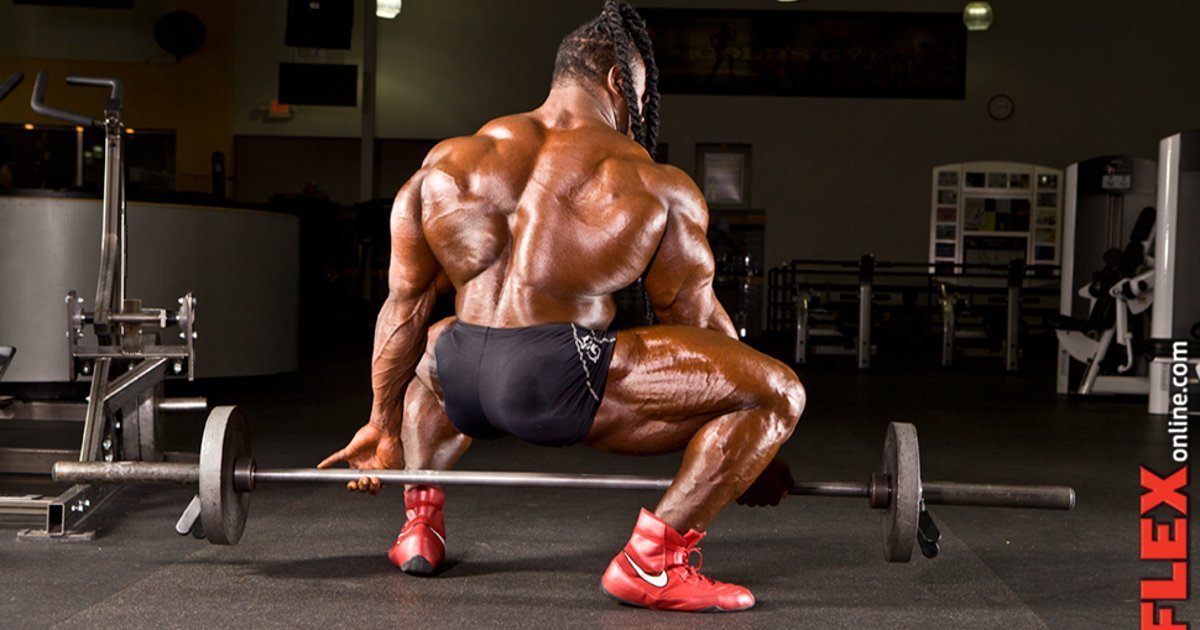
The Jefferson squat looks unusual because the bar runs between your legs rather than across your shoulders or entirely in front of you. One hand grips ahead of the body and the other behind it. That arrangement makes setup, clearance and control the first things to learn. It is not a reason to borrow the weight from your normal squat or deadlift.
You will also see this straddle-bar movement called a Jefferson deadlift. Coaching descriptions differ in how much they emphasise knee bend or hip hinge, so record the version you actually perform. This guide focuses on a controlled floor-start lift with an individualised stance, a stable trunk and a deliberate reset between repetitions.
1. Understand the lift before copying its appearance
Begin by identifying where the bar sits relative to your body. In a conventional deadlift, the whole bar is in front of both legs. In the Jefferson setup, you straddle the shaft and reach down with one hand on either side of the body. The asymmetrical arrangement changes the space available for the arms, knees and hips.
The movement uses the legs and hips to raise a load from the floor while the trunk and grip maintain control. It is a compound exercise, rather than an isolation drill for one small muscle. The amount of knee bend, torso angle and stance rotation influences what your particular repetition looks like. A name alone cannot make two lifters’ setups identical.
Do not confuse it with a Jefferson curl, which is a different exercise. For the straddle-bar lift described here, the intention is a controlled trunk position while the knees and hips move. Deliberately curling the spine to reach farther changes the task. If you cannot reach a suitable starting position without losing control, choose a different setup or exercise.
There is no requirement to include this lift in a productive programme. It can be an interesting variation for a lifter who has a clear reason to practise it, but ordinary squat and deadlift patterns remain useful options. Novelty does not establish better muscle growth, automatic back protection or a fix for an existing asymmetry.
2. Build a stance that gives the bar a clear path
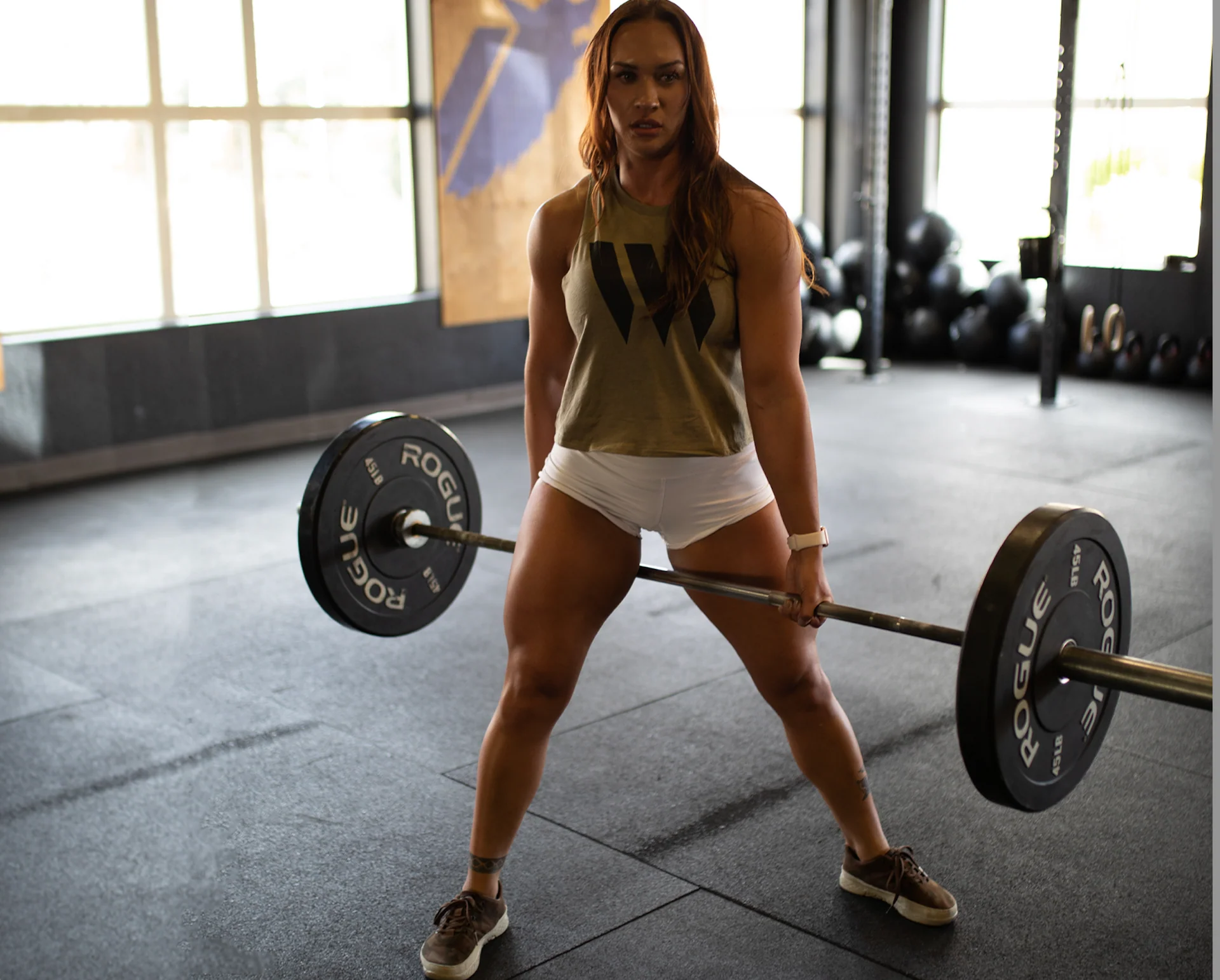
Use a clear lifting space, a suitable barbell and securely loaded matching plates. Start with a manageable load. Check the shaft’s path between your legs before you lift: the bar needs room to rise without striking a knee, catching your clothing or forcing an abrupt adjustment around the hips.
Step across the bar and establish a staggered stance. One foot will generally face more forward while the other is turned outward, but do not force a fixed angle from a photograph. Limb lengths, hip comfort and the available hand position affect your setup. Make small changes with a light implement until both feet feel securely planted.
Reach for the bar with one hand in front of the body and the other behind. A mixed grip is commonly demonstrated, but each hand still needs a secure hold and a comfortable wrist position. Keep the arms long rather than trying to curl the weight. If the grip or stance requires you to wrench the torso into position, reset instead of adding load.
Plate diameter changes the starting height of the shaft. Smaller plates can require a deeper reach even when their total mass is lower. That makes kilograms alone a poor description of the task. Record your plate arrangement, stance and hand positions so a later session can reproduce the same movement.
The equipment choices below include bars, plates and collars, plus smaller implements for comparison or preparatory practice. Compatibility matters: check sleeve size, secure retention and clearance. A dumbbell or kettlebell changes the load position; it does not reproduce a long bar running between the legs. Do not assume all implements are interchangeable simply because they can be lifted from the floor.

Equipment Worth Exploring
Explore equipment, accessories and gear from our carefully selected range.


Competition Plates
Competition-style bumper plates for Olympic lifts and loaded strength training.

Grip Plates
Rubber-coated weight plates with handholds for loading barbells and machines.

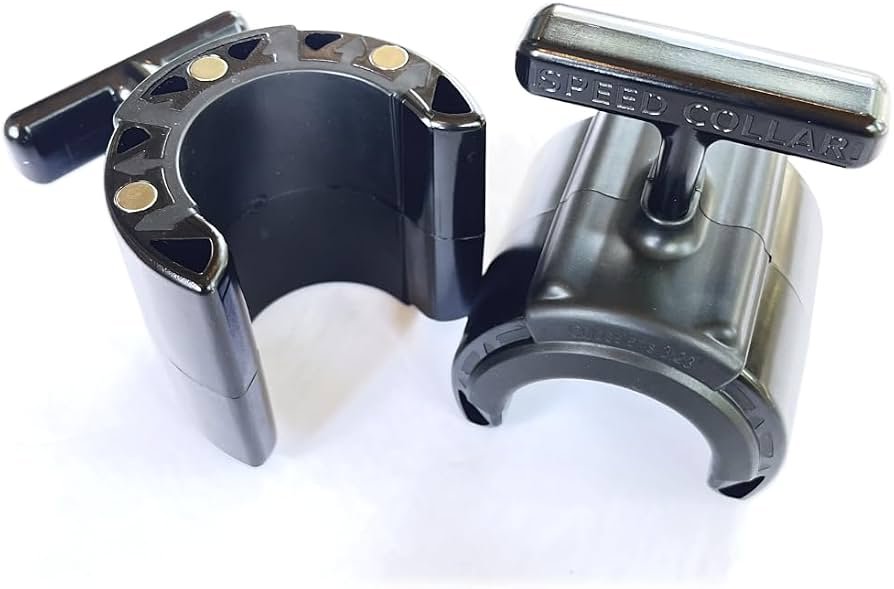
Speed Collar
Quick-release collars designed to secure weight plates on standard two-inch Olympic bars.
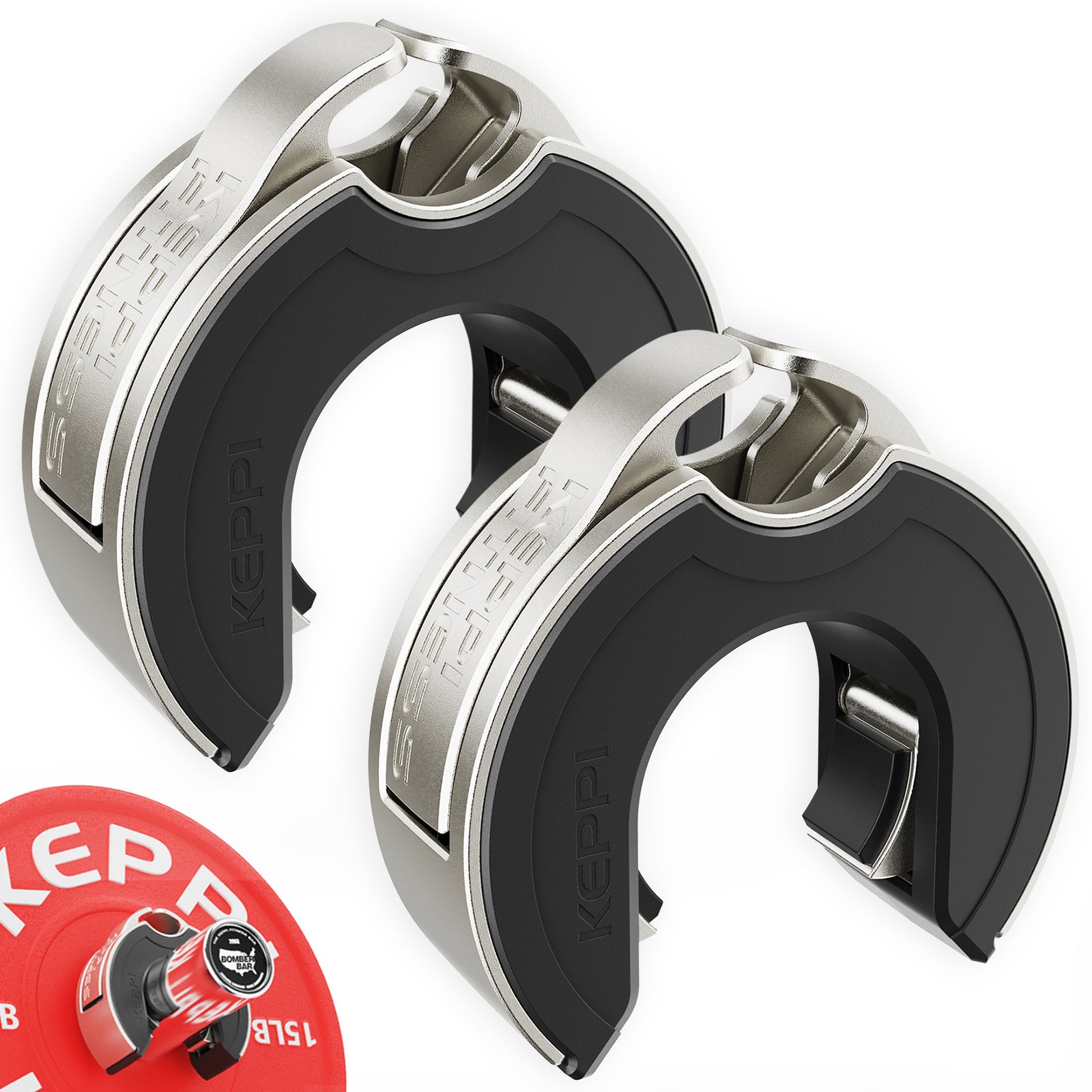
Keppi Open Collars
C-shaped magnetic Olympic barbell collars with a quick-lock mechanism and grippy lining.


3. Lift, finish and return without chasing rotation
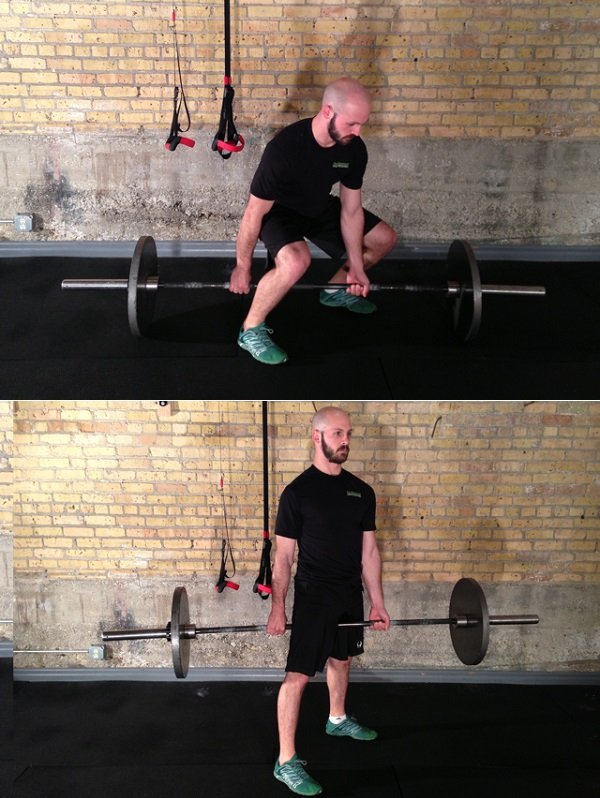
Once the stance and grip are settled, brace the trunk and take the slack out of your position before lifting. Push through the whole foot and extend the hips and knees under control. The arms connect you to the implement; they should not turn the repetition into a biceps curl or an uneven upward tug.
Allow the bar to travel along the clear path established during setup. Do not deliberately spin the torso as the load rises. If one end swings or the bar drifts into a leg, stop and examine the starting position and load. The asymmetrical arrangement is something to control, rather than permission to twist farther with every repetition.
Finish standing tall without leaning backward to exaggerate the lockout. Then reverse the movement with a controlled combination of hip and knee motion. Put the plates down, let the bar settle and rebuild the starting position. A reset makes a new exercise easier to assess than a sequence of bounced repetitions.
Practise both lead-foot arrangements with a light load if both are comfortable. Record which hand and foot were forward rather than assuming the two orientations are mirror images in feel or strength. This is a way to describe your practice accurately, not a promise that equal repetitions will correct every difference between sides.
A useful check is whether the final repetition follows the same path as the first. If the grip changes, the feet shuffle or the body starts rotating to finish, the current load or set length may exceed the control you intended to train. Reduce the demand and restore the standard before progressing.
4. Compare the Jefferson lift with sumo and conventional deadlifts
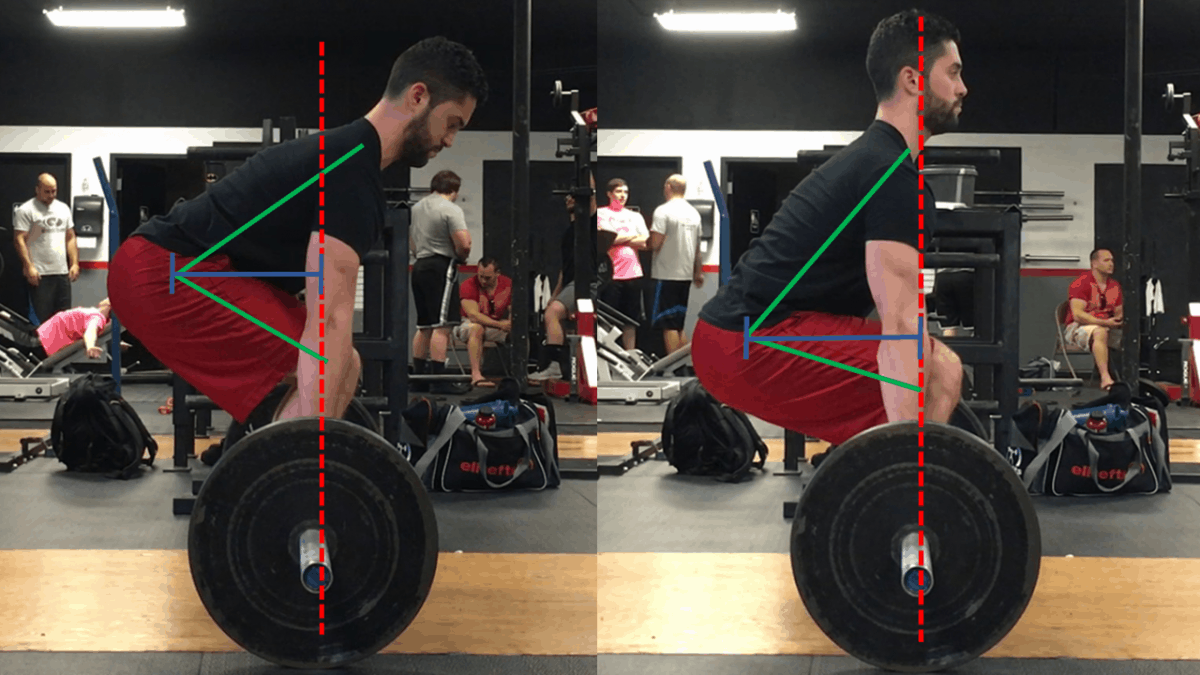
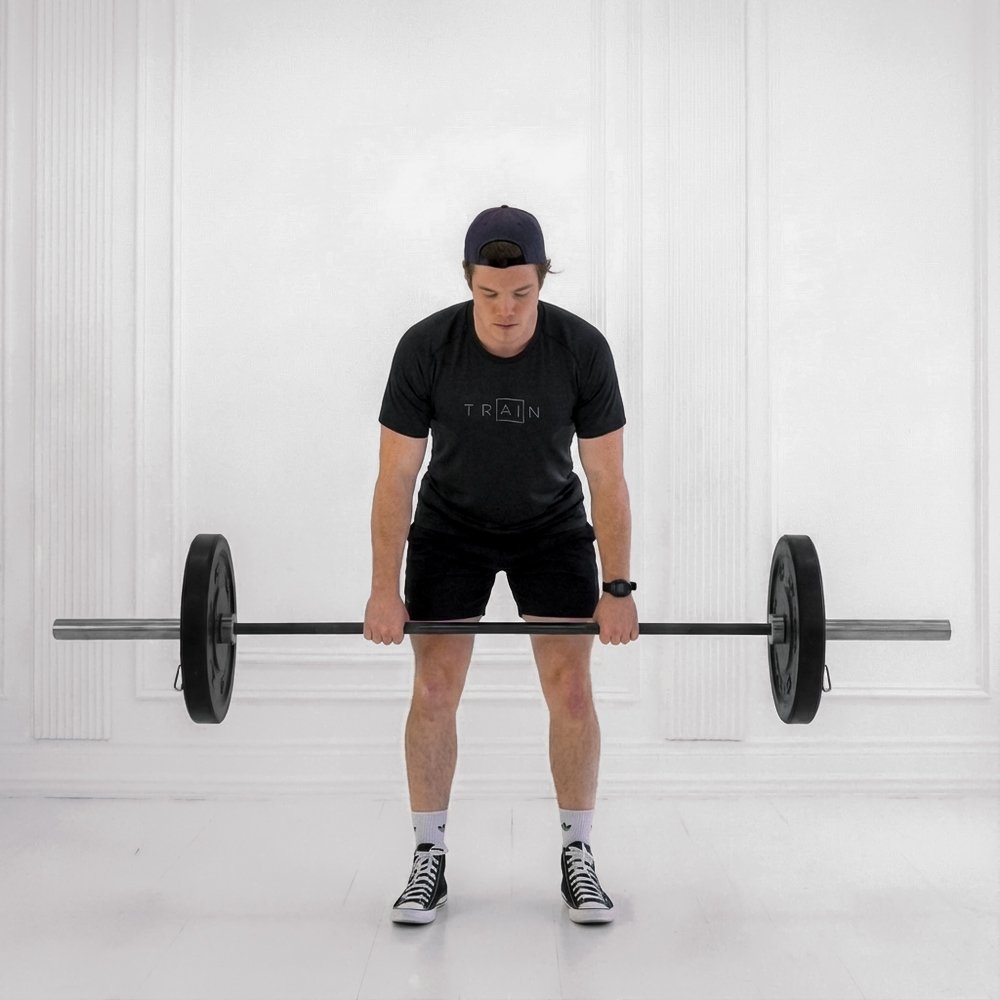
The comparison photograph shows conventional and sumo deadlifts, not Jefferson squats. Both keep the bar in front of the legs. Sumo usually uses a wider stance with the hands inside the knees; conventional generally uses a narrower stance with the hands outside the legs. Neither is defined by straddling the shaft.
Those differences matter when comparing loads. A familiar deadlift weight is not a sensible automatic starting point for a new Jefferson setup. The grip, clearance and orientation have changed. Learn the movement with a load you can position, lift and return before treating the number on the plates as a performance target.
Similarly, a back squat places the bar on the upper body and follows a different loading arrangement. Calling the Jefferson movement a squat does not mean its repetitions or working weights should match your back squat. Write a separate exercise entry and preserve the details that make your version repeatable.
Watch for ordinary errors before looking for advanced cues: rushing the setup, lifting a weight you cannot control, losing contact with the floor or turning a smooth return into a drop. A novel stance does not remove those basic responsibilities. Sharp pain, a new joint symptom or persistent discomfort is a reason to stop and reassess, with qualified guidance when needed.

Leg Day Shirts & Workout Gear
Leg-day gym shirts and workout gear for lifters who never skip squats, lunges and lower-body punishment.

Squats R Us Shirt – Leg Day Gains & T-Shirt
Heavy lifts, good laughs, and a little “Squats R Us” energy.


I Love Squats Meme Shirt Valentine'S Day Leg Day T-Shirt
Make gym days more fun with “I Love Squats” style.

Squats Leg Day Heavy Weights Meme – Essential Top T-Shirt
Bring “Squats Leg Day Heavy Weights” humor to your next gym day.

Leg Day Squats Deadlifts Sweater Meme T-Shirt
Show some gym-day personality with “Leg Day”.

Leg Day Thou Shalt Not Skip Leg Day Medieval Knight Pul Hoodie
Show off your medieval humor in a laid-back “Leg Day” hoodie.

Shirt Never Skip Leg Day Flamingo Meme – Gymbros, & T-Shirt
Rep “Never Skip Leg Day Flamingo Meme” humor in and out of the gym.

Everyday Is Leg Day Octopus Meme & Top T-Shirt
Show some leg-day attitude with a playful “Everyday Is Leg Day Funny Octopus” tee.

3 Plates Squat Club : Essential Meme & Leg Day T-Shirt
Make gym days more fun with “3 Plates Squat Club” style.

Gym Thou Art Not Yet Ripped Medieval Knight Deadlift Bo Tank Top
Bring “Thou Art Not Yet Ripped Medieval Knight” humor to your next lifting session.
5. Use a small practice block and keep alternatives available
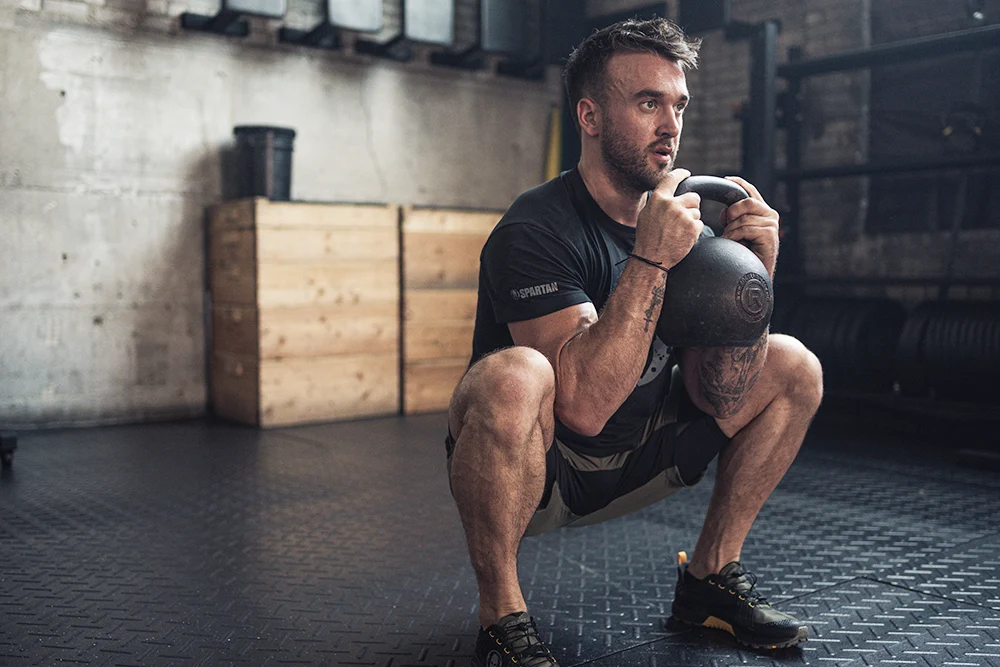
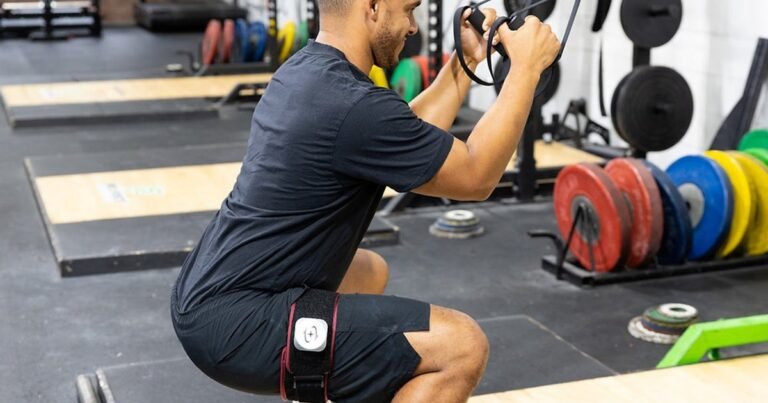
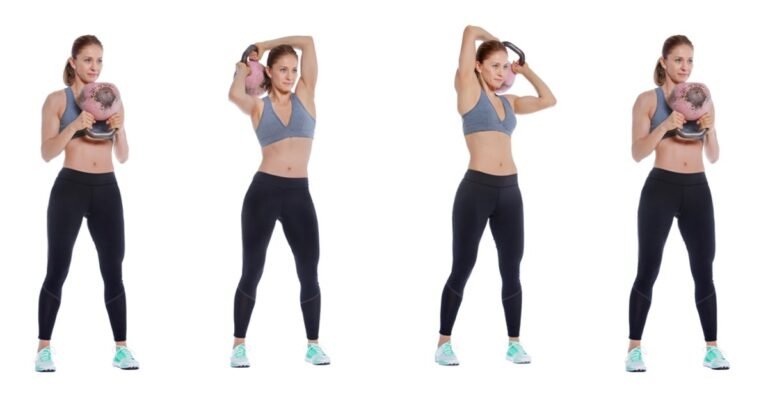
The goblet-squat photograph illustrates a different lower-body exercise with the weight held in front of the chest. A light dumbbell, kettlebell or securely held medicine ball can provide a simpler practice option when the straddle-bar arrangement is awkward. It is an alternative task, not proof that someone is ready for a particular Jefferson load.
For a lifter already comfortable handling weights, an illustrative starting experiment is a few light rehearsals followed by two short sets of four controlled repetitions in each comfortable orientation. Leave plenty of control in reserve and rest until you can repeat the setup. This is a practice example to adjust, not a validated optimal prescription.
Repeat the same arrangement on the next suitable session. First improve consistency: a clear path, planted feet, long arms and a settled reset. If those remain reliable, add one repetition or the smallest practical load increase. Avoid changing stance, plate diameter and weight together, because you will not know which change affected the result.
Log the implement, plate arrangement, lead foot, grip, load and successful repetitions. A brief note about clearance or an uncomfortable position is more useful than recording only that the exercise felt difficult. Keep other lower-body training in view so a new technical drill does not quietly become another exhausting session.
If repeated light trials still feel awkward, choose a more familiar squat or deadlift variation. The goal is useful training you can repeat, not loyalty to an unusual exercise. A clear setup and a controlled return are better reasons to progress than the novelty of standing over a barbell.