Advertising disclosure: This page includes affiliate product links that may earn us a commission, as well as products from our own store.
Does a wide overhand lat pulldown activate more back than a narrow or neutral attachment? In a seven-condition experiment involving 40 experienced male lifters, no grip delivered a clear overall lat EMG advantage. Here’s what the findings mean for technique, comfort and long-term back training.
What the Seven-Grip Experiment Actually Measured
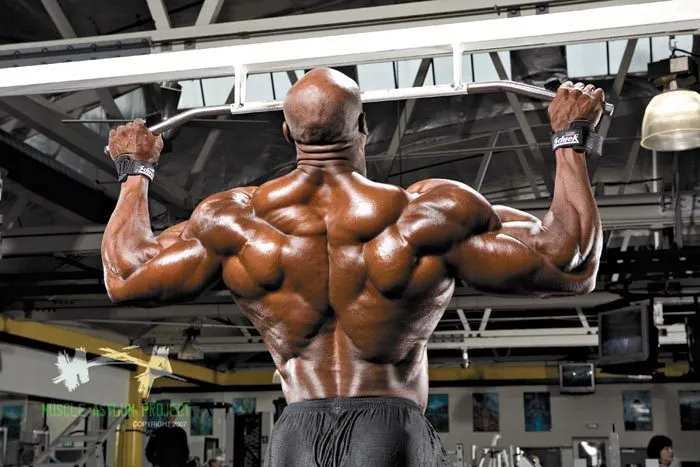
Lat pulldowns come in numerous combinations: wide bars, shoulder-width handles, narrow attachments, overhand, underhand and neutral positions. A controlled experiment involving forty resistance-trained men tested seven lat pulldown arrangements to see whether grip and forearm orientation substantially changed electrical activity in the back muscles. The participants had at least five years of resistance-training experience. Their familiarity with pulling movements makes this an interesting comparison for regular gym lifters rather than a study of first-time machine users.
Each condition involved five repetitions at about seventy percent of the participant’s one-repetition maximum. Surface electromyography, or EMG, captured electrical signals from selected muscles during those repetitions. Measurements were normalized to improve comparisons among setups. The study therefore asked an immediate recruitment question, not what would happen to a muscle after twelve weeks of training with a particular attachment.
That difference limits the headline. EMG is not a direct measurement of fiber growth, mechanical tension throughout a muscle or future training adaptations. Electrode location, individual anatomy, technique and movement speed can influence recordings. A result that feels counterintuitive is worth examining, but no peak electrical signal alone establishes which exercise will add the most back size.
The useful question is whether those seven variations consistently caused substantially different lat signals under the conditions tested. Knowing the answer can help us make grip choices based on comfort and progress rather than chasing a supposedly magical width.
Why No Single Grip Won the Lat Activation Contest
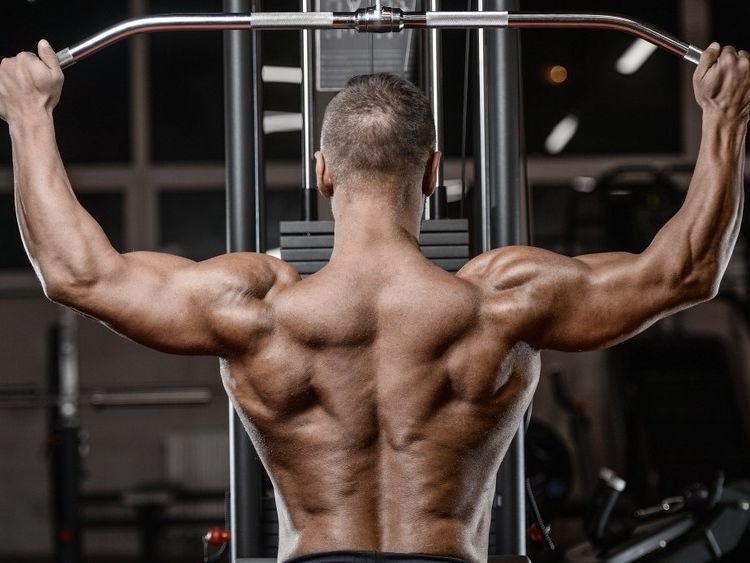
The central result was remarkably consistent: the investigators found no statistically significant overall latissimus dorsi EMG advantage from changing among the tested grips and forearm positions. For experienced lifters, that challenges the familiar claim that grabbing the very widest part of the bar automatically recruits more lat muscle. It also challenges the equally confident assertion that close-grip handles always isolate the lats better.
One specific difference did appear in a different muscle. A wide pronated grip combined with about thirty degrees of backward trunk lean produced posterior-deltoid activity that differed from selected other conditions. That is a narrow finding about recorded rear-shoulder activity, not an endorsement of dramatically leaning back on every pulldown. Shoulder angle and the path of the upper arm can change which muscles contribute to a pull.
No significant lat difference does not prove the methods are precisely identical. The experiment had forty trained men, one acute measurement protocol and one relative intensity. A different attachment, a different group, a more fatiguing set or a longer training program might reveal other differences. Statistical testing also cannot certify that every individual responds equally.
The practical takeaway is permission to be less dogmatic. Choose a grip that produces stable shoulder mechanics, allows a repeatable overhead reach and makes progressive loading possible. A well-executed moderate-width pulldown is not automatically inferior just because another lifter prefers an extreme width.

Funny Gym Shirts & Workout Gear
Funny gym shirts, tanks, hoodies and workout gear for lifters who like training hard.

Dost Thou Even Pull Tee
Make gym days more fun with “Dost Thou Even Pull Medieval Knight Lat” style.

Wide Privilege – Wide Back Meme Jumper Crewneck Pullove T-Shirt
Bring “Wide Privilege” humor to your everyday gym style.

Demon Back Big Back Decal Weight Plates & Water Sticker
Bring “Demon Back” attitude to your water bottle or laptop.


The Empire Lifts Back – Star Wars Back Day Meme Hooded Hoodie
Stay casual and show some bodybuilding attitude with “The Empire Lifts Back”.

Back To The Sci-Fi Meme Hooded Hoodie
Bring “Back to” gym humor to lazy days and post-workout plans.


Nice Traps Big Back – Horror Halloween Jigsaw Meme Pull T-Shirt
For laid-back days and Halloween humor: “Nice Traps Big Back”.

Black Panther Big Back Gym Funny Meme Decal Gym Gear La Sticker
Put “Black Panther Big Back” gym humor on your laptop, bottle, or gym gear.
Wide, Medium or Narrow: Grip Width in Real Training
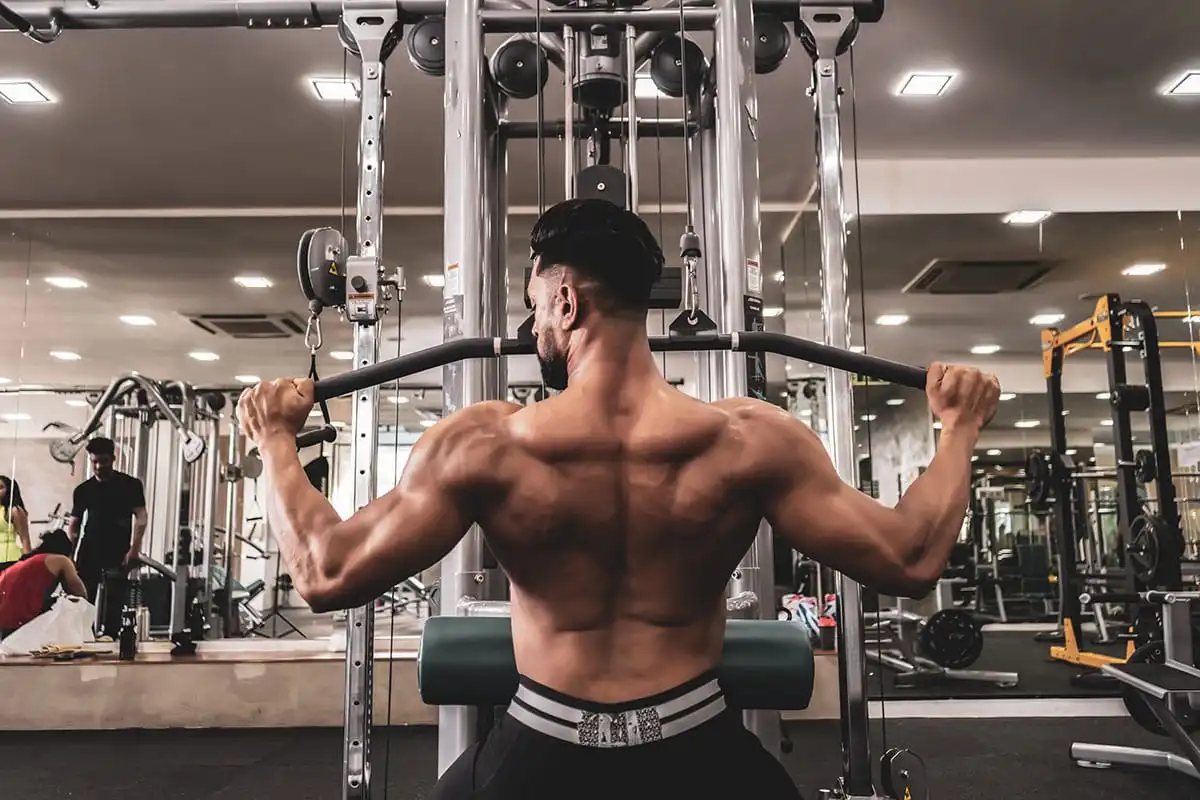
An extra-wide overhand grip places the upper arms farther away from the torso and often reduces how far the handle travels. A medium grip generally lets the elbows descend along a less flared path. Narrower handles may give some people a longer comfortable excursion while reducing the need to hold their arms far out to the sides. These are mechanical tendencies, not fixed rules for every body type.
Another comparison involving fifteen trained men examined three pronated grip widths. The broad lat EMG responses were similar, while narrow and medium grips permitted greater six-repetition-maximum loads than the widest grip. That does not make narrow pulldowns universally stronger or better for growth. It does illustrate why grip-specific leverage and workable loading matter alongside how intense a rep feels.
Your height, upper-arm length, shoulder mobility and the shape of the bar change what counts as wide. If your wrists bend awkwardly and your elbows stop early, a slightly narrower grip can provide a better training range. There is no muscle-building prize for grabbing the very ends of a bar if those positions reduce control.
Compare widths fairly: use the same station, a consistent cadence and the same definition of a finished repetition. Record when the elbows can travel down without bouncing the torso, where the shoulders feel comfortable, and which setup stays stable under fatigue. Keep a selected grip for several weeks so that improved repetitions or load have meaning.

Equipment Worth Exploring
Explore equipment, accessories and gear from our carefully selected range.

VForce Lat Tower
Wall-mounted cable tower with pivot arms and adjustable 1:1 or 2:1 pulley ratios.

VForce Lat Seat
Rack-mounted seat attachment for supported lat pulldowns and seated cable exercises.

48in Aluminum Lat Bar
48-inch aluminum lat pulldown bar with knurled grip and rotating center swivel.

Lat Pulldown Set
Multi-grip cable attachment set for pulldowns, rows, and varied upper-body training.

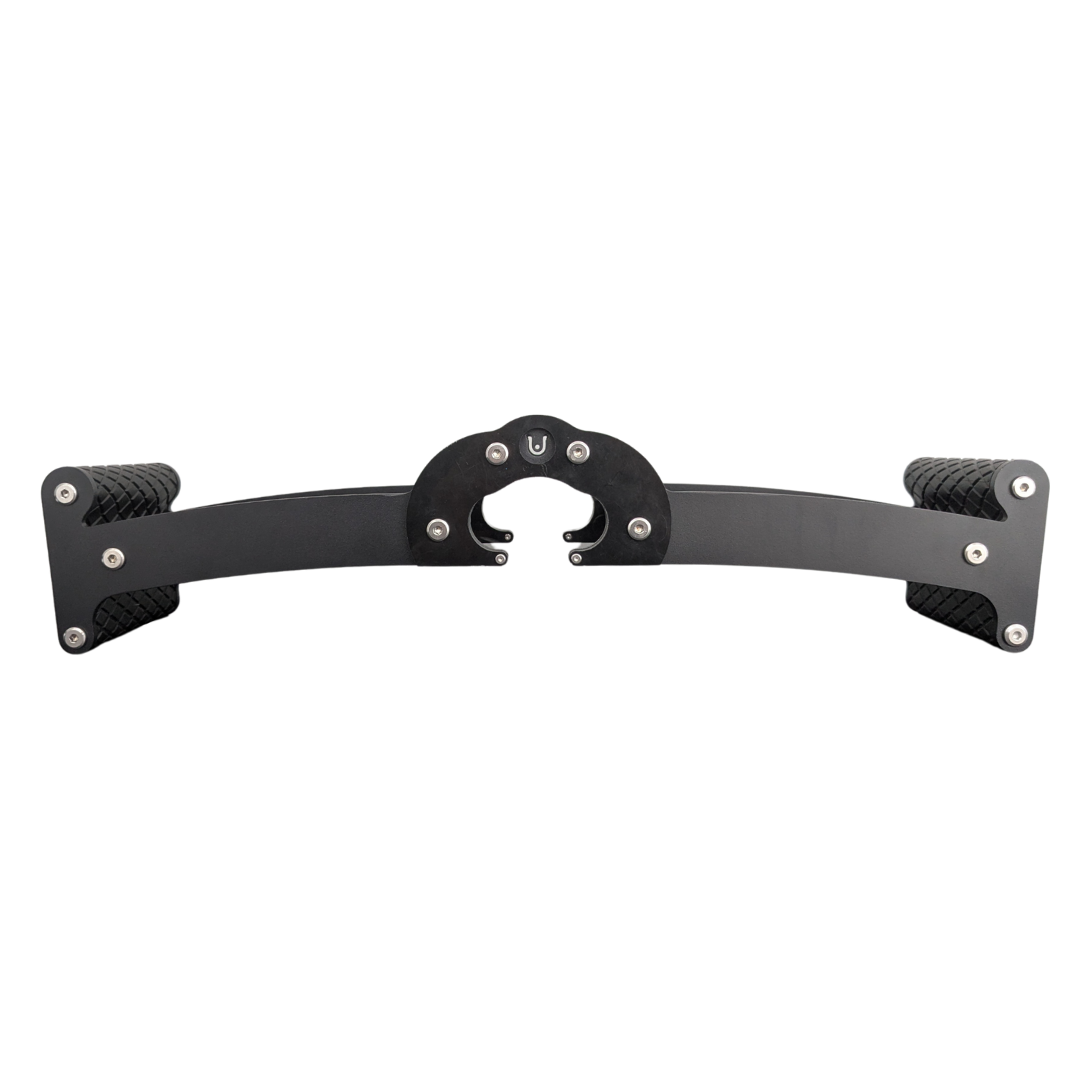
Back Bar
Multi-grip cable and landmine bar with a built-in deadlift jack.
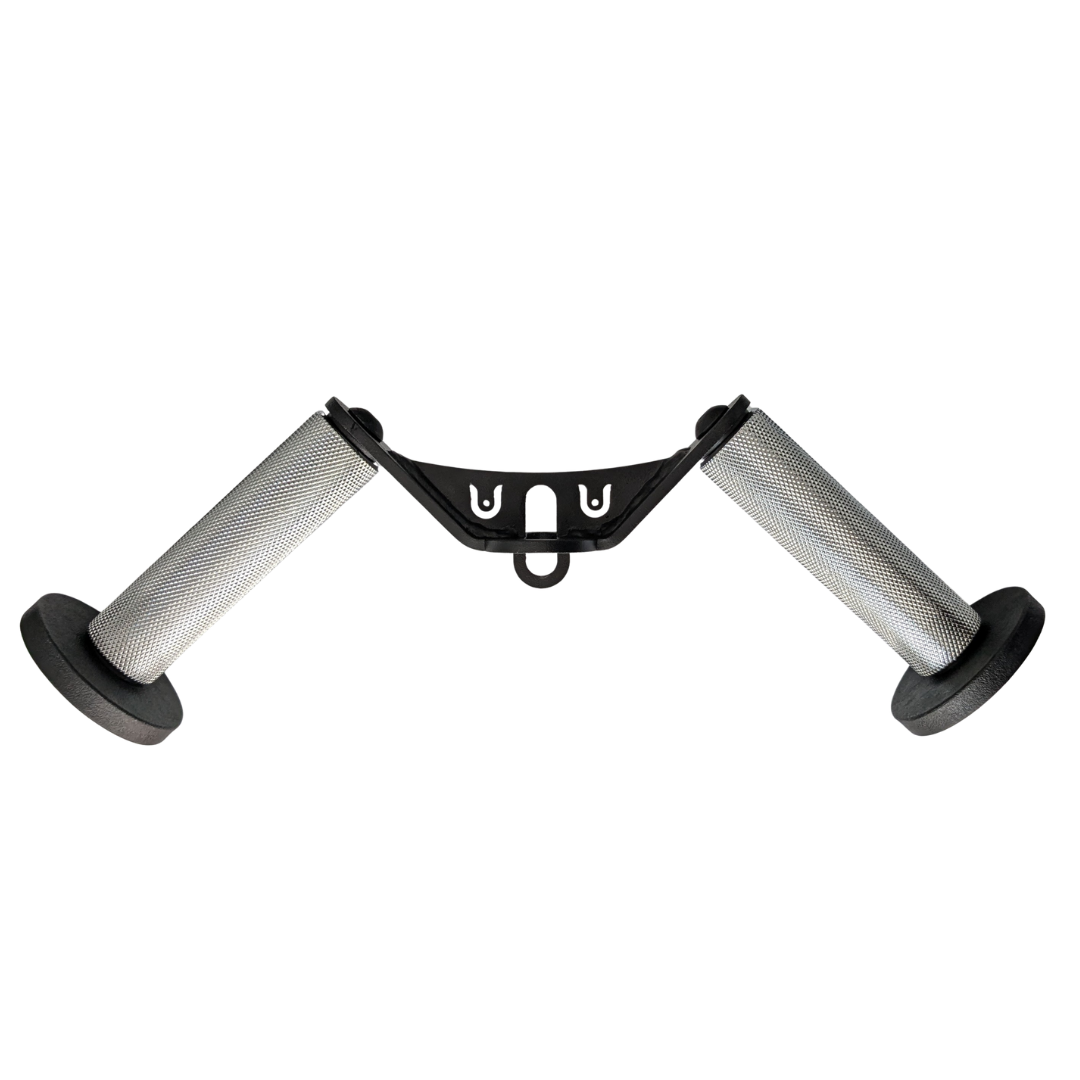
W Grip
Angled cable grip for comfortable rows, pushdowns, and curls.
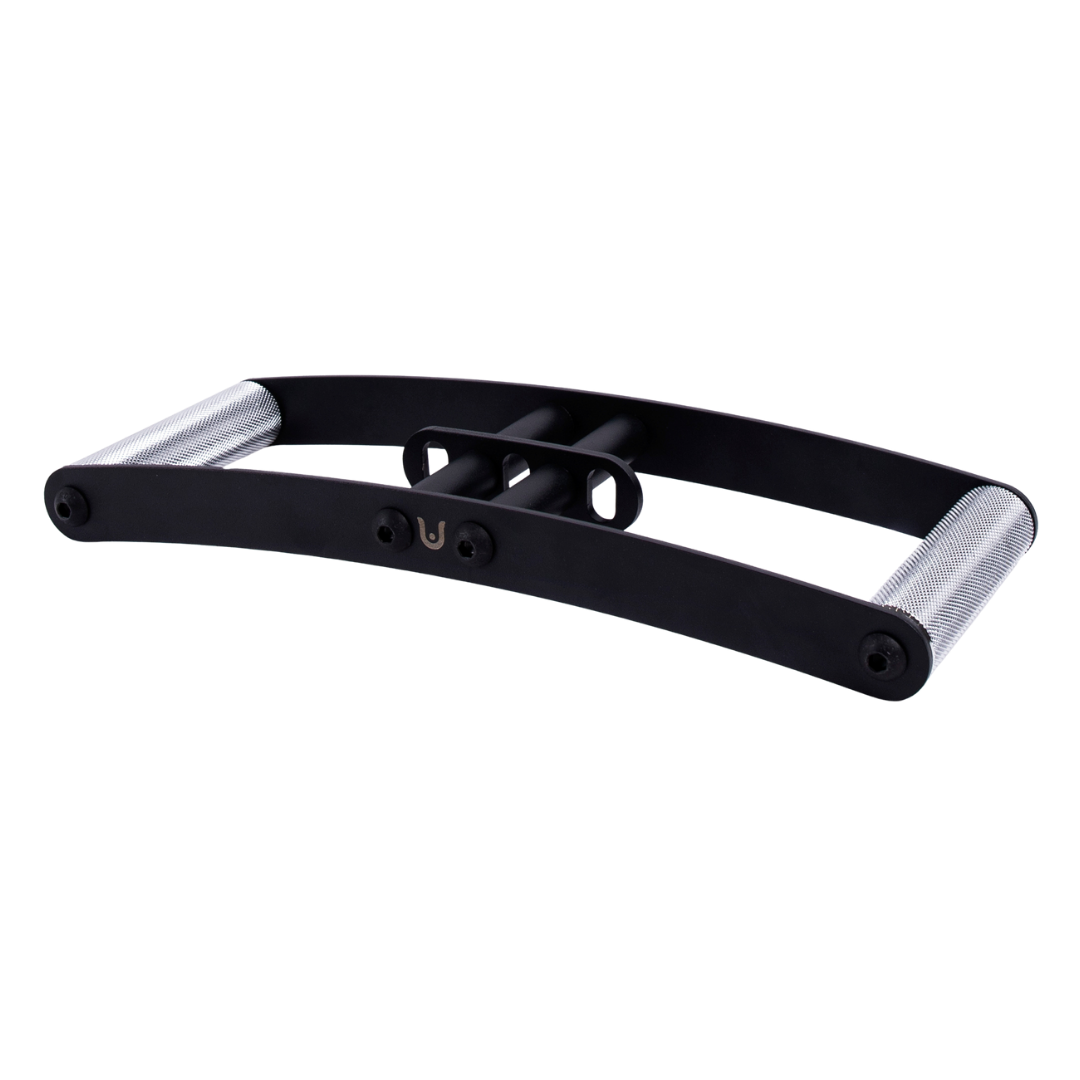
Horizon Grip
Ergonomic V-style cable grip for rows and back training.

GymPin D Handle Bar
Multi-use steel D-handle bar for cable rows, pulldowns and other cable exercises.

Angles 90 Grips
Flexible grip attachments that allow natural wrist movement during pulling exercises.
Overhand, Underhand and Neutral Hand Positions
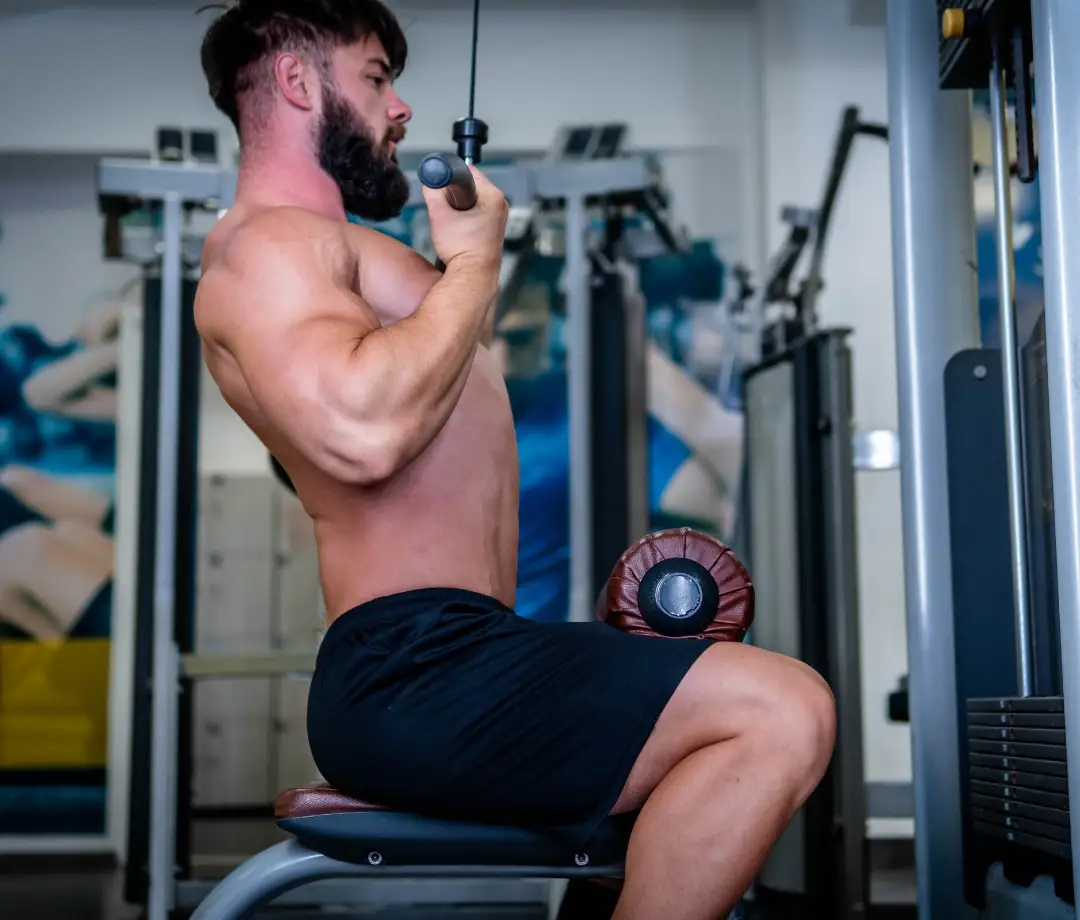
Overhand pulldowns commonly encourage the upper arms to travel somewhat farther out from the body. Underhand setups can bring the elbows closer to the ribs while changing the leverage of the elbow flexors. Neutral handles point the palms toward each other and may feel easier on the wrists and shoulders. None of these labels tells the entire story because handle width and elbow path also differ from attachment to attachment.
An older study comparing palm orientations observed some muscle-activation differences under its testing conditions. The newer seven-grip comparison, however, did not find one consistent overall lat winner. The experiments use different participants, grips, loads and procedures, so interpreting them together is better than treating either one as a universal ranking. A difference in EMG also does not prove faster muscle growth.
Underhand pulldowns still use the lats; the biceps simply help bend the elbows. If your arms feel overloaded before your back gets demanding work, the answer may be reducing weight or changing setup rather than declaring that one grip is useless. Many lifters find neutral handles especially comfortable when a straight overhand bar creates wrist irritation.
The grip worth keeping is the one that lets you train hard through a stable controlled path. Individual handles and rotating grips can be useful for naturally different arm positions, but a collection of attachments cannot replace sufficient training effort and measurable progression.
Set Up Every Rep for Consistent Back Work
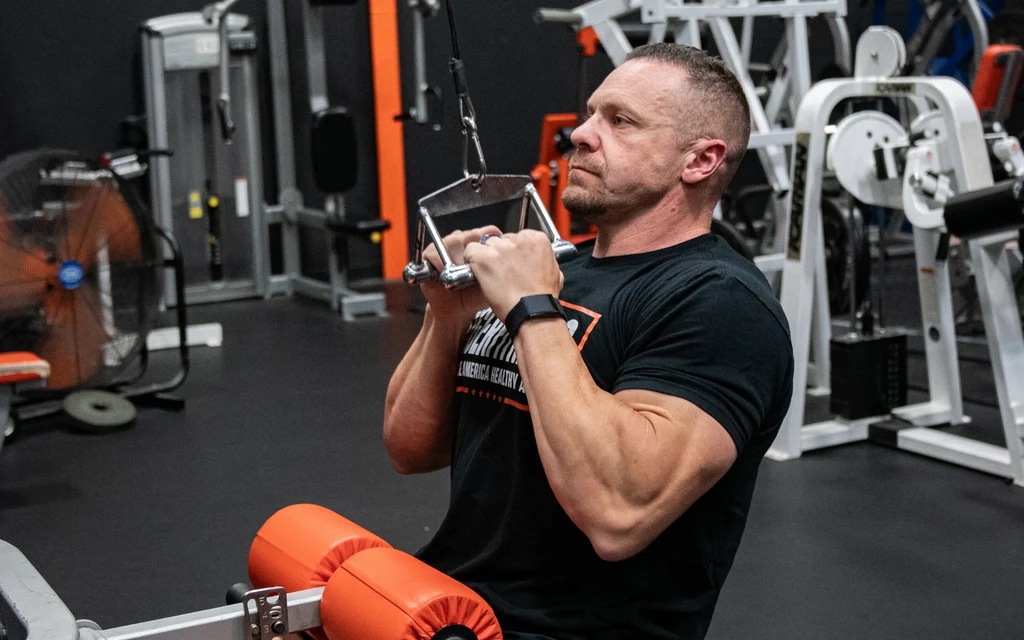
Adjust the thigh restraint so the pads prevent you from rising off the seat without digging painfully into your legs. Sit close enough to the cable line to reach the handle overhead without twisting. Plant the feet, keep the rib cage supported by a braced trunk and choose an overhead starting position your shoulders can comfortably control. A small stable backward lean is normal for some lifters; throwing the torso far backward changes the exercise.
Begin the pull by bringing the upper arms down toward your sides. Instead of trying only to pull the bar with the hands, think about moving the elbows toward the lower ribs. The shoulder blades should move naturally rather than being forced into a rigid depressed position throughout the rep. At the bottom, bring the bar or attachment toward the upper chest as far as your structure permits without jutting the neck forward.
Return smoothly until the elbows straighten substantially and the back reaches a comfortable overhead stretch. Control the weight stack rather than allowing the plates to crash. If the last few repetitions turn into a full-body rocking movement, the resistance may be too high for the version you are trying to train. A predictable set at moderate load often yields more useful information than a heavier set with shortened range.
Do not force a behind-the-neck pulldown to prove shoulder mobility. A front pulldown gives most lifters a simpler controllable route. The best finishing position is one you can repeat pain-free with tension and control, not an arbitrary spot on the chest that requires awkward compensations.
Bodybuilding Shirts & Workout Gear
Bodybuilding shirts, tanks and gym gear for lifters chasing muscle, size, symmetry and the pump.

Lat Man Big Back – Hooded With Huge Lats – Jumper Hoodie
Stay casual and show some superhero attitude with “Lat Man Big Back”.

Strong Back Bodybuilder | Meme Hooded | The Simpsons Wo Hoodie
Bring “Strong Back Bodybuilder” gym humor to lazy days and post-workout plans.


Lat Spread Mickey Mouse Hooded Meme Hoodie
Make your off-duty look more fun with “Lat Spread”.

Always Pull Yourself Up Crewneck Calisthenics Pullover T-Shirt
Bring “Always Pull Yourself Up” humor to your everyday gym style.

Train Back You Must Gym | Funny Yoda Bodybuilding Meme Hoodie
Make your off-duty look more fun with “Train Back You Must”.

Back Sabbath Back Day Heavy Metal Back Training Workout Tank Top
Train hard, laugh a little, and rep “Back Sabbath Back Day”.

Big Back SpongeBob Bodybuilders Back Day Hooded Hoodie
Make your off-duty look more fun with “Big Back”.

Hardcore Gains Gym | Funny No Pain No Gain Muscle Shirt Tank Top
Add some lifting attitude to training with “Hardcore Gains”.

Six Technique Mistakes and Attachments Worth Considering
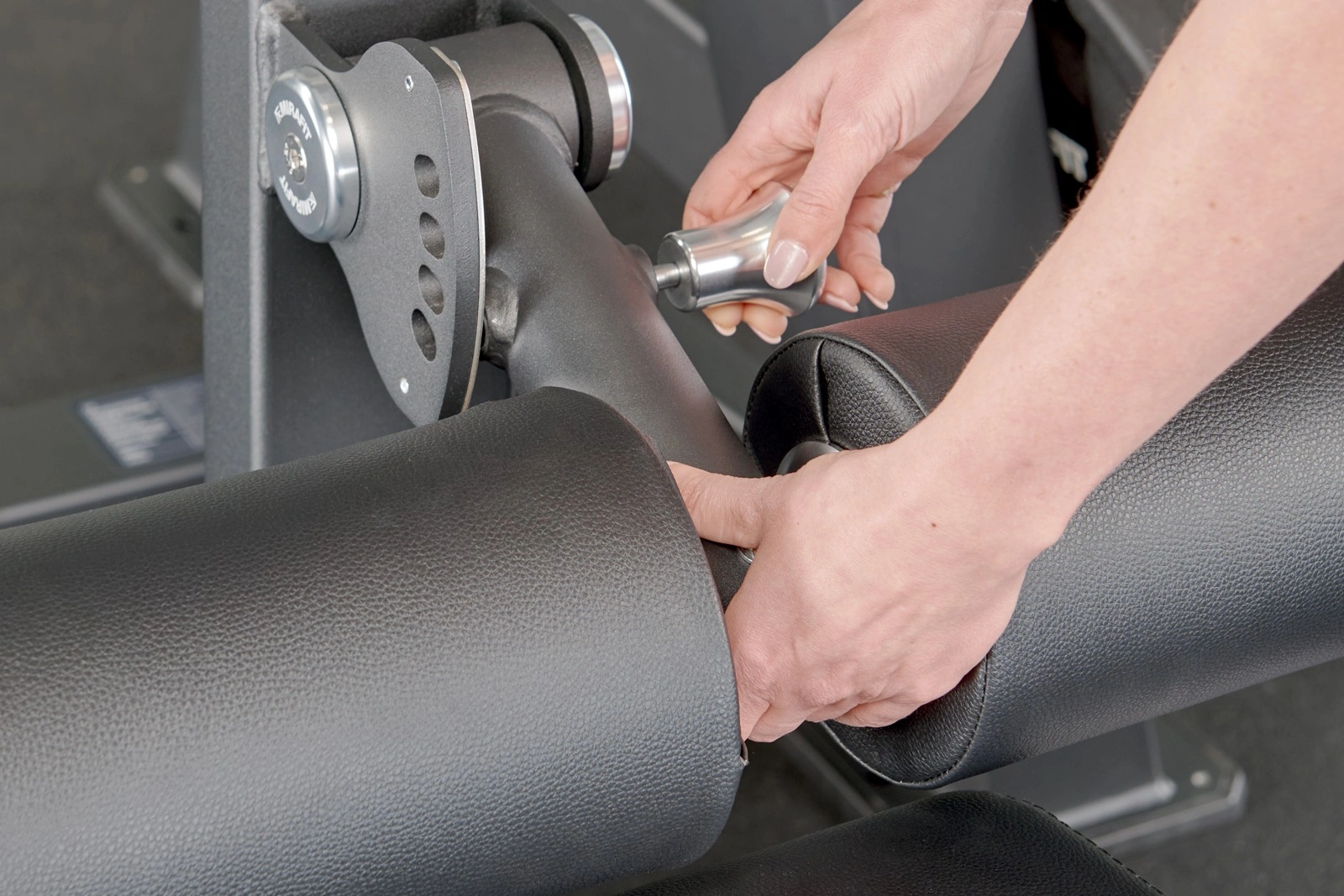
First, excessive body swinging replaces a vertical pull with momentum and makes load comparisons unreliable. Second, excessively wide hands can shorten range without demonstrating better lat stimulus. Third, pulling behind the neck may force an uncomfortable shoulder position. Fourth, letting the wrists fold backward shifts attention away from the back. Fifth, cutting off the entire upper part of the rep can make a load look stronger than it is. Sixth, allowing the biceps or grip to fail unintentionally before the back is taxed may restrict productive sets.
Fix these problems one by one before buying another handle. A medium-width straight bar can work extremely well when it sits comfortably in your hands. Neutral independent handles allow some freedom to adjust the wrists. A multi-grip lat bar adds alternative arm paths. A sturdy lat-pulldown seat and secure thigh pads may have a bigger impact than a premium grip if the entire body otherwise rises with the weight stack.
A wider bar is useful if you enjoy the feel and can retain full controlled motion. A closer handle can help when an overhand grip causes shoulder discomfort. A rotating attachment can reduce wrist restriction, but not every lifter needs it. If straps improve the set because grip fatigue consistently arrives before back fatigue, use them thoughtfully instead of hiding excessive load or uncontrolled form.
An attachment only deserves a place in your routine when it solves a specific problem: improved comfort, a reproducible range or easier progressive overload. Owning twenty grips does not create twenty different growth mechanisms. Two comfortable alternatives used consistently can cover the same practical needs.
Equipment Worth Exploring
Explore equipment, accessories and gear from our carefully selected range.
VOLTRA
Compact digital cable trainer with smooth, adjustable resistance.

Go-Tone Pro
Portable digital cable trainer with up to 66 lb (30 kg) of adjustable resistance.

VForce Wall Trainer
Space-saving wall-mounted functional trainer with pivoting cable arms and variable resistance ratios.

VForce 2IN1
Half rack and pivot-arm functional trainer with switchable 1:1 and 2:1 pulley ratios.

VForce 3IN1
All-in-one rack combining an adjustable Smith machine, functional trainer, and free-weight station.

44in Dual Hook Bar
44-inch aluminum dual-hook straight bar for cable rows, pulldowns, and curls.

GymPin Ergo Handles
Pair of ergonomic cable handles shaped for comfortable triceps and pulling exercises.

Leather Lifting Straps
Padded leather straps support grip during heavy rows, deadlifts and pulling exercises.
A Six-Week Lat Pulldown Progression
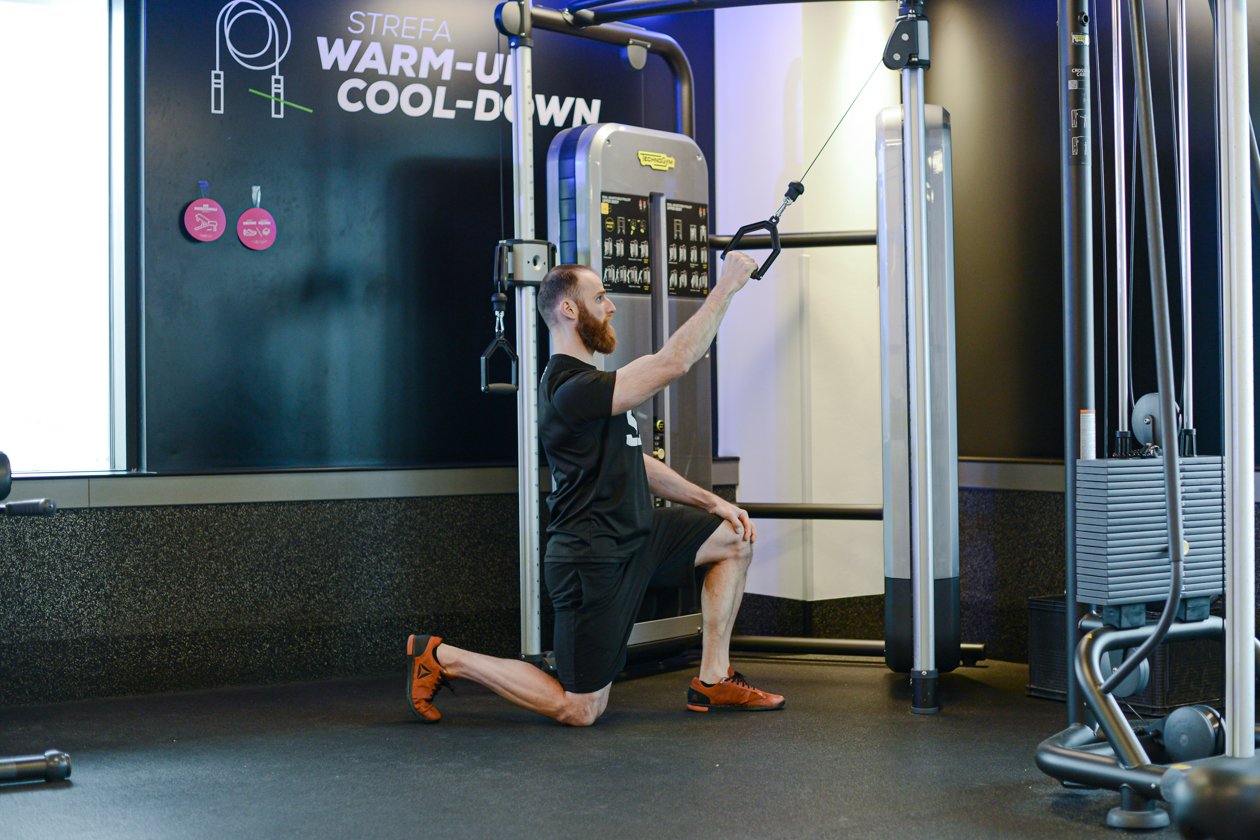
Train a vertical pulldown twice a week, leaving at least one day between sessions. On Day A, use a comfortable overhand or neutral grip for three sets of eight to twelve repetitions. On Day B, use another grip for two or three sets of ten to fifteen. Start with approximately two or three repetitions in reserve, and rest two to three minutes for demanding sets. Adjust volume downward if you already perform heavy chin-ups and several challenging rowing sets.
During weeks one and two, settle on exact hand spacing, seat setup, range and tempo. Use a load that allows every rep to look recognizably similar. Write down the resistance and number of reps. During weeks three and four, add repetitions until all sets reach the upper end of the range without rocking. Then increase the load by the smallest practical increment while maintaining the same movement.
In weeks five and six, keep making small improvements and compare only consistent repetitions. If pain appears or performance suddenly deteriorates, reduce load or remove a set rather than forcing progression. An occasional single-arm high-cable pulldown can be useful for learning independent shoulder control, but do not make it mandatory when ordinary pulldowns feel excellent.
Balance vertical pulling with a horizontal row, since the exercises emphasize different arm paths and positions. Monitor your back training alongside total weekly effort, food and recovery. The forty-man experiment does not say grip is irrelevant: grip influences comfort, mechanics and the work you can repeat. It says there is no convincing acute lat EMG crown to award among those tested arrangements. Make the goal excellent reps and sustainable progress, not one special hand position.