Advertising disclosure: This page includes affiliate product links that may earn us a commission, as well as products from our own store.
How much should a squat rep slow down before you end the set? That question matters more than it sounds. The final grindy reps can deliver a useful training stimulus, but they also change fatigue, technique and the quality of the work you can perform afterward.
An eight-week full-squat experiment involving 51 moderately trained men put four stopping rules head to head. One group stopped with virtually no measurable rep-speed drop, while the others kept working until bar speed declined by 10%, 20% or 40% from an early fast repetition. All four groups trained and adapted. The revealing result was that the group with the greatest strength improvements was not the one grinding the slowest reps.
Here is what the numbers really establish, what they do not prove about muscle growth, and how to apply the principle without mistaking a velocity threshold for a universal rep count.
Inside the 51-man full-squat experiment
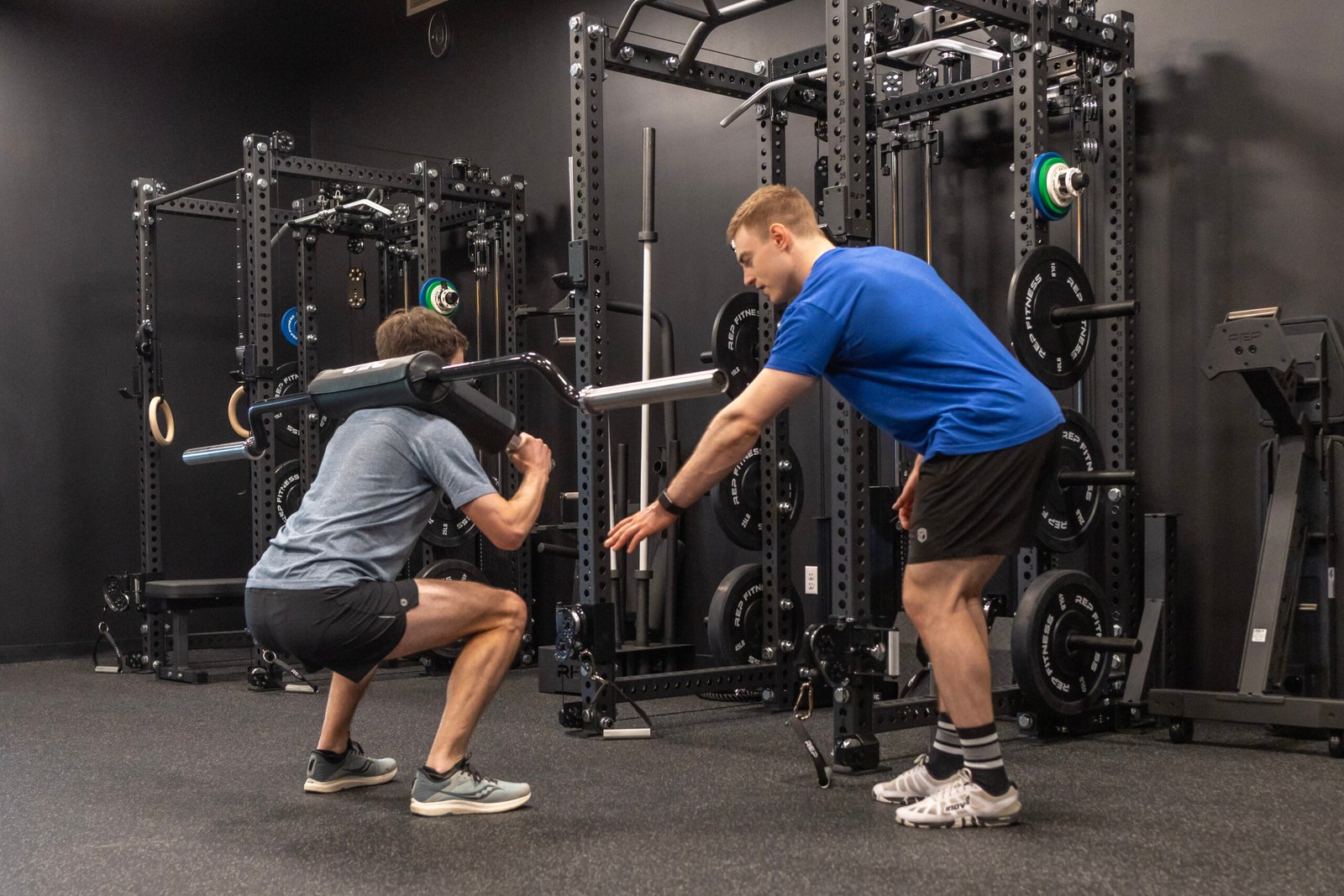
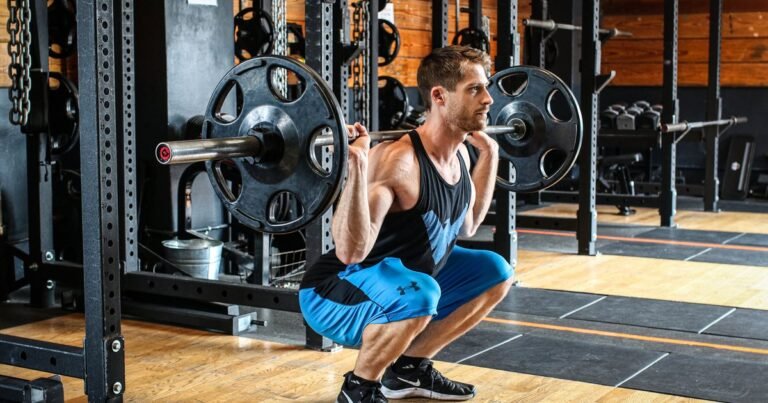
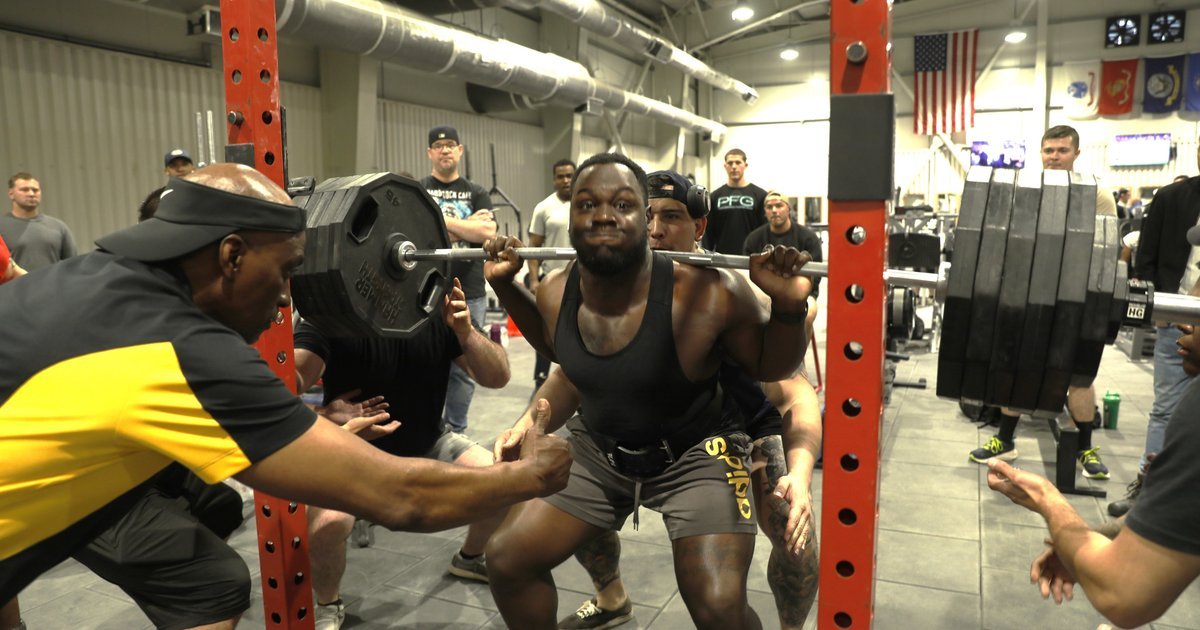
Researchers assigned 51 moderately resistance-trained men to four groups, each using a different within-set velocity-loss threshold: 0%, 10%, 20% or 40%. The exercise was the full squat, with loads from 55% to 70% of one-repetition maximum. Everyone completed 16 training sessions, twice weekly across eight weeks. The key manipulation was the amount of slowing tolerated inside each set, not a completely different exercise or training calendar.
The team assessed one-repetition maximum strength, bar speed against heavier loads, maximal isometric squat force, countermovement jumping, fatigue-test performance and the cross-sectional area of the vastus lateralis, a major quadriceps muscle. Measuring several outcomes is important: the fastest route to raising a squat max is not automatically identical to the route to maximizing every measure of leg size or explosiveness.
Four groups across 51 men also means modest numbers per condition. A change within one group is not enough to declare it superior to another. The appropriate comparison is whether improvements differ significantly between groups, alongside their size and practical relevance. That distinction becomes especially important when interpreting the muscle-growth figures.
These results describe one eight-week full-squat program in moderately trained men using moderate loads. They are useful evidence for programming, but they are not a direct test of advanced competitors, women, teenagers, injury rehabilitation, leg presses or maximal-load peaking.
Velocity loss is a set-stopping rule, not a magic rep number
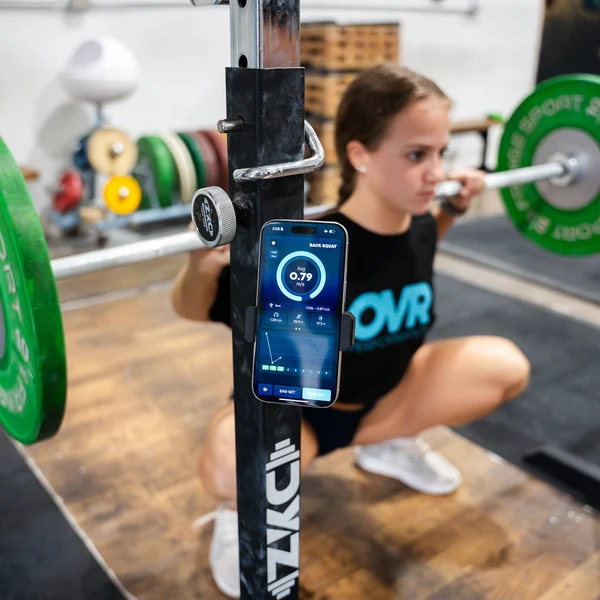
Velocity loss describes how much the upward speed of the bar falls compared with the fastest or reference repetition in that set. Imagine an early squat ascent measured at 0.60 meters per second. A 20% loss corresponds to roughly 0.48 meters per second; a 40% loss corresponds to about 0.36 meters per second. Those numbers illustrate the math rather than the study’s individual velocity values.
A lower threshold usually ends the set sooner. That can preserve crisp repetitions and limit accumulated fatigue. A higher threshold permits more slowing, generally allowing more repetitions before the set ends. The actual number varies with load, exercise technique, the athlete’s fatigue and how rapidly repetitions decelerate. Ten-percent loss is not reliably ‘three reps,’ and forty-percent loss is not universally failure.
A 0% threshold should not be confused with doing zero squats. It describes stopping without permitting a meaningful fall from the reference rep’s speed. Likewise, a 20% threshold does not mean squatting at 20% of maximum load; the study’s prescribed loads still sat between 55% and 70% of one-repetition maximum.
Speed-based rules are especially useful when someone trains in a high-frequency program or needs performance tomorrow. Instead of insisting on the same repetitions when tired and fresh, the athlete can adjust how many quality reps fit inside the planned effort. That is the underlying coaching idea, even when technology is unavailable.

Equipment Worth Exploring
Explore equipment, accessories and gear from our carefully selected range.

GymPin Squat Wedges
Non-slip 15-degree squat wedges help elevate the heels for deeper quad-focused squats.

Safety Squat Handles
Barbell squat handles that reduce shoulder positioning demands during high-bar squats.


Foldable Wall Rack
Wall-mounted folding squat rack designed to save floor space between workouts.

Studio V-Squat
Plate-loaded V-squat machine for supported lower-body strength training.


Competition Plates
Competition-style bumper plates for Olympic lifts and loaded strength training.


VForce 3IN1 Max
Six-post all-in-one rack with Smith machine, functional trainer, and variable-force cables.
Why the 20% group stood out for strength
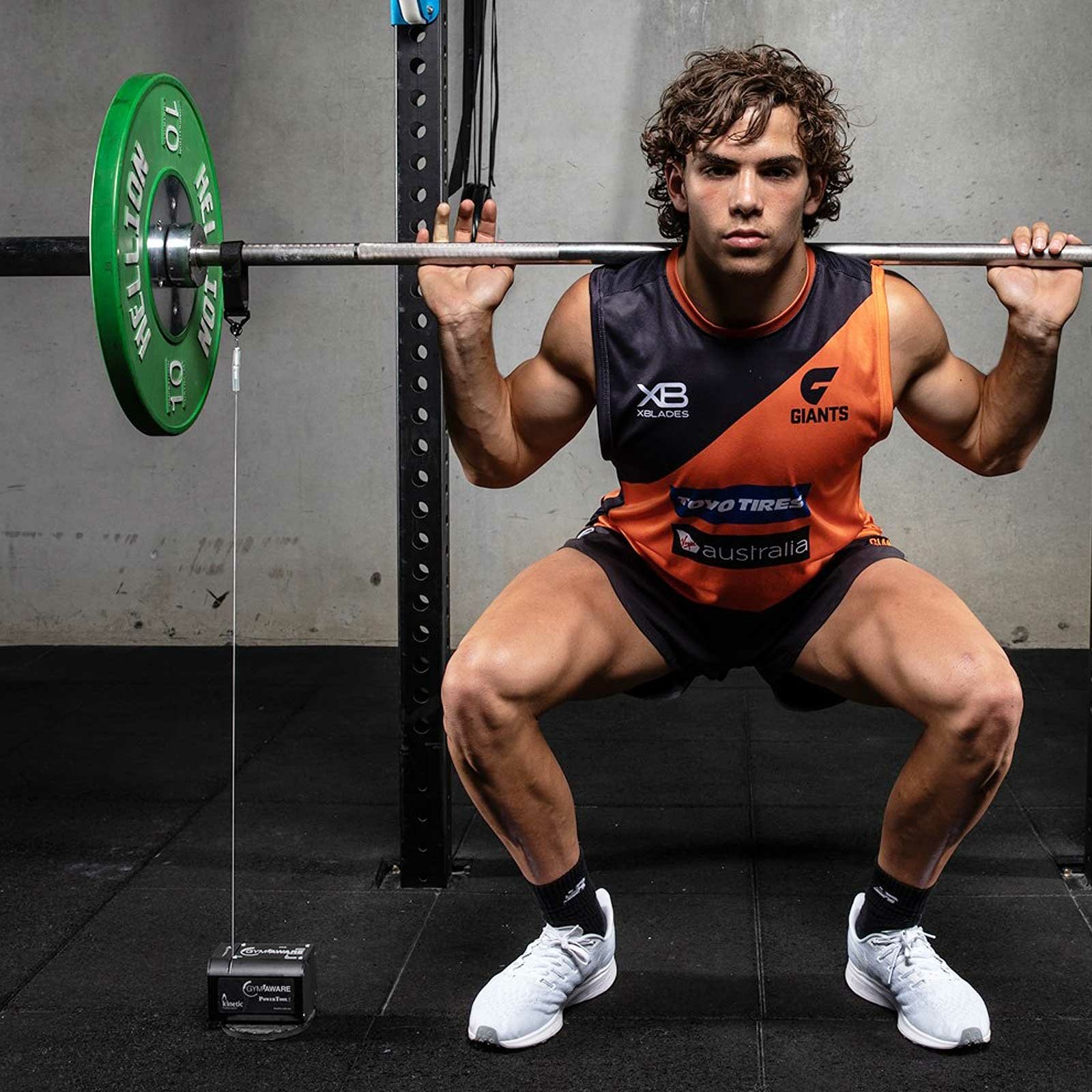
The 20% velocity-loss group achieved the greatest improvements in the full-squat one-repetition maximum. The study found a meaningful group-by-time interaction for that outcome (p = 0.03), and also for movement velocity against heavy loads (p = 0.02). In other words, the strength result was not merely one group’s number looking bigger in isolation.
Across the strength variables, reported effect-size ranges were approximately 0.81–2.72 for the 20% group, versus 0.52–0.86 for the 40% group. Those ranges cover several different tests, so they should not be treated as percentage increases or compared as though every value measured the same lift. Their value is in the overall direction of the response: a moderate stopping threshold performed particularly well for strength-related outcomes.
Why might this happen? A set that ends before the slowest grind can retain a greater share of high-quality, forceful repetitions while avoiding some unnecessary fatigue. It may also let the lifter approach the next set with more usable output. Those are plausible explanations, not mechanisms isolated and proven by this study.
The practical lesson is neither ‘every squat set must stop at exactly 20%’ nor ‘hard sets are bad.’ It is that training to an extreme slowdown was not required for the strongest improvement in this particular eight-week, moderate-load comparison. A disciplined stopping rule can be part of serious progressive overload rather than a sign of holding back.
Did the 40% group build more quads? Read the fine print
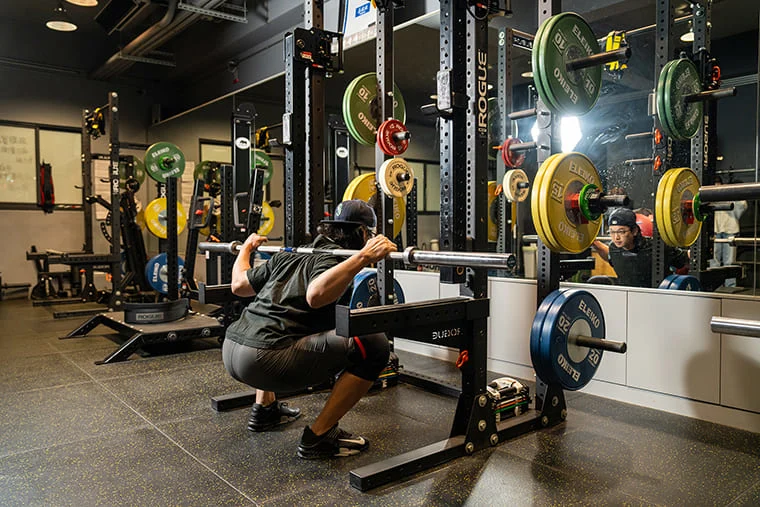
Every group significantly increased vastus lateralis cross-sectional area across the intervention. The reported hypertrophy effect sizes were 0.19 for 0% velocity loss, 0.22 for 10%, 0.19 for 20%, and 0.47 for 40%. On their face, those numbers make the 40% condition look most favorable for muscle size.
But the actual between-group interaction for the muscle-size outcome was not statistically significant (p = 0.18). That means the evidence does not establish that 40% velocity loss produced a reliably greater hypertrophy response than the other thresholds. A larger numerical effect size can suggest a hypothesis; it cannot by itself carry a definitive ‘40% is best for growth’ headline.
There is also a measurement boundary. The trial measured the cross-sectional area of the vastus lateralis, not a complete map of quad volume, glutes and every lower-body muscle. It would be unwarranted to translate this result into an exact percentage of total leg growth, or to assume a similar response after months of specialized bodybuilding.
High-effort sets can remain valuable when muscle gain is the priority, especially when volume and recovery are managed. But trying to make every squat set a slow-motion ordeal is not the only route to a hypertrophy stimulus. Muscles respond to many overlapping variables: meaningful tension, adequate hard work, recovery, nutritional support and sustained load progression.
A useful compromise is to reserve especially fatiguing work for a small number of carefully chosen sets or less technically demanding exercises, rather than letting it dominate the entire squat session.

Leg Day Shirts & Workout Gear
Leg-day gym shirts and workout gear for lifters who never skip squats, lunges and lower-body punishment.

Coffee Shots & Heavy Squats for Caffeine Addicts and Sq Hoodie
Keep it laid-back with a little “Coffee Shots & Heavy Squats” attitude.

Squat Here Adult Humor With Meme Pickup Line , & T-Shirt
Make gym days more fun with “Squat Here” style.

Quadzilla Massive Quads Leg Day Squatting Meme Tank Top
Train hard, laugh a little, and rep “Quadzilla”.


Leg Day Squats Deadlifts Decal Meme Vinyl Sticker
Give your everyday gear a playful “Leg Day” twist.

9 Plates Squat Club Meme Shirt – Essential & T-Shirt
Show some leg-day attitude with a playful “9 Plates Squat Club” tee.

Negative Leg Day Review 1 Star Not Recommended Tank Top
Train hard, laugh a little, and rep “Negative Leg Day Review”.

Squatbucks Gym | Funny Starbucks Parody Workout Decal | Sticker
Stick a little “Squatbucks” humor on your favorite gear.


Measuring rep speed in the real gym
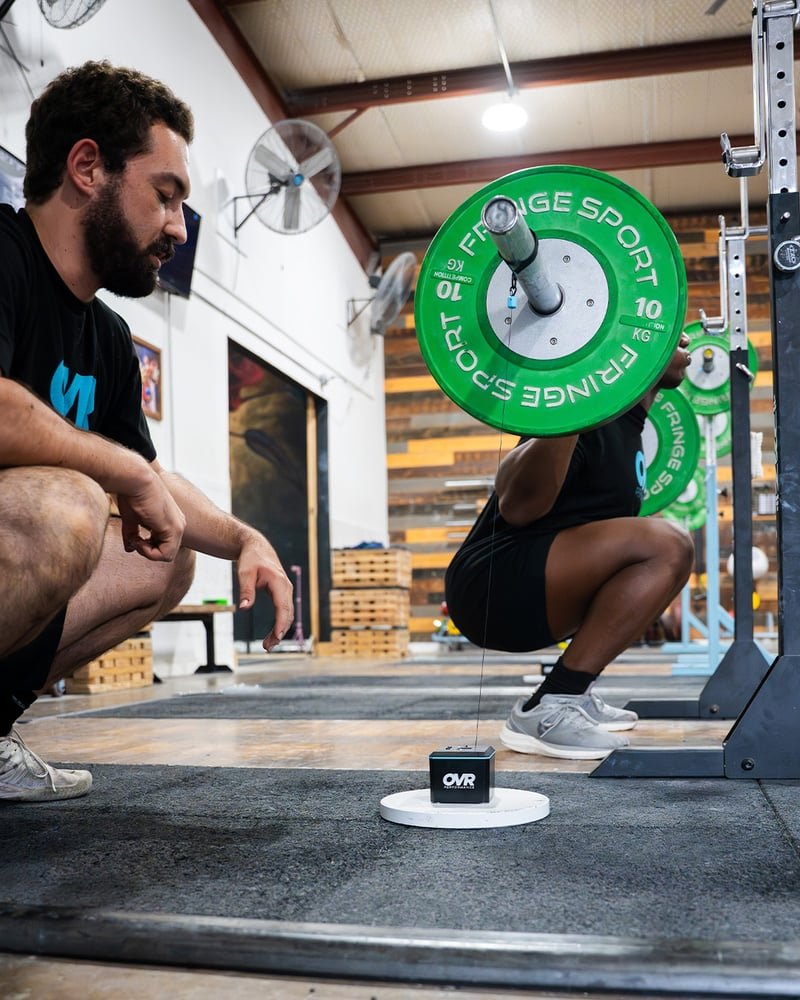
Accurate velocity-based training typically uses a compatible bar-speed sensor, cable encoder or camera system. The device estimates the concentric speed of each repetition; its software then reports the drop from an early reference rep and helps identify the set-stopping point. Different systems can differ in measurement method and reliability, so compare like with like and follow the device’s setup instructions.
Set up the measurement before loading aggressively. Perform standardized warm-up sets, use a consistent squat depth, and aim to lift the concentric portion as fast as safe technique allows. That last instruction concerns intent, not literally throwing the bar upward. If one rep is intentionally moved slowly, the displayed speed may reflect a pacing choice rather than fatigue.
A sensor also cannot judge every important aspect of squat quality. It will not necessarily tell you whether your bracing unraveled, heels lifted, knees shifted, or depth changed to manipulate the measured speed. Treat bar-speed feedback as one input among technique, load, sleep, soreness and the difficulty of the workout.
With no velocity device, a coach or lifter can use a rougher rule: end many strength-focused sets when the bar visibly slows and a clean ascent is no longer repeatable at the same rhythm. This is not a scientifically interchangeable substitute for precisely measured 20% loss. Subjective speed judgments vary with experience, angle of observation and the exercise. Use the proxy to improve consistency, not to pretend you measured a percentage.
Film a few sets from the side if helpful, and log how the final rep felt, plus the load and repetitions. Those simple records can reveal when the same planned workload becomes unusually fatiguing.
Equipment Worth Exploring
Explore equipment, accessories and gear from our carefully selected range.


Grip Plates
Rubber-coated weight plates with handholds for loading barbells and machines.


Belt Squat Collar
Heavy-duty collar adapter for compatible belt-squat and landmine bar setups.

Squat Harness
Wearable harness for hands-free cable squats, sled work, and lower-body training.


VForce 3IN1
All-in-one rack combining an adjustable Smith machine, functional trainer, and free-weight station.

FID Bench MAX
Adjustable bench offering flat, incline, and decline positions + adjustable headrest.

GymPin Mag Pin V2
Magnetic selector pin designed to secure weight selection on compatible pin-loaded machines.
How to turn the findings into smarter set selection
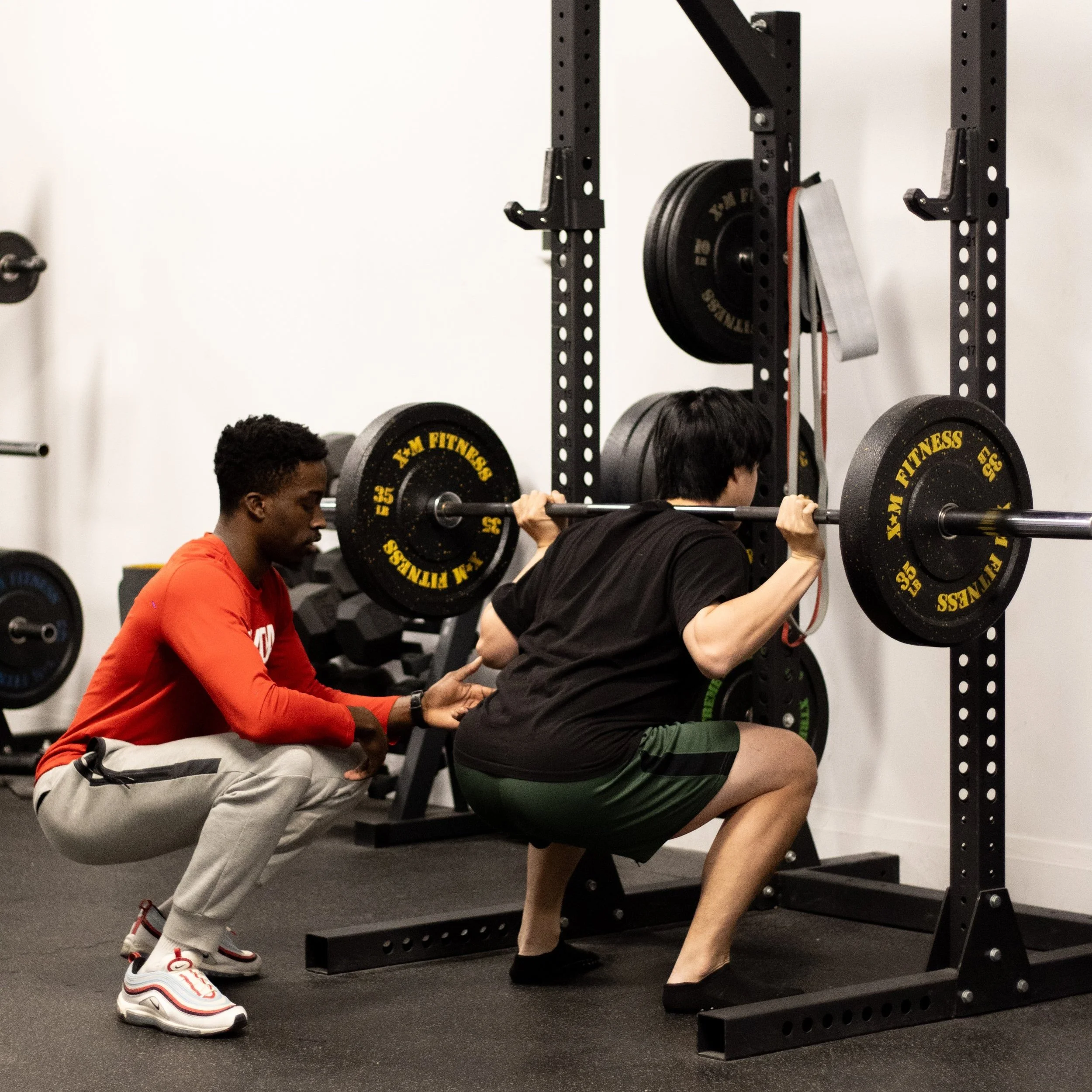
Start by deciding what the session is supposed to achieve. If your priority is to improve your squat max while preserving performance across multiple sets, use moderate loads and stop short of the ugliest grinders on most working sets. Where a validated device is available, a threshold around 20% velocity loss is a reasonable experiment inspired by the study, not a mandatory law for every body or loading zone.
For bodybuilding-oriented sessions, additional repetitions can be productive, but the tradeoff is accumulating fatigue. Instead of assuming 40% loss guarantees bigger quads, track the amount of quality leg work you can recover from week to week. Squats may supply the heavy compound portion while leg extensions or split squats provide additional stimulus without demanding that every barbell rep become a slow technical battle.
Rest long enough between squat sets to recover breathing, bracing and leg drive. If the first rep of the next set is already conspicuously slower than your normal fresh rep at that load, either extend rest or adjust the planned workload. Chasing an arbitrary repetition target when movement quality collapses defeats much of the appeal of velocity-guided training.
Keep the load, depth and intent reasonably consistent when comparing sessions. A deeper squat, a different bar position or a change in footwear can alter speed and make a simple percentage comparison misleading. Track actual strength progression with appropriately spaced tests rather than trying to set personal records every workout.
Finally, remember the tested population. A competitive powerlifter nearing a heavy single may use slower absolute bar speeds than someone squatting at 60% of their max. Do not transplant the study’s threshold uncritically into maximal attempts or other exercises.
Powerlifting Shirts & Lifting Gear
Powerlifting shirts and gym gear for squat, bench and deadlift lifters who live for heavy numbers.


Barbell Heartbeat Muscle Shirt Athletic Vest for Powerl Tank Top
Train hard, laugh a little, and rep “Barbell Heartbeat”.

Deadlift Skull Explosion Muscle Shirt for Powerlifting Tank Top
Bring “Deadlift Skull” humor to your next lifting session.

Deadlift Zombie Skull Gym Pullover for Powerlifters, Ha Hoodie
Bring “Deadlift” gym humor to lazy days and post-workout plans.

Barbells and Suffering – Satanic Heavy Metal Gym Decal Sticker
Give your everyday gear a playful “Barbells and Suffering” twist.

Lift Heavy – Hardcore Heavy Metal Gym Crewneck for Powe T-Shirt
Show some gym-day personality with “Lift Heavy”.

Gym The Bar Does Not Lie Medieval Knight Barbell Decal Sticker
Give your everyday gear a playful “The Bar Does Not Lie Medieval Knight” twist.

LiftIn Professional Lifter Gym Parody for Bodybuilders T-Shirt
For laid-back days and lifting humor: “LiftIn”.

Squat Bench Deadlift Pet Dogs Shirt Dog Lovers T-Shirt
Make gym days more fun with “Squat Bench Deadlift Pet Dogs” style.

I’m Strong Barbell Heartbeat Decal for Powerlifting Str Sticker
A fun “I’m Strong Barbell Heartbeat” touch for bottles, laptops, and lockers.
A six-week squat plan you can adapt
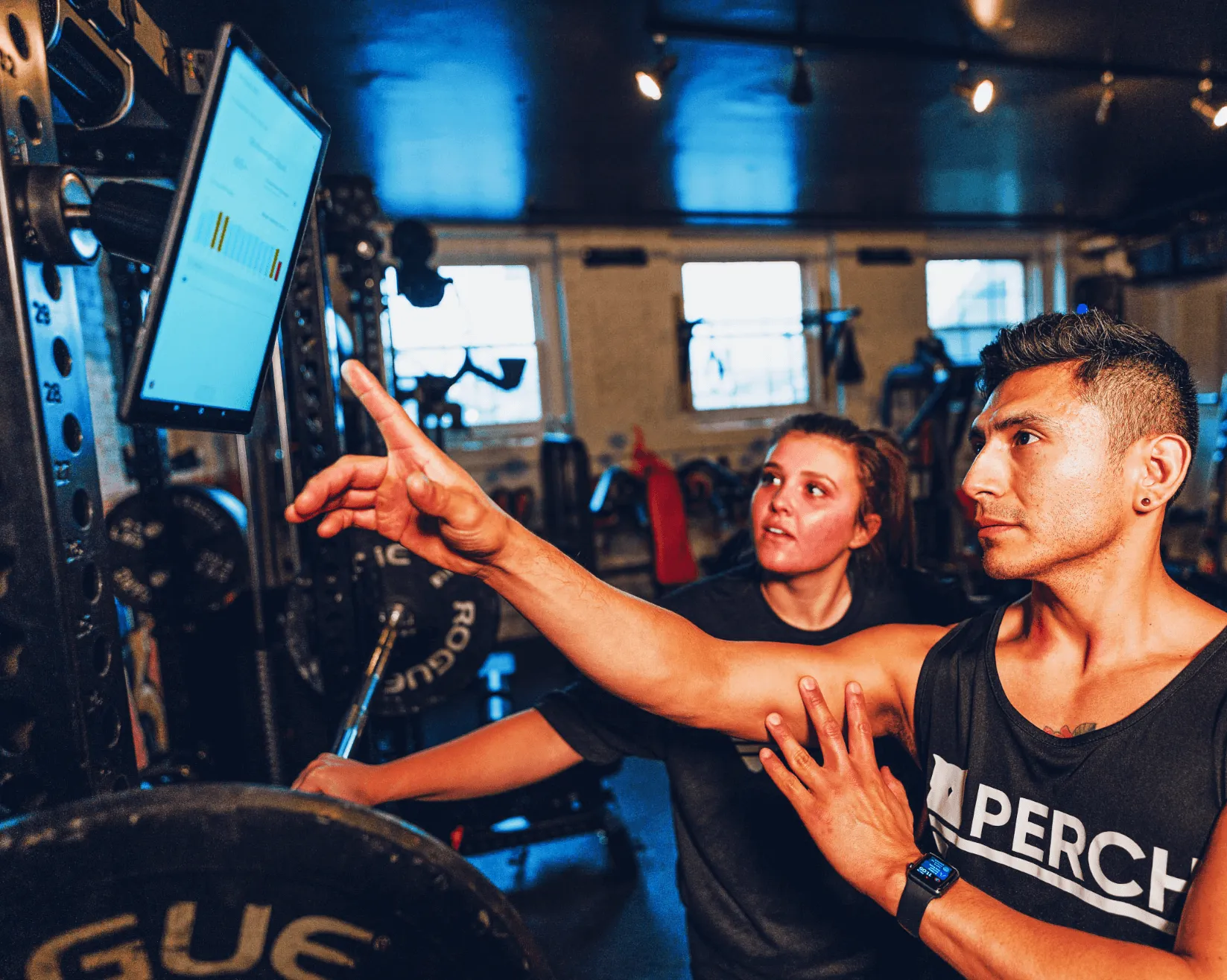
Here is a practical example for someone with at least a basic squat foundation. It is a coaching template inspired by the principle of controlling fatigue; it is not the exact protocol used in the experiment. Squat twice a week with at least two days between sessions. Warm up gradually, establish consistent depth and use a rack with appropriate safety arrangements.
Weeks 1–2: On day one, perform three or four working sets of four to six smooth full squats at a load you could lift for several more clean repetitions. On day two, use three sets of five to seven repetitions with a little less load, still stopping when speed clearly degrades or your brace deteriorates. Record the weight, reps and perceived effort.
Weeks 3–4: If movement quality and recovery are good, add a small amount of weight to one or both sessions. With a velocity device, use roughly 15–25% loss as a practical reference for strength-biased working sets; without one, stop before a pronounced grind. Let actual repetitions vary rather than forcing a set to continue after technique breaks.
Weeks 5–6: Maintain the load increases only while bar path and depth remain repeatable. Add one extra set on the lighter day if you are recovering well, or retain the current set count if fatigue is accumulating. After week six, compare a technically clean submaximal performance with your starting point, or schedule a suitable heavy test after recovery.
Give accessory work its own purpose. A few sets of unilateral leg training, hamstring work and core bracing can complement the squats. Avoid adding so much additional fatigue that the main lift deteriorates. If persistent pain, dizziness or loss of control appears, end the set and seek qualified guidance before continuing.
The broader takeaway is straightforward: more slow repetitions are not automatically more productive. The strongest improvement in this 51-man squat experiment emerged at a moderate stopping threshold, while the biggest numerical quad-size effect came from a higher threshold without a statistically reliable group advantage. Use that nuance to train harder in the ways that matter, not merely longer.