Advertising disclosure: This page includes affiliate product links that may earn us a commission, as well as products from our own store.
Should you fatigue the triceps before a bench press to make your chest work harder? A controlled crossover study involving 15 trained women and 15 trained men found higher chest electrical activity after the pre-exhaustion condition—but that is not the same as proving superior chest growth. Here is what changed, what did not and how to think about exercise order on a real push day.
Why triceps pre-exhaustion sounds like a chest-building shortcut
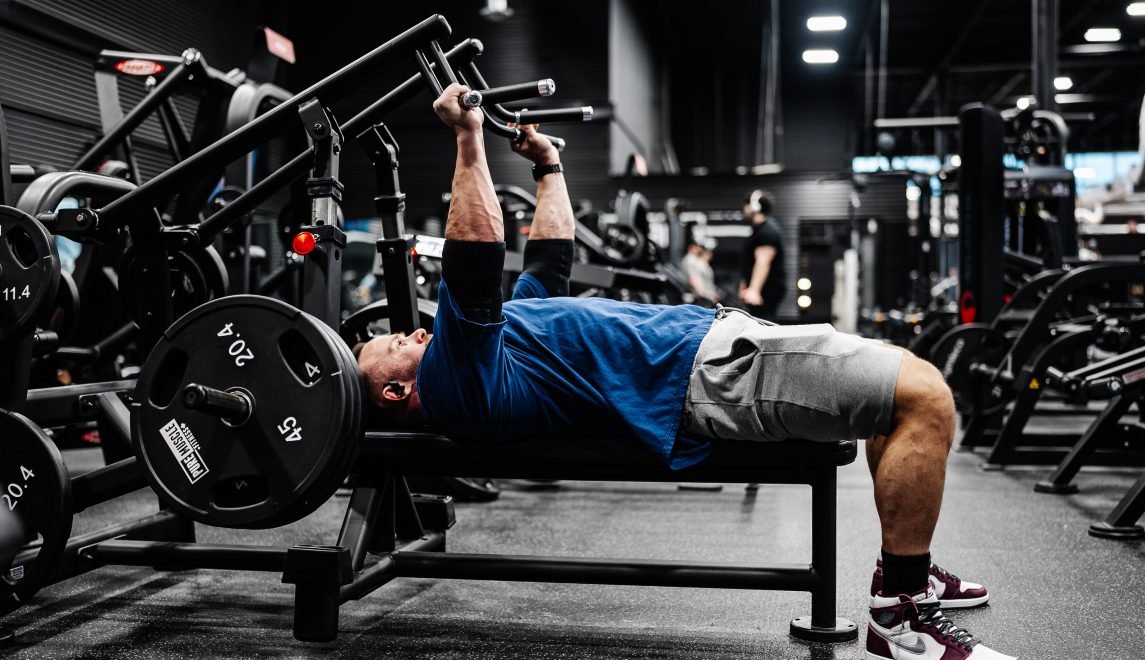
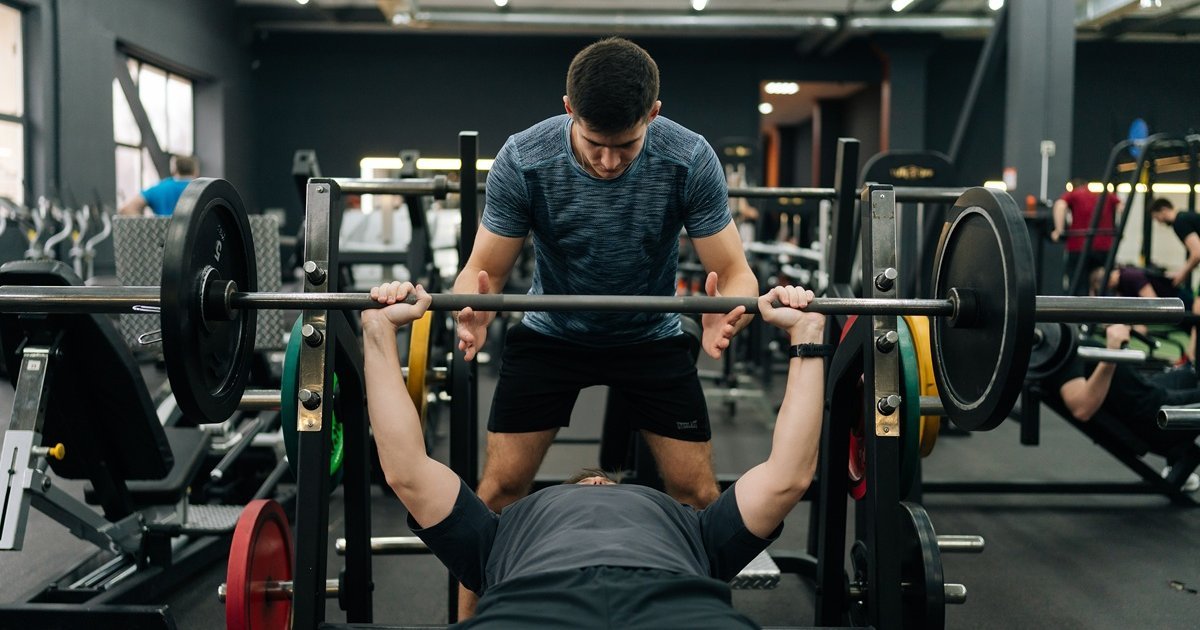
Bench pressing demands cooperation from the chest, triceps and front of the shoulders. That makes the familiar bodybuilding trick tempting: tire the triceps with an isolation exercise first, then let the chest do more of the work when the bar starts moving. The sensation is convincing because the second exercise often feels harder at the same load. But fatigue, muscle electrical activity and long-term growth are three different outcomes. A technique that makes a set feel brutal does not automatically make that set more productive.
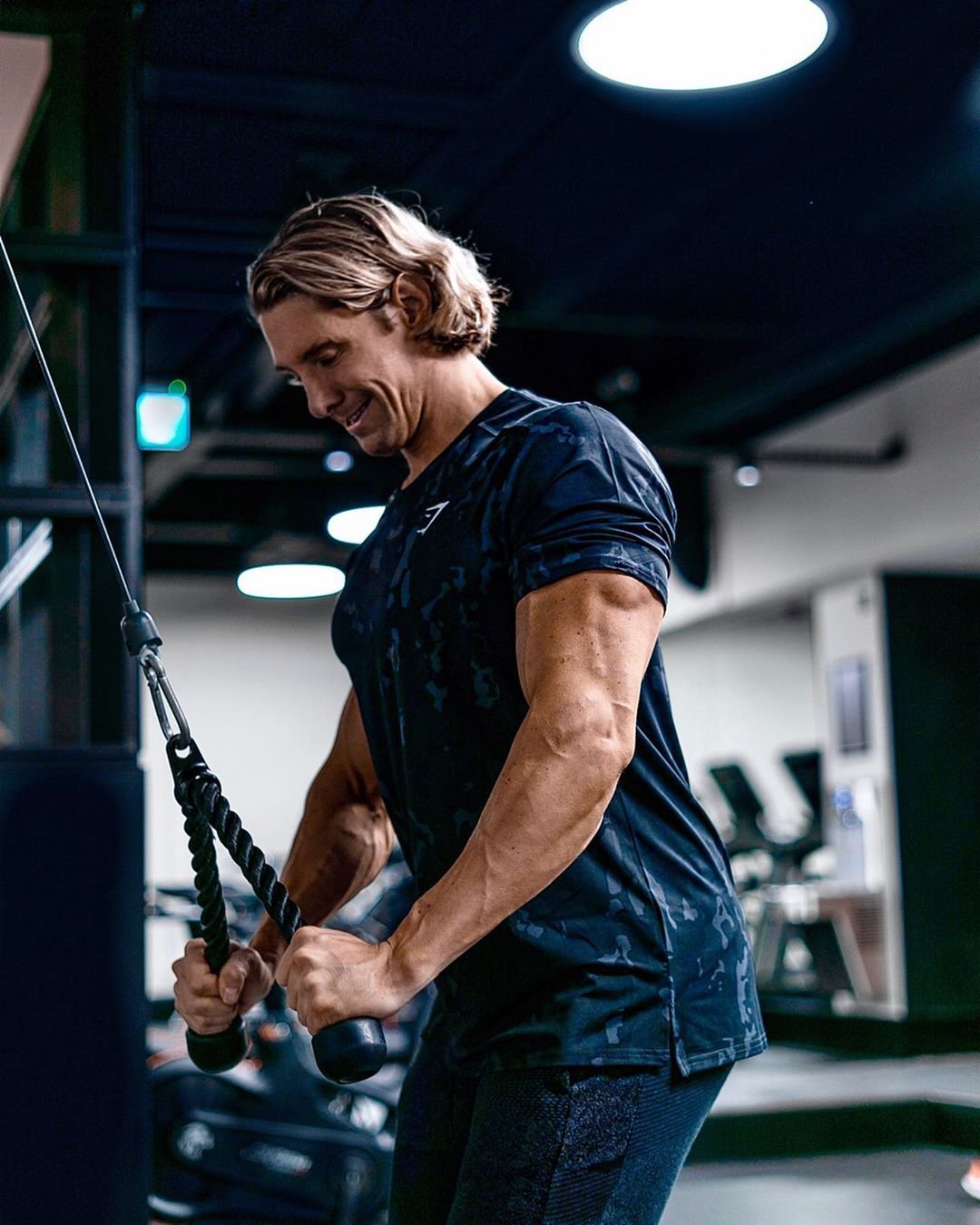
Pre-exhaustion is often described as doing a single-joint exercise before a compound lift. The name tells you what happens to exercise order, not what the body will adapt to. A triceps cable movement, for example, uses the elbow extensors without requiring the pecs to press a bar. Once those elbow extensors are tired, the nervous system may change how it recruits available muscle during the subsequent bench set. Whether that shift is useful depends on the training goal and on how many quality pressing repetitions remain.
The important question is not simply whether the chest works harder when the triceps are tired. It is whether the whole training session produces better, repeatable mechanical loading without reducing productive pressing volume. That is why a new comparison in trained women and men is interesting: it tracked muscle signals during the bench press rather than asking participants whether they felt a bigger pump.
Inside the crossover test of 15 women and 15 men
The experiment recruited 30 resistance-trained adults: 15 women and 15 men. Each participant performed bench-press work under two conditions in a crossover arrangement. In one condition the bench was performed without the triceps pre-exhaustion procedure. In the other, the triceps were worked to failure before the bench. The order was randomized in blocks, which helps limit the possibility that every participant simply performs better on whichever condition happens first.
The researchers recorded activity from the pectoralis major, triceps brachii and anterior deltoid with surface electromyography, or EMG. Those signals were normalized against each participant’s maximum voluntary isometric contraction, giving the study a way to compare each muscle’s electrical activity across conditions. The bench portion was organized around a ten-repetition-maximum load. The two bench conditions were separated by five minutes of rest, according to the reported procedure.
One valuable feature is that each person served as their own comparison. That avoids some of the noise created when one group happens to contain stronger or more skilled bench pressers. But this was an acute experiment, not a training program run for eight or twelve weeks. There were no before-and-after chest measurements, muscle biopsies or long-term bench strength changes. The findings describe how the exercise was performed and how electrical signals differed on the test day, not which method produces the most muscle.

Equipment Worth Exploring
Explore equipment, accessories and gear from our carefully selected range.


FID Bench MAX
Adjustable bench offering flat, incline, and decline positions + adjustable headrest.


Foldable Wall Rack
Wall-mounted folding squat rack designed to save floor space between workouts.


Speed Collar
Quick-release collars designed to secure weight plates on standard two-inch Olympic bars.
What changed in the pecs, triceps and front delts
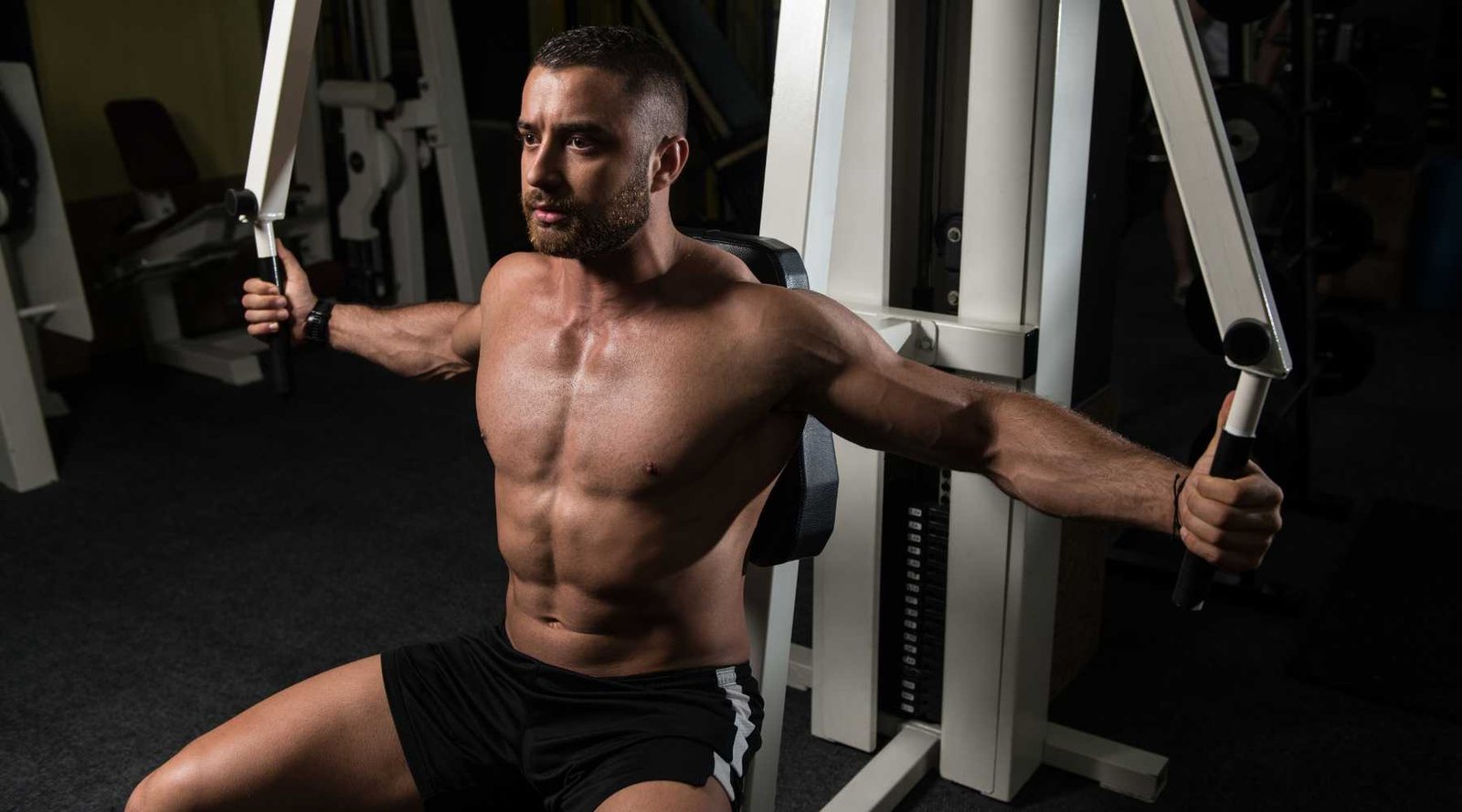
The clearest result was a rise in pectoralis major activation after triceps pre-exhaustion in both women and men. In the reported follow-up comparisons, the chest effect was statistically detectable in each group. The triceps pattern was different: activation increased after pre-exhaustion in women, while the men’s triceps change was not statistically clear. Neither group showed a detectable change in anterior-deltoid activation. Without pre-exhaustion, the researchers found no sex-based differences in the measured muscle activation levels.
Just as important, participants completed a similar number of bench repetitions with and without the pre-exhaustion condition. The reported comparison for repetition count was not statistically significant. That does not mean fatigue was absent or that the weight felt identical. It means the study did not show a measurable drop in bench repetitions under this particular protocol. A gym session with shorter rest, a heavier load or additional sets could still turn out differently.
The practical interpretation should stay narrow. A tired triceps did not force the chest to shut down; if anything, the chest EMG signal rose. But this cannot establish that the chest generated more effective tension or that the method grows bigger pecs. The difference between women and men in triceps activation is also a group-level result, not an instruction that every woman should pre-exhaust and every man should avoid it. Individual technique, training experience and fatigue responses still matter.

Powerlifting Shirts & Lifting Gear
Powerlifting shirts and gym gear for squat, bench and deadlift lifters who live for heavy numbers.


I Love Bench Press Valentine'S Day Meme – Chest Day T-Shirt
Make gym days more fun with “I Love Bench Press Funny Valentine's Day” style.

Chest Day Sweater Bench Press & Meme T-Shirt
Add a playful “Chest Day” touch to your casual rotation.


I Love Bench Press | Black Heart Weight Plate Graphic S T-Shirt
Show some powerlifting attitude with a playful “I Love Bench Press” tee.

Gym Sir Swole of Benchalot Medieval Knight Bench Press Hoodie
Show off your medieval humor in a laid-back “Sir Swole of Benchalot Medieval Knight” hoodie.

Help I Need a Spotter – Beatles Inspired Spotter Meme V Tank Top
Add some lifting attitude to training with “Help I Need a Spotter”.

The Boy Who Lifted | Harry Spotter Workout & T-Shirt
Rep “The Boy Who Lifted” humor in and out of the gym.

Why a higher EMG reading is not a hypertrophy verdict
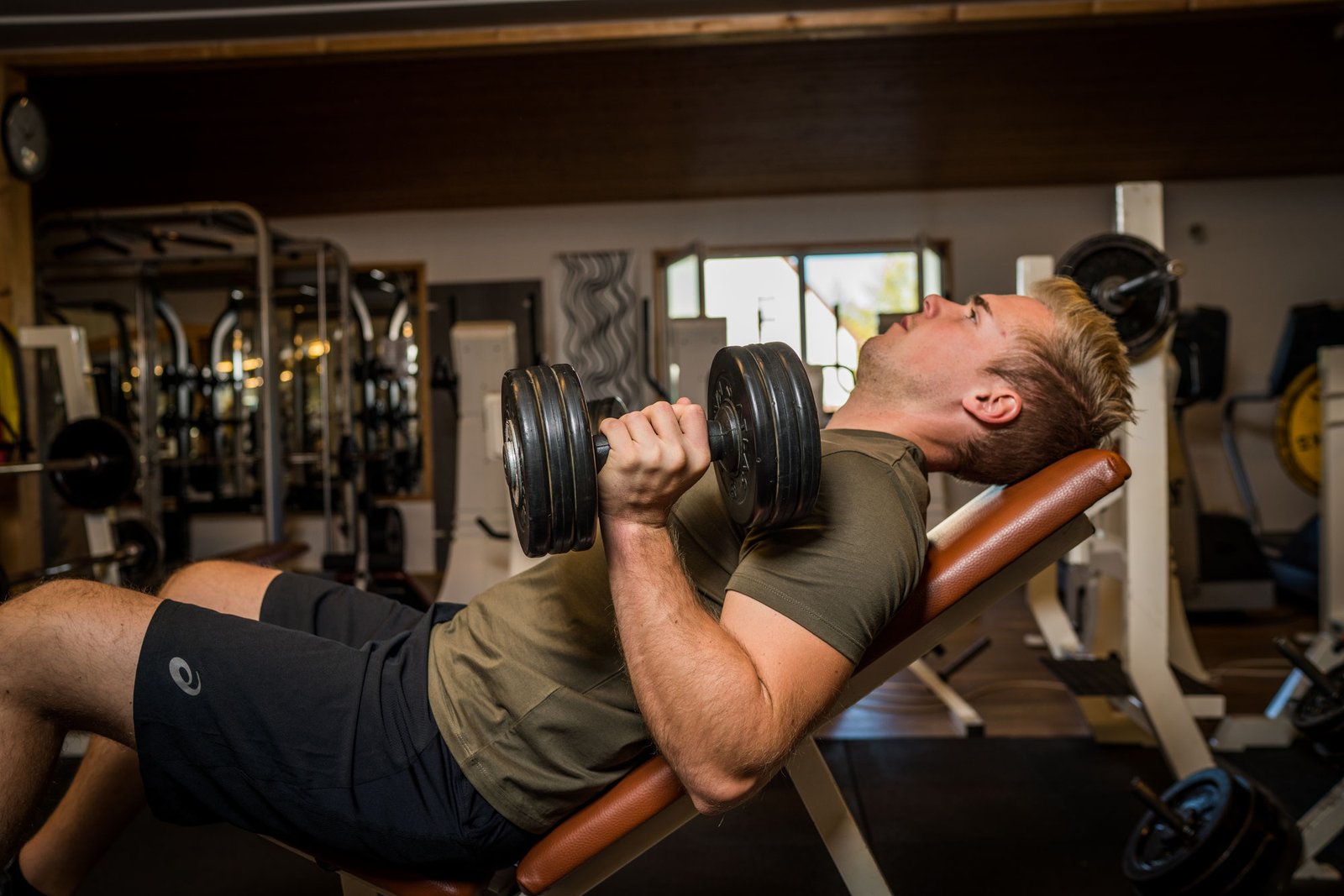
EMG detects electrical activity at the skin surface over a muscle. It can help researchers understand changes in recruitment during a specific task, but it is not a direct measure of muscle force, the tension experienced by individual fibers or how much new muscle will exist next season. Fatigue changes how electrical signals behave. Electrode placement, movement mechanics and how signals are normalized also affect the numbers. A higher EMG score after pre-exhaustion should therefore not be translated into a promise of extra chest growth.
The wider evidence is more cautious than the typical chest-day myth. Earlier experiments have tested pre-fatiguing the triceps before different pressing variations and have found that the exact response depends on the exercise setup and outcome measured. A broader review of pre-exhaustion studies did not establish a reliable long-term advantage over conventional exercise order for strength or hypertrophy. A more recent examination of front-loading fatigue likewise makes the distinction between an intense acute response and accumulated training adaptation worth keeping.
Consider two sessions that deliver the same hard sets to the chest. In the first, the bench goes first and the lifter can handle a challenging load with controlled technique. In the second, a triceps isolation set precedes it, raising the feeling of fatigue and perhaps the chest EMG signal. If bench load, clean repetitions or total useful sets deteriorate, the second session has not necessarily created a better stimulus. To judge the method fairly, follow the training performance and recovery over weeks rather than reading one electrode trace as the finish line.
When pre-exhaustion may be useful—and when it works against you
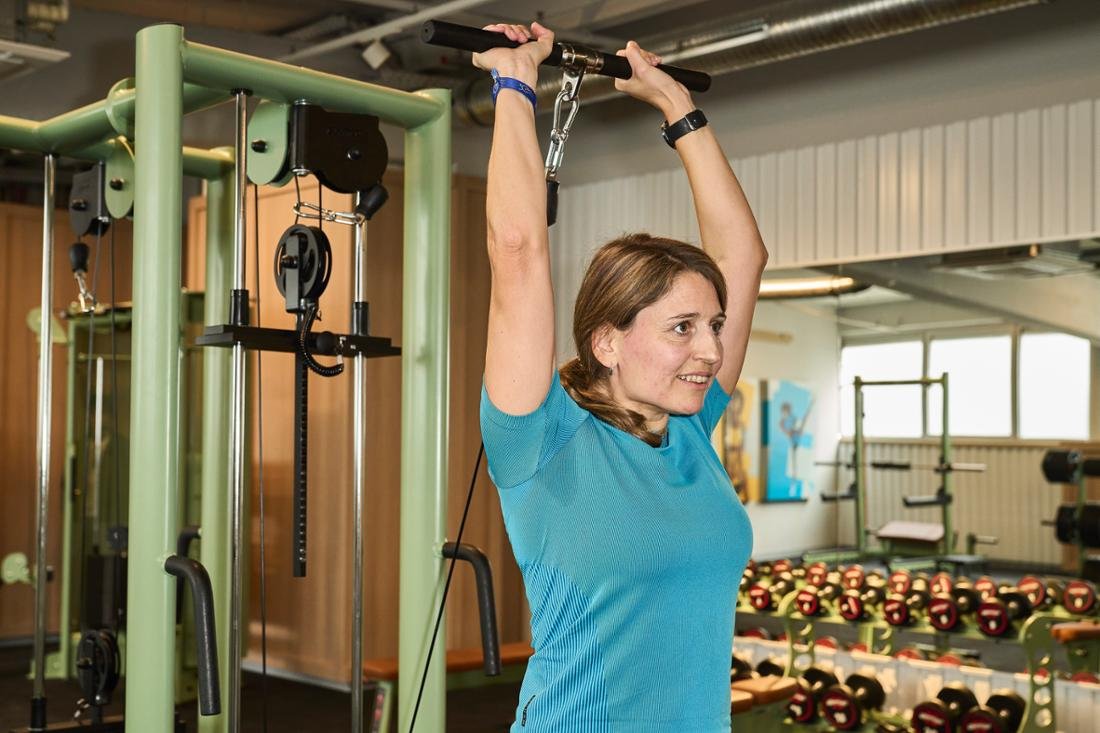
Pre-exhaustion can make sense as an occasional programming tool when a lifter wants novelty, is trying to practice pressing while somewhat tired, or enjoys a short bodybuilding sequence that pairs isolation and compound work. A light-to-moderate triceps pushdown before a lighter chest press might make the press feel different without requiring a maximal barbell load. This is a training choice rather than a research-proven route to bigger pecs.
For people who are trying to improve their heaviest bench press, the order is usually harder to justify. The bench is technical: it depends on a repeatable setup, bar path, elbow extension and the ability to control the descent. Intentionally tiring a prime mover before demanding high force can compromise practice quality. The safest default for a heavy strength session is to do the priority bench work while fresh, then train triceps afterward. Spotter availability and safeties matter even more if you experiment with fatigue.
People with irritated elbows or shoulders should also resist the impulse to stack painful isolation work onto pressing just to chase a chest sensation. A lighter movement, adjusted range of motion or different accessory may fit better. None of these are medical treatment instructions; the basic aim is to preserve controlled, tolerable training. A method worth keeping should improve your ability to train consistently, not simply turn one exercise into a spectacularly tiring challenge.
Equipment Worth Exploring
Explore equipment, accessories and gear from our carefully selected range.
VOLTRA
Compact digital cable trainer with smooth, adjustable resistance.

VForce 3IN1
All-in-one rack combining an adjustable Smith machine, functional trainer, and free-weight station.

VForce 2IN1
Half rack and pivot-arm functional trainer with switchable 1:1 and 2:1 pulley ratios.

Long Tricep ERGO Ropes
Extended triceps ropes with ergonomic grips for cable pressdowns and overhead extensions.
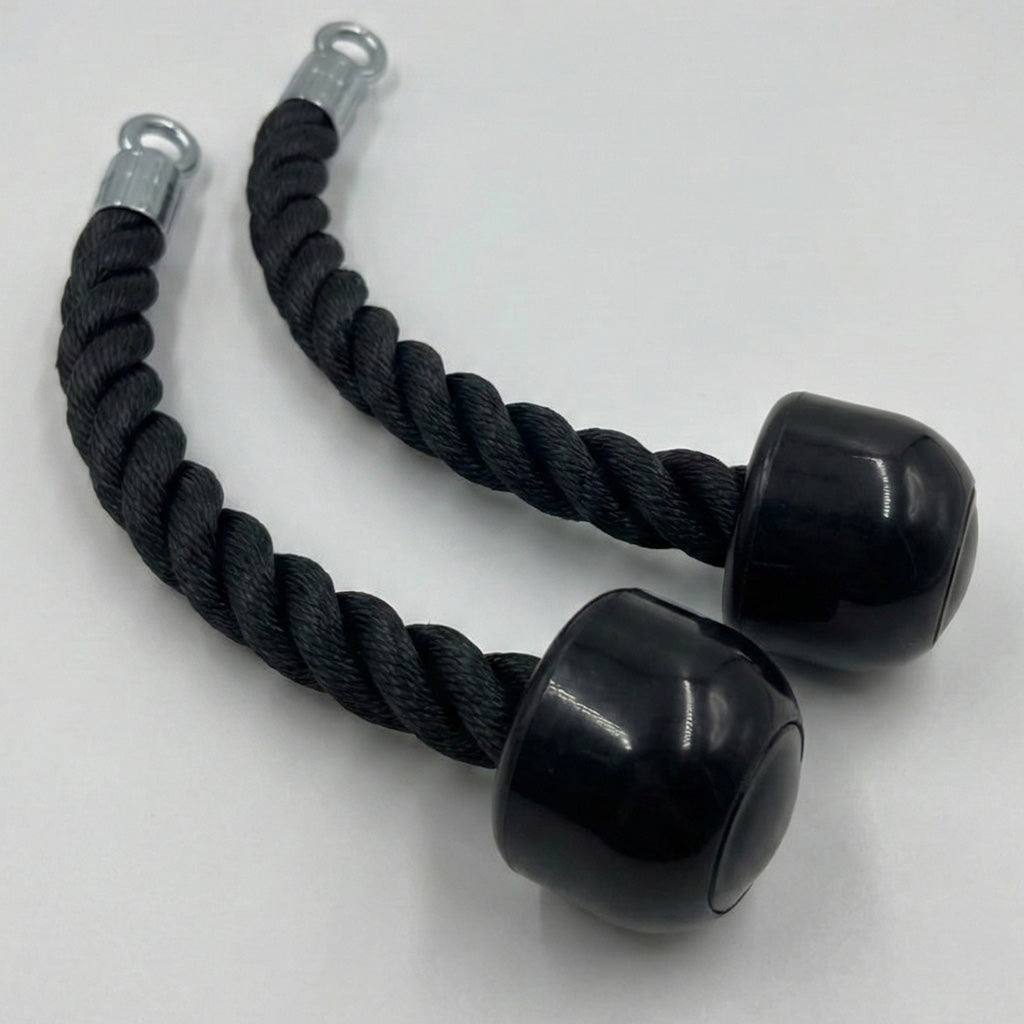
Individual Tricep Ropes
Pair of individual cable ropes for triceps pressdowns and cable hammer curls.
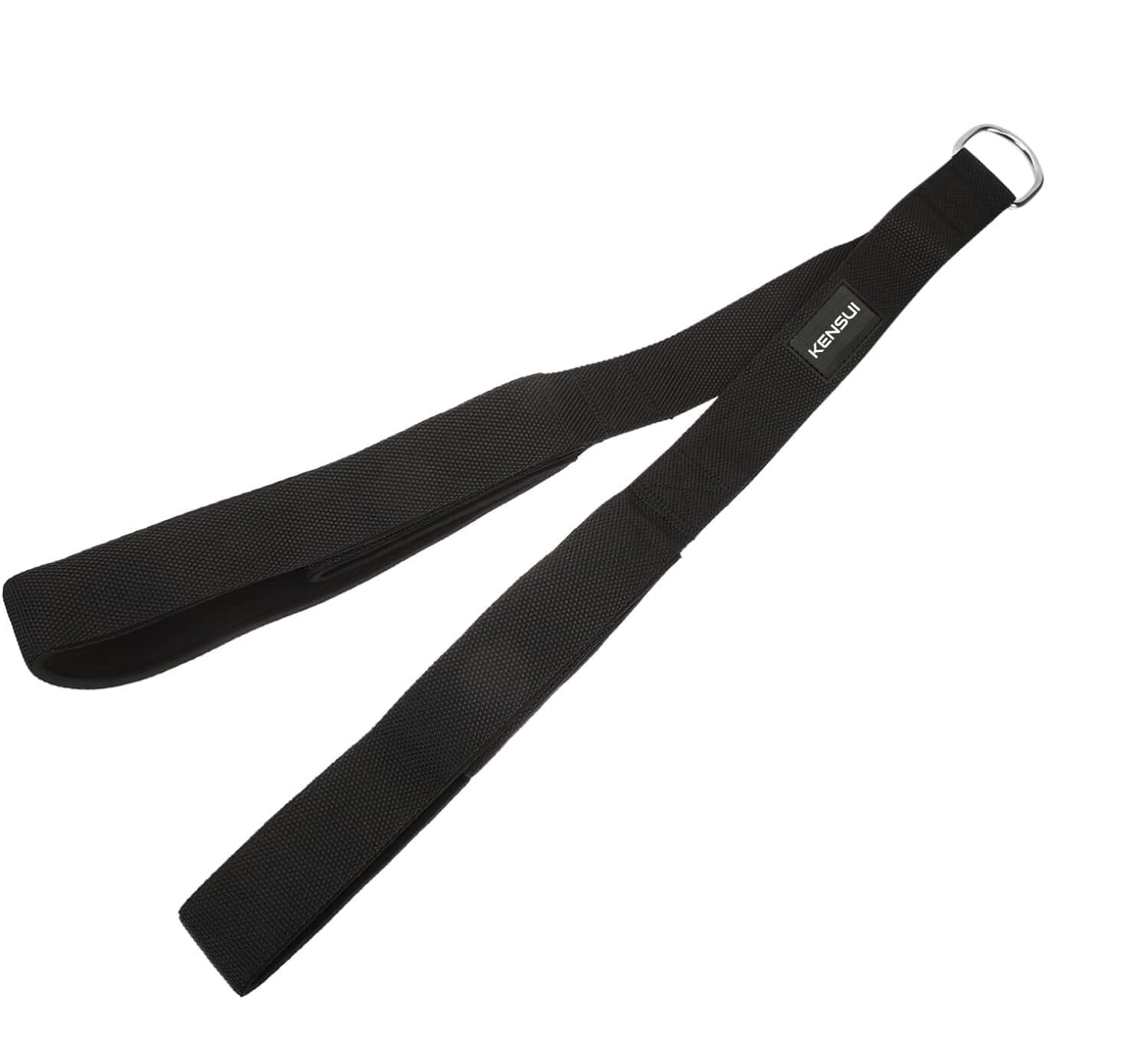
Multi-Length Tricep Strap
Adjustable-length cable strap for triceps, biceps and upper-body cable exercises.
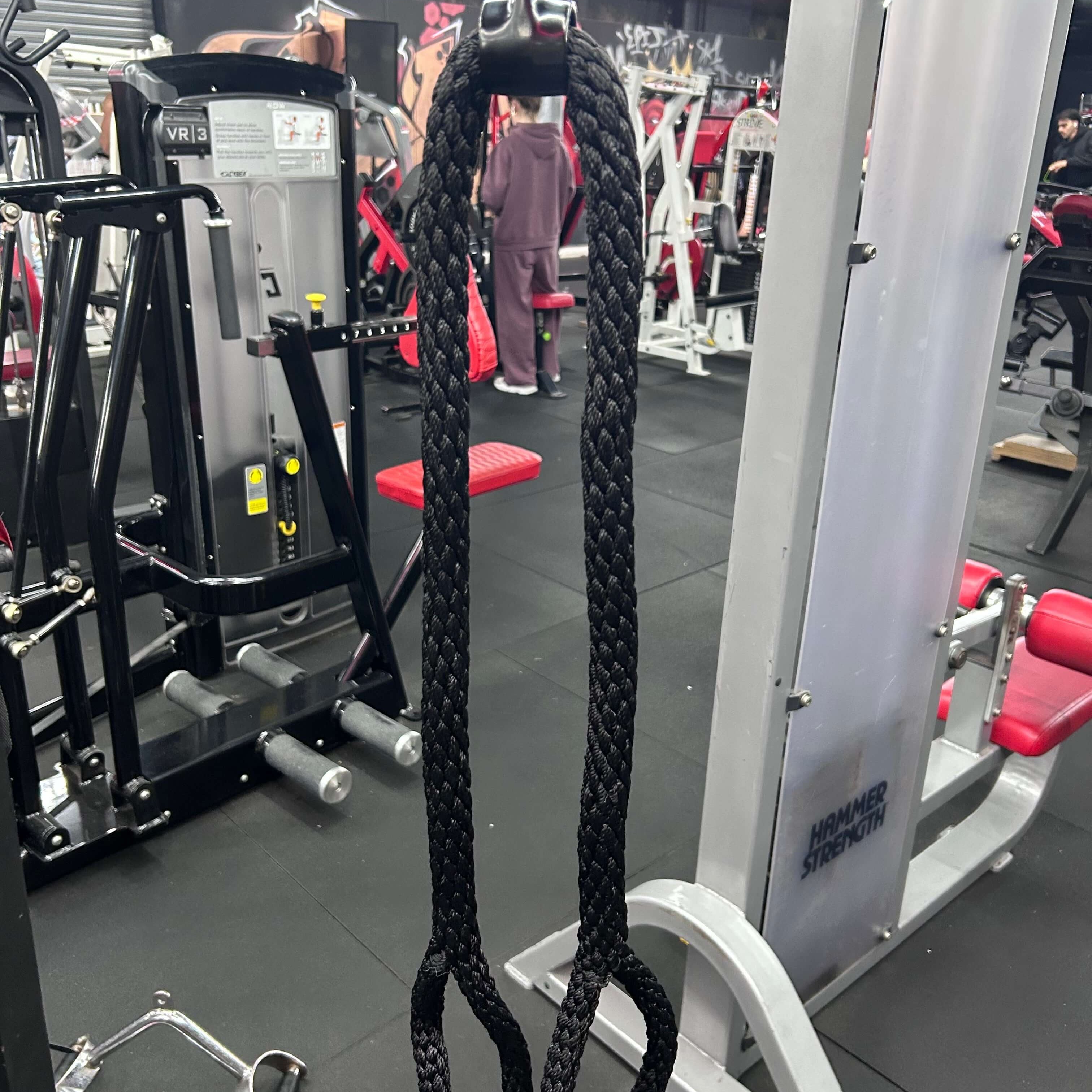
Super Long Tricep Rope
Extra-long looped cable rope for triceps pressdowns and overhead extensions.

GymPin Ergo Handles
Pair of ergonomic cable handles shaped for comfortable triceps and pulling exercises.
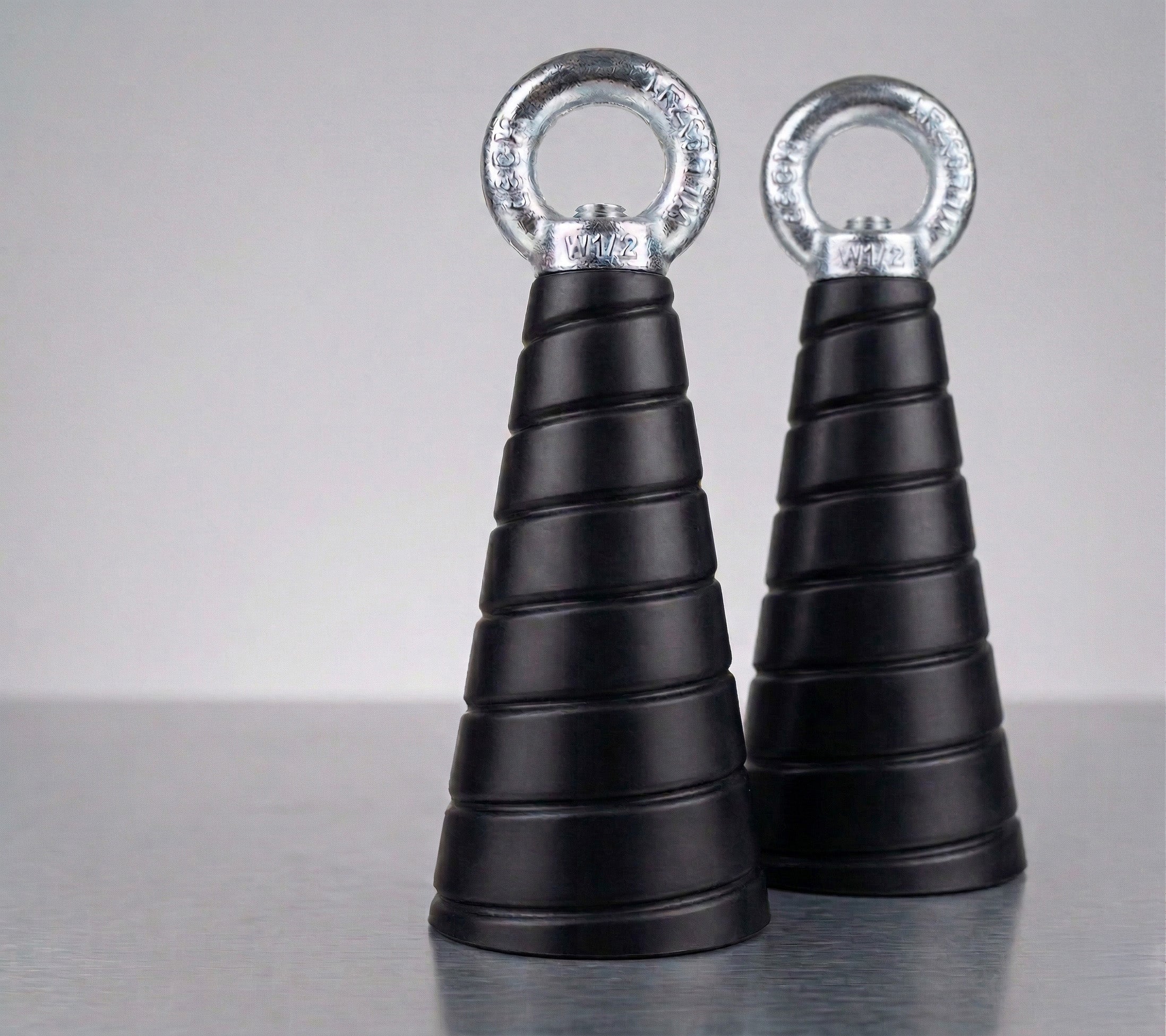
Tapered Tricep Cone
Tapered rubber cable grip for triceps extensions, face pulls and hammer curls.

A sensible push-day comparison you can actually track
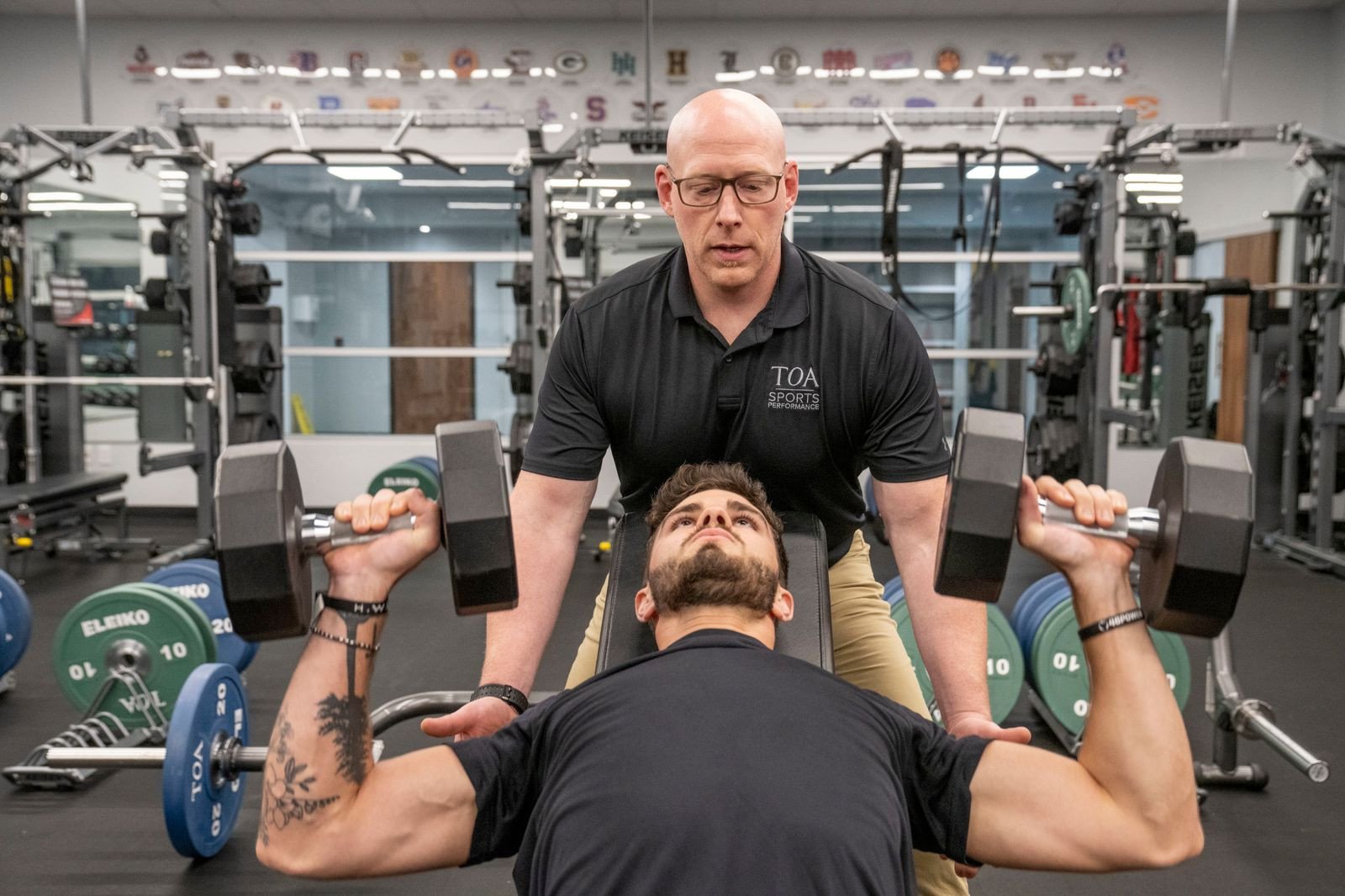
To test the concept in ordinary training, keep the comparison modest. Across two similar push workouts, match the bench variation, grip width, bench angle and warm-up. In the conventional session, bench first and then do triceps isolation. In the comparison session, perform one controlled triceps pushdown set before the bench, leaving a little room instead of deliberately failing during a heavy bench day. Use the same planned bench intensity and rest so the exercise-order change is the main variable.
For example, choose a load that normally allows three sets of eight clean bench repetitions with a couple of reps in reserve. Log the actual repetitions, perceived effort, bar control and whether the last rep is still technically consistent. After the bench, complete enough accessory work to keep the full-session chest and triceps volume comparable. The goal is not to recreate a laboratory protocol; it is to see if this variation is practical without sacrificing training quality or recovery.
Do not run this comparison at a true one-rep maximum or without an appropriate spotter or safety arms. If the triceps-first session forces you to cut your bench load drastically, increases elbow discomfort or causes your bar path to wander, that is useful feedback. If both sessions feel manageable and the variation makes training more enjoyable, it can remain an occasional accessory. A logbook, rather than a single pump rating, will tell you whether the trade is worthwhile.
The verdict: interesting chest activation, not proven extra growth
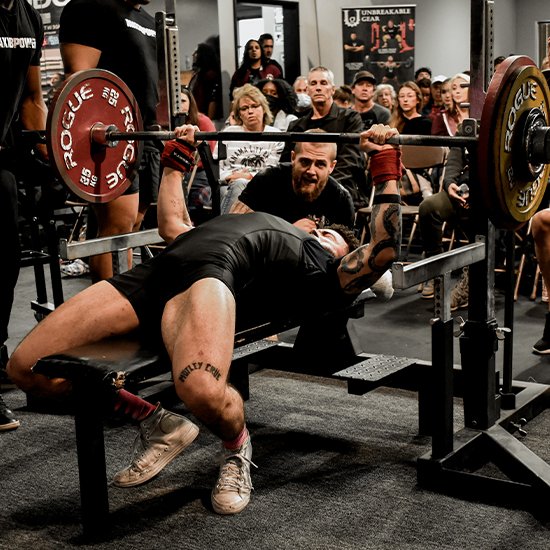
The study adds a useful detail to the pre-exhaustion conversation: in this specific crossover comparison, 30 trained lifters showed higher measured pectoralis major activation during bench pressing after triceps pre-exhaustion. Women’s triceps signal also increased; men’s did not show a clear corresponding effect. The front delts were broadly unchanged and the reported repetition count was similar between conditions. Those are meaningful observations about the acute task, especially because women and men were both included.
The major unanswered question is whether repeating this sequence improves chest or arm growth more than the usual bench-first arrangement. The experiment was not designed to answer that, and it did not measure long-term adaptation. The data also do not tell us that pre-exhausting to failure before every bench session is a better idea than conventional pressing. Small changes in exercise selection, rest time or load could alter the outcome.
For lifters prioritizing strength, bench first remains the straightforward starting point. For those prioritizing bodybuilding, a triceps-first pairing can be tried sparingly while watching performance, volume and joint comfort. Keep the pecs’ apparent EMG increase in perspective: it is an intriguing signal, not a guaranteed shortcut. Consistent progressive training, sufficient recovery and repeatable technique still do more practical work than any single exercise-order trick.
Bodybuilding Shirts & Workout Gear
Bodybuilding shirts, tanks and gym gear for lifters chasing muscle, size, symmetry and the pump.


I Love Bench Press Shirt | Red Heart Weight Plate Graph T-Shirt
Show some gym-girl attitude with a playful “I Love Bench Press” tee.

I Love Bench Press Muscle | Heart Plate Gym Vest for Ch Tank Top
Add some lifting attitude to training with “I Love Bench Press”.

My Bench Press Is Stuck Tee
Heavy lifts, good laughs, and a little “My Bench Press is Stuck Funny Horror” energy.

I Want You To Bench Press Uncle Sam – 4th of July Patri Hoodie
Bring “I Want You To Bench Press Uncle Sam” gym humor to lazy days and post-workout plans.

Ultimate Meme : The Essential Bench Press Shirt T-Shirt
Show some powerlifting attitude with a playful “Ultimate” tee.

Shirt for Chest Day | I Love Bench Press with Pink Weig T-Shirt
Show some gym-girl attitude with a playful “for Chest Day” tee.

Funny Kanye Chest Gym | Chest Day Muscle Shirt | Gym Me Tank Top
Bring “Kanye Chest” humor to your next lifting session.
Bottom line: Pre-exhausting triceps changed acute bench-press muscle signals in the tested lifters, but no study-day EMG number proves better hypertrophy. Keep heavy bench practice fresh, use the variation selectively and measure progress over time.