Advertising disclosure: This page includes affiliate product links that may earn us a commission, as well as products from our own store.
Can an elastic sleeve that helps you out of the bottom of a bench press build a bigger chest than ordinary barbell training? It certainly lets many lifters handle more weight on the bar. But more plates are not the same as more muscle tension. A ten-week trial in 22 resistance-trained men compared a supportive bench-press device with conventional raw pressing. Both groups became stronger and showed measurable chest-thickness increases, while neither approach clearly outperformed the other. The study is an excellent reason to distinguish assisted overload from actual training progress before spending money or changing your chest routine.
What an elastic bench-press device actually does
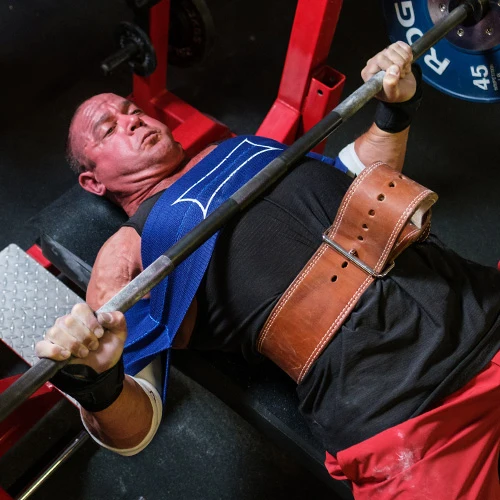
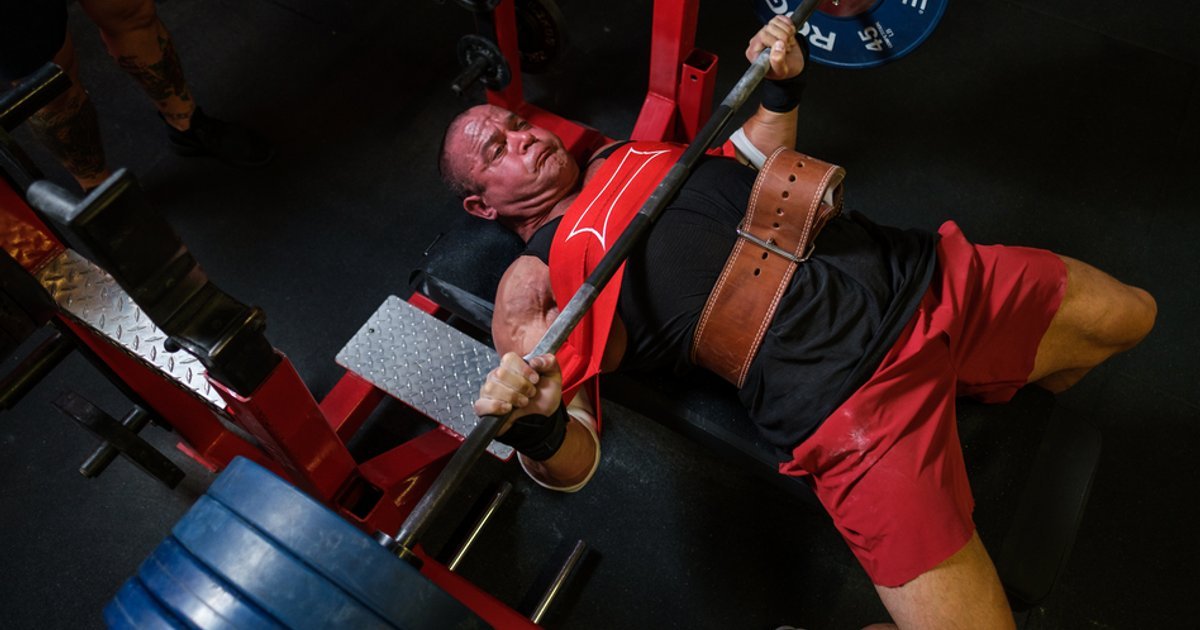
An elastic bench-press device, sometimes called a bench sling or supportive sleeve, wraps around the upper arms and stretches across the chest. As you lower the bar, the material becomes stretched and stores elastic energy. It then assists the beginning of the upward press. You can often handle a heavier external barbell load while the sleeve performs some of the work near the bottom. It is not the same thing as attaching resistance bands between the bar and a power rack: those bands normally make the lift progressively harder toward lockout, rather than giving the lifter elastic help off the chest.
In the trial, 22 experienced male lifters were assigned to either a device-assisted group of ten or a conventional raw-bench group of twelve. Training lasted ten weeks, with three weekly sessions. Both followed a structured, powerlifting-oriented bench protocol; the supported group trained with approximately ten percent greater nominal intensity. The comparison therefore tested two entire training approaches, not merely one set wearing a sleeve versus a set without it. Bench strength, chest and triceps muscle thickness, and body-composition outcomes were measured before and after.
The practical question is whether the increased number printed on the plates produces something extra once the assistive material is helping you move the bar. A lifter should be able to answer this without turning a limited experiment into a sweeping rule about every kind of assistance, every resistance band, or every strength sport.
The strength results: higher training loads, similar gains
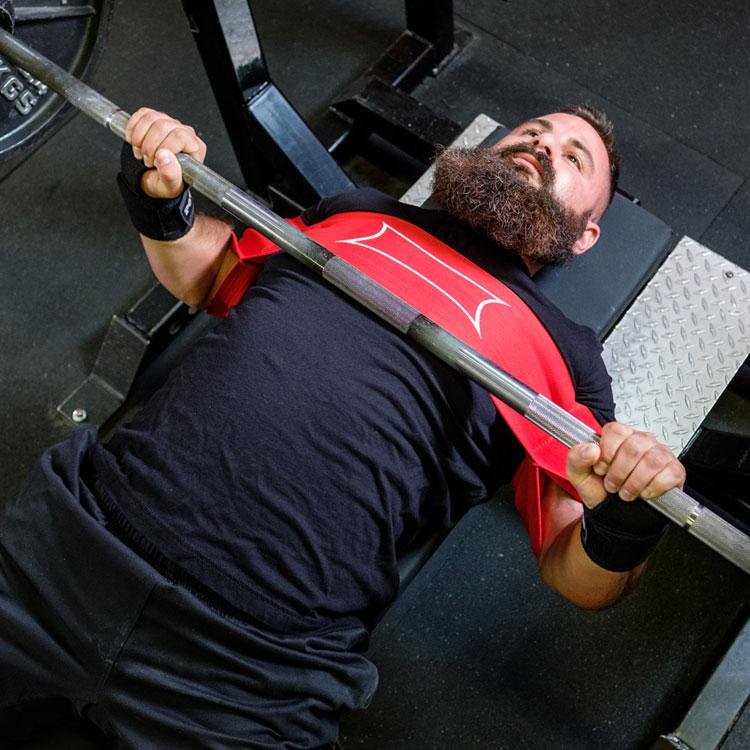
Both groups improved their conventional bench-press one-repetition maximum. The elastic-device group averaged an 8.5% increase; the raw group averaged 7.8%. The spread between participants was substantial, and the analysis detected no meaningful between-group advantage for either method. Treat these as outcomes from groups of ten and twelve individuals, not as precision forecasts for your own next ten weeks.
This finding challenges an attractive shortcut: if a supportive sleeve lets you lift another ten percent, you must be training the pressing muscles ten percent harder. That reasoning overlooks how the extra assistance varies across the lift. A raw press demands more effort from the chest and arms through the bottom position, whereas a supporting sleeve contributes part of the force right where you would normally struggle. The movement remains valuable, but the bar’s apparent weight is no longer a complete description of the work your body performs.
That does not mean assisted sets are useless. The greater external load can give experienced athletes a chance to practice holding and controlling heavier weights through portions of the range. It can also provide variety when an ordinary heavy bench day feels stale. The important distinction is that the measured ten-week carryover to a raw one-rep maximum was similar, not superior, in this small sample.
For a lifter chasing a raw bench personal record, the simplest interpretation is to keep most heavy technique practice raw. Add an assisted variation because it addresses a specific need, not because adding plates in the assisted lift is proof of faster progress.

Equipment Worth Exploring
Explore equipment, accessories and gear from our carefully selected range.


FID Bench MAX
Adjustable bench offering flat, incline, and decline positions + adjustable headrest.


Foldable Wall Rack
Wall-mounted folding squat rack designed to save floor space between workouts.


Competition Plates
Competition-style bumper plates for Olympic lifts and loaded strength training.
Chest growth, triceps growth and the measurement trap
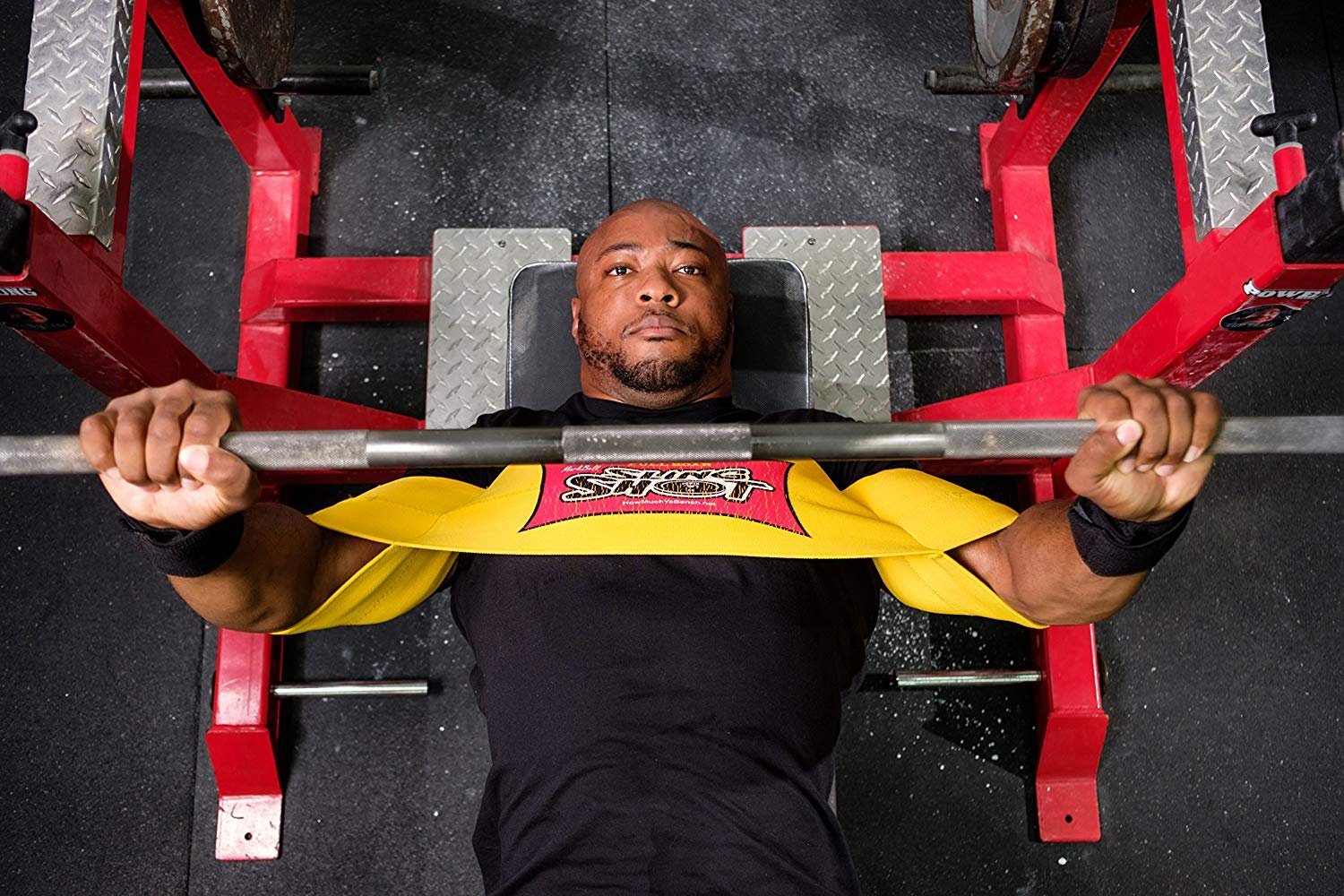
Chest-thickness measurements increased in both groups. The assisted group averaged a 15.5% increase in measured pectoralis-major thickness; the raw group averaged 17.2%. That difference did not reach statistical significance between groups. These are changes in a particular ultrasound measurement, not claims that each person’s entire chest acquired exactly that percentage more muscle mass.
Neither group showed a statistically clear change in the measured triceps thickness, and the study did not demonstrate meaningful between-group differences in overall muscle mass, fat-free mass, fat mass, or the other reported outcomes. It would be wrong to advertise the sleeve as a proven triceps builder or to claim that regular benching was shown to be superior for chest hypertrophy. The trial simply did not establish those conclusions.
The reason the results make sense is that the most challenging segment of the bench is often close to the chest, precisely where the elastic material assists. When the bar accelerates away from the bottom, the upper chest, pecs and triceps work in combination, but the device changes how resistance is distributed. Nominal bar weight and muscle loading are related without being identical.
Another limitation: the study had no large sample and its participants were all trained men. A beginner using poor technique, a strong competitive powerlifter and someone recovering from shoulder symptoms may respond differently. Results after ten weeks also say little about what happens after a year. Use the numbers as evidence for a realistic expectation, not a universal ranking of equipment.

Powerlifting Shirts & Lifting Gear
Powerlifting shirts and gym gear for squat, bench and deadlift lifters who live for heavy numbers.

I Love Bench Press | with Pink Heart Weight Plate Desig Hoodie
Keep it laid-back with a little “I Love Bench Press” attitude.

Ultimate Bench Press Tee
Heavy lifts, good laughs, and a little “Ultimate Bench Press” energy.

Gym Sir Swole of Benchalot Medieval Knight Chest Day Cr T-Shirt
Show some gym-day personality with “Sir Swole of Benchalot Medieval Knight”.

Bench Press and Chill Funny Gym T
Make gym days more fun with “Bench Press and Chill” style.


1 Plate Bench Club Meme – Top T-Shirt
Heavy lifts, good laughs, and a little “1 Plate Bench Club” energy.

I Love Bench Press | Red Heart Weight Plate Decal Sticker
Put “I Love Bench Press” gym humor on your laptop, bottle, or gym gear.

My Bench Press Is Stuck Horror Scary Movie Meme Hoodie
Show off your Halloween humor in a laid-back “My Bench Press Is Stuck Horror” hoodie.

Shirt: Good Argument But I Bench More Than You – T-Shirt
Make gym days more fun with “: Good Argument But I Bench More Than You” style.

A sleeve, a banded bar and a regular bench are three different tools
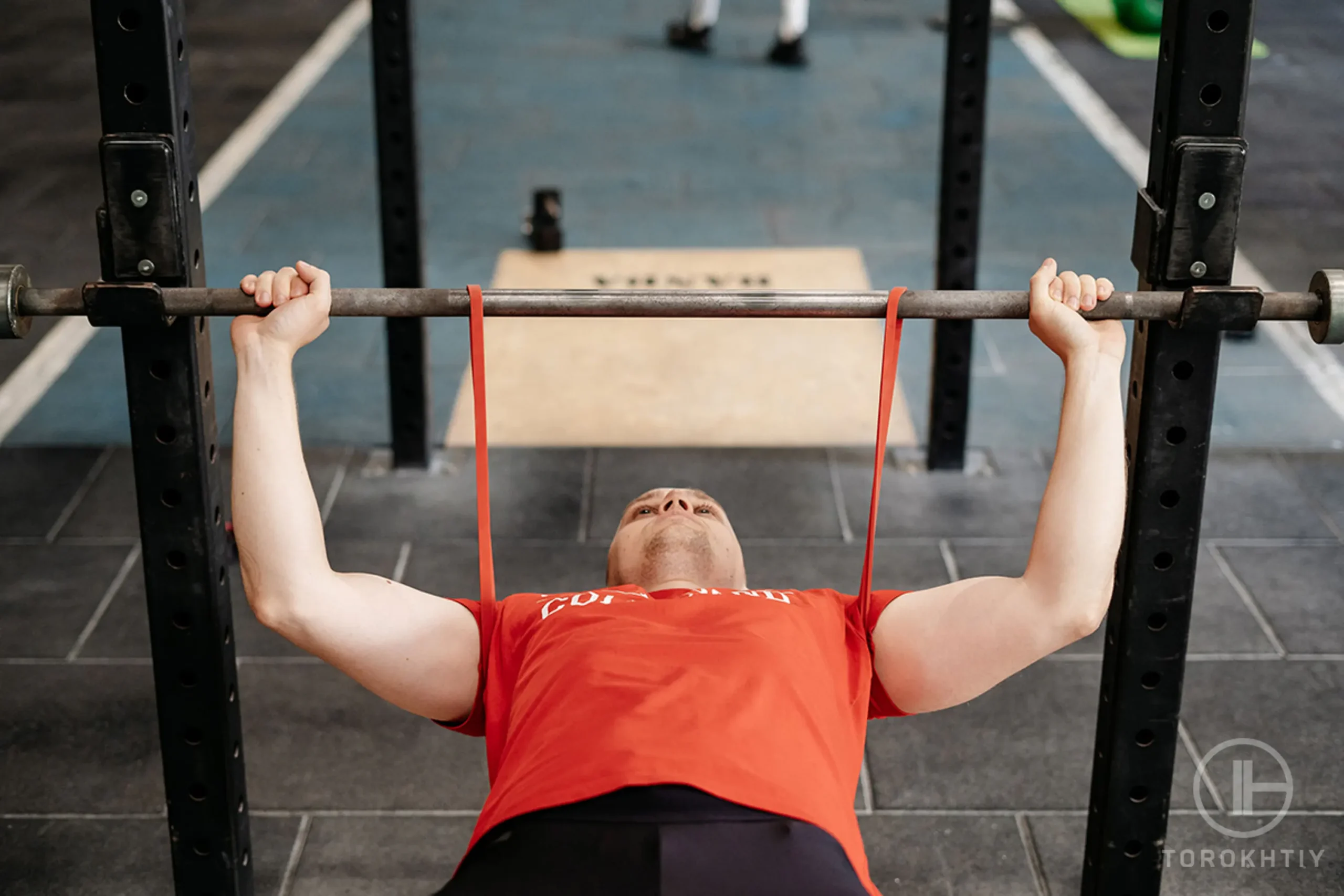
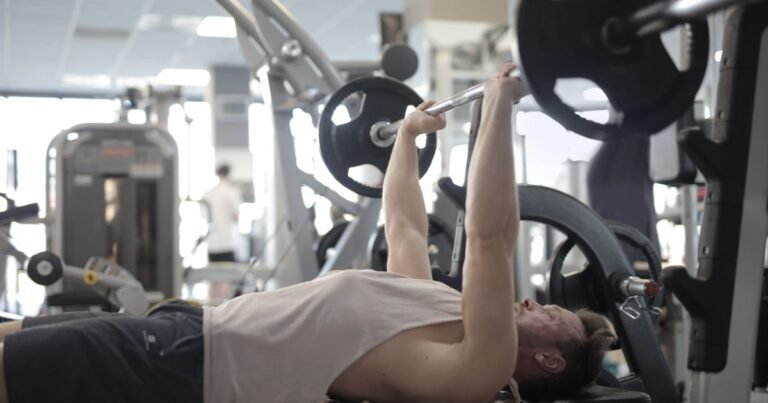
Three exercises can look nearly identical from across the gym yet train different strength curves. In a raw flat-barbell bench press, the plates provide an approximately fixed external weight from top to bottom. The effective joint demands still change with angles and leverage, but there is no external assistance. With a supportive chest-to-arm sleeve, elastic tension increases as your upper arms move toward the lowered position, so part of the rebound is provided by the material.
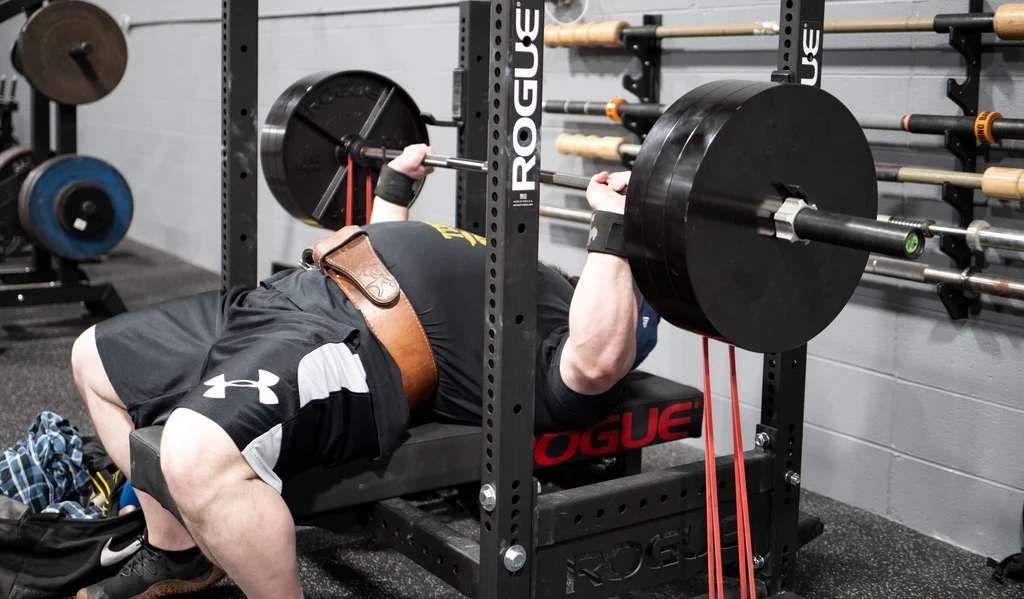
With resistance bands anchored below the bar, the usual setup instead adds more resistance as the bands stretch toward lockout. It creates greater total resistance near the top, assuming secure and appropriate anchoring. That can be useful for emphasizing the latter part of a press, but it is the opposite resistance direction from an assistance sleeve. Chains change the load differently again as links leave the floor. None is automatically the best option for building a chest.
Technique also matters more than the equipment label. Set your eyes under the bar before unracking, plant your feet, maintain a stable upper back and grip the bar with wrists reasonably stacked over forearms. Lower under control to a consistent touch point, then press with an intentional bar path. Avoid throwing the load off your sternum, changing your setup to chase a bigger assisted number, or allowing unfamiliar attachments to pull the bar out of line.
If you are uncertain whether a sleeve is adding or removing work where you want it, film a side view at a manageable load and compare the bottom position, bar path and perceived effort. Do not compare assisted kilograms directly with raw kilograms as though they represent the same task. Keep the two lifts separately logged in your training diary.
When assisted overload is worth considering
For an experienced lifter with consistent raw technique, a bench-support sleeve can be an optional accessory. Consider one when you want a controlled exposure to slightly heavier external weights, when you have a clearly defined lockout-focused objective, or when you enjoy adding variety without abandoning your main lift. That is a programming choice, not an evidence-backed promise of extra growth. There is no need to buy special gear if ordinary progressive raw pressing already works for you.
Start with a device the manufacturer says fits your build and a load you can control, with properly set safeties or an attentive spotter. Work gradually from very easy practice reps to moderately challenging sets. Do not turn your first session into a true maximal attempt. Keep elbows and shoulders moving in a comfortable, consistent path. A supportive device can alter how a rep feels and can tempt you to exceed a load you can safely unrack or control on the way down.
Be especially cautious about online promises that an elastic assist prevents injury or rehabilitates shoulder pain. This particular trial was not designed to test injury risk, rehabilitation, pain outcomes, or clinical shoulder function. An accessory that feels supportive may still leave substantial loading on the wrists, elbows, shoulders and torso. Persistent pain warrants professional assessment rather than heavier self-testing.
An inexpensive alternative is to keep the normal bench and add well-programmed pauses, close-grip work, controlled dumbbell pressing or cable pressing for a different stimulus. Each variation has trade-offs. Select the one that improves a defined weakness while leaving the main lift recoverable.
Equipment Worth Exploring
Explore equipment, accessories and gear from our carefully selected range.

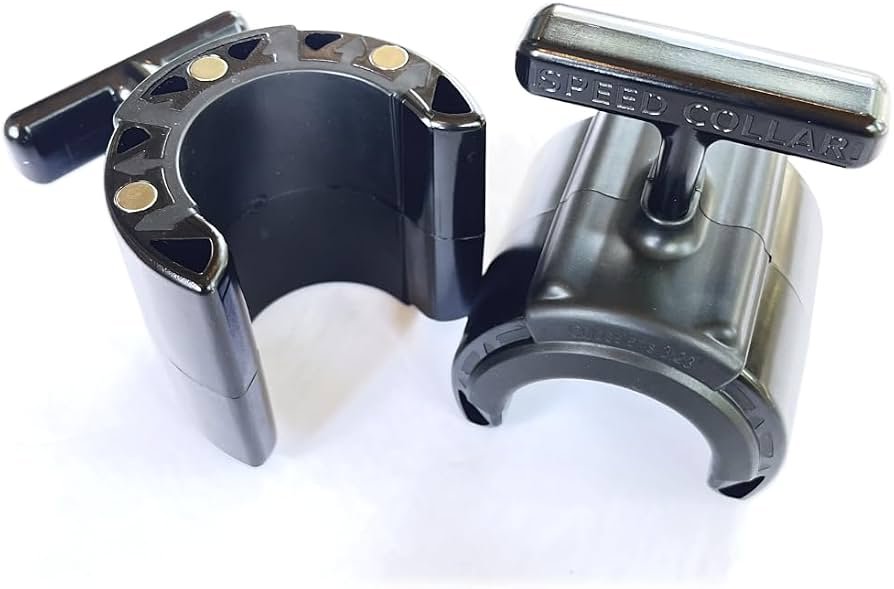
Speed Collar
Quick-release collars designed to secure weight plates on standard two-inch Olympic bars.
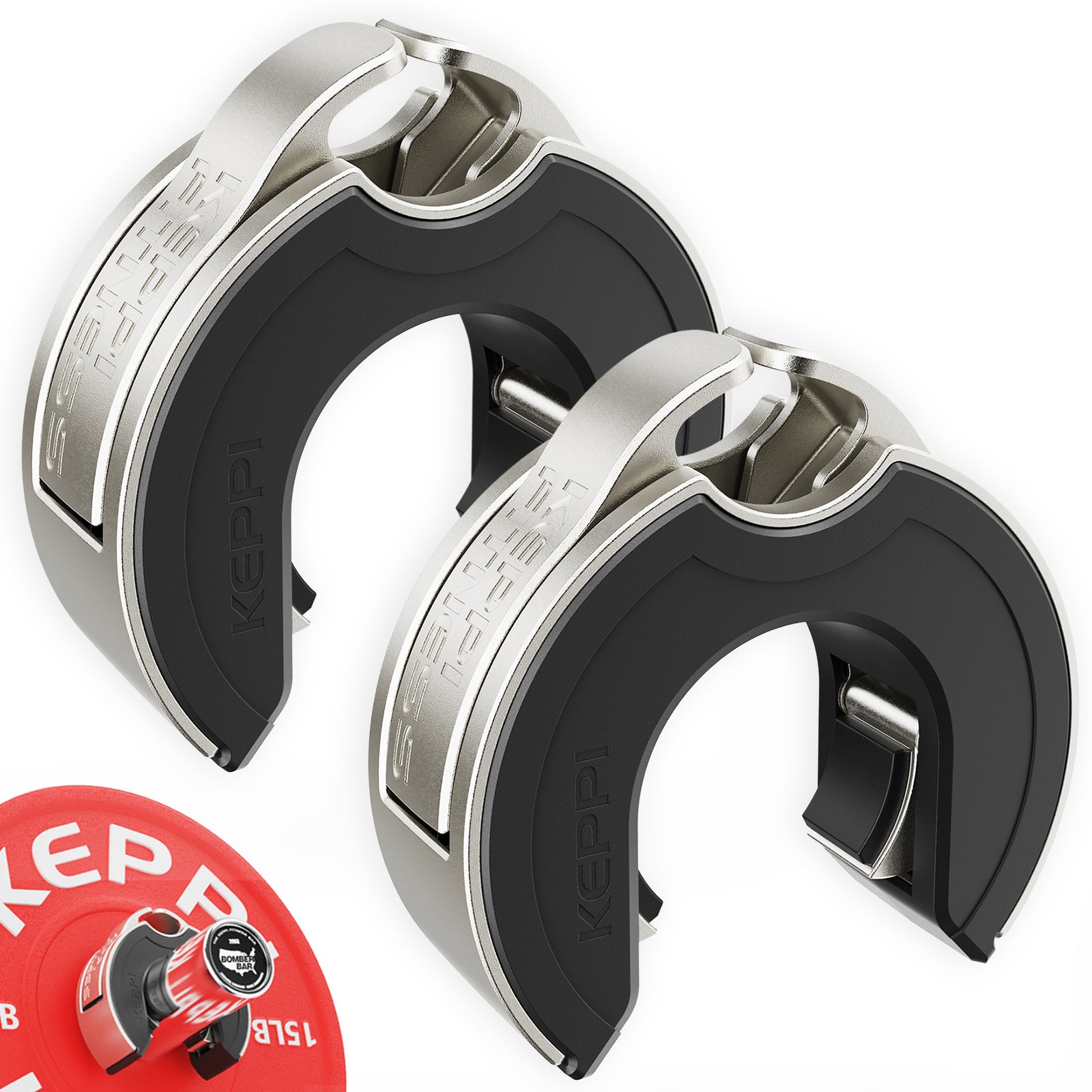
Keppi Open Collars
C-shaped magnetic Olympic barbell collars with a quick-lock mechanism and grippy lining.


Rubber Hex Dumbbells
Rubber-coated hex dumbbell pairs with a stable shape for home and commercial strength training.

Grip Plates
Rubber-coated weight plates with handholds for loading barbells and machines.

Leather Wrist Grips
Padded leather lifting grips help support the hands and wrists on heavy pulling exercises.
A six-week bench plan that keeps the basics first
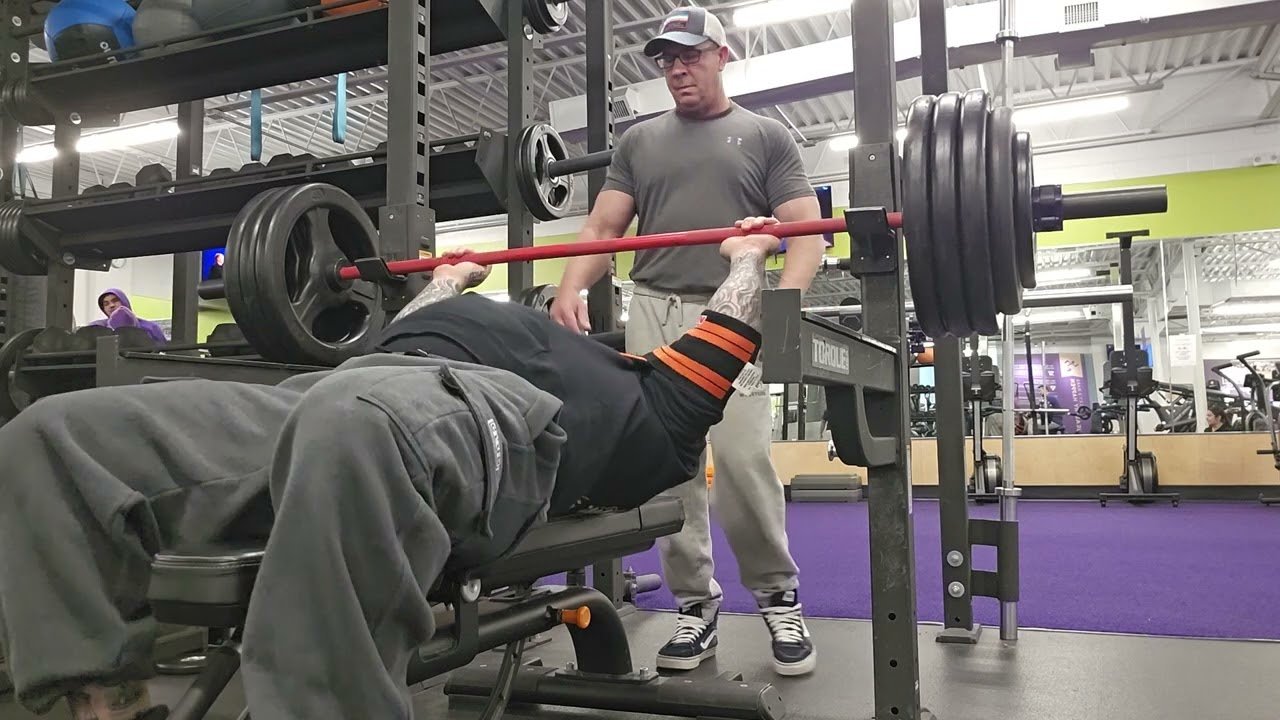
Use this example if you already bench with good technique and can train twice per week. It is a practical template, not the experimental study’s exact protocol. Leave at least two days between pressing sessions. In weeks one and two, perform a main raw bench day of four sets of four to six repetitions at roughly two reps in reserve. On a second day, use three sets of six to eight controlled raw repetitions, followed by two to three sets of a modest incline dumbbell or cable press.
In weeks three and four, keep the first raw day unchanged except for small load or rep progressions. After your second day’s main raw work, you may add two sets of five or six assisted sleeve reps at a light-to-moderate practice effort, with a spotter and stable setup. If you do not own a sleeve, do not substitute a banded bar and assume the same stimulus; simply do two sets of a paused raw bench instead. The second day should still feel like supplementary work rather than an extra competition.
In week five, increase the main raw lift slightly if you have completed every prescribed rep without losing bar speed or position. Keep the optional sleeve at two controlled sets rather than chasing a one-rep record. In week six, reduce accessory fatigue, then assess whether your raw working weights, rep quality and recovery have improved. You do not need a formal maximal lift to judge progress: a repeated raw set at the same effort provides useful information.
The total weekly pressing volume here is moderate and adjustable. If you already bench hard three or four times a week, adding two more assisted sets may simply create fatigue without providing a useful stimulus. Remove accessory sets rather than stacking them endlessly. If your shoulders, elbows, or wrists begin to complain, reduce load and volume and review your setup.
Write down four separate details: raw top-set performance, total pressing sets, any device-assisted set loads, and how you recovered by the next workout. That record is more informative than an isolated assisted bench personal best.
Bodybuilding Shirts & Workout Gear
Bodybuilding shirts, tanks and gym gear for lifters chasing muscle, size, symmetry and the pump.


I Love Bench Press Valentine'S Day Meme – Chest Day T-Shirt
Make gym days more fun with “I Love Bench Press Funny Valentine's Day” style.

I Want You To Bench Press Uncle Sam – 4th of July Patri Tank Top
Train hard, laugh a little, and rep “I Want You To Bench Press Uncle Sam”.

The Chestfather Arnold – Big Chest , Meme Shirt, T-Shirt
Bring “The Chestfather Arnold” humor to your next gym day.


Chest Day Sweater Bench Press & Meme T-Shirt
Add a playful “Chest Day” touch to your casual rotation.

My Bench Press Is Stuck Horror Movie Meme Decal Scary Sticker
Give your everyday gear a playful “My Bench Press Is Stuck” twist.

I Love Bench Press Gym | Funny Pink Heart Weight Plate Sticker
Put “I Love Bench Press” gym humor on your laptop, bottle, or gym gear.

Gym Sir Swole of Benchalot Medieval Knight Chest Day Mu Tank Top
Bring “Sir Swole of Benchalot Medieval Knight” humor to your next lifting session.

Kanye Chest Gym Motivation | Funny Bodybuilding Rap Par Hoodie
Bring “Kanye Chest Gym Motivation” gym humor to lazy days and post-workout plans.
The verdict: a useful variation, not a shortcut to bigger pecs
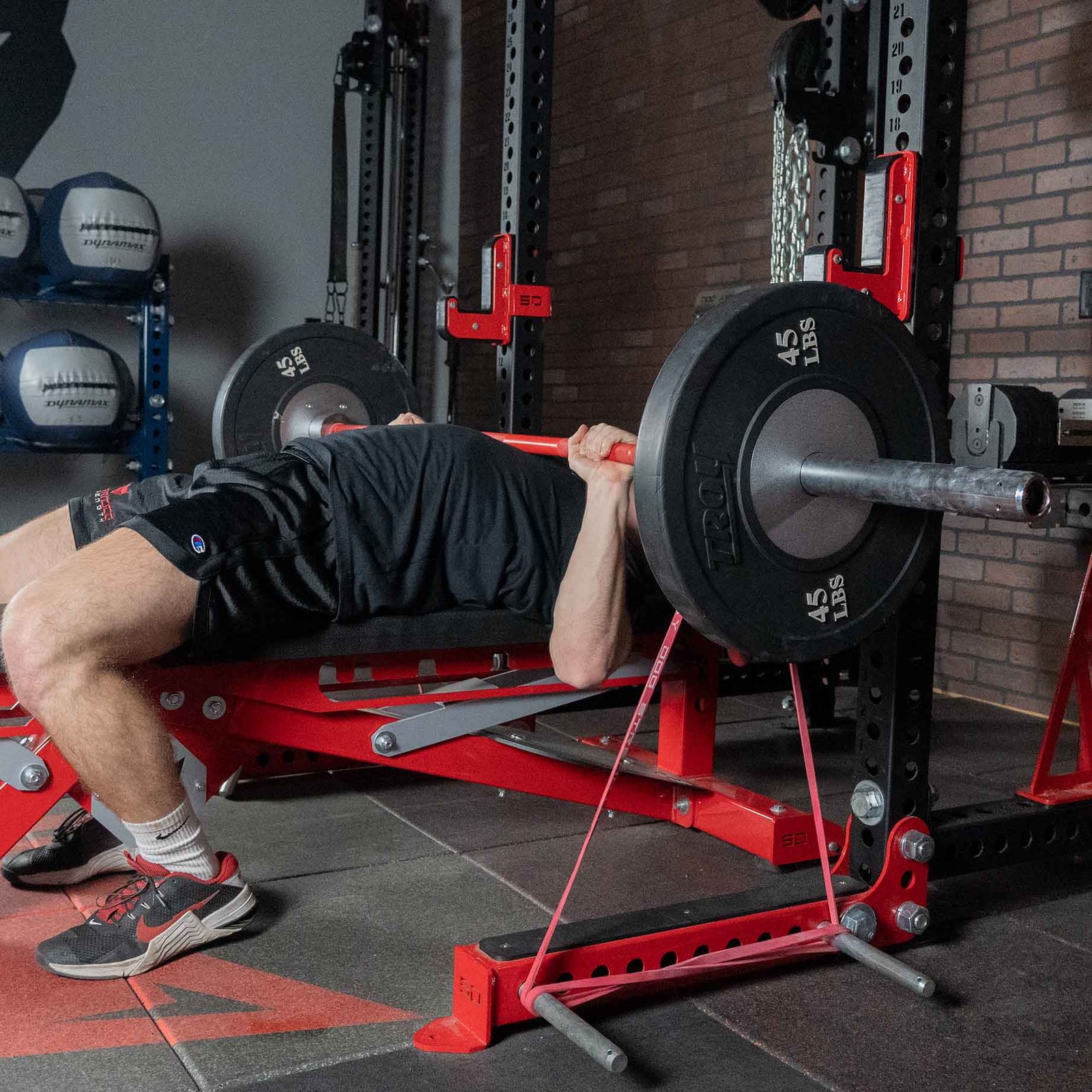
The study supports a restrained conclusion. Over ten weeks in 22 trained men, wearing an elastic bench-press support during a higher-intensity bench program produced raw-bench strength gains and measured chest-thickness gains that were comparable to conventional training. The device did not demonstrate a statistically clear strength or hypertrophy advantage, and the limited sample means that absence of significance is not proof the methods are identical.
For someone building their first reliable bench routine, consistent raw reps, manageable loading, food and sleep are better priorities than specialty assistance. For a lifter whose bench is already technically sound, an elastic sleeve may be a fun occasional way to handle higher external loads or vary the training stimulus. Use it alongside rather than instead of raw practice if raw strength is the goal.
The takeaway is about matching the exercise to the result you care about. A heavier-looking bar can be a legitimate training tool without representing a greater muscular challenge on every centimeter of the lift. Progress the unassisted movement, choose accessories intentionally, and judge success by the work you can repeat—not by the novelty of the device.
If you do try assisted overload, stay conservative with the first few sessions, use suitable spotter and safety arrangements, and let raw training performance decide whether the variation deserves a permanent place in your program.