Advertising disclosure: This page includes affiliate product links that may earn us a commission, as well as products from our own store.
Could jumping with a light barbell build more explosive legs than lifting the same light load without leaving the ground? A six-week experiment with 25 young rugby players suggests it can, at least for certain strength and jump tests. But the same players became slower over a 30-meter sprint, making the lesson more interesting than a simple exercise winner.
Below is what the comparison actually measured, why the methods feel different, where the results do and do not translate to everyday gym training, and how to add power work without sacrificing your main goal.
What the six-week rugby experiment actually tested
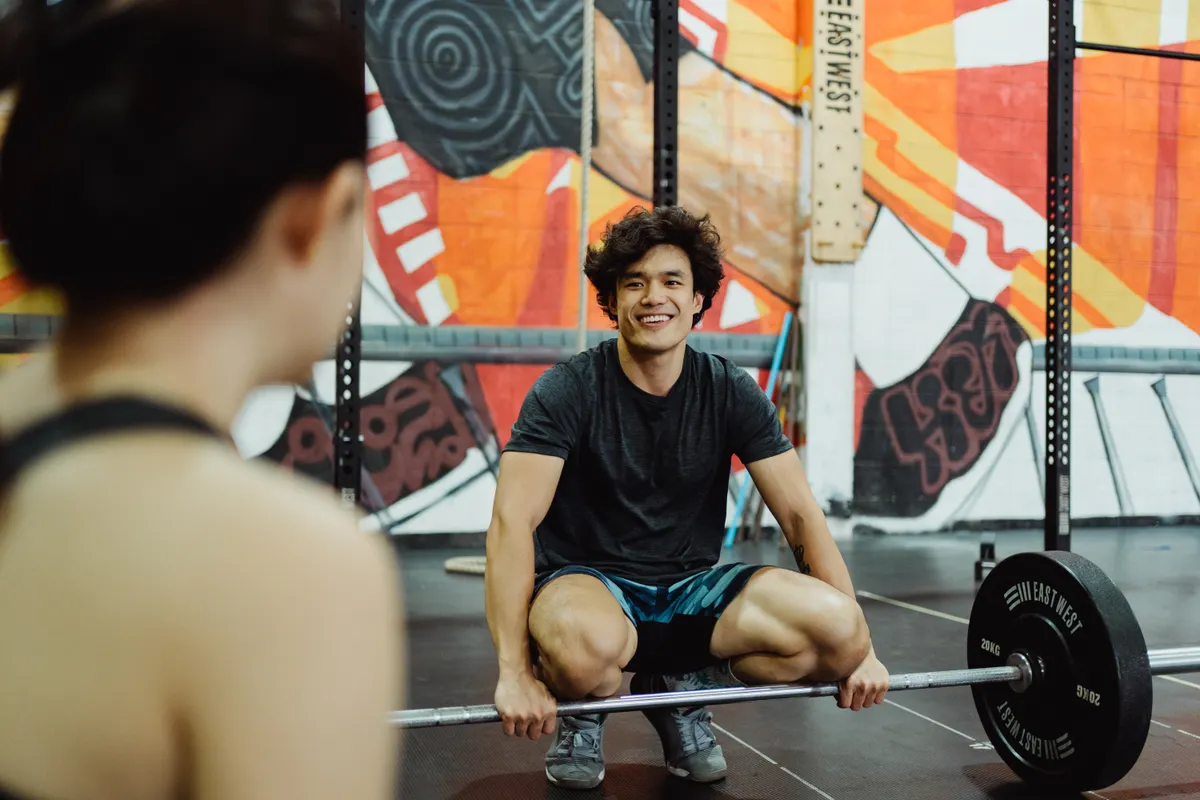
Twenty-five highly trained young rugby players were randomly assigned to two different squat strategies during their competitive season. Both groups kept playing and practicing rugby. Both also trained three times per week for six weeks with relatively light resistance, around 30-40 percent of their one-repetition maximum. The distinction was what they did with that load: one group performed ballistic jump squats and the other performed traditional half squats. That design makes the comparison interesting because it is not simply a heavy-versus-light argument.
The researchers checked maximal half-squat strength, the speed athletes could move different loads, squat-jump and countermovement-jump performance, and a 30-meter sprint. Those tests capture overlapping but different qualities. A bigger squat number is not the same as greater vertical explosiveness, and neither automatically guarantees a faster run. The rugby context matters, too: these players had competitive practices, matches and accumulated fatigue around the lifting work.
This was a small, sport-specific experiment, not a general bodybuilding trial. It did not test muscle growth with imaging, nor did it recruit recreational beginners or competitive powerlifters. Still, the training contrast offers a useful question for lifters: when the load is light, is it better to keep accelerating all the way through the movement or to perform a conventional controlled repetition?
Why a jump squat is different from a fast half squat
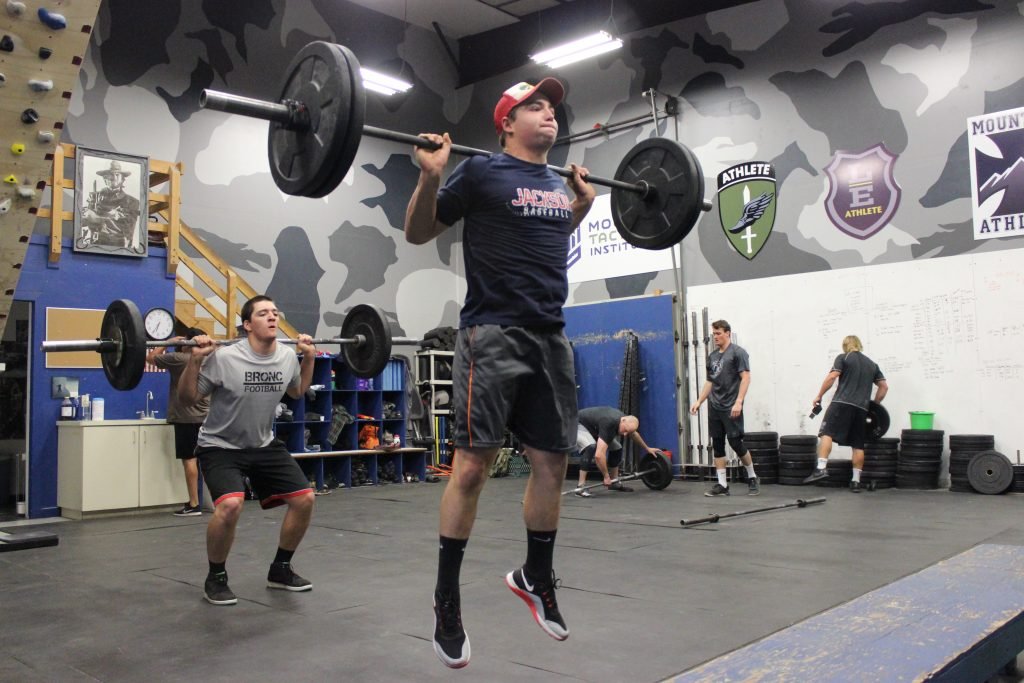
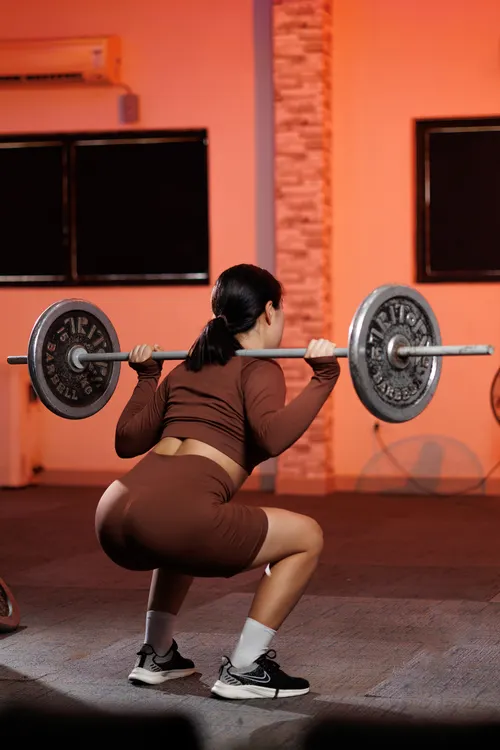
A traditional squat involves accelerating the load during part of the ascent and then controlling it near the top so that the lifter does not leave the ground or lose balance. With a ballistic jump squat, the athlete deliberately continues driving and takes off. Those final fractions of a second change what the nervous system and leg muscles are being asked to produce. The exercise is about expressing force quickly, not about creating the longest possible time under tension.
That distinction is most meaningful with loads light enough to move rapidly. Using 30-40 percent of a well-established one-rep maximum leaves room for speed, but the correct load for an individual athlete depends on technique, experience and the exact exercise. A jump squat is not an invitation to launch a maximal barbell into the air. Coaches may use carefully chosen implements, controlled loading, adequate space and an appropriate landing strategy; many ordinary gym users can begin with bodyweight squat jumps instead.
Compare three goals. A heavy squat trains the ability to exert high force against a difficult load. A conventional lighter squat can reinforce positions and repetition quality. A ballistic squat emphasizes force production over a short time while the athlete maintains a reliable landing. They overlap, but none is a perfect substitute for all the others. The useful question is what physical quality your current program lacks.
The result: bigger gains in jumping and a modest strength edge
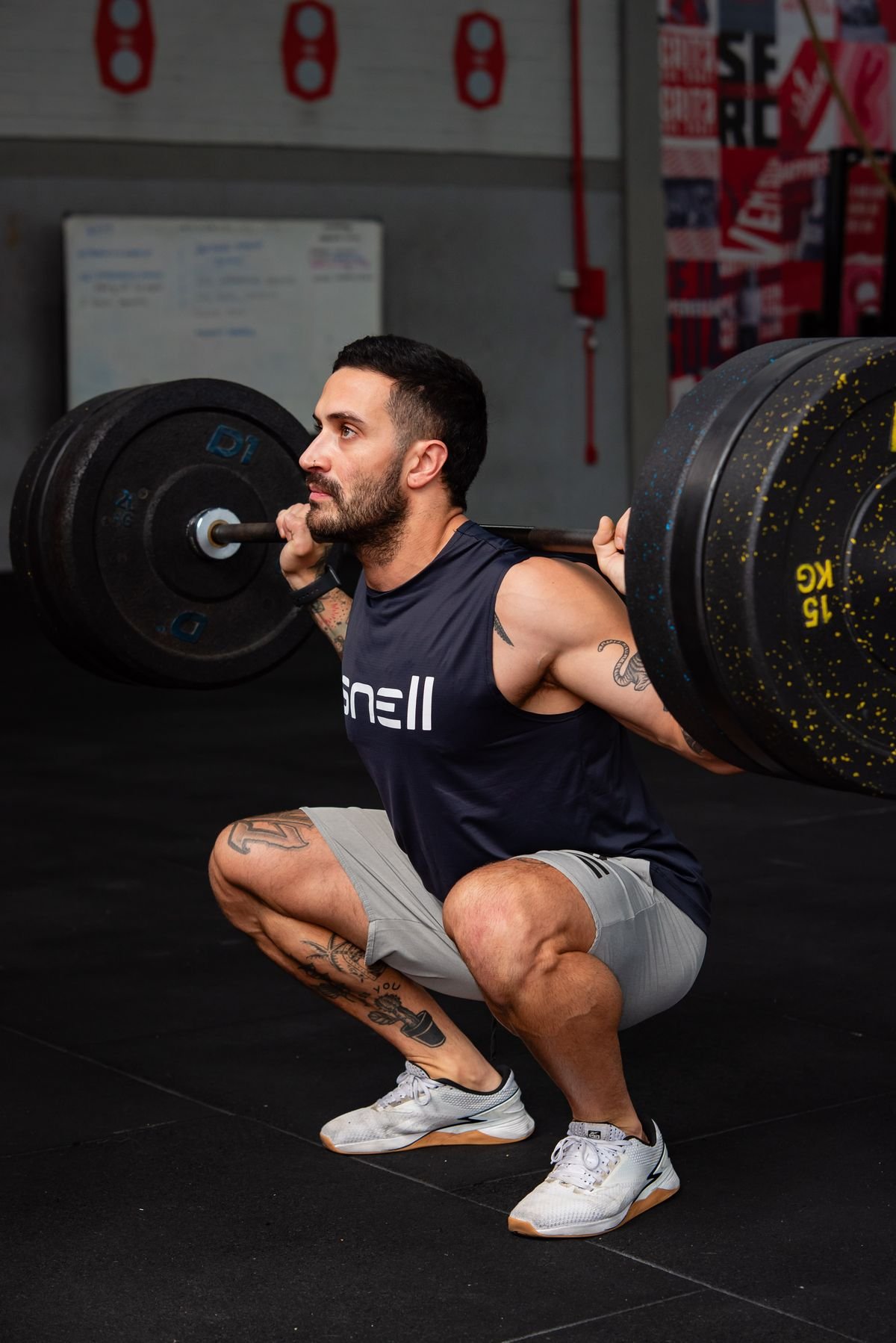
Both groups improved their maximal strength and jump tests over the six weeks. The ballistic group posted roughly seven percent improvement in strength against about four percent for the traditional half-squat group. Jump-performance improvements were approximately sixteen percent versus eight percent, respectively. Those are the reported group-level patterns, not guarantees that every player doubled a personal improvement or that every measure differed significantly between groups.
The clearest between-group finding was a statistically significant interaction for countermovement-jump performance favoring the ballistic approach. The jump-squat group also improved relative strength and bar speed with heavier testing loads, while the half-squat group improved movement velocity at lighter test loads. This is a useful reminder that the specificity of the test matters. The way someone practices force and speed can influence where their strongest improvement appears.
Should ordinary lifters discard half squats? No. The trial did not establish that ballistic squats are superior for quadriceps size, knee tolerance, skill acquisition or long-term strength across every population. Six weeks is also a short horizon, especially inside a demanding sporting season. Think of the findings as a signal that deliberate explosive intent can be valuable when the goal is to jump higher, rather than a verdict against traditional leg training.
A practical interpretation is to preserve the exercise that best matches your main objective. If you compete in a sport where rapid takeoff matters, carefully coached ballistic work may earn a place. If you are growing your legs or building a robust squat, normal squats, presses, split squats and other progressive resistance exercises remain your foundation.

Equipment Worth Exploring
Explore equipment, accessories and gear from our carefully selected range.


Foldable Wall Rack
Wall-mounted folding squat rack designed to save floor space between workouts.


Competition Plates
Competition-style bumper plates for Olympic lifts and loaded strength training.

Grip Plates
Rubber-coated weight plates with handholds for loading barbells and machines.

Studio V-Squat
Plate-loaded V-squat machine for supported lower-body strength training.

GymPin Squat Wedges
Non-slip 15-degree squat wedges help elevate the heels for deeper quad-focused squats.

Safety Squat Handles
Barbell squat handles that reduce shoulder positioning demands during high-bar squats.

Leg Day Shirts & Workout Gear
Leg-day gym shirts and workout gear for lifters who never skip squats, lunges and lower-body punishment.

3 Plates Squat Club : Essential Meme & Leg Day T-Shirt
Make gym days more fun with “3 Plates Squat Club” style.

Squats Leg Day Heavy Weights Meme – Essential Top T-Shirt
Bring “Squats Leg Day Heavy Weights” humor to your next gym day.

Leg Day Squats Deadlifts Meme Hooded Hoodie
Show off your leg-day humor in a laid-back “Leg Day” hoodie.

Leg Day Gains | LEGO Inspired Muscle Shirt For Squats & Tank Top
Your gym-day look, with a playful “Leg Day Gains” twist.

Quadzilla Massive Quads Decal Leg Day Squat Meme Sticker
Stick a little “Quadzilla” humor on your favorite gear.

I Love Squats | Leg Day Pink Heart Plate Decal Meme Sticker
Put “I Love Squats” gym humor on your laptop, bottle, or gym gear.

Squats R Us Shirt – Leg Day Gains & T-Shirt
Heavy lifts, good laughs, and a little “Squats R Us” energy.

Heavy Squatter Meme Squats & Gains Leg Day Wizard Top T-Shirt
Heavy lifts, good laughs, and a little “Heavy Squatter” energy.

Heavy Metal Leg Day – Shirt Squats & Gains – & T-Shirt
Show some metalhead attitude with a playful “Heavy Metal Leg Day” tee.

Leg Day Is Calling You Sweater Squats & Deadlifts T-Shirt
Add a playful “Leg Day Is Calling You” touch to your casual rotation.
The sprint paradox: stronger legs but slower 30-meter times

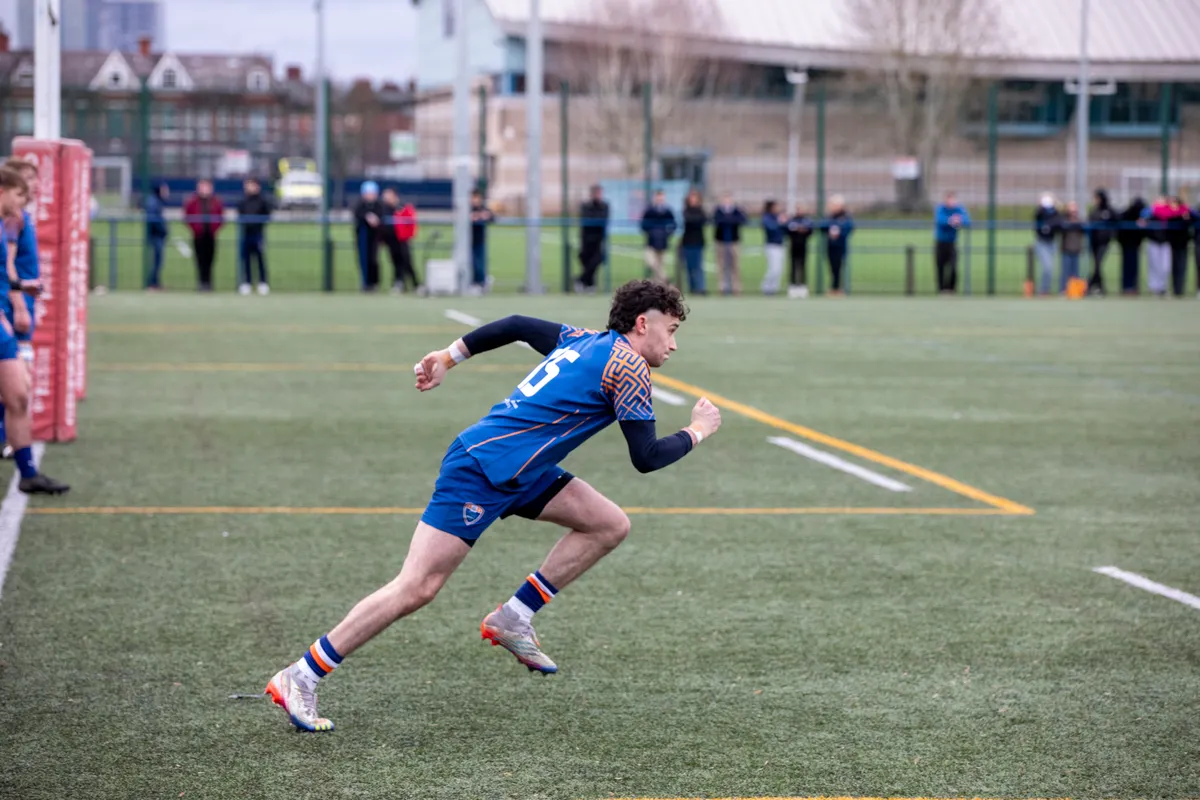
Here is the result that makes this more than a simple ‘jump squats win’ headline: 30-meter sprint performance got worse in both training groups, and the study found no meaningful between-group advantage in sprint change. That does not prove squatting damages speed. All the players were also performing in-season rugby duties, and the research did not isolate every source of match load, fatigue or field exposure. It does show why coaches cannot assume a vertical-jump improvement transfers automatically to faster running.
Acceleration, maximal velocity, horizontal force application and sprint mechanics are specific skills. A countermovement jump rewards a fast vertical push, whereas a sprint requires repeated, precisely timed contacts and substantial horizontal propulsion during acceleration. The physical capacities share ingredients, but the coordination pattern is not identical. If speed is a priority, some well-managed fast running generally has to remain in the training plan.
There is an additional monitoring lesson here. A program can improve one performance test and still miss another. Tracking jump height alone may make an athlete look more ready than they feel during a match. Coaches can combine jump results with actual sprint splits, soreness, practice density, sleep and athlete feedback. For recreational lifters, the corresponding principle is simple: measure the performance outcome you actually care about, not just a convenient proxy.
Do not overinterpret the sprint decline as proof that more gym work was needed either. Under heavy sport demands, the better answer may be a smarter dose of lifting, better recovery or more precisely placed sprint sessions rather than simply adding volume.
When traditional squats remain the right tool
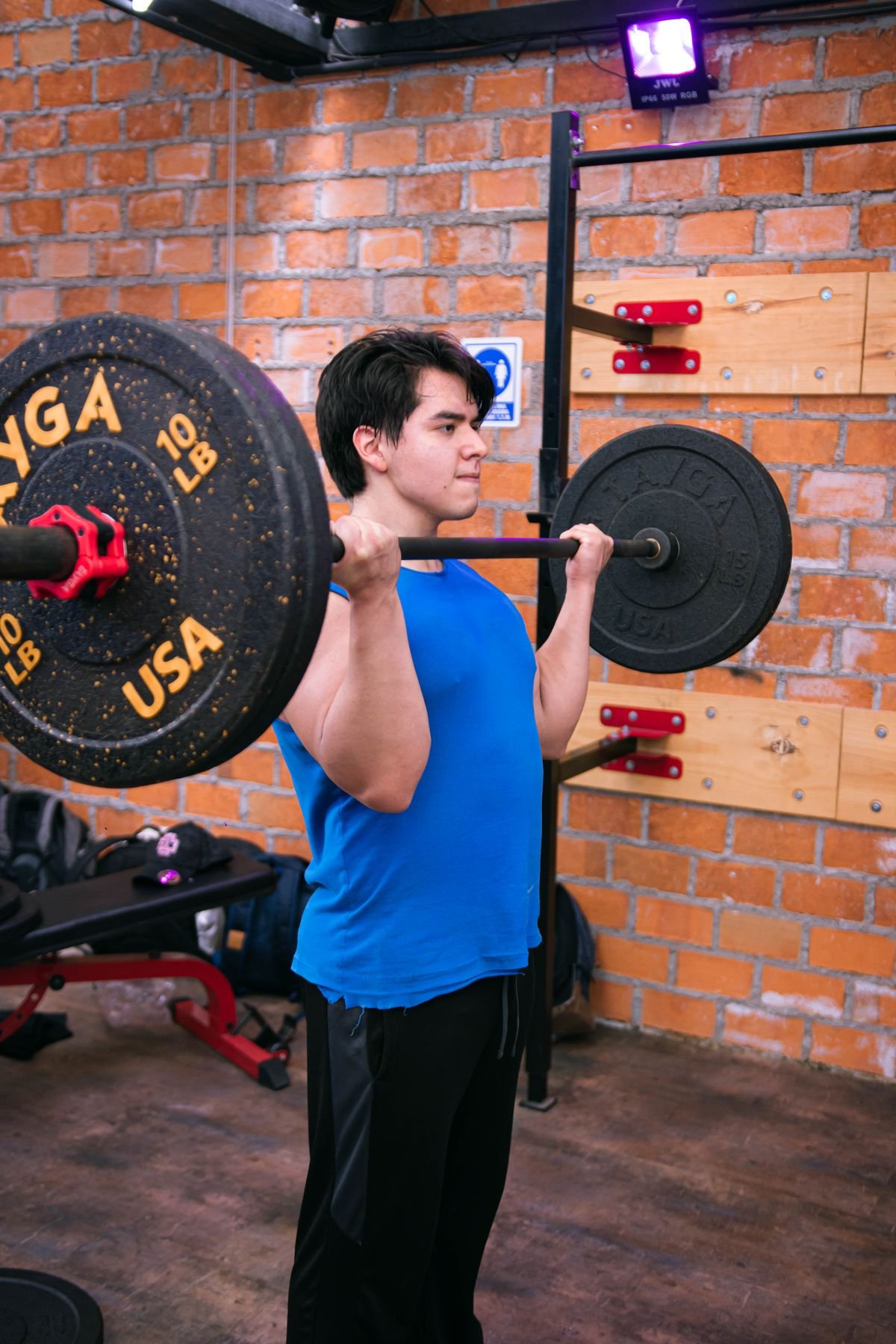
Traditional squats are still valuable because they are repeatable, loadable and easier to progress across a wide range of abilities. A half squat can expose an athlete to high forces at a specific joint angle, while deeper squats and other knee-dominant exercises provide different ranges of motion and muscle demands. Neither depth nor speed should be chosen only because one six-week study happened to use it. Exercise selection must reflect the athlete’s sport, mobility, injury history and the strength qualities under development.
For hypertrophy-oriented training, full and appropriately controlled repetitions usually give a clearer route to tracking effort, load and progressive overload than maximal jump efforts. You can approach a set close enough to failure to stimulate growth without turning each repetition into a landing drill. With ballistic work, quality tends to fall when fatigue changes jump height, posture or landing mechanics. Stop the power set before the movement becomes a slow grind.
Equipment makes a difference. A stable rack and suitable barbell can serve conventional strength work, while a light implement, clear overhead space and safe landing area are important for ballistic variations. A fixed-path machine is not automatically a safe jumping station; don’t jump under a Smith bar unless a qualified coach has verified a purpose-built setup. The machine or brand does not replace sound movement decisions.
A useful way to combine the methods is to place technically crisp power work first, then complete the heavier strength and muscle-building work with separate exercises. This preserves intent in the explosive movement while allowing progressive overload later in the session.
A sensible lower-body power session to try
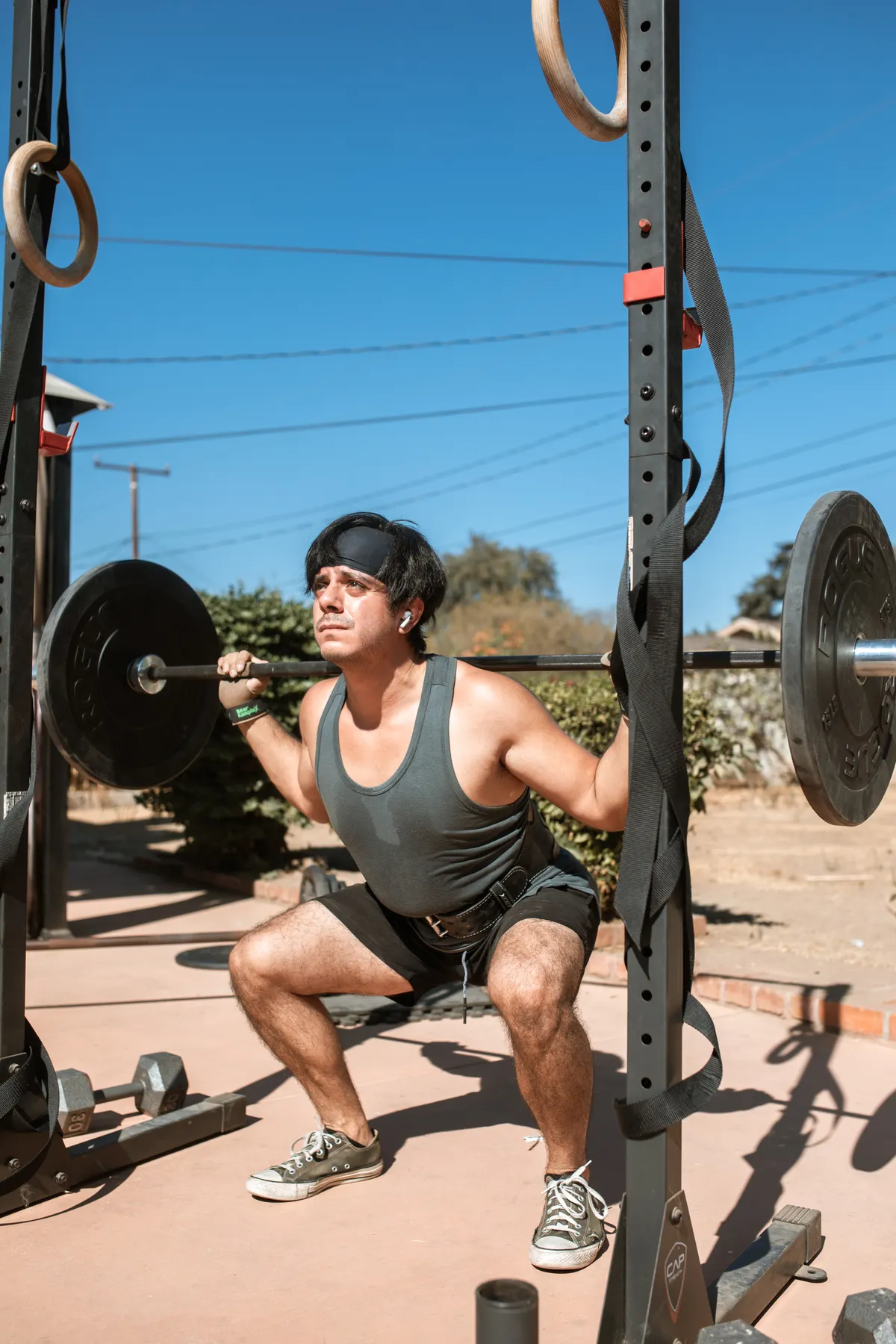
Start by choosing your purpose. If you only want bigger legs, regular resistance training should remain the priority, with jumps optional. If you are a field-sport athlete, use short, high-quality explosive sets when fresh. Warm up with easy locomotion, controlled squats and several submaximal jumps. For a newcomer, three to five small sets of two to four bodyweight squat jumps can be a reasonable technical starting point; stop early whenever landings become noisy, asymmetric or uncomfortable.
Once a coach has established solid landing mechanics, an experienced lifter can explore progressively loaded jumps. Light loads and high intent are the defining features, not a magical exact percentage. The 30-40 percent range used in this rugby trial describes its intervention and should not be treated as an across-the-board prescription. Give yourself enough rest to reproduce the same sharp takeoff, often much longer than a typical bodybuilding burnout set.
Follow that power work with two to four controlled squat or split-squat sets, selecting a load and rep range suited to the main strength or hypertrophy goal. Add hamstring work and a modest amount of trunk training if the rest of the weekly program needs it. If faster sprinting is essential, reserve a separate high-quality sprint exposure or place sprints when athletes are freshest, instead of expecting the lifting session to supply sprint technique.
Keep a small training log: jump quality, load, repetitions, squat performance, soreness and whether the next field session feels sharp or sluggish. The appropriate weekly dose depends heavily on what else you do. Rugby players doing three squat sessions amid practices and matches are not a model that a recreational gym member must copy to benefit from explosive training.
Equipment Worth Exploring
Explore equipment, accessories and gear from our carefully selected range.



Speed Collar
Quick-release collars designed to secure weight plates on standard two-inch Olympic bars.


FID Bench MAX
Adjustable bench offering flat, incline, and decline positions + adjustable headrest.

Powerlifting Shirts & Lifting Gear
Powerlifting shirts and gym gear for squat, bench and deadlift lifters who live for heavy numbers.


Never Skip Leg Day Squats & Deadlifts Meme , Top T-Shirt
Show some leg-day attitude with a playful “Never Skip Leg Day” tee.

Heavy Metal Skeleton Squat for Powerlifting, Bodybuildi Tank Top
Bring “Heavy Metal Skeleton Squat” humor to your next lifting session.

Patriotic Eagle Stars Stripes and Squats Muscle Shirt f Tank Top
Bring “Patriotic Eagle” humor to your next lifting session.

Not Recommended Leg Day 1 Star Review Squats Hoodie
Bring “Not Recommended Leg Day” gym humor to lazy days and post-workout plans.

Coffee Shots & Heavy Squats for Leg Day, Lifting and Fi Tank Top
Add some leg-day attitude to training with “Coffee Shots & Heavy Squats”.

Legday – Squats & Deadlifts , Meme Top Bros & T-Shirt
Bring “Legday” humor to your next gym day.

Squatbucks & Coffee Meme Leg Day, & Gains Top T-Shirt
Show some leg-day attitude with a playful “Squatbucks Gym & Coffee” tee.
What lifters should take from the numbers
The study provides a fairly clear but limited takeaway. In twenty-five trained rugby players over six in-season weeks, light ballistic jump squats produced larger average improvements in strength and vertical jumping than light traditional half squats, with particularly persuasive evidence for countermovement-jump change. Both methods helped some strength and jump measures. Neither protected 30-meter sprint performance during the same period.
Strength, power and speed need not move together. A lifter whose goal is to press more weight or grow quadriceps should not turn a gym plan into a jump-squat experiment. An athlete who already squats well but struggles to explode quickly may get more from a modest amount of well-coached ballistic training than from another block of slow light repetitions. In both cases, sport practice, nutrition, sleep and weekly workload determine whether the new stimulus actually fits.
There is also a caution about evidence. This sample was small, young, trained and sport-specific. No muscle-size comparison was included, the trial was relatively brief, and reported average percentages cannot predict any individual’s response. The more useful approach is to pick the performance measure that matters, choose exercises with a plausible transfer to it, and re-test under comparable conditions after several weeks.
The bottom line: use jump squats to practice explosive takeoff, use traditional squats to build reliable strength, and use actual sprinting to maintain sprint skill. Those are complementary tools, not competing identities. Better programming starts by matching the tool to the job, then protecting recovery enough to make the training count.