Advertising disclosure: This page includes affiliate product links that may earn us a commission, as well as products from our own store.
Some product links may be affiliate links. If you shop through them, Mind Muscle Perfection may earn a commission at no extra cost to you.
Are partial repetitions cheating, or can they build substantial leg muscle? The answer depends on which half of the repetition is trained. An eight-week comparison involving 45 people found that moderate-load knee extensions emphasizing the lengthened position produced quadriceps thickness changes that were not detectably different from heavier full-range training. The details matter more than the slogan: the exercise, load and precise knee angles all affect what this result means for a real gym session.
1. What lengthened partial leg extensions actually are
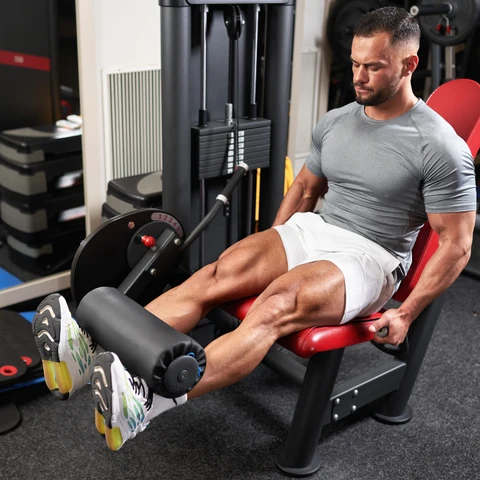
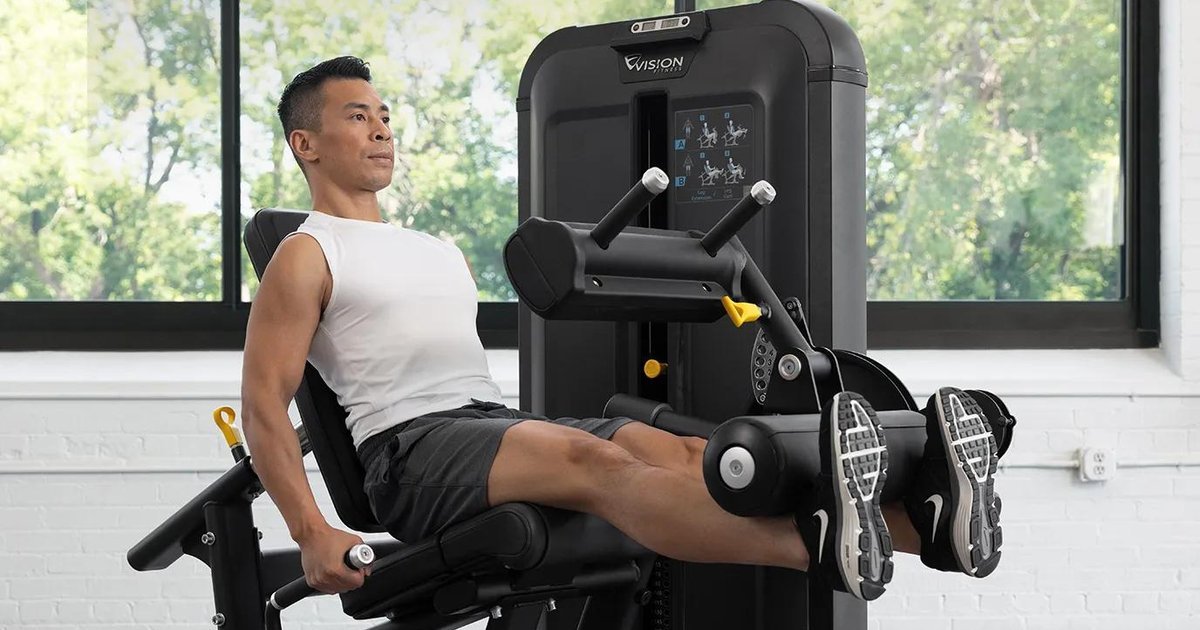
Partial repetitions have a reputation for being an easier way to lift. That description misses a crucial distinction: which part of the movement gets trained. In a seated leg extension the quadriceps straighten the knee against a lever. Lengthened partials emphasize the region closer to a bent knee, where the quads are relatively long. Shortened partials spend their time near a straighter knee. A full-range repetition travels through both regions within the exerciser’s available, controlled motion.
That distinction can matter because muscles do not experience identical tension across all joint angles. The machine’s cam profile, seat position, limb proportions, pad placement and the chosen resistance all affect how a set feels. Two lifters could use the same stack weight and different useful ranges. Do not assume a partial repetition is automatically superior because it feels uncomfortable or creates a bigger pump; the quality and repeatability of muscular effort still matter.
Think of the range as an intentional training variable. A clean lengthened partial starts and ends at repeatable positions, without bouncing the lever or swinging the torso. A rushed top-half rep performed only to avoid the hard part of a set is a different intervention. For hypertrophy, the central question is whether challenging work near the longer-muscle position can produce a meaningful adaptation, not whether you can shorten a set’s travel distance.
One caution should be clear from the beginning: this is about a controlled knee-extension exercise, not a license to perform half-depth squats. Squats also require hip and ankle motion, trunk bracing, balance and coordination. The relationships between joint angle and muscle length differ across exercises. The range that helps one movement should be tested in that movement rather than applied indiscriminately to an entire leg program.
2. Inside the eight-week comparison of 45 people
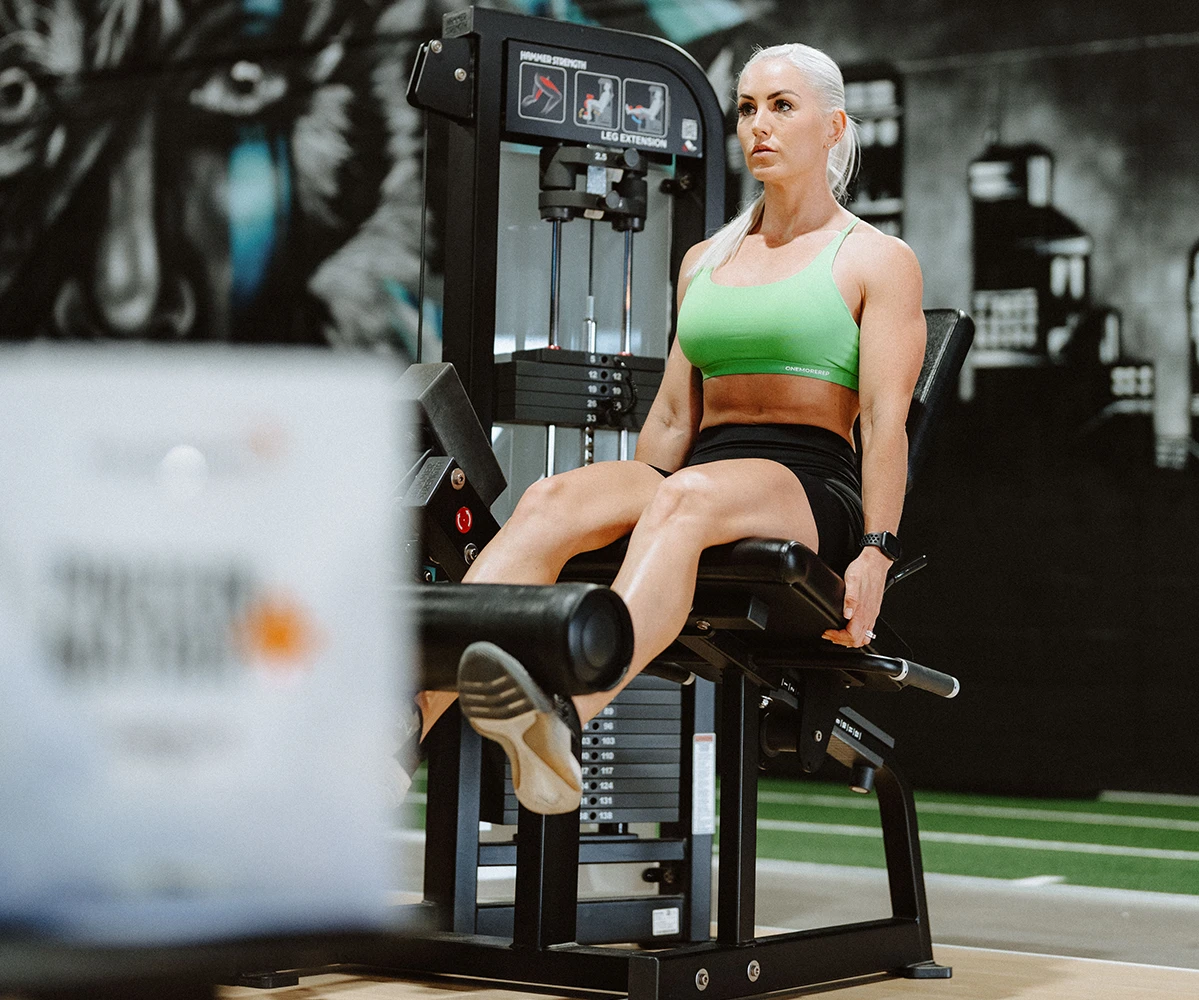
An eight-week training comparison randomly assigned 45 participants to four conditions: a lengthened-partial knee-extension group, a shortened-partial group, a full-range group and a control group. The lengthened-partial prescription worked between approximately forty and ninety degrees of knee flexion using fifty-five percent of one-repetition maximum. The full-range prescription covered approximately zero to ninety degrees using eighty percent. The shortened-partial group trained approximately zero to fifty degrees with the heavier relative load.
Those numbers are useful for understanding the design, not a universal prescription for your next workout. The exercise range and load changed together between the groups. A finding of similar hypertrophy therefore compares complete training protocols; it cannot isolate range from load perfectly. Likewise, a load reported as fifty-five percent of one-repetition maximum should not be copied blindly across different machines with very different resistance curves.
The assessment focused on the vastus lateralis, an important muscle on the outside of the thigh. Thickness measurements were taken at multiple points along the femur. Muscle architecture was also studied using fascicle length and pennation angle. These give a closer look at structural adaptation than an armchair impression of how someone’s legs appear, but they do not measure every quadriceps head or prove improvements in athletic performance.
Eight weeks can be long enough to observe meaningful training responses, yet it is short relative to a lifter’s career. The study is valuable because it directly contrasts ranges and loading strategies rather than asking people which set feels harder. Its limits are also practical: a relatively small sample, a specific exercise and a fixed intervention period. A useful interpretation should preserve those boundaries.

Equipment Worth Exploring
Explore equipment, accessories and gear from our carefully selected range.

HUSLA Leg Extension Pad
Pad attachment designed to increase usable range of motion on compatible leg-extension machines.



GymPin Squat Wedges
Non-slip 15-degree squat wedges help elevate the heels for deeper quad-focused squats.

Belt Squat Collar
Heavy-duty collar adapter for compatible belt-squat and landmine bar setups.

Squat Harness
Wearable harness for hands-free cable squats, sled work, and lower-body training.

Safety Squat Handles
Barbell squat handles that reduce shoulder positioning demands during high-bar squats.


3. What happened to quad thickness

The lengthened-partial and full-range approaches produced no detectable difference in vastus lateralis thickness change at the locations assessed. At certain thigh sites both approaches improved thickness more than shortened partials; elsewhere one of the two approaches showed the clearest difference. The larger pattern favors including work in the relatively bent-knee region rather than relying exclusively on the final portion of a leg-extension movement near lockout.
However, failing to find a statistically significant difference is not the same thing as proving the two approaches are biologically identical. Studies with limited participants and follow-up can miss modest effects, especially when the response varies across individuals. The result supports lengthened partials as a credible way to train the quads; it does not establish that they beat full-range training or replace every reason to use a complete movement.
The lighter relative load in the lengthened-partial condition may surprise lifters who equate progress only with heavier numbers on the stack. A muscle can be challenged at a favorable joint position even when the external load is lower. But there is no direct basis here for declaring light loads universally equal to heavy loads for strength, endurance, bone loading or athletic coordination. Each outcome deserves its own measurement.
Regional thickness is another reason to avoid exaggerated claims. A muscle may adapt differently near the hip, mid-thigh and knee. The vastus lateralis also represents only one portion of the quadriceps. If the goal is larger and stronger legs, consistent programming across different joint actions remains more dependable than replacing every lower-body movement with one kind of partial rep.
4. Why fascicle length is interesting but not a strength test
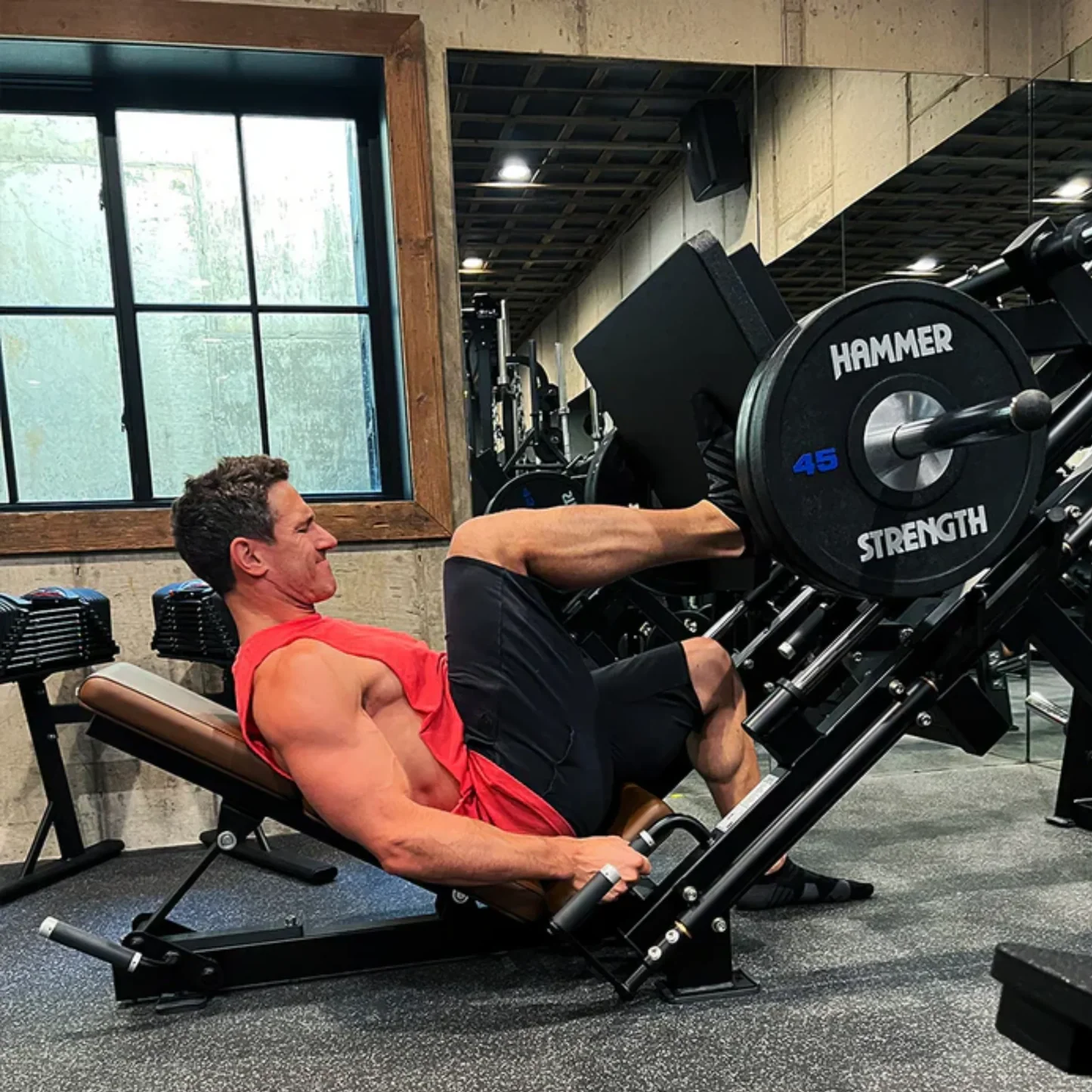
The comparison found greater changes in fascicle length with lengthened partials than full-range training at two measured thigh positions. Fascicles are bundles of muscle fibers, and their apparent length is one feature of muscular architecture. Training can influence both muscle thickness and internal structural arrangements. That makes the result scientifically interesting without turning it into a guarantee that a lifter will jump higher or squat more.
An architectural change is not a directly measured performance gain. If you compete in powerlifting, you still need practice handling a barbell through competition depth. If your sport demands rapid knee extension or braking, you need appropriately progressed sport-specific work. You cannot infer improvements in these tasks solely because an imaging measurement of fascicle length changed following a knee-extension intervention.
Measurement locations matter as well. A result at one point along the thigh does not automatically describe every region or all four quadriceps heads. Nor does the feeling of a deep muscular stretch establish that the relevant tissue is receiving an optimal stimulus. The best training decisions balance what the experiment suggests with consistent technique, recoverable effort and performance during the exercises you actually value.
The practical takeaway is a reason to keep multiple tools in the toolbox. Full-range movement can develop skill and force through a broad excursion. Lengthened partials can add another stimulus at an intentionally chosen position. If a method supports hard, controlled repetitions without harming the rest of your program, it may deserve a place. A single structural measurement is not enough reason to make it your entire program.

Leg Day Shirts & Workout Gear
Leg-day gym shirts and workout gear for lifters who never skip squats, lunges and lower-body punishment.


Funny Thickers Gym | You're Not You With A Small Booty T-Shirt
For laid-back days and leg-day humor: “Thickers”.

I Want You To Stop Skipping Leg Day Patriotic Gym – Unc T-Shirt
Show some gym-day personality with “I Want You To Stop Skipping Leg Day”.

Booty Out Of This World Gym | Funny Alien Abduction Mem Sticker
Stick a little “Booty Out Of This World” humor on your favorite gear.

Day of the Dead Deadlift Gym – Día de los Muertos Calav Hoodie
Show off your deadlift humor in a laid-back “Day of the Dead Deadlift” hoodie.


Leg Press Dost Thou Even Press Medieval Knight Gym Pull Hoodie
Show off your medieval humor in a laid-back “Leg Press” hoodie.

Trap Bar Deadlift Behold Thee Trap Bar Medieval Gym Pul Hoodie
Show off your medieval humor in a laid-back “Trap Bar Deadlift” hoodie.

Deadlift or Die Tryin Sticker
A fun “Deadlift or Die Tryin” touch for bottles, laptops, and lockers.

Gym Iron Before Honor Medieval Knight Muscle Shirt for Tank Top
Bring “Iron Before Honor Medieval Knight” humor to your next lifting session.
5. Set up the leg-extension machine before experimenting
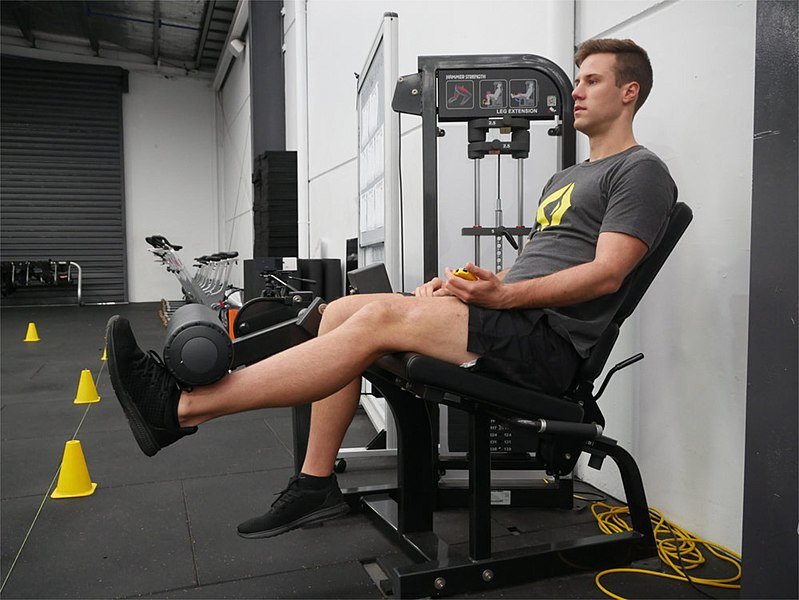
Begin by adjusting the backrest and seat so your knee aligns reasonably with the machine’s pivot. Set the shin pad in the manufacturer’s intended position and keep your hips supported against the backrest. Move through an easy, pain-free range before selecting a working weight. If a machine starts with your knees bent beyond what you comfortably control, adjust its starting stop instead of forcing yourself into that position.
To try a lengthened partial, choose a modest load and work through the lower, more bent-knee portion of your comfortable travel. Keep the motion smooth, lower deliberately and avoid bouncing at the bottom. Aim for roughly ten to fifteen controlled repetitions with one to three good repetitions still possible rather than chasing an all-out failure on the first experimental day. These are practical starting points, not the precise protocol used in the comparison.
Consider doing conventional full-range sets first and replacing only one accessory set with lengthened partials. That keeps a familiar benchmark in your logbook and reduces the temptation to change every training variable at once. Record seat position, movement stops and the stack setting; otherwise your next session may be impossible to compare fairly. Different machines can have very different resistance profiles at the same knee angle.
Distinguish muscular discomfort from sharp knee pain, catching, instability or progressively worsening joint symptoms. The latter are reasons to stop and adjust, not signals that an exercise is especially effective. People managing knee injuries should use individually appropriate guidance rather than treating a healthy-training experiment as a rehabilitation protocol. The goal is sustainable quadriceps training, not winning a contest over the deepest possible knee angle.
6. Build a real leg session around the idea
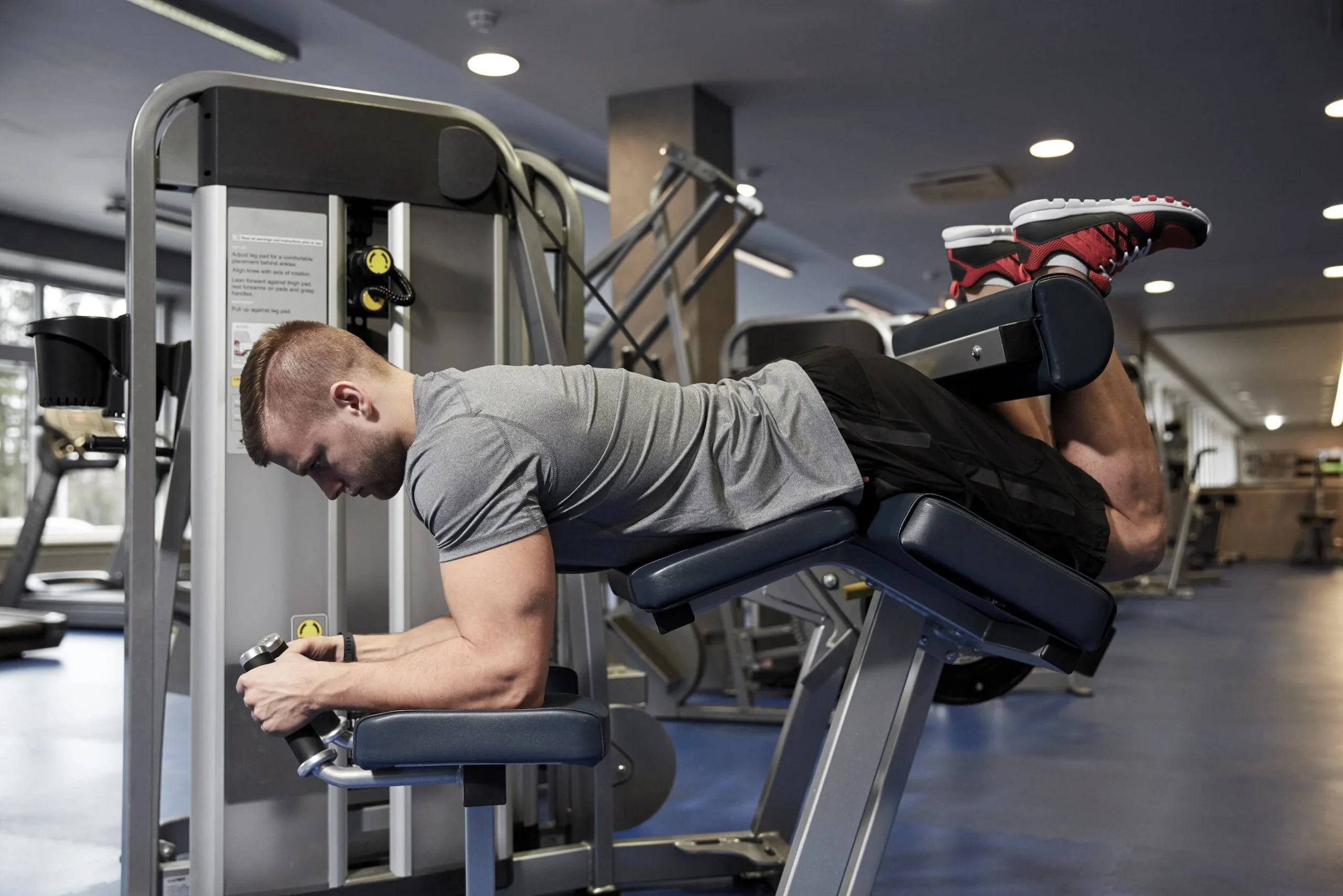
Keep the primary movement you most want to improve early in the session. A simple lower-body workout might start with three sets of squat or leg press for five to ten controlled repetitions, followed by two or three sets of a hinge or hamstring movement. Leg extensions can then serve as a targeted quadriceps accessory. Doing the coordination-heavy movements first helps protect technique and makes strength progress easier to measure.
For the leg extensions, use two or three challenging sets with a repeatable range and enough rest to preserve clean reps. In one session you could use ordinary full-range extensions. In a second lower-body session, substitute one or two sets emphasizing the lengthened portion. This allows a comparison without doubling the workload simply because the new method feels novel or produces a conspicuous pump.
Recovery is part of the equation. If a session leaves your quads so sore that squat depth, walking comfort or performance suffers for several days, reduce accessory work. Extra sets are only useful when your body can adapt to them. Even if a partial range permits a different load, it still counts as work that adds to your overall training stress and weekly knee-extension volume.
A leg-day plan should also cover hamstrings, hip extensors and calves where appropriate. Heavy and moderate-load compound patterns develop broader movement skills; targeted accessories supplement those patterns. A leg-extension result is strongest as an argument for intelligent exercise selection and range planning, not as a reason to abandon squats, lunges and sensible progressive overload.
Equipment Worth Exploring
Explore equipment, accessories and gear from our carefully selected range.


FID Bench MAX
Adjustable bench offering flat, incline, and decline positions + adjustable headrest.


7. A four-week test for your own quad training
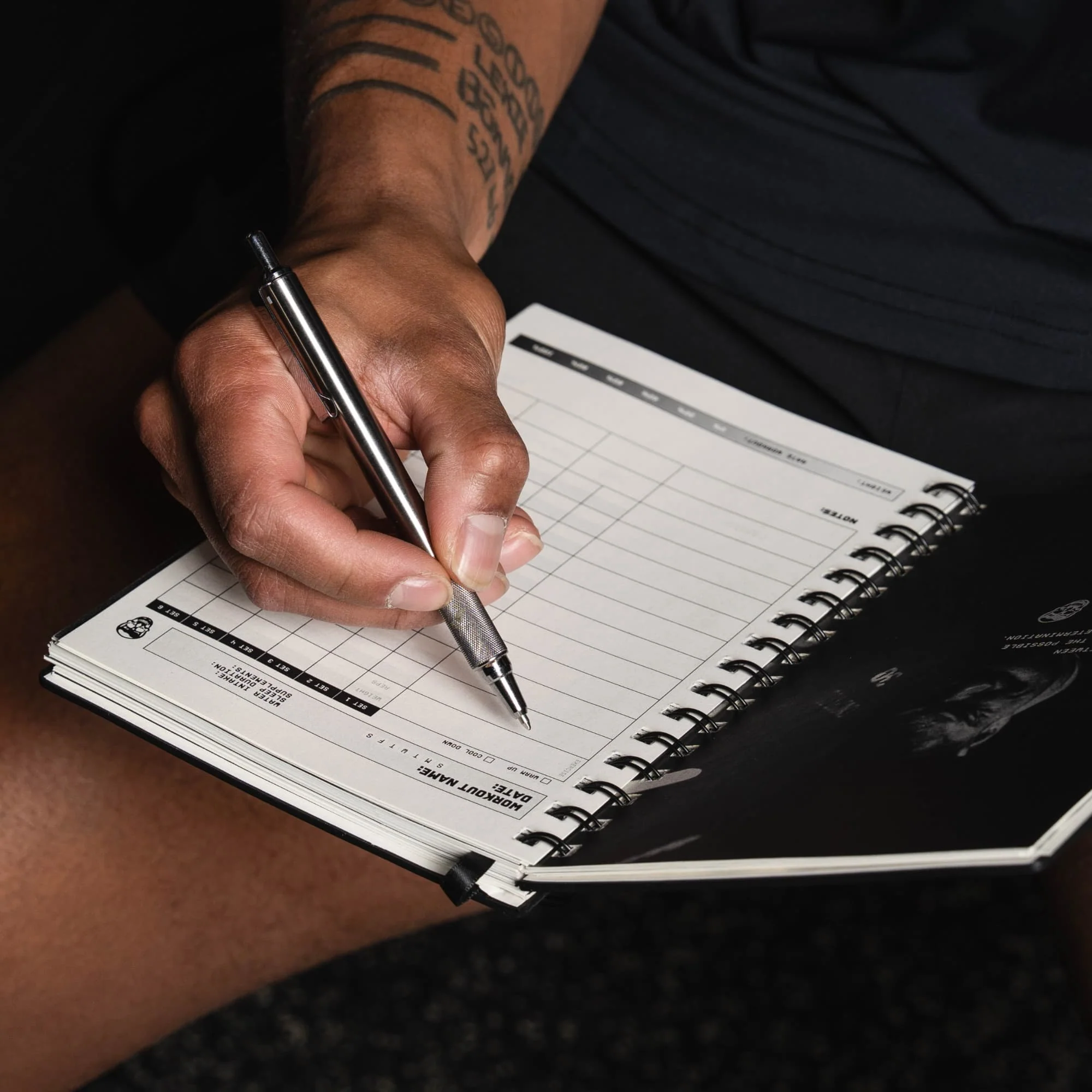
During week one, establish a baseline with full-range leg extensions. Write down the machine, seat setting, weight, repetitions, rest, approximate repetitions in reserve and any discomfort. In week two, keep your compound leg work consistent and replace one extension set with a lengthened partial. Choose a lighter load if necessary to stay controlled, and make the starting and ending positions easy to repeat.
In week three, seek a small improvement in the chosen partial range: perhaps an extra controlled rep or a more consistent tempo at the same stack weight. Avoid simultaneously adding more sets, heavier squats and less rest, because that makes results difficult to interpret. In week four, compare quality repetitions, recovery and your progress on the main leg lifts against the first week.
Do not expect a tape measure or mirror check to reliably distinguish small changes in muscle size over four weeks. The more useful short-term signals are whether you complete hard sets with stable technique, can gradually progress and recover in time for your next lower-body day. If a range irritates the knee or makes your training inconsistent, there is little reason to preserve it simply because an experiment produced a promising group average.
The balanced conclusion is that moderate-load lengthened partials can be a productive quadriceps option and may influence muscle architecture differently from full-range work. That does not make full reps obsolete. Train your target lifts through the ranges they require, use partials deliberately when useful, and judge the method by repeatable work and long-term progression rather than a single brutally intense set.
Bodybuilding Shirts & Workout Gear
Bodybuilding shirts, tanks and gym gear for lifters chasing muscle, size, symmetry and the pump.

Squat Here | Edgy Workout Sweater | Gym Humor Meme Crew T-Shirt
Bring “Squat Here” humor to your everyday gym style.


Squat Inspector Gym | Edgy Leg Day Meme Workout | Booty Hoodie
Make your off-duty look more fun with “Squat Inspector”.

Never Skip Leg Day – NSLD Fried Chicken Meme Decal for Sticker
Bring “Never Skip Leg Day” attitude to your water bottle or laptop.


I Love Thicc Girls Funny Valentine's Gym – Thicc Thighs T-Shirt
For laid-back days and leg-day humor: “I Love Thicc Girls Funny Valentine's”.

Heavy Squatter Gym Wizards | Funny Harry Potter Muscle Tank Top
Show some personality between sets with “Heavy Squatter Gym Wizards”.

Gym The Bar Does Not Lie Medieval Knight for Powerlifte Hoodie
Show off your medieval humor in a laid-back “The Bar Does Not Lie Medieval Knight” hoodie.

Gym Rat Cheese Barbell | Funny Workout Decal & Bodybuil Sticker
Put “Gym Rat Cheese Barbell” gym humor on your laptop, bottle, or gym gear.