Advertising disclosure: This page includes affiliate product links that may earn us a commission, as well as products from our own store.
One of the most frustrating moments in a fat-loss phase is discovering that yesterday’s comfortable working weight suddenly feels intimidating. You have not necessarily lost muscle. A calorie deficit, harder training, poor sleep, lower carbohydrate availability and even a different warm-up can all change how a set feels. The sensible response is to separate a bad session from a genuine downward trend before tearing up your program.
Body recomposition means improving the ratio of muscle to fat, not automatically adding muscle every week while the scale falls. Some lifters can gain strength while dieting, particularly beginners; experienced lifters often focus on preserving their best performance. The goal is to keep a useful training stimulus, eat enough to recover and make adjustments based on evidence rather than one disappointing workout.
1. Does a heavier-feeling bar mean you lost muscle?
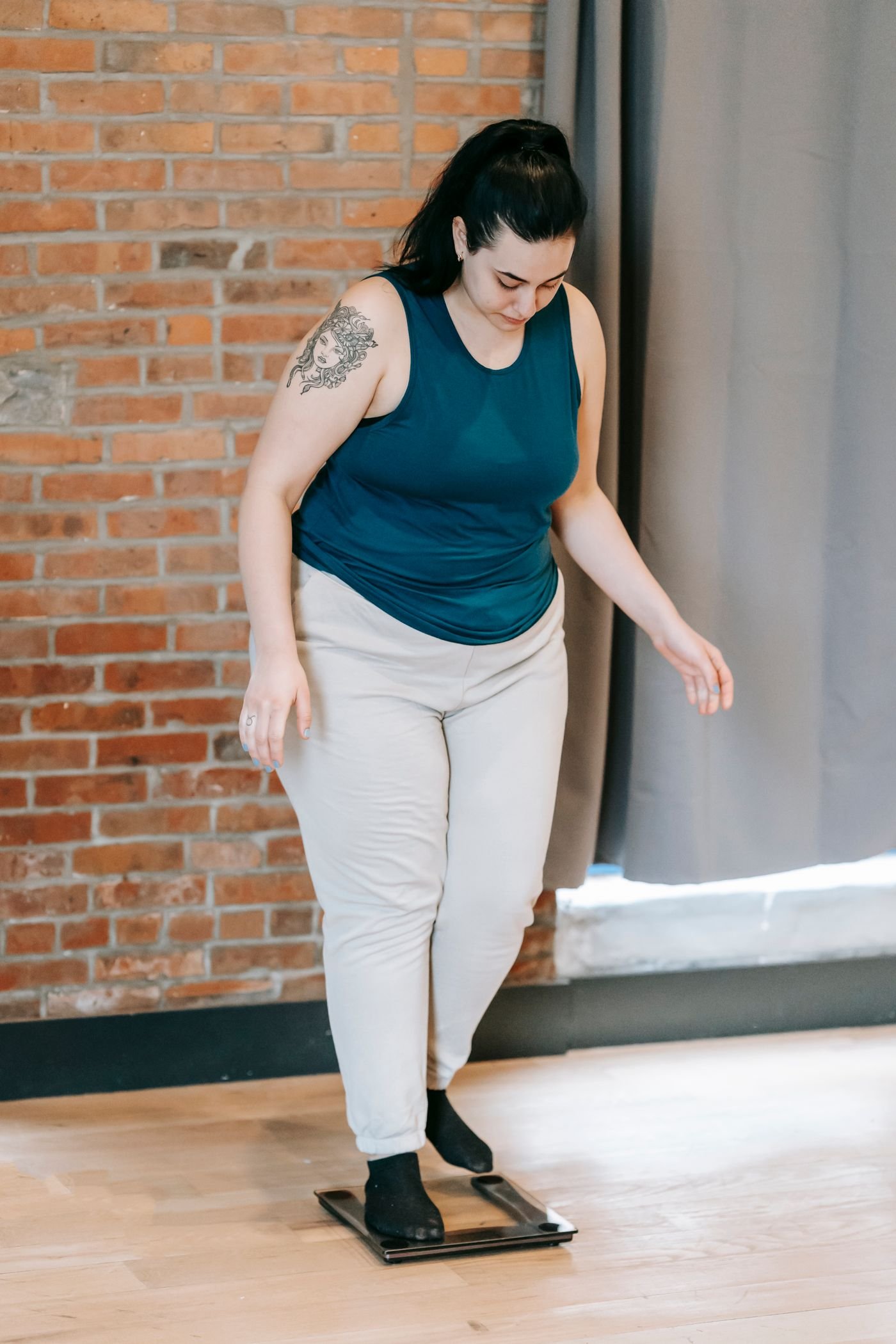
Not by itself. Strength is a performance outcome influenced by skill, nervous-system coordination, fatigue, motivation, leverage and muscle tissue. A one-repetition maximum, a set of eight and a set taken to failure do not even measure exactly the same thing. If your body mass drops, relative strength can improve while absolute numbers remain unchanged.
Start with the context. Did you train at the same time, use the same equipment, rest as long, and complete the same warm-up? Did you sleep normally? Did the previous session include unusually hard leg work or conditioning? A small fluctuation across two sessions is not a diagnosis of muscle loss.
Track one or two repeatable benchmark lifts instead of judging every exercise. Record load, repetitions, approximate repetitions in reserve and rest intervals. If you squat 80 kilograms for eight repetitions with two in reserve, then manage seven repetitions on a difficult day, that is a signal to observe, not proof your quads shrank. Persistent declines across several weeks, especially alongside poor recovery, deserve more attention.
Also remember that body-composition scans have error margins and can be influenced by hydration and glycogen. A sudden change in estimated lean mass after a few days of dieting does not necessarily reflect an equally rapid change in contractile muscle.
2. Why an energy deficit changes workout performance

Food supplies energy for daily activity, repair and training. When intake falls below expenditure, the body has less energy available for all of those tasks. That does not mean every calorie deficit immediately weakens you; the size and duration of the deficit, the type of workout and your previous diet matter enormously.
Heavy singles depend heavily on neural skill and high-force production, while repeated hard sets also depend on local energy availability. Muscle glycogen is stored carbohydrate. A lower-carbohydrate diet, or a long gap since your last substantial meal, can make high-volume training feel unusually demanding. The first session after a hard conditioning day may be affected even if your maximum strength has barely changed.
Consider two lifters with the same weekly calorie deficit. One distributes food evenly and eats carbohydrate before training; the other saves most of the day’s calories until late evening. Their weekly energy balance could be similar, but their training sessions may feel different. Meal timing is a tool for performance, not a substitute for sufficient total food.
Research comparing resistance training with and without an energy deficit has found that deficits tend to blunt gains in lean mass, while average strength gains can remain comparatively similar. That is encouraging, but it does not promise that every individual will preserve every personal record. The evidence combines different populations and programs; a short, severe cut by an advanced athlete is not interchangeable with a modest deficit in a beginner.
A useful first experiment is simple: keep the program stable for a week, place a carbohydrate-containing meal or snack before demanding sessions, and compare performance under similar conditions. Avoid changing training volume, exercise selection and food intake simultaneously, or you will not know what helped.
3. Calories, protein and carbohydrates: build a workable cut
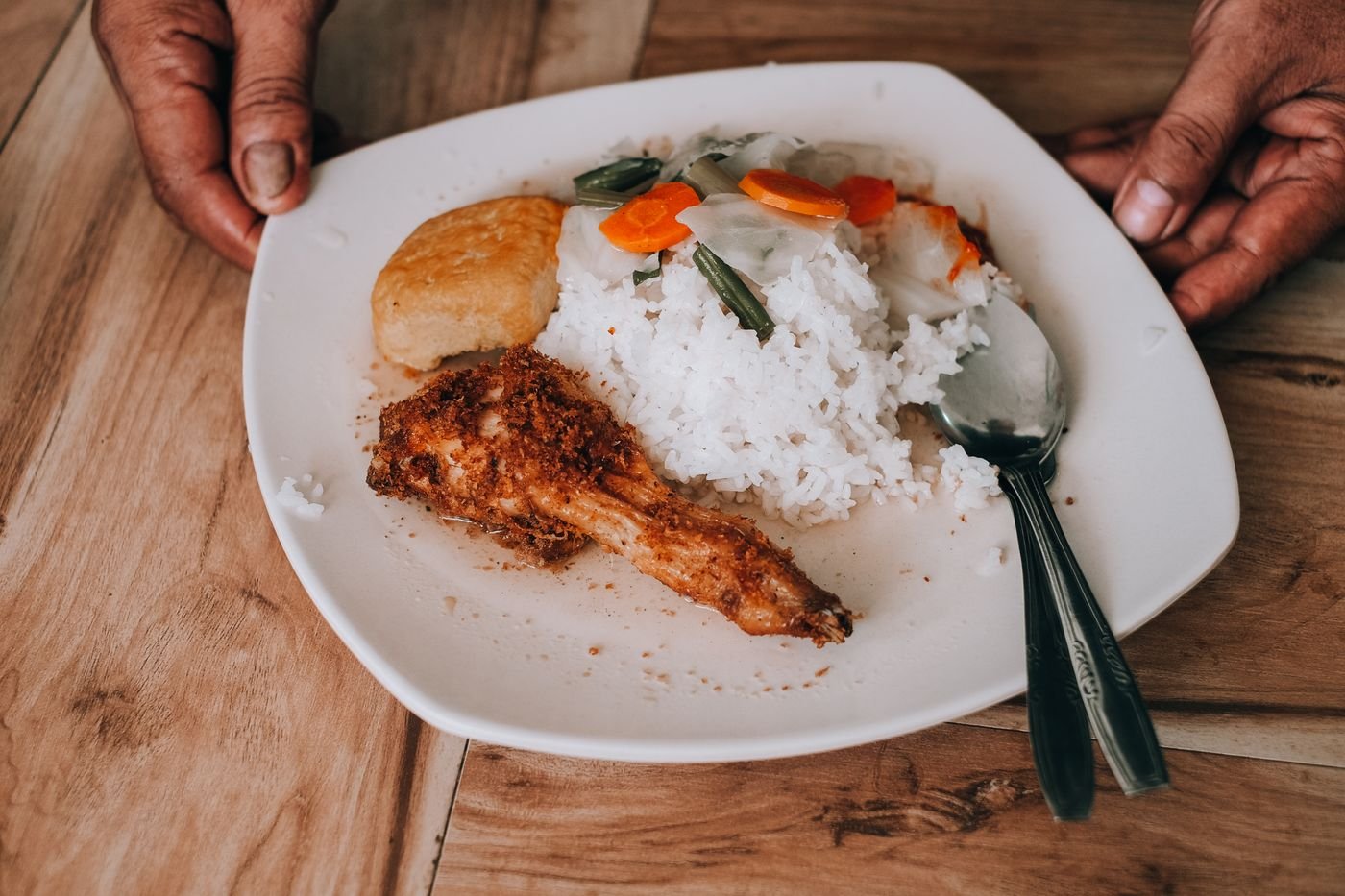
Aggressive dieting can produce faster scale movement, but it often makes productive training harder to sustain. A moderate estimated deficit, commonly around 250-500 calories per day for an appropriate adult, is a starting range rather than a universal prescription. Energy needs differ substantially with body size, activity, training history and medical circumstances. Adjust based on a multiweek weight trend, appetite, recovery and actual gym performance.
Protein deserves particular attention because resistance training and adequate dietary protein together support muscle-protein turnover. A widely used evidence-based range for active adults is approximately 1.4-2.0 grams per kilogram of body mass daily, with some lean, resistance-trained athletes needing more during demanding energy restriction. That does not mean everyone should chase the highest number. Body composition, tolerance, total calories and medical advice all matter.
A controlled four-week experiment in young men combined intensive training with a large energy deficit and compared 1.2 with 2.4 grams of protein per kilogram daily. The higher-protein group gained more measured lean mass and lost more fat. Its unusually intense protocol and selected participants make it poor justification for extreme dieting or six training days per week in the average person.
Do not let protein crowd out every carbohydrate. A practical pre-workout meal might pair rice, potatoes, oats or fruit with a protein source. A snack can be enough if a large meal would sit uncomfortably. There is no magic hour, but arriving at a demanding session hungry and depleted is an avoidable disadvantage.
Diet quality and consistency matter beyond macro targets. Include vegetables, fruit, dietary fats and enough fluids. If your bodyweight is falling rapidly, your training feels flat and you are constantly cold or exhausted, the answer may be more food or a smaller deficit rather than a new supplement.

Equipment Worth Exploring
Explore equipment, accessories and gear from our carefully selected range.

Go-Tone Pro
Portable digital cable trainer with up to 66 lb (30 kg) of adjustable resistance.


FID Bench MAX
Adjustable bench offering flat, incline, and decline positions + adjustable headrest.



4. Keep the strength signal without turning every set into a test
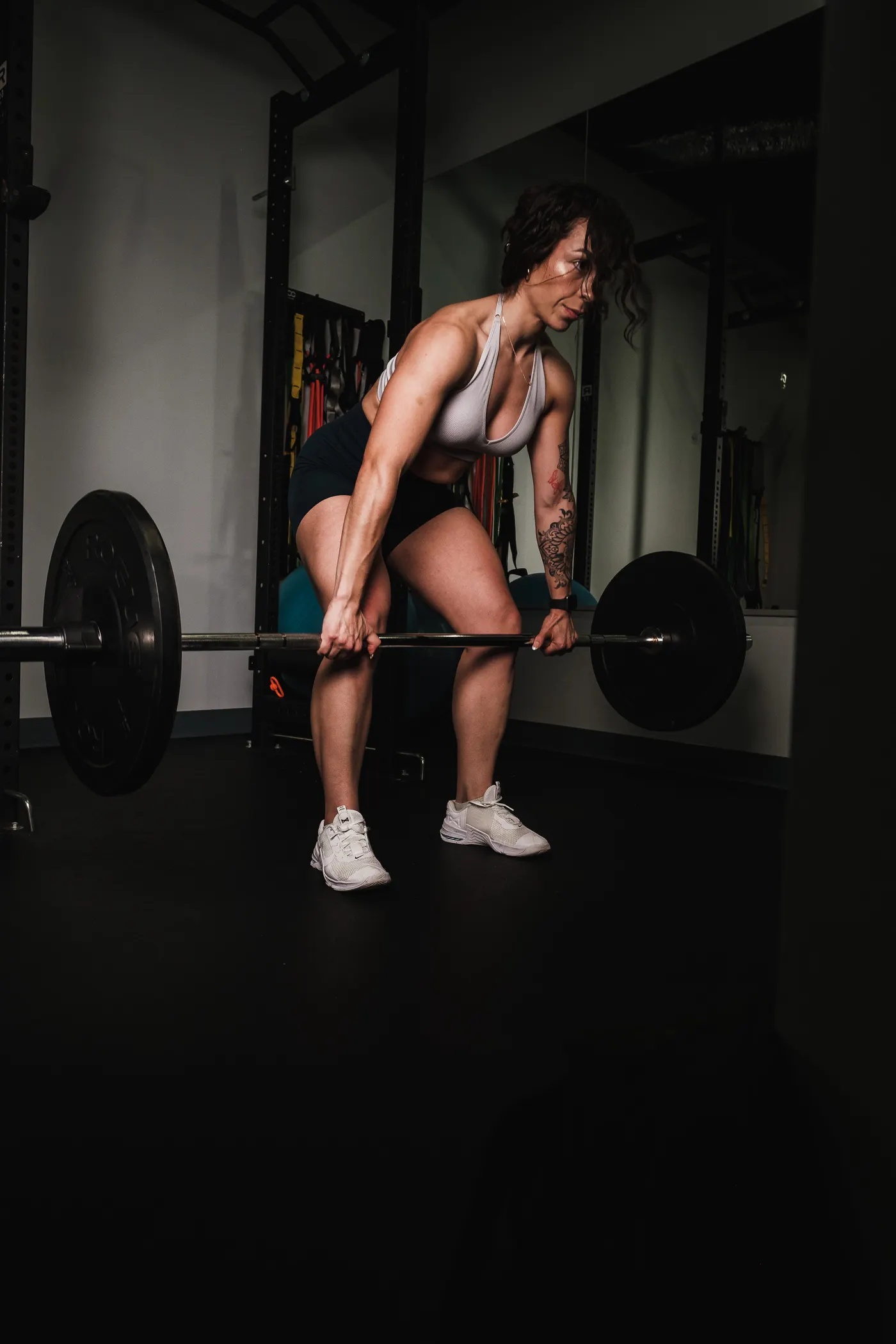
When cutting, the most valuable part of a strength plan is often its continuity. Keep your familiar compound lifts, use technically sound ranges of motion and preserve some reasonably challenging sets. If you can still perform your main lifts with controlled technique, you are giving the body a reason to retain the capacity you have built.
That does not require daily max attempts or grinding every set to failure. A useful approach is to maintain relatively heavy working sets while adjusting total volume if recovery becomes the limiting factor. For example, three challenging sets of a squat may be more sustainable than six increasingly slow sets when calories are low. The exact reduction depends on your previous workload and response.
Repetitions in reserve provide a flexible guide. A set finished with two repetitions still possible is hard enough to be meaningful for many lifters, yet often easier to recover from than an all-out attempt. You can still include lighter accessory work for muscles that need attention. Exercise technique should remain stable enough that your logbook comparisons mean something.
Avoid a common trap: replacing a familiar barbell program with a long list of unfamiliar, high-repetition movements because they feel more like fat-burning. New exercises create soreness and make strength trends difficult to interpret. Cardio can help expenditure and health, but it does not make resistance training redundant during a cut.
Progressive overload during a deficit can mean preserving load while improving control, adding a repetition when it is available, or maintaining performance at a lower body mass. It does not have to mean loading another plate every week. If you repeatedly lose repetitions at the same load, inspect recovery and food intake before forcing progression.

Bodybuilding Shirts & Workout Gear
Bodybuilding shirts, tanks and gym gear for lifters chasing muscle, size, symmetry and the pump.

Viking Shirt – Blood Sweat Protein Shakes , Gymbros T-Shirt
Heavy lifts, good laughs, and a little “Viking” energy.

Bear Protein : Hilarious Meme Hooded Hoodie
Stay casual and show some bodybuilding attitude with “Gym Bear Protein”.

Wheyhalla Viking Protein Lovers & Hoodie
Keep it laid-back with a little “Wheyhalla Viking” attitude.

Raid The Weights Pillage The Protein Viking – Norse T-Shirt
Heavy lifts, good laughs, and a little “Raid The Weights Pillage The Protein Viking” energy.

Funny Hustle For That Muscle Gym | Greek God Meme Muscl Tank Top
Train hard, laugh a little, and rep “Hustle For That”.

with Protein Shaker Print | Bodybuilding Muscle Shirt Tank Top
Train hard, laugh a little, and rep “with Protein Shaker Print”.

| Sweet Gains Workout Vest Muscle Shirt & Fitness Meme Tank Top
Bring “Sweet Gains” humor to your next lifting session.

Meat Mountain – Gymbro Muscle Shirt Vest & Gains Tank Top
Show some personality between sets with “Meat Mountain”.

The Beatles Yesterday Starting Diet Meme – Bulking Moti T-Shirt
Add a playful “The Beatles Yesterday Starting Diet Meme” touch to your casual rotation.

Pizza Dumbbell Barbell Bulk T-Shirt
Rep “Pizza Dumbbell Barbell” humor in and out of the gym.
5. Recovery, sleep and cardio can be the hidden variables

Training stress does not disappear when you eat less. Hard intervals, long runs, heavy leg sessions, a stressful workweek and inadequate sleep all draw on recovery capacity. Adding more cardio to accelerate fat loss can create a second problem: the extra fatigue may reduce the quality of the strength work you wanted to preserve.
Separate demanding lower-body lifting from the hardest endurance sessions when practical, or at least avoid stacking every high-intensity activity into the same day. Easy walking and moderate aerobic work are often easier to recover from than repeated all-out intervals. Cardio is not the enemy; poor scheduling and excessive total workload are the issues.
Sleep deserves its own place in the plan. A night or two of poor sleep can change effort perception, concentration and willingness to train. Build a repeatable bedtime routine, allow rest days and look at several sessions before declaring that the diet is costing muscle. If fatigue accumulates, a lighter week can be more productive than doubling down.
Hydration is another confounder. Sweaty sessions, travel, alcohol and changes in sodium intake can influence how you feel and how your bodyweight moves. You do not need to force water beyond thirst or use elaborate hydration products for an ordinary workout, but consistently arriving dehydrated is unhelpful.
Persistent dizziness, fainting, unusual weakness, menstrual disruption or repeated injuries are not ordinary signs of a successful cut. Stop treating them as a motivation problem and seek appropriate medical or sports-dietetic advice. The aim is sustainable body-composition improvement, not seeing how much discomfort you can tolerate.
6. A four-week strength-maintenance template
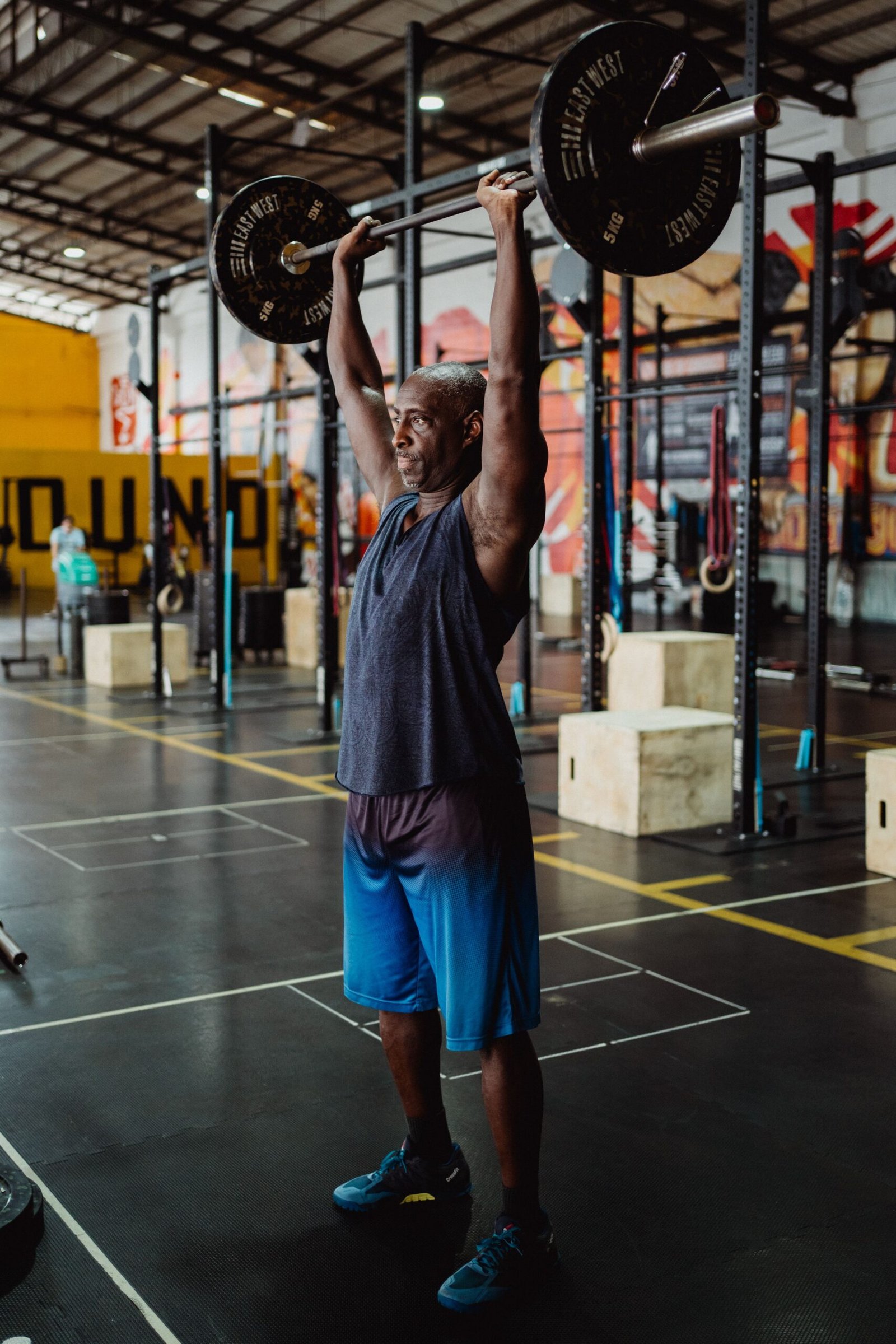
This is an adaptable example for someone already comfortable with basic resistance training, not a rehabilitation or beginner medical program. Use three nonconsecutive full-body sessions each week, alternating Workout A and Workout B. Start conservatively enough to keep two or three repetitions in reserve on most work sets.
Workout A: squat or leg press, three sets of five to eight; horizontal press, three sets of six to ten; row, three sets of eight to twelve; and a simple abdominal exercise, two sets of ten to fifteen. Workout B: Romanian deadlift or another hip hinge, three sets of six to ten; overhead or incline press, three sets of six to ten; pulldown or assisted pull-up, three sets of eight to twelve; and a split squat, two sets of eight to ten per side. Rest approximately two to three minutes on demanding compound sets and enough on accessories to maintain good technique.
Week one establishes honest baseline loads without testing a maximum. Week two aims to repeat those loads with similar effort and technique. Week three permits a small repetition or load increase only where recovery supports it. Week four compares benchmark performance, average bodyweight and fatigue; if the numbers have deteriorated for multiple sessions, reduce accessory volume or reconsider the deficit.
On nonlifting days, choose walking, easy cycling or another manageable aerobic activity. Avoid automatically adding more intervals each time the scale stalls for a day. A consistent weekly activity target is more useful than punishment cardio after a large meal.
Someone with only two available training days can still train the major movement patterns by alternating these sessions. Someone already following a well-designed four-day split need not abandon it; the same principles apply. Preserve the familiar lifts, use recoverable volume and keep your measurement method consistent.
Equipment Worth Exploring
Explore equipment, accessories and gear from our carefully selected range.
VOLTRA
Compact digital cable trainer with smooth, adjustable resistance.


Leather Lifting Straps
Padded leather straps support grip during heavy rows, deadlifts and pulling exercises.

Safety Squat Handles
Barbell squat handles that reduce shoulder positioning demands during high-bar squats.

7. How to tell whether the plan is working
Use three kinds of evidence together: a bodyweight trend, a repeatable performance log and recovery markers. Daily weigh-ins are optional; if you use them, compare weekly averages rather than individual mornings. Waist measurements taken under similar conditions and occasional progress photographs can add context. None of these tools measures muscle gain perfectly.
In the gym, select a squat or leg movement, a press and a pull as benchmarks. Compare loads, repetitions and approximate effort across at least two or three weeks. If your bodyweight is decreasing gradually and these lifts remain reasonably stable, you may be achieving the practical goal of preserving strength while losing weight. A single personal record is welcome, not required.
If performance drops repeatedly, ask four questions in order. Is the estimated calorie deficit larger than planned? Are protein and pre-workout carbohydrates adequate? Have cardio, daily steps or training volume increased? Are sleep and rest sufficient? Change one or two variables, then reassess. A short maintenance-calorie phase can be useful when accumulated fatigue is substantial, though it is not mandatory for every diet.
Remember that some strength loss can occur during weight reduction, especially with substantial changes in body size or leverage. That is not automatically failure. What matters is the overall trajectory, your health and whether the training program remains productive. A smaller waist and stable lifts can be a more meaningful outcome than forcing a new maximum every Friday.
The bottom line: feeling weaker during a cut is information, not a verdict. Keep enough hard lifting to retain your training adaptations, fuel the sessions that matter, avoid an unnecessarily aggressive deficit and evaluate trends over weeks rather than moods over minutes.
Powerlifting Shirts & Lifting Gear
Powerlifting shirts and gym gear for squat, bench and deadlift lifters who live for heavy numbers.

I Want You To Bench Press Uncle Sam – 4th of July Patri Tank Top
Train hard, laugh a little, and rep “I Want You To Bench Press Uncle Sam”.

Zombie Deadlift Lifting Dead Halloween Vest Tank Top
Your gym-day look, with a playful “Zombie Deadlift” twist.

Stars Stripes & Squats Patriotic Eagle – 4th of July Wo Tank Top
Add some leg-day attitude to training with “Stars Stripes & Squats Patriotic Eagle”.

Patriotic Free Weights Lynyrd Skynyrd | Rock Music Meme T-Shirt
Keep things casual with a little “Patriotic Free Weights Lynyrd Skynyrd” attitude.

I Was Made For Liftin You Sweatshirt
For laid-back days and metalhead humor: “I Was Made For Liftin You”.

Funny Minecraft Deadlift | Gym Meme Workout Pullover | T-Shirt
Bring “Minecraft Deadlift” humor to your everyday gym style.

Wonderbarbell Crewneck | Workout Sweater with Oasis Par T-Shirt
Add a playful “Wonderbarbell” touch to your casual rotation.

The Art Of The Deadlift Patriotic Meme – Funny USA Gym Hoodie
Bring “The Art Of The Deadlift Patriotic Meme” gym humor to lazy days and post-workout plans.

Grateful Deadlift Lifting Bears Tee
Show some deadlift attitude with a playful “Grateful Deadlift” tee.