What leg press depth actually means
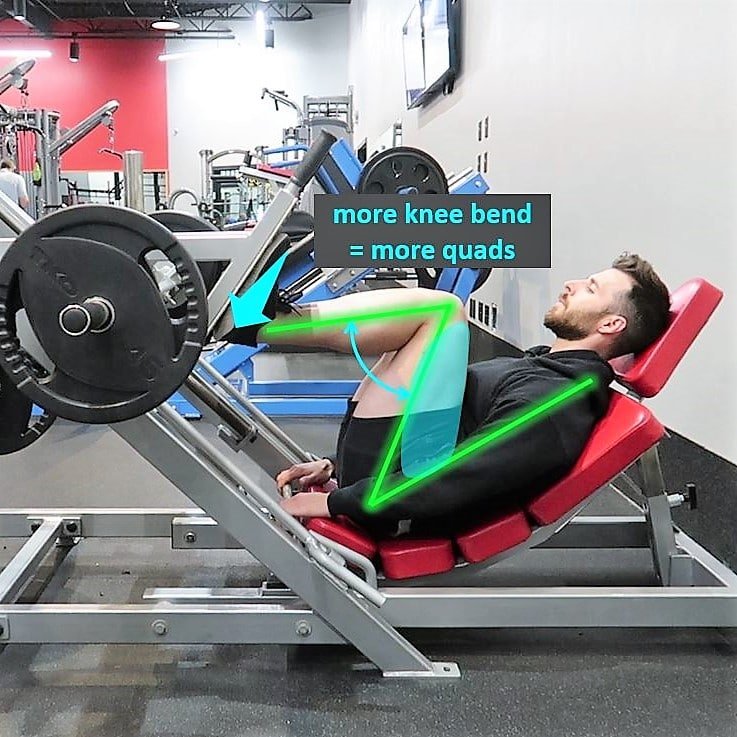
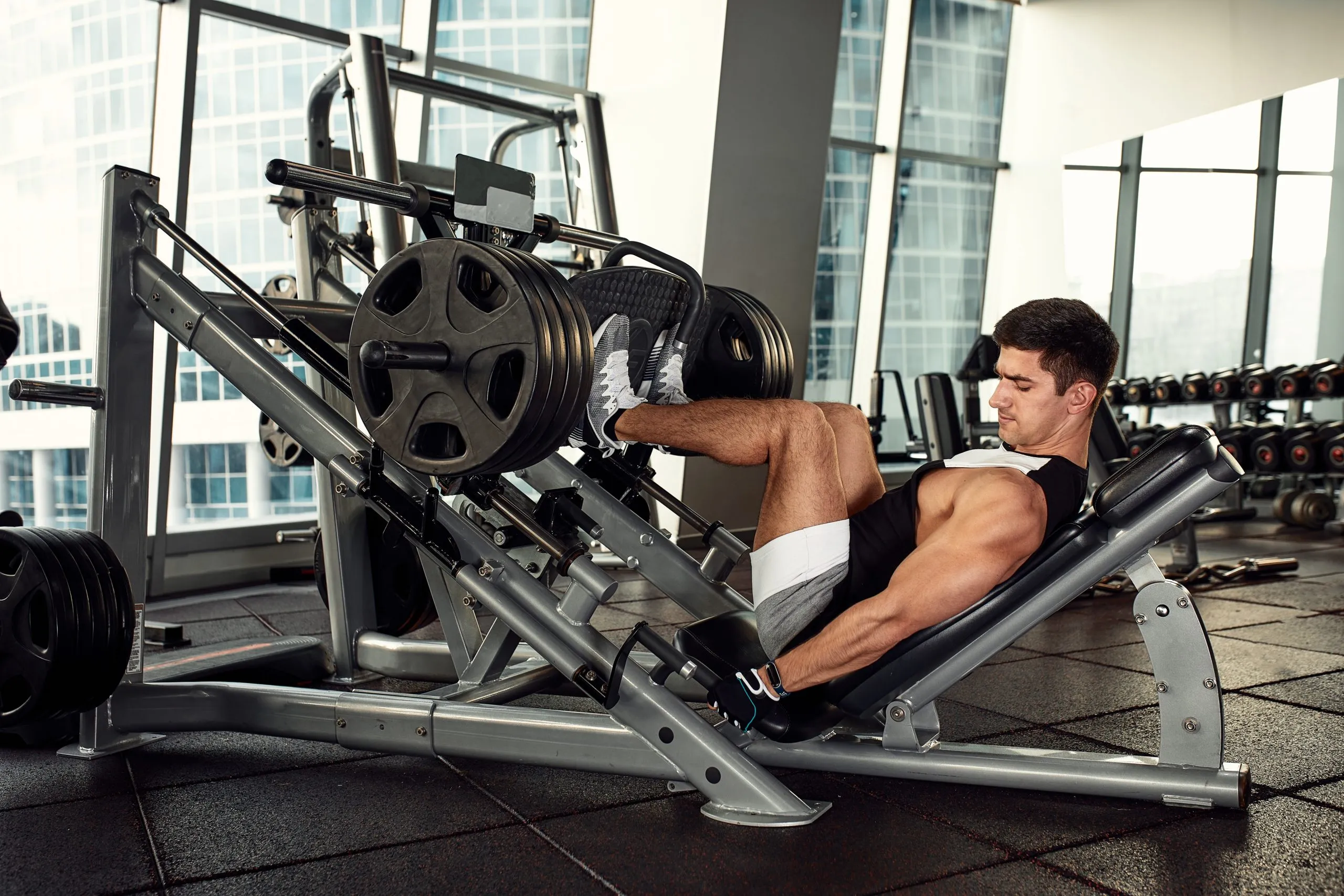
The leg press looks simple until two lifters compare repetitions. One person brings the sled close to the torso; another stops when the knees reach roughly a right angle. Both can move impressive loads, but those plates do not tell you how far the knees traveled or how much work the quadriceps performed. Range of motion is the distance through which a joint moves during a repetition. For the leg press, knee flexion is a more useful description than the vague instruction to go as deep as possible. Hip motion, seat angle, foot placement and machine geometry also determine what the bottom position looks like.
Deeper is not automatically better if it requires your pelvis to roll away from the backrest, your heels to lose contact, or your knees to follow an uncomfortable path. Equally, stopping very high just to load more plates can remove much of the demanding portion of the movement. A productive repetition uses a repeatable bottom position, controlled lowering and a strong push without bouncing. The interesting question is whether increasing knee flexion from a substantial depth to the maximum available depth creates extra quadriceps growth when sets are already hard. That is precisely what a controlled eight-week comparison explored.
The eight-week study: 23 trained lifters, two depths
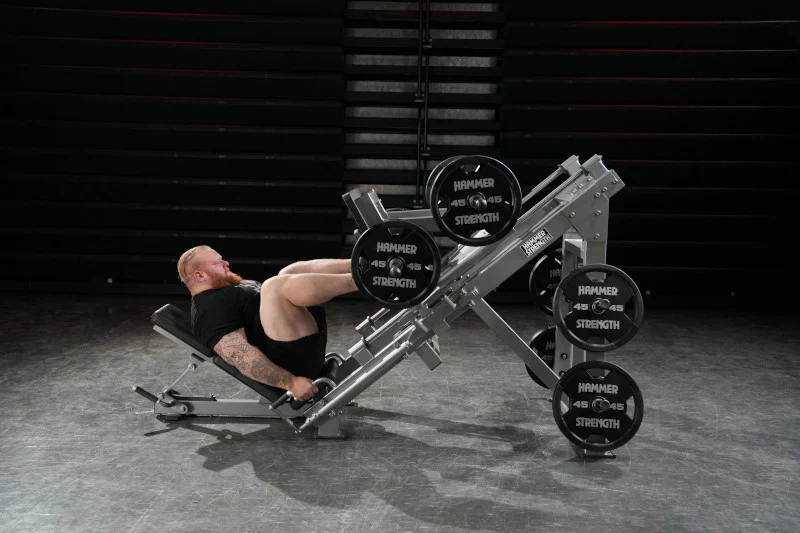
In a 2025 experiment, 23 resistance-trained participants completed eight weeks of unilateral leg pressing. Their average training history was approximately 7.2 years, so these were not complete beginners responding to any new stimulus. Each person trained one leg with a restricted knee-flexion range of approximately 5 to 100 degrees, and the other with the deepest individualized range they could achieve. The latter averaged a maximum knee flexion of roughly 154 degrees, with individual variation. This within-person design reduced some differences in genetics, nutrition and general training habits because each participant acted as their own comparison.
Training involved four sets of single-leg presses to momentary failure twice a week. Researchers assessed quadriceps thickness with ultrasound at several regions of the thigh. Participants attended an average of 15 of 16 scheduled sessions, approximately 94 percent adherence. Both depth conditions produced measurable growth, with muscle-thickness increases across measured sites ranging roughly from 1.08 to 1.91 millimeters. Statistical analyses provided evidence favoring no meaningful difference between the two depth prescriptions over this eight-week period. That does not prove depth never matters, or that every possible short repetition works equally well. It means that when trained people compared these two substantial knee-bend ranges under the tested conditions, the deeper condition did not show a clear quadriceps hypertrophy advantage.

Equipment Worth Exploring
Explore equipment, accessories and gear from our carefully selected range.

Squat Harness
Wearable harness for hands-free cable squats, sled work, and lower-body training.


GymPin Squat Wedges
Non-slip 15-degree squat wedges help elevate the heels for deeper quad-focused squats.


Safety Squat Handles
Barbell squat handles that reduce shoulder positioning demands during high-bar squats.

Belt Squat Collar
Heavy-duty collar adapter for compatible belt-squat and landmine bar setups.


Why a shallower leg press can still build quads
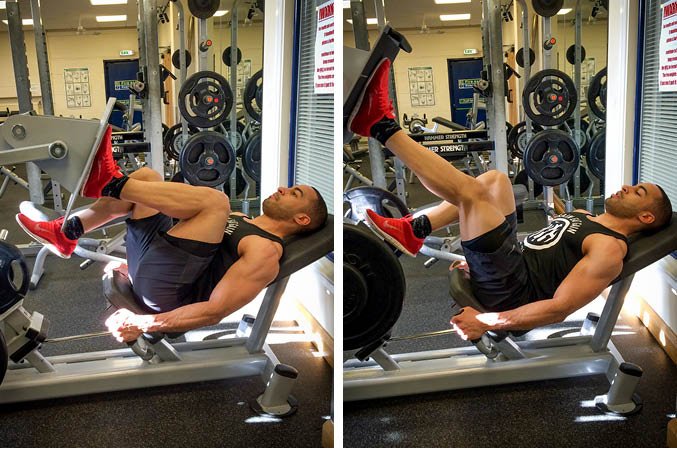
The restricted condition was not a tiny top-half partial. A knee bend reaching about 100 degrees still exposes the quadriceps to substantial tension and a long enough working path for demanding repetitions. That distinction matters when online discussions label every movement short of maximal knee flexion as half-repping. The study compared two credible training ranges, not a deep rep against a barely unlocked sled. Both conditions also trained close to the limit of what participants could complete, which helped ensure that the target muscles received a strong effort stimulus.
Other range-of-motion research is more mixed and should prevent overgeneralization. Reviews pooling many exercises often find small advantages for fuller ranges, particularly when they expose muscles to longer lengths, but effects vary by muscle, exercise and the portion of the repetition omitted. A leg press is not interchangeable with a squat, leg extension or calf raise. The leg press distributes movement between hip and knee joints, and a person’s build changes the bottom position. The practical lesson is to avoid treating one angle as magic: use a substantial range you can reproduce, then progress effort, repetitions and load while keeping that range honest. A deeper option can still be useful for variety, mobility and personal preference.

Leg Day Shirts & Workout Gear
Leg-day gym shirts and workout gear for lifters who never skip squats, lunges and lower-body punishment.

Leg Press Dost Thou Even Press Medieval Knight Gym Deca Sticker
Give your everyday gear a playful “Leg Press” twist.

Never Skip Leg Day Squats & Deadlifts Meme , Top T-Shirt
Show some leg-day attitude with a playful “Never Skip Leg Day” tee.

Quadzilla Massive Quads Sweater Leg Day Squatting T-Shirt
Keep things casual with a little “Quadzilla” attitude.

Leg Day Squats Deadlifts Meme Hooded Hoodie
Show off your leg-day humor in a laid-back “Leg Day” hoodie.

Not Recommended Leg Day 1 Star Review Squats Hoodie
Bring “Not Recommended Leg Day” gym humor to lazy days and post-workout plans.


Shirt – Legday Of Legends Gymbros, & Meme Lovers T-Shirt
Show some gaming attitude with a playful “Legday of Legends” tee.

Shirt Leg Day Lovers – Fried Chicken & Gains Meme – T-Shirt
Rep “for Leg Day Lovers” humor in and out of the gym.


Today Is Gonna Be The Day Leg
Bring “Today Is Gonna Be The Day Leg Day” attitude to your water bottle or laptop.
Set your feet, hips and safety stops before adding weight
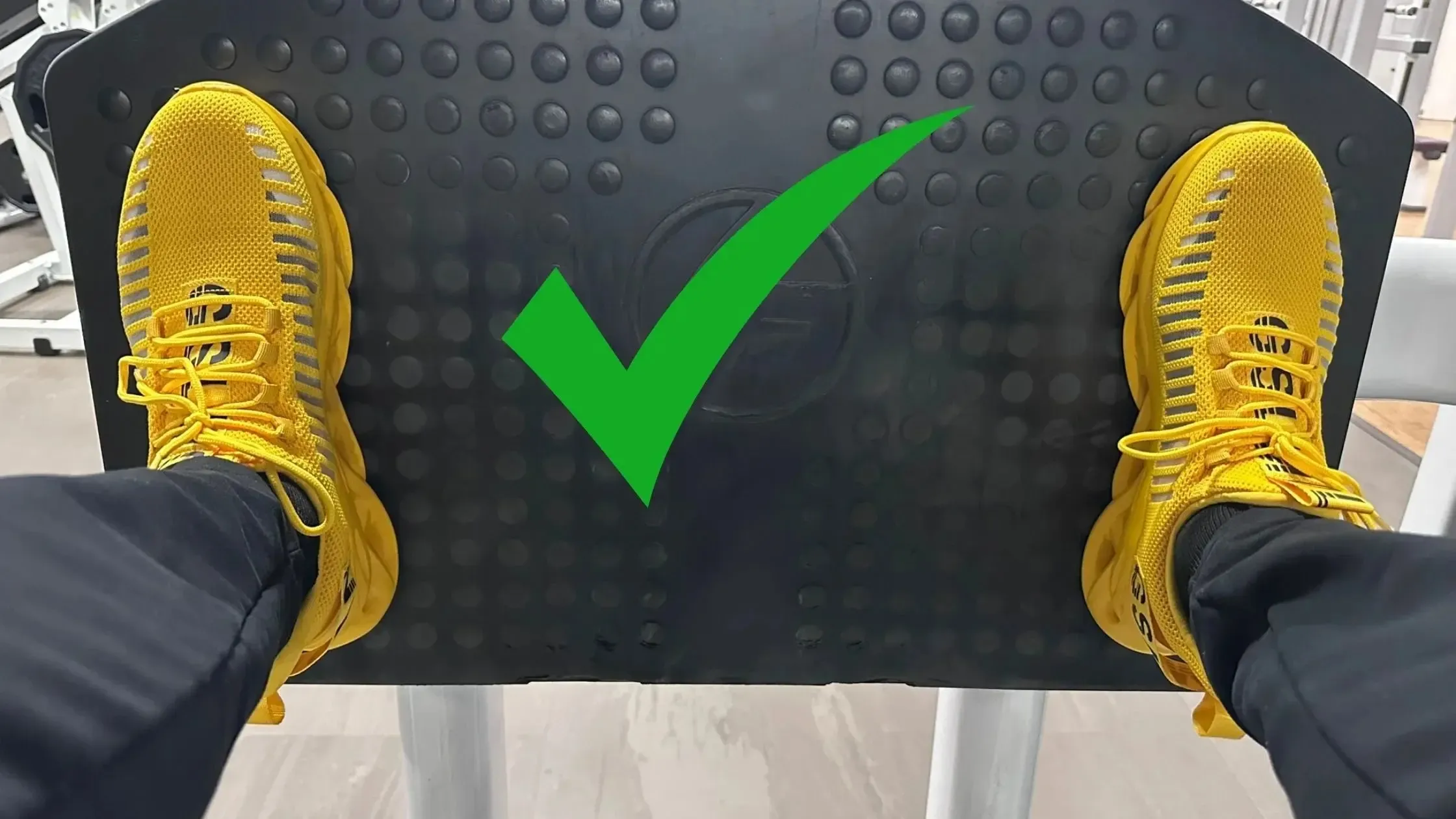
Start with the machine unloaded or lightly loaded and set the seat so your lower back and pelvis remain supported. Place both feet at a comfortable width on the platform, generally around hip to shoulder width, with toes following your natural knee path. The whole foot should stay in contact with the plate. Lower the sled slowly until you reach the deepest position that preserves stable contact with the backrest and a comfortable knee trajectory. Mark that depth mentally or with a consistent visual reference on the machine. Do not change your range every time you add another plate.
Foot placement can change how the movement feels, but exaggerated claims that a tiny stance adjustment isolates one section of the quadriceps are not justified. A slightly lower foot position often permits more knee travel, whereas a high placement may alter the balance of hip and knee motion; neither guarantees a specific muscle-growth outcome. Avoid letting the heels lift just to chase extra depth, and avoid deliberately rounding the pelvis under a heavy sled. Confirm that safety catches are set appropriately and can stop the carriage before it pins you. When the bottom position feels unstable, reduce the load, change the seat or stance, or stop slightly earlier rather than forcing a painful depth.
Leg press versus squats, hack squats and extensions
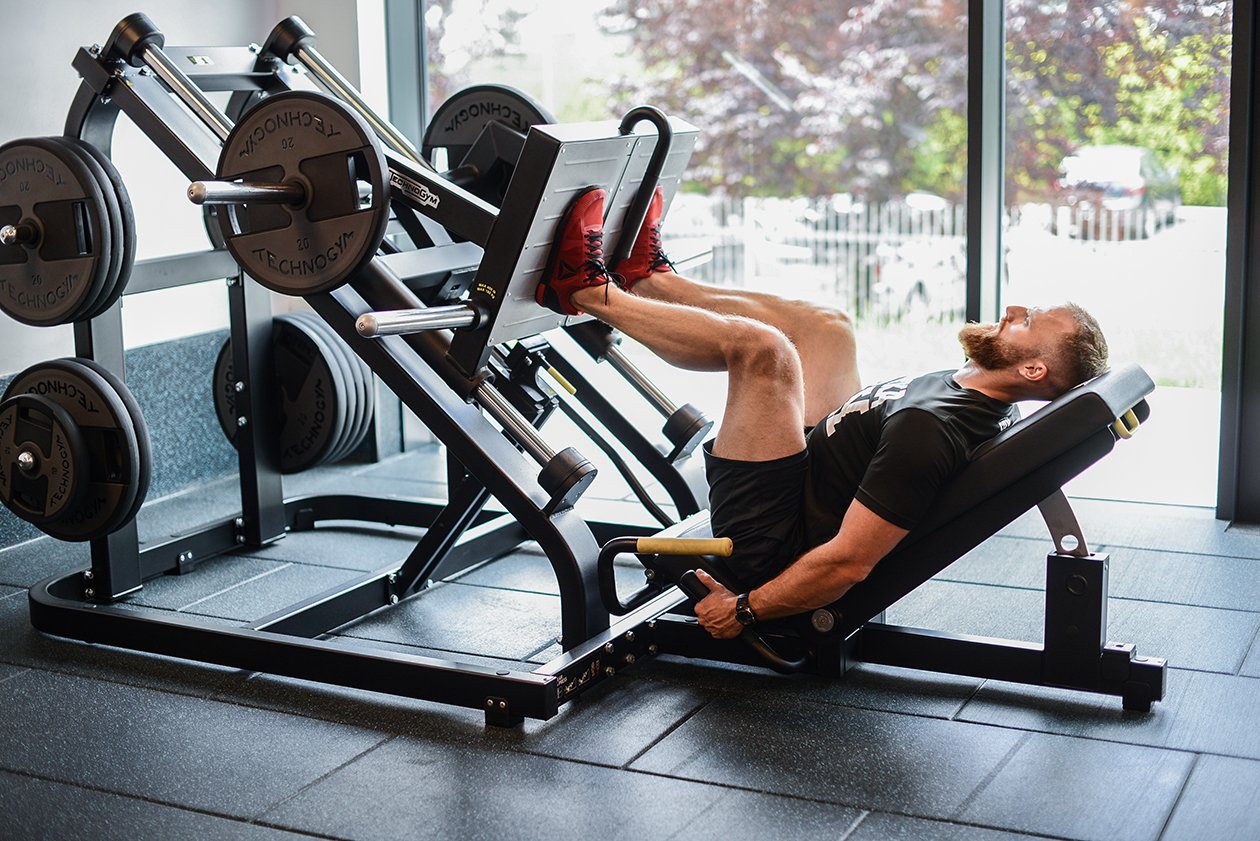
The leg press is valuable because the seat supports the torso and makes it straightforward to bring the quadriceps near failure without balance being the main limiter. That does not make it a complete substitute for every squat pattern. A free-weight squat demands more trunk control and coordination; a hack squat uses a guided track with a different torso orientation; a leg extension isolates knee extension more directly. These exercises can coexist in a sensible leg program rather than competing for a single winner’s title.
If you have limited ankle mobility or your hip anatomy makes very deep leg pressing uncomfortable, a controlled 100-degree knee bend can still be a serious hypertrophy movement. If your machine permits a deeper stable position and you enjoy it, there is no reason to avoid that range. Use the same technique for several weeks so you can measure real progress. The load shown on two different leg press machines is not directly comparable: sled mass, angle, friction and lever design change resistance. A personal training log should record the specific machine, seat setting, stance, range and completed reps, not only the plates. That turns the leg press from a number-chasing contest into a repeatable tool for growing your quads.
Equipment Worth Exploring
Explore equipment, accessories and gear from our carefully selected range.
VOLTRA
Compact digital cable trainer with smooth, adjustable resistance.

Go-Tone Pro
Portable digital cable trainer with up to 66 lb (30 kg) of adjustable resistance.


FID Bench MAX
Adjustable bench offering flat, incline, and decline positions + adjustable headrest.


A six-week quad-building leg press progression
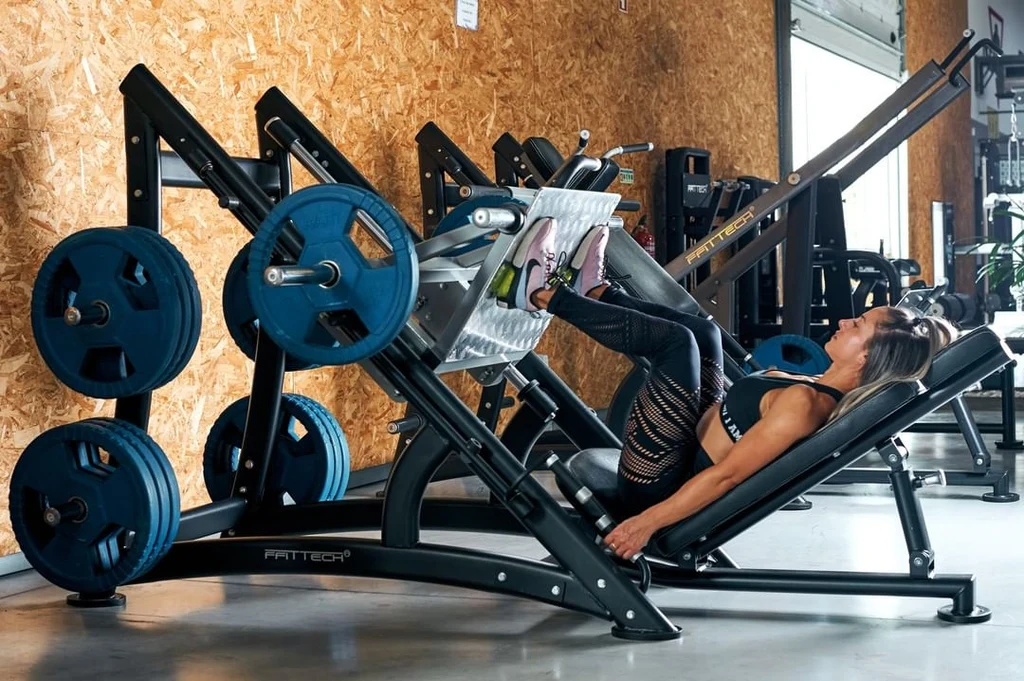
Use the leg press twice weekly, preferably after a main squat or hack squat on one day and as the primary quad movement on the other. In weeks one and two, establish a comfortable, consistent knee bend and complete three working sets of 10 to 15 reps on the first day and three sets of 8 to 12 on the second. Leave roughly two repetitions in reserve for most sets, with a controlled two- to three-second lowering phase. Warm up progressively, and stop each set when the next repetition would require shortening your established range or lifting your hips from the pad.
In weeks three and four, add a repetition to each set when form remains steady. Once all sets reach the top of the range, increase load by the smallest practical increment and work back toward the lower end. In weeks five and six, you may add one set on the primary leg-press day if recovery, knees and other leg work are responding well. Keep the second day at three sets. Follow with two to three sets of leg extensions and a hamstring movement if these fit your wider program. Record a consistent bottom position and do not chase more depth and more weight simultaneously. This is a practical progression template, not a direct replication of the study protocol; individual recovery and total weekly quad volume should determine how aggressively you add work.
The real takeaway: consistent hard reps beat depth dogma
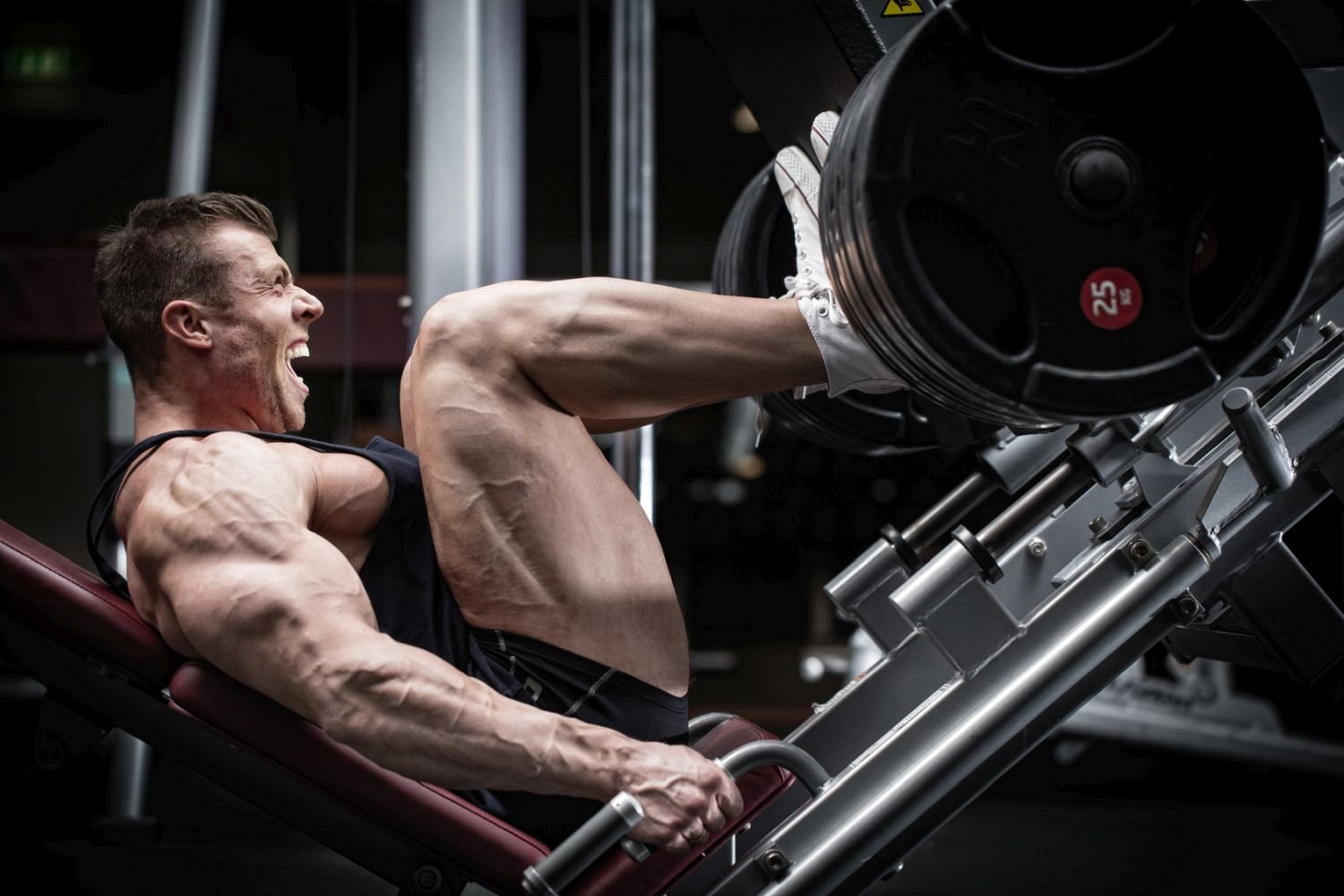
The most useful result is not permission to turn every heavy set into a tiny partial. Twenty-three experienced lifters grew their quads similarly when one leg used about 100 degrees of knee flexion and the other reached a substantially deeper individualized range. The trial lasted eight weeks, measured quadriceps thickness rather than every possible performance outcome, and did not establish that all partial ranges or all lifters respond alike. Some people may benefit from deeper ranges for specific strength goals, while others gain more from an attainable depth that keeps the back and hips stable.
Choose a range that makes the quadriceps work hard without turning the final inches into a contest with your joints. Keep your feet planted, use the safety stops, control the lowering, and track reps at the same depth from week to week. If you want to test deeper reps, reduce the load and rebuild performance with the new technique instead of comparing two different movements by the same plate count. A high-quality leg day still depends on sufficient weekly work, progressive overload, food, sleep and patience. Depth is one training variable, not a shortcut around those fundamentals.
Bodybuilding Shirts & Workout Gear
Bodybuilding shirts, tanks and gym gear for lifters chasing muscle, size, symmetry and the pump.


Heavy Squatter Meme Squats & Gains Leg Day Wizard Top T-Shirt
Heavy lifts, good laughs, and a little “Heavy Squatter” energy.

Shirt – Squat Inspector Leg Day & Booty Gains – Meme T-Shirt
Make gym days more fun with “Squat Inspector” style.

Squatbucks & Coffee Meme Leg Day, & Gains Top T-Shirt
Show some leg-day attitude with a playful “Squatbucks Gym & Coffee” tee.

Deadlift Electric Skull Graphic , High Voltage Workout Hoodie
Show off your deadlift humor in a laid-back “Deadlift” hoodie.

Deadlift Wasteland Skull Decal , Hardcore Gym Accessory Sticker
Put “Deadlift” gym humor on your laptop, bottle, or gym gear.

Rack Panther Black Panther Workout Squat Rack Bodybuild Sticker
Give your everyday gear a playful “Rack Panther Black Panther” twist.

Do You Even Deadlift Sweatshirt
Keep things casual with a little “Do You Even Deadlift” attitude.

Deadlift Zombie Skull Gym Decal for Powerlifters, Hallo Sticker
Stick a little “Deadlift” humor on your favorite gear.

Deadlift Post-Apocalyptic Skull , Hardcore Workout Pull Hoodie
Keep it laid-back with a little “Deadlift” attitude.