Few bodybuilding exercises create more confusion than the pullover. One lifter swears it widened his lats, another treats it as a chest finisher, and a third replaces it with a straight-arm cable pulldown because the cable keeps tension where the dumbbell does not. They look similar from a distance: the arms travel from overhead toward the torso while the elbows stay relatively quiet. Yet the resistance, joint angles and muscles sharing the work are not identical.
For anyone building a bigger back in a commercial gym or a compact home setup, the practical question is not whether one exercise is magically superior. It is which movement you can load, control and progress while keeping your shoulders comfortable. Here is what the available muscle-activation research actually tells us, how to perform both lifts and how to fit them into a six-week plan without sacrificing your rows and pull-ups.
Why pullovers and straight-arm pulldowns feel different
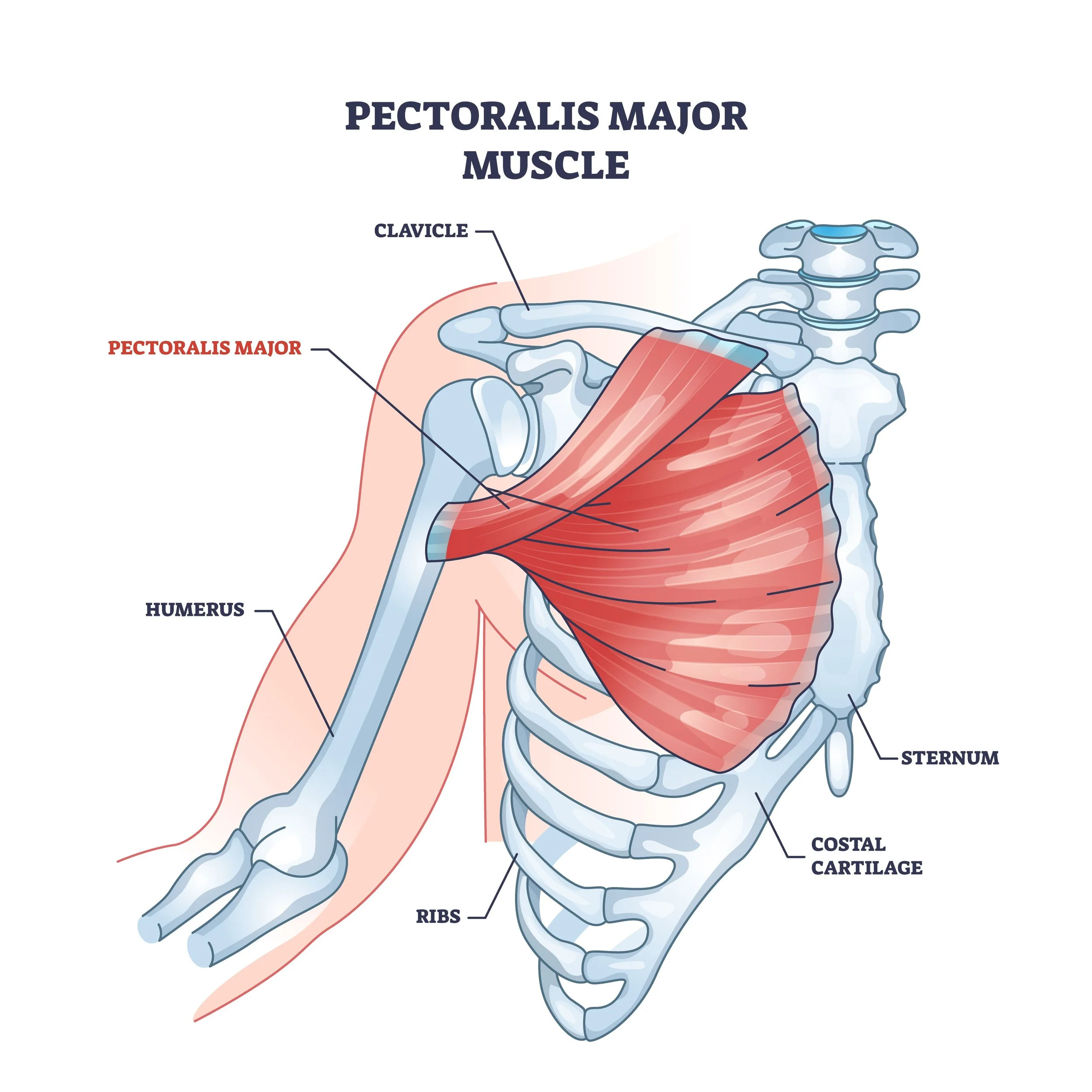
Both movements involve shoulder extension: your upper arm travels from a position near or above your head toward your sides. The latissimus dorsi assists this action, along with the teres major and other shoulder muscles. A dumbbell pullover also puts the pectoralis major and long head of the triceps in positions where they can contribute. Calling it a pure lat isolation movement oversimplifies a multi-muscle task.
The resistance direction explains much of the difference. With a dumbbell, gravity always pulls vertically. The torque around your shoulder changes as the bell moves through its arc: the stretched, overhead region can be demanding, while the top may become relatively easy. A high cable pulls toward its pulley instead, so changing your distance from the stack and the angle of your torso changes where the exercise is hardest.
Neither setup creates perfectly constant tension, and neither is automatically better for growth. The cable is usually easier to adjust in small weight increments and repeat with the same body position. The dumbbell is convenient when you own a bench and one adjustable weight. Your goal is a reproducible shoulder path, not chasing a burn or exaggerating the stretch to make the exercise look more impressive.
What the research says about lats versus chest
One small electromyography experiment examined the barbell pullover in eight healthy men. The researchers recorded activity from the pectoralis major and latissimus dorsi while participants performed ten repetitions using a load equivalent to 30% of body weight. In that specific setup, the pectoralis major showed greater measured activation than the lats. That result challenges the old claim that every pullover is primarily a lat exercise.
A 2026 narrative review synthesizing 23 studies of common back exercises also noted that the pullover often appears to favor the chest rather than selectively recruit the lats. The review found more consistent lat-activation evidence for certain pulldown and rowing setups, but its authors emphasized how much protocols differ. Grip, shoulder angle, load, electrode placement and training experience all influence the readings.
Important distinction: EMG amplitude measures an electrical signal during a set. It does not directly measure muscle growth after months of training. Higher activation in one experiment is not a guarantee that the same exercise produces more hypertrophy, especially when the two movements were not compared in a long-term training trial. We therefore should not claim that a dumbbell pullover cannot grow lats, or that a cable pulldown has already been proven superior for hypertrophy.
The useful takeaway is more modest: do not count pullovers as a full substitute for vertical pulls and rows. Use them as targeted accessories, choose the version that gives you a controlled shoulder-extension stimulus, and judge progress by performance, recovery and measurable changes over time.

Equipment Worth Exploring
Explore equipment, accessories and gear from our carefully selected range.
VOLTRA
Compact digital cable trainer with smooth, adjustable resistance.

Go-Tone Pro
Portable digital cable trainer with up to 66 lb (30 kg) of adjustable resistance.
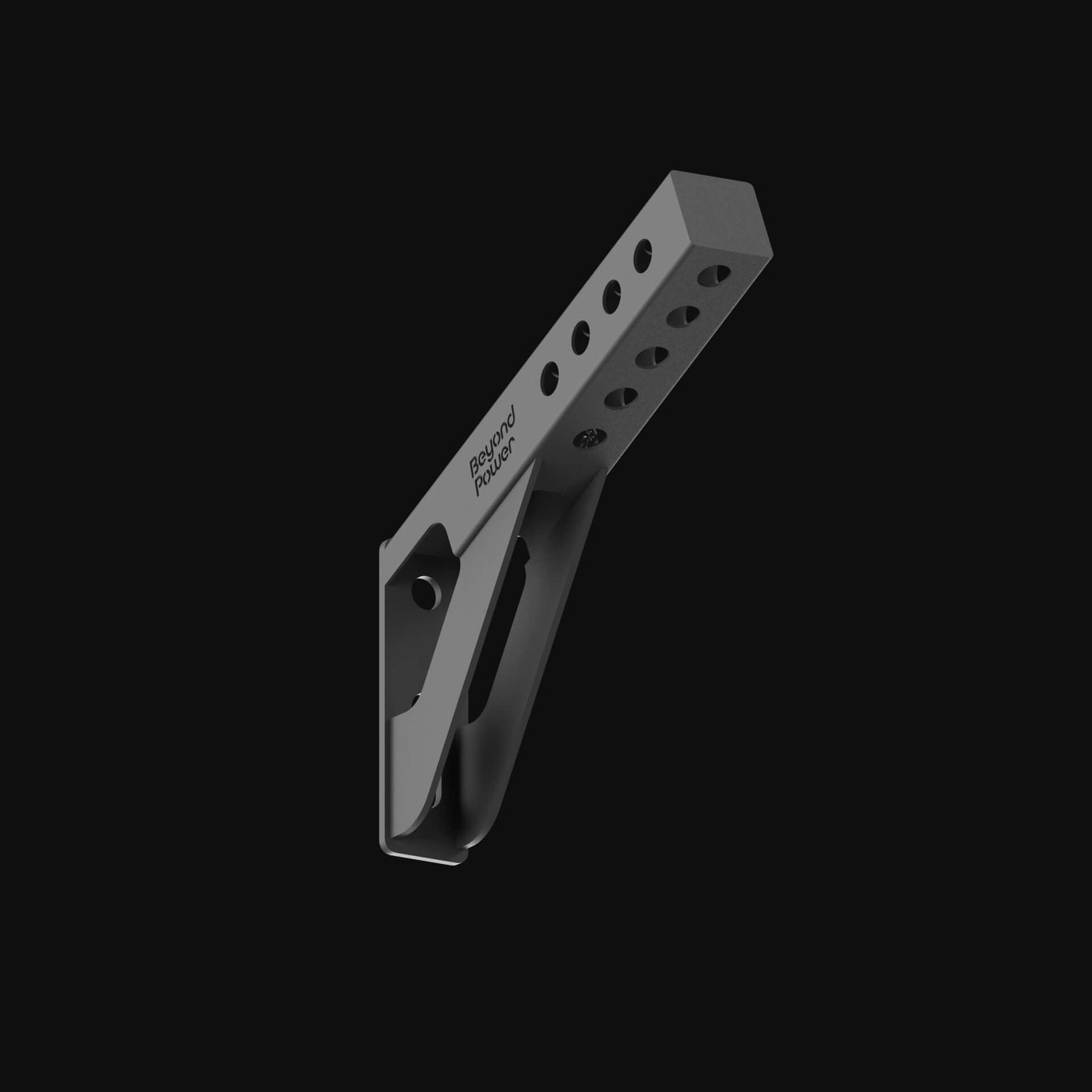
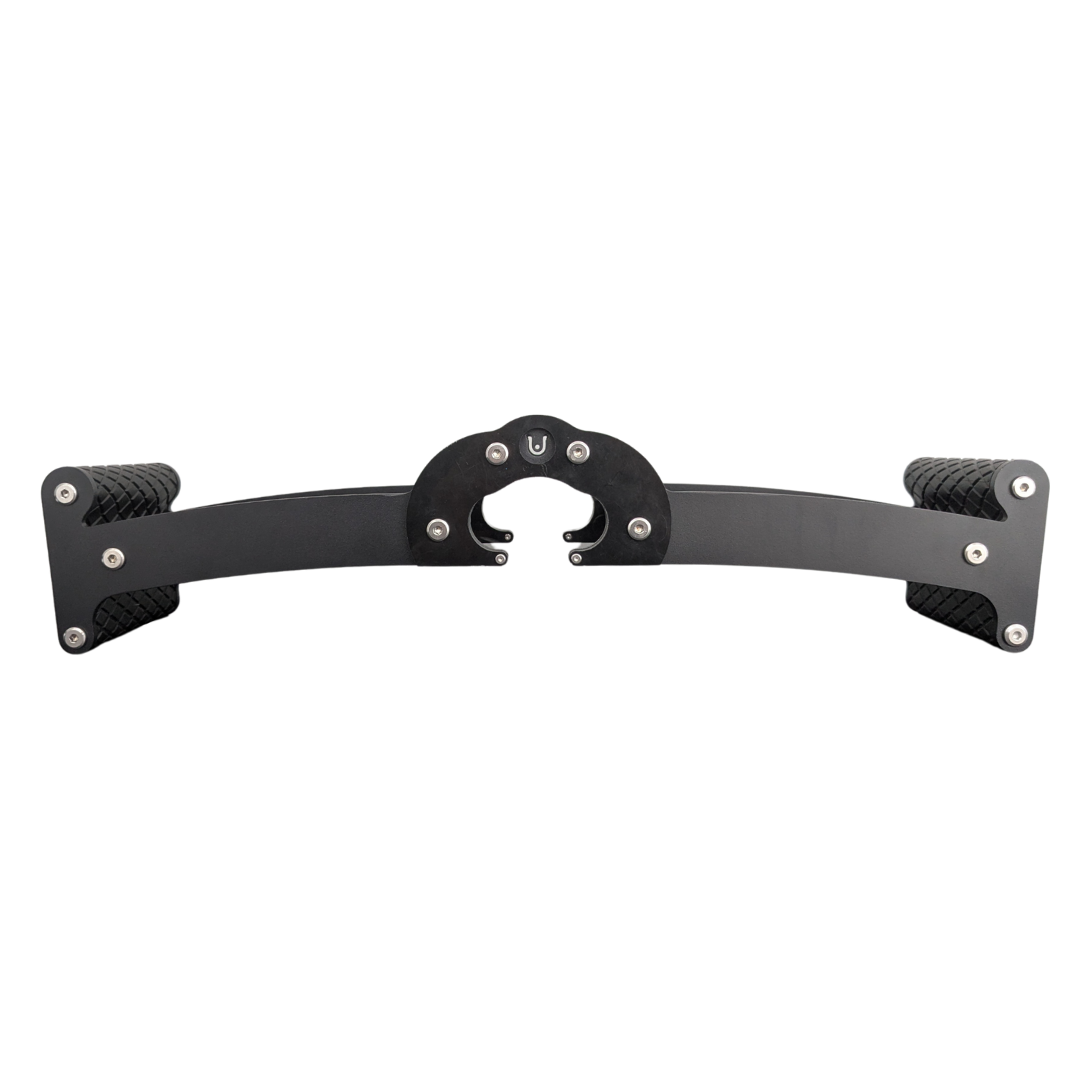
Back Bar
Multi-grip cable and landmine bar with a built-in deadlift jack.

GymPin D Cuffs
Adjustable wrist cuffs with textured grips for supported cable-machine exercises.
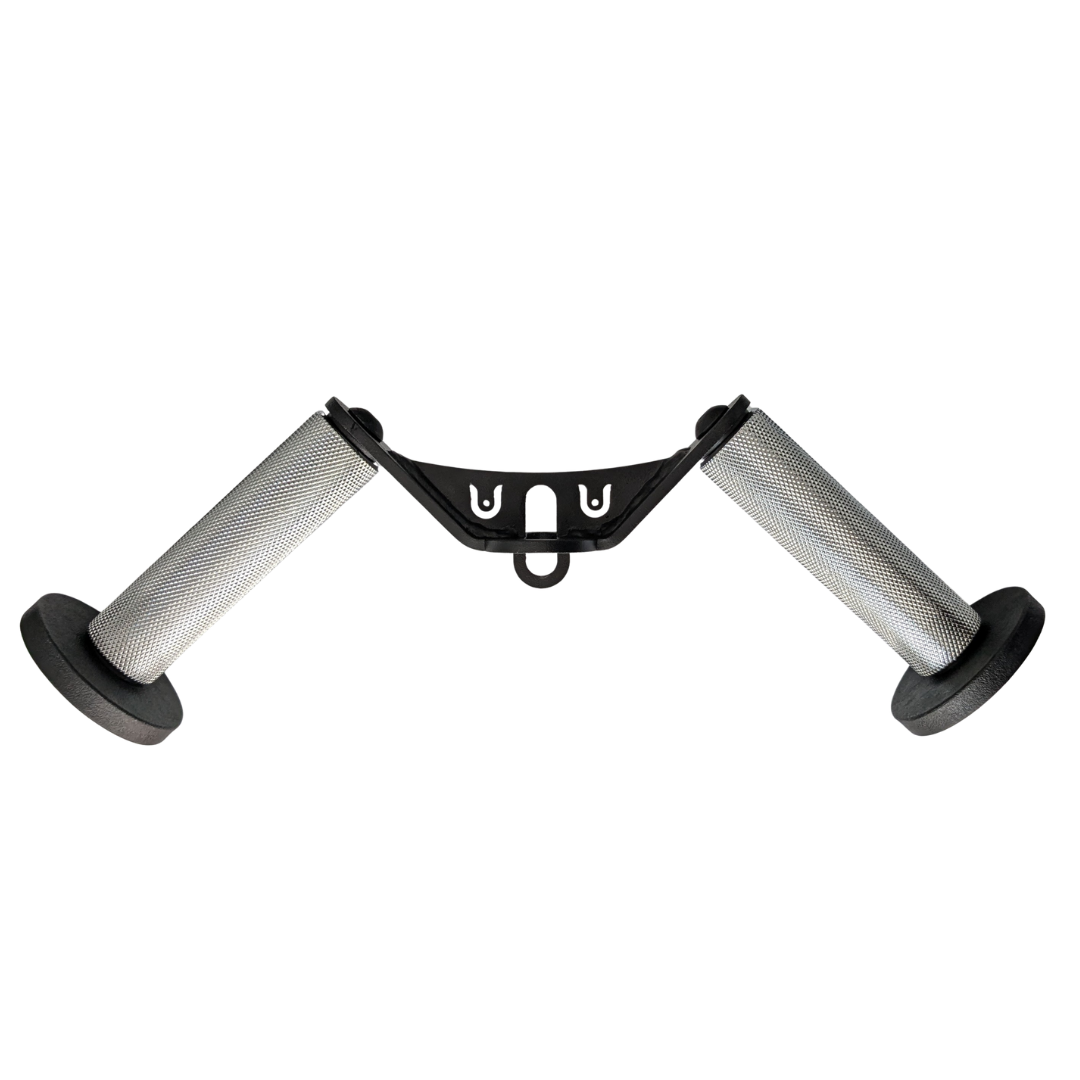
W Grip
Angled cable grip for comfortable rows, pushdowns, and curls.

GymPin Ergo Handles
Pair of ergonomic cable handles shaped for comfortable triceps and pulling exercises.

Angles 90 Grips
Flexible grip attachments that allow natural wrist movement during pulling exercises.

Long Tricep ERGO Ropes
Extended triceps ropes with ergonomic grips for cable pressdowns and overhead extensions.
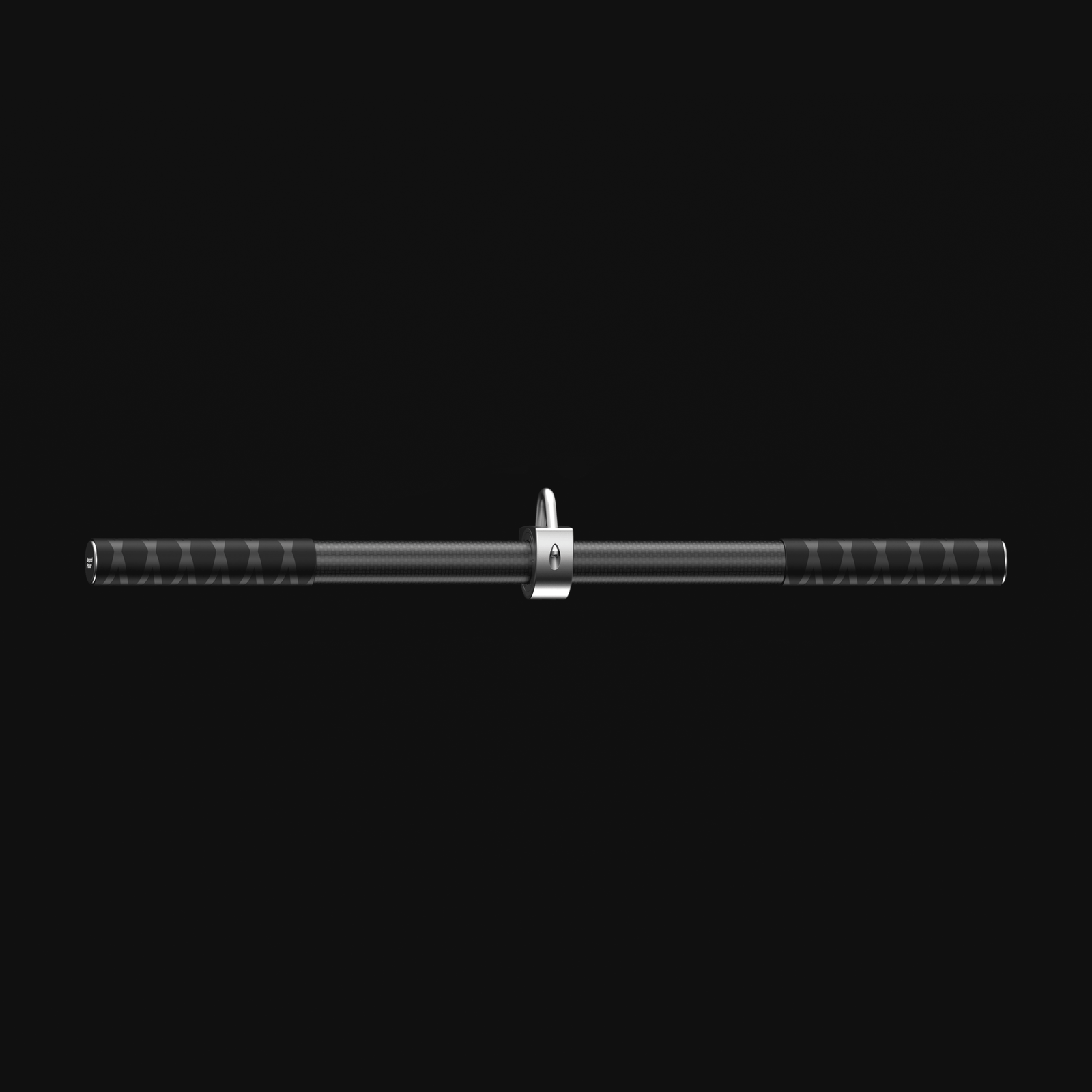
Straight-arm cable pulldown: technique that targets the movement
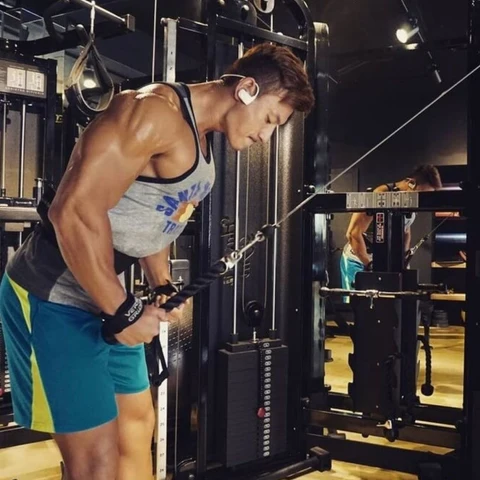
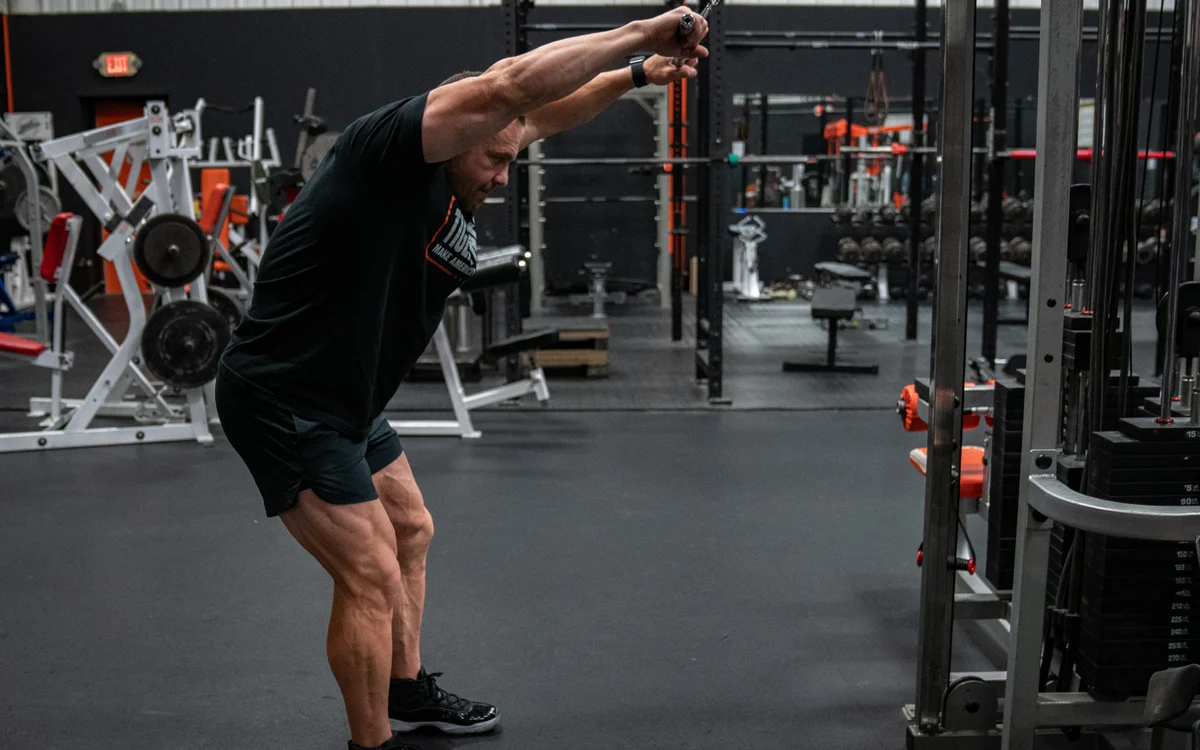
Set a cable pulley high and attach a straight bar, rope or two handles. Step back until the cable pulls your arms slightly forward and upward, then hinge at the hips just enough to create clearance. Keep your ribs stacked over your pelvis, knees soft and elbows gently bent. Start with your upper arms in front of your head rather than forcing a painful end-range overhead stretch.
Drive the upper arms down toward your hips in a smooth arc. Think about bringing your elbows toward your pockets rather than pressing the attachment with your hands. Stop when your arms approach your sides; do not turn the finish into a triceps pushdown by straightening the elbows aggressively. Return slowly, allowing the shoulders to flex while the torso stays nearly still. A controlled two- or three-second return makes it easier to detect whether the load is pulling you out of position.
Try two warm-up sets before the first hard set. Start with 10–15 clean repetitions and a load that leaves roughly two repetitions in reserve. If you must rock backward, shrug, or bend your elbows substantially to complete a rep, lower the weight. A rope can be comfortable for some shoulders, while a straight bar makes the path easy to repeat. Neither attachment is mandatory.
In a small home gym, a wall-mounted or rack-mounted high pulley can work just as well as a commercial cable tower, provided the anchor and load rating are appropriate. Keep enough room to step back without contacting the rack or the weight stack.
Dumbbell pullover: make the bench and shoulder position work
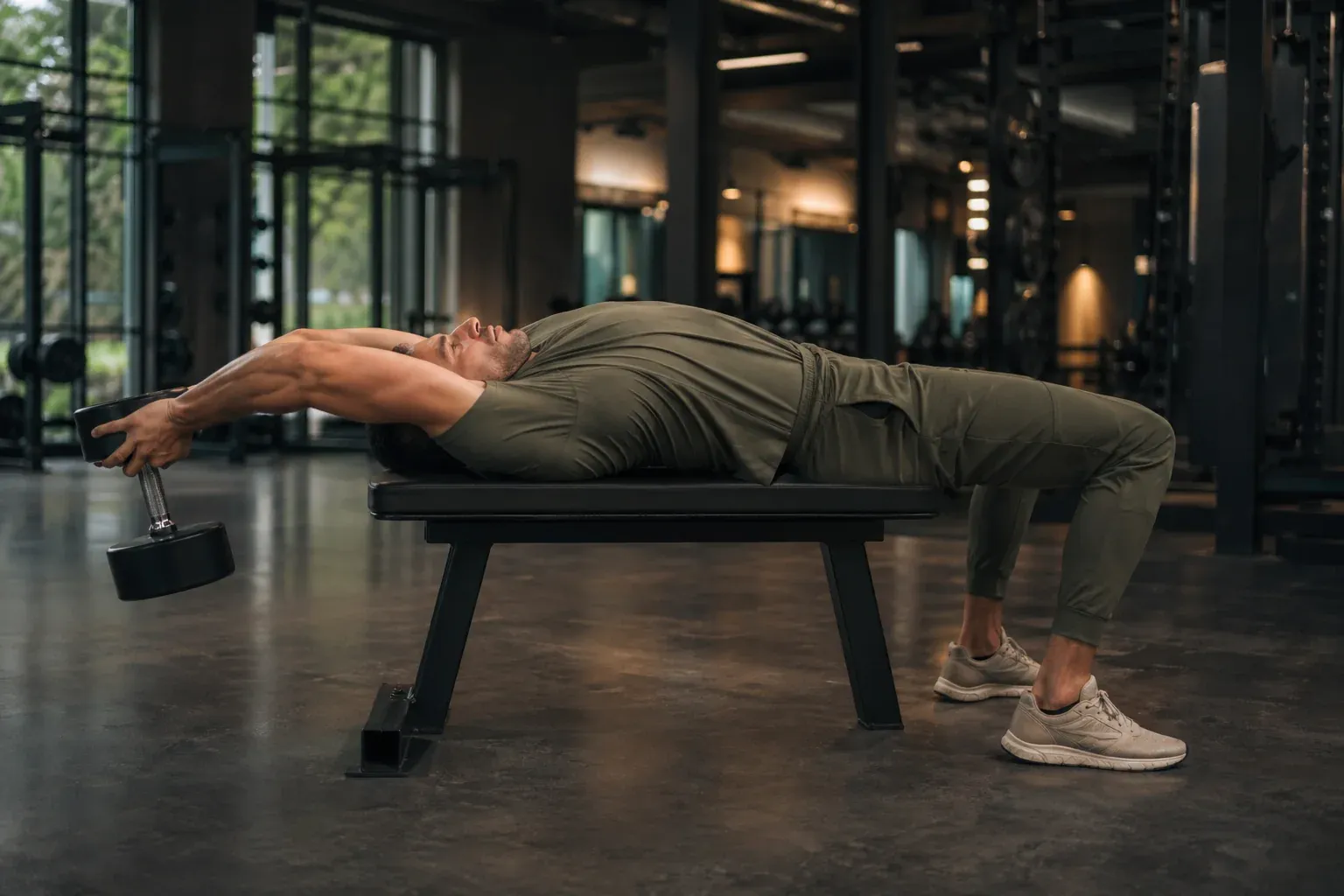
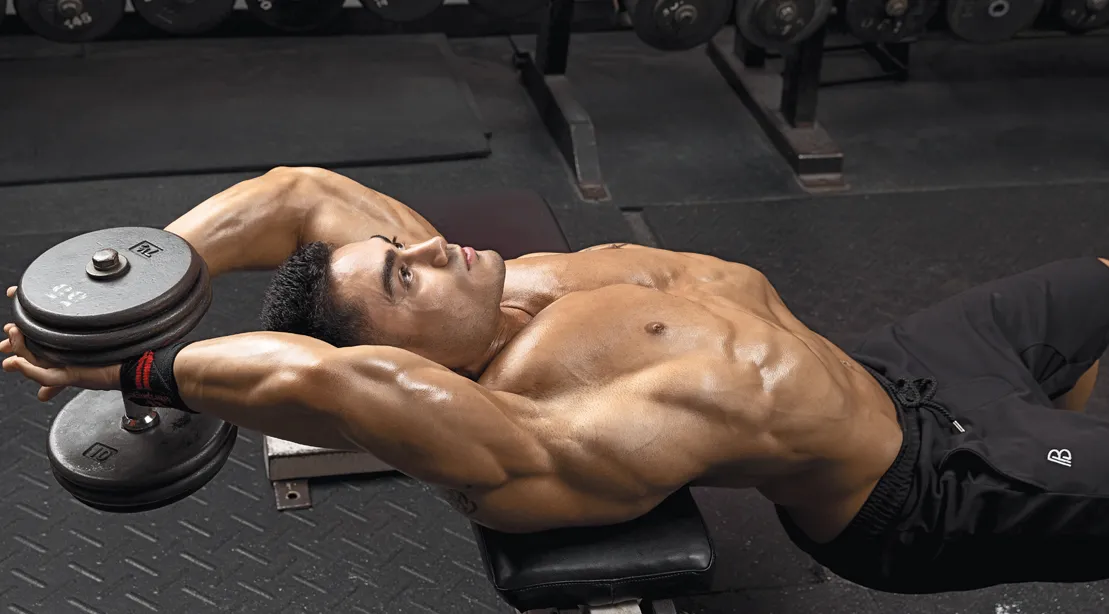
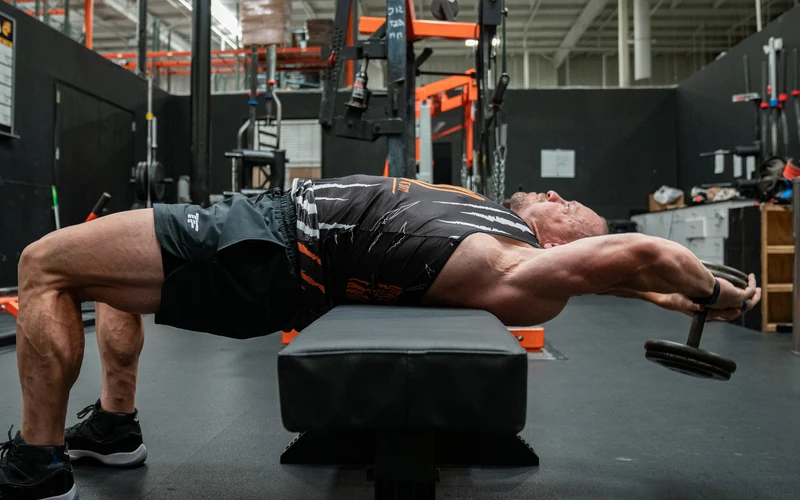
Place a dumbbell within easy reach and lie lengthwise on a stable flat bench with your head supported. A cross-bench position is possible, but it adds a balancing challenge that is not necessary for training your chest or lats. Hold one end of the dumbbell securely with both hands, or use a suitable bar or handle if that grip feels awkward. Begin with the weight over your upper chest and a slight, consistent bend in the elbows.
Lower the bell behind your head in a controlled arc while keeping your ribs from flaring excessively. Your shoulder range of motion, not the floor or an arbitrary photo, determines the bottom position. Stop when you reach a tolerable stretch without pinching in the front of the shoulder or losing control of the bell. Bring it back over the chest without jerking, bouncing or turning the movement into a skull crusher.
Many lifters get more out of a moderate dumbbell for 10–15 smooth reps than an impressive weight that forces an unstable shoulder position. Keep the glutes and upper back in contact with the bench and resist arching harder just to lower the bell farther. If you feel the movement mainly in the chest, that is not proof you are doing it wrong; the exercise genuinely shares work across several muscles.
For home training, the big advantages are simplicity and low setup time. The disadvantages are awkward loading at heavier weights, changing torque through the arc and the need to secure the dumbbell carefully. If your shoulders dislike the bottom position, shorten the range or switch to a cable variation rather than forcing extra depth.

Bodybuilding Shirts & Workout Gear
Bodybuilding shirts, tanks and gym gear for lifters chasing muscle, size, symmetry and the pump.

Lat Man Big Back – With Huge Lats – Vest Back Day Tank Top
Your gym-day look, with a playful “Lat Man Big Back” twist.


Demon Back Big Back Bodybuilders & Meme Hoodie
Stay casual and show some lifting attitude with “Demon Back”.

Wide Privilege – Wide Back Meme Decal for Water Bottles Sticker
A fun “Wide Privilege” touch for bottles, laptops, and lockers.


Back Sabbath Back Day Funny Gym Hoodie
Bring “Back Sabbath Back Day” gym humor to lazy days and post-workout plans.

Chest Day Sweater Bench Press & Meme T-Shirt
Add a playful “Chest Day” touch to your casual rotation.

Hardcore Gains Gym | Funny No Pain No Gain Workout Swea T-Shirt
For laid-back days and lifting humor: “Hardcore Gains”.

Gym Dost Thou Even Pull Medieval Knight Back Day Crewne T-Shirt
Show some gym-day personality with “Dost Thou Even Pull Medieval Knight Back”.

I Love Bench Press Gym | Heart Plate Chest Day Funny Wo T-Shirt
For laid-back days and powerlifting humor: “I Love Bench Press”.
Which equipment makes sense in a compact home gym?
If you already own adjustable dumbbells and a sturdy bench, the dumbbell pullover is essentially free to add. A flat bench gives stable support; an adjustable bench can also serve your presses and rows. You do not need a dedicated pullover machine for a useful chest-and-back accessory. Start light enough to set the dumbbell safely and keep a secure two-hand grip through every rep.
A cable setup becomes attractive when you want more predictable load changes, a longer range of usable resistance angles and easy switching between exercises. A high pulley can support straight-arm pulldowns, lat pulldowns, triceps work and other accessories in the same footprint. A pair of independent handles can let each arm follow a slightly different path, which some lifters find more comfortable than a rigid bar.
Plate-loaded pullover machines can offer a stable seat and a fixed movement path, but they occupy much more space and are not necessary for most garage gyms. Try the machine before assuming its path matches your shoulder anatomy. Likewise, a cable station is only a good choice when its mounting, travel and clearance allow you to train safely at the intended load.
For a minimal setup, prioritize a reliable adjustable dumbbell, bench and a row or pull-up option. For a cable-focused setup, prioritize a high pulley, smooth resistance and comfortable attachments. The pullover should complement the main back exercises, not dictate your entire equipment budget.
Equipment Worth Exploring
Explore equipment, accessories and gear from our carefully selected range.


FID Bench MAX
Adjustable bench offering flat, incline, and decline positions + adjustable headrest.



Leather Lifting Straps
Padded leather straps support grip during heavy rows, deadlifts and pulling exercises.
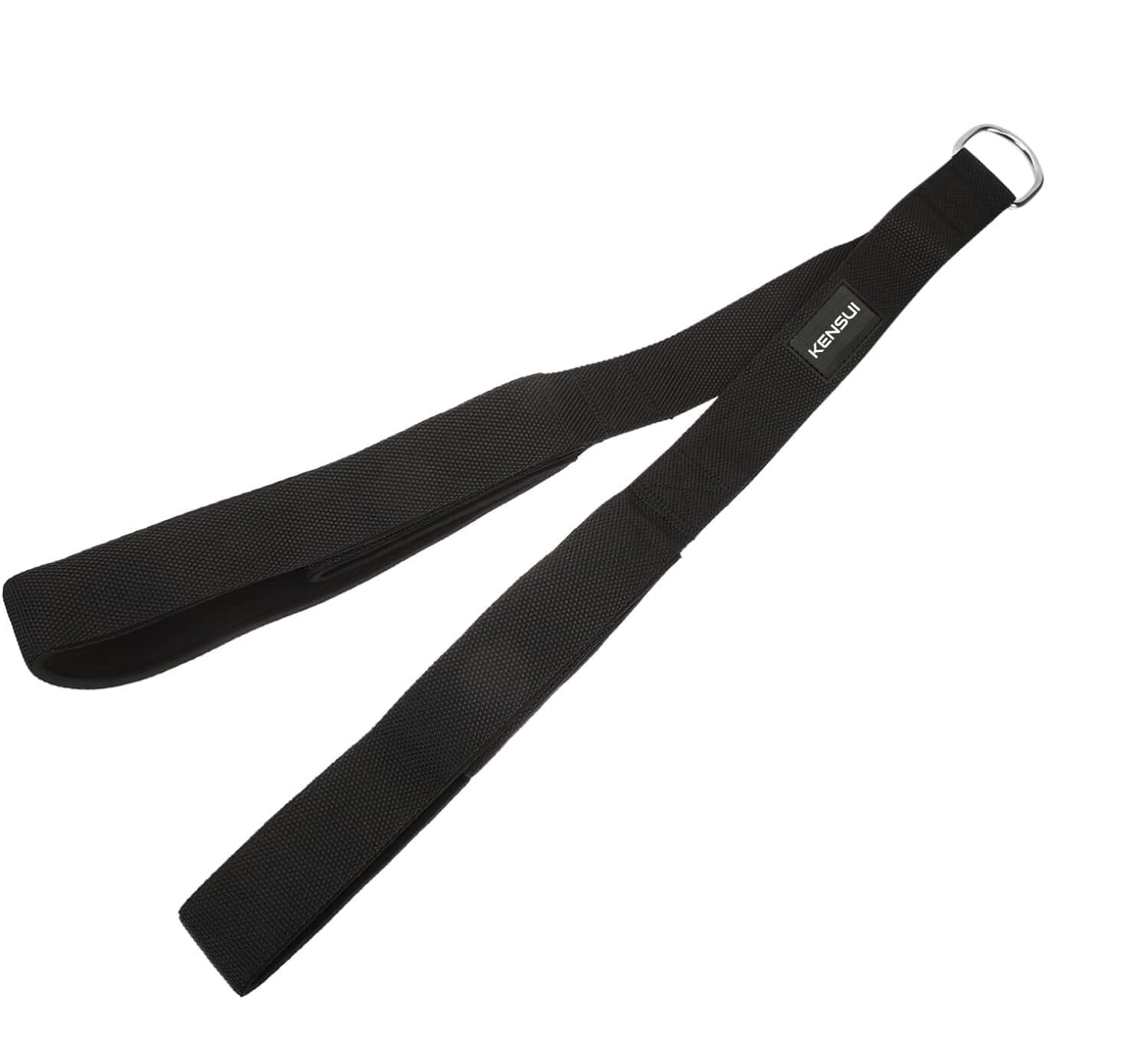
Multi-Length Tricep Strap
Adjustable-length cable strap for triceps, biceps and upper-body cable exercises.
Common mistakes that hide progress or irritate shoulders
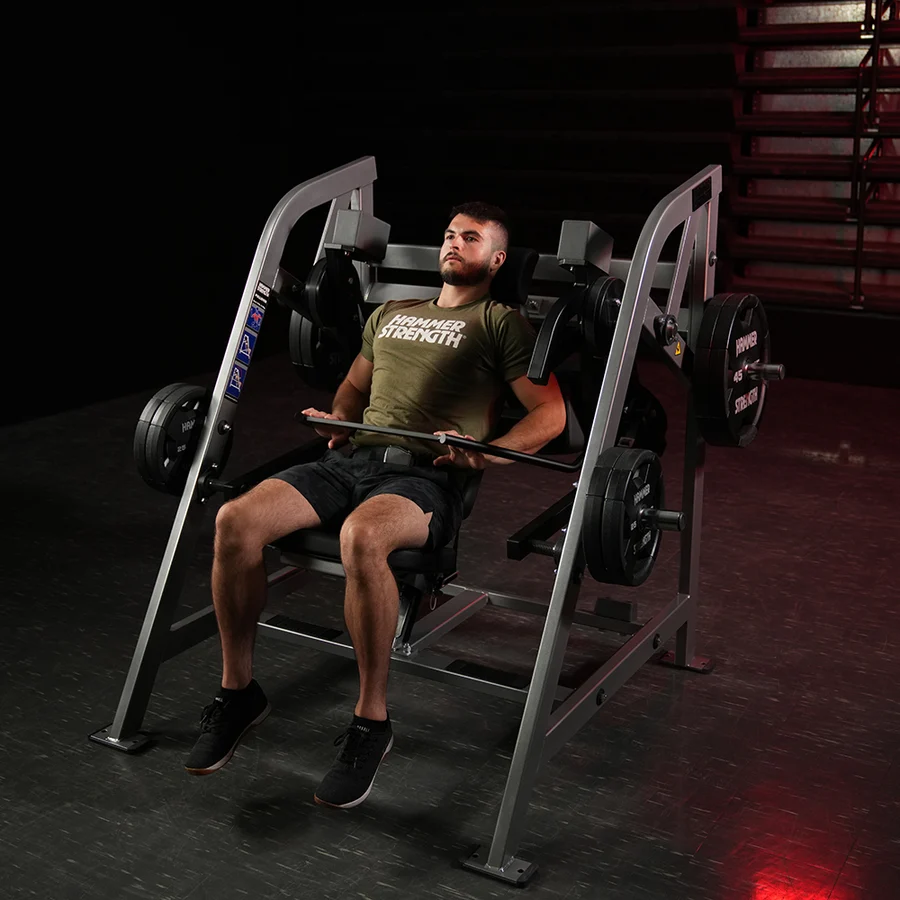
The most common error is using more weight than the shoulder can control. On the cable version that looks like a full-body rocking motion; on the dumbbell version it often looks like extreme rib flare, a rushed descent or elbows bending and extending through the rep. In either case the load may increase while the intended shoulder-extension work becomes less consistent.
A second mistake is chasing a specific sensation. A strong lat pump is satisfying, but it is not a validated measure of future muscle growth. Similarly, a deep chest stretch is not a reason to force the shoulder into a painful position. Record the load, repetitions, range and perceived effort so you can compare like with like instead of relying on soreness the next morning.
Do not treat the straight-arm pulldown as a replacement for heavy rows or vertical pulling. The lat helps extend and adduct the shoulder, but a complete back program also needs elbow-flexion and scapular movement under load. Combine a vertical pull, a row and one shoulder-extension accessory if recovery and time permit. For most lifters, one or two hard accessory sets after the primary pulls are a useful starting point.
If a movement produces sharp pain, numbness or persistent joint symptoms, stop and reassess rather than attempting to train through it. Use a shorter range, different attachment or lighter load, and seek professional assessment for symptoms that do not settle. The goal is repeatable training across months, not winning a stretch contest in one session.
A six-week pullover and cable-pulldown progression
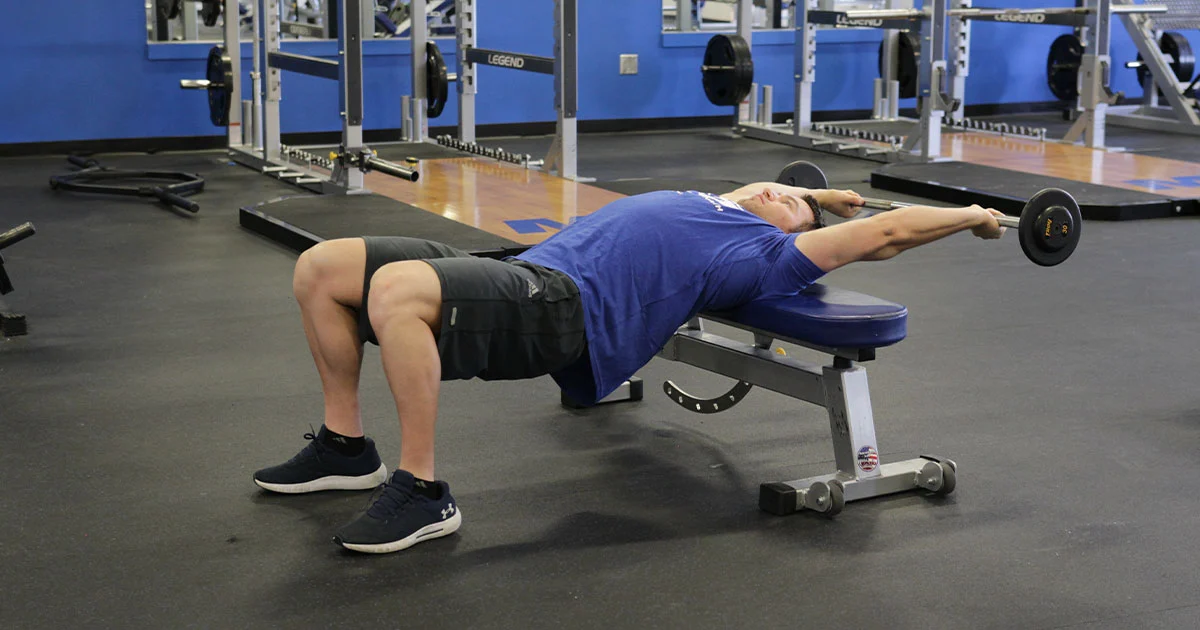
Train your back twice weekly with at least a day between hard sessions. Keep your main vertical pull and row in place. On the first session, finish with straight-arm cable pulldowns; on the second, use dumbbell pullovers. If you only own one setup, use that movement on both days and keep the total weekly accessory volume similar. The numbers below are a practical starting template, not a claim that one protocol is optimal for everyone.
- Weeks 1–2: Perform two sets of 12–15 reps for each accessory, stopping with two or three clean reps in reserve. Establish the same stance, shoulder range and tempo each time.
- Weeks 3–4: Keep two sets per exercise. When both sets reach 15 controlled reps, add the smallest available load increase and work back toward 10–12 reps. Do not increase range and weight simultaneously.
- Weeks 5–6: Add a third set only if recovery is good and your main pulls are still progressing. Work mostly in the 10–15 rep range, with 60–120 seconds of rest and no forced repetitions.
Example Monday: three sets of pull-ups or lat pulldowns, three sets of chest-supported rows and two sets of straight-arm pulldowns. Example Thursday: three sets of another vertical pull, three sets of one-arm dumbbell rows and two sets of dumbbell pullovers. Adjust the main-lift volume to your experience and overall split rather than stacking this entire example on top of an already exhausting back day.
Log the load and reps, but also note shoulder comfort and whether your torso stayed still. If the cable stack increases in large jumps, progress by repetitions before weight. If a dumbbell becomes difficult to handle safely, use a cable, lighter bell or different exercise. At the end of six weeks, compare performance with your starting baseline and decide which version you can progress most reliably. For lat growth, the boring combination of consistent pulling volume, sufficient food, sleep and gradual overload still matters far more than declaring one accessory the winner.
Funny Gym Shirts & Workout Gear
Funny gym shirts, tanks, hoodies and workout gear for lifters who like training hard.


Nice Traps Big Back – Halloween Horror Jigsaw Meme Deca Sticker
Put “Nice Traps Big Back” gym humor on your laptop, bottle, or gym gear.


Funny Yoda Gym | Train Back You Must Bodybuilding Meme Tank Top
Show some personality between sets with “Funny Yoda Gym Tank”.

Black Panther Big Back Gym Funny Workout Muscle Shirt A Tank Top
Add some lifting attitude to training with “Black Panther Big Back”.

If You're Reading This Its Chest Day
Keep things casual with a little “If You're Reading This Its Chest Day Drake” attitude.

The Chestfather Sticker
Put “The Chestfather” gym humor on your laptop, bottle, or gym gear.

Not Natty Strength & Tren Meme T-Shirt
For laid-back days and bodybuilding humor: “Not Natty”.

Funny Gymrats – Gym Rat Meme Pullover Jumper For Fitnes T-Shirt
Bring “Gymrats” humor to your everyday gym style.

Proud Member of the Dad Bod Squad – Dad Strength Meme P T-Shirt
For laid-back days and lifting humor: “Proud Member of the Dad Bod Squad”.