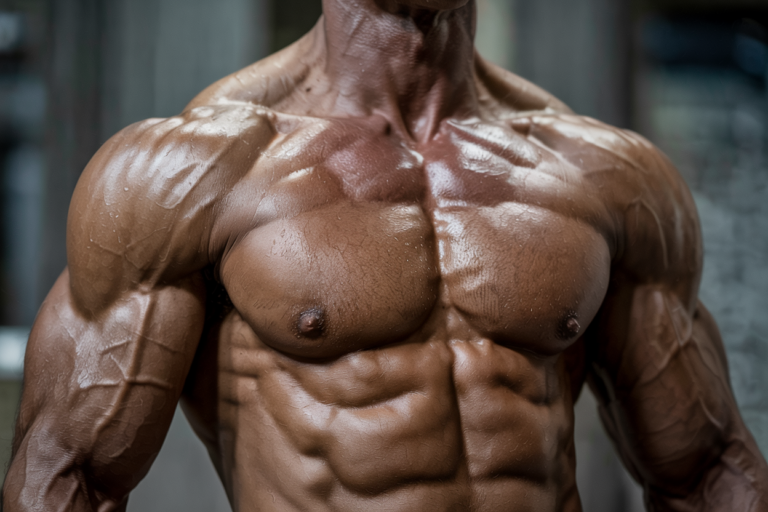
Shoulder width needs direct side-delt work, not just heavier presses
Broad shoulders are built by developing the deltoids, especially the lateral head that gives the upper arm its rounded silhouette. Bench pressing, incline pressing and overhead pressing challenge the shoulders, but they do not distribute work equally across the front, side and rear heads. The front delts already receive substantial work from pressing. For a lifter chasing a wider frame, lateral raises add direct shoulder-abduction work without needing another heavy compound lift.
That does not mean you need a dozen cable attachments or a new variation every workout. The useful question is whether the target muscle receives enough challenging, repeatable sets to improve over months. Dumbbells, cables and machines can all provide that stimulus. Your equipment should make a consistent range of motion possible, not dictate an entire training philosophy.
Side-delt development is noticeable on a lean physique, but a bigger pump is not proof of long-term muscle growth. Keep your weekly work measurable: log the exercise, load, clean repetitions and proximity to failure. A familiar movement performed progressively is a better foundation than an endlessly changing collection of shoulder-day tricks.
If pressing already exhausts your front shoulders, put raises before the final pressing accessory or on a separate upper-body day. This relatively small exercise fits into a compact home gym with two dumbbells, one cable unit or a single adjustable pulley.
Make every dumbbell lateral raise look like the same exercise
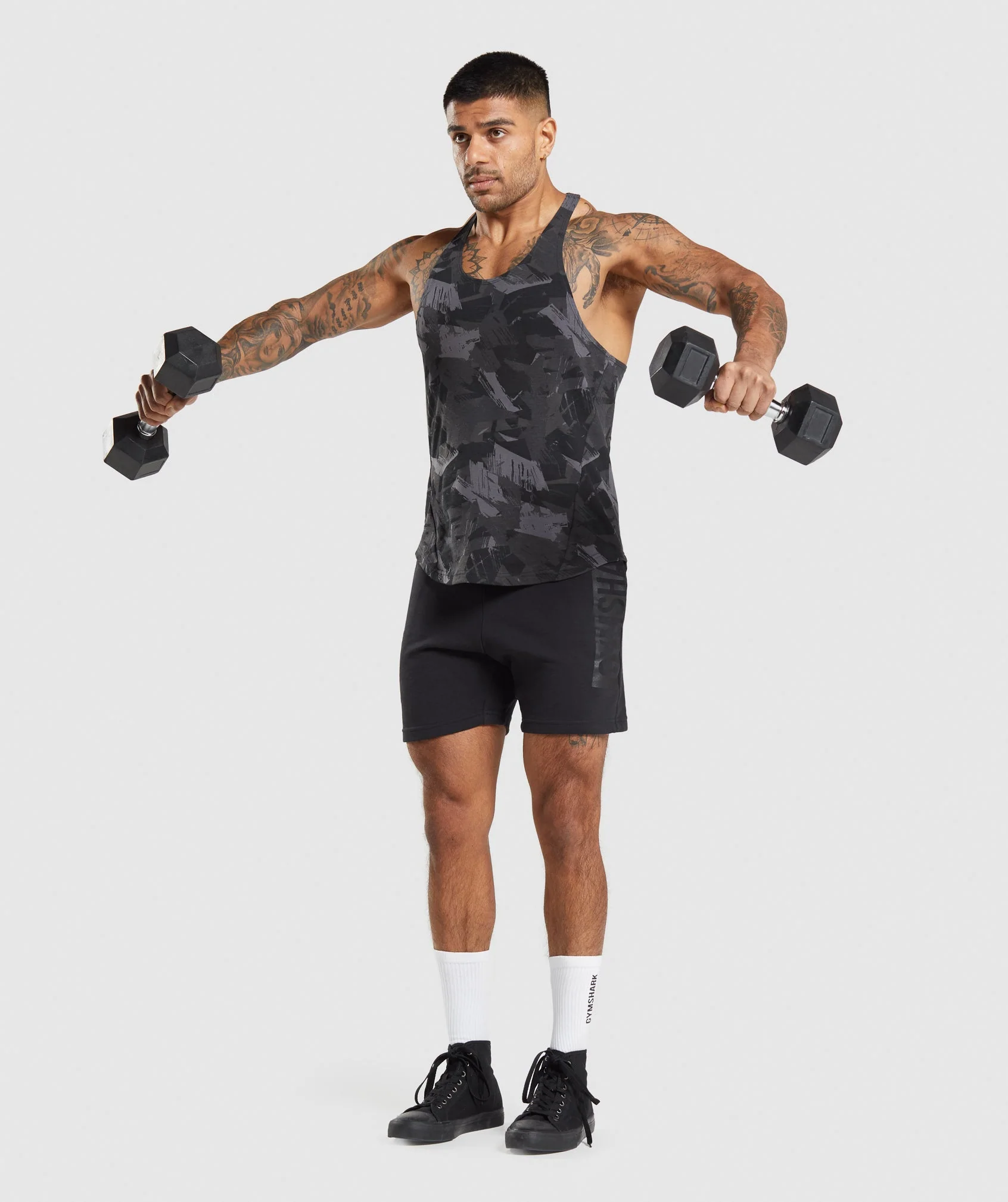
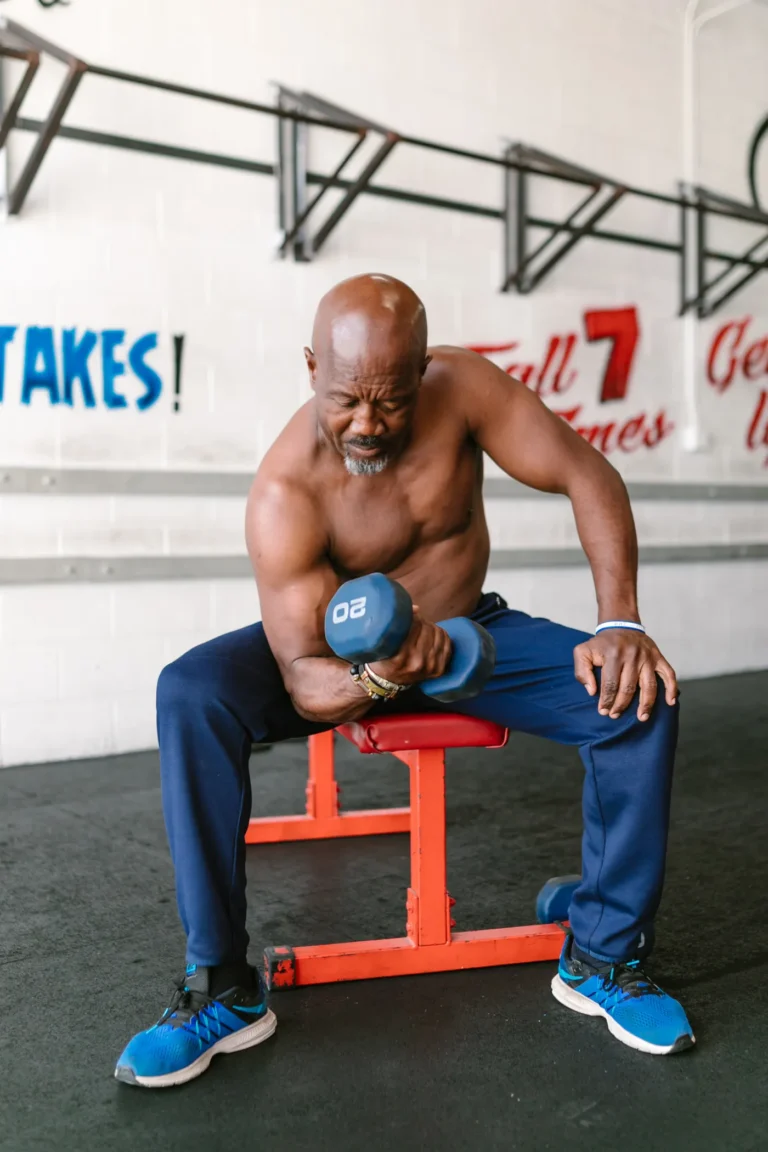
Start with a pair of dumbbells that feels almost embarrassingly light. Stand tall, soften the knees and keep the ribs stacked over the pelvis. Let the weights hang outside the thighs with palms roughly facing inward. Maintain a small comfortable elbow bend and raise the upper arms outward, usually slightly forward of a perfect straight-side line. Think of the elbows travelling apart rather than the hands racing toward the ceiling.
Raise until the upper arms approach shoulder height, or stop earlier if that range feels uncomfortable. Keep the wrists broadly aligned with the forearms rather than aggressively pouring the dumbbells downward. Lower deliberately for roughly two seconds. Final repetitions should become slower because the delts are working, not because you are throwing your torso backward or bouncing your hips.
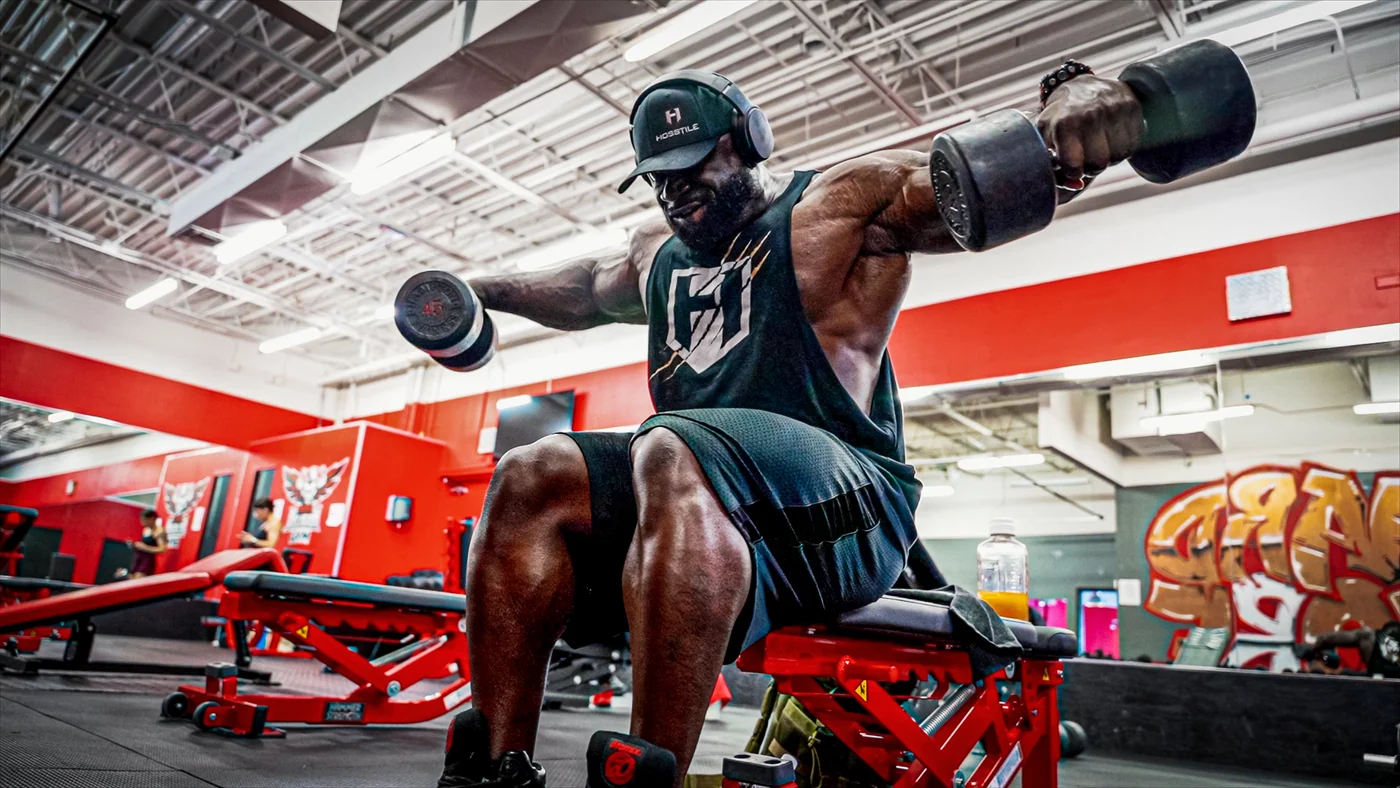
Seated raises help when standing sets become full-body heaves. Sitting does not magically isolate one muscle, but it removes an easy source of momentum and makes technique easier to compare. If your shoulders feel better with a slightly forward arm path or neutral hand orientation, use it. There is no prize for forcing a painful textbook angle.
For most lifters, two or three sets of 10 to 20 clean repetitions are a sensible start. Other rep ranges can work, but lighter isolation work makes it easier to control the intended muscle. When your technique collapses at repetition seven, the solution is often a smaller dumbbell rather than more motivation.

Equipment Worth Exploring
Explore equipment, accessories and gear from our carefully selected range.




FID Bench MAX
Adjustable bench offering flat, incline, and decline positions + adjustable headrest.
VOLTRA
Compact digital cable trainer with smooth, adjustable resistance.

Go-Tone Pro
Portable digital cable trainer with up to 66 lb (30 kg) of adjustable resistance.

GymPin D Cuffs
Adjustable wrist cuffs with textured grips for supported cable-machine exercises.

GymPin Ergo Handles
Pair of ergonomic cable handles shaped for comfortable triceps and pulling exercises.

Cables versus dumbbells: what 24 trained lifters actually gained
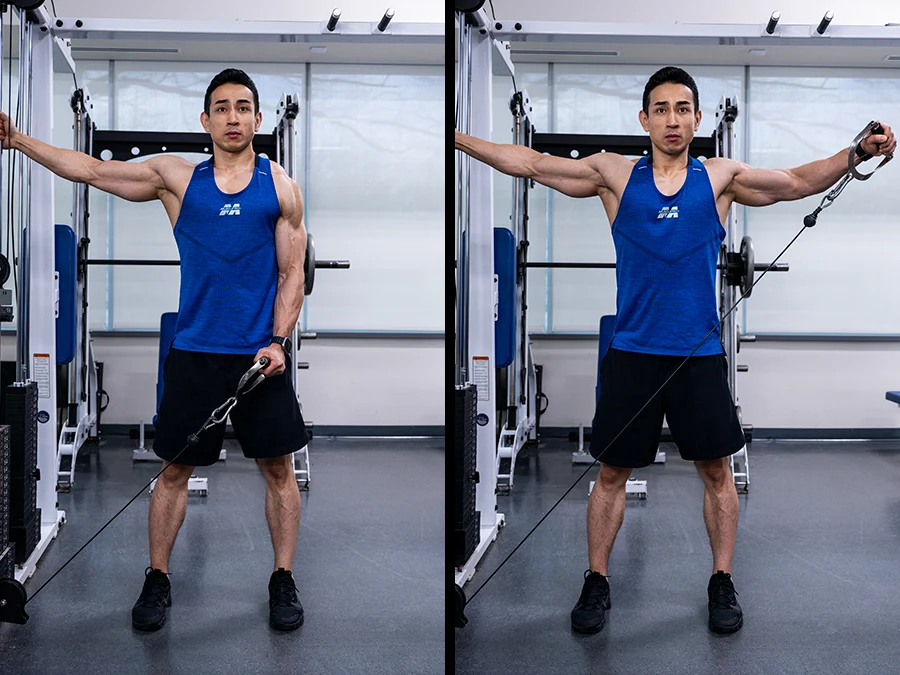
A direct eight-week experiment tested the cable-versus-dumbbell argument. Twenty-four resistance-trained participants performed lateral raises twice weekly, with one arm assigned to cables and the other to dumbbells. Both sides used a matched shoulder-abduction range and completed five sets per session to momentary failure. Researchers assessed changes in lateral-deltoid thickness with ultrasound.
Both approaches increased measured muscle thickness, with changes across the assessed sites of approximately 3.3 to 4.6 percent. The analysis supported no meaningful hypertrophy advantage for the cable condition under the tested protocol. That result is more useful than deciding cables must win because they feel harder at the bottom, or dumbbells must win because the lifter can hold more weight.
The trial was small, lasted eight weeks and controlled range of motion tightly. It cannot establish that every cable setup and dumbbell variation produce identical results over years. Using opposite arms of the same lifters helps control individual differences but does not remove every uncertainty. Still, it is direct training-outcome evidence rather than merely a comparison of electrical muscle activity in one workout.
Use the version you can load consistently, perform comfortably and recover from. Cables may be easier to fine-tune near the bottom; dumbbells may be quicker to set up and share. Neither deserves automatic superiority based on the evidence available.

Bodybuilding Shirts & Workout Gear
Bodybuilding shirts, tanks and gym gear for lifters chasing muscle, size, symmetry and the pump.


Jesus Christ Lateral Raises for Easter Fitness Bodybuil T-Shirt
Keep things casual with a little “Jesus Christ Lateral Raises” attitude.

Shoulder Press Dost Thou Even Press Medieval Knight Gym Sticker
Give your everyday gear a playful “Shoulder Press” twist.

Brain and Biceps Tee
Make gym days more fun with “Mind Muscle Perfection Brain and Biceps” style.

Lift Smart Brain Weight Plate Mind Muscle Connection 45 Tank Top
Add some lifting attitude to training with “Lift Smart Brain Weight Plate”.

Hypertrophy Stoic Sigma Greek God Marble Sculpture T-Shirt
Bring “Hypertrophy Stoic Sigma Greek God Marble” humor to your next gym day.

Progressive Overload Milo Tee
Bring “Progressive Overload Milo Bull” humor to your next gym day.

Gymhead Mind Muscle Connection Bodybuilders & Bros Tank Top
Show some personality between sets with “Gymhead”.

Doctor Discipline Hoodie
Bring “Doctor Discipline Gym Villain” gym humor to lazy days and post-workout plans.
Choose a resistance curve and setup that work in your gym
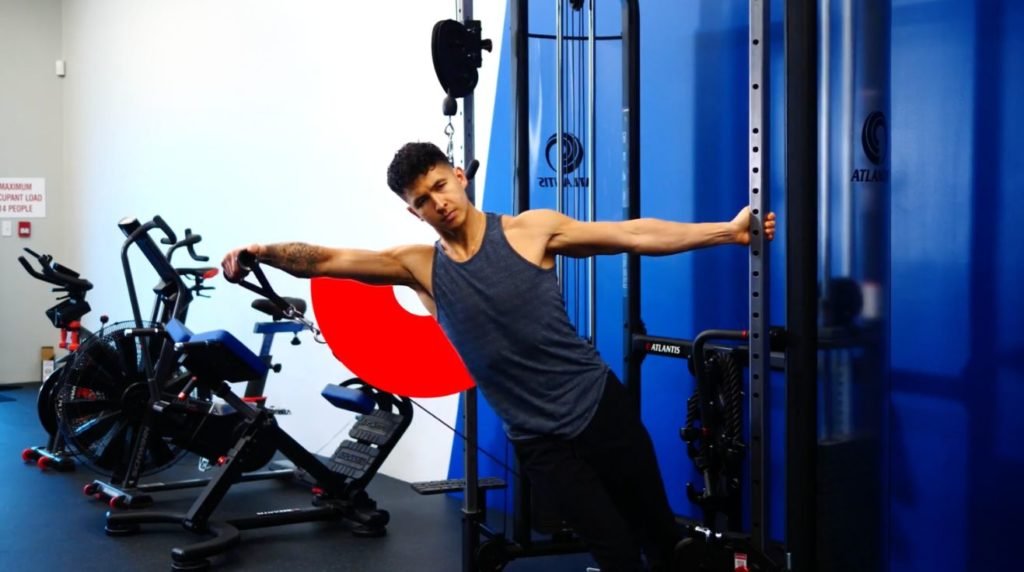
With a dumbbell, external torque around the shoulder generally rises as the arm approaches horizontal. At the bottom, the weight is close to the body and leverage is relatively small. A low cable changes the direction of pull so the shoulder faces a different challenge earlier in the lift. The exact resistance profile depends on pulley height, your distance from the machine and the cable path.
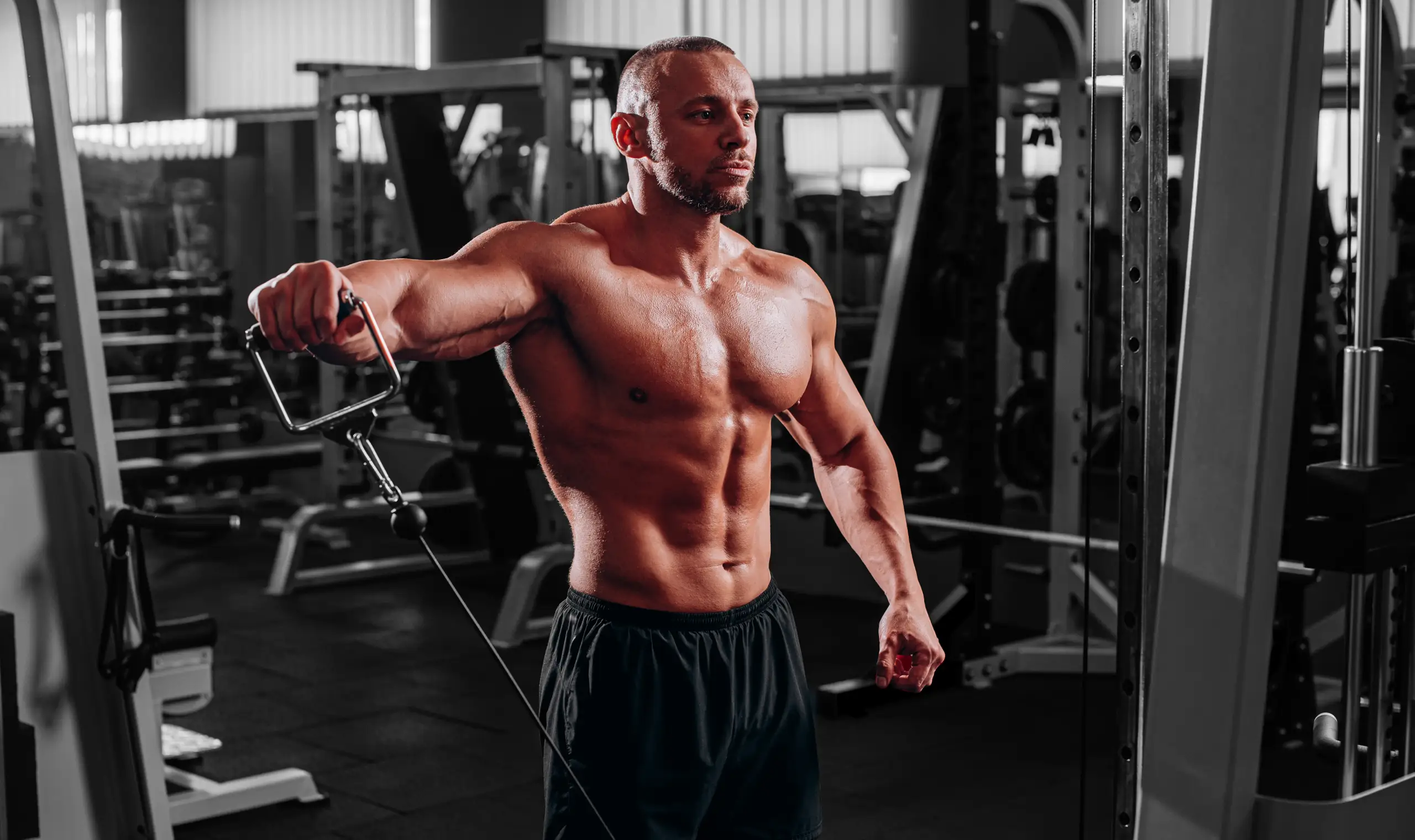
For a standard single-arm cable raise, set a handle near the bottom, stand side-on and begin with the working hand across the front of the body. Keep the torso quiet and raise the arm outward in a comfortable arc. A leaning-away version can extend the working range, but it is optional and can complicate consistency. Master the simple upright setup before chasing exotic angles.
Wrist cuffs may help when gripping becomes the limiting factor or when you prefer the cable force applied closer to the forearm. A cuff is not inherently more anabolic; it is another way to make the movement tolerable and repeatable. Check the attachment, carabiner and cable travel before loading it, especially with compact digital resistance systems or rack-mounted pulleys.
A lateral-raise machine is a valid third option. It can make setup quick and reduce balance demands, although pad placement and machine geometry matter. Do not assume every machine has the same resistance curve. Choose one with a smooth comfortable working range, and record the seat and pad settings so progress means something.
Five mistakes that make shoulder sets harder but less productive
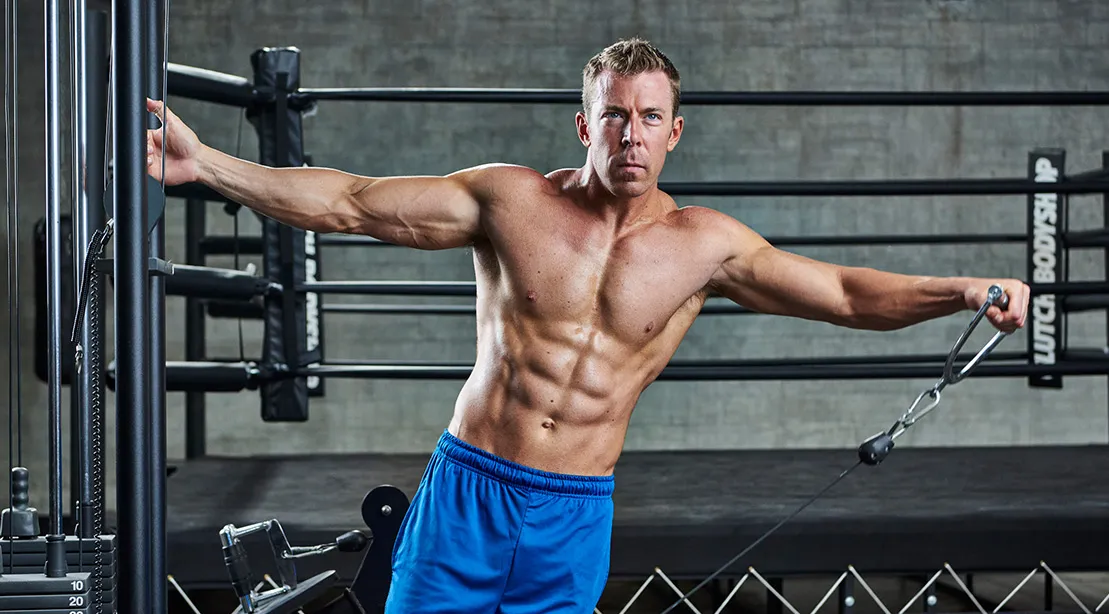
The first mistake is loading the exercise like a deadlift. When dumbbells require a leg drive and torso swing, you can move more kilograms without giving the side delts a better dose. A controlled set ending because the shoulder muscles fatigue is easier to progress than a chaotic set ending because momentum disappears.
Second, many lifters shorten the range as fatigue builds without noticing. A small reduction on the last repetition is normal, but turning a full set into wrist flicks makes comparison impossible. Third, they shrug dramatically and confuse upper-trap effort with side-delt stimulus. Traps can contribute naturally; the goal is not to freeze the shoulder blades, only to avoid substituting a shrug for the intended arm movement.
Fourth, some force extreme internal rotation because they heard pouring a pitcher isolates the middle delt. Rotation changes muscle activity, but there is no reason to force an uncomfortable position. A neutral or slightly externally rotated hand path may feel better. Fifth, they chase soreness, burning and drop sets instead of tracking performance. Those sensations can accompany a good session, but none proves faster hypertrophy.
Film one honest working set from the front and another from the side. Compare the first and last repetition. If elbow path, torso angle and range are wildly different, reduce the load or stop the set sooner. A repeatable technical standard is more useful than an arbitrary number printed on the dumbbell.
Equipment Worth Exploring
Explore equipment, accessories and gear from our carefully selected range.


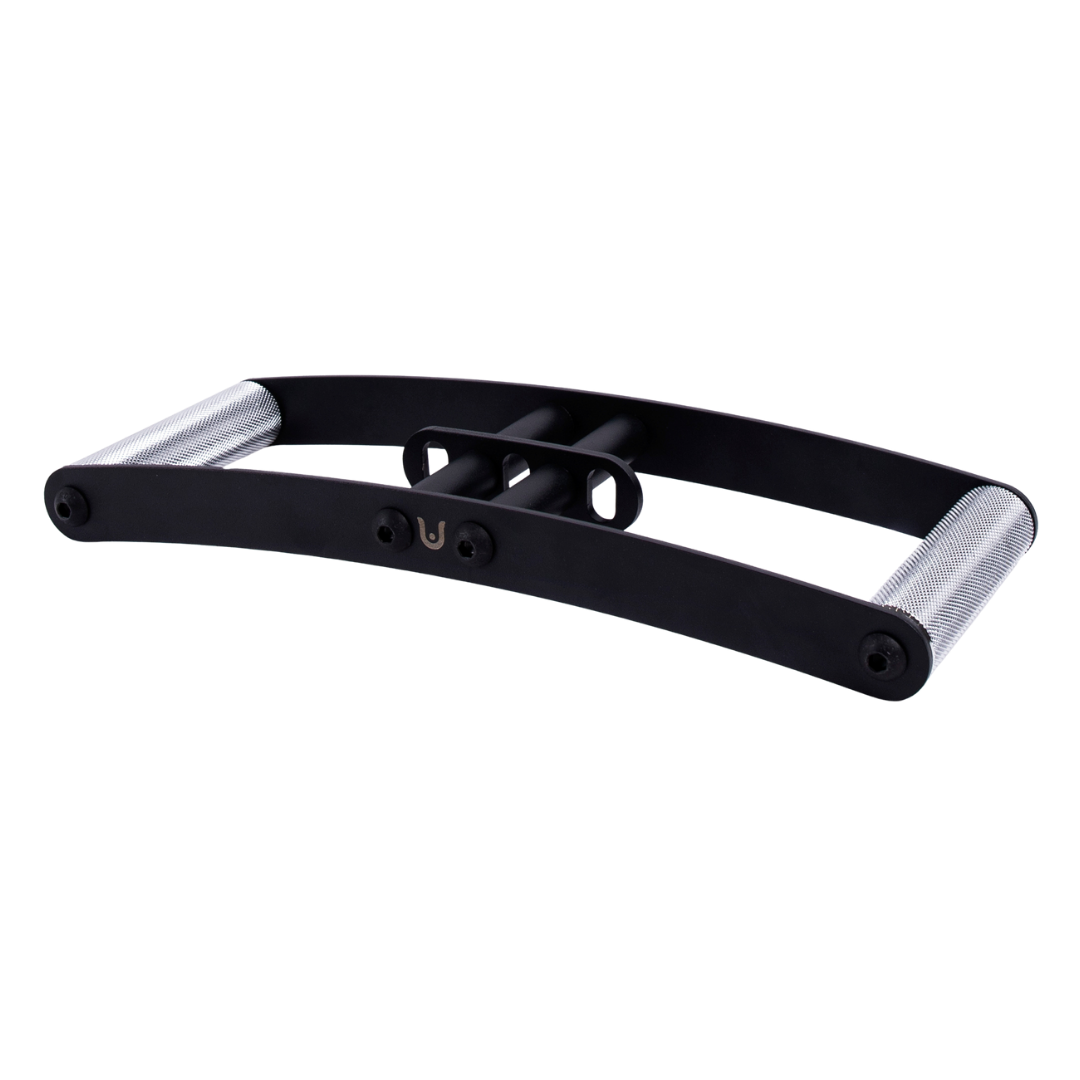
Horizon Grip
Ergonomic V-style cable grip for rows and back training.
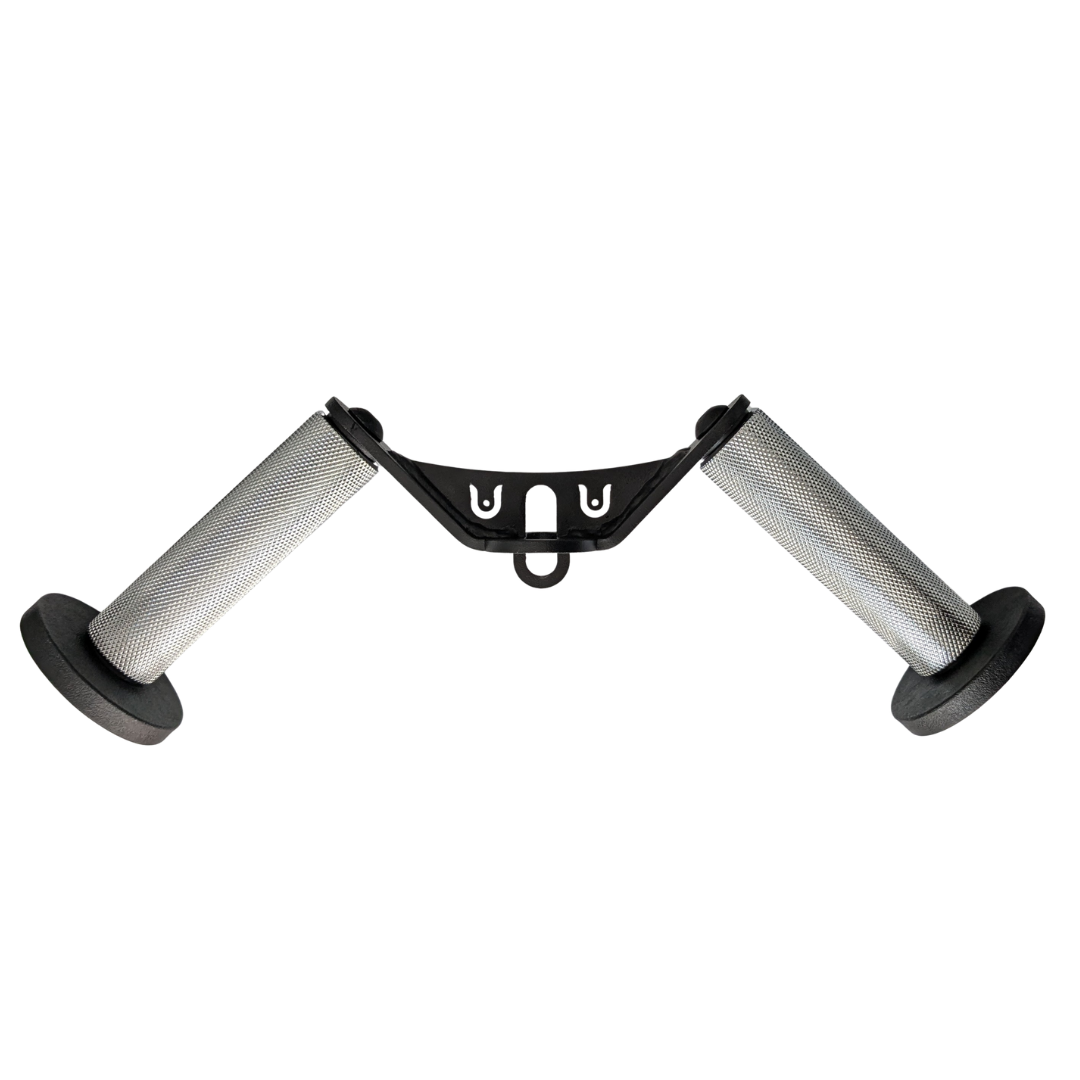
W Grip
Angled cable grip for comfortable rows, pushdowns, and curls.
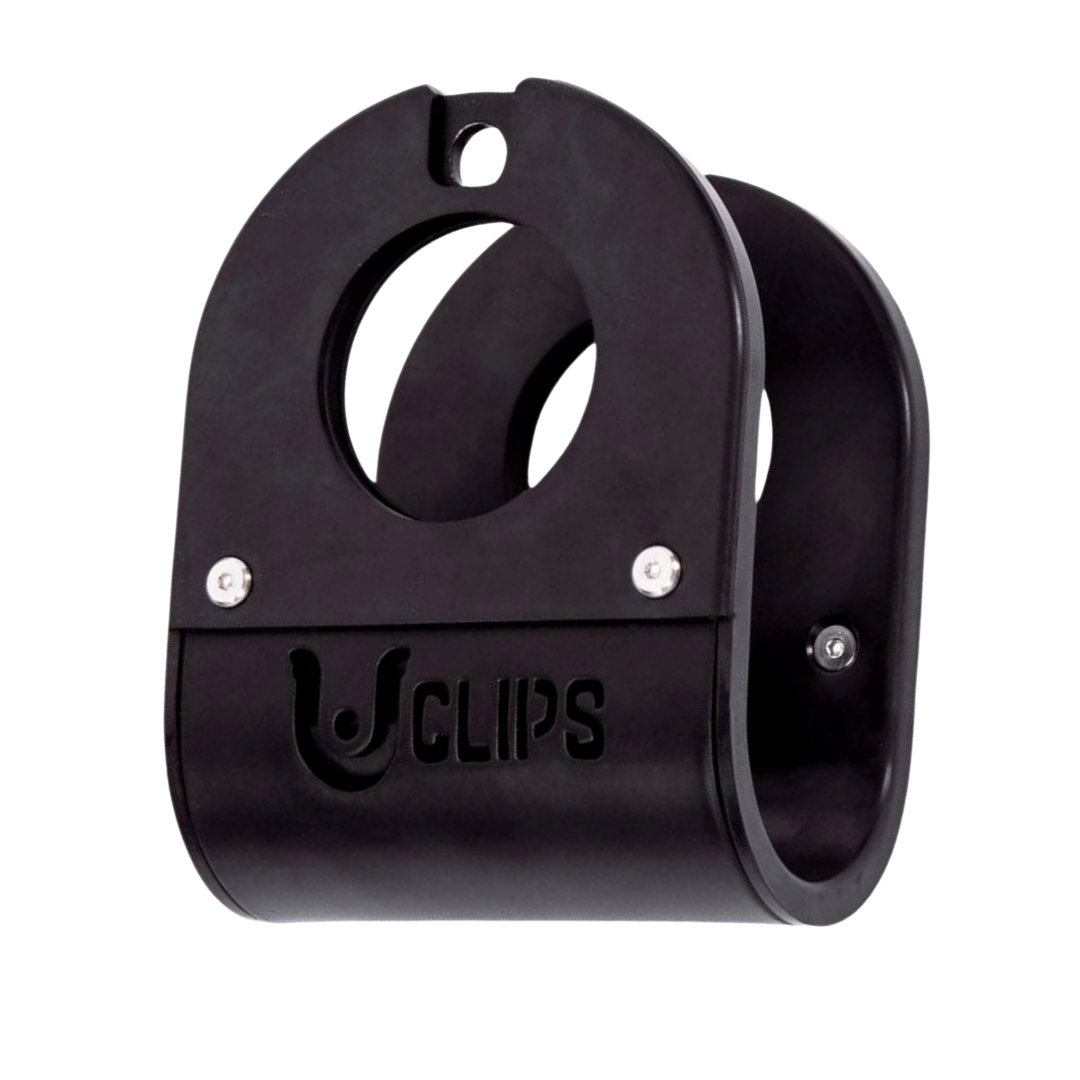
U Clips
Versatile gym clips for barbell, landmine, and attachment setups.


Angles 90 Grips
Flexible grip attachments that allow natural wrist movement during pulling exercises.

GymPin D Handle Bar
Multi-use steel D-handle bar for cable rows, pulldowns and other cable exercises.

Leather Wrist Grips
Padded leather lifting grips help support the hands and wrists on heavy pulling exercises.

Leather Lifting Straps
Padded leather straps support grip during heavy rows, deadlifts and pulling exercises.
A two-day side-delt plan for a compact home gym
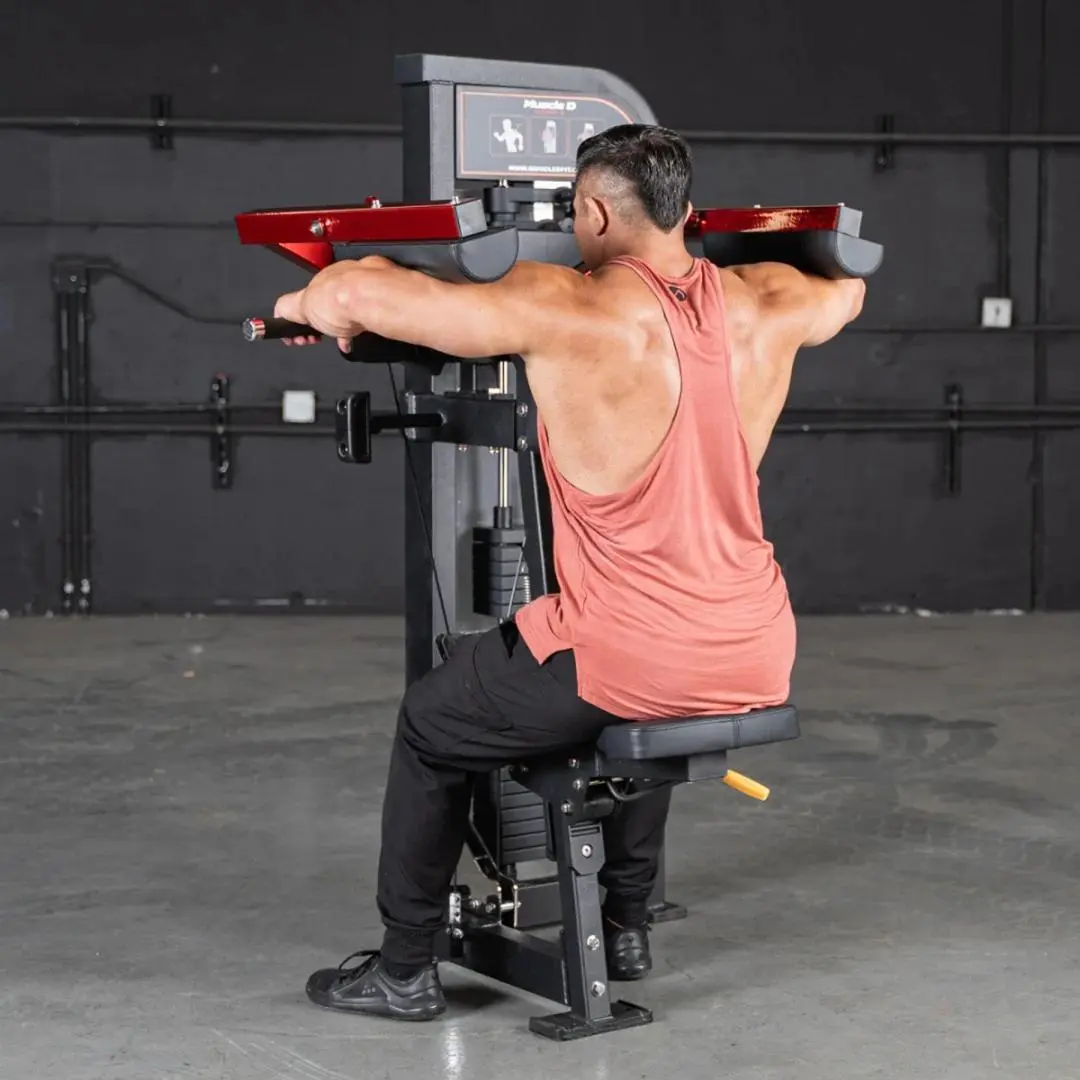
You do not need a dedicated shoulder day to build shoulders. Add a modest amount of direct lateral-raise work to two existing upper-body sessions, ideally separated by at least a day. This spreads effort, keeps sessions manageable and provides more chances to practice the movement. The following template is a starting point, not a requirement to copy every exercise.
Day A: after your main pressing work, perform dumbbell lateral raises for three sets of 12 to 20 reps, then a rear-delt fly or row for two sets of 12 to 20. Leave roughly one or two repetitions in reserve on the first raise sets and take the final set close to technical failure. Rest 60 to 120 seconds between challenging isolation sets, extending the rest if performance drops sharply.
Day B: after your main back or upper-body work, perform single-arm cable lateral raises for three sets of 10 to 18 reps per side. Follow with a controlled shoulder press or rear-delt exercise if your weekly program needs it. Use the same pulley height and stance each week. If you only have dumbbells, repeat the dumbbell variation seated rather than buying equipment solely for this plan.
That provides six direct lateral-raise sets per week before counting additional shoulder work. If you already perform a lot of direct delt training, start with fewer. If recovery is good and progress stalls after several weeks, adding a set may help. More sets are a tool, not a badge of seriousness. Shoulder comfort and overall pressing volume should guide the decision.
Funny Gym Shirts & Workout Gear
Funny gym shirts, tanks, hoodies and workout gear for lifters who like training hard.

No Reps No Glory Viking Gym – Funny Norse Workout Hoode Hoodie
Show off your Viking humor in a laid-back “No Reps No Glory Viking” hoodie.

Whole Lotta Reps AC/DC Heavy Metal Rock Music Workout D Sticker
Put “Whole Lotta Reps” gym humor on your laptop, bottle, or gym gear.

No Days Off for Daily Workouts, Lifting, and Fitness Di Hoodie
Keep it laid-back with a little “No Days Off” attitude.

Hardcore Gains Gym | Funny No Pain No Gain Muscle Shirt Tank Top
Add some lifting attitude to training with “Hardcore Gains”.

No Bane No Pain No Gain Decal for Water Bottles Laptops Sticker
Put “No Bane No Pain No Gain” gym humor on your laptop, bottle, or gym gear.

Joker Bodybuilder Workout Graphic Gym Shirt Fitness Mem T-Shirt
Heavy lifts, good laughs, and a little “Joker Bodybuilder” energy.

Cheat Reps Allowed Funny Viking Gym – Loki Norse Jumper T-Shirt
Keep things casual with a little “Cheat Reps Allowed Funny Viking” attitude.


Dost Thou Even Hoist Sir? – Do You Even Lift, Bro? T-Shirt
Make gym days more fun with “Dost Thou Even Hoist Sir?” style.

Progress for eight weeks without turning every rep into a cheat rep
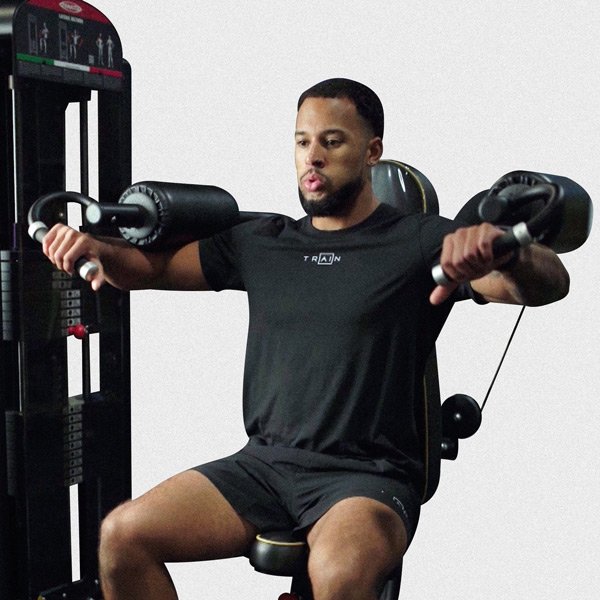
Use double progression. Pick a load that allows at least the bottom of your target rep range with stable technique. Keep that load until you reach the upper end on all planned sets, then move up by the smallest available increment. On cables, small plate changes or fine resistance adjustments are useful. With fixed dumbbells, extra clean repetitions may be better than a large weight jump.
Weeks one and two establish a repeatable setup and baseline performance. In weeks three and four, aim to add one or two quality reps across the session. Weeks five and six can bring a modest load increase if the full rep target has been achieved. In weeks seven and eight, evaluate whether performance and recovery justify more volume or whether you should continue the same plan.
Do not interpret one flat workout as a plateau. Sleep, calorie intake, stress and exercise order all affect small isolation movements. Review trends over several sessions. If pressing performance declines and shoulders stay irritated, reduce direct work rather than adding another finisher. Sharp pain, persistent night pain or loss of normal shoulder function warrants professional assessment instead of pushing through it.
The long-term winning strategy is unglamorous: choose a comfortable raise, train it consistently, keep enough hard sets in the week and improve work you can repeat. Cables and dumbbells both have a place. The side delts care about the training stimulus, not the equipment argument.