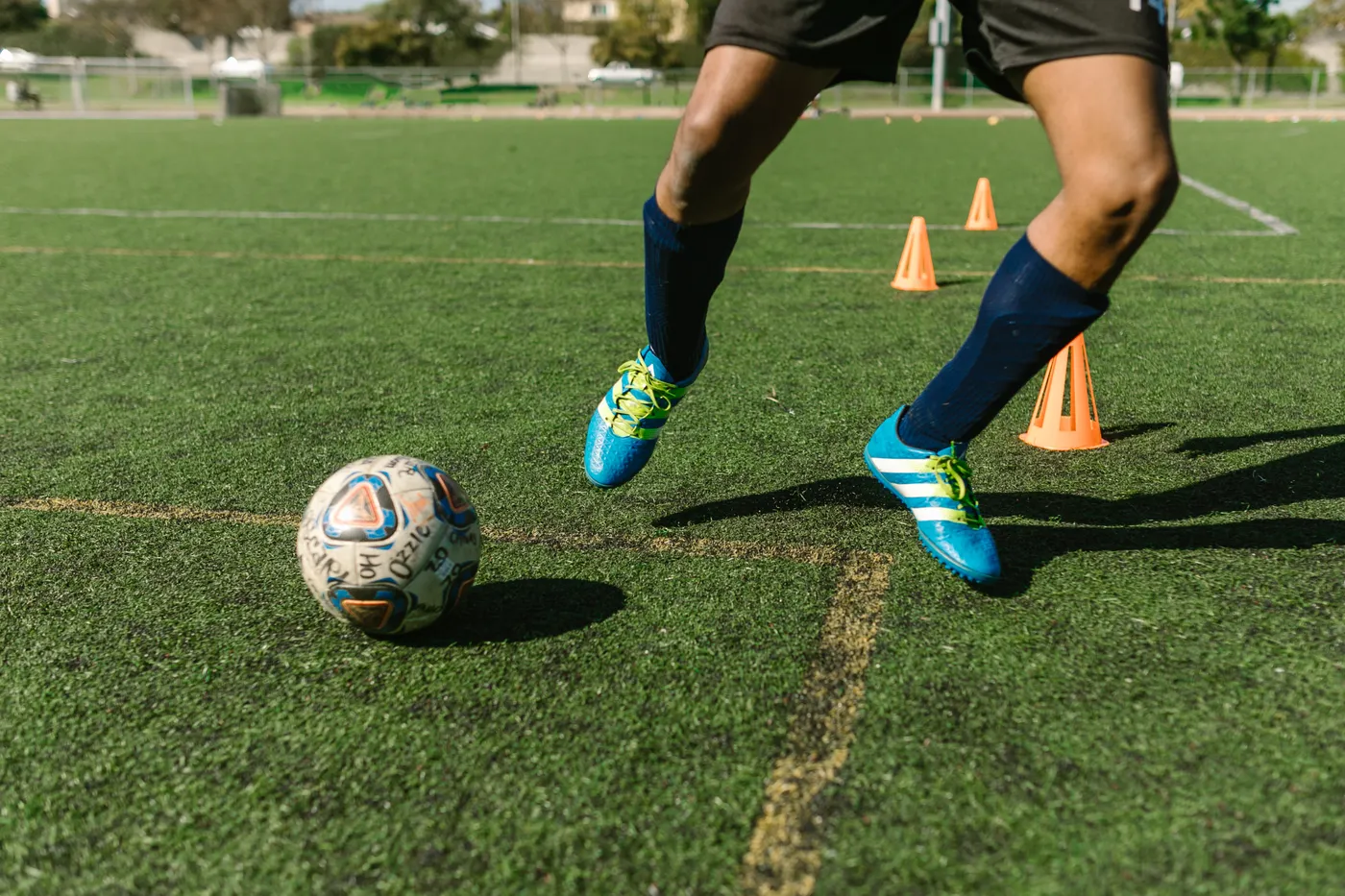
Moving your feet quickly is not the same thing as changing direction quickly, and neither skill automatically guarantees a faster response to an opponent. That distinction matters when choosing agility drills. A 2026 synthesis of speed, agility and quickness training found useful average improvements in planned direction changes, short sprints and power, but much less certain evidence for reactive agility.
The practical lesson is not to throw away ladders or cones. It is to match the drill to the quality you actually want: clean braking, efficient re-acceleration, explosive force, or a decision made under pressure. Here is a gym-neutral, evidence-aware approach to building those qualities without confusing a faster drill time with better performance in every sport.
1. What the 2026 training evidence actually found
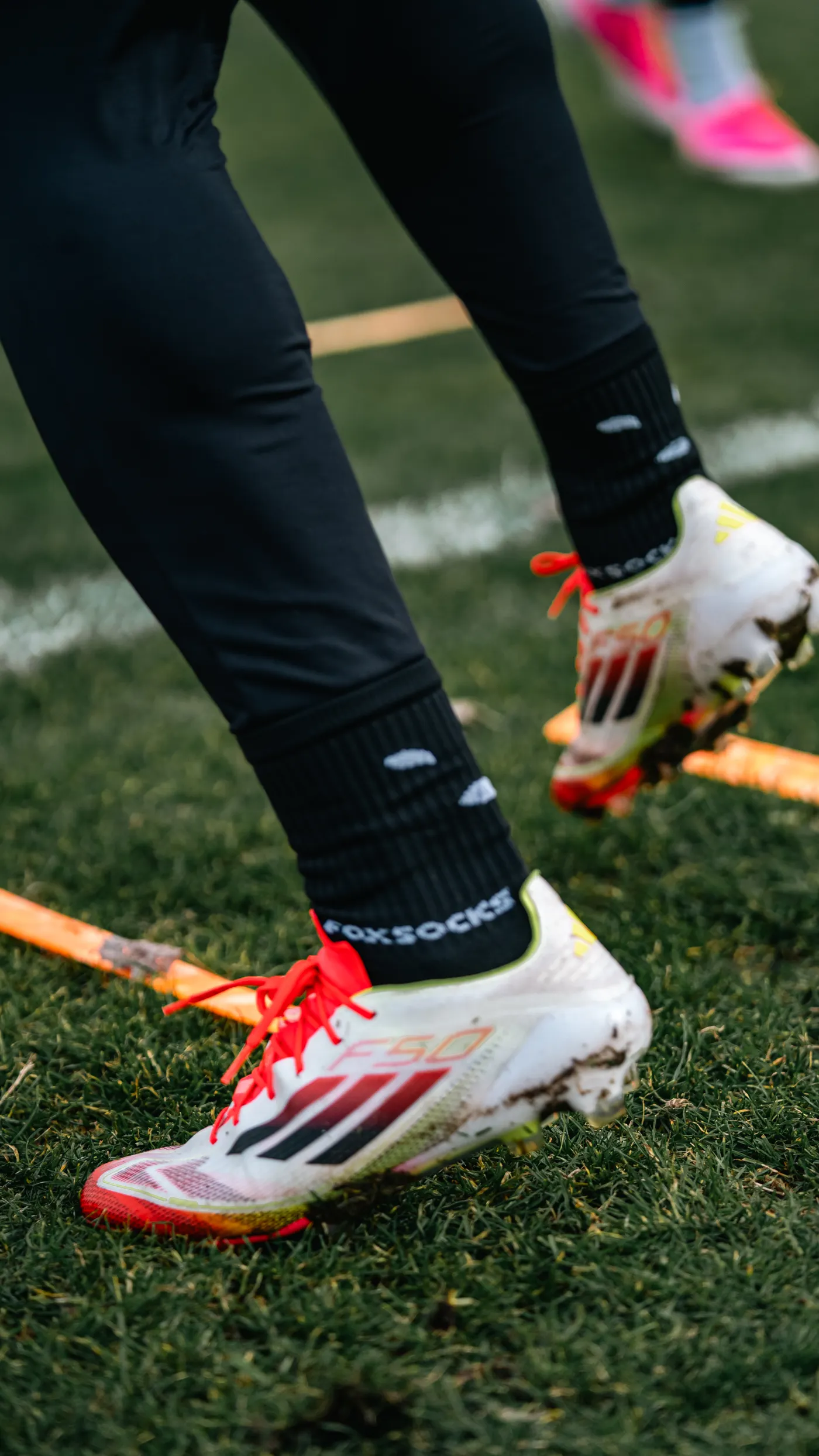
A September 2026 systematic review combined training studies from team-sport athletes and used a three-level statistical model to avoid treating multiple measurements from the same study as independent experiments. Across 13 studies and 24 agility effect sizes, the pooled estimate favored speed-agility-quickness training with a standardized effect of 0.77. That number describes an average difference on varied performance tests; it is not a promise of a 77 percent improvement.
The review separated tests in which athletes knew the route in advance from tasks requiring a response to an outside cue. Planned change-of-direction tests showed a favorable pooled effect of 0.84. Reactive agility had an estimated effect of 0.41, but its confidence interval crossed zero and the subgroup included only four effect sizes. That means the evidence was insufficient to establish a clear reactive-agility benefit, not that reaction training cannot work.
Short sprint performance also improved on average, while comparisons against other active training were less convincing than comparisons against ordinary practice. Importantly, prediction intervals for the main outcomes included the possibility of no benefit in a future setting. Coaches should therefore view these findings as support for thoughtful practice, not a universal ranking of drills or a reason to replace sport training.
2. Speed, planned cuts and reactive agility are different skills
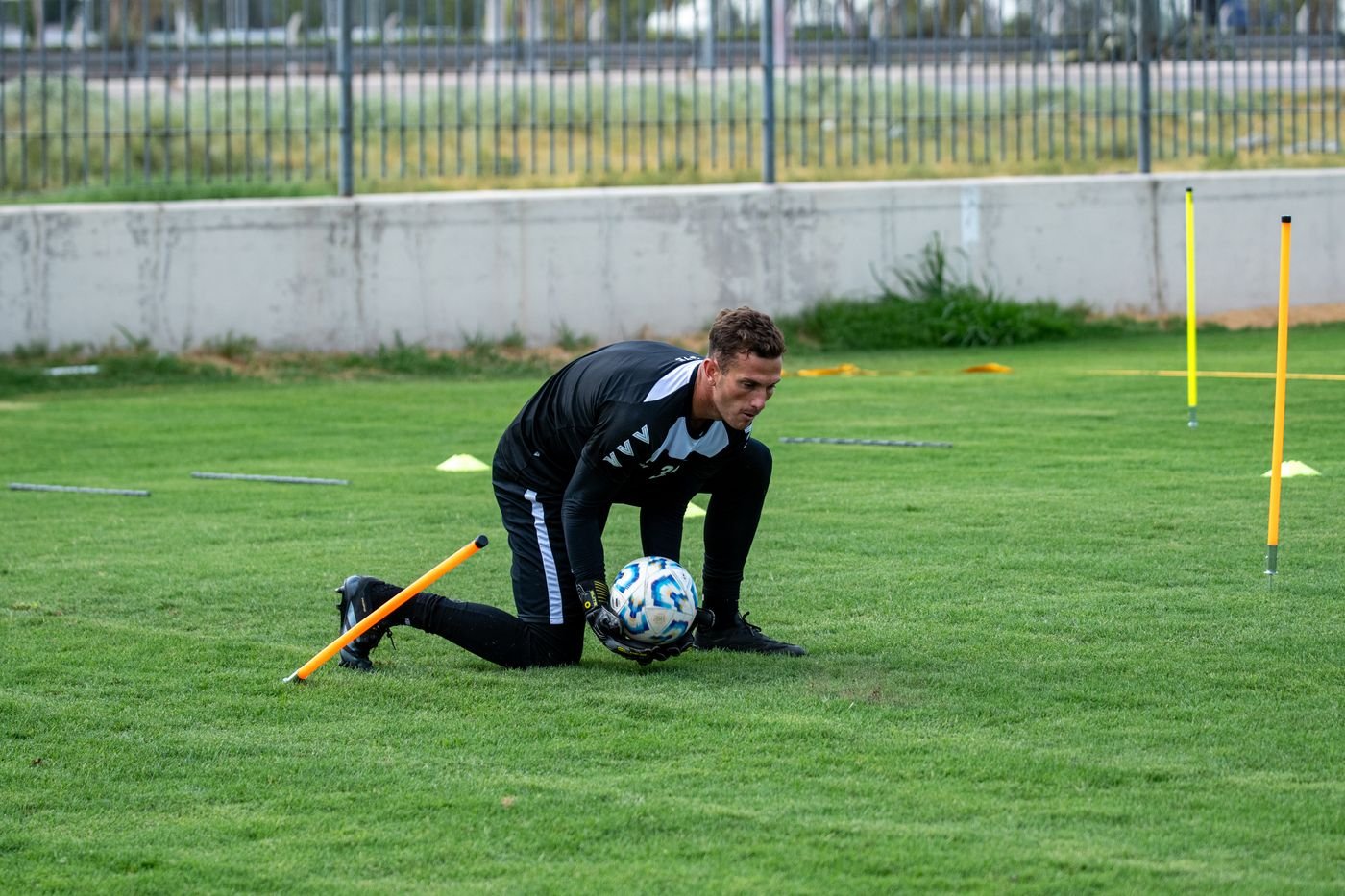
A straight sprint asks you to accelerate efficiently in one direction. A planned cut asks you to arrive at a known turn, lower or redirect your center of mass, apply force through the ground and accelerate along a new line. Reactive agility adds the information problem: you must notice a ball, partner, opponent or signal, decide what it means and then execute the movement.
A ladder can improve familiarity with a footwork sequence and the rhythm of short contacts. Yet a perfectly memorized ladder pattern contains little decision-making, and its forces may differ from those of a full-speed 90-degree cut. Likewise, a five-meter sprint time says little about whether you can brake safely when an opponent suddenly changes direction.
Use three separate benchmarks instead of one vague agility score. Record a 10-meter sprint for acceleration, a repeatable planned 5-0-5-style cut for braking and re-acceleration, and a partner-cued movement task for response quality. Keep distances, footwear, surface and timing method consistent. Hand-timed results are noisy, so look for repeatable changes rather than celebrating a single exceptionally quick rep.
For team sports, combine these components. For general fitness, choose the ones that match your goals and movement experience; nobody needs maximal-speed cutting merely to become healthier.

Equipment Worth Exploring
Explore equipment, accessories and gear from our carefully selected range.

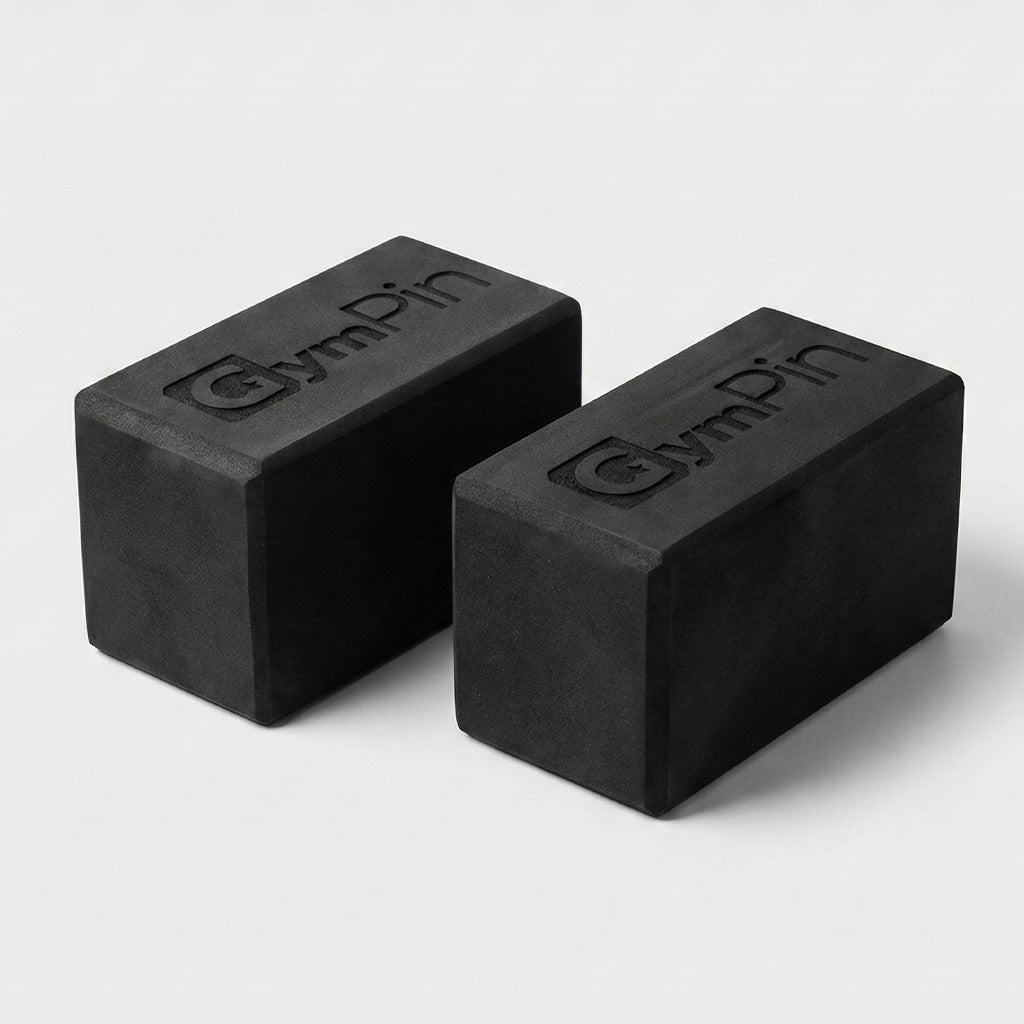
GymPin Starting Blocks
Portable high-density foam blocks for adjusting machine starting positions and range of motion.


Apple Watch Ultra 3
Rugged 49 mm smartwatch with cellular connectivity, GPS and fitness tracking.

Powerbeats Fit
Secure-fit wireless workout earbuds with active noise cancellation and a charging case.
3. Learn to brake before chasing a sharper turn
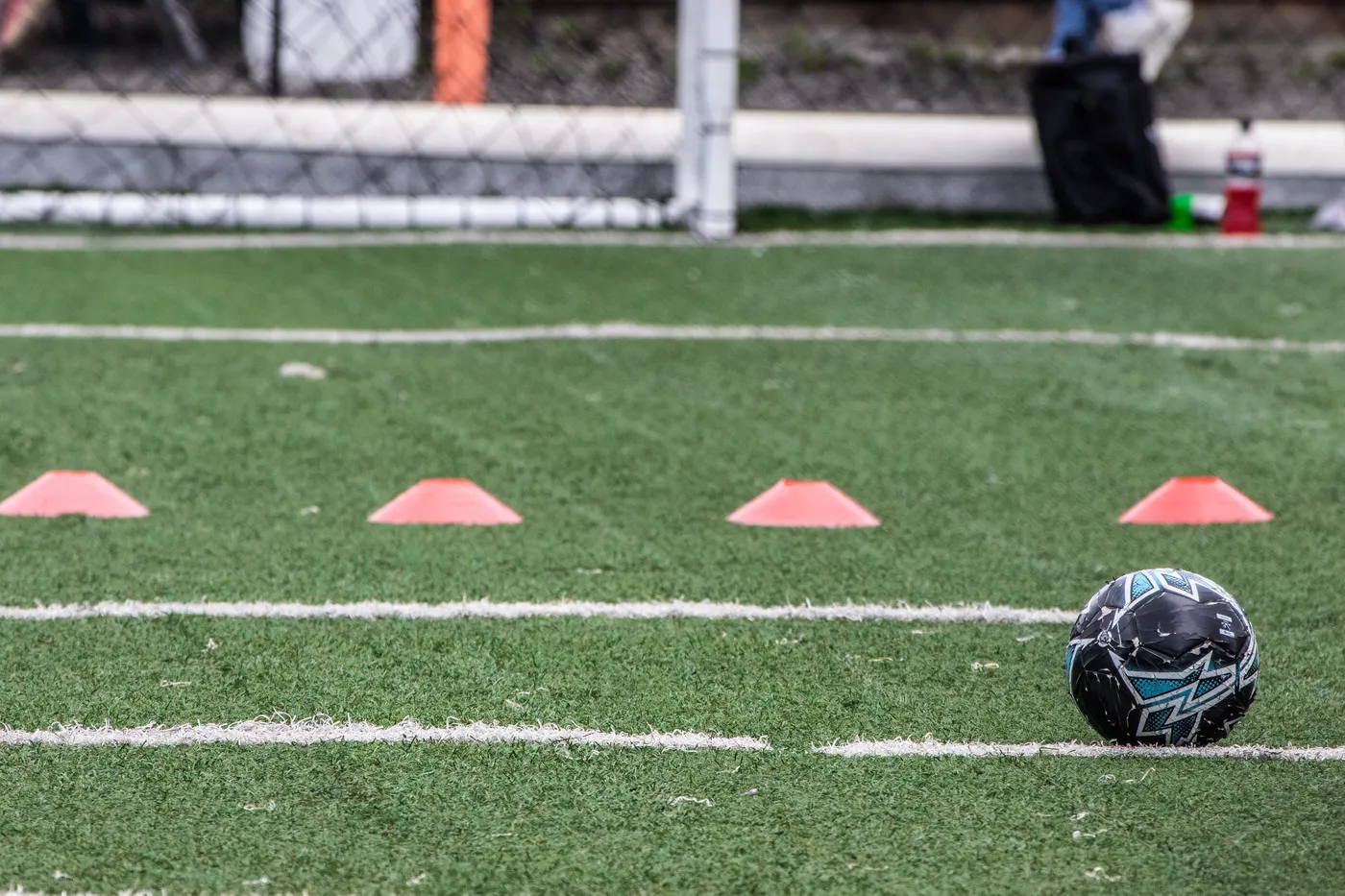
Fast cutting starts before the plant foot touches down. Approach speed determines how much momentum must be redirected, while body position, step placement and eccentric leg strength influence whether the athlete can decelerate under control. A review of change-of-direction biomechanics identified several potentially important factors, but results varied across athletes and test designs; there is no single perfect cutting posture for every situation.
Begin with a three-step deceleration drill. Accelerate gently for five to eight meters, then use two or three progressively shorter steps to stop within a marked zone. Keep the trunk organized over the hips, allow the knees and ankles to bend naturally, and avoid collapsing inward or reaching far beyond your base of support. Perform four to six quality attempts, resting enough to make each stop deliberate.
Next, try a 45-degree cut around a cone. Approach at moderate speed, plant comfortably, and push into the new direction. Add sharper 90-degree cuts only after the basic movement is controlled on both sides. Three to five repetitions per direction are plenty for a technical session. The goal is smooth force transfer, not stumbling through a huge number of turns.
Increase speed gradually before adding more complicated routes. If your braking becomes noisy, your knee control deteriorates or you cannot hit the exit line, reduce approach speed. A clean moderate-speed cut is more useful practice than a frantic maximal attempt performed poorly.

Funny Gym Shirts & Workout Gear
Funny gym shirts, tanks, hoodies and workout gear for lifters who like training hard.

Safety Practice Safe Sets Hooded Jumper Top Hoodie
Show off your bodybuilding humor in a laid-back “Gym Safety” hoodie.

Hero Jump Rope Cardio Speed Flash Inspired Gym Pullover T-Shirt
For laid-back days and cardio humor: “Gym Hero Jump Rope Cardio Speed”.

Grip Train Get A Grip Jumper Grip Training T-Shirt
Show some gym-day personality with “Grip Train”.

OnlyGains Kettlebell Meme Decal Water Bottles & Sticker
Stick a little “OnlyGains” humor on your favorite gear.

HYROX High Rocks Functional & CrossFit Tank Top
Your gym-day look, with a playful “HYROX High Rocks” twist.

Battle Ropes HIIT Tee
Show some superhero attitude with a playful “Wonder Woman Battle Ropes” tee.

No Excuses Mermaid Motivational Vest Strong Meme Top Tank Top
Train hard, laugh a little, and rep “No Excuses Mermaid”.

Handstand Walk Tee
Bring “: The Handstand Walk Beatles Graphic” humor to your next gym day.


Crossfit Jesus Christ Bros, & Meme Lovers T-Shirt
Show some Easter attitude with a playful “Crossfit Jesus Christ” tee.
4. Train the decision, not only the pre-planned route
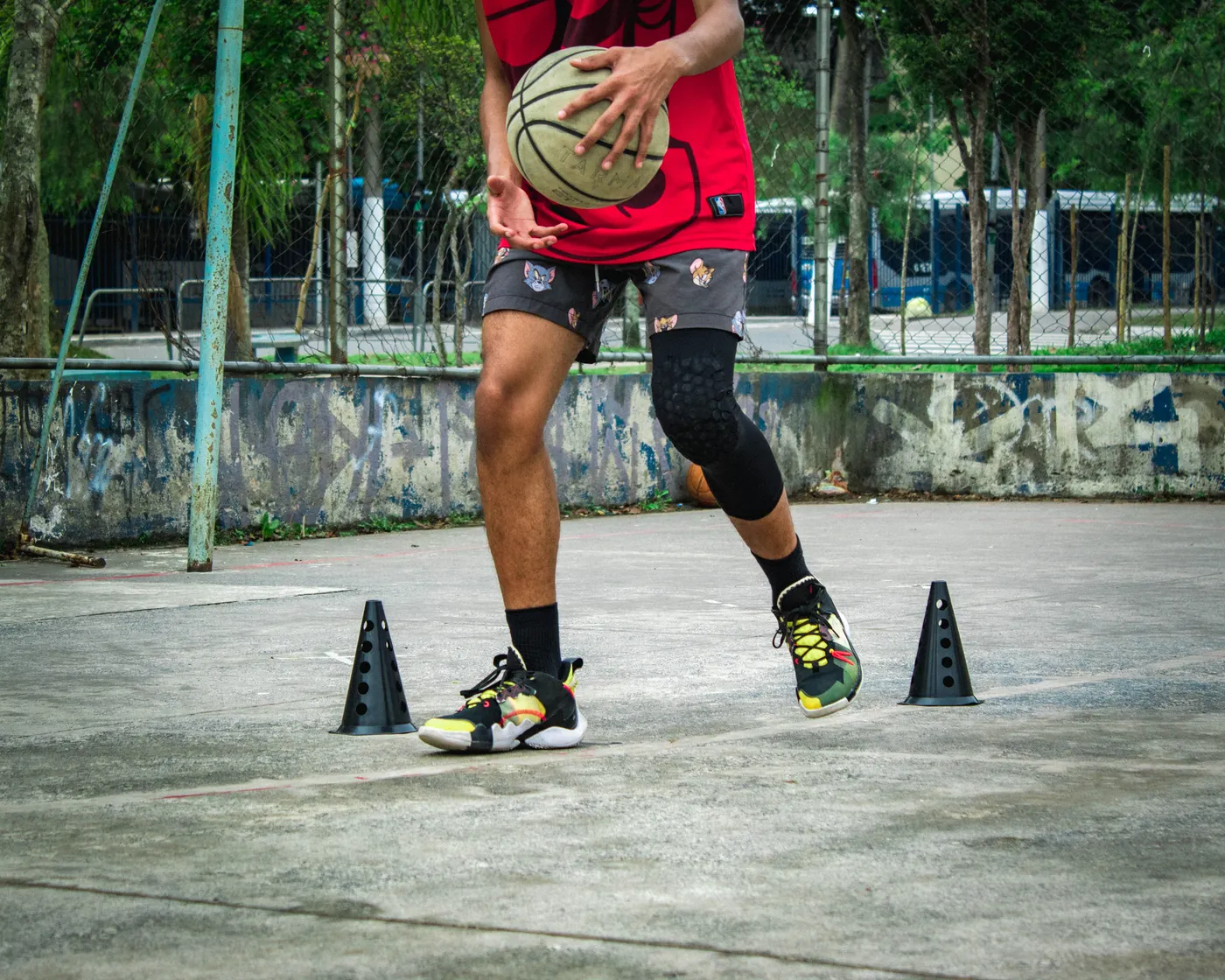
Reactive agility is where movement meets perception. A partner can point left or right as you approach a central marker, a coach can release a ball to an unpredictable side, or two players can work in a small mirror drill. Each version changes how early the athlete receives information and how much time is available to respond.
Start with a two-cone reaction drill. Place markers two or three meters apart. From the center, wait for a partner’s random left or right cue, move to the indicated cone, touch or cross the line, and return under control. Use six to eight short bouts with generous rest. To increase difficulty, delay the cue, use a real moving partner, or require a specific response to a color rather than a simple direction.
Make the cue relevant to the sport when possible. A basketball defender reading a ball handler is processing different information from a football player tracking a pass. Lights and phone prompts can be convenient, but they are not automatically equivalent to an opponent’s body movement. Practice should gradually resemble the visual and decision demands of the activity.
The 2026 pooled reactive-agility estimate was uncertain partly because there were few relevant measurements. Do not misread that limitation as a ban on reactive drills. Instead, include them alongside planned cutting and track whether responses become quicker without losing movement quality.
5. Where ladders, jumps and strength work fit
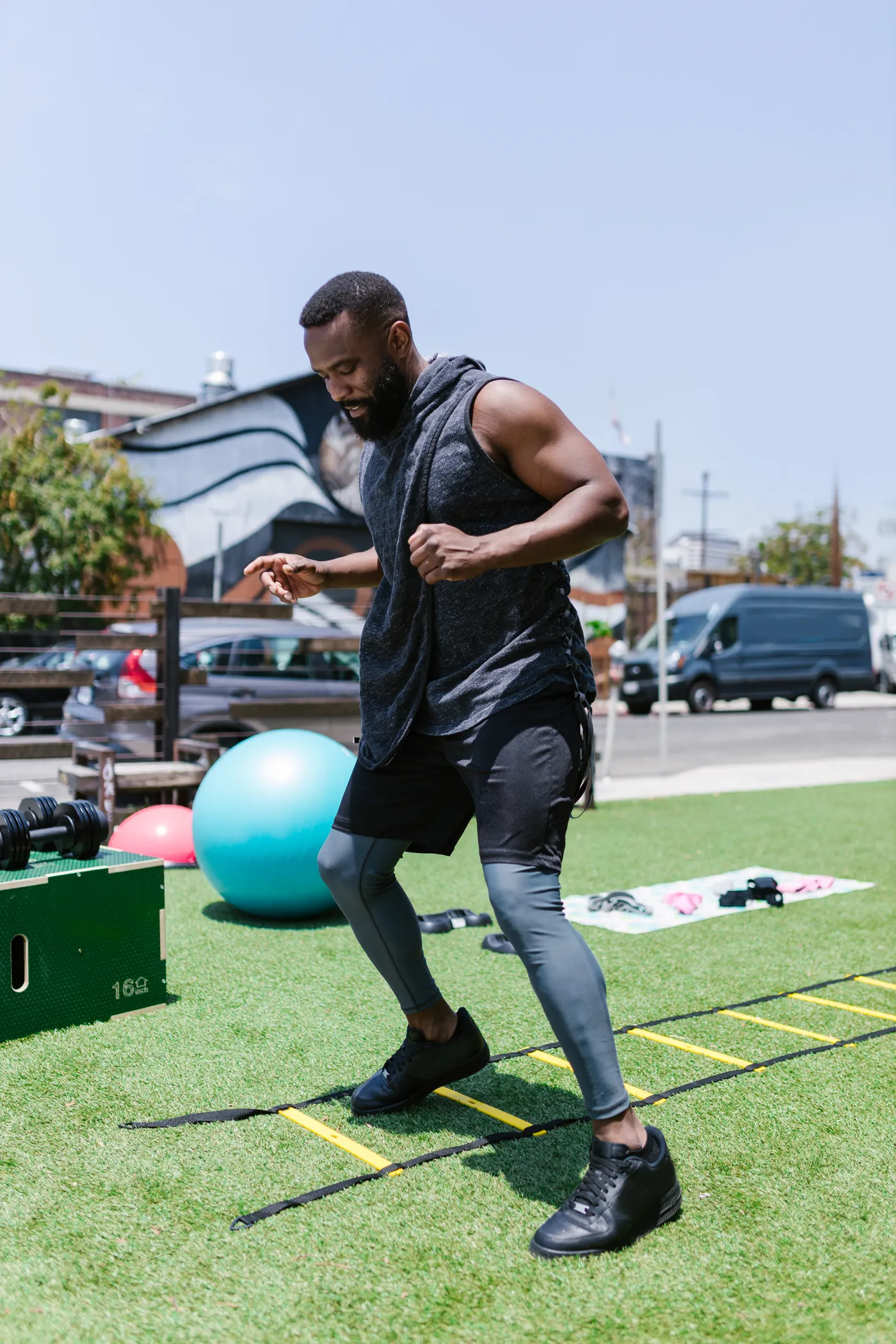
Agility ladders are inexpensive tools for rhythm, coordination and warm-up variety. They can be useful when learning a new foot-placement sequence or increasing low-level movement confidence. What they do not prove by themselves is an improvement in hard braking, sprint acceleration or opponent-reading ability. If a drill never requires a forceful stop or a genuine decision, it should not be the only agility exercise.
Jumps and bounds add a different stimulus. Small lateral hops can introduce side-to-side force absorption; controlled skater bounds increase the distance and force demand; low box jumps emphasize a crisp explosive takeoff and a quiet, stable landing. Use two to four sets of three to five high-quality efforts, not an exhausting circuit that turns power practice into slow conditioning.
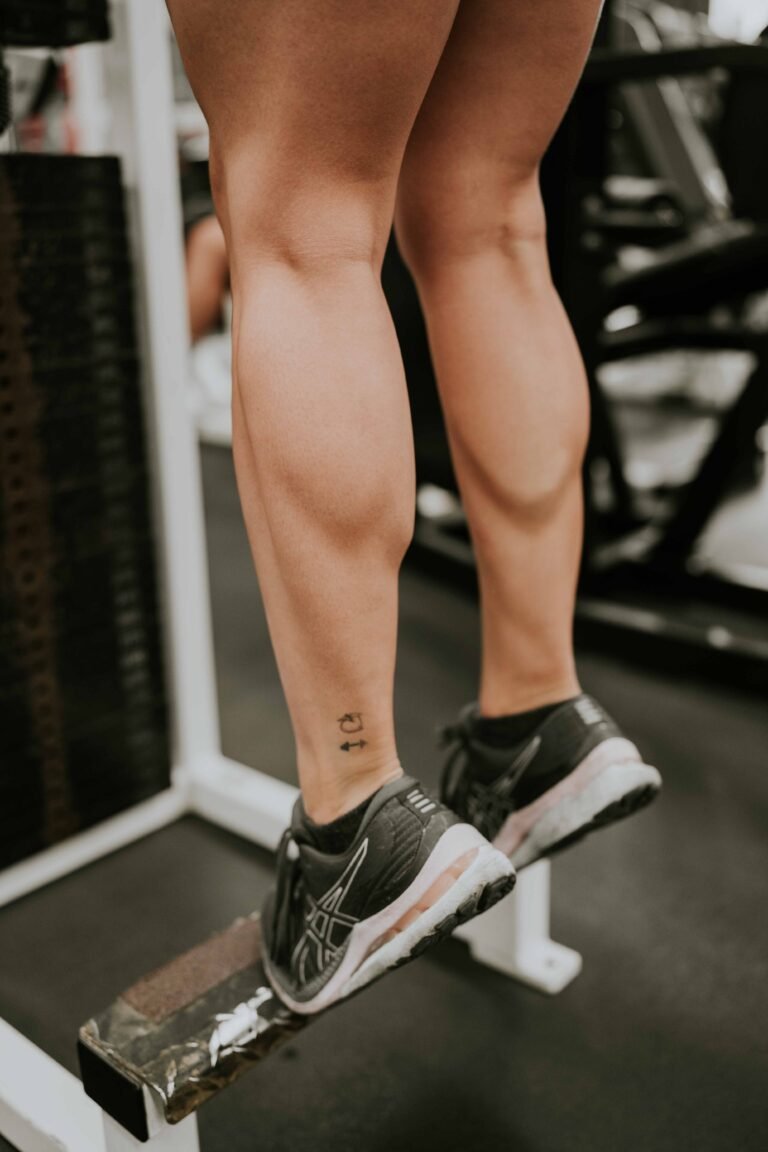
Strength training supports the physical capacity to absorb and produce force. Split squats, step-ups, calf raises, trap-bar deadlifts and single-leg hinges can all help develop the lower body, but no particular lift guarantees a faster cut. Two weekly strength sessions can fit alongside field work if total fatigue is managed. Beginners should establish basic control and landing tolerance before adding high-speed plyometrics.
Research comparing plyometric, sprint and direction-change programs in young team-sport athletes suggests combinations can be promising, but study quality and program differences prevent a definitive best method. Use ladders as an accessory, jumps as a power tool, strength work as capacity building, and sport-specific drills as the transfer test.
Equipment Worth Exploring
Explore equipment, accessories and gear from our carefully selected range.


FID Bench MAX
Adjustable bench offering flat, incline, and decline positions + adjustable headrest.

GymPin Squat Wedges
Non-slip 15-degree squat wedges help elevate the heels for deeper quad-focused squats.

Squat Harness
Wearable harness for hands-free cable squats, sled work, and lower-body training.
VOLTRA
Compact digital cable trainer with smooth, adjustable resistance.

Go-Tone Pro
Portable digital cable trainer with up to 66 lb (30 kg) of adjustable resistance.
6. A practical two-day agility plan for six weeks
Keep the sessions short enough that speed and precision stay high. Begin each with five to eight minutes of easy movement, ankle and hip mobility, skips and two progressive accelerations. Train on a clear, grippy surface with appropriate footwear. The following is a sample progression for a healthy recreational athlete, not a rehabilitation protocol or a tested treatment.
Day A — acceleration and planned cuts: after the warm-up, perform four 10-meter accelerations with full walk-back recovery. Complete four three-step deceleration attempts, then three 45-degree cuts per side. Finish with two sets of four lateral bounds per side and a small amount of strength work such as split squats and calf raises. Prioritize crisp technique over extra repetitions.
Day B — reaction and strength: begin with two easy ladder patterns, then complete six partner-cued left-right movements lasting only a few seconds each. Add three short mirror-drill rounds with a partner, keeping the work-to-rest ratio generous. Follow with two or three sets each of a squat or trap-bar hinge, a single-leg movement and a controlled landing drill. Avoid placing your hardest cutting practice immediately after a leg session that leaves you exhausted.
During weeks one and two, use moderate approaches and predictable cues. In weeks three and four, increase approach speed and introduce a random cue while preserving technique. In weeks five and six, make the drill more sport-specific or slightly sharper, rather than merely adding more total contacts. A simple training log should capture speed, direction, quality and any symptoms.
If you already practice a multidirectional sport several times weekly, reduce the additional drill volume; those practices already contain cutting exposures. For people returning from knee, ankle or hip injury, seek individualized clearance before fast deceleration drills.
Leg Day Shirts & Workout Gear
Leg-day gym shirts and workout gear for lifters who never skip squats, lunges and lower-body punishment.

Let It Grow Leg Day Squats & Booty Gains Meme Tank Top
Add some leg-day attitude to training with “Let It Grow”.

Booty Building Mode Girl – Squats, Leg Day & Gains – T-Shirt
Bring “Booty Building Mode Gym Girl” humor to your next gym day.

Thicc Butt Energy Squat Lovers & Leg Day Hooded Hoodie
Bring “Thicc Butt Energy” gym humor to lazy days and post-workout plans.

I Want You To Stop Skipping Leg Day Uncle Sam – T-Shirt
Make gym days more fun with “I Want You To Stop Skipping Leg Day Uncle” style.

The Walking Deadlift – Zombie Leg Day & Gymbro Gains T-Shirt
Make gym days more fun with “The Walking Deadlift” style.

Witch Leg Day & Booty Building Meme Athletic Shirt Tank Top
Add some leg-day attitude to training with “Gym Witch”.

Fantastic Booty Leg Day Squats & Glute Building Vest Tank Top
Train hard, laugh a little, and rep “Fantastic Booty”.

Girl – Invisible Booty To Visible Booty Meme Squats, T-Shirt
Rep “Gym Girl” humor in and out of the gym.

Adventure Girl Booty Builder Leg Day Meme Sweater T-Shirt
Add a playful “Adventure Girl” touch to your casual rotation.

Booty Out Of This World – Girl Alien Meme Leg Day & T-Shirt
Show some gym-girl attitude with a playful “Booty Out of This World” tee.
7. How to measure progress without fooling yourself

Retest under similar conditions every two or three weeks. Keep the course, cue type, footwear, surface, warm-up and rest periods consistent. A planned cut can improve simply because you learned the route, so use more than one measure: a short sprint, a left and right cut, and a reactive task with a genuinely unpredictable signal. If possible, video the plant step and exit path from the same angle.
Look for asymmetries that persist across several trials, not one awkward turn. A large left-right difference can reflect skill, confidence, fatigue or an existing limitation, and it does not diagnose an injury. When symptoms occur, back off the speed or impact and obtain appropriate advice rather than using a timer to push through pain.
Be skeptical of claims that one ladder sequence or a fixed six-week formula will make every athlete faster. The 2026 evidence covered different sports, ages, tests, comparators and training programs. Its strongest signal concerned planned change-of-direction performance, while reactive results were less certain and long-term match transfer was not established.
The useful conclusion is straightforward: practice the exact qualities you want. Build braking control before sharper cuts, add reaction demands when decision-making matters, and support fast movement with appropriate strength and recovery. Agility is not one magic drill. It is a set of trainable capacities that need to work together.