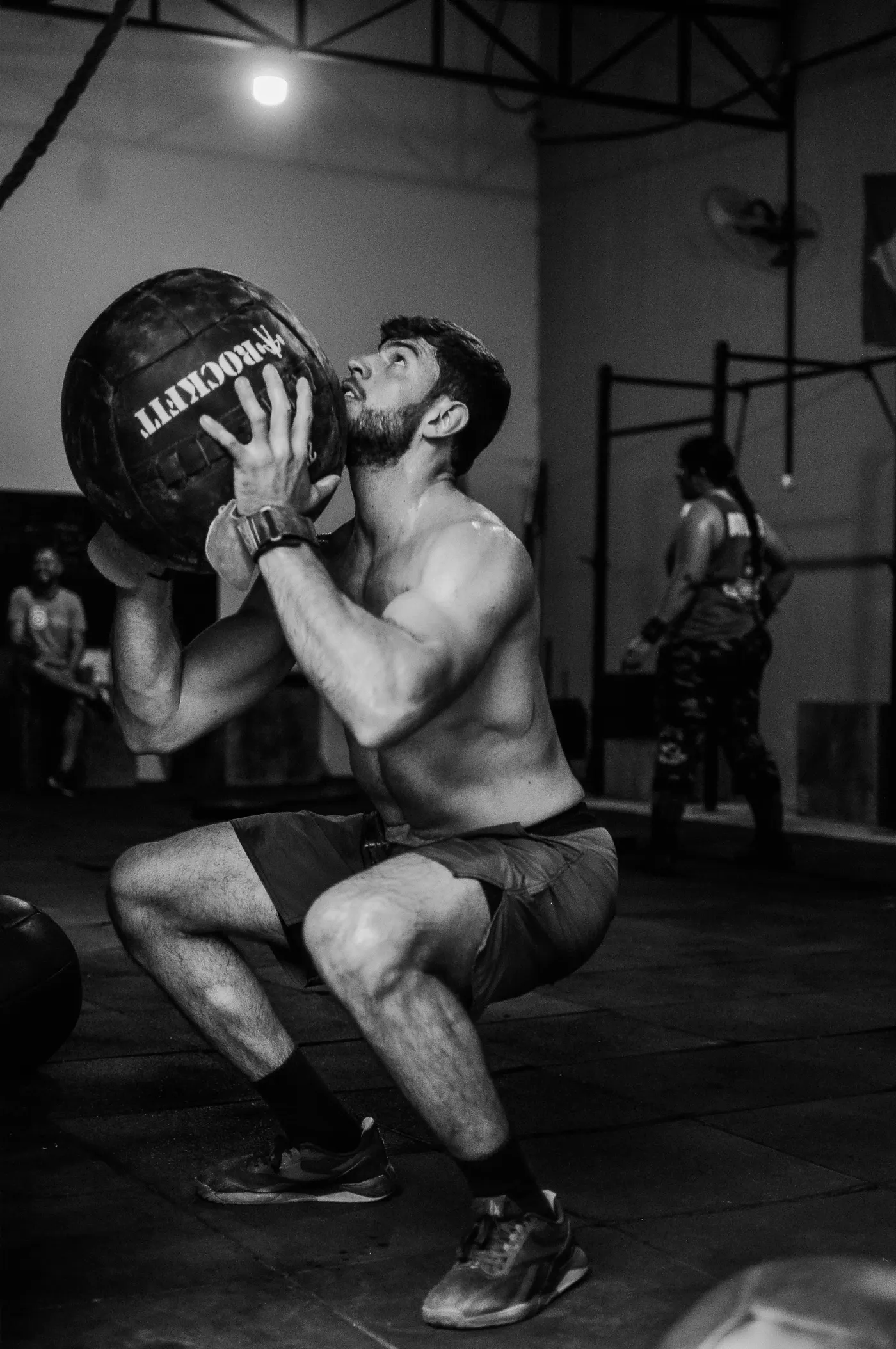
Medicine-ball training looks simple: pick up a weighted ball, move it quickly, and repeat. But a chest pass, a rotational throw and a slow squat holding the same ball are three different training problems. One rewards how fast you can release an object, another tests how efficiently you transfer force through your hips and trunk, and the third mainly challenges controlled muscular effort.
That distinction matters when deciding whether medicine-ball work belongs beside your barbell, dumbbell or cable exercises. Used well, throws and slams can train speed, coordination and the ability to produce force rapidly. Used carelessly, they become a tiring circuit with little measurable progression. Here is how to make the difference useful.
What a Medicine Ball Trains That a Heavy Lift Cannot
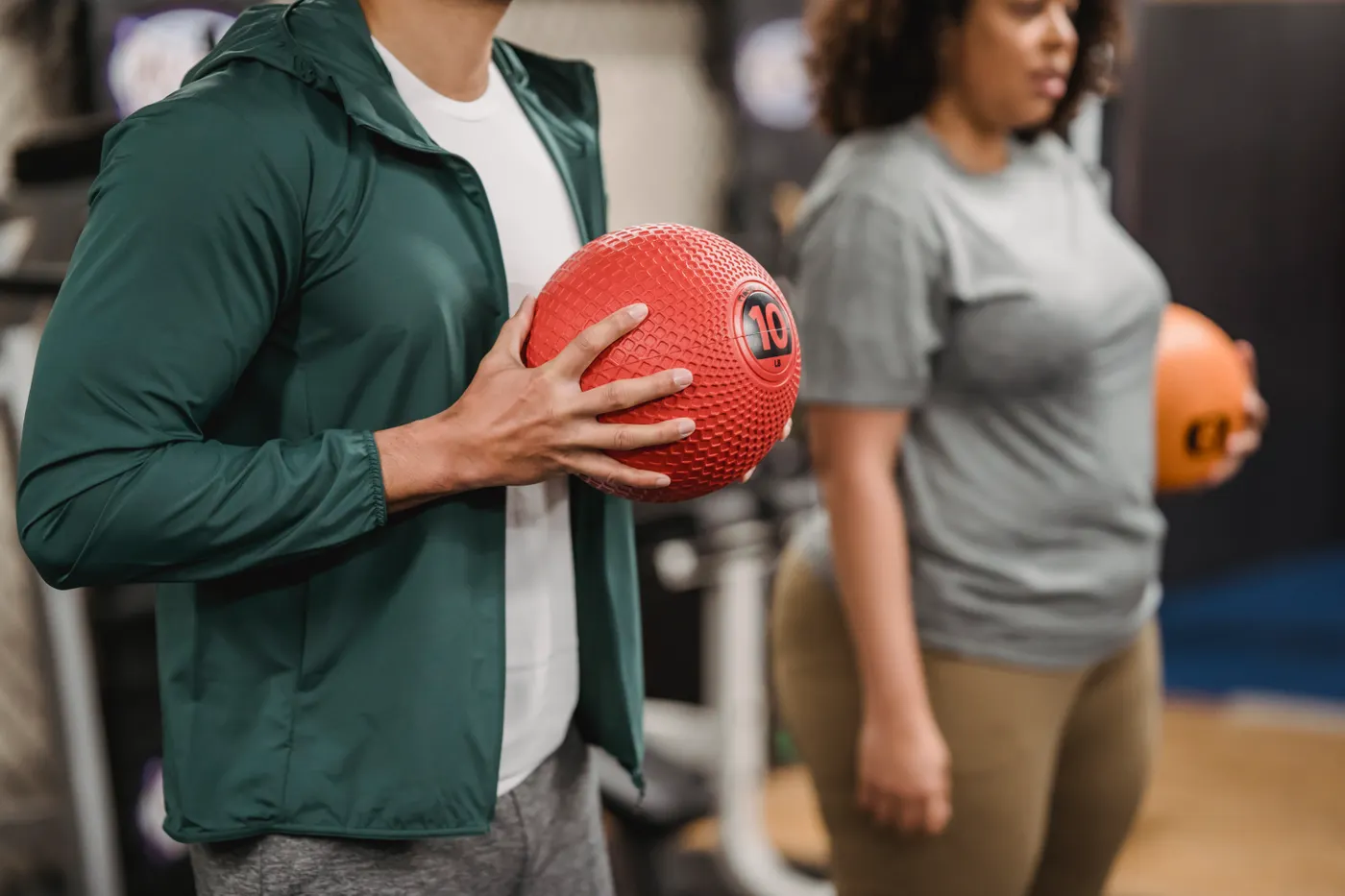
Strength and power are related but not interchangeable. Strength describes how much force you can produce; power adds a time component. A slow, heavy press can be excellent for building pressing strength, yet a fast chest pass asks you to create force and release it before the ball leaves your hands. The exercise ends with acceleration rather than an intentional stop at lockout.
With many conventional lifts, the athlete must decelerate the implement near the end of the movement to retain control. A properly performed throw removes that constraint. This is one reason medicine balls can complement rather than replace traditional resistance training. A stronger athlete may have more potential force available, while fast throws offer a chance to practice expressing that force rapidly.
A systematic review of 35 upper-body plyometric studies, including 30 pooled in meta-analyses and 1,412 participants overall, found improvements in medicine-ball throw performance and several strength-related outcomes compared with controls. However, the certainty of the evidence was rated low or very low. The findings support a reasonable training option, not a promise that every lifter will gain the same amount of speed or muscle.
Specificity still rules. Better chest-pass distance does not automatically mean a bigger bench press, faster tennis serve or more shoulder muscle. Match the throw direction, intensity and intent to the skill you want to improve. If the main goal is hypertrophy, progressive resistance training remains the foundation; throws are a useful supplement.
Power Sets and Conditioning Circuits Need Different Doses
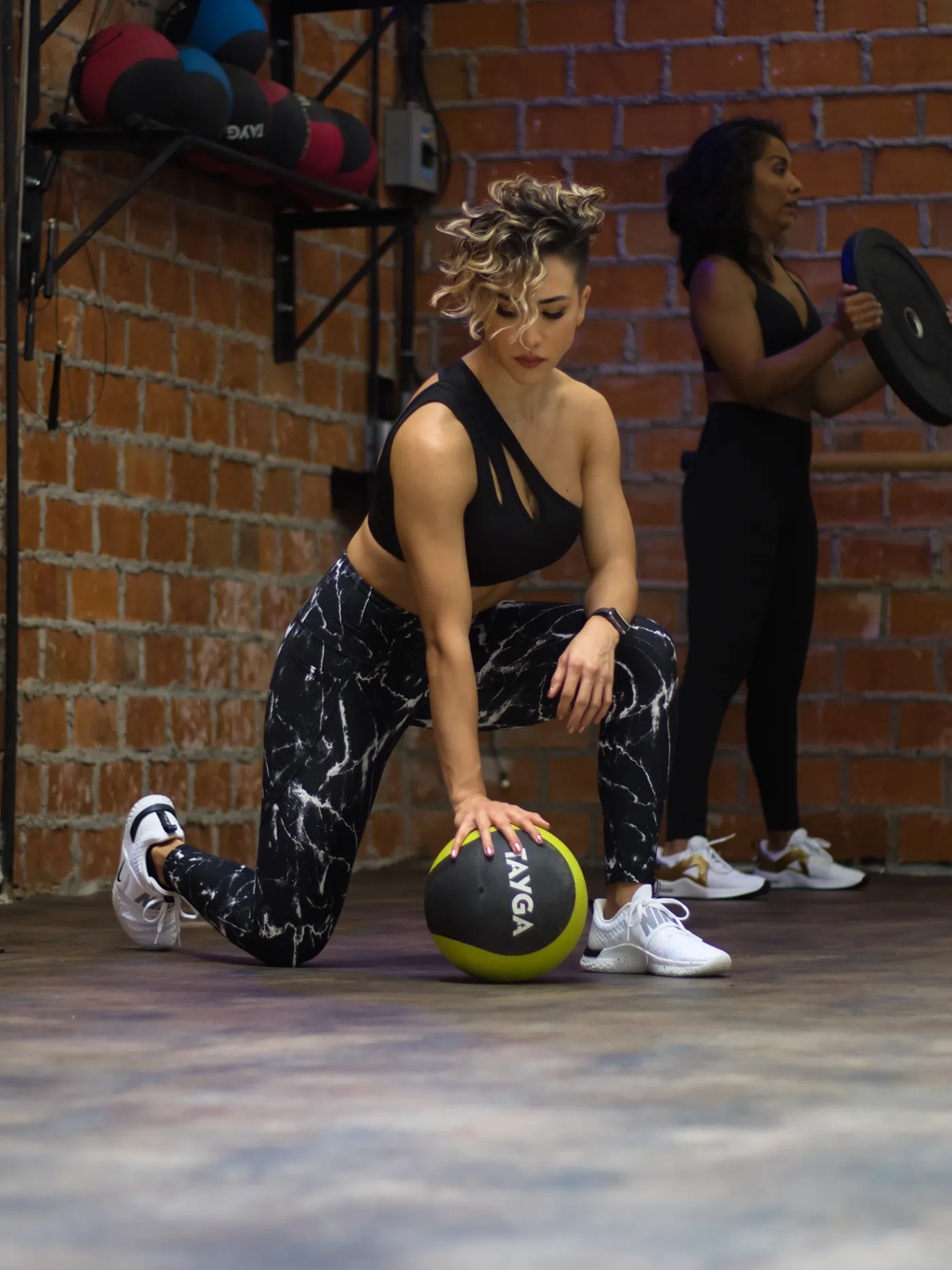
A medicine ball is not automatically a power tool just because it moves quickly. If you do thirty uninterrupted slams until breathing is the limiting factor, you are mainly testing repeat-effort conditioning. If you perform three to five crisp throws with generous recovery, you have a better chance of keeping each repetition fast enough to target explosive output. Neither approach is wrong; confusing them makes progress difficult to interpret.
For power practice, begin with two to four sets of three to six quality repetitions per movement. Rest long enough that the next set looks as sharp as the first, often around one to two minutes or longer for demanding efforts. These are practical starting ranges, not a scientifically established universal dose. Stop a set when distance, height, speed or coordination visibly deteriorates.
For conditioning, lighter implements and longer intervals may make sense. A sequence of controlled carries, squat-to-press movements and low-impact passes can elevate heart rate without requiring maximal release speed. Keep the technique simple as fatigue rises. A conditioning circuit should not be described as the same stimulus as a high-quality power session merely because both use a weighted ball.
The load should be chosen by movement quality. A ball that is too heavy can turn a quick pass into a slow shove. A ball that is too light may be hard to control or fail to provide meaningful resistance for a trained athlete. Record the ball weight, distance and target so that improvements are not just the result of moving closer to the wall.
Equipment Worth Exploring
Explore equipment, accessories and gear from our carefully selected range.
VOLTRA
Compact digital cable trainer with smooth, adjustable resistance.

Go-Tone Pro
Portable digital cable trainer with up to 66 lb (30 kg) of adjustable resistance.




FID Bench MAX
Adjustable bench offering flat, incline, and decline positions + adjustable headrest.
Chest Passes, Rotational Throws and Slams: Choose the Right Tool
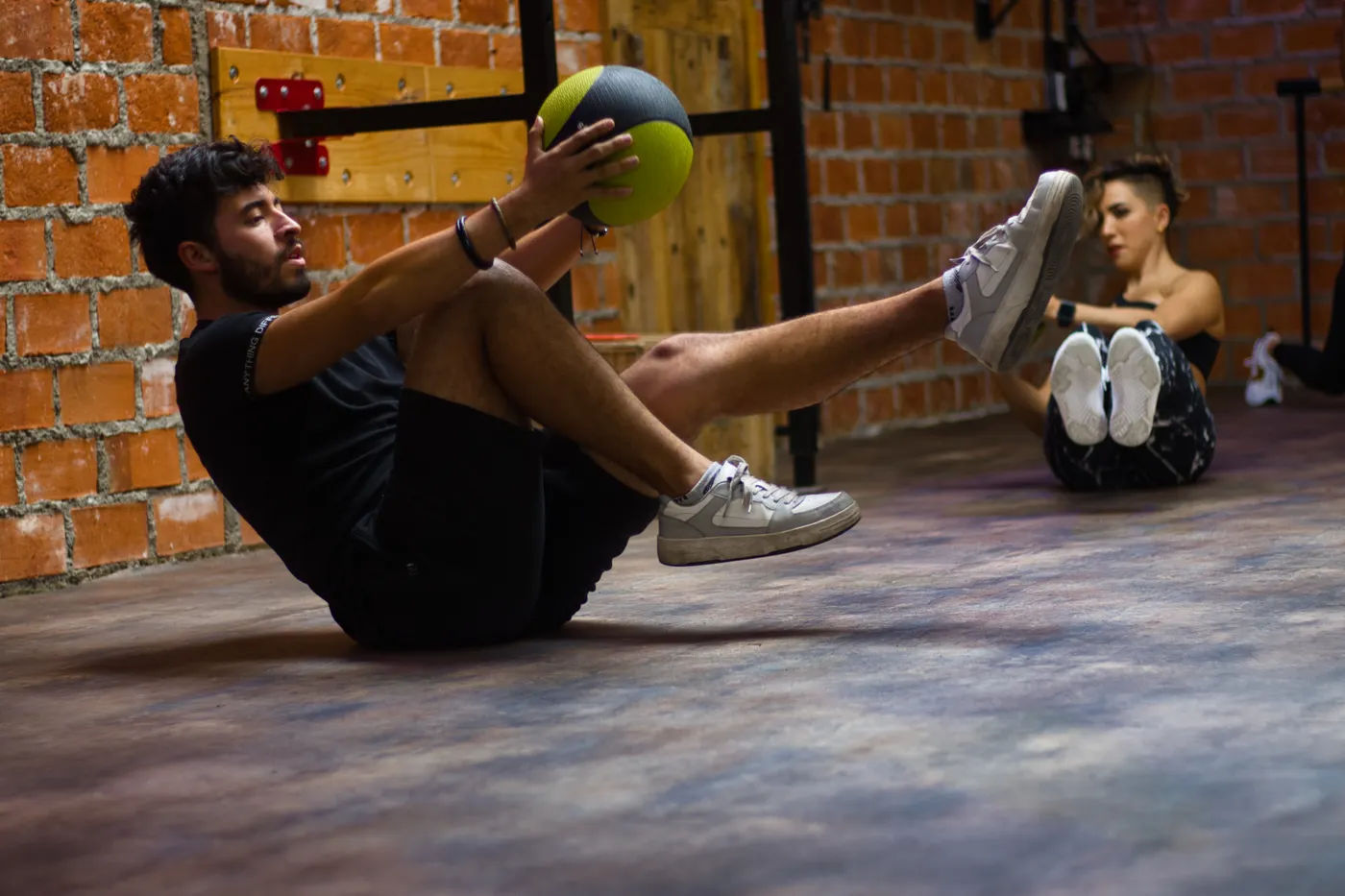
A standing chest pass trains a rapid forward push. Hold the ball at chest height, set a stable stance, make a small coordinated drive through the legs and release the ball toward a suitable target. A partner or purpose-built rebound surface is helpful, but ordinary drywall, glass and unsecured gym equipment are not safe targets. Do not catch a fast rebound unless you have practiced the timing and can control it.
Rotational throws add a different challenge. Turn through the feet, hips and upper trunk as a coordinated system rather than twisting aggressively through the lower back. Begin with a moderate stance and a ball light enough to release smoothly. You can train both directions, comparing control and distance without assuming that a slightly shorter throw proves a muscular imbalance.
A slam ball is designed for ground impact and usually has little or no rebound. That makes it more appropriate for forceful downward slams than a lively rubber medicine ball, which may bounce toward your face. Lift the ball with control, brace the trunk, drive it down and follow through by bending at the hips and knees rather than folding sharply through the spine. Check the ball manufacturer’s permitted use and the floor surface before each session.
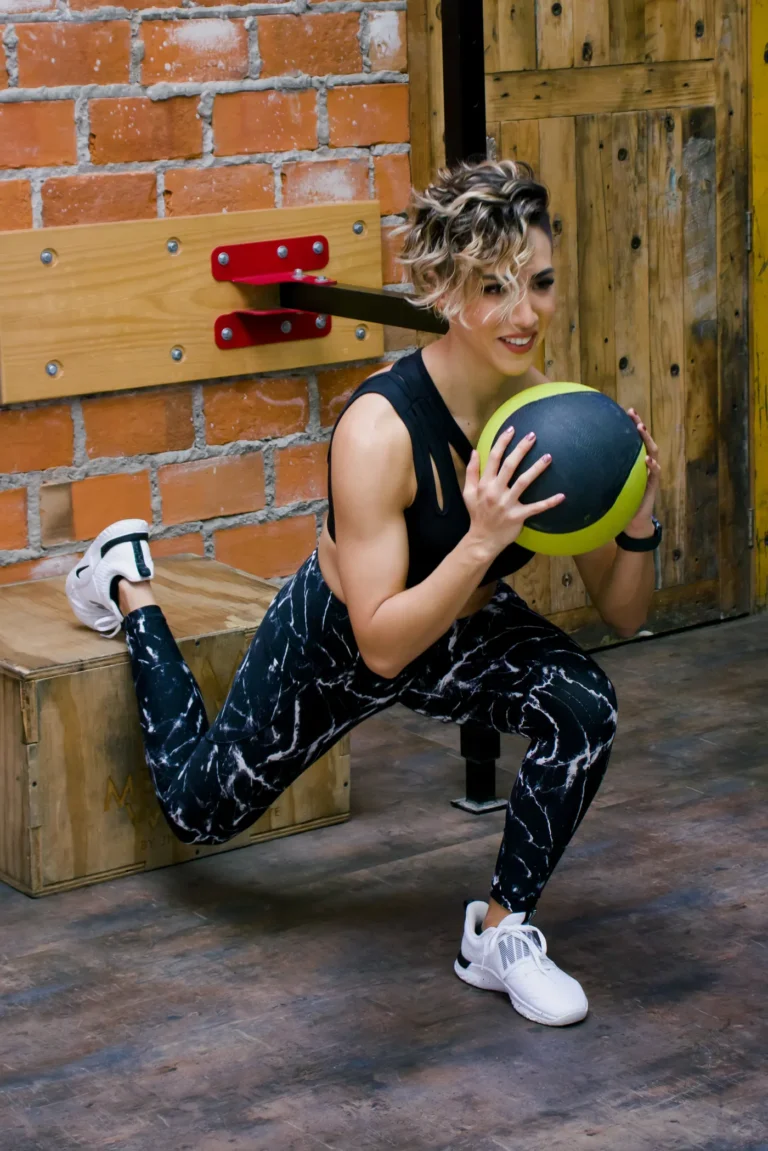
Not every medicine-ball exercise needs to be a throw. A ball held during a lunge, a controlled lift from the floor or a partner handoff can train strength, balance and coordination. These variations may be easier to teach, but they should not be marketed as equivalent to maximal-velocity throwing. Pick the movement for its actual purpose.
Use the Legs and Trunk to Deliver Upper-Body Power
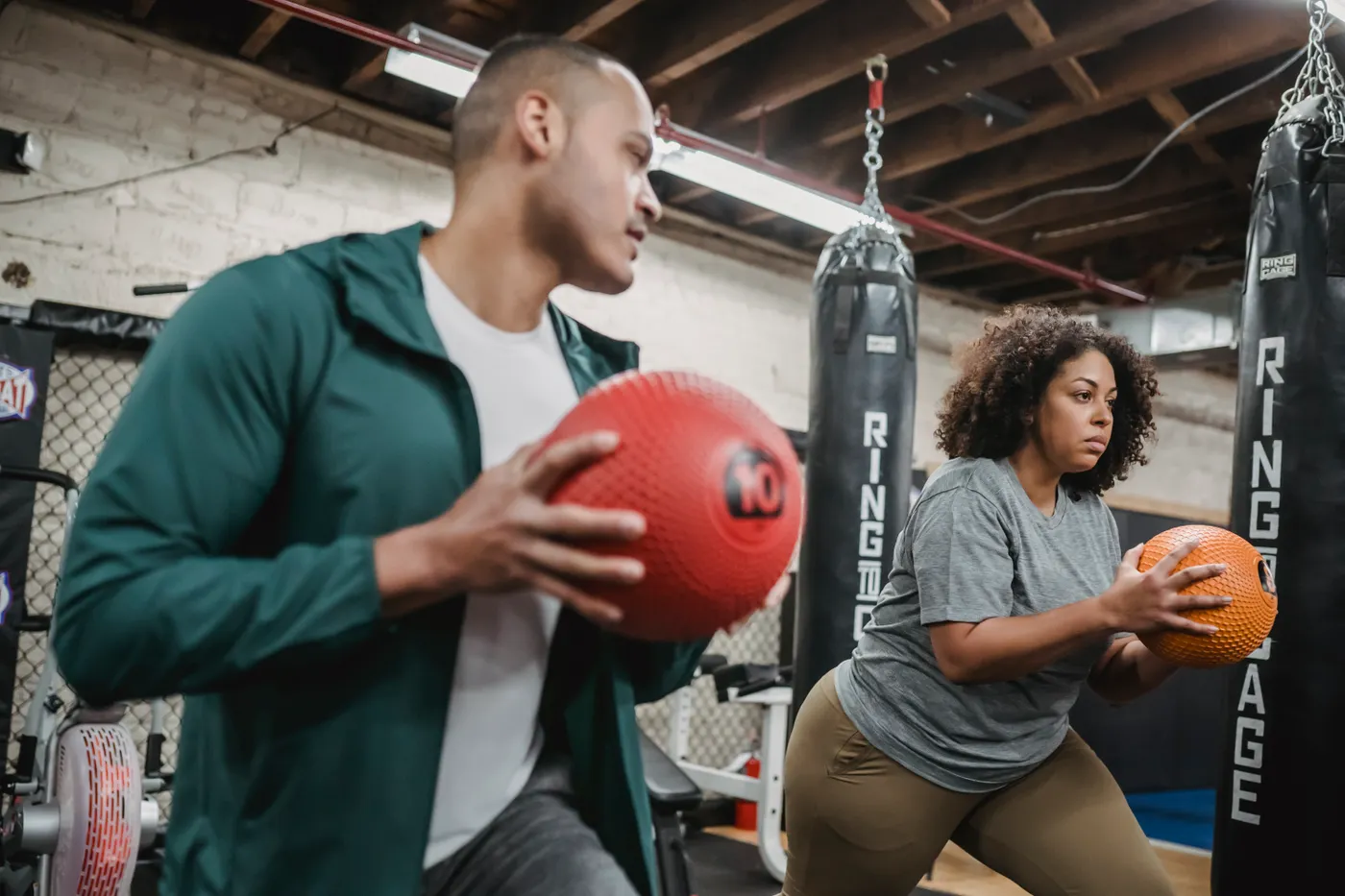
An effective throw rarely begins with the arms alone. Force starts at the ground, travels through the legs and trunk, and reaches the hands through a coordinated sequence. That does not mean every repetition needs a dramatic squat. The goal is a repeatable amount of lower-body contribution that helps the ball accelerate without hiding poor shoulder or trunk control.
For a chest pass, practice three versions: seated with the back supported to emphasize the upper-body push, tall-kneeling to reduce leg drive, and standing to involve the whole body. The distances will differ because the tasks differ. Compare progress within the same version rather than claiming one distance measures pure arm strength.
For a rotational throw, allow the rear foot to pivot and the hips to turn toward the target. Keep the motion athletic and smooth. If the shoulders rotate while the feet remain fixed, the athlete may compensate by twisting the lower back. Reduce speed and load until the sequence feels controlled, then gradually increase intent.
Small experiments can improve technique. Film one set from the side and one from the front. Look for a stable release direction, consistent foot placement and a finish that does not force the athlete to stumble forward. The purpose of filming is feedback, not chasing a perfect-looking throw. Pain, loss of balance or unpredictable rebounds are reasons to modify the drill immediately.

Functional Fitness Shirts & Workout Gear
Functional-fitness shirts, tanks and workout gear for athletes who train strength, conditioning and everything in between.

Forged in the Gym Tee
Show some lifting attitude with a playful “Forged in the Gym: Hephaestus God of Fire” tee.


Lift Together Grow Stronger for Gym Buddies Who Train T T-Shirt
Show some gym-day personality with “Lift Together Grow Stronger”.

Heavy Metal – Kettlebell Rock Music & Gymbros Meme T-Shirt
Heavy lifts, good laughs, and a little “Heavy Metal” energy.


Vitruvian Kettlebell Tee
Heavy lifts, good laughs, and a little “Vitruvian Man With Kettlebells” energy.


Vive La Resistance Bands – Resistance Bands Warmup Mobi T-Shirt
Rep “Vive La Resistance Bands” humor in and out of the gym.


Break the Stereotype Tee
Show some gym-girl attitude with a playful “Break The Stereotype Gym Girl” tee.
Pair Explosive Work With Conventional Strength Training
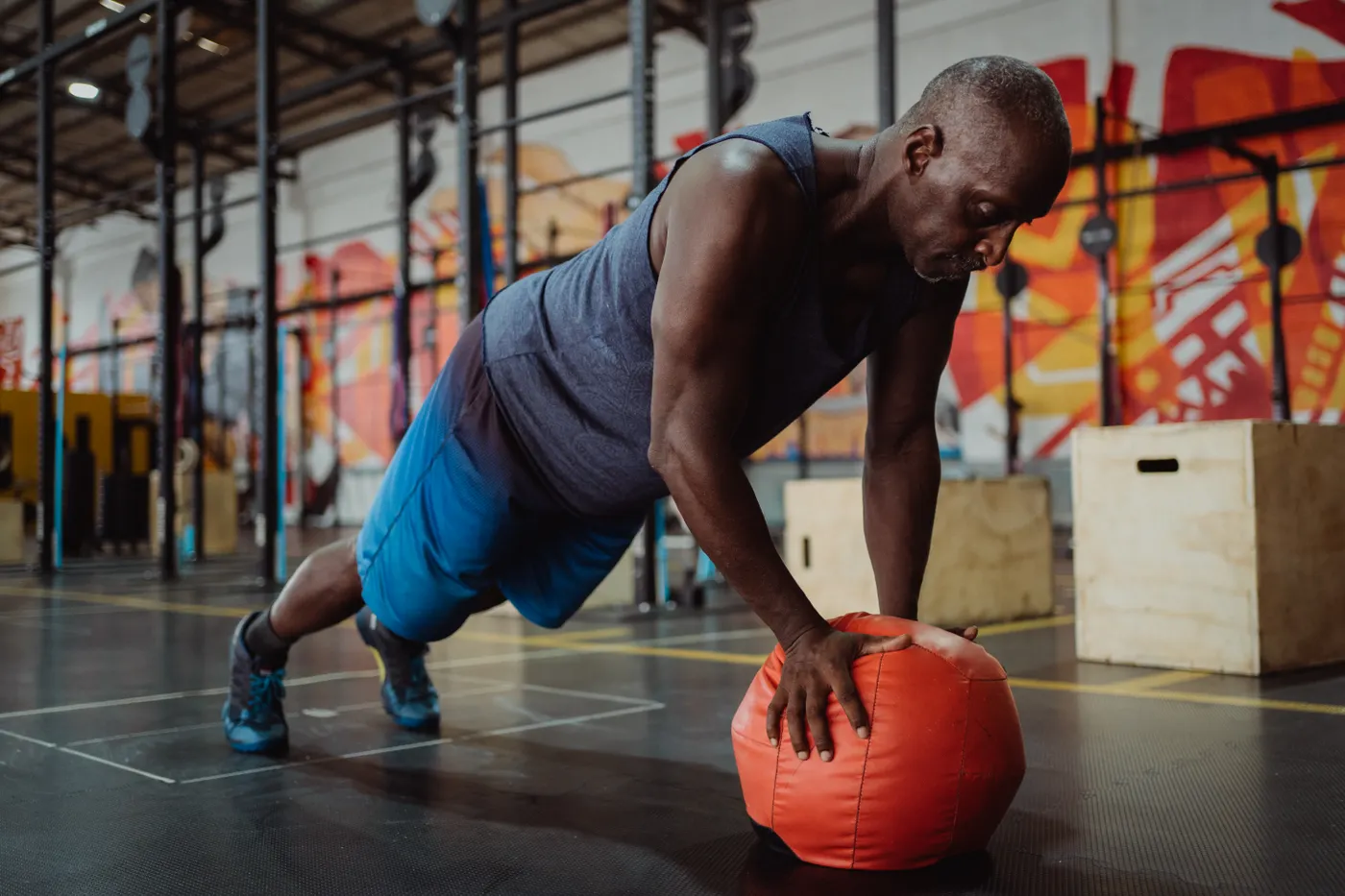
Medicine-ball training is not a substitute for heavy rows, presses, squats and hinges when maximum strength or muscle growth is the priority. In a review of resistance-training approaches for handball throwing, weightlifting had the clearest support for improving throwing velocity. Medicine-ball and band work showed promising findings, but the evidence was less conclusive for some outcomes, including throwing accuracy. That is a useful reminder that explosive drills and progressive loading solve overlapping but different problems.
One practical approach is to place two or three medicine-ball sets after a warm-up and before demanding strength work. The athlete is fresh enough to move quickly, then still has energy for the main lifts. For example, three sets of four chest passes can precede a bench press session. Rotational throws can precede a lower-body or total-body session when they do not interfere with the primary movement.
Some athletes use heavy conditioning lifts before explosive efforts in contrast or complex training. Research on acute upper-body performance enhancement has found benefits in particular combinations, but timing, load, exercise selection and individual response matter. A heavy bench press followed immediately by a maximal throw is not guaranteed to work better; excessive fatigue can make the throw slower. Beginners do not need this complexity.
Keep the hierarchy clear. If a training block aims to build a bigger chest and stronger triceps, count the progressive pressing sets and monitor recovery. Use throws as a small speed-focused addition. If the block targets a throwing sport, the specific throw, practice schedule and technical skill deserve more attention than adding endless accessory exercises.
Two Practical Sessions for Strength and Explosive Control
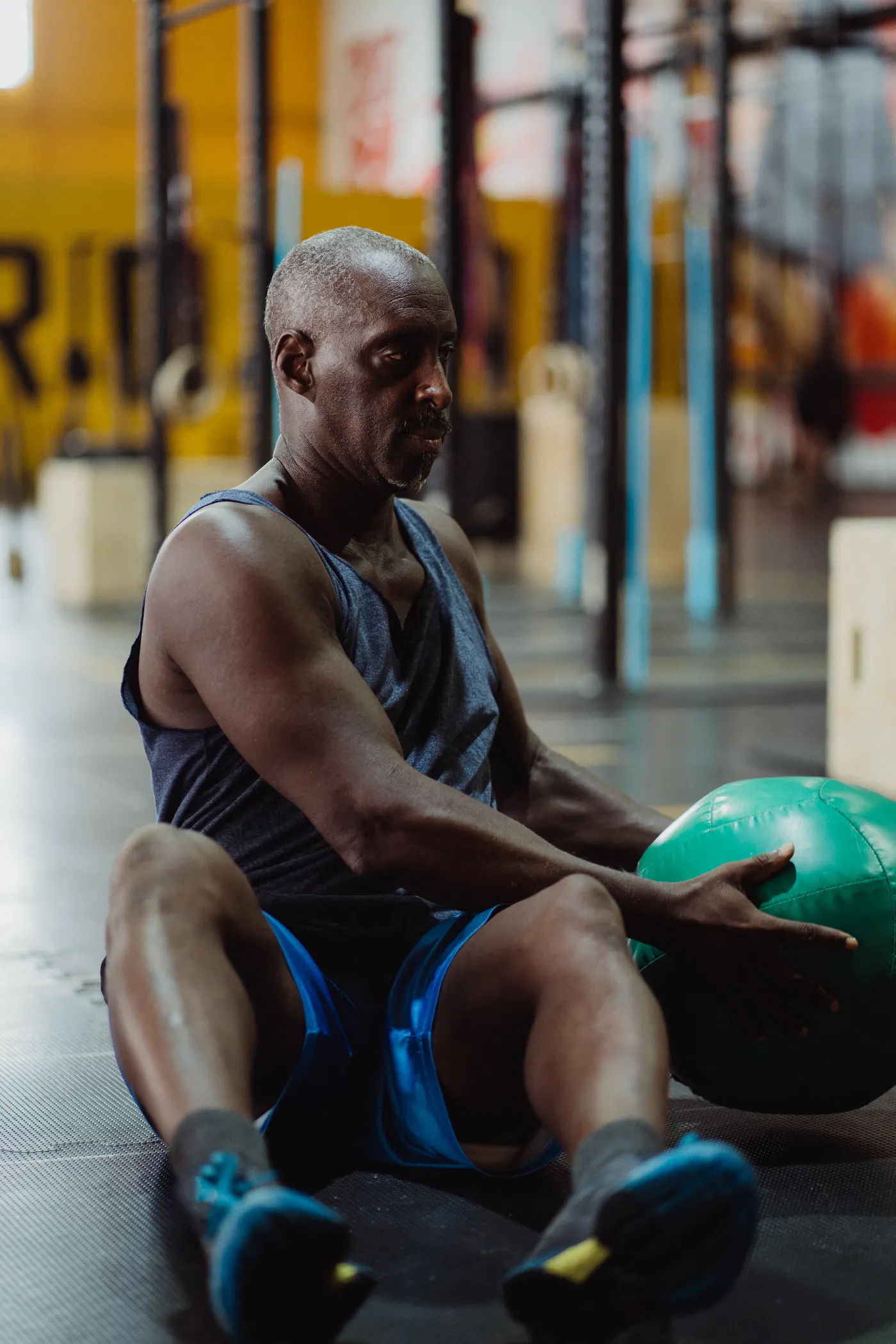
Session A starts with five to eight minutes of light movement and progressively faster practice throws. Then perform standing chest passes for three sets of four, followed by rotational throws for two sets of four per side. Rest between sets and keep the release target consistent. Continue with a horizontal press for three sets of six to ten, a row for three sets of eight to twelve, and a controlled lower-body exercise for two or three sets. The strength sets should feel challenging without destroying the next workout.
Session B begins with a similarly gradual warm-up. Perform three sets of four controlled downward slams using a suitable non-bouncing ball and impact-safe surface. If slams are not permitted, use a low-speed lift-and-place drill instead; do not improvise a throw in a cramped room. Follow with a squat or hinge for three sets of six to ten, a vertical pull for three sets of eight to twelve, and a comfortable shoulder or trunk exercise for two sets.
Space and supervision determine which variations are realistic. A commercial gym may have a reinforced wall and a marked throwing lane. A small training room may not. Never throw toward mirrors, windows, loose plates, another person’s walkway or an ordinary wall. If there is no safe release area, choose controlled medicine-ball lifts, bands, cable presses or ordinary strength work until a suitable space is available.
Two sessions per week are enough to learn the patterns and assess whether the drills add value. More frequent throwing can make sense for trained athletes with specific sport goals, but the best schedule depends on the total workload from practice, pressing and other training. A person with an irritated shoulder should prioritize symptom-free movement and professional guidance rather than force explosive overhead work.
Equipment Worth Exploring
Explore equipment, accessories and gear from our carefully selected range.


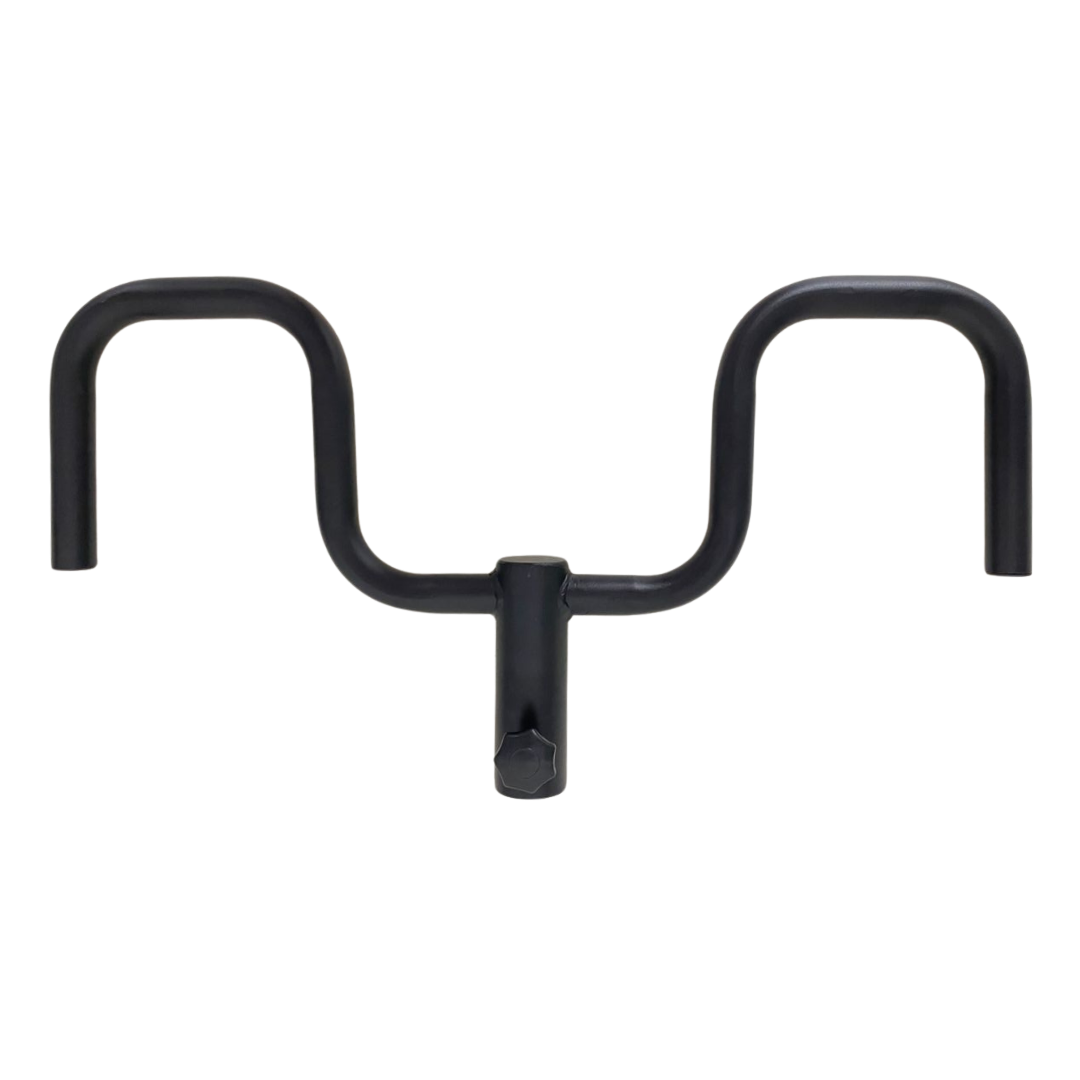
GymPin Ergo Handles
Pair of ergonomic cable handles shaped for comfortable triceps and pulling exercises.
A Four-Week Progression and a Useful Safety Audit
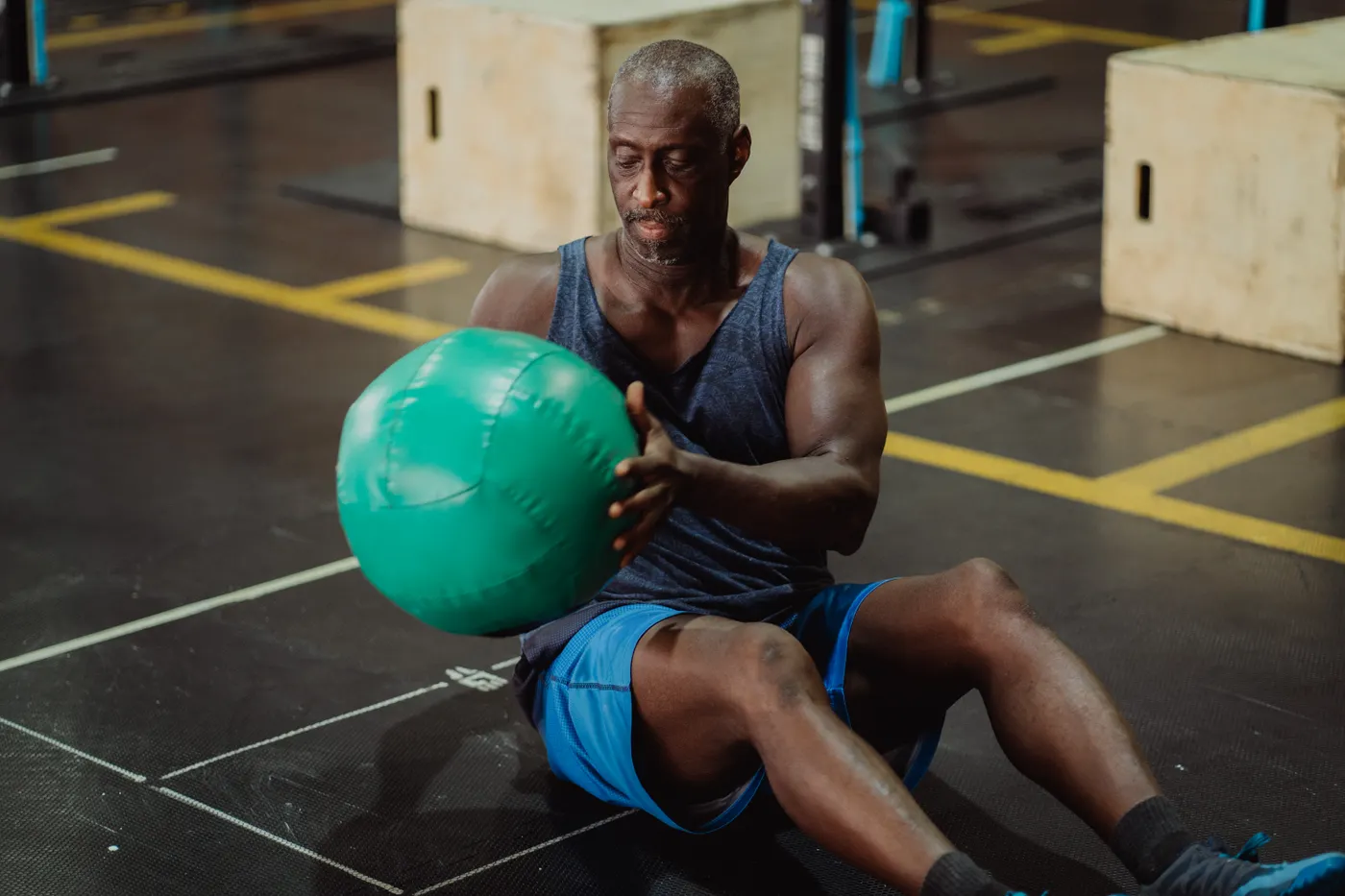
Week one is about finding a ball weight and movement variation that produce repeatable technique. Use the same distance to the target, the same stance and the same number of practice attempts. Record how far or high the ball travels only if the measurement can be made safely. A controlled, repeatable pass is a better starting point than one spectacular throw followed by five awkward catches.
In week two, try improving the quality of the existing sets: cleaner releases, more consistent landing positions and less variation between repetitions. Add repetitions only if they remain fast. In week three, consider a small increase in ball weight or an extra set, not both automatically. A heavier ball is not progress if it slows the throw enough to change the intended stimulus. In week four, repeat the week-one test with the same ball and setup before comparing results.
Use four separate outcomes: the best safe throw distance, consistency across attempts, performance in the main strength lifts, and shoulder or back comfort during the following day. Improvement in one area does not guarantee improvement in the others. If the throw improves but pressing strength falls because recovery is poor, reduce throwing volume. If the lifts improve while throws stay flat, you may need better technical practice rather than heavier medicine balls.
Inspect the equipment before use. Look for split seams, a damaged shell or an unexpectedly lively rebound. Use footwear with adequate grip and keep bystanders outside the release zone. Do not use a partner catch drill until both people know the intended direction and timing. Explosive training should feel fast and controlled, not chaotic. Build the skill gradually, keep heavy strength work in the program, and judge success by what you can repeat safely.
Bodybuilding Shirts & Workout Gear
Bodybuilding shirts, tanks and gym gear for lifters chasing muscle, size, symmetry and the pump.


I Love Bench Press Gym | Funny Heart Plate Muscle Shirt Tank Top
Add some lifting attitude to training with “I Love Bench Press”.

Ultimate Bench Press Tee
Heavy lifts, good laughs, and a little “Ultimate Bench Press” energy.

Hardcore Lifting Skull Gym | Heavy Metal Workout Vest & Tank Top
Train hard, laugh a little, and rep “Hardcore Lifting Skull”.

Fiery Skull Gym Pullover Training Gift Uplift Iron Club Hoodie
Keep it laid-back with a little “Hoodie Fiery Skull” attitude.

Muscle Meme AC/DC Rock Music & Gains T-Shirt
Show some rock-and-lifting attitude with a playful “Muscle” tee.

Heavy Metal – Rock & Lift Muscle Shirt for Bodybuilding Tank Top
Train hard, laugh a little, and rep “Heavy Metal”.

Lift And Bleed – Heavy Metal Workout Vest Muscle Shirt Tank Top
Train hard, laugh a little, and rep “Lift And Bleed”.

Ride The Lifting Ride The Lightning Album Cover Parody Tank Top
Your gym-day look, with a playful “Ride The Lifting” twist.

Crazy Train Hooded Pullover Ozzy Metal Fans Hoodie
Bring “Crazy Train” gym humor to lazy days and post-workout plans.