Ask ten people what it means to get stronger and you may hear ten answers: a heavier squat, more pull-ups, a faster sprint, fewer breaks while carrying groceries or better control when a movement suddenly changes direction. These achievements overlap, but they are not interchangeable. A person who can grind out one enormous deadlift is not automatically the person who can repeat moderate efforts for several minutes or accelerate a light load most quickly.
The useful question is not simply, “How strong am I?” It is, “Strong at what task, under what conditions, and how will I measure progress?” Training becomes easier to design when those details are explicit. The categories below are practical coaching lenses rather than seven completely separate biological systems. They help you emphasize the quality you need without pretending that a muscle knows the name of the workout written on your calendar.
One Word, Several Different Adaptations
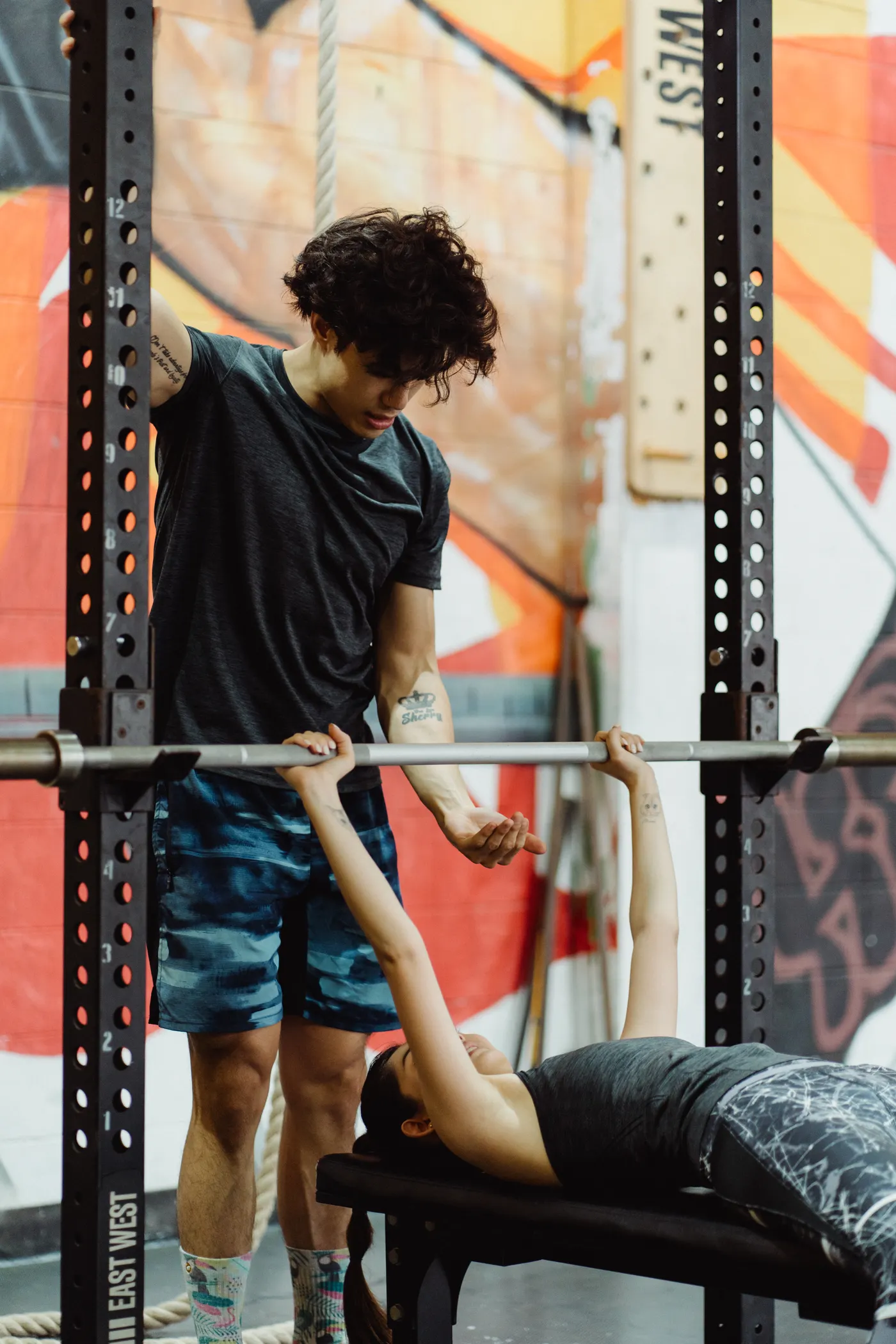
Muscle produces force, but performance also depends on how quickly that force appears, how long it can be repeated, the leverage of the movement and the skill needed to coordinate the body. A one-repetition maximum mainly tests force production in a particular lift. A set of 25 controlled repetitions challenges local fatigue resistance. A jump measures the ability to express force rapidly, while a strict pull-up also reflects how much body mass must be moved.
That distinction matters when choosing exercises. If your goal is a bigger bench press, spending every session on light, fast circuits is an indirect route. If your goal is carrying equipment up stairs without stopping, practicing only heavy singles misses the repeated-work component. Neither approach is inherently superior; each is more or less specific to the result you want.
It also matters when interpreting progress. An extra five kilograms on a bar, two more pull-ups and a quicker 10-meter acceleration are three different improvements. Track them separately rather than trying to collapse them into one universal strength score. A sensible program can develop several qualities, but usually gives one or two priority at a time.
Maximum Strength: Raise Your Force Ceiling
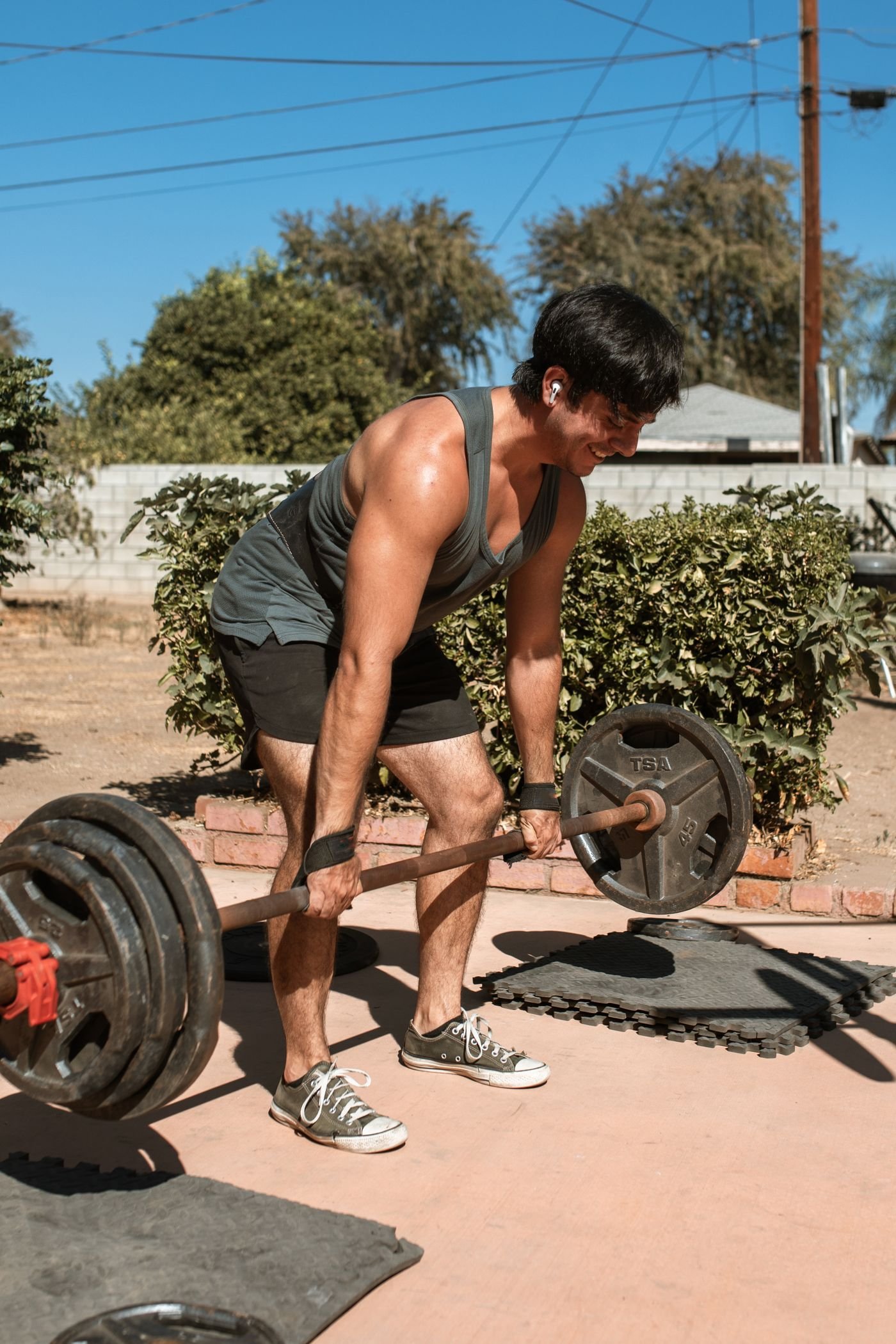
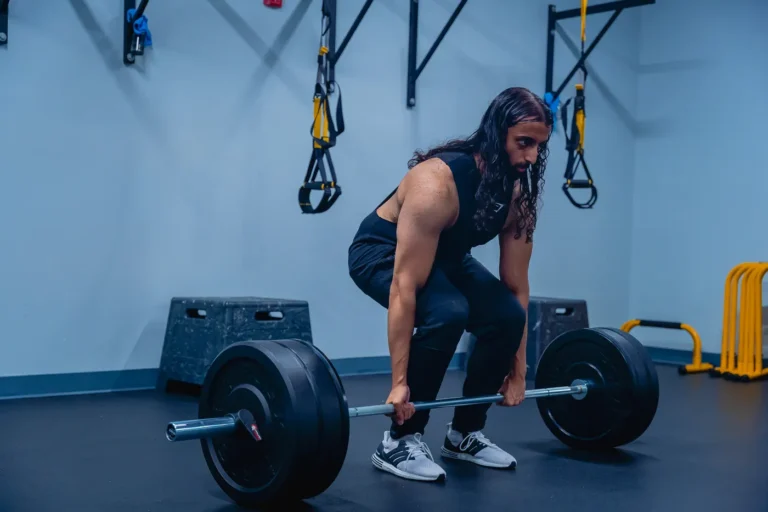
Maximum strength is the greatest force you can express in a specific task. In the gym, we usually estimate it with a heavy single or a calculated one-repetition maximum. Squats, presses, rows and deadlift variations are useful because they permit consistent technique and gradual increases in external load. The exact number is movement-specific: a strong trap-bar deadlift does not directly translate into the same number on a conventional barbell.
Heavy practice improves more than muscle size. You become better at bracing, coordinating the joints, recruiting the muscles needed for the lift and expressing force against a demanding load. This is one reason two people with similar muscle mass can have very different personal records. It is also why beginners can make substantial strength progress before their appearance changes dramatically.
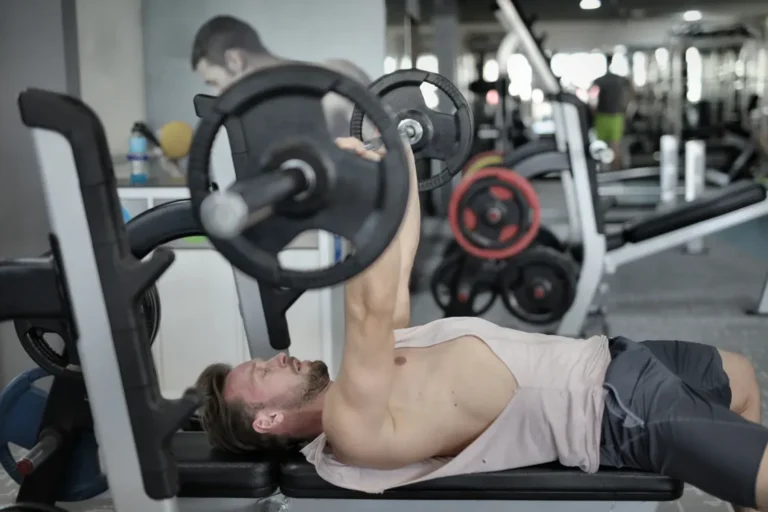
For a healthy intermediate lifter, a practical main-lift prescription might be three to five sets of three to six repetitions, with two to four minutes of rest and one or two technically clean repetitions left in reserve. These are working guidelines, not a requirement to test a true maximum every week. Newer lifters can build the same foundation with controlled sets of six to ten, prioritizing consistent range of motion and confidence under the bar.
Increase the load only when the target repetitions are repeatable at the intended effort. A small increment that preserves depth, bar path and control is more valuable than a larger jump that turns every repetition into a different exercise. If a joint is irritated, use a tolerable variation or machine instead of forcing a specific lift. The goal is progressive force production, not loyalty to one implement.
Heavy strength training also supports other goals by raising the ceiling from which submaximal efforts are drawn. A weight that once represented 75% of your maximum may become a smaller fraction after several months. That can make everyday lifting feel easier, but endurance and movement skill still deserve their own practice.

Equipment Worth Exploring
Explore equipment, accessories and gear from our carefully selected range.


FID Bench MAX
Adjustable bench offering flat, incline, and decline positions + adjustable headrest.


Leather Lifting Straps
Padded leather straps support grip during heavy rows, deadlifts and pulling exercises.
Strength Endurance: Repeat Good Work as Fatigue Builds
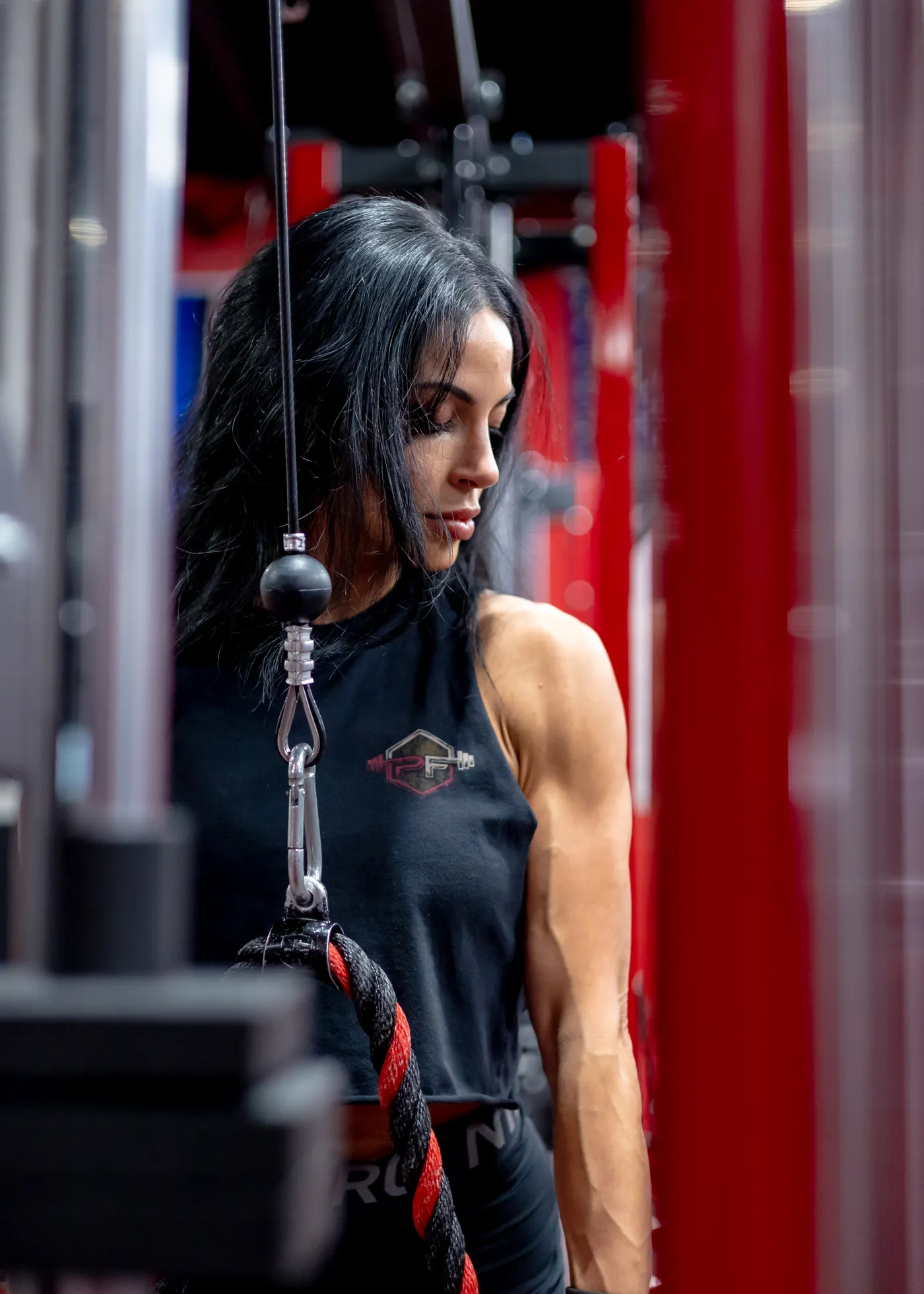
Strength endurance is the ability to keep producing useful muscular force across repeated contractions or a sustained effort. Think of a long set of rows, a series of step-ups, carrying luggage across a terminal or repeated physical tasks at work. This is not identical to cardiovascular endurance, although breathing capacity and aerobic fitness can influence how long you can continue.
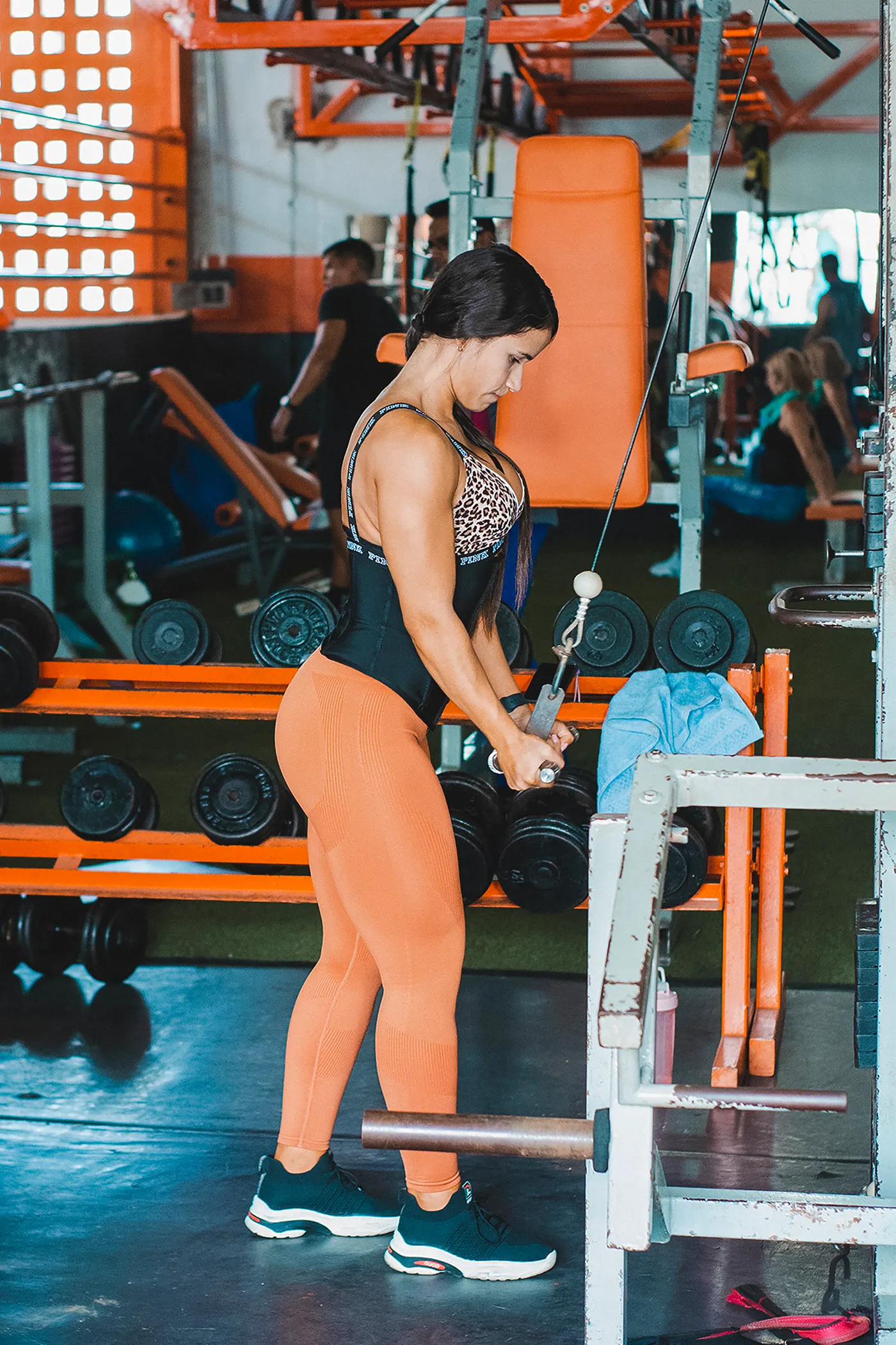
A common mistake is to equate endurance training with doing as many sloppy repetitions as possible. Quality still counts. Choose a load you can control through the planned range, stop before technique collapses and gradually improve total repetitions, duration or density. For example, three sets of 12 cable rows with 75 seconds of rest might progress to three sets of 15, or to the same work with slightly shorter rest, depending on your goal.
Moderate-to-high repetition work is useful here, but the load should be challenging enough to require effort. A 15-repetition set that could easily have continued to 40 is unlikely to be the most efficient way to build either muscular endurance or muscle. Conversely, constantly training to absolute failure can produce fatigue that interferes with the rest of the week. The productive middle ground is controlled, repeatable work that gradually becomes more demanding.
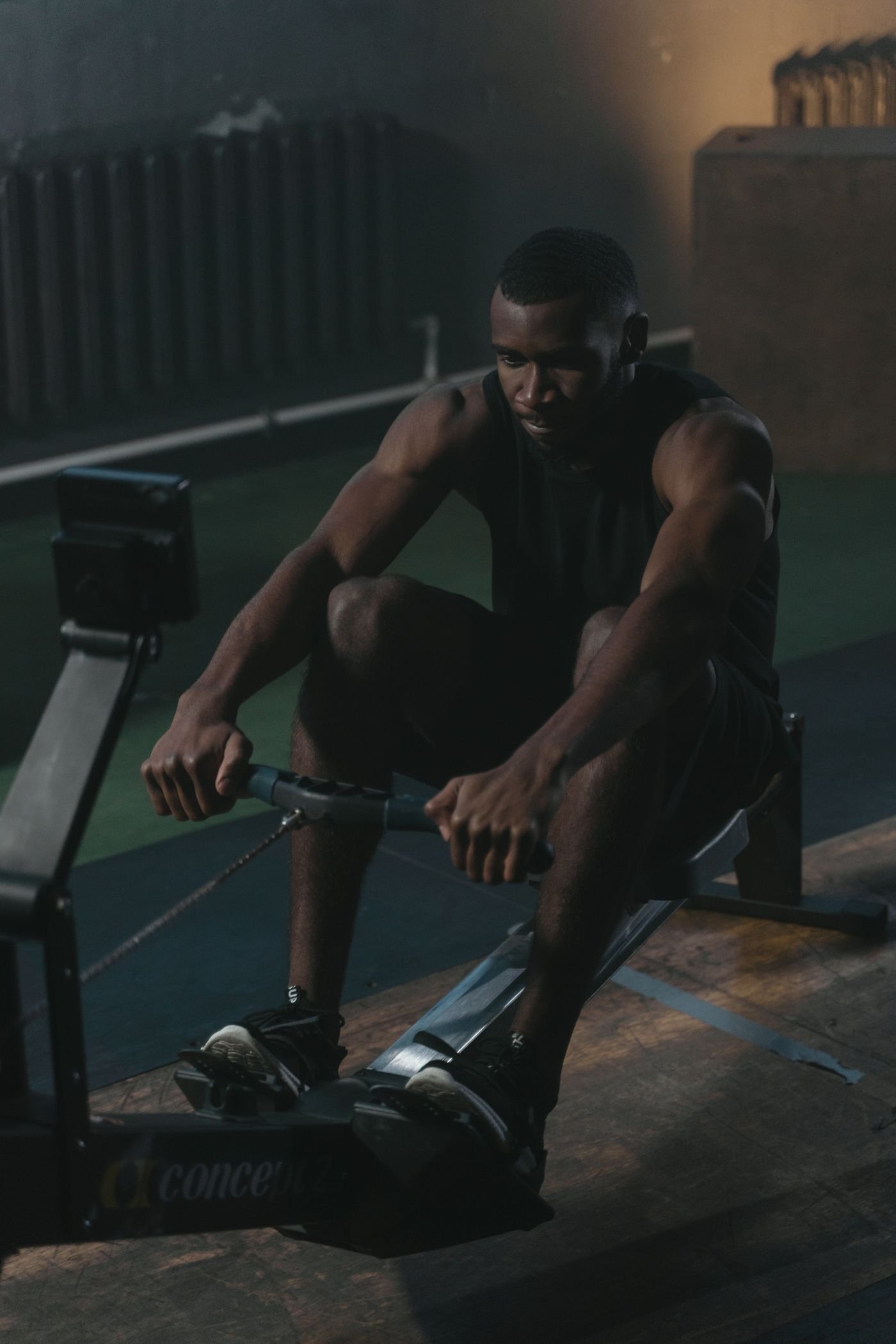
Endurance work also has a place beside heavy lifting. After your primary strength exercise, use two or three sets of 10 to 20 repetitions for an accessory movement, or finish with short carries or step-up intervals. That gives you exposure to repeated force production without turning the entire session into a conditioning competition. A rowing machine is excellent general conditioning, but it should complement rather than replace the specific resistance task you want to improve.
Research comparing heavier and lighter resistance training suggests that a broad range of loads can produce muscle growth when sets are sufficiently demanding. Heavier loads, however, tend to have an advantage for one-repetition-maximum performance. That is a reason to match your loading to your test, not to declare high-repetition training useless.

Powerlifting Shirts & Lifting Gear
Powerlifting shirts and gym gear for squat, bench and deadlift lifters who live for heavy numbers.

Skeleton Deadlift Powerlifters & Deadlift Lovers Tank Top
Add some deadlift attitude to training with “Skeleton Deadlift”.

Deadlift Skull Cyberpunk Gym Decal for Powerlifting and Sticker
Give your everyday gear a playful “Deadlift Skull” twist.

Gym Cult Occult Barbell Meme – Powerlifting Bodybuildin T-Shirt
Show some gym-day personality with “Gym Cult”.

Lifting Cult Meme Bodybuilding Powerlifting Workout Gym Hoodie
Show off your powerlifting humor in a laid-back “Lifting Cult” hoodie.

My Therapy – Bodybuilding Powerlifting Meme Sweater T-Shirt
Add a playful “My Therapy” touch to your casual rotation.

Liftin Metal – Heavy Metal & Gymbros – Gains T-Shirt
Make gym days more fun with “Liftin Metal” style.

Grateful Deadlift Lifting Bears Tee
Show some deadlift attitude with a playful “Grateful Deadlift” tee.

I Love Deadlifts Gym | Funny Valentine's Weightlifting Sticker
Put “I Love Deadlifts” gym humor on your laptop, bottle, or gym gear.

Preworkout – Heavy Metal Gym Vest for Bodybuilding and Tank Top
Bring “Preworkout” humor to your next lifting session.

Explosive Strength and Speed Strength: Force Has a Clock
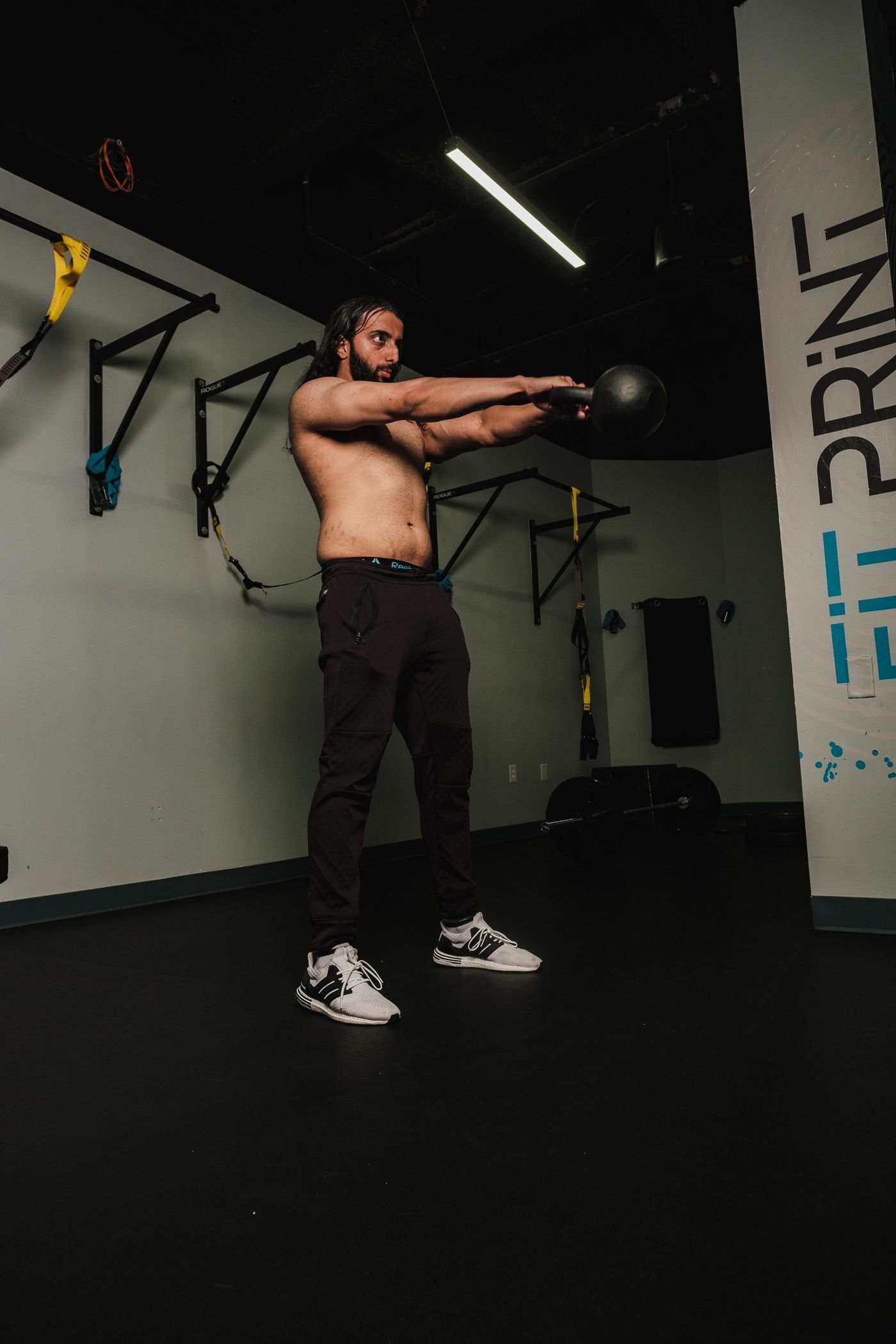
Producing force quickly is a different problem from eventually producing a great deal of it. A vertical jump, a quick medicine-ball throw and an athletic change of pace give you only a brief window to apply force. The useful outcome depends on both the force you can generate and the speed at which the movement occurs. In simple terms, power is force multiplied by velocity, but real exercises also involve technique, timing and the direction of force.
Explosive strength describes rapid force production, often from a loaded or countermovement position. Speed strength emphasizes the ability to express force at high movement velocities. These labels overlap, and coaching terminology is not perfectly standardized. What matters in practice is that you deliberately train speed when fresh, with a load that allows the movement to remain fast and technically sound.
For a home gym, a useful starting point could be three sets of three medicine-ball chest passes, three sets of five controlled kettlebell swings or a few low-volume jumps if landing mechanics are comfortable. Rest long enough that each set is crisp. The goal is high-quality repetitions, not turning a power exercise into a breathless endurance test. A swing is driven by the hips, not a slow front raise with the arms.
Heavy strength work and speed work can complement each other. Raising the force ceiling gives you more potential force to express; fast practice teaches you to use the available force within a shorter time. That does not mean every heavy set must be followed by a jump. It means a program built for athletic performance should include some movements where velocity is a genuine objective rather than an accidental by-product.
For beginners, adults returning after a long break or anyone with pain, start with rapid but low-risk intent on familiar movements before adding ballistic drills. Moving a light cable row or squat with a purposeful concentric phase, while controlling the lowering phase, can be a safer introduction than maximal jumping. Stop when speed clearly deteriorates or form changes.
Starting Strength and Agile Strength: The First Move Matters
Starting strength concerns how effectively you initiate force from a stationary position, without relying on a preceding bounce or stretch-shortening cycle. Picture standing up from a low chair, beginning a heavy sled push or lifting a bar from a dead stop. The first part of the movement can be the hardest because momentum has not yet developed.
You can train this quality with paused repetitions, dead-stop rows, controlled pin squats or a seated-to-standing movement. A pause removes the temptation to rebound through the difficult position. Start with modest loads, establish balance and bracing, then drive through the intended movement without jerking. Two or three sets of three to six well-executed repetitions can provide a useful technical stimulus. The point is controlled force from rest, not an uncontrolled maximal effort.
Agile strength is a broader coaching description for producing, absorbing and redirecting force while the body changes position or direction. It matters when carrying an awkward object, stepping around an obstacle, recovering balance or moving in a sport. It includes braking and control as much as acceleration. A heavy straight-line squat does not automatically prepare every plane of movement.
Single-leg step-downs, lateral lunges, suitcase carries and controlled direction changes can expose the body to these demands. Begin slowly, own the positions and then add speed or load. A suitcase carry, for example, challenges the trunk to resist side-bending while the legs continue to walk. A lateral lunge asks the hips and knees to manage force outside the familiar forward-backward pattern.
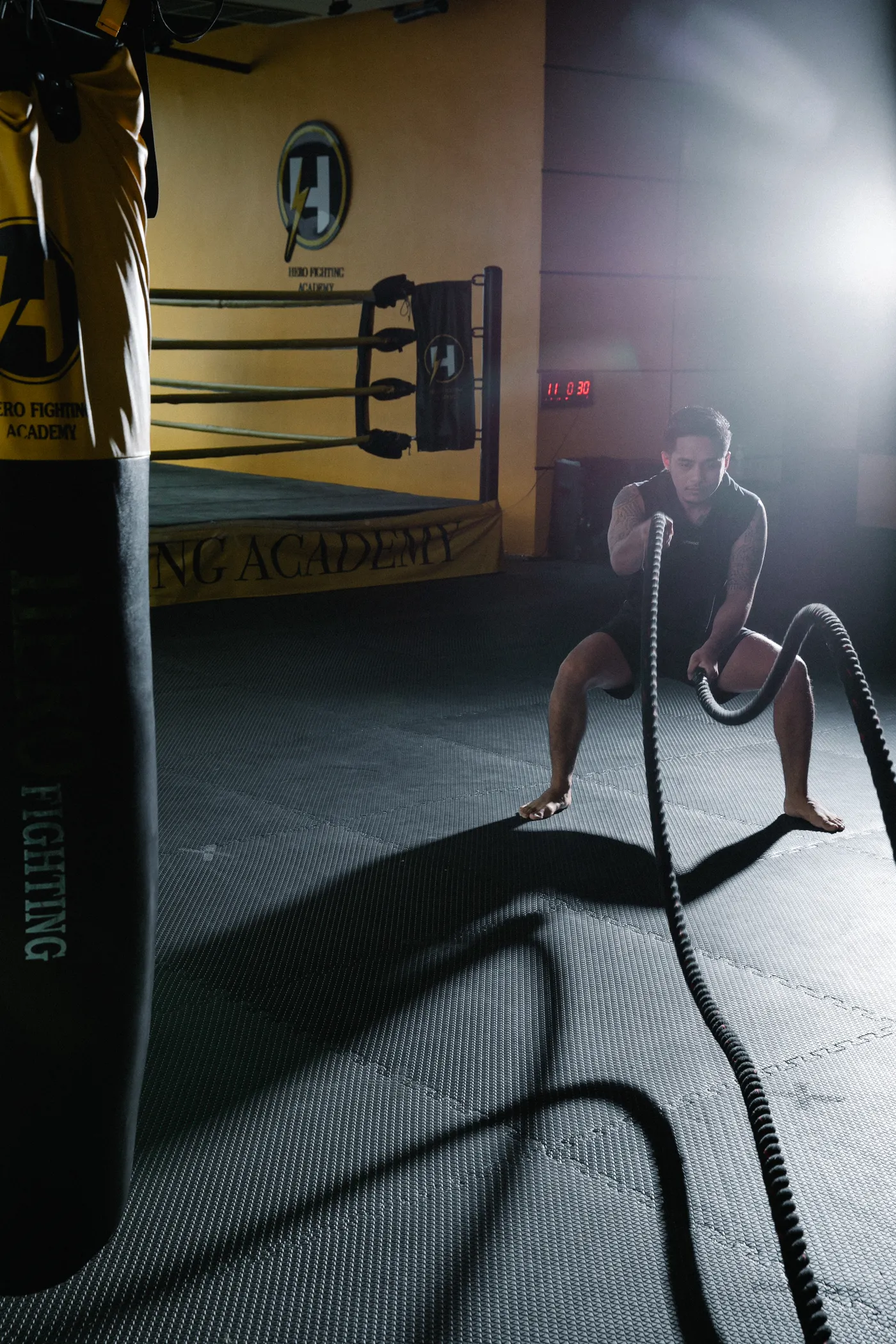
Neither starting nor agile strength is a magic separate muscle fiber. Both are expressions of strength under particular mechanical and timing constraints. The practical benefit of naming them is that you remember to train the transitions and positions that ordinary straight-line repetitions may overlook. Battle ropes or mixed-direction conditioning can add variety, but should not be confused with precise evidence that a particular exercise prevents injury.
Equipment Worth Exploring
Explore equipment, accessories and gear from our carefully selected range.
VOLTRA
Compact digital cable trainer with smooth, adjustable resistance.




Relative Strength: How Much Can You Move for Your Size?
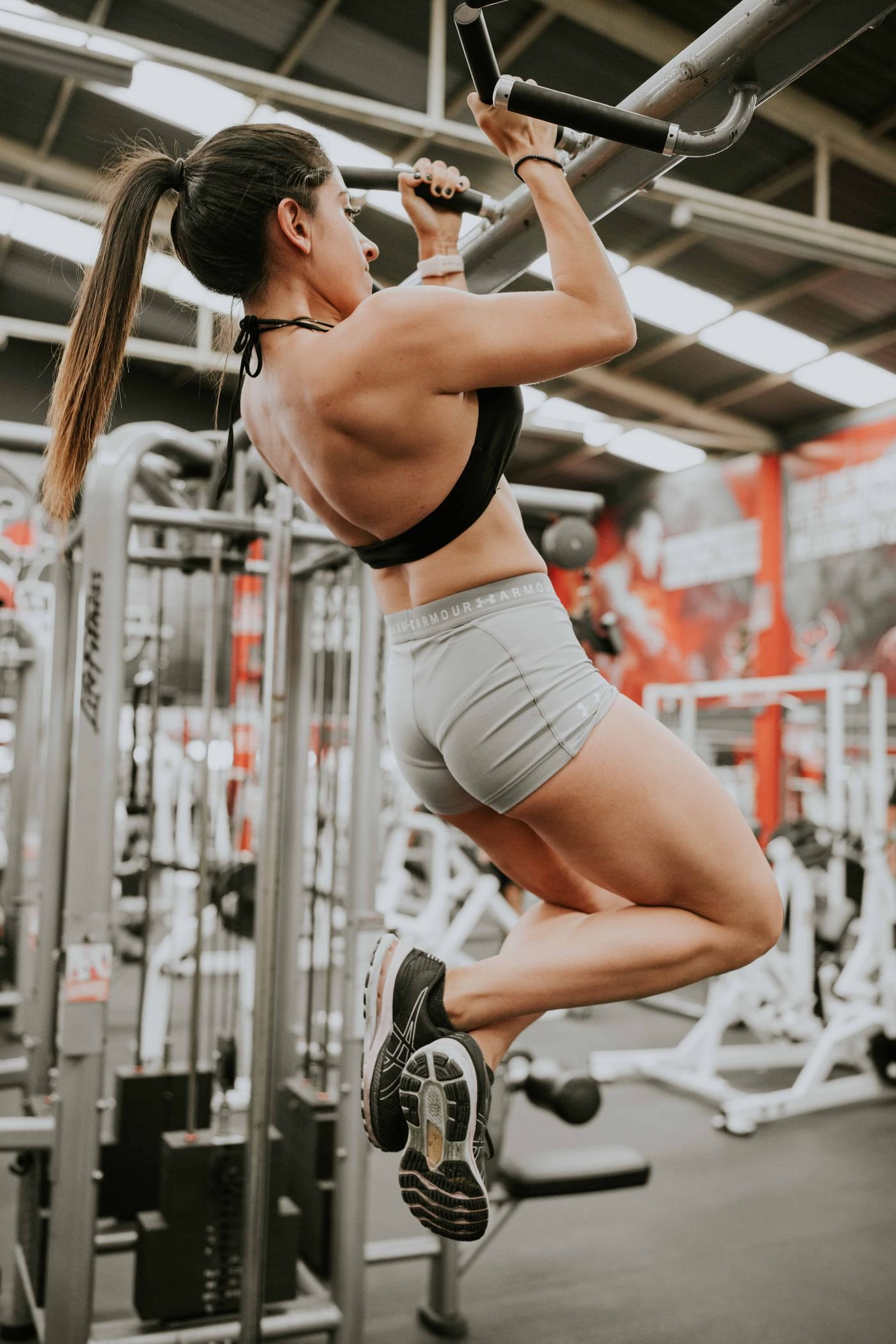
Absolute strength describes the load or force you can produce. Relative strength considers that performance in relation to body mass. It is especially relevant when you must move yourself: pull-ups, climbing, gymnastics, sprinting and many bodyweight exercises. Someone who deadlifts more kilograms is not automatically better at pull-ups if they also have substantially more body mass to move.
A simple relative-strength ratio divides a lift by body weight. If a lifter weighing 80 kilograms deadlifts 160 kilograms, the ratio is 2.0. That number can be useful for tracking the same person over time, but it is not a universal ranking of athleticism. Height, limb lengths, technique, age and the exact movement all affect the comparison. Nor does a ratio capture the full challenge of a strict pull-up or a single-leg squat.
Improving relative strength does not necessarily require losing weight. You can become stronger at a stable body mass through progressive resistance training, more efficient technique and additional muscle. If body composition changes are part of the goal, avoid chasing a lighter scale number at the expense of recovery and performance. A lower body weight that comes with a large strength loss may not improve the ratio you care about.
For a practical home-gym progression, choose a repeatable bodyweight test: strict pull-ups, controlled push-ups or a timed loaded carry scaled to your size. Establish a baseline with consistent form, then practice twice weekly. Add a repetition, improve the movement range or use small external loading only when the previous level is reliable. For pull-ups, bands, assisted variations and rows can help build the pattern while full repetitions develop.
Relative strength is not the opposite of maximum strength. They can rise together. The distinction simply tells you which denominator matters to the activity. A powerlifter might prioritize total kilograms on the bar; a climber might care more about moving their own body efficiently. Train and measure accordingly.
Functional Fitness Shirts & Workout Gear
Functional-fitness shirts, tanks and workout gear for athletes who train strength, conditioning and everything in between.

High Rocks Functional Fitness Tee
Show some lifting attitude with a playful “Hyrox High Rocks Gym Bro” tee.

Viva La Resistance Bands , Meme Shirt, Top T-Shirt
Make gym days more fun with “Viva La Resistance Bands” style.


Forged in the Gym Tee
Show some lifting attitude with a playful “Forged in the Gym: Hephaestus God of Fire” tee.

Battle Ropes Training Tank
Add some superhero attitude to training with “Wonder Woman Battle Ropes”.

Feminist Gym For Strong Women | Break The Stereotype Fu Hoodie
Keep it laid-back with a little “Feminist” attitude.


For Whom the Bell Curls Tee
Show some metalhead attitude with a playful “For Whom The Bell Curls Kettlebell” tee.

OnlyGains Kettlebell Meme Hooded Jumper Hoodie
Bring “OnlyGains” gym humor to lazy days and post-workout plans.
Build a Week That Matches Your Real Goal
You do not need seven different workout days to train seven named qualities. Begin by choosing a primary outcome, one secondary outcome and a small number of reliable tests. Then let the main lift, accessory work and conditioning reflect those priorities. Most recreational lifters will do well with two to four resistance sessions each week, adjusted for experience, recovery and other sports.
Day A: force and control. Start with a squat or deadlift variation for three sets of five to eight, resting about two minutes. Follow with a horizontal press and row for two or three sets of six to ten each. Finish with two sets of controlled lateral lunges or step-downs. Keep the main work challenging but leave enough in reserve to repeat the session next week.
Day B: speed and repeated work. After a warm-up, perform three sets of three to five quick, technically sound movements such as medicine-ball passes, light kettlebell swings or fast concentric cable pulls. Then use two or three sets of 10 to 15 repetitions on a hinge, push and pull variation. Finish with two short carries or a few minutes of intervals if conditioning is a priority. Stop explosive sets before they become slow grinding sets.
Optional Day C: bodyweight and weak links. Practice pull-ups or assisted pull-ups, push-ups and a single-leg pattern. Add a suitcase carry, paused dead-stop row or another movement that reflects a real-life task. The optional day should address a gap, not merely create more fatigue. If recovery is poor, improve the two main days before adding a third.
Use a four-week review instead of judging the plan by soreness. In week one, record a technically consistent strength set, a bodyweight movement and one repeatable endurance or power measure. In week two, add a small amount of work only where technique remains stable. In week three, try to improve one variable: load, clean repetitions, movement speed or rest control. In week four, repeat the original tests under similar conditions. If one quality improves while another stalls, decide whether that trade-off matches your goal before changing everything.
Remember that different adaptations move at different speeds. A lift may improve quickly through practice while muscle size changes more slowly. A power drill may look faster because technique improved, not because every muscle became stronger. Sleep, adequate food, sensible weekly volume and consistent exercise selection help make those comparisons meaningful.
Ultimately, the best strength program is not the one with the most impressive collection of labels. It is the one that develops the force, speed, control and endurance you actually use, measures them honestly and progresses without unnecessary injury risk. Pick the quality that matters most, train it deliberately and let the results guide the next block.