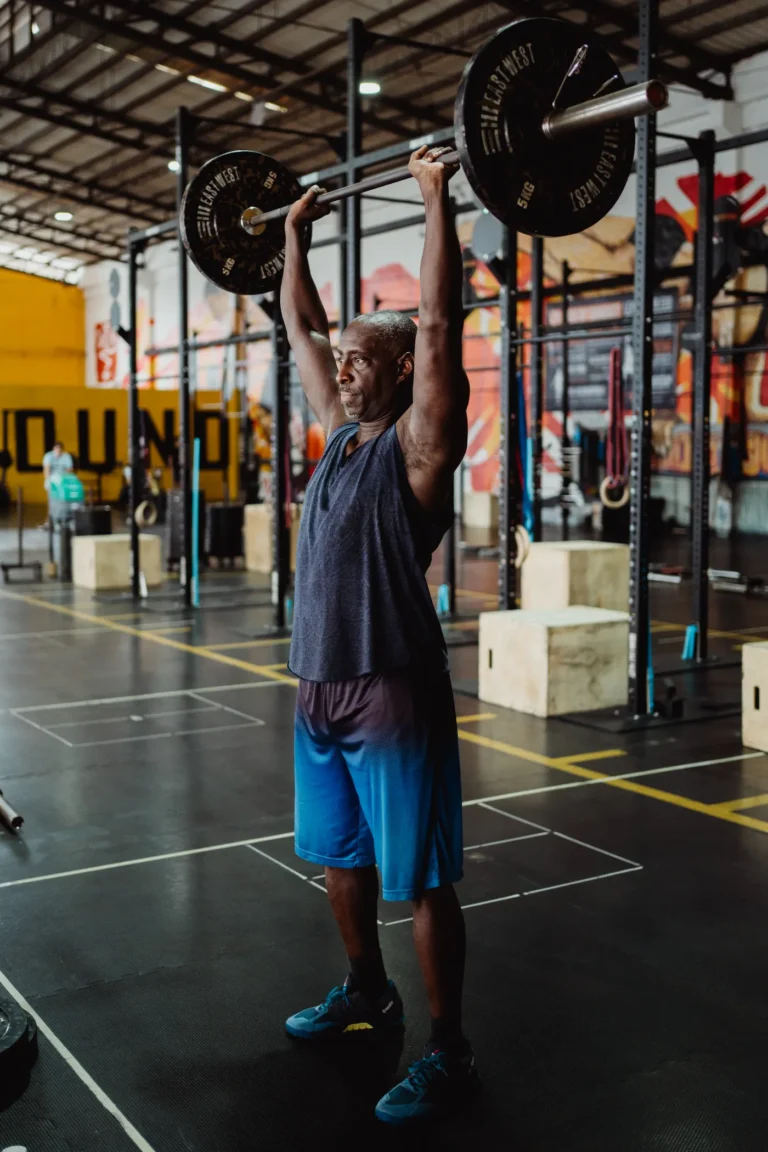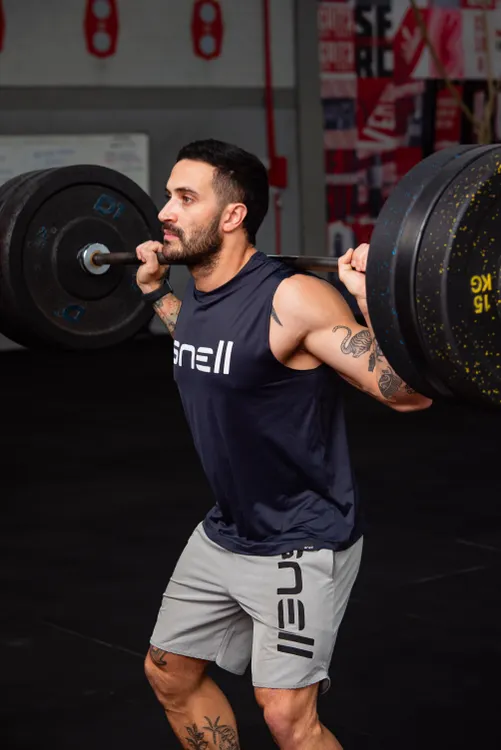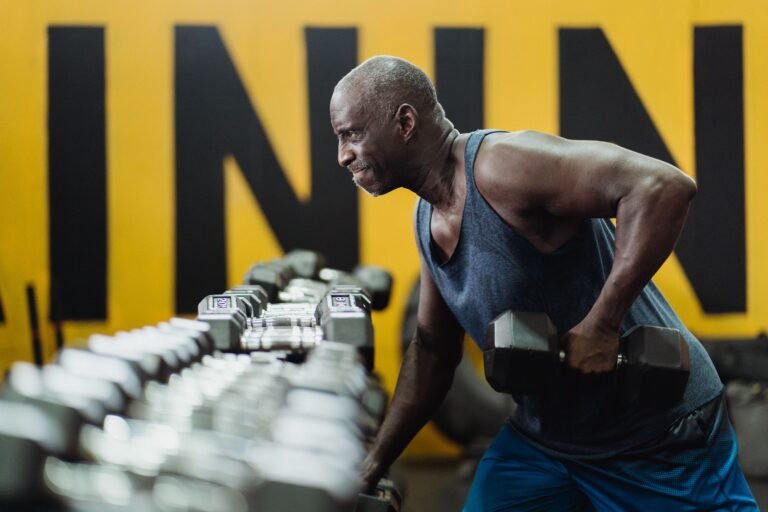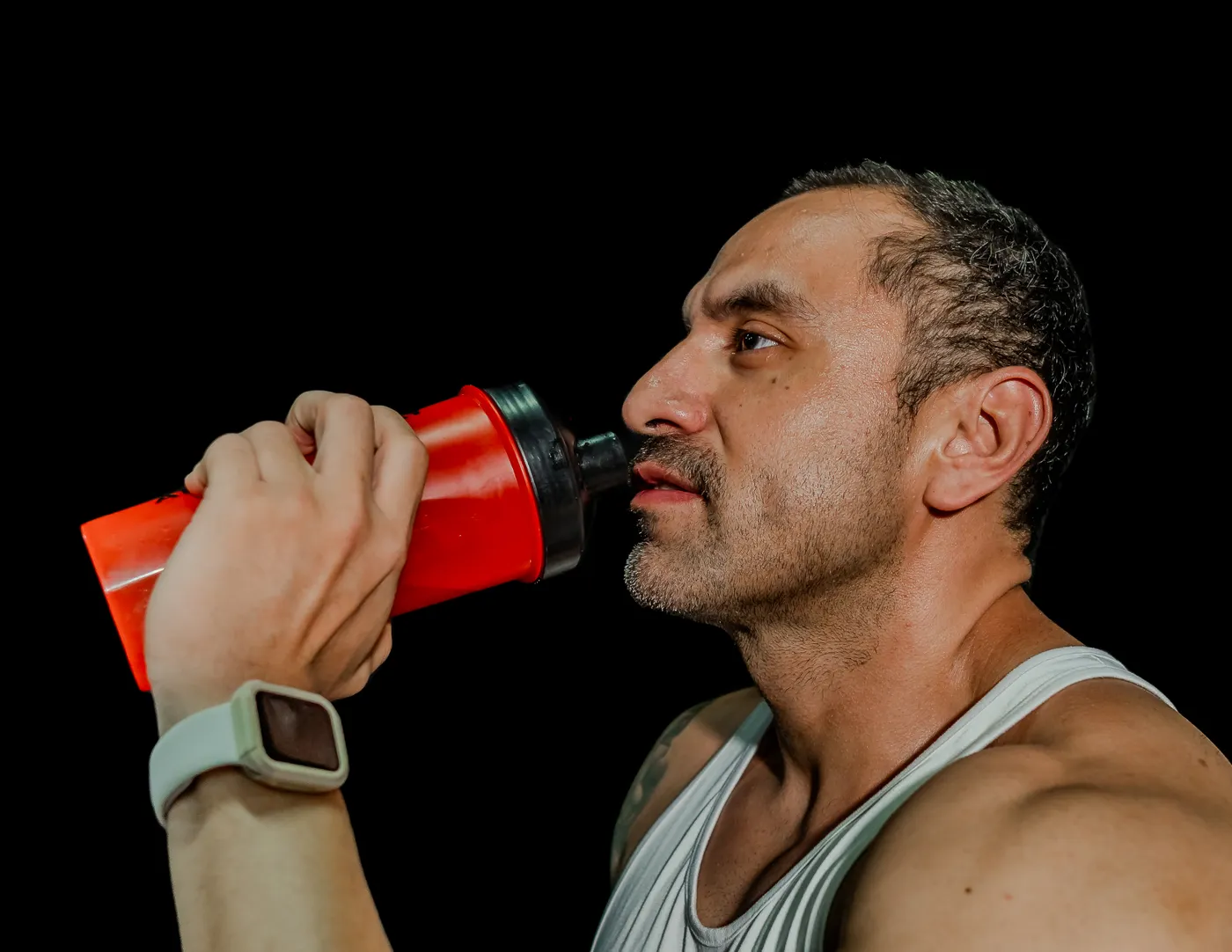
Creatine is often described as a guaranteed shortcut to bigger muscles. A large 2026 analysis gives lifters a more useful answer: adding creatine monohydrate to resistance training generally improves strength and lean-mass outcomes, but the size of the benefit varies, and not every change on a body-composition scan represents newly built muscle.
The analysis combined 63 studies involving 1,489 participants. That is enough evidence to move beyond one spectacular before-and-after photo, but it is not a promise that every person will gain the same amount. The most useful application is to understand the average benefit, choose a simple dose and keep training quality at the center of the plan.
What the 63-Study Analysis Actually Compared
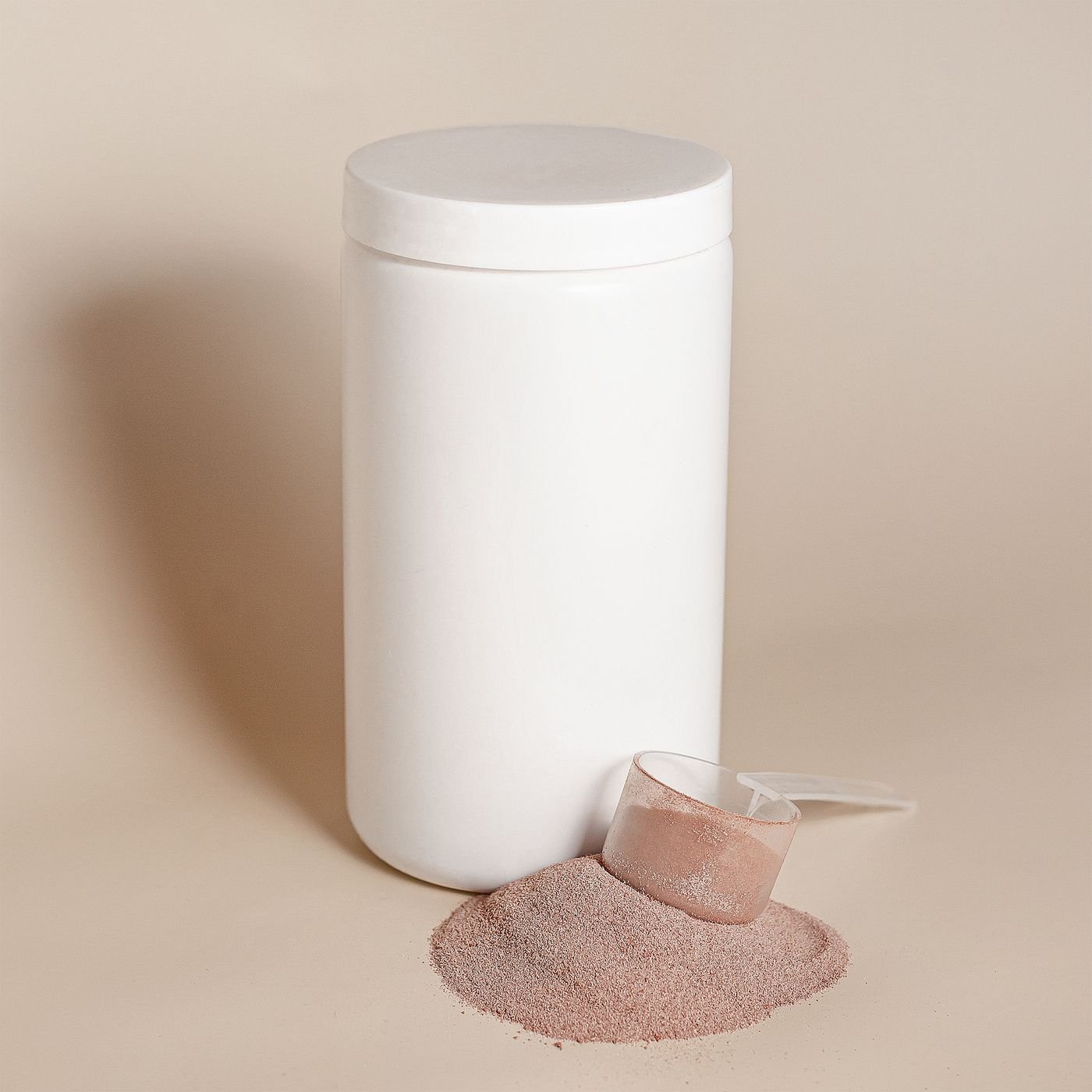
The researchers pooled resistance-training trials comparing people who supplemented with creatine monohydrate against people who trained without it. The underlying studies varied in participant age, experience, dose, loading strategy and program duration. Most interventions ran four to twelve weeks, with three to five weekly sessions. The literature search ran through April 21, 2025, even though the analysis appeared in 2026.
This detail matters because the headline describes a synthesis of earlier experiments, not a brand-new 1,489-person trial. Each experiment used its own exercises, testing methods and participant pool. The combined result estimates the average direction and size of the creatine effect across those conditions. It does not establish one perfect dose, workout split or response for an individual.
Strength, lean mass, total body weight, fat mass and body-fat percentage were evaluated separately. Keeping those outcomes separate is essential: getting stronger is not identical to getting heavier, and a change in fat-free mass can reflect more than muscle protein. The analysis used standardized effect sizes rather than claiming a universal number of kilograms gained.
For a practical reader, the right starting question is not whether creatine works in an abstract sense. It is whether the likely improvement is worthwhile when added to an already sensible training and nutrition routine, and what observations would show that the routine itself is progressing.
The Strength Results: An Advantage, Not a Fixed Bonus
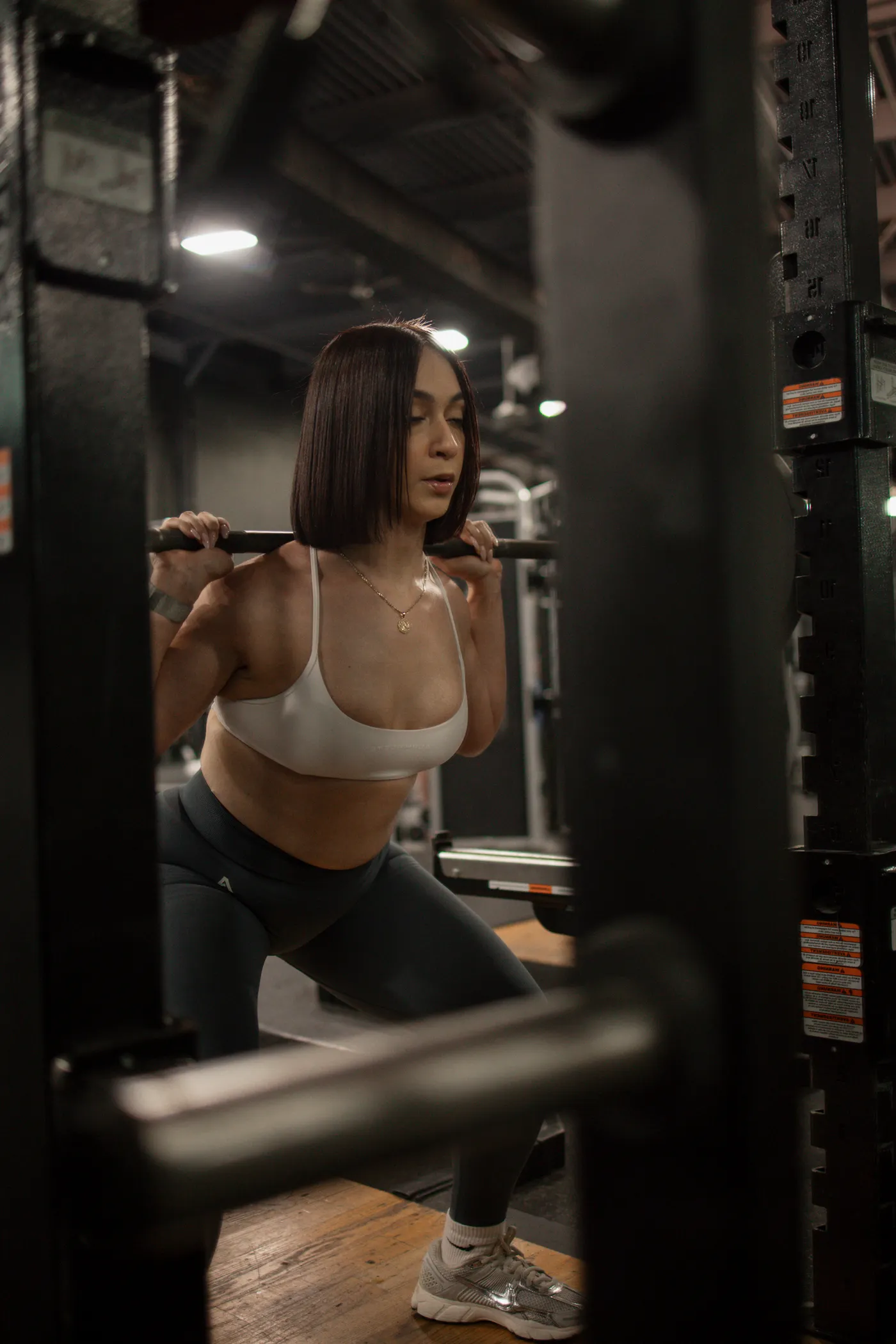
Upper-body strength favored creatine plus resistance training, with an overall standardized effect around 0.54. Lower-body strength also favored creatine, with an effect around 0.66 in the full pooled analysis, or about 0.55 after excluding an influential outlier. These are standardized differences, not percentages and not extra kilograms on a bench press or squat. A value of 0.54 does not mean a 54% increase in strength.
The results fit a plausible training mechanism. Creatine helps maintain the muscle phosphocreatine pool used to rapidly regenerate energy during repeated demanding efforts. That may help some lifters complete an additional repetition, sustain performance across sets or tolerate more useful training work over time. The supplement does not replace progressive overload, adequate rest or the skill of performing an exercise consistently.
There was also meaningful variation across trials. Prediction intervals for strength outcomes included the possibility of little or no advantage in some future settings. That is a reminder that a pooled average is not an individual guarantee. Someone who already eats a creatine-rich diet, trains inconsistently or changes several variables at once may not notice a dramatic difference.
Suppose two lifters follow the same eight-week plan. Both add repetitions and improve their technique, while one takes creatine. The average evidence suggests that supplementation may increase the likelihood or magnitude of additional strength gains. It does not let us attribute every extra repetition to the supplement or conclude that the non-user trained incorrectly.
For monitoring, use stable exercises, comparable ranges of motion and consistent rest intervals. A repeatable set of five to eight hard repetitions on a squat variation or press tells you more than one unusually energetic session. Track progress across several weeks, not a single workout.

Equipment Worth Exploring
Explore equipment, accessories and gear from our carefully selected range.
VOLTRA
Compact digital cable trainer with smooth, adjustable resistance.


FID Bench MAX
Adjustable bench offering flat, incline, and decline positions + adjustable headrest.



Go-Tone Pro
Portable digital cable trainer with up to 66 lb (30 kg) of adjustable resistance.
Lean Mass, Body Fat and the Water-Weight Trap

Lean mass also favored creatine supplementation, with a smaller standardized effect around 0.30. Total body weight increased modestly, while the pooled change in fat mass was not statistically significant. Body-fat percentage showed a small reduction, but a lower percentage does not automatically mean that someone burned a meaningful amount of extra fat.
Why the distinction? Lean mass is a measurement category containing muscle, water and other non-fat tissue. Creatine can increase intracellular water, especially early in supplementation. That means a scale or DXA scan may register a change before any plausible amount of new contractile tissue has been built. In a separate controlled experiment, a seven-day creatine wash-in increased measured lean mass, while the subsequent twelve-week training phase did not show a clear additional between-group lean-mass gain.
This does not invalidate the strength findings or prove that all lean-mass improvements are water. It means the measurement must be interpreted in context. Longer training periods, performance trends, repeated circumference measurements and consistent testing conditions can help build a more complete picture, but none of these is a perfect standalone test of hypertrophy.
A common mistake is to start creatine, see the scale rise within a week and immediately adjust calories downward. If waist measurements, training performance and dietary intake are stable, a short-term rise can reflect changes in body water rather than fat gain. Conversely, creatine is not a fat-loss supplement just because body-fat percentage moved slightly in pooled results.
Keep the nutrition fundamentals ordinary: sufficient daily protein, energy intake matched to your goal and enough food to support training. Treat creatine as an optional addition to those basics, not a replacement for them.

Bodybuilding Shirts & Workout Gear
Bodybuilding shirts, tanks and gym gear for lifters chasing muscle, size, symmetry and the pump.

Creatine Gym Cosmic Muscle Shirt , Crazy Vest Tank Top
Bring “Creatine” humor to your next lifting session.

Creatine – Meme & Gains – Powered By Creatine Top T-Shirt
Bring “Creatine” humor to your next gym day.

Pink Protein Shaker Bottle | Meme Decal Sticker
Stick a little “Pink Protein Shaker Bottle” humor on your favorite gear.

Protein In The Jar Decal for Water Bottles Laptops Gym Sticker
Bring “Protein In The Jar” attitude to your water bottle or laptop.

Bulking Season Donut Dumbbell Donuts Barbell Bulk T-Shirt
For laid-back days and donut-loving humor: “Bulking Season Donut Dumbbell Donuts”.

Pizza Dumbbell Barbell Bulk T-Shirt
Rep “Pizza Dumbbell Barbell” humor in and out of the gym.

Bulking Season Pizza Chef Eat Big Lift Big Tank Top
Show some personality between sets with “Bulking Season Pizza Chef”.

Bulking King & Mass Gain Hooded Hoodie
Stay casual and show some carb-loving attitude with “Bulking King”.

Funny Sushi Gains Gym | Foodie Bodybuilding Hooded Pull Hoodie
Stay casual and show some lifting attitude with “Sushi Gains”.

Bear Protein : Hilarious Meme Decal & Bros Sticker
Bring “Gym Bear Protein” attitude to your water bottle or laptop.
What the Evidence Cannot Promise

Large reviews are useful because they combine many experiments, but combining experiments does not erase their limitations. The 63-study analysis included relatively small individual trials, different training backgrounds and uneven representation of women and older participants. Its authors also tested numerous possible moderators, including age, training frequency, dose and training experience. Exploratory differences between subgroups should not be treated as proof that a specific age or sex always responds better.
Publication bias deserves particular attention. Smaller studies reporting strong positive effects may be easier to find than smaller studies reporting no difference. When statistical adjustments were applied, the estimated strength benefit became smaller but remained positive. That supports a real average advantage while cautioning against advertising the largest pooled estimate as the typical result.
Other reviews focused on older adults have reported mixed patterns across upper-body strength, lower-body strength and lean mass. That is not necessarily a contradiction: a narrowly defined population, different included trials and different statistical choices can produce a different estimate. The safest interpretation is that creatine can support training adaptations, with uncertainty around the size and consistency of each outcome.
There is no evidence here that creatine makes poor programming effective, prevents all injuries, repairs sleep deprivation or produces muscle without the work of training. Nor does a short intervention establish how large the advantage will be after several years. Long-term results depend on adherence, progression, nutrition, health and the changing demands of training.
Another overlooked limitation is individual response. A person may feel stronger, see no change in body weight or experience no noticeable difference. Those experiences are compatible with a positive average result. They are reasons to measure your own outcomes carefully, not reasons to dismiss or exaggerate the evidence.
How Much Creatine Makes Sense?

For most healthy adults who choose to supplement, three to five grams of creatine monohydrate daily is a straightforward maintenance approach. A loading phase can raise muscle stores faster, but it is optional. Taking a consistent smaller daily dose gradually raises stores over several weeks. The timing relative to a workout appears much less important than regularly taking the supplement.
Choose plain creatine monohydrate from a reputable supplier with appropriate quality testing. There is no compelling reason to assume that an expensive proprietary blend, a flavored pre-workout or a complicated cycling schedule will produce greater strength gains. More grams do not necessarily produce proportionally more benefit once muscle stores are elevated.
Some people notice temporary water-weight changes or digestive discomfort, particularly with large single doses. Splitting a dose or using the simple maintenance approach can be more comfortable. Normal hydration and food intake remain important, but there is no need to force extreme water consumption solely because creatine is being used.
Research in generally healthy adults supports a favorable safety profile for creatine monohydrate at commonly studied doses. That does not replace individualized medical advice. Anyone with kidney disease, abnormal kidney testing, pregnancy-related concerns or medications affecting renal function should discuss supplementation with a qualified clinician. Creatine can also affect serum creatinine interpretation, so disclose its use when having blood tests.
The useful decision is therefore deliberately boring: decide whether the modest average performance advantage is worth the cost, take a consistent dose if appropriate and avoid changing five other supplements at the same time. A simple routine makes both adherence and evaluation easier.
Equipment Worth Exploring
Explore equipment, accessories and gear from our carefully selected range.


Leather Lifting Straps
Padded leather straps support grip during heavy rows, deadlifts and pulling exercises.

Power Tower
Freestanding pull-up and dip station with adjustable handles for bodyweight training.

Build the Training Stimulus That Makes Creatine Relevant
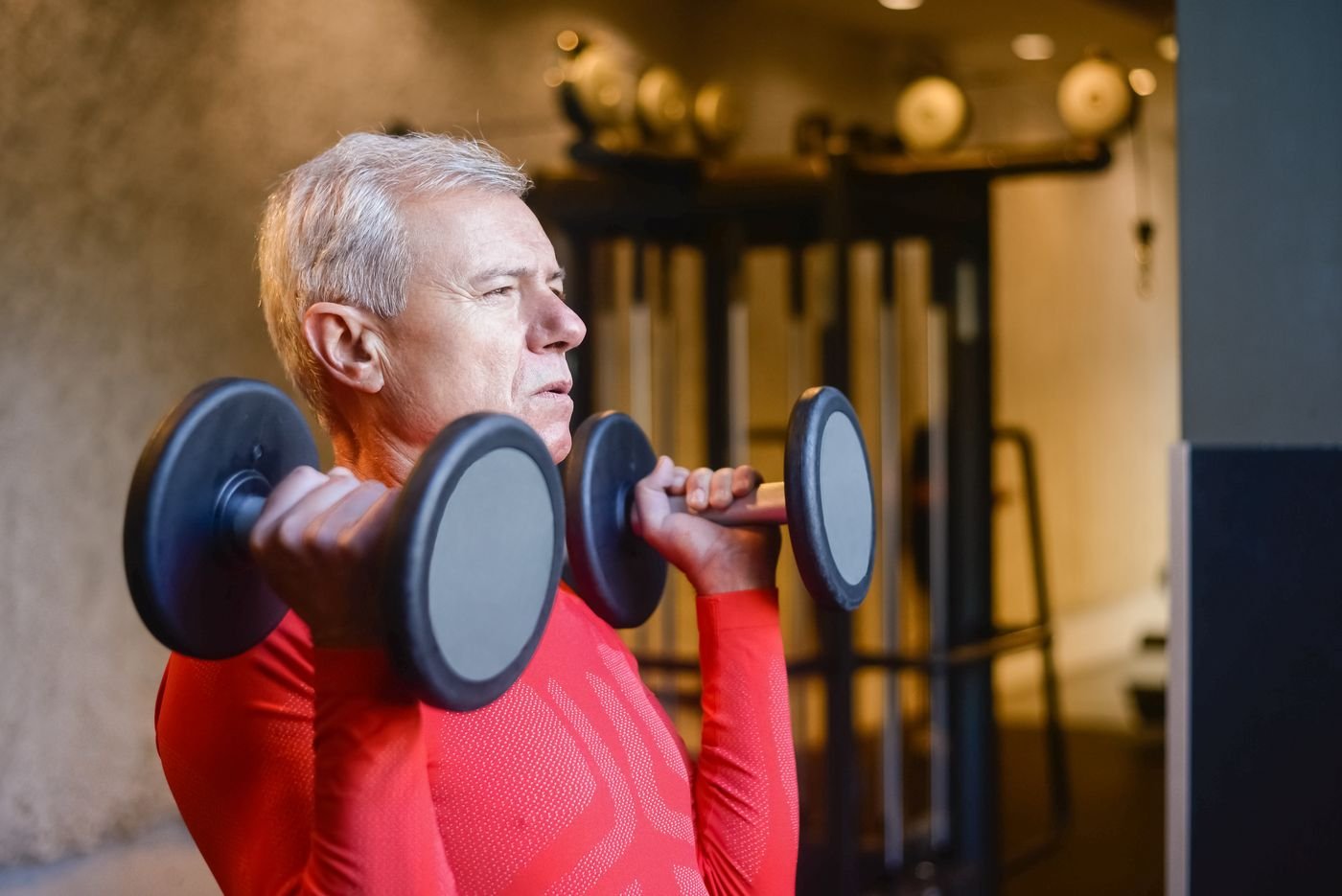
The supplement is an accessory to resistance training, so the program should stand on its own. A practical three-day full-body template can use two lower-body patterns, a horizontal push, a horizontal pull and one additional movement chosen for your goals. Training on Monday, Wednesday and Friday is convenient, but any schedule with adequate recovery can work.
Session A: squat or leg press, three sets of six to ten; bench or dumbbell press, three sets of six to ten; row, three sets of eight to twelve; calf raise or loaded carry, two sets of ten to fifteen or short carries. Session B: Romanian deadlift or another hip hinge, three sets of six to ten; overhead or incline press, two to three sets of eight to twelve; pulldown or assisted pull-up, three sets of eight to twelve; split squat, two sets of eight to twelve per side.
Alternate A and B across the week, then reverse the order the following week. These are examples, not prescriptions for someone recovering from an injury or learning every movement for the first time. Start with a manageable number of sets and adjust for training history, time and recovery. A coach can help adapt the exercise selection if mobility or technique is a concern.
Most working sets can finish with approximately one to three good repetitions in reserve. Rest two to three minutes after challenging compound lifts and somewhat less after easier accessory work. When you reach the top of the chosen rep range with consistent technique across all sets, add a small amount of load next time. Avoid increasing load just because a supplement made one workout feel easier.
Protein intake, sleep and total energy availability still matter. If calories are very low, recovery is poor or workouts are frequently skipped, correcting those problems will usually offer a clearer route to progress than adding more products. A lifter who trains consistently without creatine can outperform one who supplements but rarely progresses.
Funny Gym Shirts & Workout Gear
Funny gym shirts, tanks, hoodies and workout gear for lifters who like training hard.

Deadlift Skull Decal , Hardcore Gym Accessory, Powerlif Sticker
Put “Deadlift” gym humor on your laptop, bottle, or gym gear.

Deadlift Pink Skull Pullover for Powerlifting Leg Day a Hoodie
Show off your metalhead humor in a laid-back “Deadlift” hoodie.

Deadlift Frozen Skull Gym Crewneck for Powerlifters, Co T-Shirt
Keep things casual with a little “Deadlift” attitude.

Icy 45LB Weight Plate Frozen Barbell Lifting Workout Co Tank Top
Add some powerlifting attitude to training with “Icy 45LB Weight Plate”.

Flaming 45LB Weight Plate Fire Barbell Lifting Workout Sticker
Put “Flaming 45LB Weight Plate” gym humor on your laptop, bottle, or gym gear.

I Love Deadlifts Gym | Funny Valentine's Weightlifting Sticker
Put “I Love Deadlifts” gym humor on your laptop, bottle, or gym gear.

Gym Cult Occult Barbell Meme – Powerlifting Bodybuildin T-Shirt
Show some gym-day personality with “Gym Cult”.

Atlas Gains : Strongman Meme Shirt & T-Shirt
Show some lifting attitude with a playful “Atlas Gains” tee.

Funny Hustle For That Muscle Gym | Greek God Meme Muscl Tank Top
Train hard, laugh a little, and rep “Hustle For That”.

Pizza Weight Plate On Cheat Day & Bulking Season Tank Top
Bring “Pizza Weight Plate” humor to your next lifting session.
A Four-Week Audit: Find Out Whether Your Plan Is Working
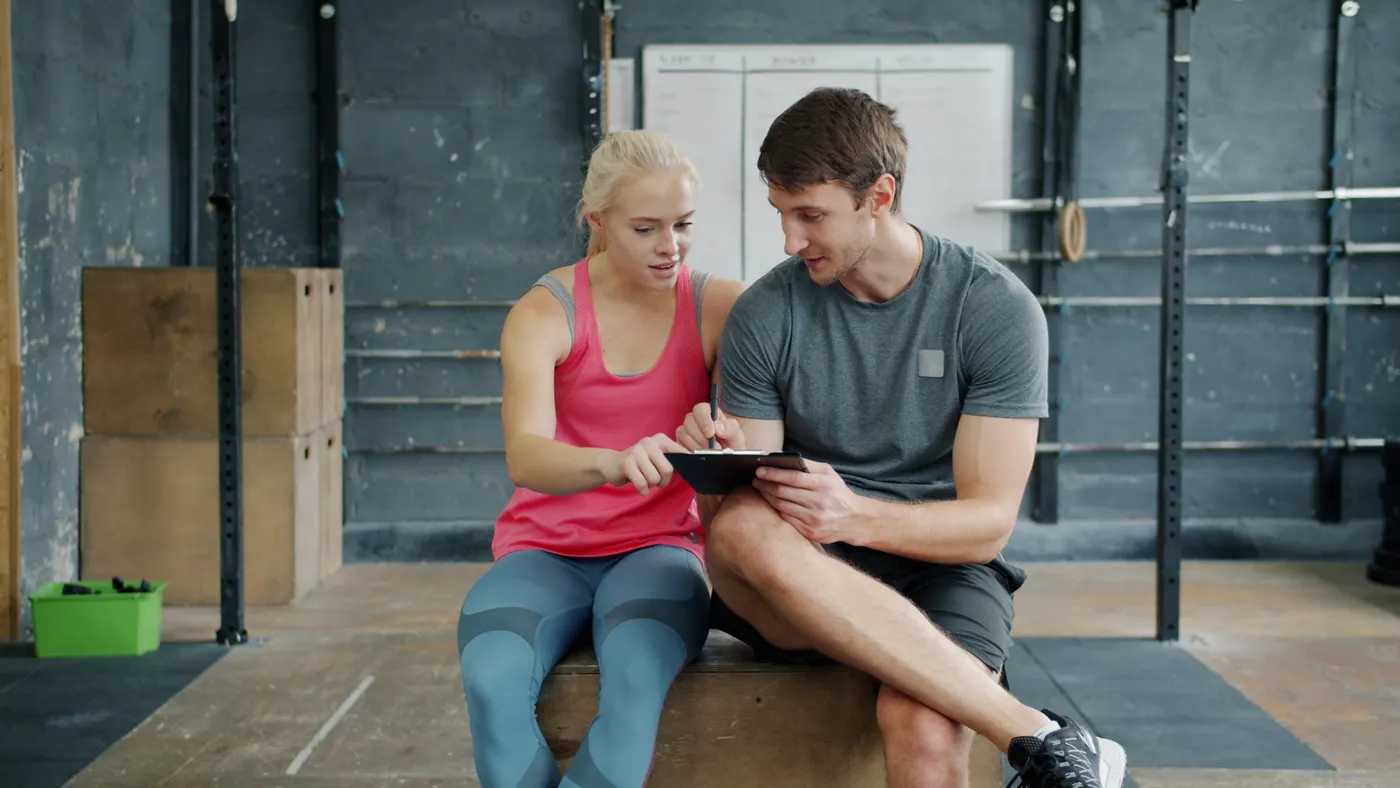
Begin with a baseline week. Choose two or three representative lifts, record the working weight, repetitions, sets, rest periods and approximate repetitions in reserve. Measure body weight several mornings under similar conditions and calculate an average rather than reacting to a single reading. If body composition is a goal, use a consistent waist measurement and comparable photos, with the understanding that lighting and hydration can distort comparisons.
Week 1: establish the exercises and starting loads. If starting creatine, use a simple consistent dose and note the start date. Week 2: repeat the same core lifts, aiming for a small increase in total quality repetitions rather than a forced personal record. Week 3: add weight only when the top of the rep range is comfortable and technique remains stable. Week 4: review the trend in training performance, recovery and average body weight.
Do not mistake a four-week audit for a clinical trial. Without a placebo and controlled conditions, you cannot prove that creatine caused your improvements. The audit can still reveal whether the overall program is sustainable, whether your body weight changed unexpectedly and whether training performance is moving in the right direction.
If strength stalls, check sleep, calories, exercise consistency, rest times and accumulated fatigue before changing the supplement dose. If digestion is uncomfortable, reassess the dosing method. If you are progressing steadily without supplementation, there is no obligation to start. The decision is personal and should fit your health circumstances and priorities.
The practical conclusion is clear: across 63 studies, creatine plus resistance training produced better average strength outcomes and a smaller advantage in measured lean mass. The evidence supports a useful supplement, not a miracle. Build the training habit first, interpret water-weight changes correctly and judge success by repeatable performance over time.