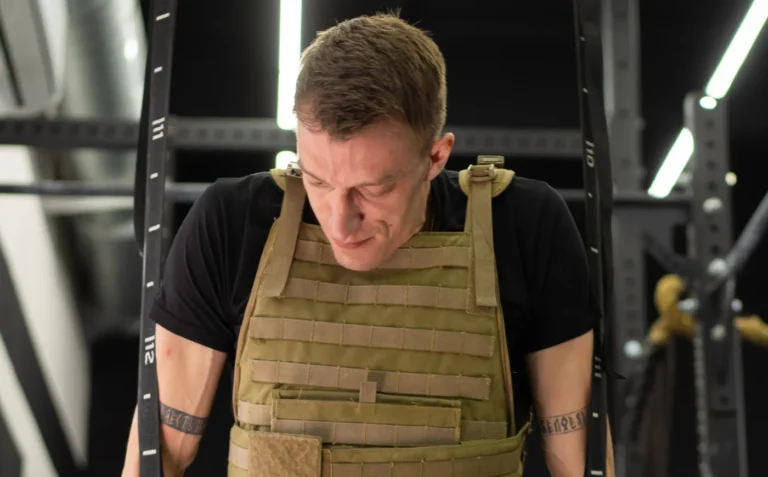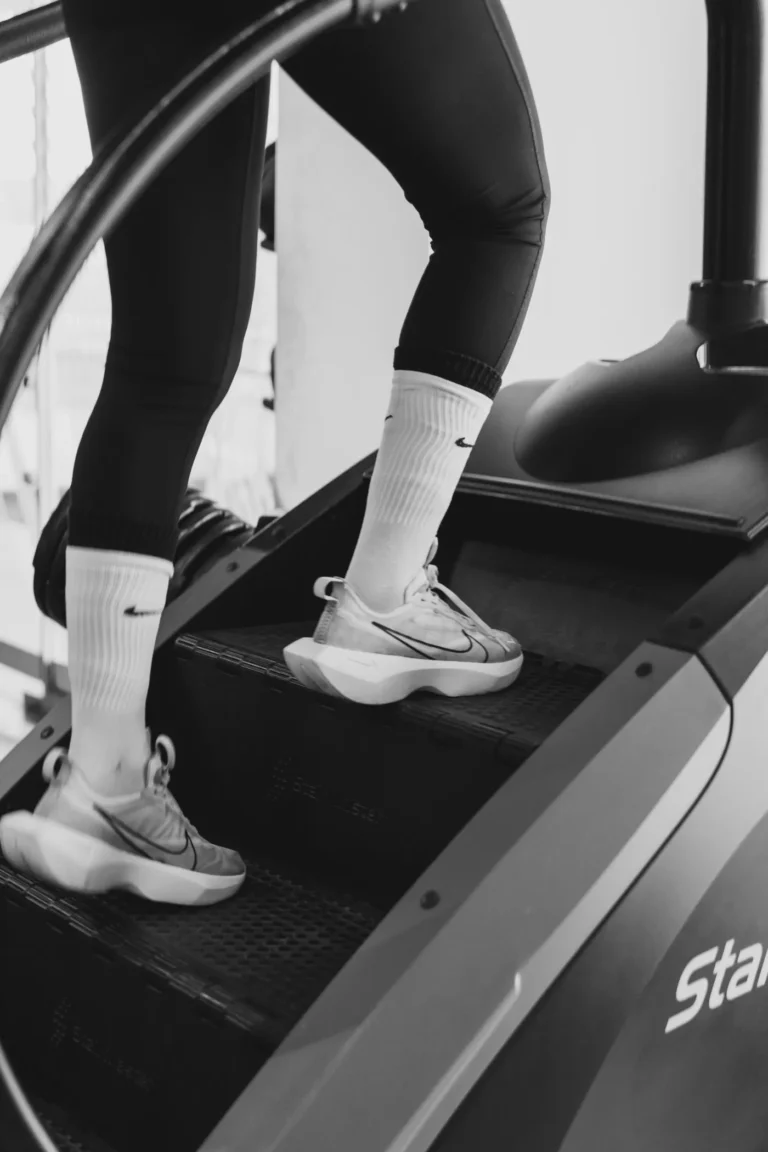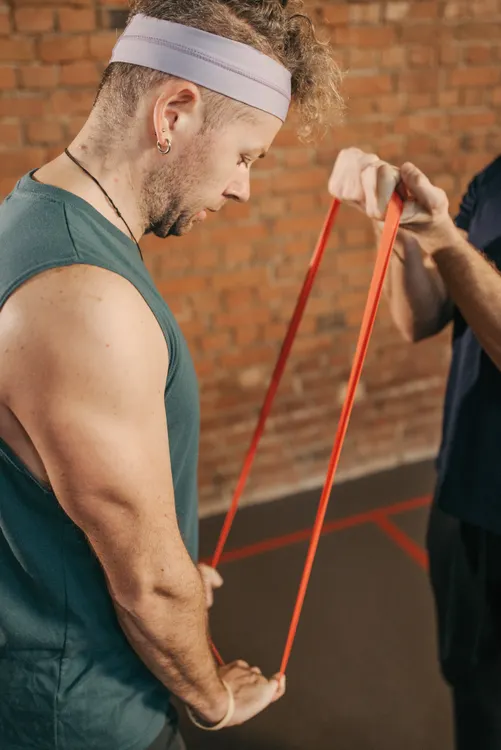
Running and strength training can make each other better, but the calendar matters. A hard leg session immediately before fast intervals is not the same as an easy jog followed by a controlled upper-body workout. Both combinations fit under the label of concurrent training, yet their short-term fatigue and long-term goals are different.
The useful question is not whether running must always come before lifting. It is which workout needs your freshest legs, how much recovery time you have, and whether the second session adds a new training stimulus or merely more exhaustion. This guide separates immediate performance from adaptations built over weeks, then turns the evidence into schedules you can actually follow.
Some product links may be affiliate links, which may earn us a commission at no extra cost to you.
One Training Day, Two Very Different Priorities

Start by naming the session you cannot afford to compromise. For a runner preparing for a race, a threshold workout, a long run or a demanding track session may be the priority. For a powerlifter or someone building maximum leg strength, the heavy squat or deadlift session may be the priority. On a day when both matter equally, the best option may be to separate them rather than squeeze them into one continuous workout.
Easy aerobic exercise is not interchangeable with fast running. Twenty relaxed minutes can function as a warm-up or an ordinary training session, while repeated 200-meter intervals demand high force production, precise pacing and concentration. Likewise, three sets of controlled squats with comfortable repetitions in reserve differ greatly from a circuit of jumps, lunges and burpees performed almost to exhaustion.
Think in terms of three variables: intensity, volume and proximity. Intensity asks how close each activity is to your current limit. Volume captures how much work you accumulate. Proximity asks whether sessions are back-to-back, separated by several hours or on different days. A modest dose of each can coexist comfortably; two demanding sessions placed together can create unnecessary competition for performance.
A practical first rule is simple: protect the workout that determines your main goal. Then adjust the secondary session until you can repeat the schedule next week without dragging fatigue into your most important training.
What a 16-Runner Experiment Actually Found

In a 2026 crossover experiment, sixteen recreational runners, eight men and eight women, completed two versions of a demanding interval session. Both involved eight 200-meter repetitions with 90 seconds of recovery. In one condition, runners went straight to the intervals; in the other, they first performed a bodyweight circuit of four exercises across three rounds, with brief work periods and rests.
Combined interval time was about 339.9 seconds after the circuit compared with 325.1 seconds without it. That is roughly a 4.6% slower result in this particular test. Participants also rated their readiness lower before the intervals after the circuit, even though the researchers did not find corresponding significant differences in heart rate or perceived exertion during the running work.
This is useful evidence of acute fatigue, not proof that lifting before running always makes you slower. The circuit contained explosive and metabolically demanding movements; it was not a conventional heavy strength session with long rests. The study was small, tested one interval format and did not measure whether the runners became fitter over a full training block. Its design can tell us what happened immediately afterward, not what every training order will produce over months.
Still, the lesson is practical. If fast repetitions and pace quality are the purpose of the day, avoid placing a draining lower-body circuit directly beforehand. A brief warm-up and a focused running session give you a cleaner view of what your speed work can accomplish.

Equipment Worth Exploring
Explore equipment, accessories and gear from our carefully selected range.




FID Bench MAX
Adjustable bench offering flat, incline, and decline positions + adjustable headrest.


When Lifting First Makes More Sense
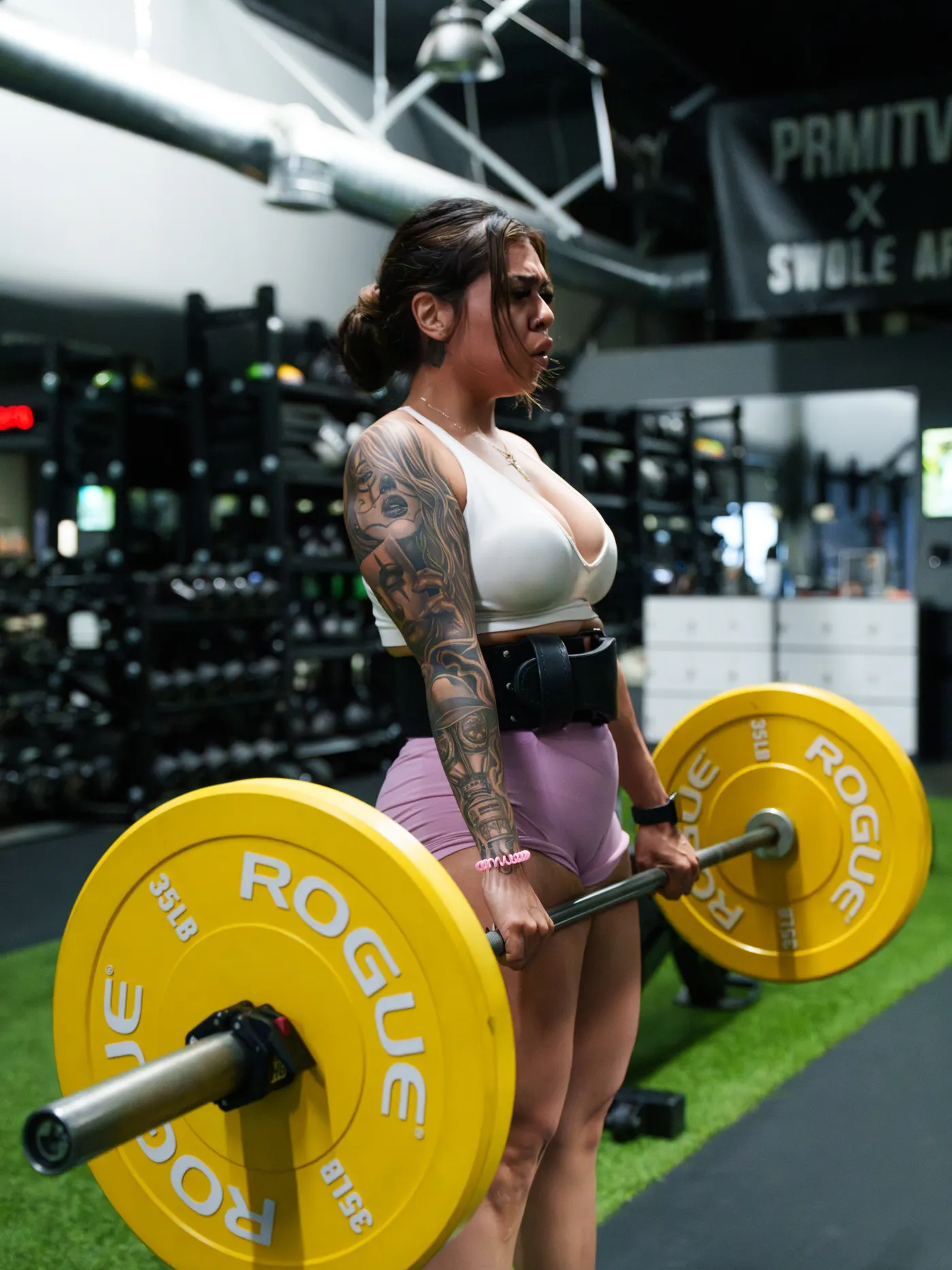
If your main objective is maximum strength, starting with resistance training is usually easier to justify. Heavy sets depend on technique, coordination and the ability to produce force. A long or intense run beforehand can leave your legs fatigued before you approach the bar, even if your cardiovascular system feels ready for more work.
Longer-term research adds nuance. A review pooling ten training studies found that resistance training before endurance exercise favored lower-body dynamic strength compared with the opposite order. It did not establish a meaningful sequence advantage for muscle size, aerobic capacity or body-fat outcomes. That distinction matters: a stronger squat result does not mean every adaptation improves when weights come first.
A separate synthesis of 27 studies found that combining endurance with resistance work reduced lower-body one-repetition-maximum gains among trained participants compared with resistance training alone, but the same pattern was not clear in untrained participants. Training history, the type of endurance exercise and total workload can therefore matter as much as the sequence on a single afternoon.
For a strength-focused day, perform your technical or heaviest sets first, follow with accessories and leave aerobic work easy enough not to undermine recovery. You might squat for three sets of five, row for three sets of eight and finish with 15 to 25 minutes of comfortable cycling or walking. If you need a hard run as well, move it to a separate session or another day when possible.
Do not interpret this as permission to abandon cardio. Cardiovascular training remains valuable. The goal is to organize it so that your primary strength work receives enough attention and recovery to progress.

Cardio Shirts & Workout Gear
Cardio and conditioning gym gear for runners, endurance athletes and anyone who earns the sweat.


Cardio Heartbeat Hoodie
Show off your cardio humor in a laid-back “Cardio Heartbeat” hoodie.

Cardio Speed Flash Superhero Running, Treadmill & – T-Shirt
Rep “Cardio Speed Flash Superhero” humor in and out of the gym.

Meme Shirt – Two Things I Like Lifting Weights Not T-Shirt
Make gym days more fun with “Two Things I Like Lifting Weights Not” style.

Shirt – Cardio Is Hardio – & Gymbros T-Shirt
Show some cardio attitude with a playful “Cardio is Hardio” tee.

Cardio Is Calling You , Meme Top Answer Or Decline? T-Shirt
Make gym days more fun with “Cardio Is Calling You” style.

Jump Rope Cardio Tee
Rep “Jump Rope Cardio Van Halen Rock Music” humor in and out of the gym.

Anti Jogging Jogging Club Shirt – & Meme Top T-Shirt
Bring “Anti Jogging Jogging Club” humor to your next gym day.

Iron Man Triathlon – Superhero Comic Book Swimming, T-Shirt
Show some superhero attitude with a playful “Iron Man Triathlon” tee.
When Running First Protects the Better Workout

For runners, the priority often flips. A track session, hill repeats, tempo effort or race-specific long run should generally happen before any demanding leg work on the same day. Running while already fatigued can change pacing, make technique harder to maintain and turn a carefully prescribed workout into a survival exercise.
That does not mean every runner must run first every time. Someone whose easy run is merely a short warm-up can lift first without necessarily sacrificing the day’s purpose. A runner in a base-building phase may also temporarily prioritize strength, especially when their running is deliberately low intensity. The important difference is between protecting quality and following a rigid rule without considering the session.
After a demanding run, a concise lifting session can focus on maintaining movement quality rather than setting personal records. Squat or split-squat variations, a hip hinge, a push, a pull and a calf exercise cover useful patterns. Reduce sets if the run was unusually hard, and avoid treating a lifting session as another high-intensity interval workout. If your knees, Achilles tendons or lower back are already irritated, modify loading rather than forcing the planned exercises.
Some runners benefit from grouping demanding activities on one day and preserving genuinely easy days elsewhere. Others respond better to separate training days. Neither structure guarantees faster race times. Choose the one that allows your key runs, strength progression, sleep and normal daily activity to remain consistent.
As a simple test, compare your interval splits and perceived readiness over several weeks. If the same running session repeatedly deteriorates after lifting, the sequence or total training dose deserves adjustment.
Build Strength Sessions That Complement Your Miles
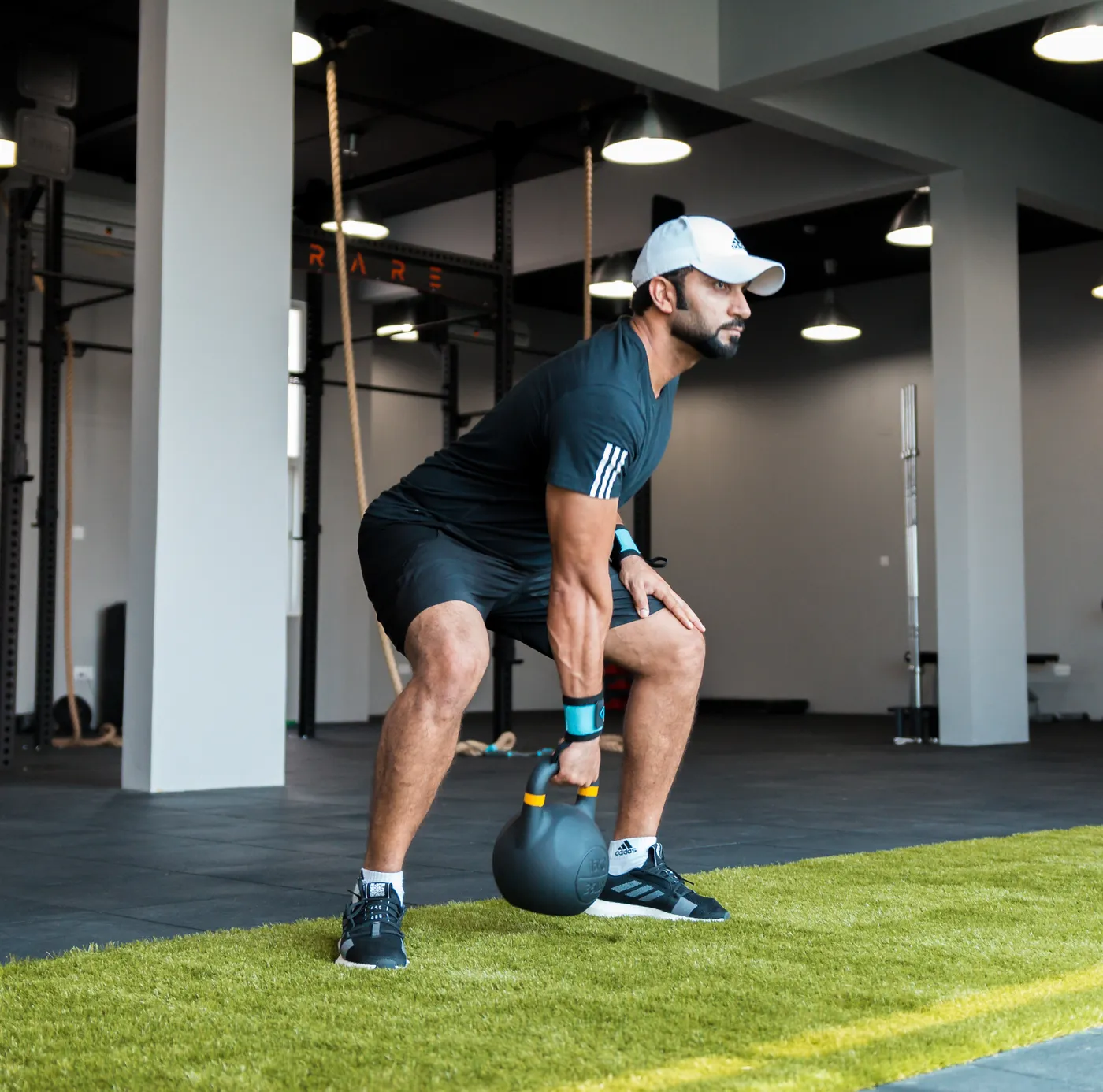
Running already supplies substantial repetitive work for the lower body. Strength training should add qualities that running alone does not reliably maximize: high-force production, controlled single-leg loading, trunk stability and progressively heavier resistance. Repeating a breathless circuit just because it feels athletic may create more fatigue without delivering a distinct strength stimulus.
A useful two-day template starts with a squat or split squat, a hinge such as a Romanian deadlift, an upper-body push and pull, and direct calf work. For many recreational runners, two or three working sets per exercise provide a manageable starting point. Use a load that leaves roughly two or three good repetitions in reserve, rest long enough to keep technique controlled, and add weight or repetitions gradually. Experienced lifters may need different volumes; beginners may start with one or two sets.
For example, Session A could contain goblet squats, dumbbell Romanian deadlifts, rows, push-ups and standing calf raises. Session B could contain step-ups, a hip thrust or trap-bar deadlift, an overhead press, a pulldown or assisted pull-up, and seated calf raises. Choose exercises you can perform confidently; no particular brand or machine is essential.
Lower-body soreness is not a scorecard for workout quality. A new exercise, especially one emphasizing slow lowering, can create soreness that interferes with the next run. Introduce unfamiliar movements conservatively and avoid placing a major change in lifting volume just before an important race or long session.
Strength training can be effective without leaving you exhausted. Track whether loads and repetitions improve over time, while your running sessions remain manageable. That combination is more useful than chasing the highest heart rate in every workout.
Equipment Worth Exploring
Explore equipment, accessories and gear from our carefully selected range.


Power Tower
Freestanding pull-up and dip station with adjustable handles for bodyweight training.

How Far Apart Should You Put the Sessions?

Spacing is a tool, not a magic number. Several hours between a run and a lift can make eating, hydrating and recovering easier than moving straight from one workout to the other. Yet the amount of separation required depends on intensity, experience and how well you tolerate the combined workload. A relaxed 20-minute jog and a light upper-body session may need little extra planning; a maximal leg workout and hard intervals deserve much more care.
If your schedule permits, place the priority session first and leave a substantial gap before the secondary session. Eat an ordinary meal or snack appropriate to your training and rehydrate, especially after heat exposure or long runs. Avoid assuming that caffeine or another supplement can compensate for inadequate rest. If your second session feels markedly worse, shortening it is often smarter than forcing a planned number of sets.
Research on concurrent training also cautions against universal rules. A synthesis covering 59 studies found small differences in lower-body strength adaptations across some participant groups, while several other outcomes did not show the same pattern. The evidence does not support claiming that everyone loses muscle by combining cardio and lifting, or that one exact gap between workouts eliminates all interference.
For a busy schedule, consider Monday easy run plus lift, Tuesday easy running or rest, Wednesday quality intervals, Thursday easy run plus lift, Friday recovery, Saturday long run and Sunday rest. This is only one example. Move days around for your actual priorities, and protect at least one low-stress period each week.
Most importantly, watch the trend. If a weekly double leaves your legs heavy for three days, change the session size, spacing or exercise selection rather than blaming yourself for poor recovery.
Funny Gym Shirts & Workout Gear
Funny gym shirts, tanks, hoodies and workout gear for lifters who like training hard.

Die Hard Lift Harder Gym | Funny Workout for Powerlifti Hoodie
Show off your powerlifting humor in a laid-back “Die Hard Lift Harder” hoodie.

Lift O'Clock Gym | Funny Workout Decal For Bodybuilding Sticker
Stick a little “Lift O'Clock” humor on your favorite gear.

If The Bar Ain't Bending You're Just Pretending – Power Hoodie
Keep it laid-back with a little “If The Bar Ain't Bending You're Just” attitude.

Deadlift Pink Skull Graphic for Powerlifting Leg Day an T-Shirt
Make gym days more fun with “Deadlift” style.

Heavy Metal Deadlift – Skeleton Gym Decal for Powerlift Sticker
Bring “Heavy Metal Deadlift” attitude to your water bottle or laptop.

Patriotic Eagle Deadlift Stars Stripes and Deadlifts Gy T-Shirt
Make gym days more fun with “Patriotic Eagle Deadlift” style.

Deadlift Viking Skull Gym Shirt for Powerlifters, Norse T-Shirt
Show some Viking attitude with a playful “Deadlift” tee.

Leg Day Thou Shalt Not Skip Leg Day Medieval Knight Gym T-Shirt
Make gym days more fun with “Leg Day” style.

Leg Press Dost Thou Even Press Medieval Knight Crewneck T-Shirt
Show some gym-day personality with “Leg Press”.

Gym The Bar Does Not Lie Medieval Knight Lifting Shirt T-Shirt
Make gym days more fun with “The Bar Does Not Lie Medieval Knight” style.
A Four-Week Run-and-Lift Decision Test
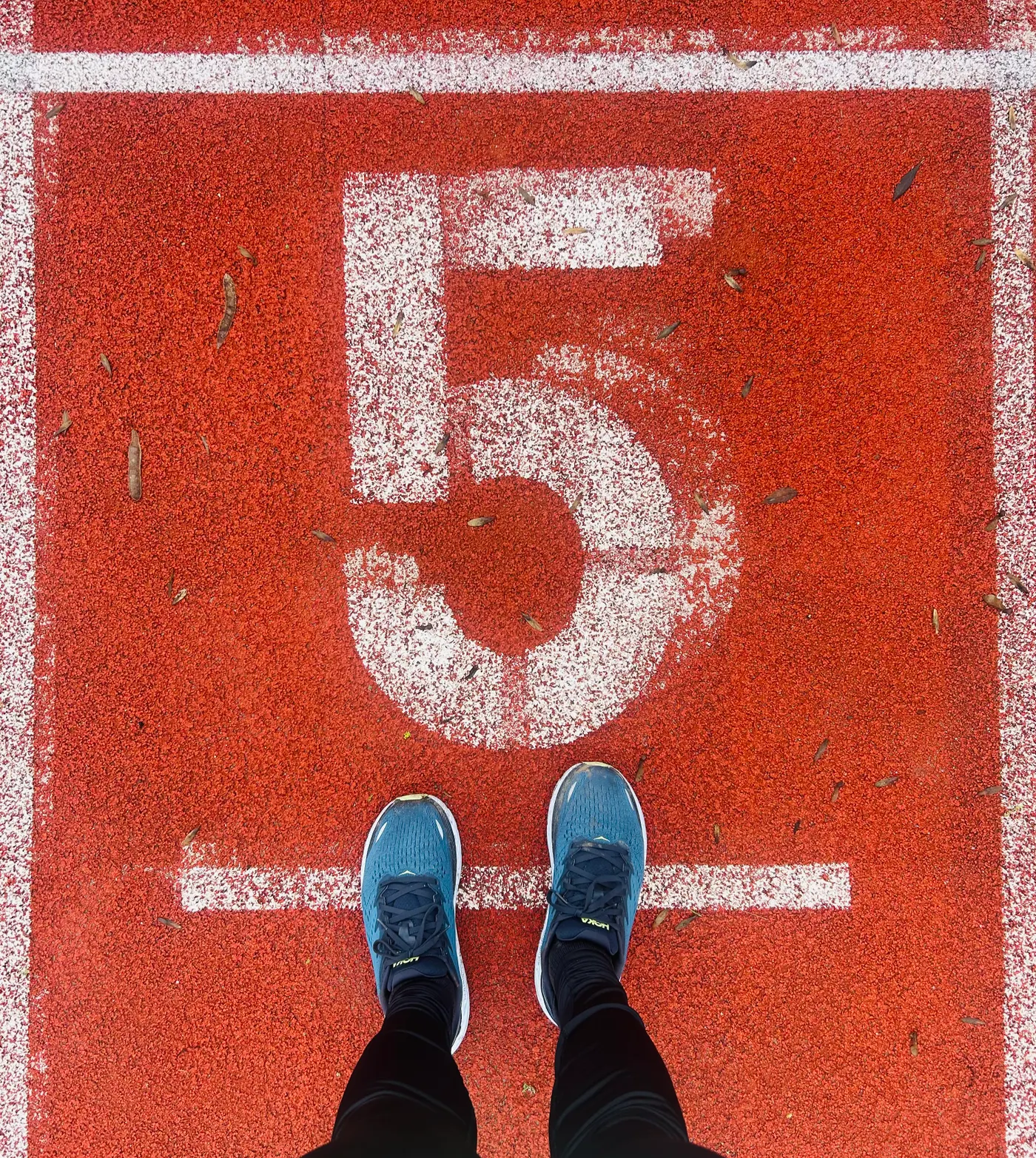
Instead of treating exercise order as a permanent identity, test a manageable arrangement for four weeks. Keep the overall running plan reasonably stable and record a few repeatable measures: interval pace, perceived effort, the load and repetitions used in two key lifts, next-day soreness, and whether you feel ready for the following important session.
Week 1: Establish a baseline. Pick two short full-body lifts and place them after easy runs, or on separate days if you have the time. Leave repetitions in reserve and avoid new exercises that create excessive soreness. Note how your key run feels before making changes.
Week 2: Keep the sequence stable. Increase only one variable at a time, such as a small amount of weight on a squat or one additional repetition on a row. If your run quality slips, reduce accessory volume before discarding strength work entirely.
Week 3: Experiment with spacing. Move one lift several hours later or to a different day, while keeping its exercises and total sets similar. Compare the following workout’s quality, not just how tired you feel immediately afterward. An apparent improvement from one session is not proof of a physiological law.
Week 4: Review the pattern. Did your most important running workout hold its pace? Did your primary lifts remain technically sound or improve? Was soreness manageable? Were you able to recover between sessions? Keep the schedule that produces repeatable training, not the one that looks most intense on paper.
There is no single winner for every athlete. Run first when the run is the priority, lift first when strength is the priority, and separate demanding sessions when practical. The best sequence is the one that helps you perform the work that matters, recover from it and return ready to train again.