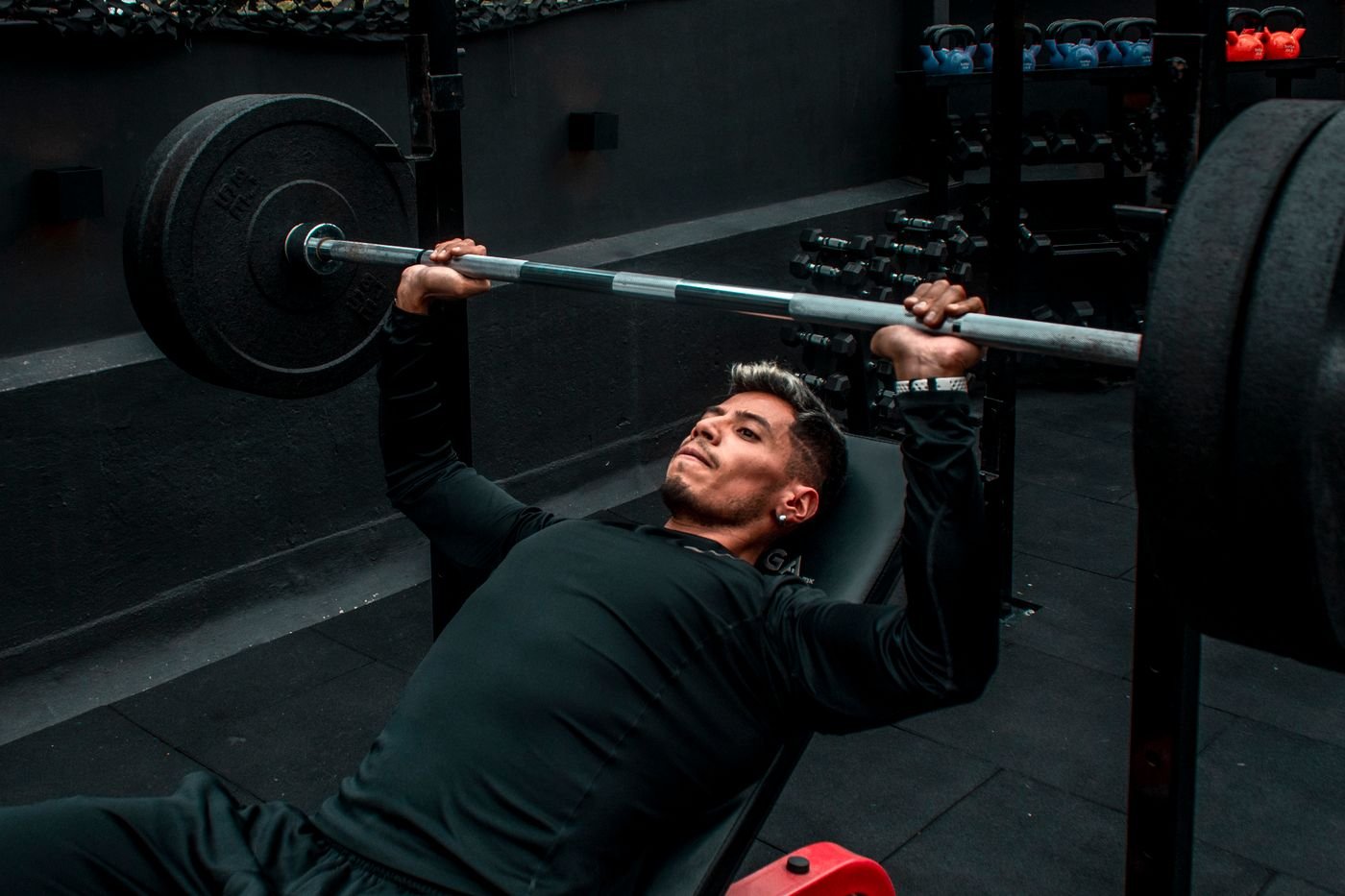
Adding another plate feels like progress. But the moment you can lift more is not always the moment you should. A better question is whether the extra weight will preserve the repetitions, range of motion and control that made your previous sets productive.
For most recreational lifters, a simple method called double progression provides a repeatable answer. You improve the number of clean repetitions within a chosen range first, then raise the load. The method is practical, but it is not a law of physiology: strength, muscle size, fatigue and skill do not improve in perfectly synchronized steps.
1. Progressive overload is bigger than the number on the plates
Progressive overload means gradually increasing the training challenge as you adapt. External load is one way to do that, but not the only one. Completing eleven controlled repetitions with a weight that previously allowed nine is progress. Performing the same repetitions through a deeper, consistent range can also represent a meaningful change, even when the dumbbell label stays the same.
It helps to separate three things. Performance is what you achieved in a particular workout. Training stimulus is the mechanical and effort demand placed on the muscles. Adaptation is the longer-term change in capacity. A single workout is noisy evidence about the third. Sleep, exercise order, rest intervals, food, stress and simple day-to-day variation can all alter performance without changing your underlying strength overnight.
The goal is therefore not to win a personal record in every session. It is to accumulate challenging, repeatable work while gradually shifting what you can do. A 2026 overview of 137 resistance-training reviews found that progressive training improves multiple outcomes, while the best loading and volume details vary with whether strength, muscle size or power is the priority. Heavier loads are especially useful when maximum strength is the outcome; they are not the only useful stimulus for hypertrophy.
Start with an exercise, a realistic repetition range and a stable technique standard. Keep the range of motion, setup and rest periods reasonably consistent. Without that baseline, an apparent jump from ten to twelve repetitions might reflect shorter movement or extra momentum rather than a genuine improvement.
2. Double progression: earn the heavier weight with repetitions
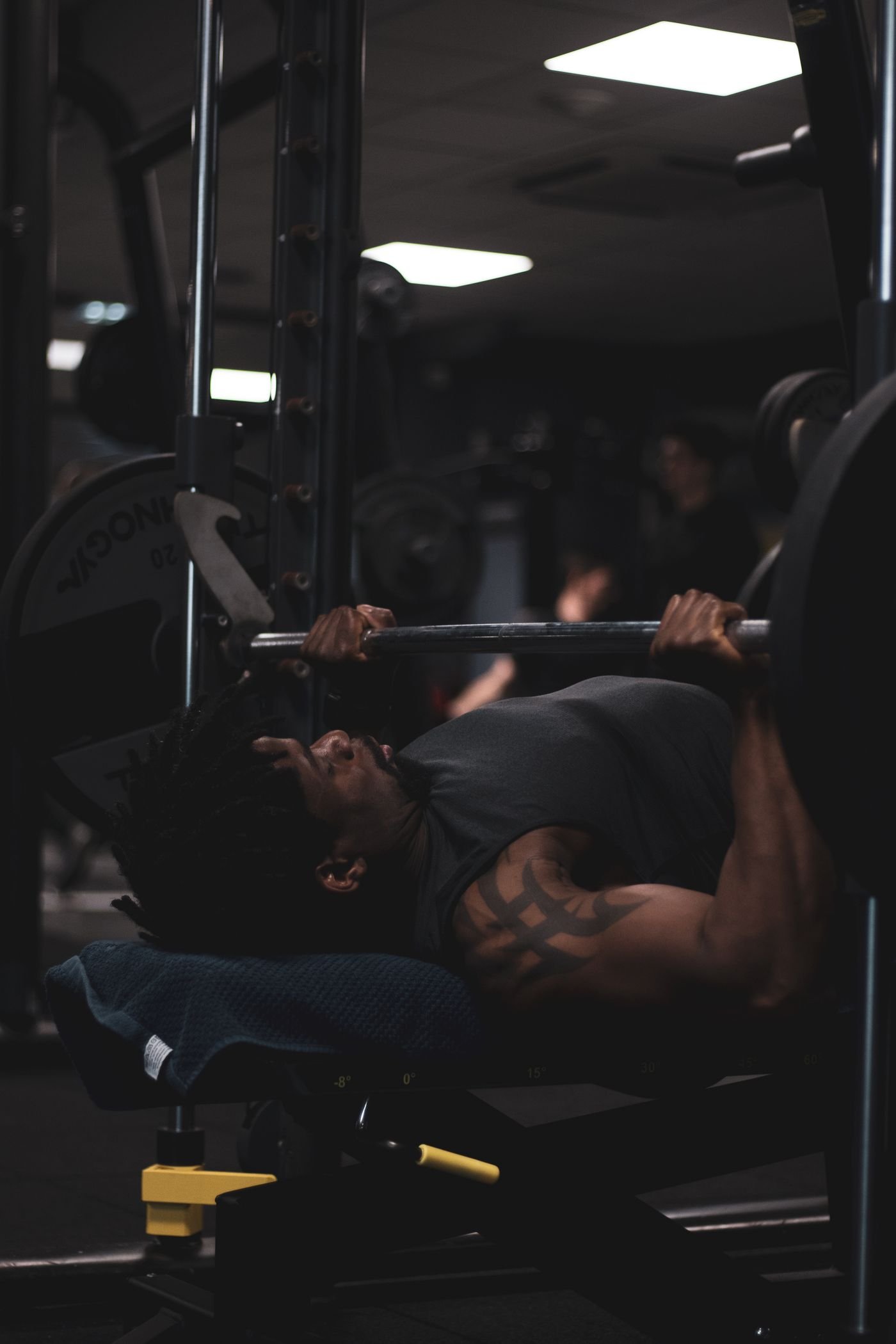
Suppose your bench press prescription is three working sets of eight to twelve repetitions. Choose a weight that allows at least eight controlled reps on every set, while leaving roughly one to three possible repetitions in reserve on the final set. Your first session might be 10, 9 and 8 reps. Keep the weight the same next time and try to add a clean repetition somewhere.
Across several sessions, the log might progress to 11/10/9, then 12/11/10, then 12/12/12. Only after reaching the upper end with consistent form would you try a small load increase. With the new load, falling back to 9/8/8 is normal; you have restarted the climb rather than lost progress. This is a decision framework, not a prediction of how quickly any particular lifter will advance.
| Session | Load | Set 1 | Set 2 | Set 3 | Decision |
|---|---|---|---|---|---|
| A | 60 kg | 10 | 9 | 8 | Repeat load |
| B | 60 kg | 11 | 10 | 9 | Repeat load |
| C | 60 kg | 12 | 12 | 12 | Consider increase |
| D | 62.5 kg | 9 | 8 | 8 | Build reps again |
The upper end is a convenient trigger, not a physiological switch. Some programs add weight once the first set reaches its target; others use top sets and back-off sets or percentages of a training maximum. The important feature is a rule you can apply consistently instead of making an emotional decision after a good workout.
Do not force a repetition by changing the exercise. A bench press that becomes a bouncing, shortened-range movement is not the same test as last week. For beginners, a wider eight-to-twelve range works well for many movements; for advanced lifters, a narrow three-to-six range on a primary lift and a wider range on accessories can make more sense.

Equipment Worth Exploring
Explore equipment, accessories and gear from our carefully selected range.


FID Bench MAX
Adjustable bench offering flat, incline, and decline positions + adjustable headrest.

Original GymPin
Adds Olympic plates to compatible cable-machine weight stacks for extra resistance.
3. Three green lights before you add load

The first green light is repetition completion: you can hit the prescribed upper range for the required sets. The second is movement consistency: depth, tempo, balance, bracing and joint position remain similar from the first rep to the last. The third is manageable effort: you are not forced into an unsafe grind just to claim the target.
Repetitions in reserve, or RIR, describes how many additional good repetitions you believe were possible. If you complete ten reps and estimate you could have done two more, that is roughly two RIR. It is an estimate, not a laboratory measurement. New lifters often misjudge it, and the estimate can change between exercises. Treat it as an additional clue rather than an exact score.
You do not need to reach muscular failure in every set to stimulate growth. A 2026 synthesis of 20 randomized trials involving 556 participants found that non-failure training produced broadly similar hypertrophy, endurance and power outcomes to failure training, with a small pooled advantage for dynamic strength. The studies differed in volume, methods and participant experience, so the result is not a universal promise that leaving a precise number of reps in reserve is optimal for everyone.
For a heavy squat or bench press, prioritize a repeatable, safe technique and stop when another rep would demand a major change in form. Isolation work such as curls may tolerate harder efforts, but that still does not require every set to end at failure. If the upper-rep target was reached only with cheating, keep the weight unchanged and improve the quality of those repetitions first.
A final practical check: compare sessions under similar conditions. A warm-up set, a heavy set performed after five exhausting exercises, and a fresh first exercise are not interchangeable benchmarks. Keep the exercise order and rest periods similar before concluding that the load is suddenly too easy.

Powerlifting Shirts & Lifting Gear
Powerlifting shirts and gym gear for squat, bench and deadlift lifters who live for heavy numbers.

3 Plates Bench Club Chest Day Meme & Top T-Shirt
Rep “3 Plates Bench Club” humor in and out of the gym.

My Bench Press Is Stuck Horror Movie Meme Decal Scary Sticker
Give your everyday gear a playful “My Bench Press Is Stuck” twist.

New PR Birthday Cake : Meme T-Shirt
Heavy lifts, good laughs, and a little “New PR Birthday Cake” energy.

Rep-Tilian Reptile Reptilian Meme Gym Bodybuilding Powe Hoodie
Show off your powerlifting humor in a laid-back “Rep-Tilian” hoodie.

I Love Squats | Valentine's Day Leg Day Hooded Pullover Hoodie
Keep it laid-back with a little “I Love Squats” attitude.

Skeleton Deadlift Weightlifters & Deadlift Lovers Tank Top
Your gym-day look, with a playful “Skeleton Deadlift” twist.

I Love Deadlifts Valentine's Gym | Heart Plate Workout T-Shirt
For laid-back days and deadlift humor: “I Love Deadlifts Valentine's”.

I Want You To Bench Press Uncle Sam – 4th of July Patri Tank Top
Train hard, laugh a little, and rep “I Want You To Bench Press Uncle Sam”.

Master of PRs Master of Puppets Album Cover Parody Meta T-Shirt
Make gym days more fun with “Master of PRs” style.

PR Queen Wonder Woman Crewneck Pullover Sweater for PR T-Shirt
Show some gym-day personality with “PR Queen Wonder Woman”.
4. How big should the next weight increase be?
The smallest sensible jump is usually the easiest to absorb. For a 100 kg squat, adding 2.5 kg is a 2.5% increase. For a 10 kg lateral raise, adding 2.5 kg per hand is a 25% increase. Those are very different demands even though the plates or dumbbells may look like similarly modest upgrades.
As a practical starting point, try approximately 2-5% on large compound lifts when the target reps and technique are secure. Smaller increments are often preferable for upper-body movements, and especially for isolation exercises. Older progression guidance proposed roughly 2-10% load increases after exceeding the target repetition range, but that wide band is not a mandate to jump ten percent. The correct increment depends on the lift, current strength, equipment and how close the set is to your limit.
Microplates, fractional dumbbell attachments and small cable-stack increments are useful because they make a difficult step less abrupt. If a machine jumps from 25 to 30 kg, that is a 20% increase. Instead of forcing it, add reps at 25 kg, use a slower controlled lowering phase if it suits the exercise, or adjust the exercise setup so that the next available step becomes manageable. Do not mistake a deliberate tempo change for directly equivalent loading; record it as a new condition.
Machines, cables and dumbbells can also feel different at the same displayed weight. A pulley ratio, resistance curve, handle position or range of motion may change the actual force demand. A 30 kg stack on one cable machine should not automatically be compared with 30 kg on another. Keep your progress log tied to the exact machine and setup.
For very heavy low-repetition work, small jumps may still be too aggressive if fatigue is high. A lighter technique session, a repeated load or a longer progression cycle can be the smarter choice. Progression is the consequence of adaptation, not something to manufacture by changing the number on the implement.
5. What to check when the reps stop increasing
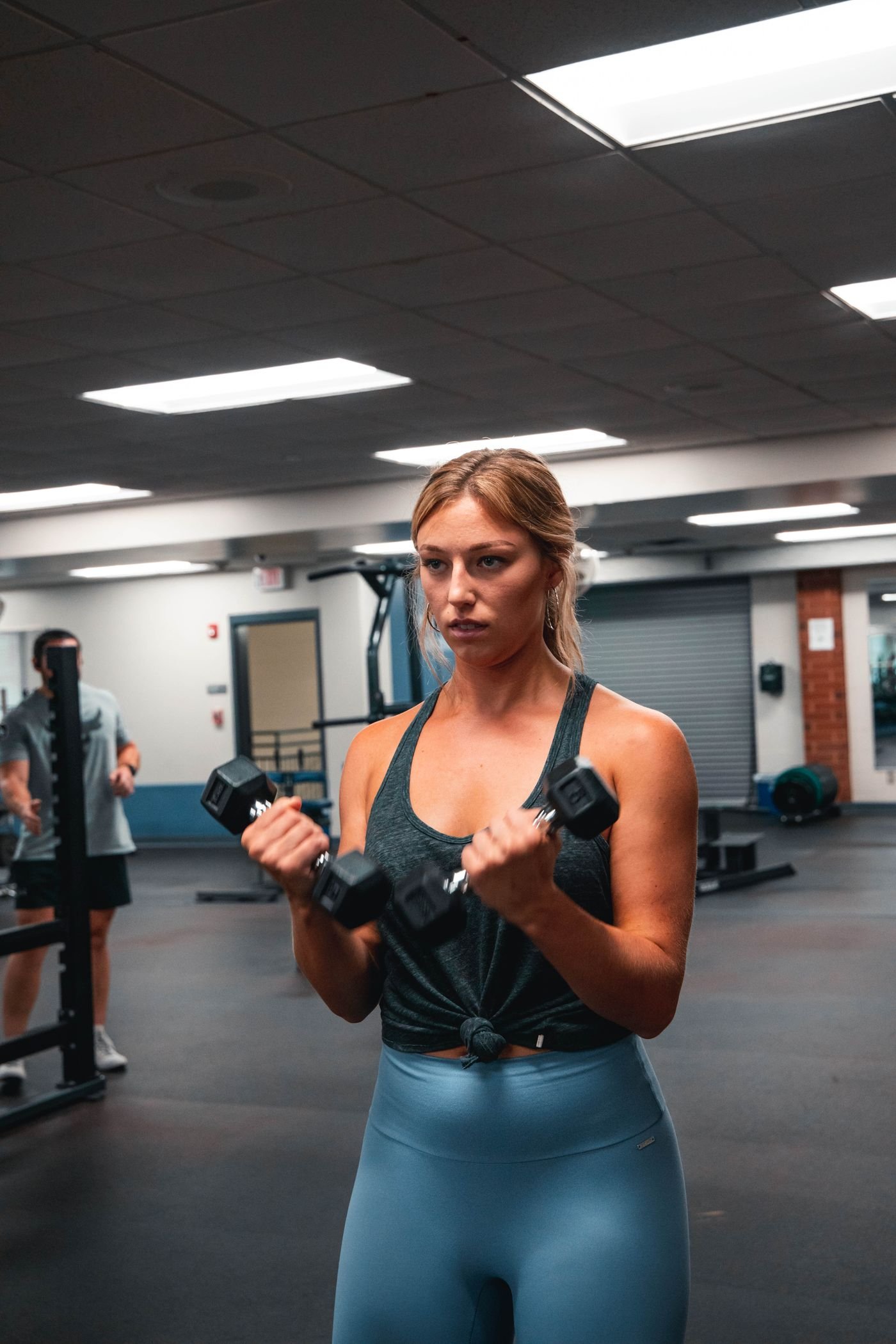
A plateau of two or three workouts does not automatically mean your program has failed. Start with the easiest variables to audit: are you resting long enough between hard sets, sleeping adequately, eating enough to support the work, and keeping the movement standard stable? An extra minute of rest can sometimes recover repetitions that would otherwise disappear because of fatigue.
For demanding compound lifts, two to five minutes between heavy working sets may be useful, depending on load and goals. Shorter rests can work for less demanding isolation movements, but they change the test. If your first set is twelve reps and your third is suddenly six, the issue may be insufficient recovery between sets rather than inadequate muscular capacity.
Next examine the training dose. More sets are not automatically better. If a muscle group is already receiving a high weekly workload and performance is deteriorating, adding another set may make the problem worse. Conversely, a very low training dose may eventually stop challenging an experienced lifter. Adjust one variable at a time and watch the response over multiple sessions.
Look for a trend, not one disappointing number. If a lifter has completed 10/9/8, 10/9/8 and 10/9/8 across three comparable workouts, keep the load and check rest, effort and recovery before changing the plan. If the same pattern persists for several more weeks, try a small programming adjustment: alter the repetition range, reduce accumulated fatigue, or add a modest amount of quality work if recovery is clearly adequate.
Persistent pain, sharp symptoms, dizziness or a new loss of strength deserve a different response from an ordinary plateau. Do not use heavier weights to test an injury. Reduce or stop the provoking exercise and seek appropriate clinical assessment when needed. The objective is productive training over years, not winning a negotiation with a painful joint.
Equipment Worth Exploring
Explore equipment, accessories and gear from our carefully selected range.




GymPin MiniPin
Compact Olympic-plate loading pin for compatible cable stacks with limited clearance.

GymPin Mag Pin V2
Magnetic selector pin designed to secure weight selection on compatible pin-loaded machines.


6. Track useful progress even when the weight stays fixed
A simple log needs only exercise name, load, repetitions, sets and one short note on technique or effort. For example: barbell row, 70 kg, 10/10/9, two reps in reserve, full range. That entry is much more informative than recording only the heaviest number touched. It lets you compare performance without pretending every day is identical.
Repetition progress can be subtle. A move from 10/9/8 to 10/10/8 is one additional quality repetition across the session. If the movement is performed with the same rest, range and technique, that is a meaningful step toward a future load increase. In the short term, adding reps rather than load can produce useful strength and muscle adaptations; a controlled trial comparing these progression approaches supports that both are viable options rather than one being inherently mandatory.
There are limits to what a training log proves. Higher volume load, calculated as sets times reps times external load, does not by itself establish more hypertrophy. Ten easy sets are not interchangeable with ten challenging sets. Likewise, estimated one-repetition maximum formulas can be useful for monitoring but vary by exercise and the rep range used. Treat estimates as trend indicators, not as measurements of a true maximum.
Record changes to your setup: a new bench angle, different cable pulley, new machine, longer pauses or an altered range of motion. Those may be good changes, but they make direct comparisons less clean. If you want to evaluate a technique improvement, note it explicitly instead of labeling the resulting numbers a straightforward load personal record.
For muscle-building goals, also pay attention to longer-term performance across several exercises, body measurements under consistent conditions and how well you tolerate training. The weight on one lift is only part of the picture. For maximum-strength goals, heavier loads and improved skill in the specific lift become more central, while accessory progress still supports the larger plan.
Bodybuilding Shirts & Workout Gear
Bodybuilding shirts, tanks and gym gear for lifters chasing muscle, size, symmetry and the pump.


Whole Lotta Reps AC/DC Heavy Metal Rock Music Workout D Sticker
Put “Whole Lotta Reps” gym humor on your laptop, bottle, or gym gear.

Grunge Gains Repeat Hooded Pullover Nirvana Fans Hoodie
Stay casual and show some lifting attitude with “Grunge Gains Repeat”.

PR Of Darkness Ozzy Osbourne Heavy Metal , Gymbro T-Shirt
Rep “PR of Darkness” humor in and out of the gym.

Rep Dead Redemption Swole Cowboy Workout | Crewneck Pul T-Shirt
Add a playful “Rep Dead Redemption Swole Cowboy” touch to your casual rotation.

Stronger Together Pride LGBTQ+ Motivational Meme Top T-Shirt
Rep “Stronger Together Pride” humor in and out of the gym.

Stronger Than You Wonder Woman Sticker
Bring “Stronger Than You” attitude to your water bottle or laptop.

Bodybuilding / Gains
Make gym days more fun with “Hallowed Be Thy Gains Heavy Metal” style.


Make It Gain – Pole Dance Meme Barbell Vest Muscle Shir Tank Top
Bring “Make It Gain” humor to your next lifting session.
7. A four-week progression system you can actually follow
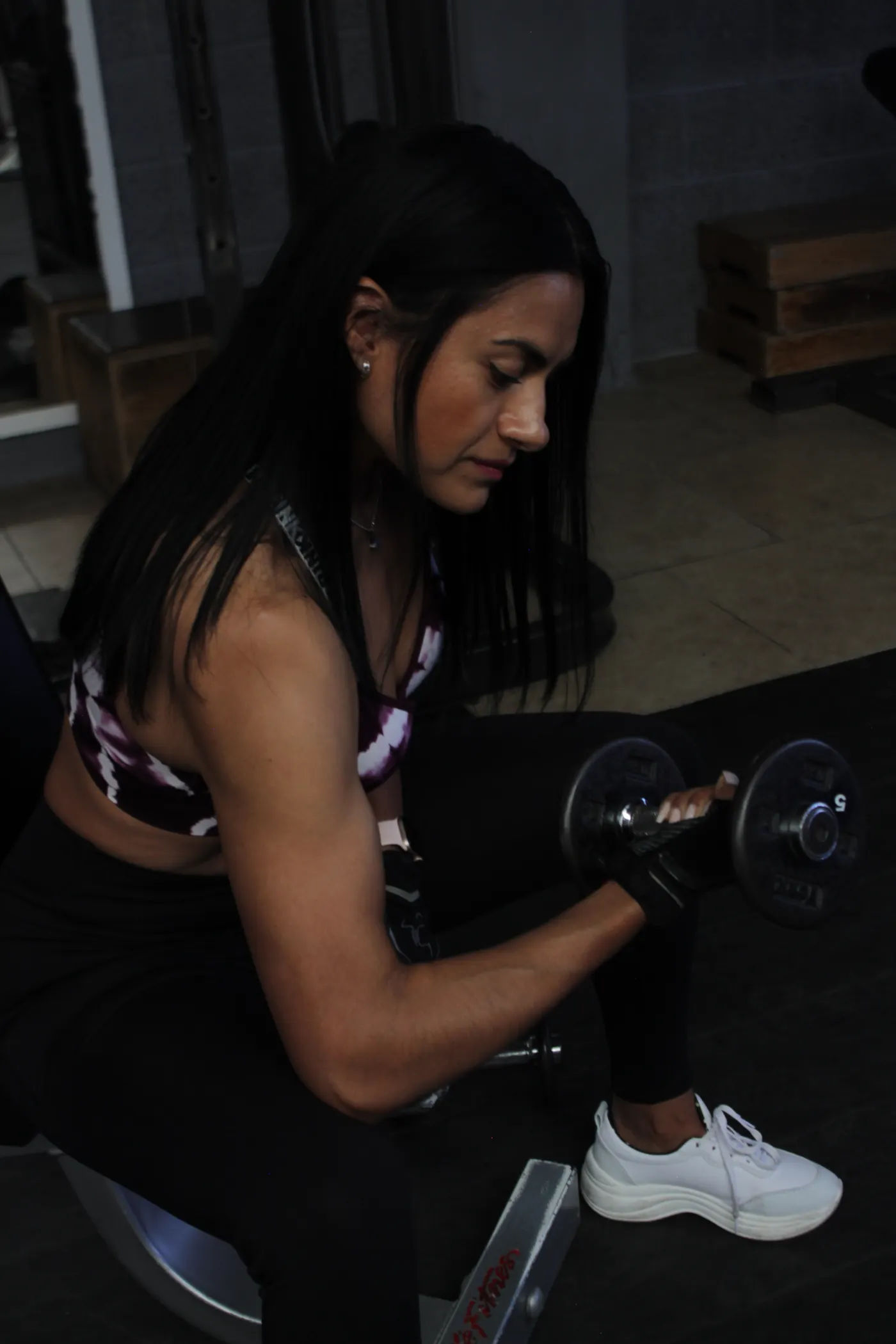
Choose three or four core exercises, such as a squat pattern, a hip hinge, a horizontal press and a row. Train each twice weekly if your schedule and recovery allow. Begin with two or three challenging working sets per exercise and a repetition range of eight to twelve. Use a load that permits clean reps with approximately two left in reserve; adjust for your experience and the difficulty of the movement.
Week 1: establish the baseline
Write down the actual load, reps, rest periods and technique standard for each movement. Resist the urge to start too heavy. If you can perform only six reps with a weight intended for eight to twelve, lower it. If twelve reps feel effortless, select a more challenging load at the next session. The goal is to find a repeatable starting point, not to test your maximum.
Week 2: add quality repetitions
Keep loads stable and try to add one or two total reps across your working sets when technique remains sound. Do not demand an improvement in every lift at every session. A stable workout after a hard week can be perfectly productive. If form deteriorates, repeat the previous prescription rather than forcing a new target.
Week 3: take only earned load increases
For any movement that reaches the upper end of its range on all prescribed sets with consistent control, increase the load by the smallest available useful increment. On a barbell that might be 1-2.5 kg total; on an isolation movement, a smaller step may be ideal. Expect the repetitions to fall toward the lower end and start building again. Other exercises stay at their current loads.
Week 4: review the trend and adjust fatigue
Compare like-for-like sessions. Did the total number of clean reps rise? Did a load increase hold without a loss of technique? Are joints comfortable and recovery acceptable? If fatigue is accumulating, reduce sets or intensity temporarily instead of chasing another record. If everything is moving well, continue the same progression rather than replacing a working plan with novelty.
The decision rule: increase weight when the target repetitions, repeatable technique and manageable effort align. Hold it when one of those is missing. Reassess when performance is flat across several comparable sessions. This is a practical framework for sustained progress, not a guarantee of weekly strength gains.