Running faster or more comfortably is not always about trying harder. A slightly shorter stride, more relaxed arms or better lower-body strength may make an easy run feel smoother. Yet popular form advice often turns useful ideas into rigid rules: everyone should hit the same cadence, abandon heel striking or copy the gait of a professional runner. Human running mechanics are more individual than that.
This guide separates practical cues from claims that the evidence cannot support. It explains how to assess cadence and overstriding, where strength training fits, what changes are worth testing, and how to run a four-week experiment without sacrificing the workouts that actually build fitness.
Some equipment links may be affiliate links, supporting Mind Muscle Perfection without increasing your purchase price.
What good running form actually means

Running form is not a single silhouette that every runner must imitate. It is the interaction of pace, stride length, step frequency, posture, arm movement and the ability to keep those elements stable as fatigue rises. A tall, relaxed torso, a comfortable arm swing and feet contacting the ground without excessive braking are useful starting points. They are not commandments about exactly where the heel must touch or how many steps every person should take.
An easy way to understand the mechanics is to separate what you can observe from what you can measure. A video can reveal whether the foot lands far ahead of the body, whether the shoulders twist excessively or whether one hip drops on every step. It cannot directly tell you how much force travels through a particular joint, whether your oxygen cost has improved or whether an unusual-looking stride is actually harmful. Two efficient runners may look different because their anatomy, speed and training history differ.
Begin with one easy run at a conversational pace. Film ten to fifteen seconds from the side and from behind, ideally after the first few minutes and again near the end. Keep the camera steady and the frame wide enough to show the whole body. Note only two or three repeatable observations, not every asymmetry. Your goal is to establish a baseline before changing anything. An occasional awkward frame is not evidence of an injury mechanism.
Cadence and overstriding: change the right variable

Cadence is the number of steps you take per minute. At the same speed, taking slightly more steps generally means each step covers a shorter distance. That can reduce how far the foot reaches ahead of the body and may reduce braking and certain knee-loading measures. In a controlled experiment involving forty-five recreational runners, increasing their preferred step rate by five or ten percent reduced several measures of knee energy absorption; increasing it ten percent also changed some hip-loading measures. These were short-term biomechanical measurements, not a promise of fewer future injuries.
Do not turn a popular cadence number into a universal target. A shorter runner jogging slowly and a tall runner racing fast will naturally choose different step rates. Instead, count your current steps for thirty seconds, double the result and test a modest increase of around three to five percent. A runner at 160 steps per minute might first try 165 to 168, not leap to 180. Use a metronome or rhythmic music only if it helps you remain relaxed.
Try three one-minute intervals at the slightly quicker rhythm, with two minutes of normal easy running between them. Think about making the steps a little shorter and quieter, not running faster. If the new rhythm makes you tense, bouncy or breathless, reduce the change. In a separate treadmill experiment, a ten-percent increase in step rate lowered some rearfoot and midfoot pressure measures, while a five-percent change did not significantly change plantar pressure. Different outcomes respond differently; that is why an individual experiment beats a rigid number.

Equipment Worth Exploring
Explore equipment, accessories and gear from our carefully selected range.


FID Bench MAX
Adjustable bench offering flat, incline, and decline positions + adjustable headrest.

GymPin Squat Wedges
Non-slip 15-degree squat wedges help elevate the heels for deeper quad-focused squats.


Foot strike, posture and arms without overcorrecting

Landing on your heel is not automatically bad, and forcing a forefoot strike is not a universal solution. Foot-strike patterns shift loading between joints and tissues. A sudden switch can demand more from the calves and Achilles tendon even when the knee feels better. If you have no pain and your running is progressing, there is little reason to rebuild your entire gait simply to make a slow-motion video look more fashionable.
Start with posture. Imagine the head balanced above the ribs and the ribs stacked over the pelvis, without arching the lower back. A small forward inclination can emerge from the whole body as pace rises; do not fold at the waist. Let the elbows move mainly backward and forward while the hands remain loose. Some rotation is natural, but a strong cross-body arm swing may make the torso twist unnecessarily. Relax the jaw and shoulders before trying to change the feet.
For the feet, think of placing them under you rather than reaching toward the horizon. That cue can reduce exaggerated overstriding, but it is not a command to land on a specific part of the shoe. Test changes on level ground at an easy speed. A runner recovering from persistent pain may need an individualized assessment rather than generic online advice. In a small randomized rehabilitation trial involving twenty-three injured runners, a gait-retraining program reduced reported pain more than standard therapy, but did not demonstrate consistent between-group changes in cadence, biomechanics or function. Useful clinical effects and perfect-looking mechanics are not the same thing.

Cardio Shirts & Workout Gear
Cardio and conditioning gym gear for runners, endurance athletes and anyone who earns the sweat.

Shirt: Does Running Out Of F*Cks Count As Cardio? & T-Shirt
Heavy lifts, good laughs, and a little “: Does Running Out Of F*cks Count As” energy.

Negative Cardio Review Cardio Sucks Running , Meme T-Shirt
Heavy lifts, good laughs, and a little “Negative Cardio Review” energy.

Meme Shirt – Two Things I Like Lifting Weights Not T-Shirt
Make gym days more fun with “Two Things I Like Lifting Weights Not” style.

Shirt & Rockstars Hot Babes Rockstar Cardio Top & T-Shirt
Make gym days more fun with “for Lifters & Rockstars” style.

Cardio Speed Flash Superhero Running, Treadmill & – T-Shirt
Rep “Cardio Speed Flash Superhero” humor in and out of the gym.

Anti Running Club Tee
Heavy lifts, good laughs, and a little “Anti Running Running Club” energy.

Anti Jogging Jogging Club Shirt – & Meme Top T-Shirt
Bring “Anti Jogging Jogging Club” humor to your next gym day.

Shirt – Cardio Is Hardio – & Gymbros T-Shirt
Show some cardio attitude with a playful “Cardio is Hardio” tee.

Cardio Is Calling You , Meme Top Answer Or Decline? T-Shirt
Make gym days more fun with “Cardio Is Calling You” style.

Straight Outta Shape – Out Of Shape Meme T-Shirt
Add a playful “Straight Outta Shape” touch to your casual rotation.
Strength work that supports a steadier stride
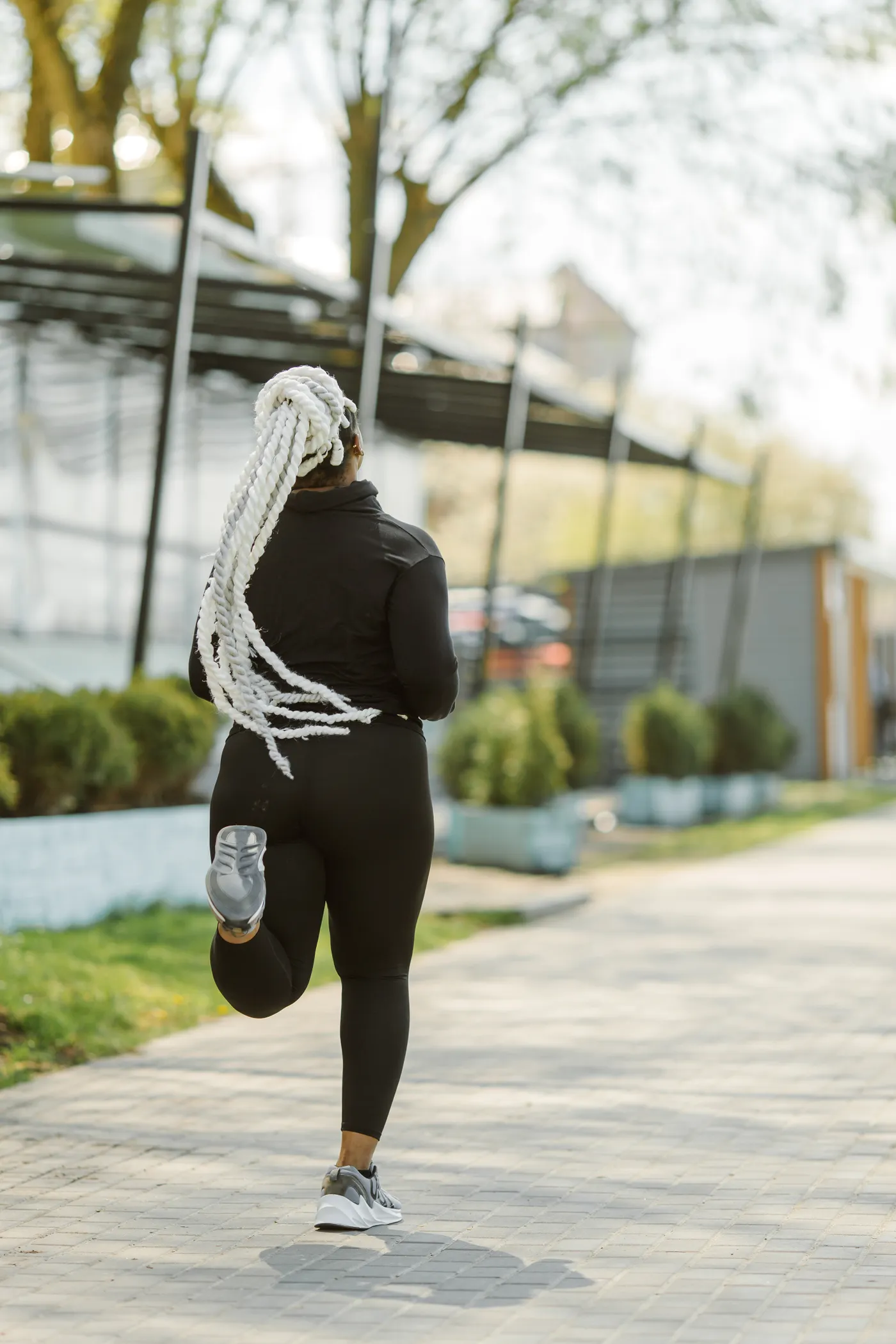
Running skill matters, but the legs and trunk also need enough capacity to repeat that skill thousands of times. Hip extensors help propel the body, the calf complex contributes to ankle stiffness and push-off, and the trunk and lateral hip muscles help control motion during single-leg support. A tired runner may lose posture not because they forgot a cue, but because the tissues responsible for maintaining it are fatigued.
Twice weekly, build a compact strength session around a squat or split squat, a hip hinge, a calf raise and a single-leg stability movement. For example, perform three sets of six to ten split squats per side, three sets of six to ten Romanian deadlifts, three sets of eight to fifteen calf raises and two sets of twenty to thirty seconds of side planks. Use a weight that leaves one to three technically good repetitions available. Add a light warm-up and gradually increase loads as you adapt.
Strength work should support the running plan rather than sabotage it. A synthesis of thirty-eight studies involving 894 middle- and long-distance runners found that high-load and combined strength approaches could improve running performance, even though measured aerobic-capacity markers did not consistently change. That does not mean every beginner needs maximal lifts. Progress from controlled bodyweight movements to dumbbells or heavier resistance when technique and recovery allow. If you add jumps, begin with a few low-volume contacts and avoid placing them immediately before a demanding run. Stronger legs create options; they do not replace practice running.
How to test form without sacrificing your easy runs
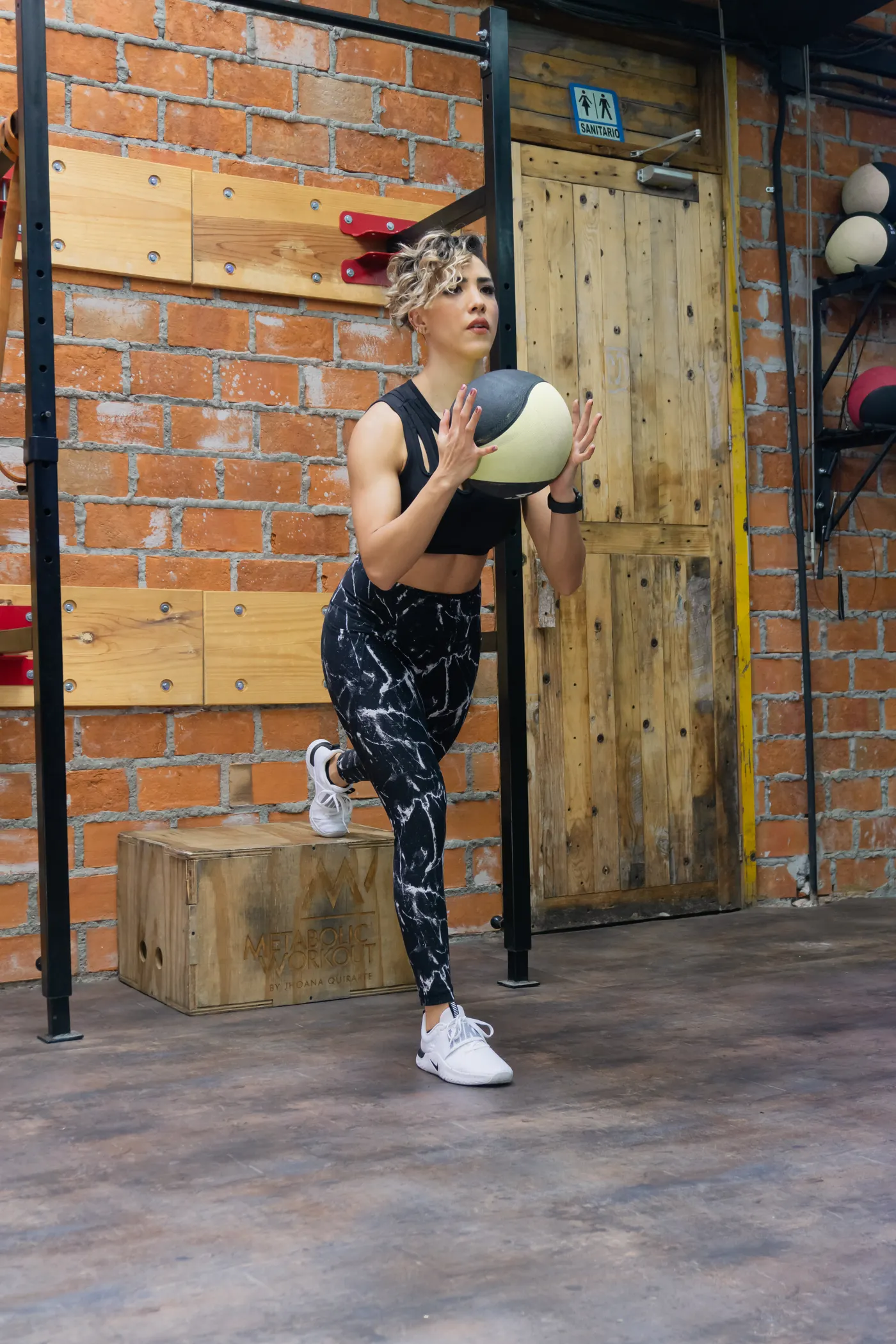
Technique work belongs in small, repeatable doses. Changing every cue at once makes it impossible to know what helped, and it can overload unfamiliar tissues. Choose one observation from your baseline video: an excessively long reaching step, shoulders held high, or a large side-to-side movement. Practice that cue for a few short intervals inside an otherwise normal easy run, then return to your natural stride. Do not spend an entire forty-minute session consciously micromanaging every footfall.
A simple test uses a flat, familiar route at roughly the same effort and pace each week. Record average cadence, pace, perceived effort, and any soreness that appears during the run or the next day. If a watch provides vertical oscillation or ground-contact estimates, treat those as rough trends rather than clinical measurements. Wind, hills, fatigue and shoes can change the numbers. The goal is a comfortable, repeatable stride, not a record score on the watch.
Use the talk test to protect the purpose of an easy run. If you cannot speak in full sentences because you are chasing a higher cadence, you are probably adding intensity instead of refining form. Avoid making major gait changes during a race build, after a sudden mileage increase, or while managing a new injury. If discomfort grows or alters your stride, stop the drill and return to normal running. Persistent pain, swelling or limping deserves professional assessment. A running-form experiment is successful when it fits the training week and leaves you able to run again, not merely when one video looks cleaner.
Equipment Worth Exploring
Explore equipment, accessories and gear from our carefully selected range.


Powerbeats Fit
Secure-fit wireless workout earbuds with active noise cancellation and a charging case.

Apple Watch Ultra 3
Rugged 49 mm smartwatch with cellular connectivity, GPS and fitness tracking.
VOLTRA
Compact digital cable trainer with smooth, adjustable resistance.

Go-Tone Pro
Portable digital cable trainer with up to 66 lb (30 kg) of adjustable resistance.

Squat Harness
Wearable harness for hands-free cable squats, sled work, and lower-body training.


Power Tower
Freestanding pull-up and dip station with adjustable handles for bodyweight training.


A practical four-week running-form progression
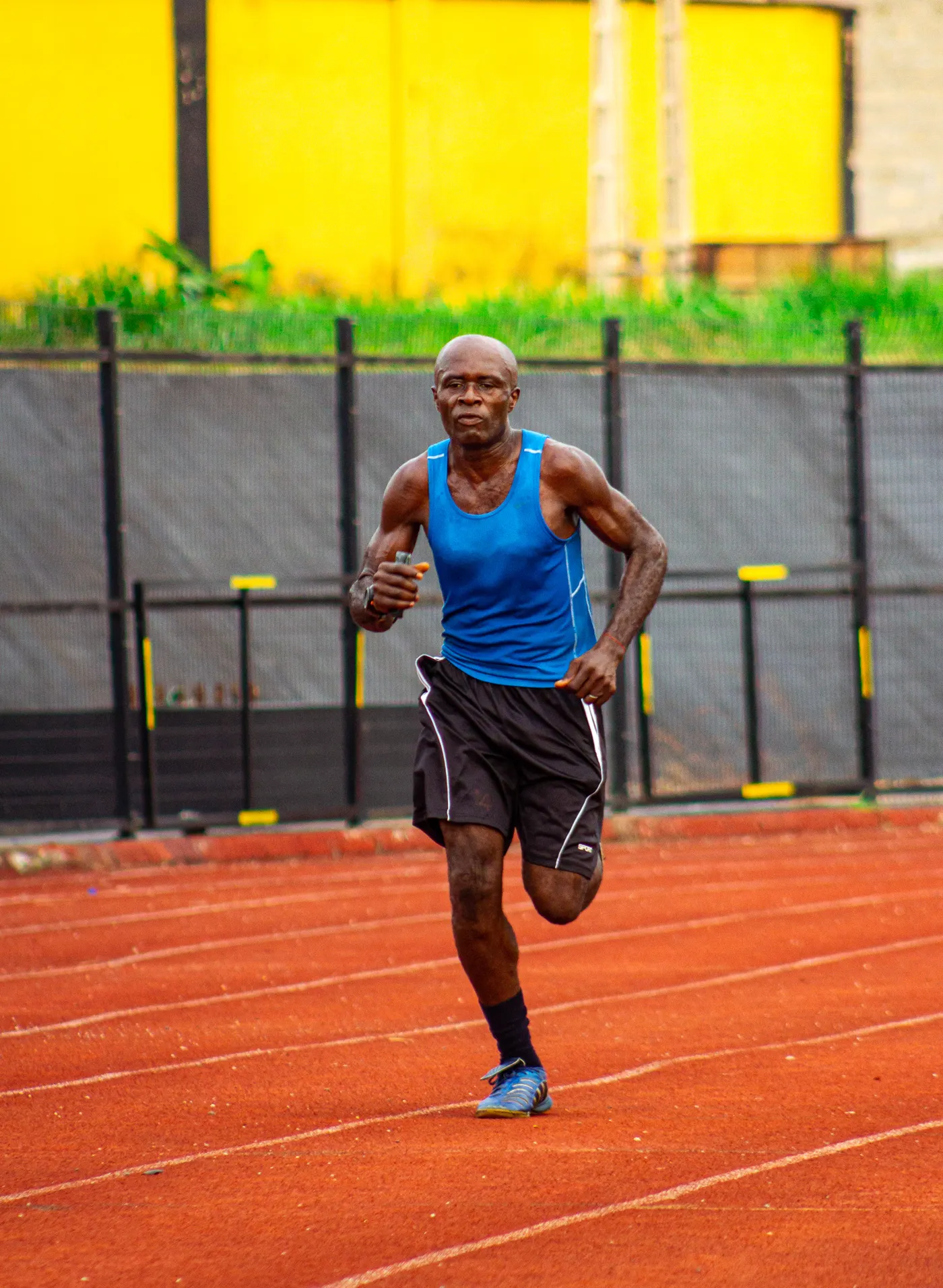
Week 1 — observe: Complete your normal easy runs without deliberate changes. On one run, capture side and rear video early and late. Count cadence at your normal pace. Write down any recurring discomfort and when it appears. Add one short strength session if you are not already lifting. Resist the urge to fix everything after watching the footage.
Week 2 — one cue: Choose either shorter, quieter steps or a more relaxed arm swing. During two easy runs, insert three one-minute technique intervals with two minutes of ordinary running between them. If testing cadence, increase only around three to five percent from your personal baseline. Continue one or two short strength sessions, keeping leg soreness manageable.
Week 3 — build tolerance: If the first two weeks felt comfortable, extend the technique intervals to four repetitions of ninety seconds. Keep the overall running distance close to normal. On strength days, add a repetition or a small load increase to one lower-body exercise. If calf or Achilles soreness increases after a cadence change, reduce the drill exposure rather than forcing adaptation.
Week 4 — compare: Repeat the original filming route at a similar easy effort. Compare posture, reach and comfort, not just raw cadence. Check whether your pace at the same perceived effort is stable, whether the cue feels less mentally demanding and whether recovery remains normal. Keep a change only if it is practical and comfortable. Four weeks may improve awareness and coordination, but long-term running economy and performance adaptations often require substantially more training time.
Leg Day Shirts & Workout Gear
Leg-day gym shirts and workout gear for lifters who never skip squats, lunges and lower-body punishment.

Booty Building Mode Hoodie
Bring “Booty Building Mode” gym humor to lazy days and post-workout plans.

Funny Booty Out Of This World Gym | Alien Meme Muscle S Tank Top
Train hard, laugh a little, and rep “Booty Out Of This World”.

Never Skip Leg Day Gym | LEGO Workout Decal for Water B Sticker
Stick a little “Never Skip Leg Day” humor on your favorite gear.

Leg Day Gym Fails
Show some leg-day attitude with a playful “Leg Day Gym Fails Funny Grunge Graphic” tee.

Funny Squatbucks Gym | Starbucks Parody Workout | Leg D Hoodie
Bring “Squatbucks” gym humor to lazy days and post-workout plans.

Swolebob Squatpants Gym | Funny SpongeBob Meme Muscle S Tank Top
Your gym-day look, with a playful “Swolebob Squatpants” twist.

If You're Reading This Its Leg Day Drake Parody | Worko T-Shirt
Keep things casual with a little “If You're Reading This Its Leg Day Drake” attitude.

Big Ass Energy & Booty Gains Hooded Hoodie
Stay casual and show some lifting attitude with “Big Ass Energy”.

Hippo Thrust Leg Day Meme Sweater Glutes & Booty Day T-Shirt
For laid-back days and leg-day humor: “Hippo Thrust”.

Nice Try Gravity Astronaut Workout | Funny Space Gym Pu T-Shirt
Bring “Nice Try Gravity Astronaut” humor to your everyday gym style.
Common mistakes and the best next step

The most common mistake is replacing an individualized problem with an internet rule: everyone must run at 180 steps per minute, never heel strike, lean forward aggressively or land silently. Each cue can be useful in a particular context, but none is a universal diagnosis. A high cadence achieved by shuffling, or a forced forefoot landing that irritates the Achilles, is not automatically an improvement. The relevant question is whether the change reduces an actual limitation without creating another.
Another mistake is confusing an immediate change in mechanics with proven injury prevention. Biomechanical studies can measure lower joint loads under controlled conditions; prospective injury studies must follow runners over time. A review of eighteen studies found generally favorable mechanical effects from modest cadence increases, but called for stronger long-term clinical evidence. Treat form as one variable among training volume, sleep, terrain, footwear, recovery and previous injuries. Sudden mileage spikes and inadequate recovery will not disappear because your arm swing looks smoother.
Finally, do not abandon strength training or aerobic development in pursuit of perfect form. Your stride naturally changes with speed, fatigue and fitness. If you run comfortably, recover well and improve gradually, that is valuable evidence that your current technique works for you. If you repeatedly struggle with one issue, pick one small cue, document the outcome and give it time. The most useful running-form plan is the one that improves your ability to train consistently without turning every run into a technical examination.