Does an exhausting lifting session cause more inflammation than an easier workout? A July 2026 crossover study found larger changes in several blood-based immune markers after high-intensity interval resistance exercise, especially forty-five minutes into recovery. That result is intriguing, but it is easy to misread. These were temporary shifts in circulating cells, not proof that hard training damages health or produces more muscle. Here is what the trial measured and what the results mean for training and recovery.
What the randomized crossover study tested
A controlled experiment published in July 2026 compared two single-session resistance workouts in twenty-four healthy young men who already had lifting experience. Each man completed both conditions in randomized order, with more than ninety-six hours between visits. This crossover design made the comparison more informative than testing two unrelated groups of people.
The demanding condition used high-intensity interval resistance exercise. Participants performed a set to momentary muscular failure and then additional efforts separated by brief twenty-second rests. The comparison condition used a lower-intensity resistance workout. Blood samples were collected before training, immediately afterward and forty-five minutes into recovery.
Researchers calculated three markers from routine blood-cell counts: the neutrophil-to-lymphocyte ratio, the platelet-to-lymphocyte ratio and the systemic immune-inflammation index. They did not measure muscle growth, one-repetition maximum improvements, infection risk or health outcomes over months.
The distinction is essential. A trial that measures how cells move through the bloodstream after one bout of exercise cannot prove that one workout builds more muscle or protects against disease. Its real contribution is showing how the intensity and structure of a session can change the body’s early recovery response.
Why the biggest difference appeared after the workout
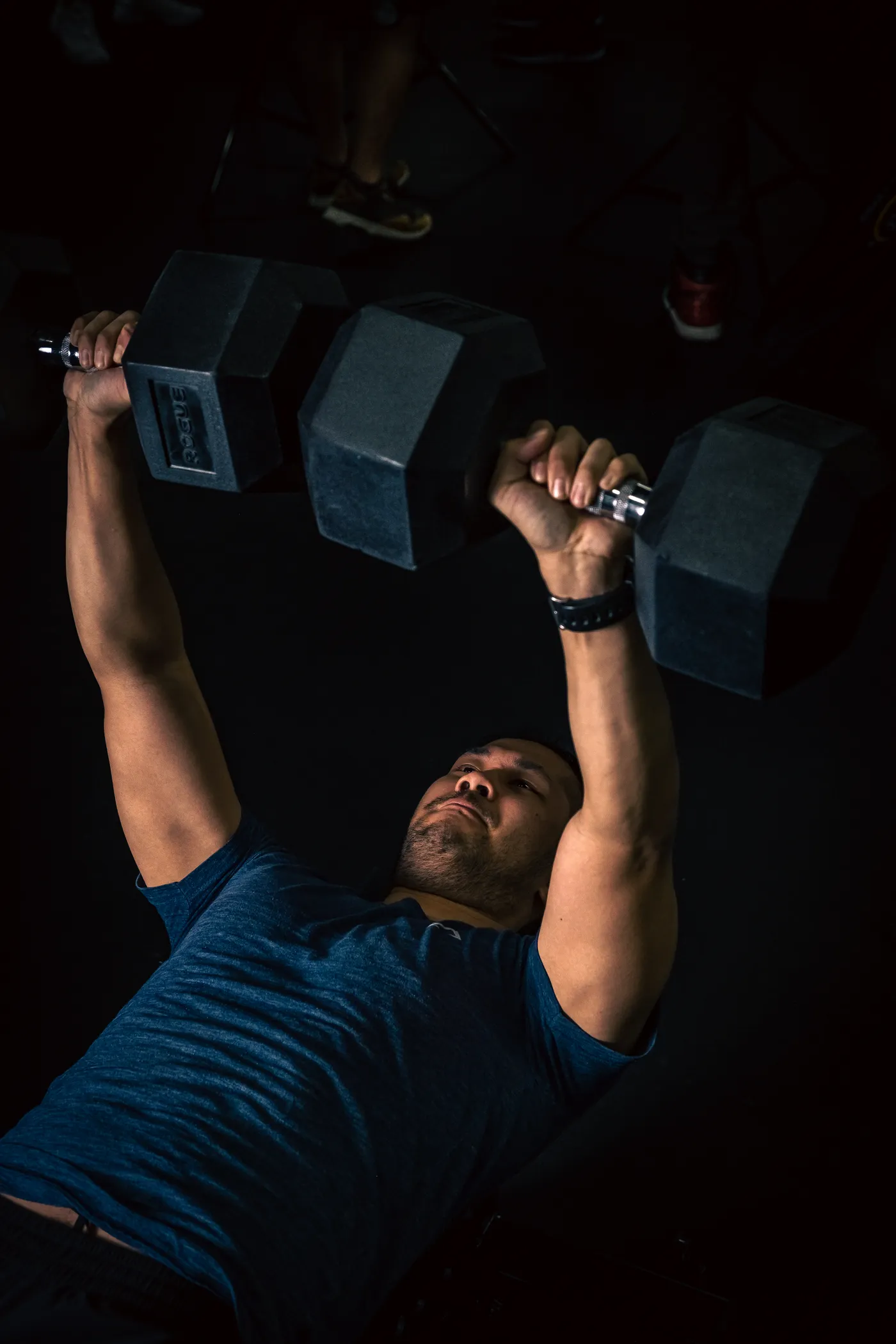
The clearest differences between workouts emerged forty-five minutes after exercise. All three composite immune indices rose more after the demanding interval-style condition than after the easier session. Both protocols produced some immediate changes, but the harder condition generated a more pronounced delayed pattern.
That timing is not a trivial detail. A blood test taken as the final set ends can tell a different story from one taken later. Immune cells are continuously moving between circulation and tissues, and their distribution changes with physical stress. A larger reading at forty-five minutes does not mean the effect will persist all day, much less for weeks.
Neutrophils participate in innate immune responses and tissue processes. Lymphocytes include several kinds of adaptive immune cells. Platelets, although familiar for clotting, also interact with immune signaling. Ratios between these cell types can shift because the cells move at different rates, not necessarily because an injury or infection has occurred.
These measurements are informative for researchers but poor standalone workout scorecards. The study did not show that a larger ratio makes a lifter healthier, more muscular or better recovered. It demonstrated a physiological difference after a specific hard protocol, and that is the appropriate scope of the conclusion.

Equipment Worth Exploring
Explore equipment, accessories and gear from our carefully selected range.
VOLTRA
Compact digital cable trainer with smooth, adjustable resistance.

Go-Tone Pro
Portable digital cable trainer with up to 66 lb (30 kg) of adjustable resistance.


FID Bench MAX
Adjustable bench offering flat, incline, and decline positions + adjustable headrest.


What blood-cell ratios can and cannot tell you
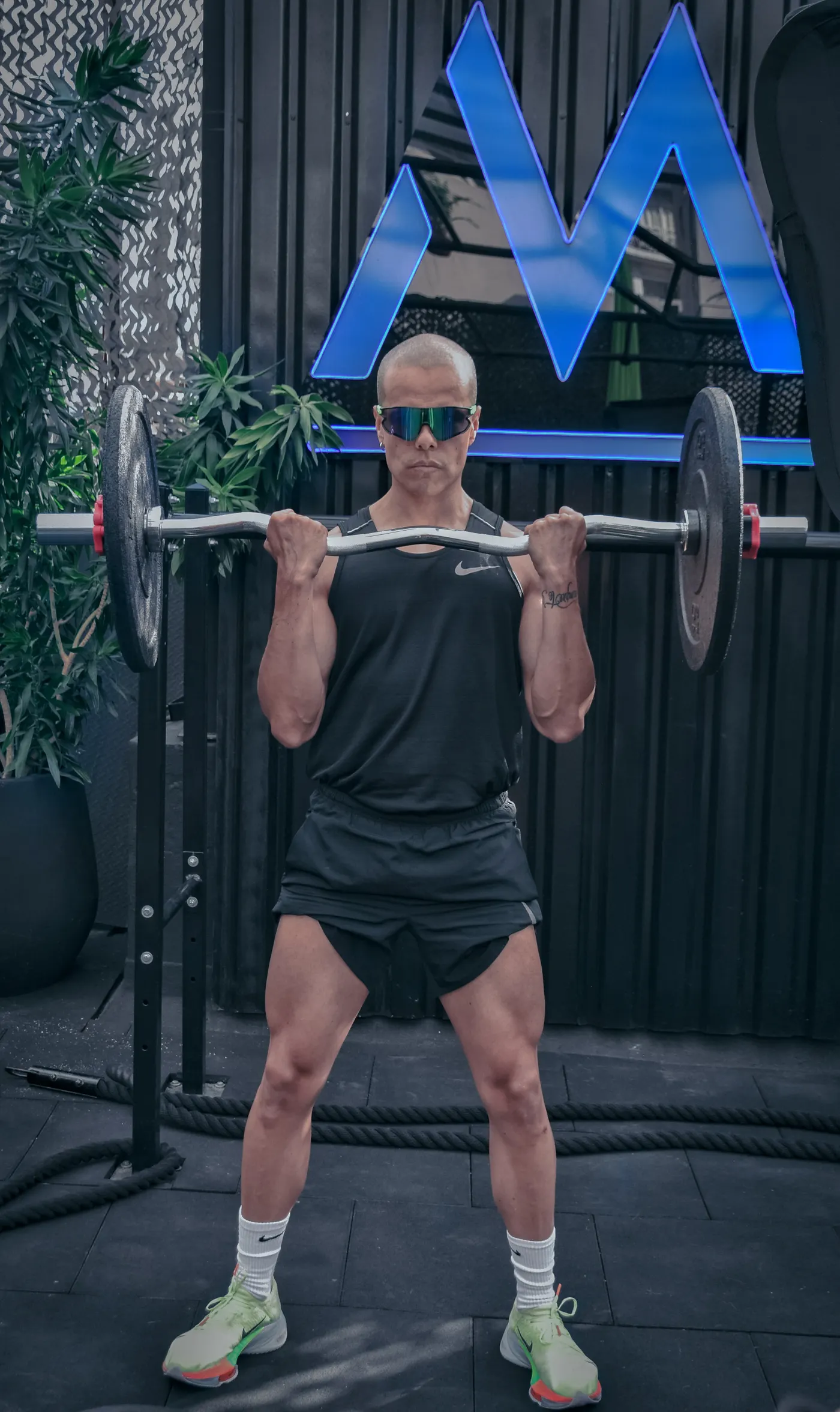
During strenuous lifting, sympathetic nervous system activity rises. Heart rate, metabolic demand and circulating stress signals change, and these factors can alter how white blood cells and platelets move through the bloodstream. Some cells enter circulation quickly, while others redistribute during the recovery period. Plasma-volume changes can influence concentrations as well.
Muscles are also signaling organs. Contracting fibers release substances that communicate with immune and metabolic systems. A signal associated with inflammation in one context can serve a different purpose in the context of exercise. That is why the simple rule that all inflammation is harmful does not describe the biology of training accurately.
A separate 2026 meta-analysis examined twenty-six studies involving more than twelve hundred people. It found no consistent immediate increase in neutrophil-to-lymphocyte ratio after acute exercise, but an increase tended to appear one to three hours later. Chronic exercise was associated with lower average ratios. The included studies were highly heterogeneous, so the averages should not be treated as predictions for every person.
There are also multiple meanings of intensity in the weight room. A heavy load with generous rest differs from a lighter exercise taken to failure with almost no recovery. The experiment combined very hard effort with short breaks, and cannot isolate the effect of every programming variable separately.

Functional Fitness Shirts & Workout Gear
Functional-fitness shirts, tanks and workout gear for athletes who train strength, conditioning and everything in between.

For Whom The Bell Curls Metallica Kettlebell Workout Cr T-Shirt
Add a playful “For Whom The Bell Curls” touch to your casual rotation.

Skull Kettlebell Gym | Heavy Metal Lifting Funny Workou Tank Top
Add some metalhead attitude to training with “Skull Kettlebell”.

Hells Kettlebells Hells Bells Parody AC/DC Heavy Metal T-Shirt
Add a playful “Hells Kettlebells” touch to your casual rotation.

Heavy Metal Gym – Funny Kettlebell Rock Music Hooded Pu Hoodie
Keep it laid-back with a little “Heavy Metal” attitude.

HYROX High Rocks Functional & CrossFit Hooded Hoodie
Stay casual and show some lifting attitude with “HYROX High Rocks”.

Battle Ropes Wonder Woman Sticker
Put “Wonder Woman Battle Ropes” gym humor on your laptop, bottle, or gym gear.

Slim Shady Kettlebell Gym | Funny Rap God Workout Pullo Hoodie
Bring “Slim Shady Kettlebell” gym humor to lazy days and post-workout plans.

Donut Kettlebell Meme Shirt – The Ultimate Bulking T-Shirt
Rep “Donut Kettlebell” humor in and out of the gym.

Ice Cream Kettlebell Shirt – Sweet Gains Meme T-Shirt
Bring “Ice Cream Kettlebell” humor to your next gym day.

Strawberry Kettlebell – Viral Kettlebell Meme Vest Musc Tank Top
Train hard, laugh a little, and rep “Strawberry Kettlebell”.
Acute exercise stress is not chronic inflammation
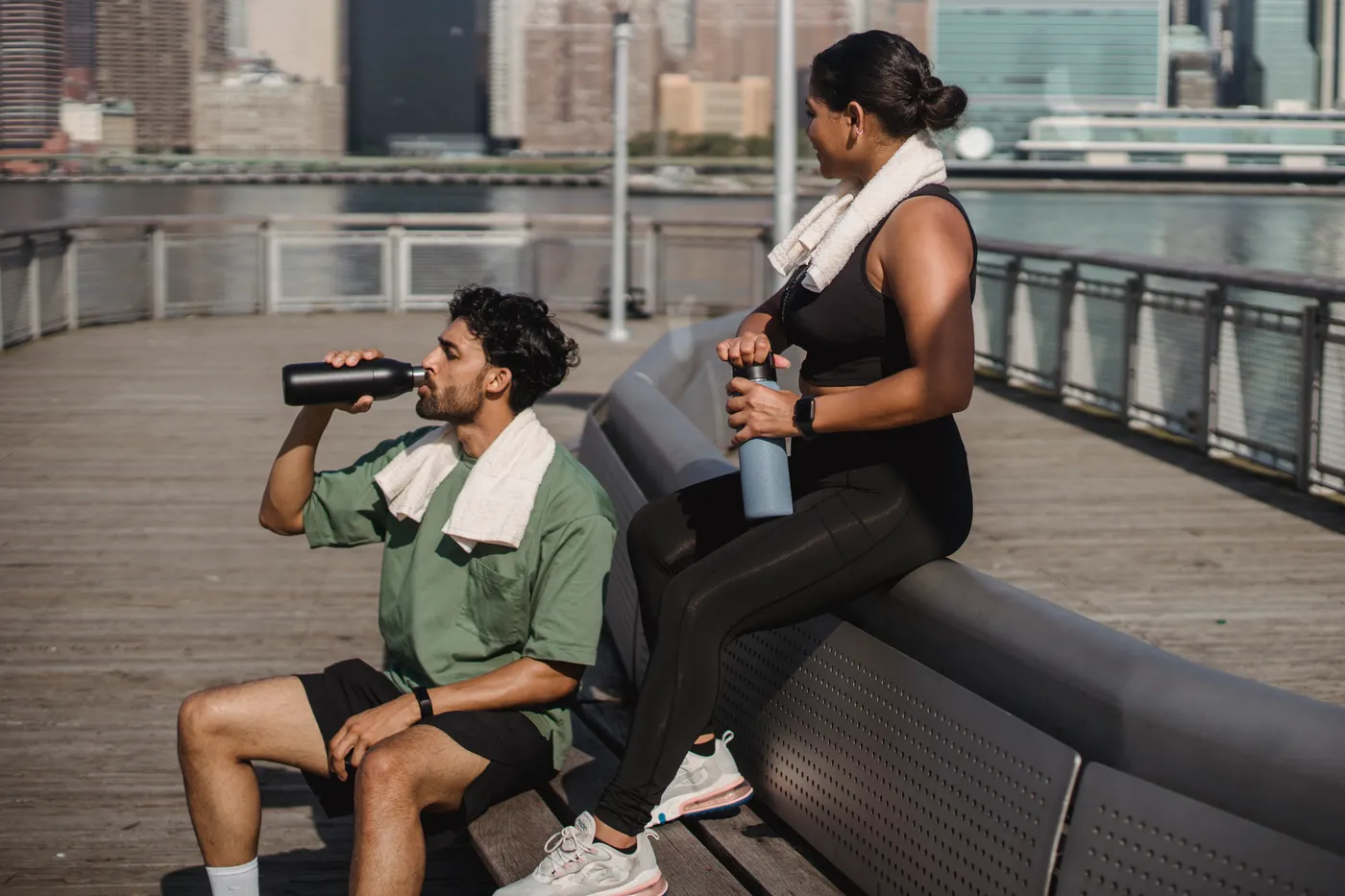
A temporary rise in an immune-related blood index is not equivalent to chronic inflammation. Training is an acute stressor; adaptation depends on repeated exposure and sufficient recovery. Interpreting a short-term response as damage confuses the process of responding to exercise with the state of being persistently unwell.
Broader research offers useful perspective. A 2025 synthesis of twenty-five systematic reviews, encompassing tens of thousands of participants, linked exercise interventions with reductions in average C-reactive protein and several inflammatory cytokines. A separate review of resistance training in older adults also found favorable changes in inflammatory markers across training programs, although individual results varied.
Those findings do not directly predict what happens to the twenty-four young men in the new experiment. They measure different outcomes, follow different populations and cover longer time frames. They do, however, caution against assuming that a temporary post-workout immune shift is automatically a sign of long-term harm.
The opposite exaggeration is also unjustified. The trial does not prove that maximal effort strengthens immunity or prevents illness. No infections, clinical immune function or disease endpoints were measured. A hard workout should be chosen because it fits a training objective, not because a blood marker moved more dramatically.
Why this trial cannot rank workouts for muscle growth
For strength and hypertrophy, what matters is the training stimulus and how well it can be repeated. This experiment did not compare twelve weeks of muscle growth or progressive strength gains. It measured blood-cell ratios after one demanding workout. There is no basis here to declare short-rest cluster training superior to conventional sets for building size.
High load, high effort and high density are related but different ideas. A set of heavy squats with three minutes of rest may have high external load and relatively manageable breathing demands. A series of lighter sets close to failure with twenty-second breaks can feel far more exhausting. Both can be challenging, but they impose different fatigue patterns.
The participants were resistance-trained young men. The results cannot automatically be generalized to beginners, women, older adults or people with inflammatory disorders. Only the early recovery window was sampled. We do not know from this trial whether the separation would remain after two hours or after repeated training for several months.
Nor did it establish how to optimize recovery. Greater immune-cell redistribution might reflect greater immediate physiological stress without implying that a particular session is more productive. When choosing exercises, rest intervals and proximity to failure, use performance and recovery outcomes rather than trying to maximize an indirect laboratory index.
Equipment Worth Exploring
Explore equipment, accessories and gear from our carefully selected range.


Leather Lifting Straps
Padded leather straps support grip during heavy rows, deadlifts and pulling exercises.

Safety Squat Handles
Barbell squat handles that reduce shoulder positioning demands during high-bar squats.

GymPin Mag Pin V2
Magnetic selector pin designed to secure weight selection on compatible pin-loaded machines.


Apple Watch Ultra 3
Rugged 49 mm smartwatch with cellular connectivity, GPS and fitness tracking.


Power Tower
Freestanding pull-up and dip station with adjustable handles for bodyweight training.
A practical way to program demanding lifting sessions
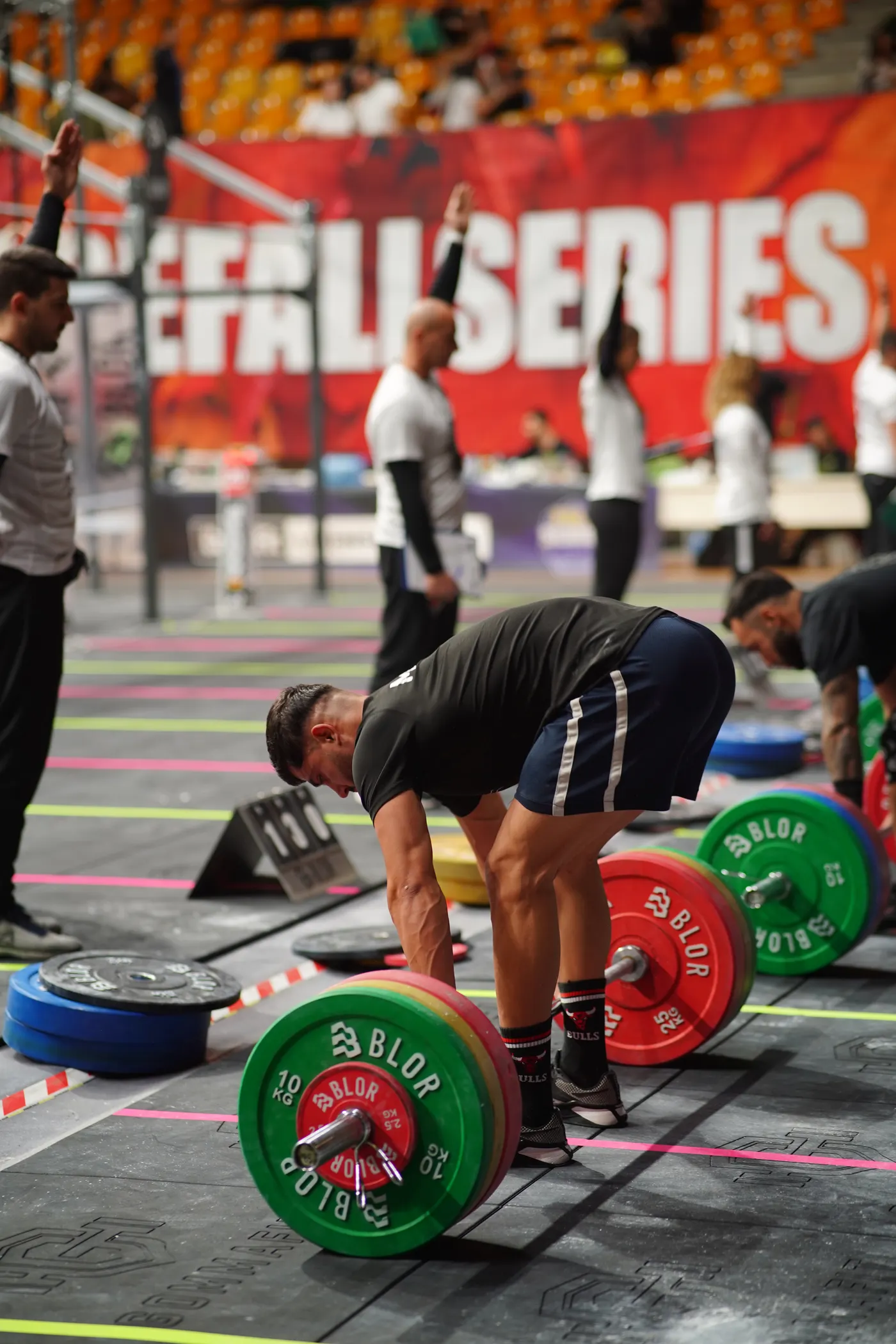
Most lifters can use demanding sets without making every session an all-out event. Start compound lifts with a controlled warm-up, then complete two or three challenging working sets while leaving roughly one to three good repetitions in reserve. Rest two to three minutes when maintaining technique and output is important. Smaller isolation exercises can tolerate shorter rests when form remains consistent.
If you enjoy interval-style lifting, apply it selectively. For example, a final cable curl or stable machine press can include a short pause followed by a few additional controlled repetitions. Avoid experimenting with near-failure rest-pause work on unstable or technically complex maximal lifts. A difficult session is not useful if it creates unnecessary risk or prevents productive training for days.
A simple two-day home-gym structure might use Monday and Thursday full-body sessions. On each day, pair a squat or leg press with a hip hinge, horizontal push, row and one small accessory. Progress the main lifts gradually and reserve the most demanding effort for a limited number of accessory sets. Add easy walking or cycling on another day if conditioning is also a goal.
Track loads, repetitions, technique and recovery for several weeks. If performance improves and soreness stays manageable, the program is doing its job. If technique repeatedly deteriorates, sleep suffers and every session feels like a competition, reduce failure work or increase rest before adding more volume.
Bodybuilding Shirts & Workout Gear
Bodybuilding shirts, tanks and gym gear for lifters chasing muscle, size, symmetry and the pump.

Mike Mentzer Heavy Duty Old School Bodybuilding Crewnec T-Shirt
Bring “Mike Mentzer Heavy Duty” humor to your everyday gym style.
Barbells and Suffering – Satanic Heavy Metal Gym Shirt T-Shirt
A t-shirt featuring the Barbells and Suffering – Satanic Heavy Metal Gym Shirt for Powerlifters and Bodybuilders artwork, bringing lifting-inspired humor and distinctive gym graphics to your everyday gear.

Barbell Crossed Weights 45LB Plate Hardcore Fitness Wor Tank Top
Add some powerlifting attitude to training with “Classic Barbell Crossed Weights 45LB Plate”.

Flaming 45LB Weight Plate Fire Barbell Lifting Workout Sticker
Put “Flaming 45LB Weight Plate” gym humor on your laptop, bottle, or gym gear.

Gymhead Lifting On My Mind Meme Bro Sweater T-Shirt
Show some gym-day personality with “Gymhead”.

Deadlift Stone Skull Gym Pullover for Powerlifters, Har Hoodie
Keep it laid-back with a little “Deadlift” attitude.


Lifting Cult Meme Bodybuilding Powerlifting Workout Cre T-Shirt
Show some gym-day personality with “Lifting Cult”.

Preworkout – Heavy Metal Gym Crewneck for Hardcore Lift T-Shirt
Show some gym-day personality with “Preworkout”.

Skull Gym Pullover Heavy Weights Training Uplift Iron C Hoodie
Bring “Hoodie Skull” gym humor to lazy days and post-workout plans.
Recovery, blood tests and the bottom line
The research highlights an often-overlooked fact: recent exercise can affect blood measurements. If you have laboratory testing for medical reasons, tell the clinician about strenuous workouts rather than trying to interpret a single inflammatory ratio yourself. Do not diagnose a condition or change treatment based on a training article.
Ordinary recovery habits remain more actionable than monitoring immune-cell ratios. Eat enough total energy and protein for your goals, hydrate, sleep consistently and leave sufficient time between demanding sessions for the same muscle groups. An exercise plan is not improved merely by making every set harder to survive.
Nor is there a reason to suppress every normal physiological response to lifting. Short-lived stress and signaling are part of exercise, but more is not always better. The relationship between acute markers, muscle adaptation and long-term health is not a straight line, and this trial was not designed to find an ideal dose.
The useful conclusion is measured: in twenty-four trained men, a demanding interval-style resistance workout produced larger shifts in several circulating immune-cell indices forty-five minutes later than an easier workout. That supports the idea that session structure affects early immune responses. It does not prove extra muscle growth, immune protection or lasting harm. Train hard when the goal calls for it, recover deliberately and judge progress by repeatable performance.