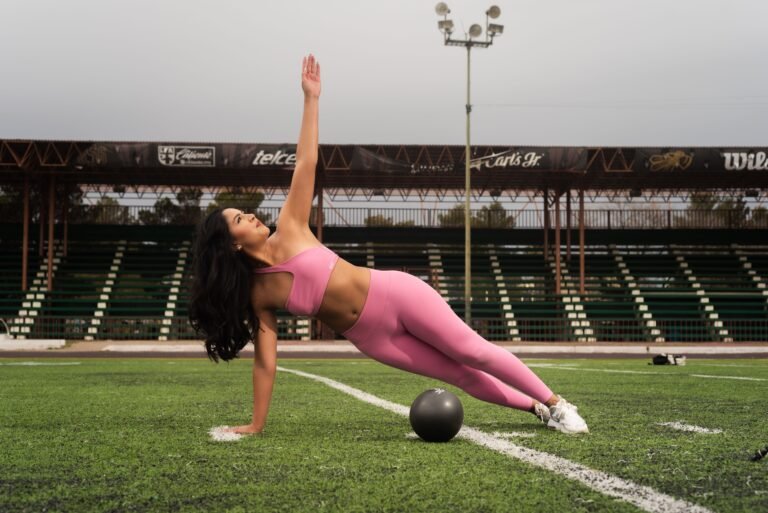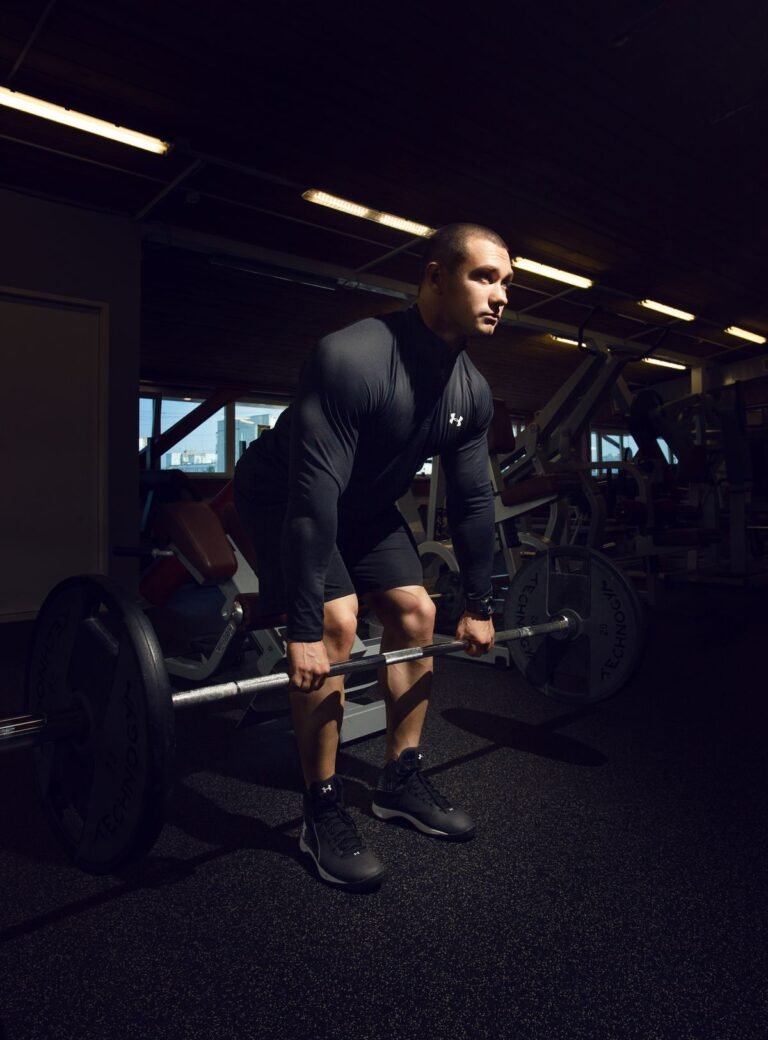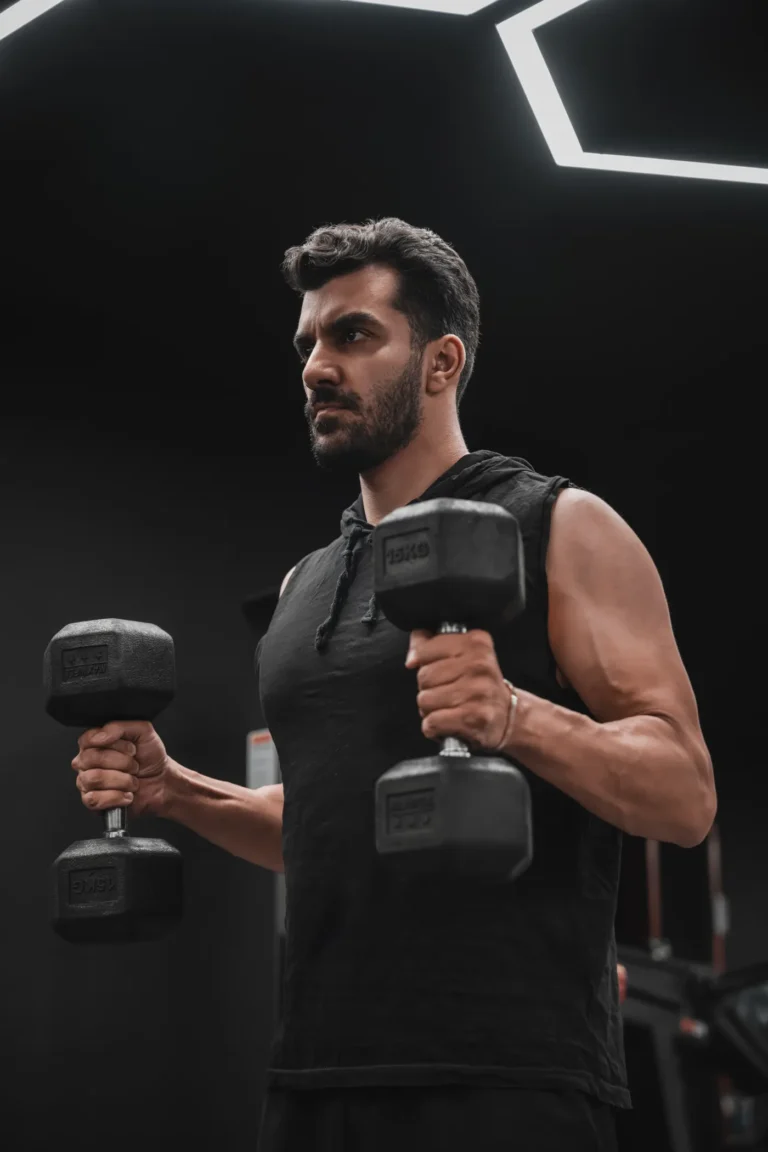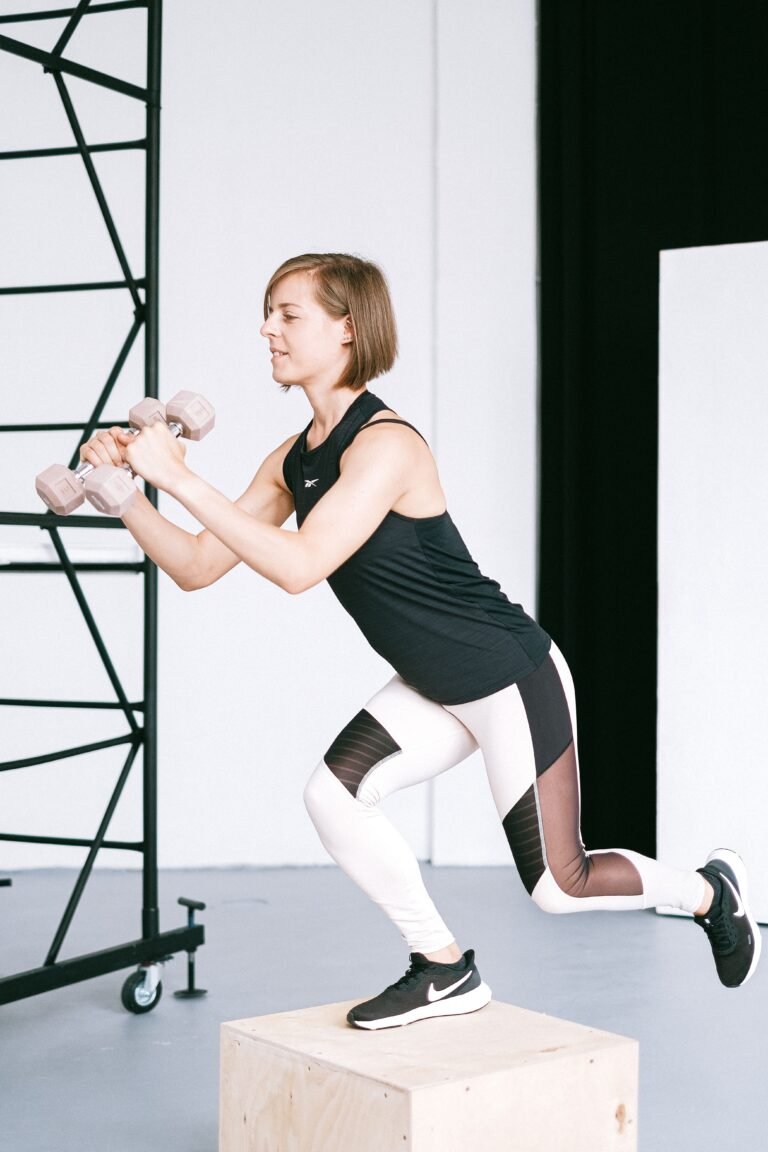
Feeling tired after one hard workout is normal. But if routine sessions feel progressively harder, performance stalls and recovery seems to disappear, a more important question is worth asking: are you consistently eating enough to support training and the rest of your body’s needs? Relative Energy Deficiency in Sport, or RED-S, describes health and performance problems associated with sustained problematic low energy availability.
An October 23, 2026 fitness discussion highlighted how easily underfueling can be overlooked. This guide explains the distinction between ordinary fatigue and potential RED-S, the warning signs, the pitfalls of simplistic calorie formulas and sensible next steps. It is educational information, not a diagnosis.
RED-S is an energy mismatch, not one missed meal
Training uses energy, but so do the functions that keep you alive and healthy: heart function, immune defenses, bone remodeling, hormone production and brain activity. Energy availability describes the energy left for those functions after exercise expenditure is subtracted from dietary intake, relative to fat-free mass. When that remainder is persistently inadequate, several systems can be affected. RED-S describes the resulting syndrome, not a single symptom or a particular body type.
It is important to distinguish a temporary, manageable calorie deficit from chronic underfueling that compromises health. Someone can be relatively heavy, lean or stable in body weight and still have problematic low energy availability. Conversely, losing weight or feeling sore after a workout does not establish RED-S. The condition can affect men and women, competitive athletes and recreational exercisers alike.
The International Olympic Committee’s 2023 consensus describes a spectrum from adaptable low energy availability to problematic patterns. Individual responses differ, and the time course matters. One hard week, a missed lunch or a single poor session should not automatically trigger a diagnosis. Repeated symptoms alongside inadequate fueling deserve a closer look.
For a lifter, the most useful starting point is to examine the relationship between food, training load and recovery rather than blame a particular hormone. A clinician or qualified sports dietitian can help determine whether RED-S, another health issue or ordinary training stress better explains the pattern.
Recognize warning patterns without self-diagnosing

Persistent exhaustion is one possible early warning, particularly when a familiar workout suddenly feels far more difficult. Loads or repetitions may decline over multiple sessions, soreness may last longer and motivation or concentration may suffer. Sleep disruption, irritability and unusually frequent illness can accompany the picture. None of these symptoms is specific to RED-S, which is why context matters.
Other concerning signs include recurrent bone pain or stress fractures, feeling unusually cold, slow healing, dizziness, low libido and menstrual irregularities. Bone health deserves special attention: an athlete can continue training while risk accumulates. Fainting, repeated stress fractures or significant ongoing symptoms warrant prompt professional evaluation rather than a tougher workout plan.
Strength numbers naturally fluctuate. A bad night of sleep, a stressful workday, a different exercise order or a hard preceding session can make one workout disappointing. A persistent downward trend across several exercises, combined with low intake or aggressive dieting, is more meaningful. Keep notes on changes in performance, sleep, mood and recovery instead of judging one session.
Iron deficiency, thyroid problems, infections, medications, mood disorders and other conditions can produce overlapping symptoms. A wearable recovery score, a single cortisol test or a photograph cannot establish RED-S. Treat persistent problems as reasons to seek appropriate medical assessment, not as evidence for an internet self-diagnosis.
Who may be at risk, from runners to lifters
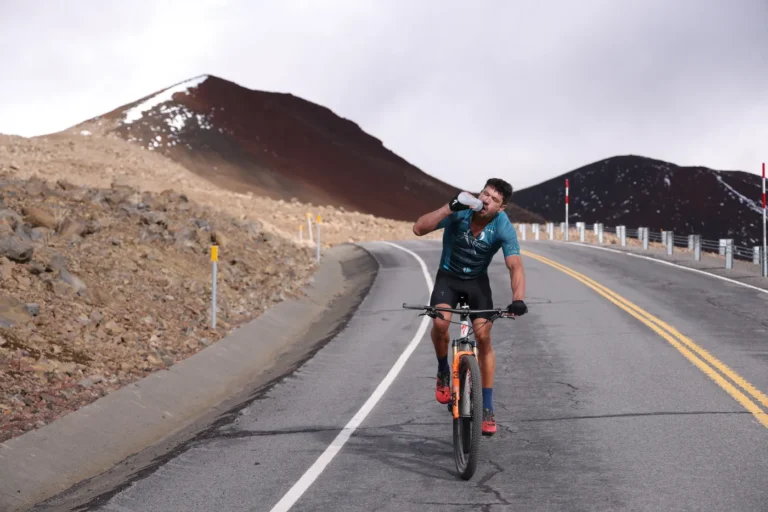
Long-distance runners and cyclists may expend substantial energy over many hours. Athletes in weight-class or appearance-focused sports can face pressure to restrict intake while maintaining performance. Strength athletes sometimes add conditioning while reducing calories to stay lean. None of these groups automatically has RED-S; they are examples of situations where a mismatch can be missed.
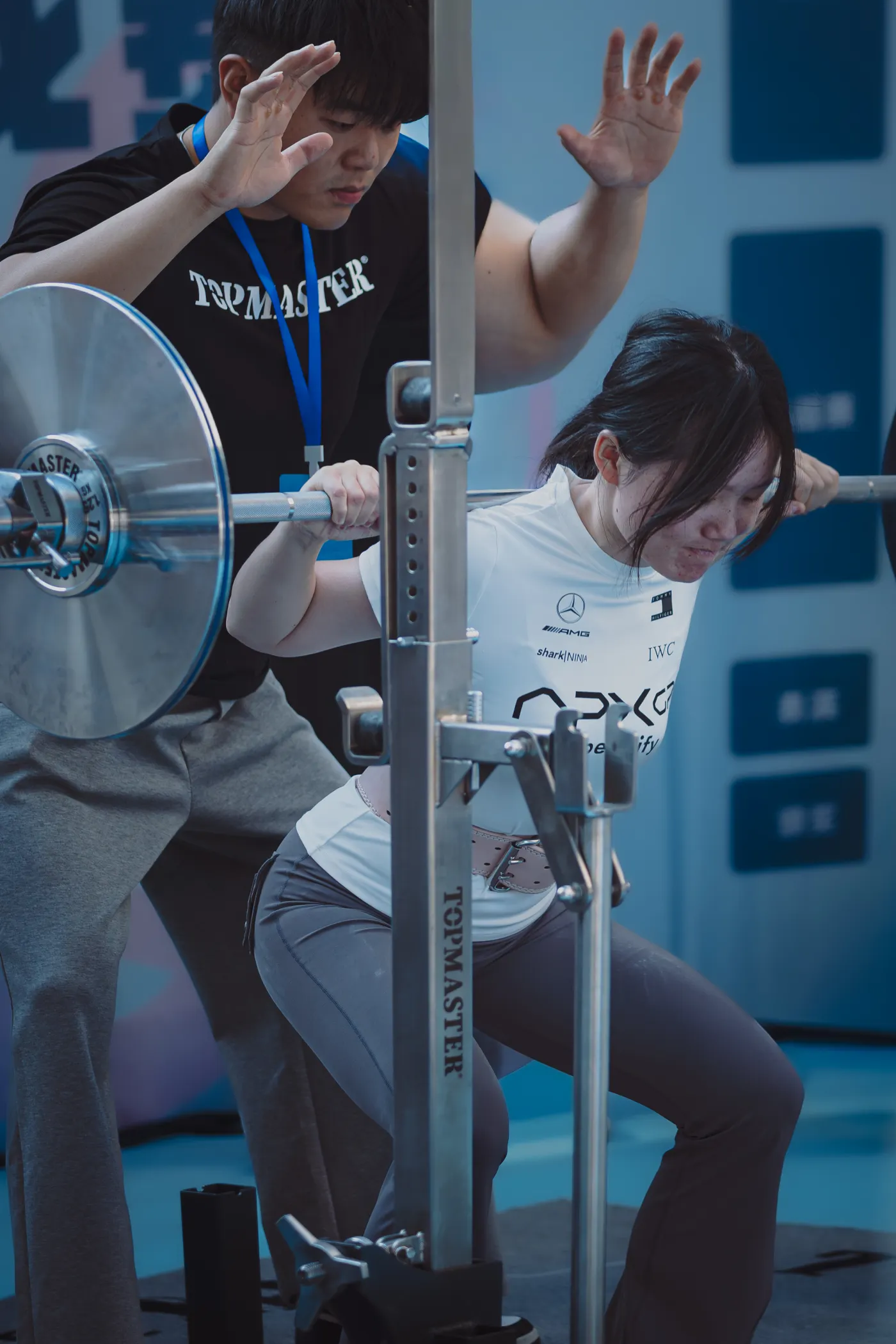
The problem can develop in ordinary gym routines. Imagine a lifter adding two hard cardio sessions, walking more each day and skipping lunch because work is busy. The training change and the food change might each seem modest, yet together they can reduce the energy available for recovery. Parents, shift workers and people with irregular schedules may also struggle to eat consistently around exercise.
Some appetite-suppressing medications, including GLP-1 treatments, can complicate fueling when activity increases. People taking them should discuss exercise and nutritional needs with their prescriber or dietitian, not independently change medication. Disordered eating can also contribute to underfueling and deserves respectful, specialist care.
Review changes in the previous weeks: more mileage, extra sets, higher daily steps, missed meals, restrictive food rules or aggressive weight targets. The aim is not to judge someone’s physique or discipline. It is to find whether training demands and intake have become unsustainable, and whether a qualified professional should assess possible health consequences.
Why multiplying body weight by 30 is not a diagnosis

Energy availability in research is commonly expressed as (energy eaten minus exercise energy expenditure) divided by kilograms of fat-free mass. That differs fundamentally from daily calories divided by total scale weight. A frequently cited research value around 30 kilocalories per kilogram of fat-free mass per day has limitations; it is not a universal daily calorie target and cannot diagnose RED-S by itself.
Multiplying a person’s body weight by 30 ignores fat-free mass, exercise energy expenditure and the uncertainty of both measurements. Even carefully maintained food logs and wearable calorie estimates can be inaccurate. Responses to low energy availability differ among individuals, and the IOC framework emphasizes clinical context rather than a single cutoff.
Two people of identical scale weight may have different activity levels, body composition, medical histories and nutritional requirements. The appropriate response to suspected RED-S is not to invent a precise calorie prescription from a simplified formula. A sports dietitian can review the full training and dietary pattern and help determine a suitable plan. A clinician can assess symptoms and consider targeted investigations.
Short-term observations may still help. Note whether meals are regularly missed on hard days, whether fatigue is worsening and whether recovery improves when routines become more sustainable. If calorie tracking creates anxiety or rigid eating rules, a less numerical approach guided by a professional is preferable. Numbers should inform decisions, not become a new source of distress.

Bodybuilding Shirts & Workout Gear
Bodybuilding shirts, tanks and gym gear for lifters chasing muscle, size, symmetry and the pump.


Carbie Barbie : No Keto Diet Carbs Meme T-Shirt
Rep “Carbie Barbie” humor in and out of the gym.

Eat Big Lift Big Get Big Bulking Season Pizza Meme Hoodie
Make your off-duty look more fun with “Eat Big Lift Big Get Big”.

Eat Your Chicken – Chicken Bro Meme Pullover Jumper T-Shirt
Bring “Eat Your Chicken” humor to your everyday gym style.

Protein Shaker Bottle : For Bodybuilding & Powerlifting Hoodie
Bring “Protein Shaker Bottle” gym humor to lazy days and post-workout plans.

Fuel Your Gains Metallica Heavy Metal — Protein Shakes T-Shirt
Rep “Fuel Your Gains Metallica Heavy Metal” humor in and out of the gym.

I So I Can Eat Cookies Vest Tank Top
Train hard, laugh a little, and rep “I Workout So I Can Eat Cookies”.

Ozzmosis Of Protein Shirt Heavy Metal , Gymbros & T-Shirt
Bring “Ozzmosis of Protein” humor to your next gym day.

Fueled By Bacon Gym | Funny Workout Vest for Bodybuildi Tank Top
Your gym-day look, with a playful “Fueled By Bacon” twist.

Dark Side Of The Bulk Shirt Pink Floyd Meme & T-Shirt
Bring “Dark Side Of The Bulk” humor to your next gym day.
Build consistent fueling around real workouts

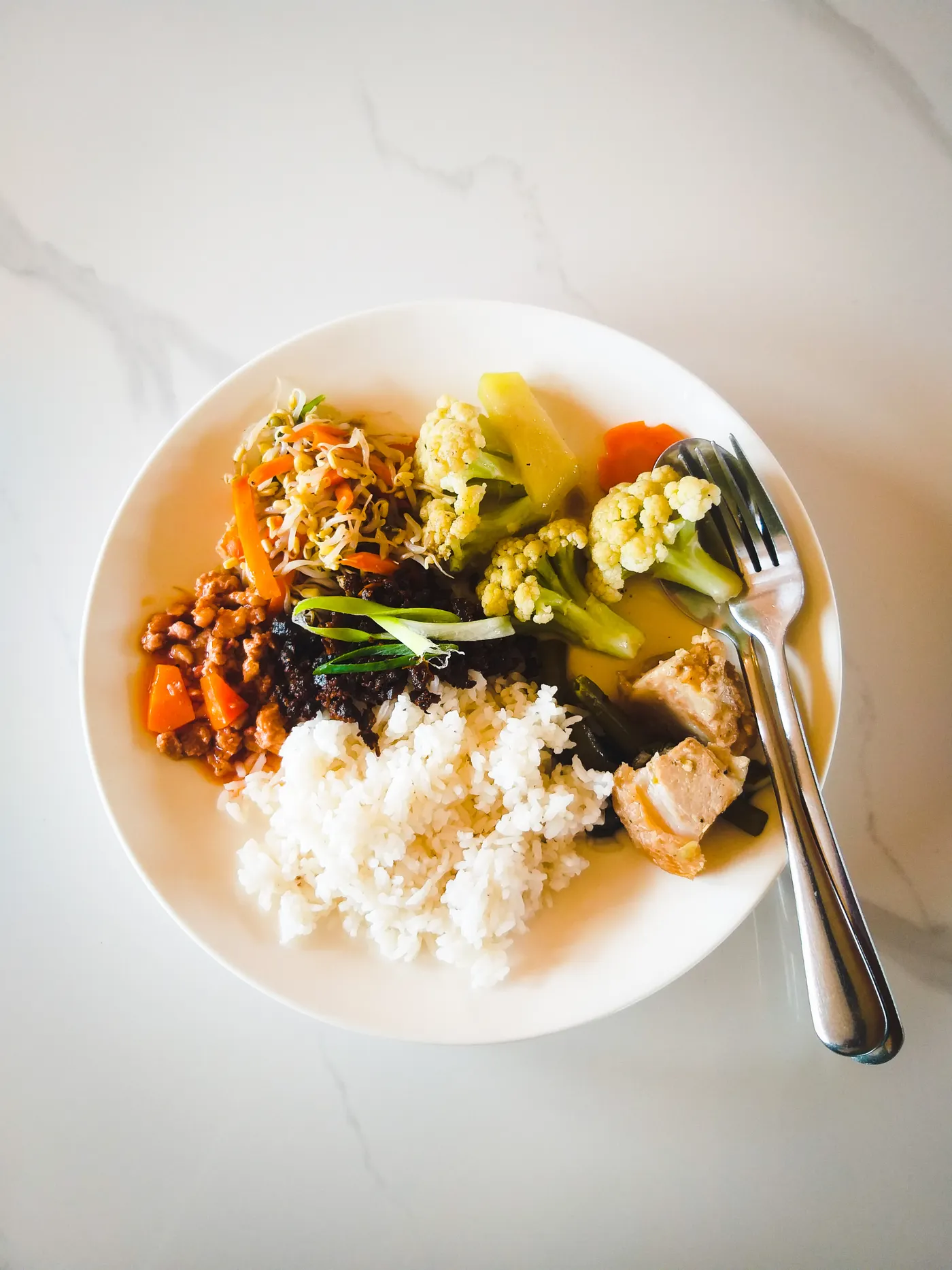
Start with the basics: regular meals, enough total food and a mix of carbohydrates, protein, fats and varied nutrient-rich ingredients. Carbohydrates help fuel demanding training, protein contributes to muscle maintenance and repair, and dietary fats support normal physiological functions. A protein shake or recovery supplement cannot compensate for a sustained shortage of total energy.
Before a challenging session, a familiar meal or snack containing carbohydrate and some protein may help you arrive better fueled. After training, eat a balanced meal or snack that fits your schedule and appetite. Longer or repeated sessions may require more deliberate planning. Portions and timing should be individualized; this is not a fixed meal plan or advice to force a specific amount of food.
If someone has significant chronic underfueling, hormonal disruption, an eating disorder or recurrent injuries, restoring energy availability may need a coordinated clinical plan. A registered sports dietitian can help assess food intake, training demands and relevant nutritional concerns. It is not appropriate to prescribe a generic recovery diet or promise that one nutrient will resolve the syndrome.
Practical preparation reduces missed opportunities to eat. Pack lunch, keep accessible snacks for busy afternoons and make a plan for meals after late sessions. Appetite alone is not always a reliable guide, especially when medication, stress or high training volume affects it. Aim for a sustainable pattern rather than perfection or a rigid macro ratio.
Funny Gym Shirts & Workout Gear
Funny gym shirts, tanks, hoodies and workout gear for lifters who like training hard.

Kanye Rest Day Parody | Swole Ye Gym Jumper Funny Worko T-Shirt
Keep things casual with a little “Kanye Rest Day Parody” attitude.

E = mc² Energy Muscle Confidence Albert Einstein Scienc T-Shirt
For laid-back days and lifting humor: “E = mc² Energy Muscle Confidence”.

Great Success Anatoly Crewneck Pullover Sweater Gymbros T-Shirt
Show some gym-day personality with “Great Success Anatoly”.

Weight Plate Heartbeat Crewneck Pullover Sweater Workou T-Shirt
Show some gym-day personality with “Weight Plate Heartbeat”.

Calisthenics Heartbeat Crewneck Pullover Sweater for Pu T-Shirt
For laid-back days and lifting humor: “Calisthenics Heartbeat”.

Lift Heavy – Hardcore Heavy Metal Gym Crewneck for Powe T-Shirt
Show some gym-day personality with “Lift Heavy”.

Doctor Discipline Gym Villain Sweatshirt Funny Gym
Keep things casual with a little “Doctor Discipline Gym Villain” attitude.

Deadlift Lovers Grim Reaper Sweater Powerlifters & T-Shirt
Add a playful “Deadlift Lovers Grim Reaper” touch to your casual rotation.

Funny Free Protein Gym | Sarcastic Muscle Shirt For Bod Tank Top
Your gym-day look, with a playful “Free Protein” twist.

Meat Mountain – Gymbro Hooded For Bodybuilding Hoodie
Make your off-duty look more fun with “Meat Mountain”.
Change training demands when recovery is failing

When performance and recovery are declining, simply adding harder sessions is rarely a sensible first step. Review recent increases in weekly sets, conditioning, running volume and daily activity. An otherwise healthy lifter experiencing ordinary short-term fatigue might benefit from a lighter week with fewer hard sets and more rest. Suspected RED-S is different: a generic deload alone is not treatment for a persistent energy mismatch.
If symptoms suggest a more serious problem, particularly recurrent bone pain, dizziness or significant hormonal changes, seek professional assessment before continuing intense training. Some people with diagnosed RED-S or bone-stress injuries may need to stop specific activities and follow a clinician-directed return-to-sport plan. Training through warning signs can delay recovery.
Sleep and stress management matter, but they cannot replace adequate nutrition. Keep a consistent sleep opportunity and avoid stacking hard sessions on already exhausting days. Simple weekly observations about strength, perceived effort, sleep and soreness can be useful; a wearable device can provide context but cannot diagnose an energy-deficiency syndrome.
Equipment can make appropriate training convenient, yet no cable machine, barbell or foam roller treats RED-S. The central task is to address the underlying mismatch and any medical complications. Once activity is medically appropriate, gradual progression and adequate fueling can help restore a sustainable relationship between workload and recovery.

Equipment Worth Exploring
Explore equipment, accessories and gear from our carefully selected range.


FID Bench MAX
Adjustable bench offering flat, incline, and decline positions + adjustable headrest.


When to seek professional help and return safely

Arrange medical evaluation if fatigue persists, performance deteriorates without a clear explanation, bone pain recurs or you notice menstrual changes, low libido, repeated illness, fainting or other concerning symptoms. Severe symptoms warrant prompt attention. A sports-medicine clinician and sports dietitian can review the health picture and training demands together.
Evaluation is broader than ordering a cortisol test. It may involve a training and nutrition history, examination and targeted investigations based on symptoms. The IOC’s REDs Clinical Assessment Tool 2 is designed for qualified professionals to assess risk and inform sport-participation decisions. It is not a self-test that can reliably label a person from a few online questions.
Return to training should be individualized. Start from the activity level cleared by the healthcare team, establish reliable fueling and recovery, then rebuild workload when symptoms and relevant health indicators allow. Someone recovering from bone-stress injury may need a much longer timeline than a person who simply had a tiring week. Do not treat a temporary improvement in gym performance as proof that every underlying issue is resolved.
The bigger lesson is that fitness should improve your capacity to live rather than demand that you ignore persistent warning signs. If you keep training harder, eating less and feeling worse, investigate the inputs before blaming a lack of willpower. Progress is easier to sustain when the body has the resources to adapt.
Research context: The IOC REDs consensus, Cleveland Clinic overview, Houston Methodist guidance and 2026 systematic review offer additional evidence. They cover different populations and do not justify a single calorie cutoff for every lifter.
Equipment Worth Exploring
Explore equipment, accessories and gear from our carefully selected range.


Apple Watch Ultra 3
Rugged 49 mm smartwatch with cellular connectivity, GPS and fitness tracking.

Powerbeats Fit
Secure-fit wireless workout earbuds with active noise cancellation and a charging case.


Power Tower
Freestanding pull-up and dip station with adjustable handles for bodyweight training.
VOLTRA
Compact digital cable trainer with smooth, adjustable resistance.

Go-Tone Pro
Portable digital cable trainer with up to 66 lb (30 kg) of adjustable resistance.