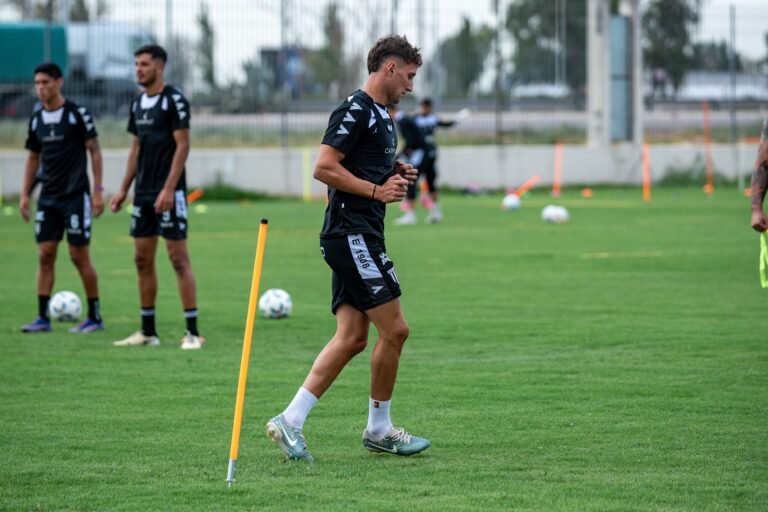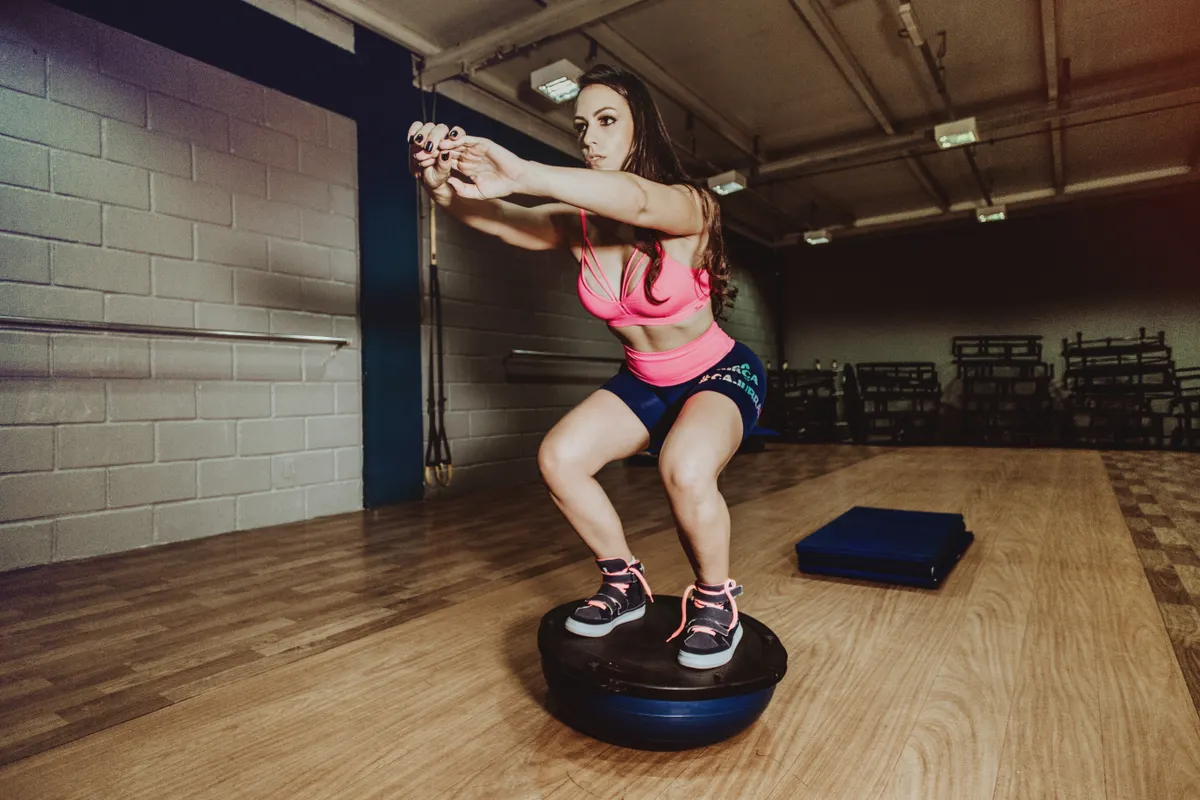
Can a wobbly surface make you a better athlete? Balance boards, BOSU trainers and suspension systems are sold as shortcuts to a stronger core, better coordination and even more explosive jumps. The evidence supports part of that pitch, but not all of it. A systematic review published on November 12, 2025 pooled 14 randomized trials of instability training in roughly 450 young athletes. Balance scores improved more consistently than jumping performance. That is a useful distinction for anyone deciding where unstable-surface drills belong in a serious training plan.
1. What the 14 Randomized Trials Actually Tested
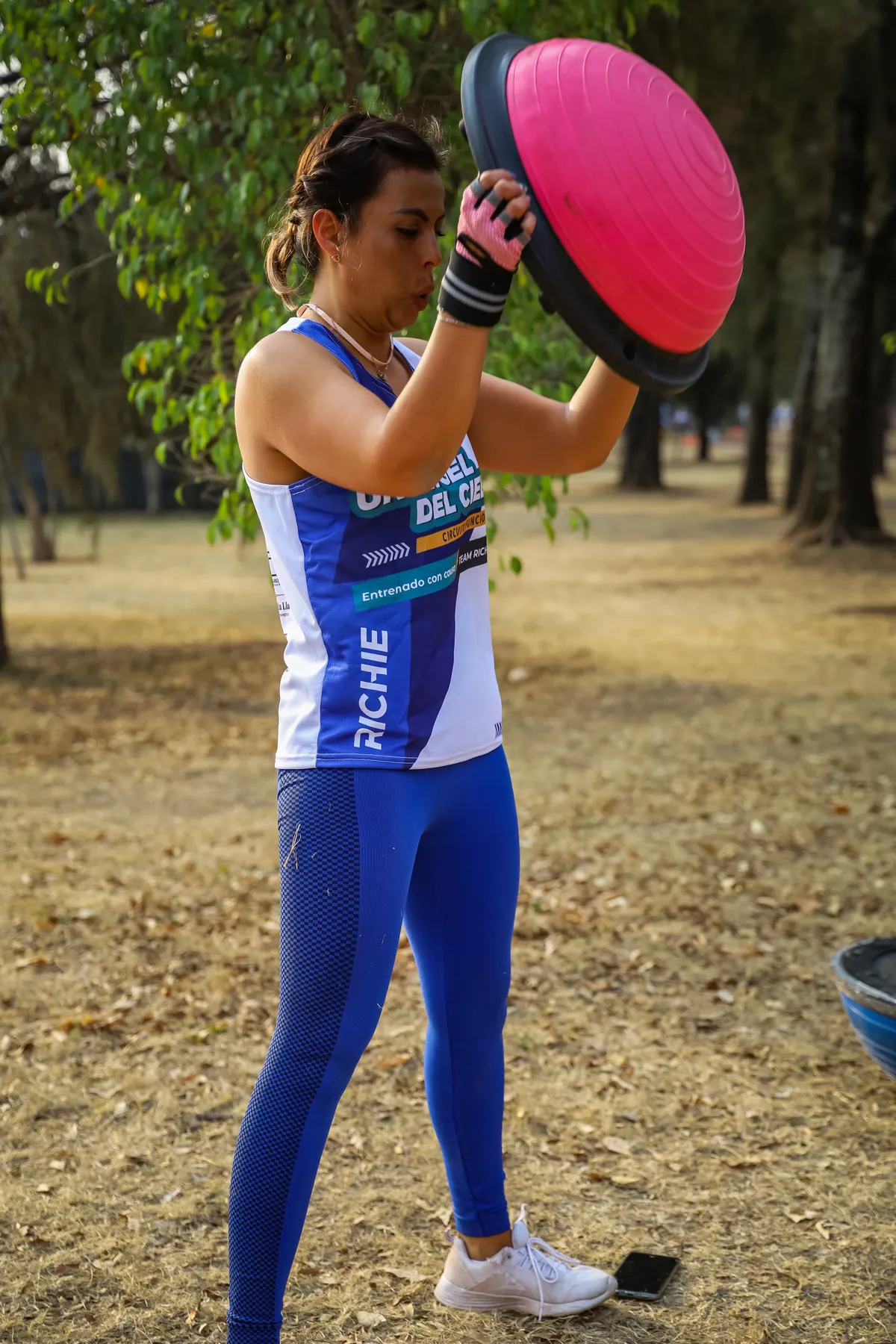
The review by Yin and colleagues compared training that deliberately challenged stability with control conditions that included conventional training, stable-surface exercises or no additional intervention. The participants played sports such as soccer, basketball, tennis, volleyball and handball. They were mostly adolescents and young adults, not a representative sample of all gym-goers. Training interventions varied: some used balance boards or BOSU domes, others suspension equipment, sand or deliberately unstable footwork drills.
The researchers measured three kinds of balance: time spent standing on one leg, a standing-stork test and the Y-Balance Test, which asks athletes to reach in several directions while controlling the supporting leg. They also examined countermovement jumps, vertical jumps and single-leg jumps. Those are different skills. Holding a single-leg stance is not the same as rapidly producing force against the floor, and an improvement in one does not prove an improvement in the other.
The pooled balance effects were substantial in standardized units: 0.98 for one-leg standing, 0.67 for Y-Balance and 0.63 for the stork test. These are standardized mean differences, not percentages or seconds that every athlete should expect to gain. The Y-Balance findings also varied substantially across studies, and some analyses suggested possible publication bias. It is more accurate to say instability training can improve tested balance outcomes than to promise that a BOSU will make every athlete faster or safer.
One detail matters when reading the paper: the abstract describes 450 participants, while its characteristics table totals 453. This small reporting discrepancy does not change the broad conclusion, but it is another reason to avoid treating a pooled review as a perfectly precise prescription.
2. Why Balance Gains Do Not Automatically Mean More Power
Unstable training asks your nervous system to continually adjust ankle, knee, hip and trunk positions to keep your center of mass over a shifting base. Repeating that challenge can improve the specific coordination tasks used in balance testing. But maximal force and power are often easiest to express when the body has a firm surface to push against. A wobbling platform can make an exercise feel harder without increasing the mechanical load on the prime movers.
In the 14-trial review, countermovement jump performance was not significantly better than the comparison conditions: the pooled standardized effect was only 0.05, with a confidence interval that crossed zero. Some vertical-jump and single-leg-jump measures improved, but the vertical-jump results were highly variable across studies. The honest conclusion is mixed, not a sweeping claim that unstable work either builds or destroys explosiveness.
Think about the demands of a maximal jump. The athlete must rapidly produce high force, transfer it through a stable kinetic chain and direct it into the ground. Balance training can help control body position, especially in unfamiliar or reactive tasks, yet it cannot replace progressive squats, jumps, sprints and other exercises performed under the conditions you want to improve. For an athlete with only 45 minutes to train, replacing every heavy lower-body exercise with BOSU squats would be a poor trade.
The same principle applies to core training. Feeling your abdominal muscles contract while standing on a dome does not demonstrate superior long-term abdominal strength. It demonstrates a greater immediate stabilization demand. Use the unstable surface when the goal is control, awareness or balance; use stable ground when the goal is high-quality force production and measurable progressive overload.

Equipment Worth Exploring
Explore equipment, accessories and gear from our carefully selected range.


Power Tower
Freestanding pull-up and dip station with adjustable handles for bodyweight training.


GymPin Squat Wedges
Non-slip 15-degree squat wedges help elevate the heels for deeper quad-focused squats.


3. BOSU Domes, Balance Boards and Suspension Straps Are Not Interchangeable
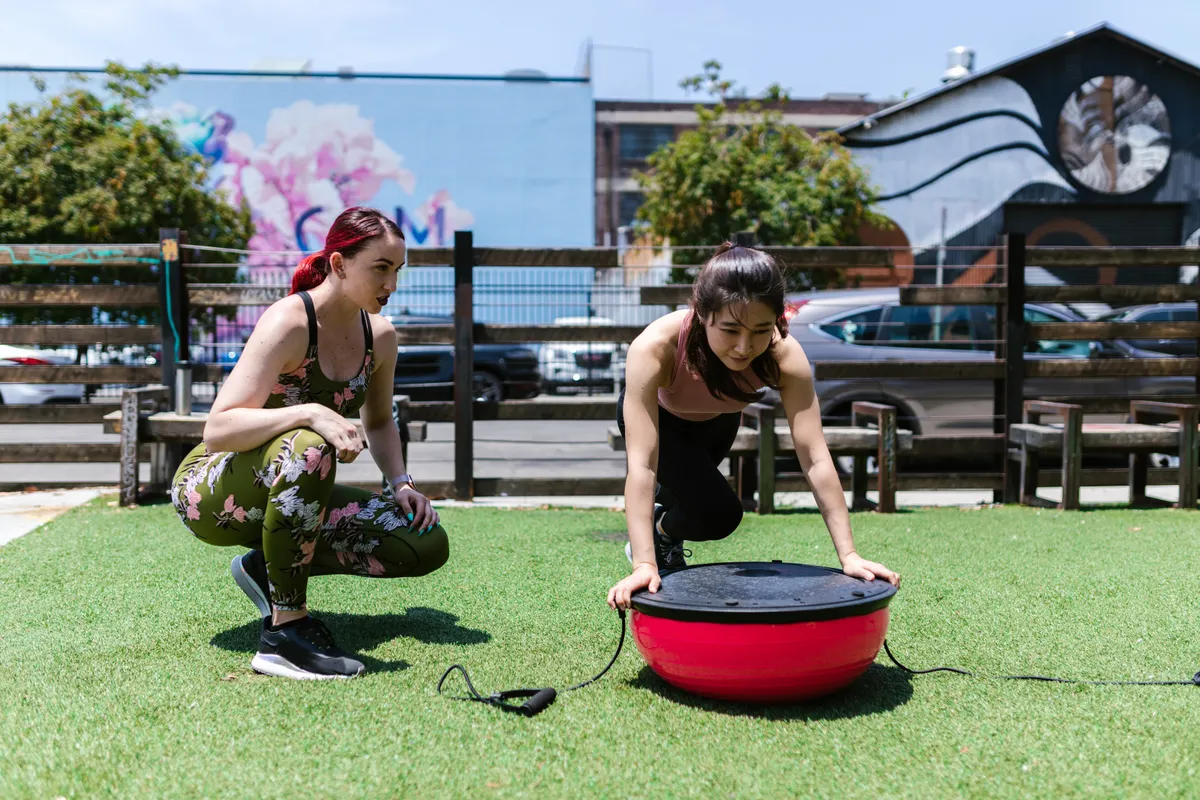
The term instability training covers very different stimuli. A BOSU dome compresses and shifts beneath the foot, while a wobble board tilts around an axis or central contact point. A suspension trainer changes how the hands or feet support body weight. Sand introduces small unpredictable shifts during running and jumping. Each can challenge control, but a positive result for one device cannot automatically be transferred to every other unstable surface.
Start with the simplest version of the skill. If you cannot comfortably stand on one leg on a firm floor for 20 to 30 seconds, adding a BOSU is unlikely to be the smartest first progression. Practice with a nearby wall or railing, eyes forward, pelvis level and breathing relaxed. Once the stance is controlled, add slow head turns or light reaching before increasing surface instability. Complexity should be earned rather than used as a substitute for basic proficiency.
On a BOSU, beginners can stand with both feet on the dome, hold a shallow athletic stance, then perform gentle weight shifts. A balance board may be better suited to controlled ankle movement in a limited direction. Suspension straps can support a single-leg squat or split squat while reducing the risk of an uncontrolled fall. The best tool is the one that lets you practice the intended movement with appropriate challenge and without sacrificing safety.
For context, a 2025 review of 20 studies also reported improved static and dynamic balance across several sports after instability resistance training. However, the exercises, athletes and tests differed considerably. It supports using these drills as one option in a wider program, not purchasing a particular brand of dome as a mandatory training upgrade.

Functional Fitness Shirts & Workout Gear
Functional-fitness shirts, tanks and workout gear for athletes who train strength, conditioning and everything in between.

Vive Le Resistance Bands – Resistance Bands Warmup Reha Tank Top
Your gym-day look, with a playful “Vive Le Resistance Bands” twist.

Heavy Metal Kettlebell | Lifting Skull Hooded Workout P Hoodie
Keep it laid-back with a little “Heavy Metal Kettlebell” attitude.

Super Kettlebell Muscle Shirt Athletic Vest Superman Ke Tank Top
Your gym-day look, with a playful “Super Kettlebell” twist.

Hells Kettlebells Hells Bells Parody AC/DC Heavy Metal Hoodie
Stay casual and show some metalhead attitude with “Hells Kettlebells”.

Slim Shady Kettlebell Gym | Funny Rap God Workout Decal Sticker
Stick a little “Slim Shady Kettlebell” humor on your favorite gear.

Cheeseburger Kettlebell – Burger Swings Meme Vest Muscl Tank Top
Train hard, laugh a little, and rep “Cheeseburger Kettlebell”.

Pineapple Kettlebell – Gym Meme Pullover Jumper T-Shirt
Bring “Pineapple Kettlebell” humor to your everyday gym style.

Kettlebell Heart X-Ray – Valentine's Workout Meme Decal Sticker
Stick a little “Kettlebell Heart X-Ray” humor on your favorite gear.

Blue Macaroon Kettlebell – Whimsical Fitness Meme Vest Tank Top
Add some lifting attitude to training with “Blue Macaroon Kettlebell”.

Heart Shaped Kettlebell Valentine’s Day Gym for Kettleb Tank Top
Bring “Heart Shaped Kettlebell Valentine’s Day” humor to your next lifting session.
4. Five Progressions That Build Control Without Circus Tricks
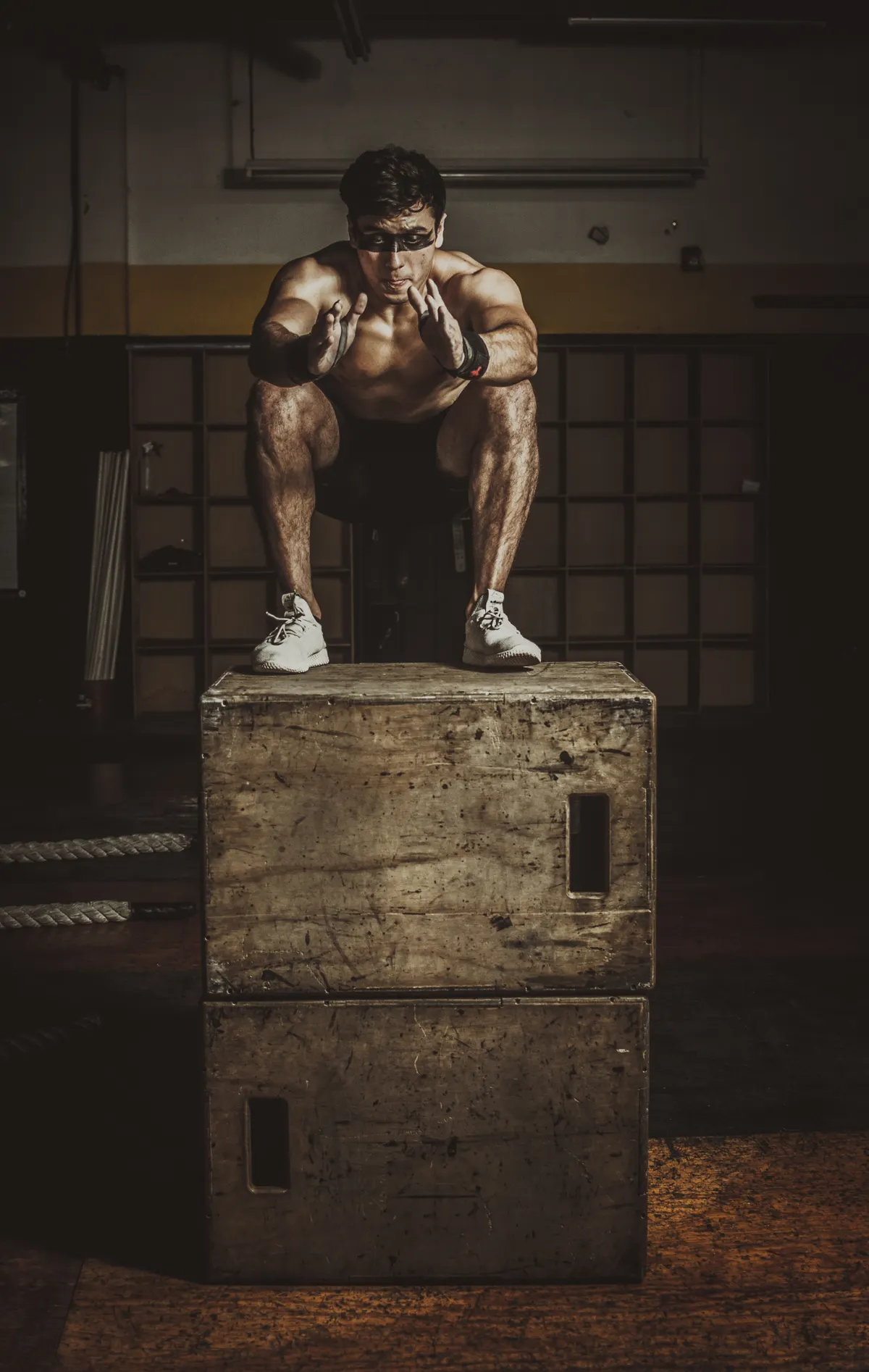
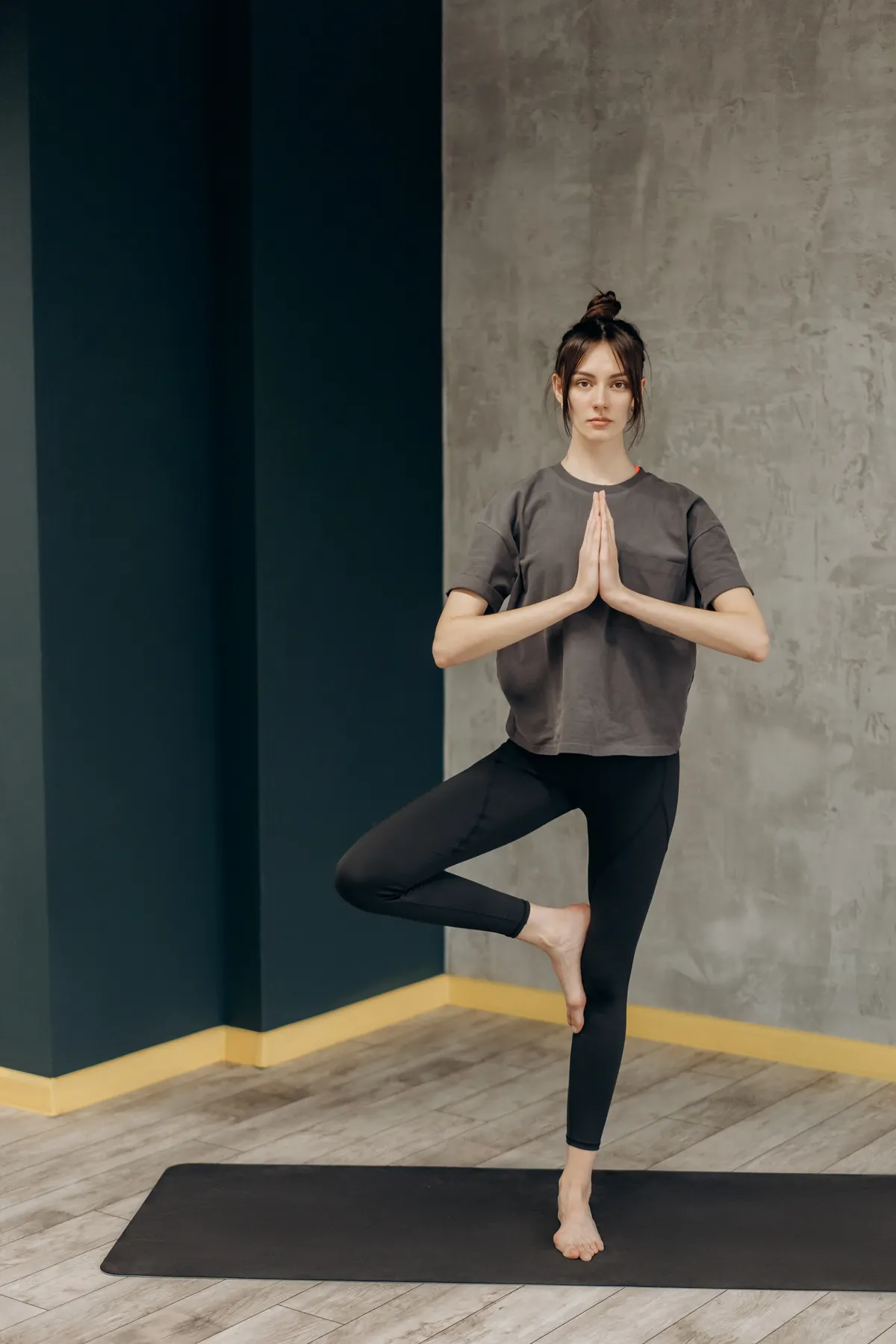
Progression one: single-leg floor stance. Stand tall beside a support, soften the stance knee and hold 20 to 30 seconds per side. Keep the pelvis level and avoid gripping the floor with curled toes. When this becomes easy, turn the head slowly or move the free leg without leaning excessively.
Progression two: three-direction reaches. Balance on one leg and tap the other foot forward, diagonally backward and across the body. Begin with short reaches, two rounds of three to five controlled taps per direction. The goal is a stable supporting knee and quiet torso, not the longest possible reach at any cost.
Progression three: supported BOSU stance. Step onto the dome with both feet while holding a stable railing or trainer’s hand. Find an upright position and perform slow shifts from left to right. Start with 15 to 25 seconds, then release one hand only when you can stay centered. Never jump onto a dome to prove you are advanced.
Progression four: low step-over or lateral step-up. Use a stable low step first, then a carefully selected balance platform if appropriate. Step on, control the landing and step off deliberately. Two sets of six to eight repetitions per direction are plenty for a beginner. Quality falls apart quickly when the drill becomes a race.
Progression five: sport-specific response. A partner points left or right while you shift, reach or step in that direction. This adds a decision component that static balance tests do not capture. Keep speed low until the athlete can decelerate and re-center. For competitive sport, progress to actual cutting, landing and reaction drills on stable ground rather than assuming a wobble board alone provides transfer.
These are coaching progressions, not a protocol directly tested as a five-step package in the 2025 meta-analysis. If you experience repeated ankle giving-way, dizziness, neurological symptoms or significant pain, seek qualified assessment instead of trying to train through it. Balance should feel challenging, not dangerous.
5. Keep Heavy Strength and Explosive Work on Stable Ground
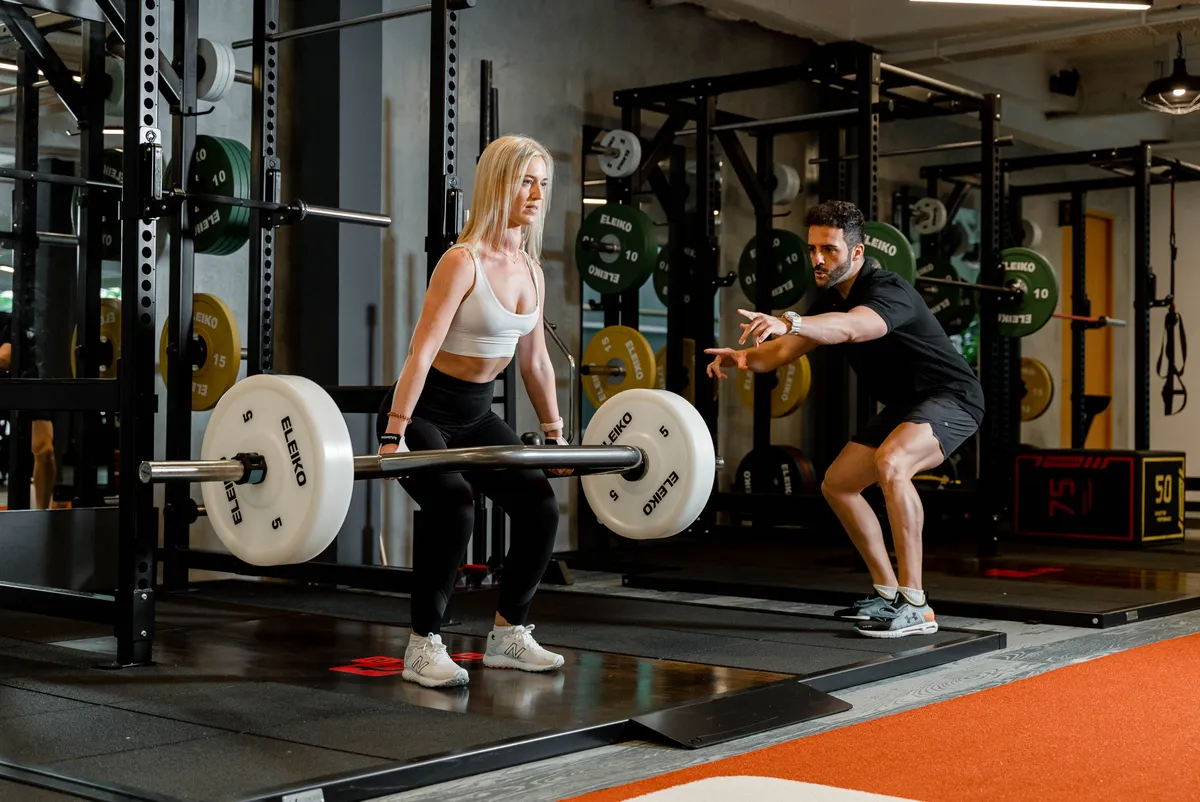
Unstable surfaces are useful because they limit how much you can rely on automatic movement patterns. That same limitation is why they are generally a poor choice for maximal barbell work. A heavy squat or deadlift demands predictable foot contact, secure bracing and the ability to direct force efficiently. Making the base unstable can reduce the load you can safely handle and introduce an avoidable failure mode.
An earlier systematic review in Sports Medicine compared resistance training on unstable and stable surfaces across age groups. Unstable training improved several outcomes compared with doing little or no training, but its advantages over stable training for maximal strength and power were inconsistent or limited. The authors specifically cautioned against assuming that instability is superior for improving performance on stable surfaces in healthy young adults.
That does not mean stability drills are useless for lifters. A recreational trainee who struggles with single-leg control may benefit from a few minutes of reaching, step-downs or supported balance work after the main strength lifts. A basketball player may use controlled landing and reactive balance drills alongside squats, jumps and sprint training. The pieces can complement each other because they train different constraints.
Keep the priority order clear: warm up, practice the skill that matters most, perform heavy or explosive work while fresh, then add low-risk balance accessories. Avoid pairing fatigue-heavy BOSU challenges with heavy squats when the athlete’s technique is already deteriorating. If the primary goal is to get stronger, add load or repetitions on a stable exercise before inventing a more unstable version of it.
Equipment Worth Exploring
Explore equipment, accessories and gear from our carefully selected range.
VOLTRA
Compact digital cable trainer with smooth, adjustable resistance.

Go-Tone Pro
Portable digital cable trainer with up to 66 lb (30 kg) of adjustable resistance.


FID Bench MAX
Adjustable bench offering flat, incline, and decline positions + adjustable headrest.


6. A Four-Week Balance Block That Fits Around Lifting
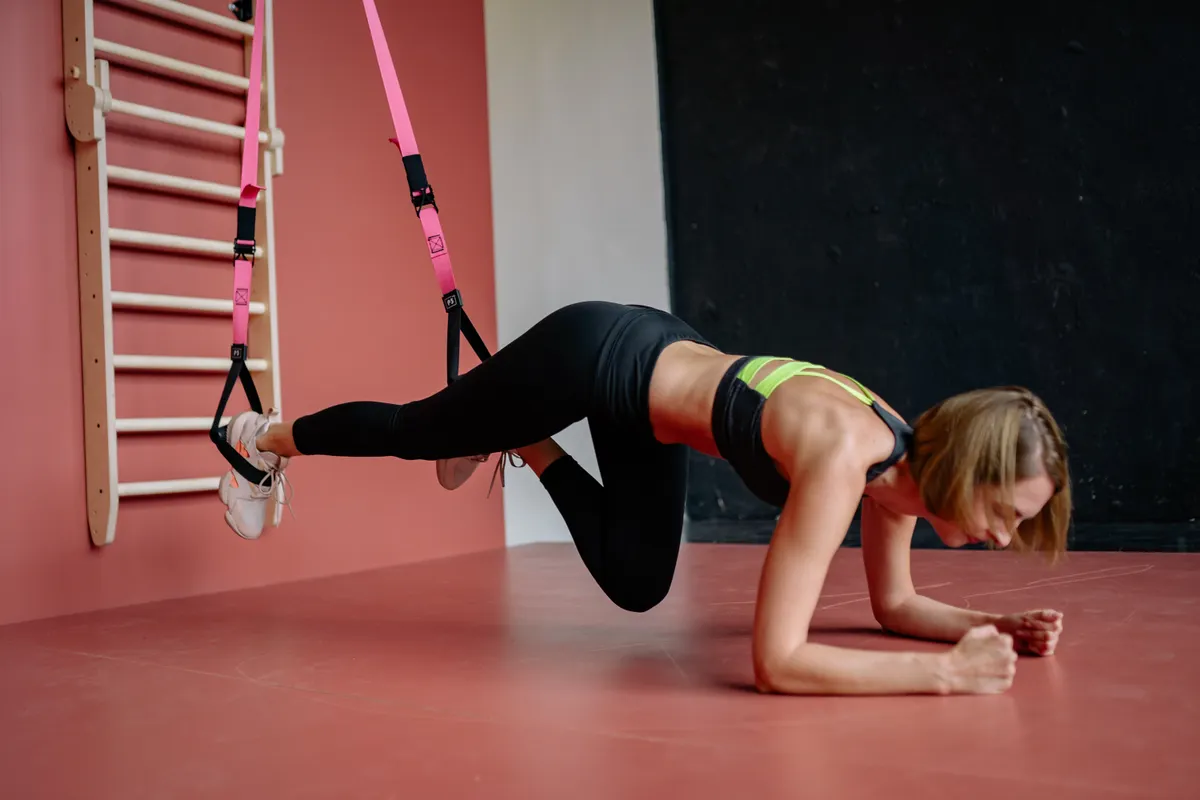
You do not need a separate hour-long balance workout. Start with two sessions each week, separated by at least a day, and spend roughly 10 to 15 minutes on controlled drills after a warm-up or at the end of a normal session. Maintain your existing strength and sport work. This is a practical illustrative template, not a claim that the meta-analysis established one optimal dose for every person.
Week 1: establish control. Complete two rounds of single-leg floor stance for 20 seconds per side, three-direction foot reaches for four taps each way, and six slow step-ups per leg on a stable platform. Use support when needed. Record whether the right and left sides feel different without interpreting a single shaky attempt as an injury diagnosis.
Week 2: add controlled movement. Progress single-leg stance to 25 to 30 seconds, extend reach distance modestly and add two sets of six lateral step-overs. If a BOSU is available and basic balance is comfortable, finish with two 15-second supported dome stances. The floor version remains perfectly valid if you do not own special equipment.
Week 3: introduce one unstable variable. Choose either a wobble board, BOSU or suspension-supported single-leg movement. Perform two short sets of 20 seconds or six deliberate repetitions, while keeping the other drills on firm ground. Do not simultaneously close your eyes, add weight and remove hand support. Progress one variable at a time so you can tell what actually changed.
Week 4: test transfer and adjust. Repeat your original single-leg stance and controlled reach tests under the same conditions. Then add a simple reactive reach or low step-and-stick drill on stable ground. If control improved but sprint speed or jump height did not, that is not a failed program; those outcomes require their own targeted training. Continue one or two maintenance sessions if the skill matters for your sport or daily activity.
For older adults, beginners or people recovering from injury, use more support and smaller ranges of motion. The review’s young-athlete results should not be presented as direct evidence for fall prevention in frail older populations. A physical therapist or qualified coach can adapt the dose and choose safer progressions when balance deficits are clinically important.
7. The Useful Takeaway: Train Balance, Then Test Real-World Transfer

Balance boards can help you become better at balancing, but the purpose of training should determine the tool. If your sport involves landing, turning or recovering from awkward positions, a modest dose of instability training may help develop control. If you want a bigger squat, faster sprint or higher countermovement jump, keep the main work specific to those goals and treat unstable drills as accessories.
Be careful with injury-prevention promises. Better balance test scores do not prove fewer ankle sprains or falls in every population. The 2025 meta-analysis pooled relatively small trials with different surfaces, training schedules and comparison groups; several jump analyses had substantial heterogeneity. It measured performance tests, not long-term injury rates. The findings are encouraging but not a blank check for dramatic marketing claims.
Measure what you actually care about. For general fitness, a more controlled single-leg stance, smoother step-down and better confidence on uneven ground may be useful. For an athlete, pair those measures with sport-specific cuts, landings, jumps and strength tests. Hiking, court sports and everyday stairs demand a blend of sensory awareness, strength, vision and reaction – not merely the ability to stand on a wobbling object.
There is also no need to buy equipment to begin. A floor, a wall for support and a low stable step can provide weeks of meaningful practice. Add a dome or board only when it solves a real programming problem. The best balance drill is one you can perform consistently, progress safely and connect to the movements that matter outside the exercise itself.
Research and practical references
- Yin et al., 2025: 14 randomized trials on instability training, balance and jump outcomes.
- Gao et al., 2025: systematic review of instability resistance training and athlete balance.
- Behm et al., 2015: unstable versus stable strength training across age groups.
- Wang et al., 2024: neuromuscular training and dynamic balance in athletes.
- ACE exercise guide: foundational BOSU balance variations.
Funny Gym Shirts & Workout Gear
Funny gym shirts, tanks, hoodies and workout gear for lifters who like training hard.

Fight Your Inner Demon Motivational & Meme Fans Vest Tank Top
Add some lifting attitude to training with “Fight Your Inner Demon”.

Gymhead Lifting Is On My Mind Hooded Skull Hoodie
Stay casual and show some powerlifting attitude with “Gymhead”.

No Plates No Dates Gym Meme | Funny Workout Sweater For T-Shirt
Bring “No Plates No Dates Gym Meme” humor to your everyday gym style.


Heavy Metal Lift Heavy – Hardcore Powerlifting Gym Vest Tank Top
Bring “Heavy Metal Lift” humor to your next lifting session.

In My Muscle Mommy Era for Gym Girls, Lifting, Fitness T-Shirt
Bring “In My Muscle Mommy Era” humor to your everyday gym style.