What the September 2026 lunge experiment tested
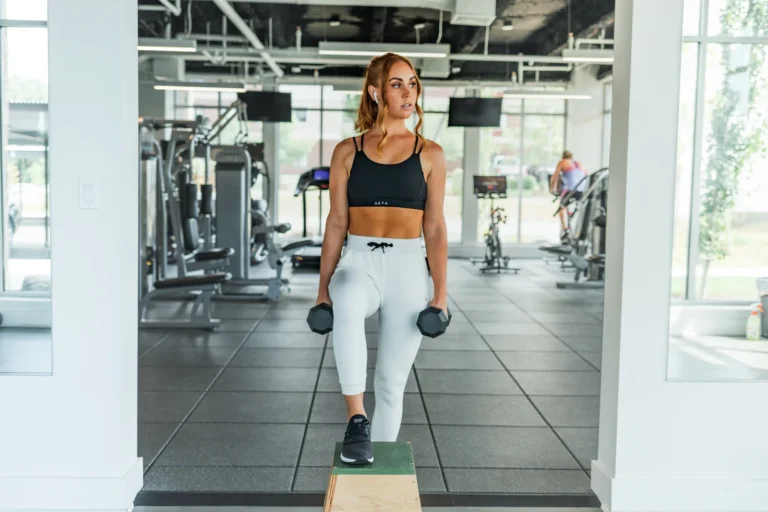
A forward lunge looks simple until you change how the front foot lands. A longer step, an elevated starting point or a supporting resistance band can all change the task while leaving the exercise recognizably a lunge. A September 15, 2026 study offers an important distinction: the force an athlete exchanges with the floor is not the same measurement as electrical activity in a muscle. That matters when choosing between balance practice, leg strength and athletic landing drills.
Researchers compared four forward-lunge conditions in 21 male athletes with considerable sports experience: flat ground, a 15 cm drop, and each version with resistance-band assistance. Electrodes recorded activity in four thigh and hamstring muscles while a force platform measured ground reaction force. The athletes performed repeated lunges with both legs. This was a short laboratory comparison, not a months-long intervention measuring muscle growth or injuries.
The clearest result was higher ground reaction force in the elevated forward-lunge condition. Differences in the four recorded muscles’ activation were not statistically significant across the tested variations. That does not mean the exercises are equally effective for hypertrophy or equally demanding on every joint. It means that a particular mechanical measurement changed while the measured EMG channels did not show a clear difference in this sample.
Ground force and EMG do not measure the same thing
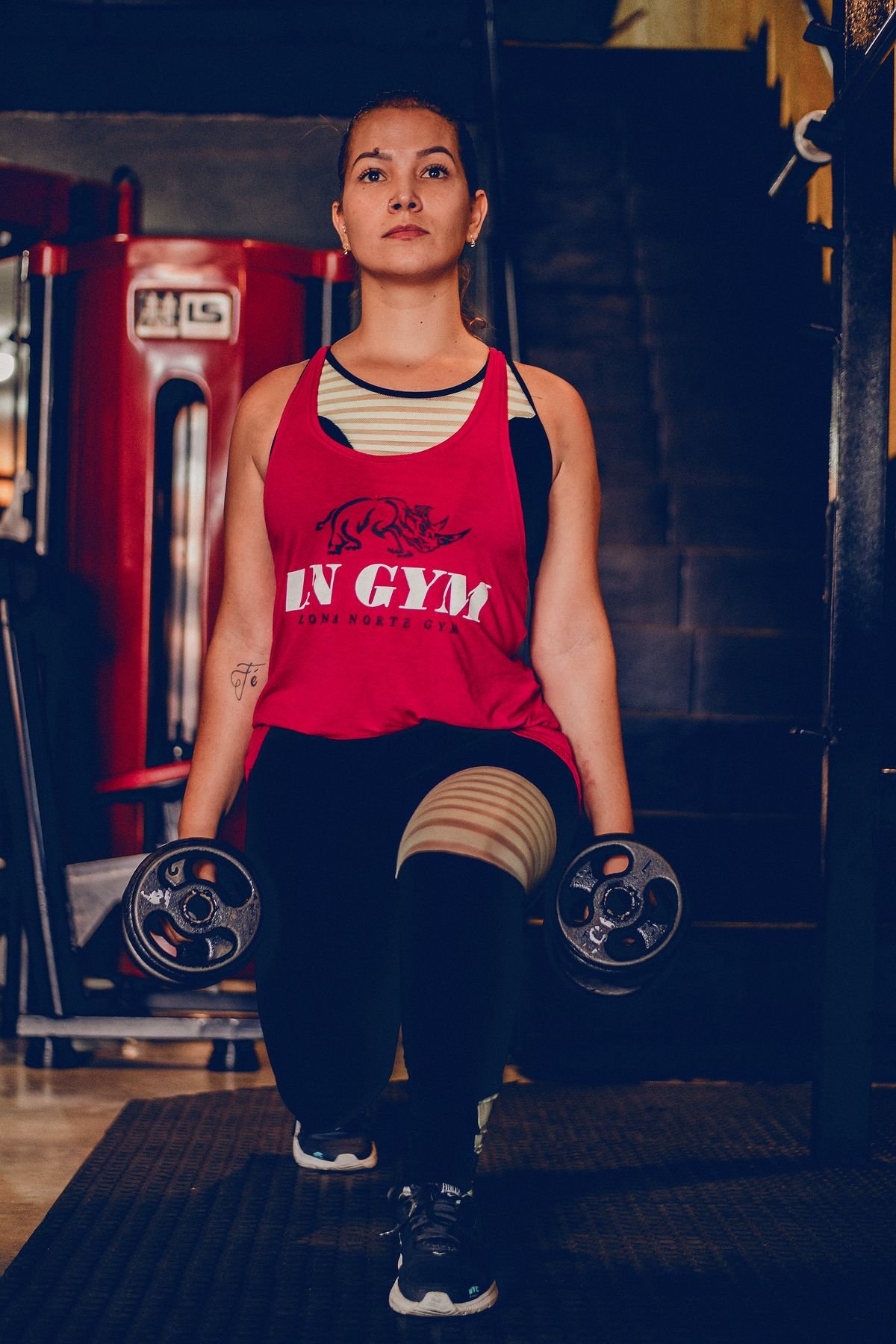
Ground reaction force describes the force exchanged between the body and the ground. A step-down adds a landing phase, and the body must absorb and redirect momentum. A larger force reading may reflect a more demanding landing, but it is not a direct measure of knee-cartilage stress or an automatic sign of better training. Force magnitude, direction, movement speed and technique all matter.
Surface electromyography, or EMG, measures electrical signals near the skin. Its readings depend on electrode placement, muscle geometry, movement phase and signal processing. Similar EMG values do not establish identical mechanical tension, identical muscle growth or identical injury risk. The September study measured biceps femoris, vastus medialis, rectus femoris and vastus lateralis; it did not comprehensively capture the whole hip and leg system.
Another 2026 investigation studied 23 active male athletes performing forward drop lunges from 0, 10 and 20 cm. Ground reaction forces increased with height there too, while some muscle-activation measures varied with phase and height. The two studies are not interchangeable: the protocols, heights, measurements and participants differ. Read them together as evidence that height changes the mechanical task, not as a prescription to step off the tallest available box.
Build a repeatable forward lunge first
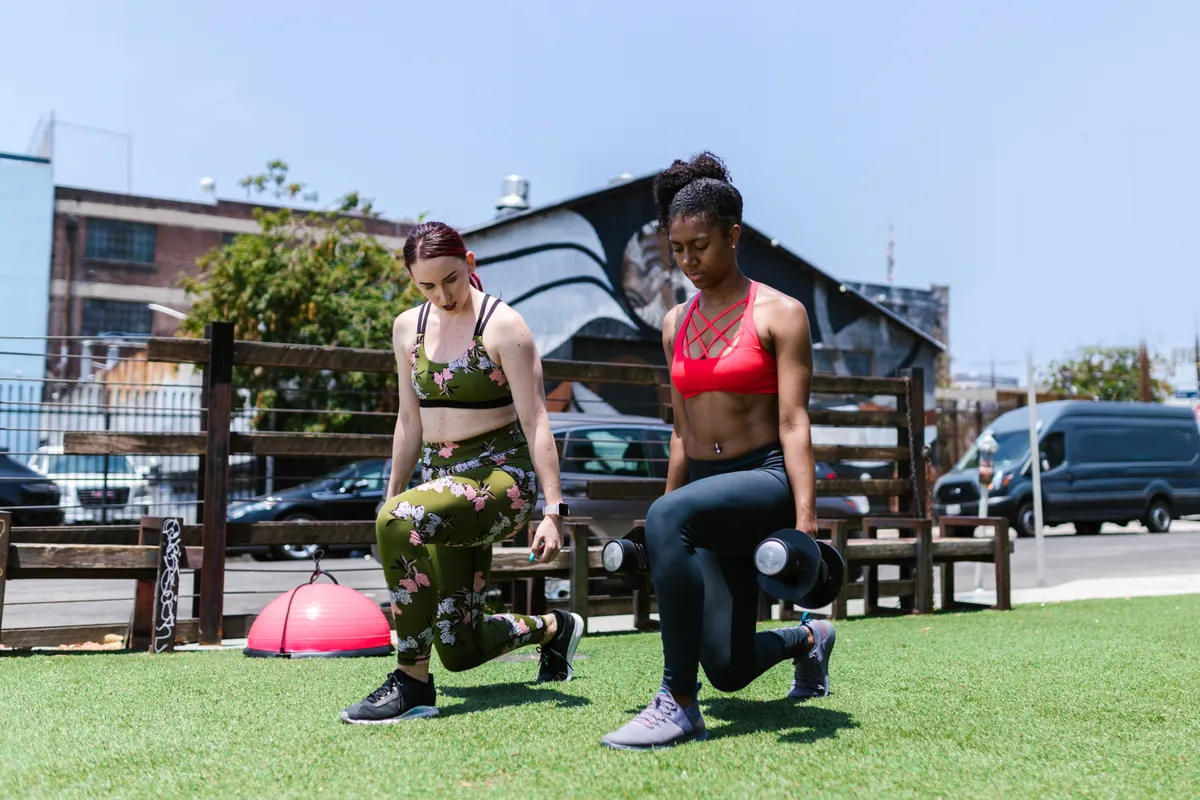
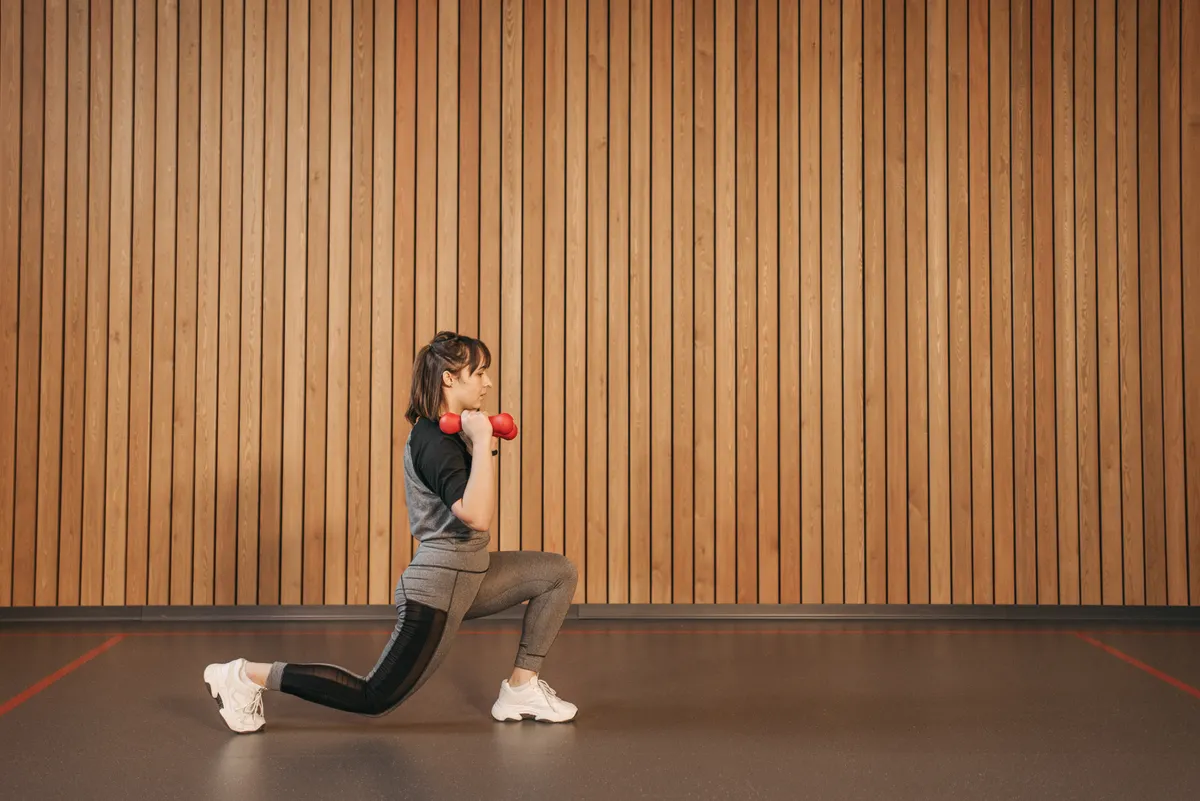
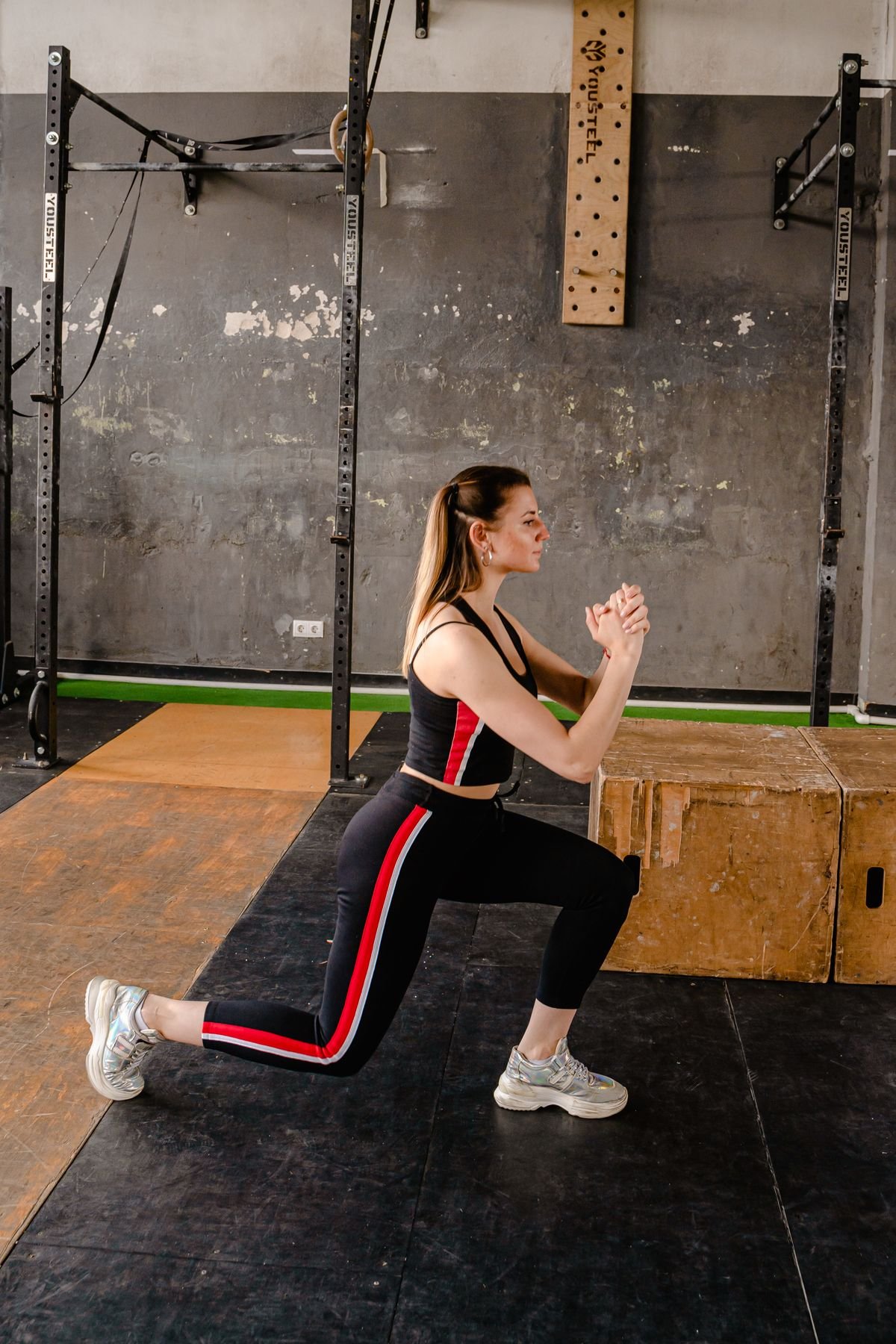
Before adding bands or platforms, learn a repeatable flat-ground lunge. Stand tall with feet roughly hip width apart rather than balancing on a narrow line. Step forward far enough to keep the front heel planted, bend both knees smoothly and allow the rear knee to approach the floor without crashing into it. Return by driving through the front foot, not by bouncing off the back leg. Limb proportions and mobility will influence the best step length.
Check three things on video: the front foot stays stable, the knee travels in a comfortable direction relative to the toes, and the pelvis does not twist to escape the bottom position. Some forward knee travel is normal. If balance is the main limitation, lightly hold a rack upright or wall so the legs can work without every repetition becoming a coordination test.
Start with two or three sets of six to ten controlled repetitions per leg, keeping one or two good repetitions in reserve. Add light dumbbells only when the movement looks similar on both sides. Progression can mean a slightly deeper comfortable range, a steadier landing or better control before it means more weight. Record the leading leg and stance so the next session is genuinely comparable.

Equipment Worth Exploring
Explore equipment, accessories and gear from our carefully selected range.


FID Bench MAX
Adjustable bench offering flat, incline, and decline positions + adjustable headrest.

GymPin Squat Wedges
Non-slip 15-degree squat wedges help elevate the heels for deeper quad-focused squats.

Squat Harness
Wearable harness for hands-free cable squats, sled work, and lower-body training.
VOLTRA
Compact digital cable trainer with smooth, adjustable resistance.
When resistance-band assistance makes sense
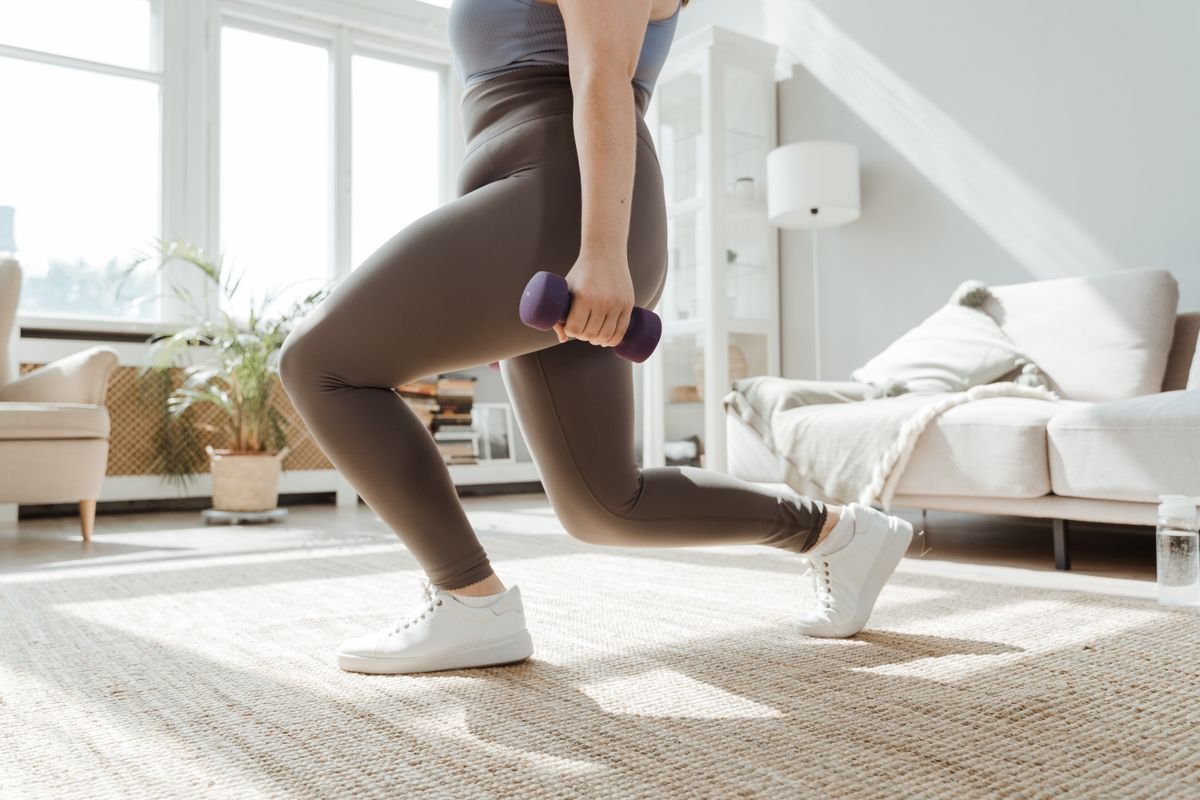
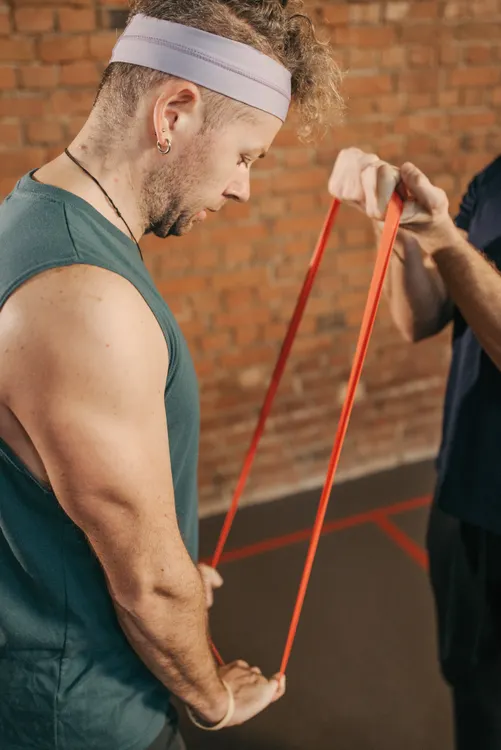
A band can assist a forward lunge when it is anchored securely and pulls in a useful direction. Depending on the setup, it may provide balance support, modify demand during part of the step or help someone learn to decelerate. It is not necessarily harder just because a band is present. Poor anchor placement or too much tension can make the exercise less predictable.
The September 2026 trial included band-assisted flat and elevated lunges, yet it found no statistically significant differences among conditions in the four measured EMG channels. That is a narrow result, not proof that assistance has no coaching value. Nor does it demonstrate that bands prevent injury or are superior for rehabilitation. Use assistance to solve a real problem: uncontrolled landing, limited balance or difficulty repeating the same path.
Check the anchor and band condition before every set. Start with three to five slow practice repetitions on each leg without dumbbells. If the band pulls the knee sideways, rotates the pelvis or encourages a rushed return, change the angle or remove it. A stable handhold can be simpler. Anyone returning from injury or dealing with persistent pain should use an individualized progression rather than treating one small athlete study as a clinical prescription.

Leg Day Shirts & Workout Gear
Leg-day gym shirts and workout gear for lifters who never skip squats, lunges and lower-body punishment.


Booty Building Mode Tee
Heavy lifts, good laughs, and a little “Booty Building Mode Gym Girl” energy.

Squat Inspector Gym | Edgy Leg Day Meme Workout | Booty Hoodie
Make your off-duty look more fun with “Squat Inspector”.


Butt Stuff Glute Sweater Hip Thrust Lovers Meme T-Shirt
Bring “Butt Stuff” humor to your everyday gym style.

Heavy Metal Skeleton Squat for Powerlifters, Bodybuilde Hoodie
Show off your metalhead humor in a laid-back “Heavy Metal Skeleton Squat” hoodie.

Never Skip Legday – Chicken Legs Meme , , & Leg Day T-Shirt
Heavy lifts, good laughs, and a little “Never Skip Legday” energy.


Juicy Booty Booty Builder Decal Water Bottles & Sticker
Stick a little “Juicy Booty” humor on your favorite gear.
How step height changes landing and knee loading
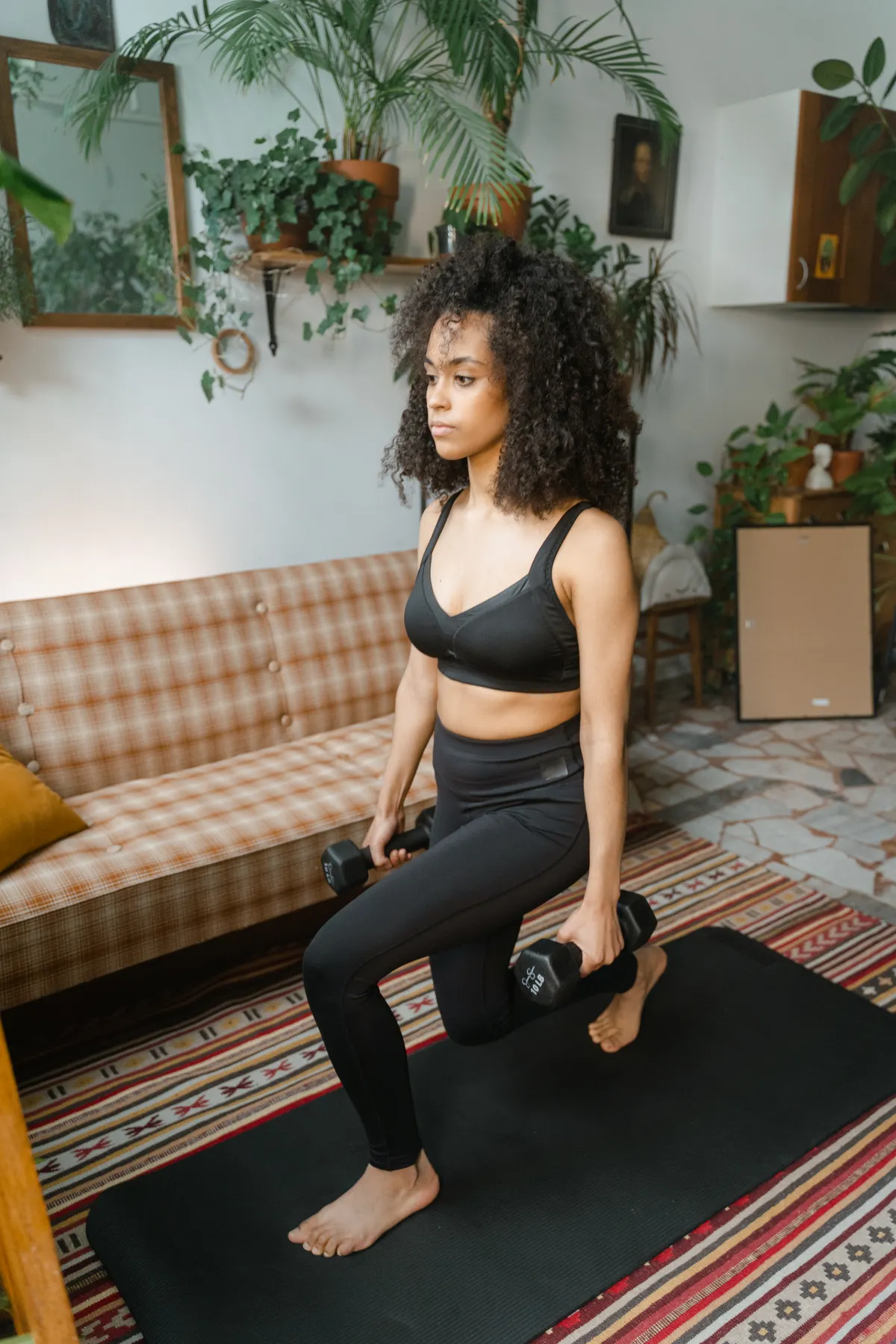
Step height is different from external loading. Stepping forward from a platform adds descent and landing before the body pushes back up. In the September trial, the 15 cm elevated version produced greater ground reaction forces, especially without treating the height as an ordinary flat-ground step. This may be relevant to athletic deceleration, but greater landing force does not automatically mean more muscle growth or safer knees.
Earlier research involving 16 participants found that patellofemoral loading changed with step length, knee angle and a 10 cm platform. Ground-level lunges produced greater patellofemoral loads than certain platform conditions during parts of the movement; knee angle and phase changed the comparison. Another biomechanics investigation involving 11 participants found that adjusting step length and tibial position redistributed joint moments. These studies measured different versions of the lunge, so their results should not be collapsed into a single ‘platforms are safer’ or ‘platforms are worse’ rule.
Build a conservative height progression. First master a stable floor lunge. Then test a very low step without extra weight, keeping the landing quiet and the torso controlled. Consider a larger drop only if the goal genuinely requires absorbing landing forces and the earlier level is easy to repeat. A reduced range, support or flat-ground variation is a useful choice, not a failure to reach the advanced version.
Equipment Worth Exploring
Explore equipment, accessories and gear from our carefully selected range.


HUSLA Leg Extension Pad
Pad attachment designed to increase usable range of motion on compatible leg-extension machines.

Belt Squat Collar
Heavy-duty collar adapter for compatible belt-squat and landmine bar setups.

Go-Tone Pro
Portable digital cable trainer with up to 66 lb (30 kg) of adjustable resistance.
Program lunges for strength, control or athletic power
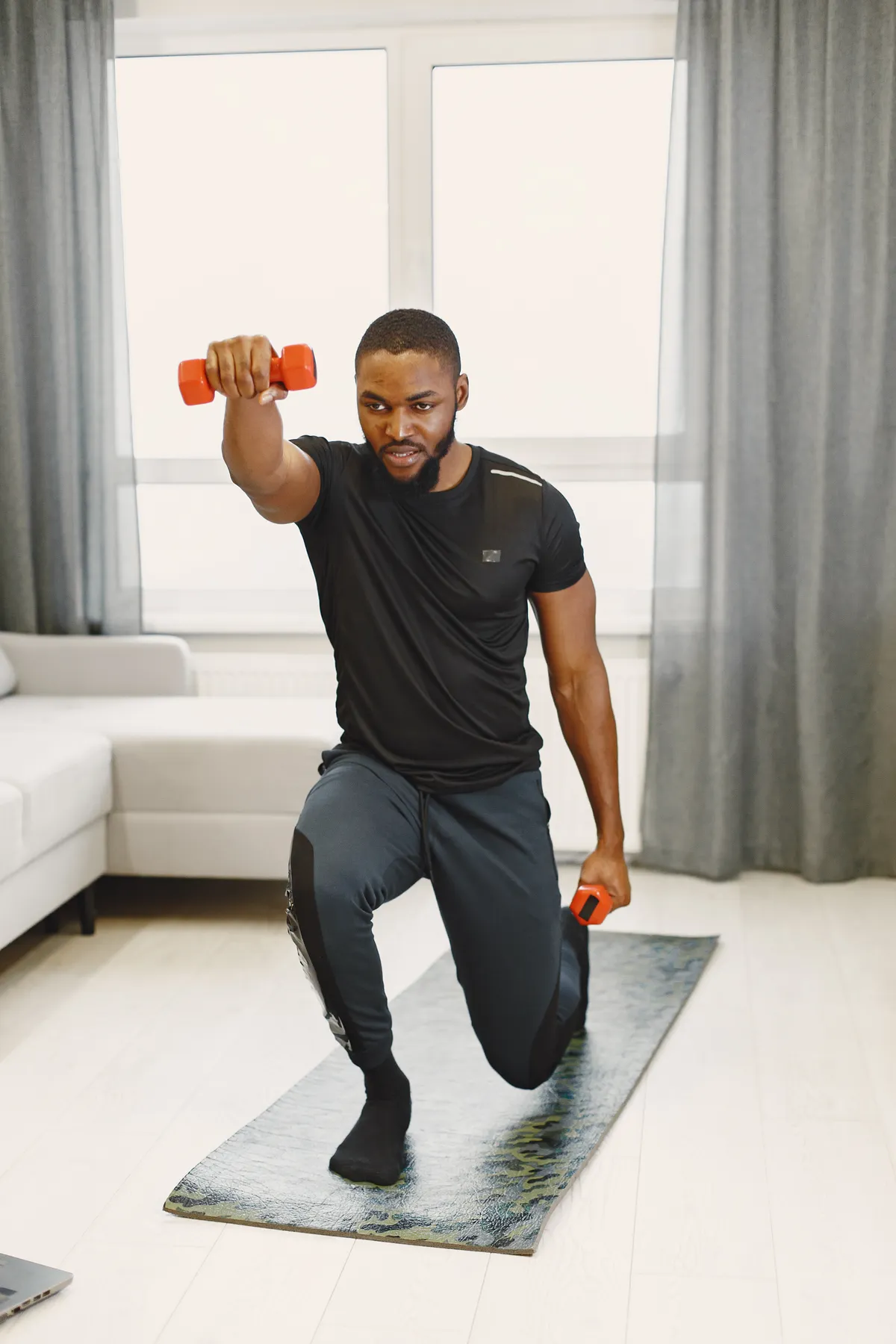
Different goals deserve different prescriptions. For strength and muscle, use a stable floor lunge, add dumbbells or a suitable cable load and perform six to twelve deliberate repetitions per leg. Increase weight only when the final repetition still resembles the first. If balance becomes the bottleneck, a stationary split squat may let the target muscles work harder without unnecessary instability.
For movement control, use a light load and three sets of five to eight clean repetitions per leg, pausing near the bottom. A rack support or gentle band assistance can help. For athletic landing work, a low step-down can add a deceleration challenge after basic technique is solid. Keep repetitions low and rest generously rather than turning the drill into a fatigue test. These are practical coaching options, not outcomes directly demonstrated by the 21-person experiment.
A simple two-day schedule fits around squats and hinges. On Day A, perform three sets of eight flat-ground lunges per leg with dumbbells, then an easier hamstring or glute accessory. On Day B, perform three sets of six supported lunges per leg; if appropriate, add two sets of four low-step landings per leg. Allow at least one recovery day between demanding lower-body sessions. Track balance, depth, comfort and repeatability before raising the load or the platform.
Funny Gym Shirts & Workout Gear
Funny gym shirts, tanks, hoodies and workout gear for lifters who like training hard.

Vive La Resistance Bands – Resistance Bands Warmup Reha Sticker
Bring “Vive La Resistance Bands” attitude to your water bottle or laptop.

Vive La Resistance Bands Painting Meme – Resistance Ban T-Shirt
Add a playful “Vive La Resistance Bands” touch to your casual rotation.

One More Rep Shirt: Motivational & T-Shirt
Make gym days more fun with “One More Rep” style.

Progressive Overload Milo Tee
Bring “Progressive Overload Milo Bull” humor to your next gym day.

Leg Day Is Calling You Squats, Deadlifts & Gains T-Shirt
Rep “Leg Day Is Calling You” humor in and out of the gym.

Negative Leg Day Review Leg Day Sucks Meme Squats, T-Shirt
Show some leg-day attitude with a playful “Negative Leg Day Review” tee.

Thicc Butt Energy Squat Lovers & Leg Day Hooded Hoodie
Bring “Thicc Butt Energy” gym humor to lazy days and post-workout plans.

Gym Girl Booty Builder Tank
Show some personality between sets with “Gym Girl Booty Builder”.

Legendary Leg Day – Squat Meme Vest Muscle Shirt For At Tank Top
Add some leg-day attitude to training with “Legendary Leg Day”.

Leg Day Never Comes Hoodie
Stay casual and show some metalhead attitude with “Leg Day The Day That Never Comes Metallica”.
Common mistakes and the practical bottom line
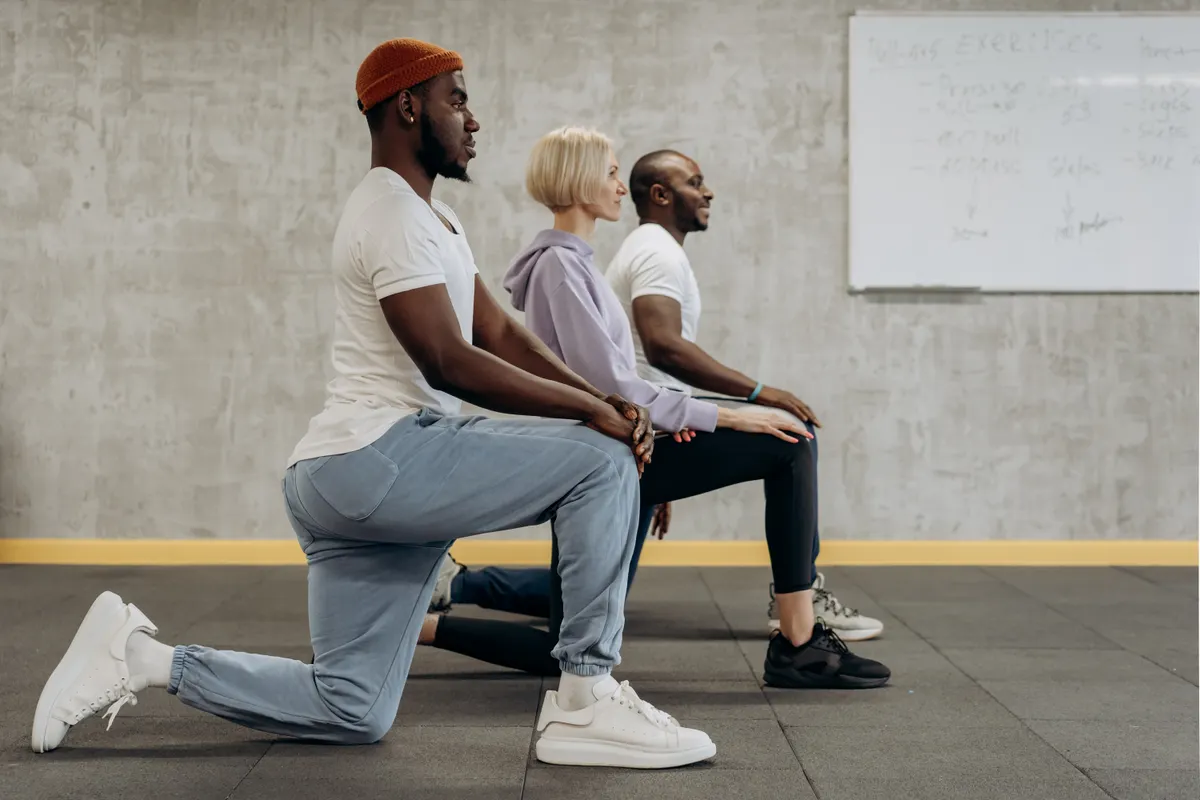
The most common mistake is treating a dramatic variation as a better variation. A high step-down that makes the heel lift, the knee collapse or the torso rotate is not an upgrade. Neither is a band that yanks the athlete out of position. Higher force on a platform is a laboratory measurement, not a guarantee of better adaptation. The opposite mistake is avoiding all knee travel because of a blanket internet rule; individual control, tolerance and movement goals matter more than arbitrary visual angles.
Choose the version you can own. Bodyweight lunges teach the pattern. Dumbbells are convenient for gradual loading. Cable or rack support can make a compact home-gym setup easier to control. Low drop lunges can introduce landing demands for athletes, but they belong later in the progression. If one side is persistently unstable, lower the difficulty and address the movement rather than hiding the problem with momentum.
Bottom line: the September 2026 study found greater ground reaction forces with a 15 cm forward drop, without significant differences in four recorded EMG channels across its conditions. A separate 2026 study reinforces the role of height while showing that activation findings depend on measurement details. Neither trial established long-term hypertrophy or injury outcomes. Pick flat, supported or elevated lunges according to the quality you want to train, and progress one variable at a time.