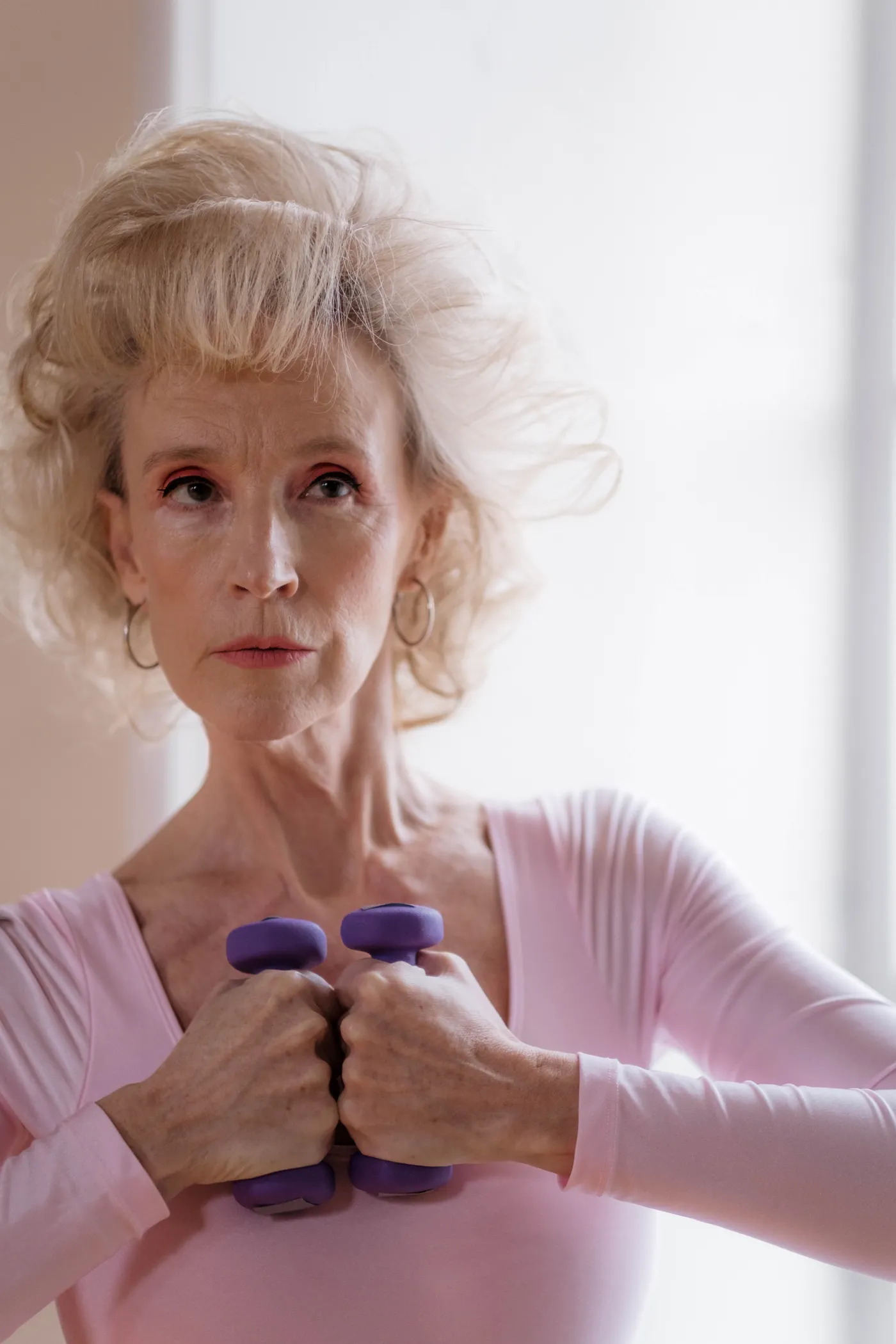
Sleep can become more fragmented with age, even in people who are otherwise active. Strength training is usually discussed in terms of muscle, bone, and everyday function, but a September 2026 experiment raises a different possibility: regular resistance exercise may also improve how efficiently older adults sleep.
The study followed community-dwelling adults aged 64 to 81 through 12 weeks of supervised lower-body training or usual activity. Its results are promising, but the sample was small and the researchers did not prove that lifting treats insomnia or prevents dementia. The useful question is what the trial actually measured, how its sessions worked, and how an older beginner can apply the sensible parts without copying an advanced protocol.
What the 2026 resistance-training study actually tested
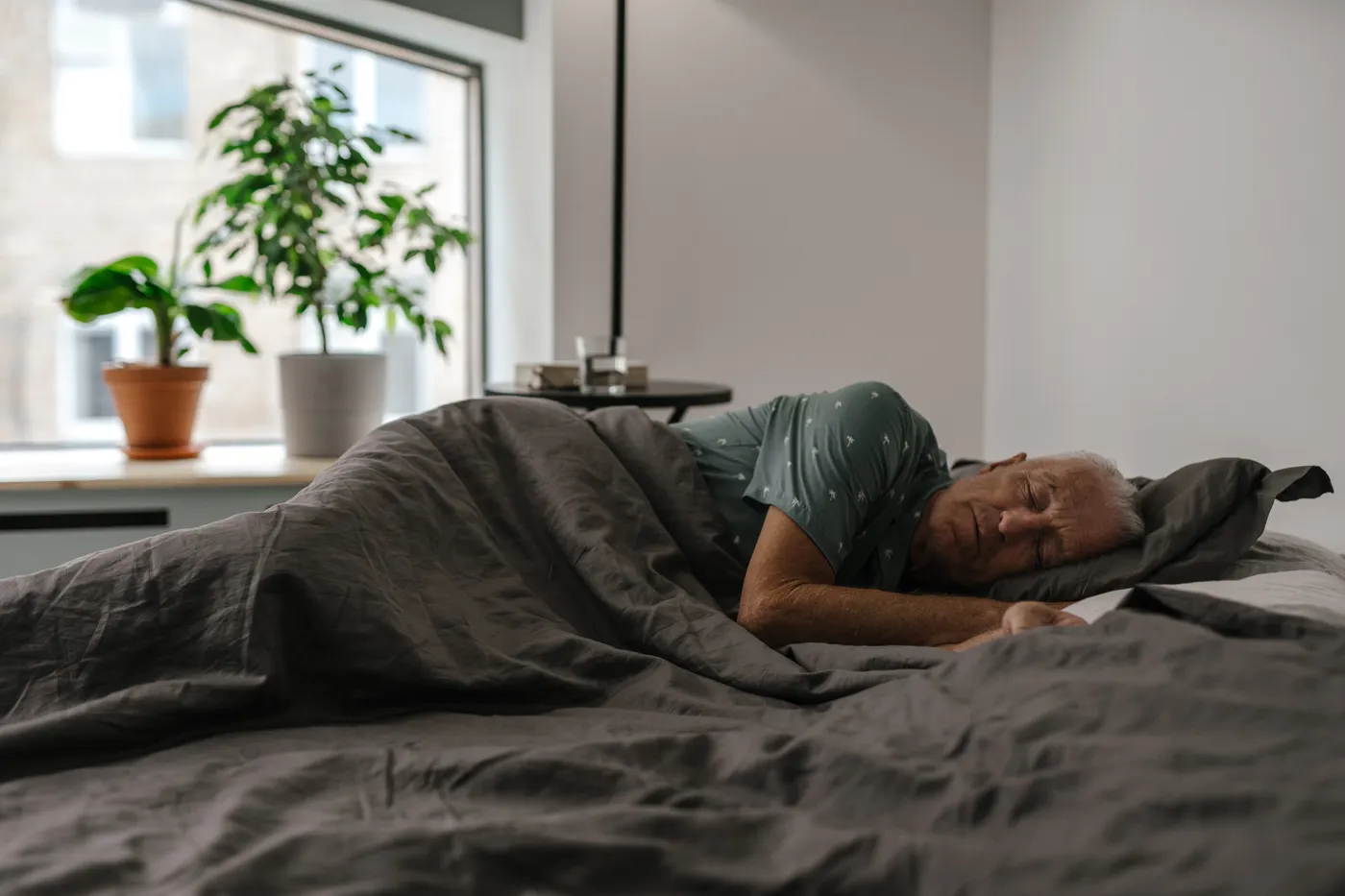
Forty volunteers were initially randomized; 36 completed pre- and post-testing after four withdrew. One group maintained its ordinary lifestyle, while the other attended supervised resistance sessions three times weekly for 12 weeks. Participants were 64 to 81 years old, living in the community, and screened to exclude known sleep disorders and several medical conditions that might complicate the measurements. That makes this a study of a selected, relatively healthy older population, not of people receiving clinical insomnia treatment.
The investigators assessed objective sleep using wearable polysomnography, a more informative method than asking someone how rested they feel. They also measured metabolites in a specific sensorimotor region of the brain using high-field magnetic resonance spectroscopy. These are separate outcomes: one concerns sleep patterns, the other a possible marker of neural energy metabolism. Neither is a direct test of memory improvement or reduced dementia incidence.
It is worth distinguishing the different sample sizes. Thirty-six people completed the trial, but usable sleep recordings were available for 34 and the analyzable brain-lactate sample was smaller at 24. When a study measures several endpoints in small groups, apparent benefits can be sensitive to individual variation. The results deserve attention, not a sweeping promise that everyone who lifts will suddenly sleep through the night.
The trial also compared a fairly structured program against maintaining existing habits. It did not directly compare morning and evening lifting, heavy and light loads, or resistance training against an equally engaging aerobic exercise program. Those questions require different studies.
The sleep results: better efficiency, longer total sleep
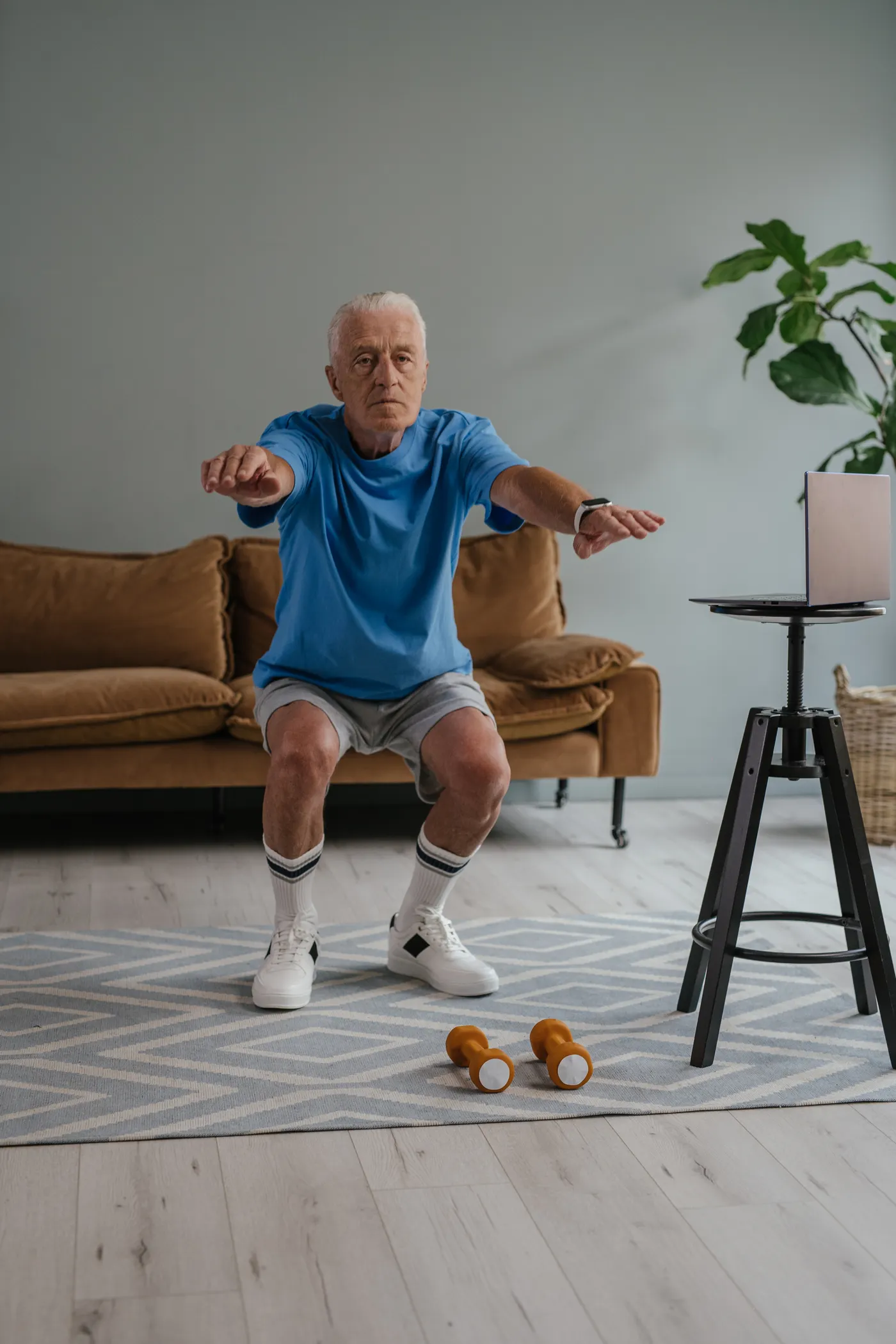
After 12 weeks, the training group showed statistically significant improvements in objective sleep efficiency and total sleep time relative to the pattern seen in the control group. Reported standardized within-group effect sizes included about 0.75 for sleep efficiency and 0.61 for total sleep time. These values describe the observed differences in this experiment; they are not a guarantee of a particular number of extra minutes for an individual reader.
Sleep efficiency is the proportion of time in bed actually spent asleep. Someone who spends eight hours in bed but is awake for long stretches may have poor efficiency despite allowing plenty of time for sleep. Total sleep time measures actual sleeping minutes, which can improve even if bedtime stays unchanged. Both are useful because older adults often describe waking repeatedly rather than simply struggling to fall asleep.
The investigators also reported lower resting lactate concentration in the measured brain region after resistance training. Lactate is involved in energy metabolism, but a change in one metabolite is not proof of improved cognition. The study did not establish that resistance exercise reverses neurodegeneration, cures sleep apnea, or replaces assessment for persistent insomnia.
There is useful context beyond one trial. A separate randomized study of 62 older residents in an assisted-living setting also found improved sleep efficiency and less wakefulness after sleep onset after a 12-week resistance program. A broader analysis pooling 26 randomized trials and 2,189 older participants found exercise interventions generally improved self-reported sleep quality. Those studies differ in populations, interventions, and measurement methods, so their effect sizes should not be combined casually.
The practical takeaway is measured: progressive exercise can be one part of a better sleep routine, while regular sleep opportunity, medical factors, and daily habits still matter.

Equipment Worth Exploring
Explore equipment, accessories and gear from our carefully selected range.


Go-Tone Pro
Portable digital cable trainer with up to 66 lb (30 kg) of adjustable resistance.
VOLTRA
Compact digital cable trainer with smooth, adjustable resistance.


How the three-day lifting program was structured
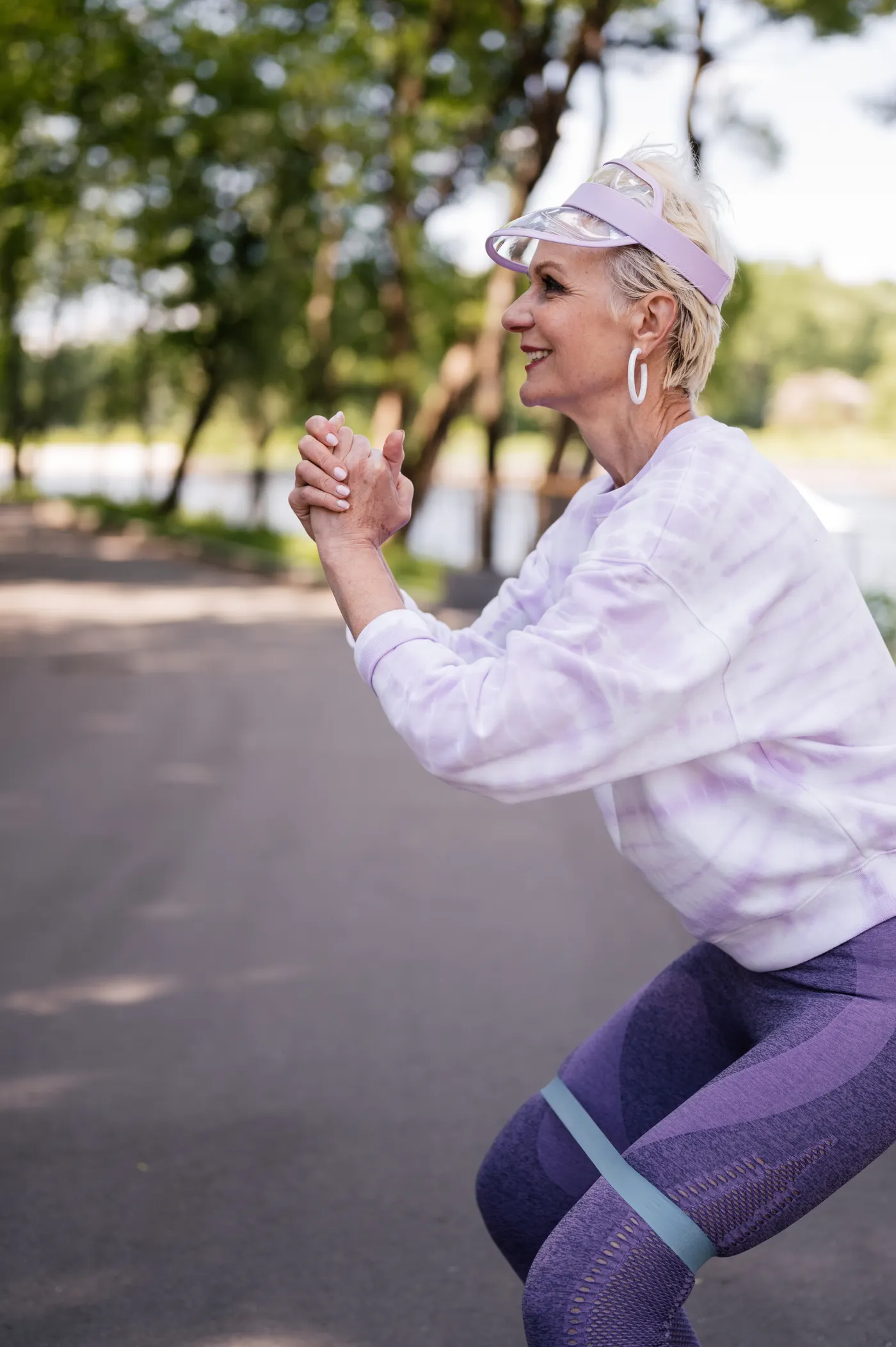
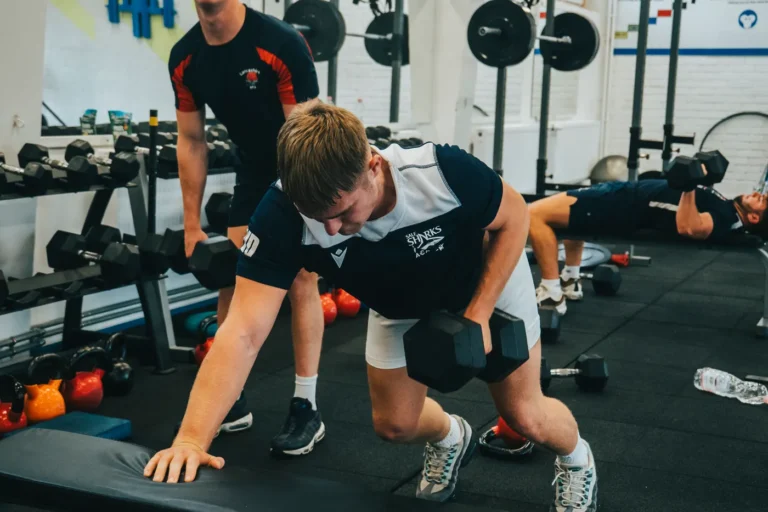
The intervention was not a maximal-strength contest. Each supervised visit lasted roughly 45 minutes, with about 15 minutes allocated to warming up and cooling down and about 30 minutes to the main exercises. Four movement categories covered the lower body: ankle dorsiflexion, calf raising, knee extension, and knee flexion or hip extension. Depending on the session, participants used bands, weight cuffs, loaded backpacks, squats, leg curls, or glute bridges.
The first three weeks emphasized familiarization and traditional resistance work, typically one to three sets of 10 to 15 repetitions. Over the following nine weeks, the sessions alternated more traditional sets with faster concentric efforts: two to three sets of roughly six to ten repetitions performed with an intent to move briskly, followed by a controlled lowering phase. Loads were adjusted to the participant rather than prescribed as a fixed percentage of a tested one-repetition maximum.
Effort was usually kept around four to seven on a ten-point perceived-exertion scale. Rest periods of one to two minutes separated sets. This matters because the study’s benefit cannot be attributed to extreme effort, exhaustion, or training to failure. The sessions were supervised, repeated consistently, and progressed conservatively.
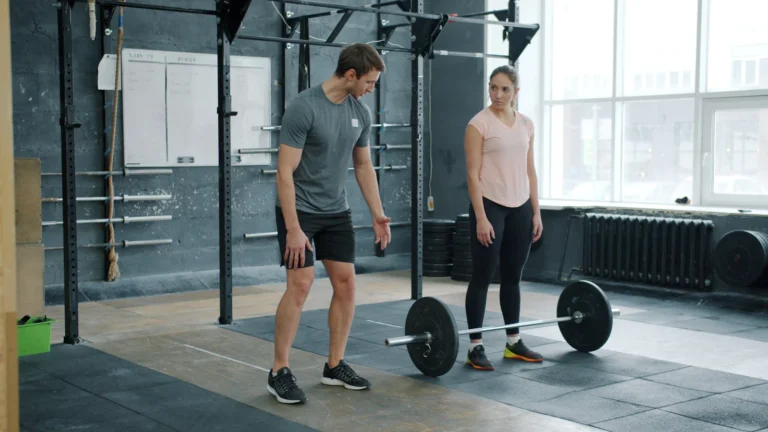
For a reader who has never lifted, the transferable lesson is the structure, not the explosive label. Start with stable exercises you can control. Use a chair-supported squat, seated knee extension, banded row, calf raise, or gentle hip bridge as appropriate. Increase the load or repetitions only after technique and recovery are reliable. If balance is uncertain, prioritize a supported position and professional instruction before attempting fast movements.
Anyone with a recent fall, uncontrolled cardiovascular symptoms, significant joint pain, or a new neurological problem should seek individualized clearance before adopting a new loading plan.
Why exercise may support sleep without acting like a sleeping pill
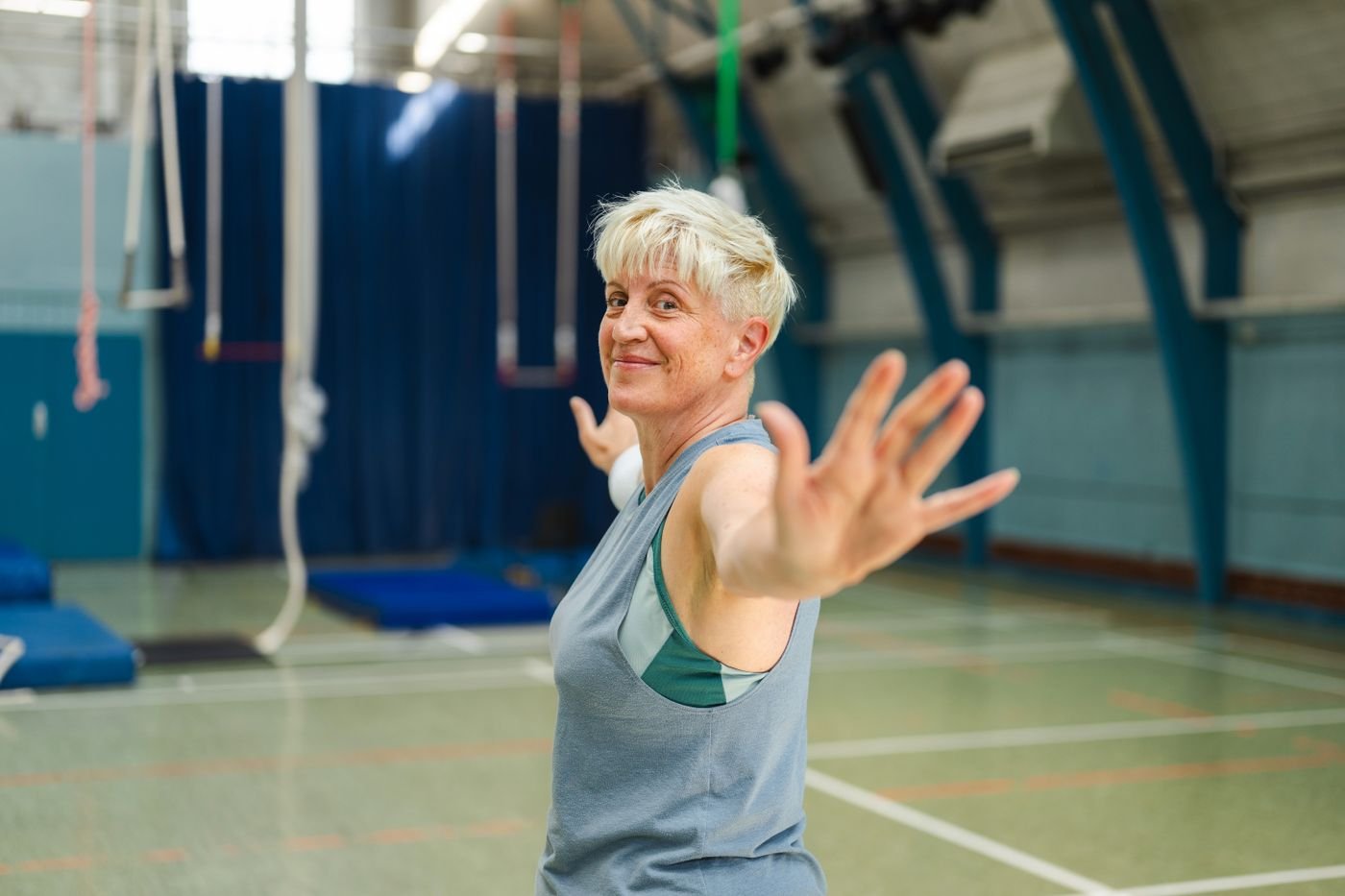
Exercise can influence several processes that affect sleep: daily activity level, body temperature, mood, physical fatigue, and regularity of routines. It may also help preserve function and confidence, which can make daytime movement easier. Those are plausible pathways, but the 2026 experiment was not designed to isolate which mechanism produced its sleep findings.
Importantly, being tired after a workout is not the same thing as building a healthy sleep pattern. An excessively demanding session can leave someone sore, overheated, or uncomfortable at bedtime. The objective is a repeatable weekly stimulus that fits the person’s current capacity. An older adult who sleeps poorly after an unusually intense session may need to reduce volume, move training earlier, or address pain rather than assume more effort is the answer.
Consistency also matters more than an arbitrary clock time. The study used a scheduled, supervised program, but did not establish that lifting at a particular hour is superior for sleep. Someone who reliably trains late morning may benefit more from sticking with that routine than from chasing a supposedly optimal evening window that causes missed workouts.
Look for a sustainable combination of strength work, light movement on non-lifting days, and predictable sleep habits. A short walk after breakfast, daylight exposure, and an ordinary bedtime can coexist with resistance training. The goal is not to make lifting a treatment for every sleep complaint; it is to support a healthier pattern of activity and recovery.
Persistent loud snoring, witnessed breathing pauses, marked daytime sleepiness, or chronic insomnia deserve medical attention. Training may be beneficial for general health, but it is not a substitute for identifying a sleep disorder.

Funny Gym Shirts & Workout Gear
Funny gym shirts, tanks, hoodies and workout gear for lifters who like training hard.

Sleeping Booty – Bootybuilding Meme Princess, & T-Shirt
Make gym days more fun with “Sleeping Booty” style.

Superdad Meme : Dadlifting Shirt Sleepless Not Weak T-Shirt
Bring “Superdad Gym Meme” humor to your next gym day.

Mom Shirt: Sleepless Not Weak Supermom – Mother'S T-Shirt
Make gym days more fun with “Gym Mom” style.

Lift Eat Sleep Repeat Meme Sweater & T-Shirt
Bring “Lift Eat Sleep Repeat” humor to your everyday gym style.

Off-Season Rest Day & Meme Fans Hooded Hoodie
Keep it laid-back with a little “Off-Season Rest Day” attitude.

Rest Day Sloth – Essential T-Shirt
Show some bodybuilding attitude with a playful “Rest Day Sloth” tee.

Everything Hurts and I'm Tired Tee
Make gym days more fun with “Everything Hurts And I'm Tired” style.

Rap God Recovery Gym | Funny Workout & Bodybuilding Par Sticker
Stick a little “Rap God Recovery” humor on your favorite gear.

Kanye Rest Day | Swole Ye Lifting Parody Hooded Hoodie
Bring “Kanye Rest Day” gym humor to lazy days and post-workout plans.

Consistency King Tee
Make gym days more fun with “Consistency King Stoic Greek God Marble” style.
A practical two-day starting plan for older beginners
Although the study used three sessions per week, public activity guidance recommends at least two days of muscle-strengthening work for older adults, alongside aerobic activity and balance practice. Two manageable full-body sessions can be a realistic entry point for someone who is currently inactive. The following example is a starting framework, not a reproduction of the experimental intervention or a medical prescription.
Day A: controlled strength. After five minutes of comfortable walking and joint movement, perform a supported sit-to-stand or goblet squat, a cable or band row, a wall or incline push-up, and a standing calf raise. Start with one or two sets of eight to twelve comfortable repetitions per exercise. Rest as needed to maintain normal breathing and good form. Finish with a few minutes of easy walking.
Day B: strength plus balance. Use a low step-up or supported split squat, a hip hinge with light dumbbells, a band pulldown or another pulling pattern, and a glute bridge. Add brief supported single-leg balance practice near a stable counter. Again, one or two controlled sets may be plenty at first. Keep at least one recovery day between the two strength sessions.
Choose resistance that feels moderately challenging near the end of each set while leaving a few clean repetitions available. When all sets feel easy and controlled for several sessions, add one or two repetitions or a small amount of resistance. There is no need to test a one-repetition maximum or chase soreness.
Those already lifting regularly can use the same principle: protect sleep by managing overall training stress, rather than adding hard sets simply because a study reported a benefit. If a workout repeatedly disrupts the next night, reduce its difficulty or change its timing before adding more.
Equipment Worth Exploring
Explore equipment, accessories and gear from our carefully selected range.


FID Bench MAX
Adjustable bench offering flat, incline, and decline positions + adjustable headrest.

GymPin Squat Wedges
Non-slip 15-degree squat wedges help elevate the heels for deeper quad-focused squats.



Squat Harness
Wearable harness for hands-free cable squats, sled work, and lower-body training.


Apple Watch Ultra 3
Rugged 49 mm smartwatch with cellular connectivity, GPS and fitness tracking.
How to tell whether your sleep is really improving
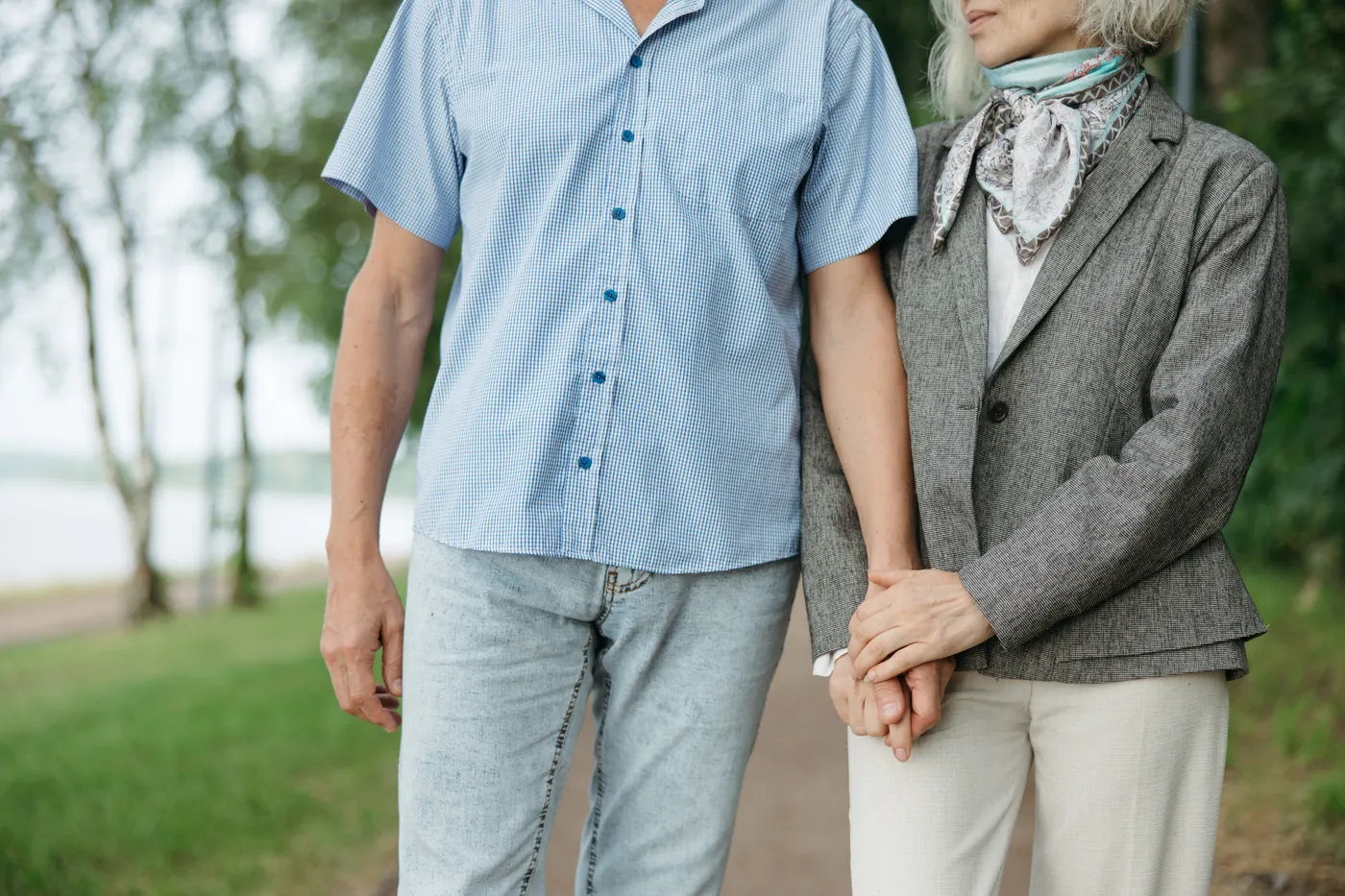
Sleep is variable. A single good night after a workout does not prove a training effect, and a bad night does not invalidate the entire program. Look for patterns across several weeks. A simple diary can track bedtime, wake time, estimated awakenings, morning energy, exercise sessions, and any changes in medication, alcohol, or caffeine. Keep the process brief enough that tracking does not become another source of stress.
Use three practical questions. First, are you spending enough time in bed for adequate sleep? Adults generally need around seven to nine hours, though individual needs vary. Second, are prolonged awakenings becoming less frequent? Third, do you feel more alert and capable during the day? Those observations help contextualize any numbers from a watch or ring.
Consumer wearables can show trends, but their sleep-stage estimates are not interchangeable with the polysomnography used in a clinical study. Treat a nightly readiness score as a clue, not a diagnosis. If a device reports worse sleep but you feel better and your routine is stable, avoid making drastic changes based on one graph.
Training logs are useful too. Record exercise, resistance, repetitions, perceived effort, and whether soreness affected sleep. If the first week causes excessive fatigue, scale back the next session. If four weeks pass with stable recovery and improving strength, continue progressing gradually. This is a more informative approach than trying to force a dramatic transformation in a few days.
Regular walking and other aerobic activity remain valuable. Older-adult guidance includes moderate aerobic activity across the week and balance work, not resistance exercise alone. A balanced plan is more likely to support overall health than a single training modality taken to extremes.
What this trial can and cannot promise
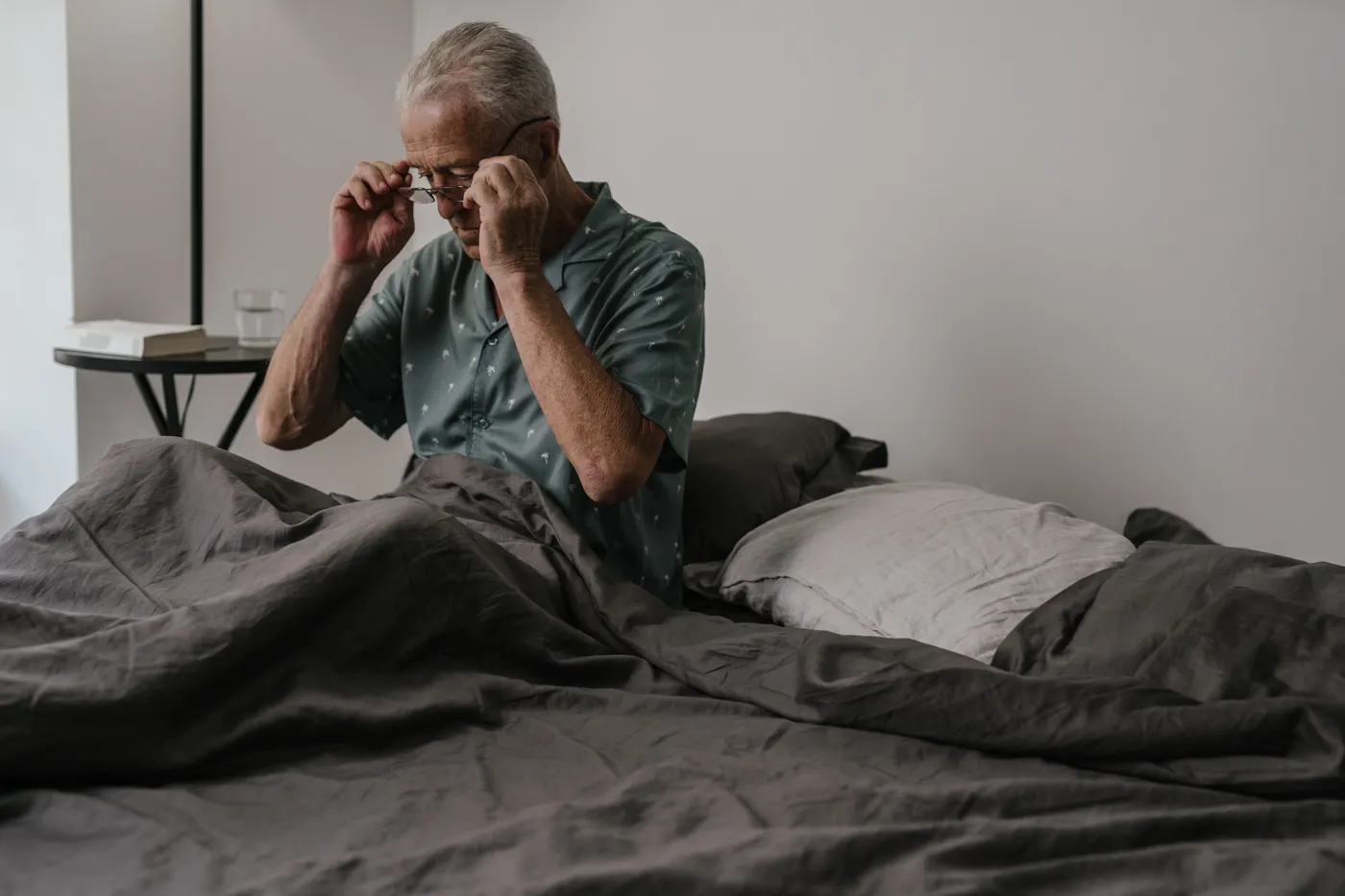
The most encouraging part of the 2026 findings is that the training was practical and supervised rather than punishing. Three moderate sessions each week were associated with better objective sleep efficiency and total sleep time in a small sample of older adults. That is worth investigating further and gives people another reason to consider progressive strength work.
The limitations are just as important. The researchers studied a narrow age range, excluded people with known sleep disorders, and had different usable sample sizes for different outcomes. They did not test whether the benefits persist for years, whether a home program produces the same results, or whether changes in a brain-metabolism marker translate into less dementia. The study cannot identify an ideal load, exercise order, or training hour for everyone.
There is also no reason to assume older adults must perform explosive repetitions to get sleep benefits. Other resistance programs and mixed exercise interventions have reported favorable sleep outcomes. The common, sensible denominator is regular movement with appropriate progression and enough recovery to keep training sustainable.
If you are new to lifting, begin with two full-body sessions, keep them controlled, and build toward a schedule you can maintain. If you already train, focus on consistent effort and notice how sleep responds to volume, intensity, and session timing. Neither group needs to turn a promising finding into an all-or-nothing rule.
Bottom line: strength training may help older adults sleep more efficiently while also supporting muscle and daily function. Treat it as one useful part of healthy aging, not a replacement for sleep care or a guaranteed cure for fragmented nights.
Bodybuilding Shirts & Workout Gear
Bodybuilding shirts, tanks and gym gear for lifters chasing muscle, size, symmetry and the pump.

Be Stronger Than Your Excuses – Motivational T-Shirt
Rep “Be Stronger Than Your Excuses” humor in and out of the gym.

No Excuses Mermaid Strong , Leg Day Meme & T-Shirt
Make gym days more fun with “No Excuses Mermaid” style.

Progressive Overload Milo Tee
Bring “Progressive Overload Milo Bull” humor to your next gym day.

Consistency Is Key Stoic Greek God Marble Sculpture T-Shirt
Make gym days more fun with “Consistency is Key Stoic Greek God Marble” style.

Discipline Greek God Statue Stoic Sigma T-Shirt
Heavy lifts, good laughs, and a little “Discipline Greek God Statue Funny Stoic” energy.

Shirt – Let'S Go Girls Strong Meme Top T-Shirt
Heavy lifts, good laughs, and a little “Let's Go Girls Strong Women Graphic” energy.

One More Rep Shirt: Motivational & T-Shirt
Make gym days more fun with “One More Rep” style.

The Only Difference Between Good And Great Is One T-Shirt
Bring “The Only Difference Between Good And Great” humor to your next gym day.

Motivation – Barbell Meme Strong , Leg Day Squats & T-Shirt
Make gym days more fun with “Gym Motivation” style.

Progress Stoic Bodybuilder Greek God Marble Sculpture T-Shirt
Heavy lifts, good laughs, and a little “Progress Stoic Bodybuilder Greek God Marble” energy.