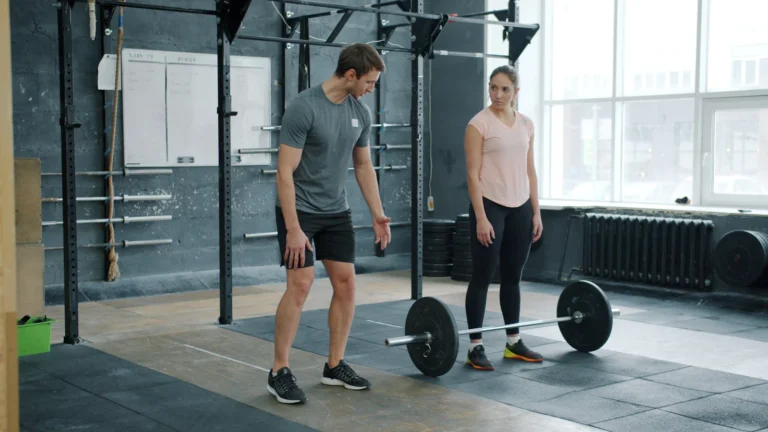
How heavy must a weight feel to build muscle after 60? A 2026 trial offers a useful answer, but not the one-size-fits-all prescription that a simple rep-range headline might suggest. Researchers followed 27 older women through two different eight-week resistance-training periods. One used loads that allowed about ten challenging repetitions; the other used loads that allowed about fifteen. Both approaches increased estimated skeletal muscle mass, and neither clearly outperformed the other.
The practical question is not whether ten or fifteen is the magic number. It is whether the load is challenging enough, the exercise is performed consistently, and the person can recover and progress. The study also tracked how consistently individuals responded to each approach, revealing why a single short training block cannot reliably label someone a muscle-building nonresponder.
What the 2026 trial actually tested
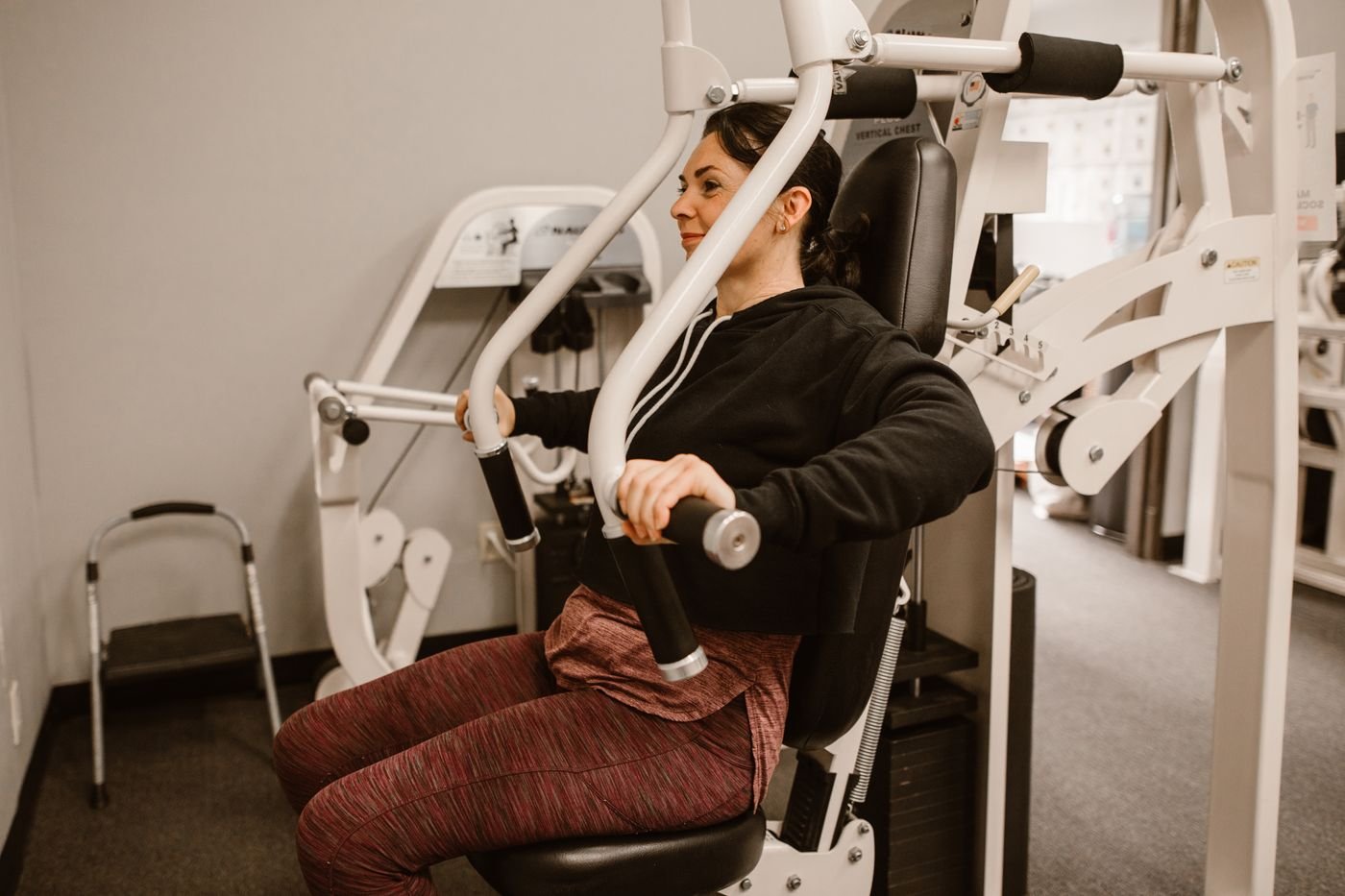
The participants were women averaging approximately 68 years old. Each completed an eight-week training intervention at a ten-repetition-maximum load and another at a fifteen-repetition-maximum load. The order was randomized, and a twelve-week detraining period separated the blocks. This crossover design let the same people experience both approaches, reducing some differences between separate groups.
A repetition maximum is the load you can lift for a specified number of technically acceptable repetitions before another full repetition becomes unavailable. Ten-RM is usually heavier than fifteen-RM, but it is not a fixed percentage of maximum strength for every exercise or person. The researchers estimated skeletal muscle mass with dual-energy X-ray absorptiometry, or DXA, rather than directly measuring every muscle fiber. That distinction matters when interpreting small changes.
This was not a comparison of all possible rep ranges, nor a test of every older adult. It examined two reasonably close, practical loading schemes over eight weeks in a small female sample. The outcome should guide decisions, not settle every debate about strength, power or long-term muscle gain.
Both rep ranges increased estimated muscle mass
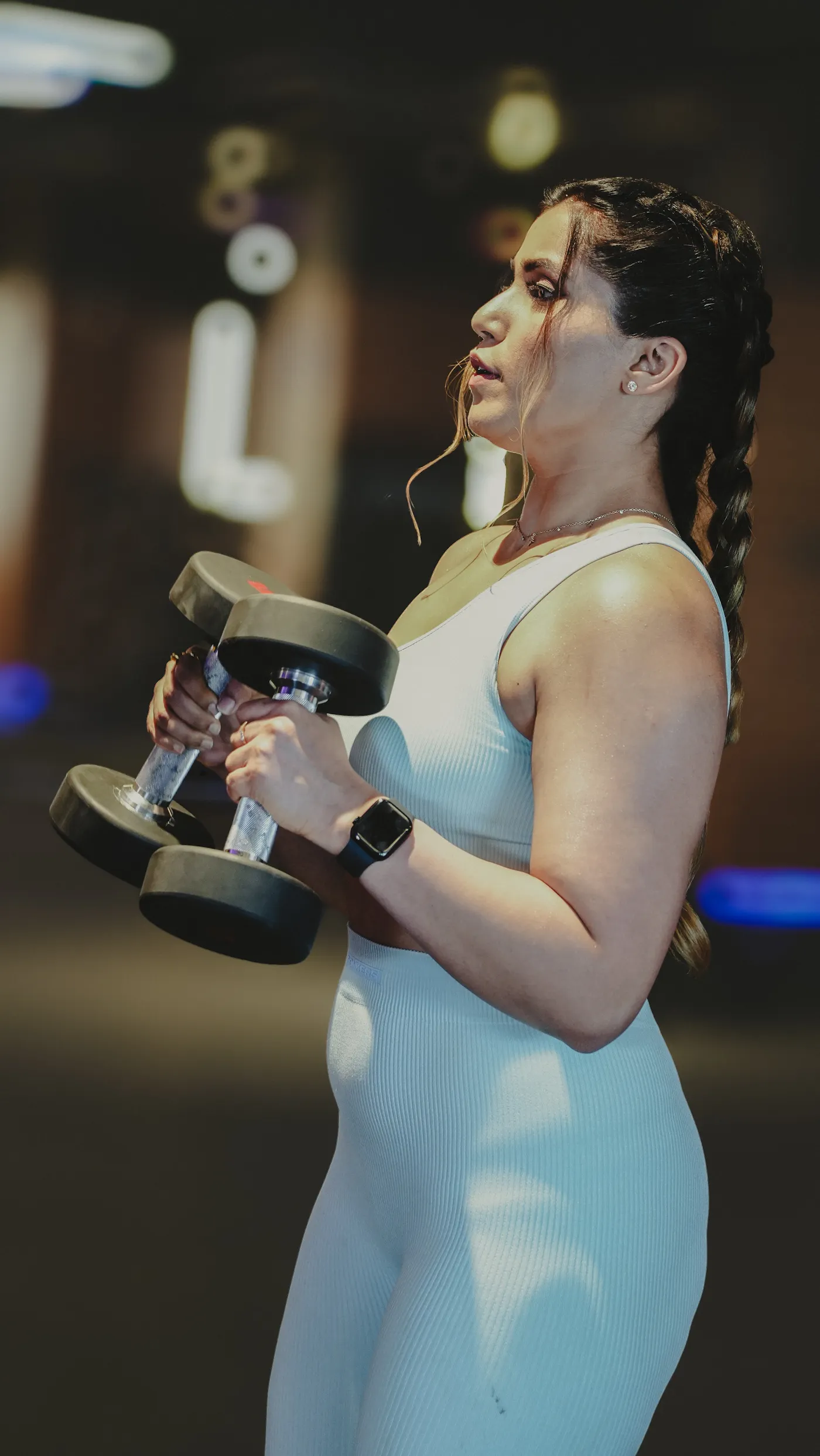
On average, estimated skeletal muscle mass rose by about 0.62 kilograms in the fifteen-RM phase and 0.43 kilograms in the ten-RM phase. Both changes were statistically significant within their respective training periods. The difference between the two loading conditions was not statistically clear, so the larger numerical value for fifteen-RM should not be presented as proof that lighter weights build more muscle.
The study classified 61.1% of participants as responders in at least one condition and 38.9% as nonresponders under its measurement-based definition. Nearly half were classified as responders in both conditions; about a quarter were nonresponders in both. Only seven women changed response classification between conditions. That suggests swapping between these two nearby rep ranges was not a reliable way to turn a supposed nonresponder into a responder.
There are important caveats. The responder threshold depended on the standard error of the measurement, and a small change near that boundary can shift someone between categories. Hydration, changes in other tissues and measurement noise can affect estimates of lean or skeletal muscle mass. An eight-week window may miss slower adaptations, while a twelve-week gap does not guarantee every previous training effect vanished.
For a lifter, the takeaway is encouraging: a well-chosen moderate weight can be useful even if very heavy lifting feels uncomfortable. It is not permission to make every set effortless. A fifteen-repetition set that could easily continue for another fifteen reps is a different training stimulus from a demanding set of fifteen.

Funny Gym Shirts & Workout Gear
Funny gym shirts, tanks, hoodies and workout gear for lifters who like training hard.

Shirt Girl Power Weights & Ultimate Top T-Shirt
Make gym days more fun with “Girl Power Weights Graphic” style.

Shirt – Let'S Go Girls Strong Meme Top T-Shirt
Heavy lifts, good laughs, and a little “Let's Go Girls Strong Women Graphic” energy.

Feminist Gym For Strong Women | Break The Stereotype Fu Hoodie
Keep it laid-back with a little “Feminist” attitude.

Beauty And The Biceps Sweater Meme T-Shirt
Add a playful “Beauty And The Biceps” touch to your casual rotation.

Muscle Mommy Pink Gym Graphic for Women, Female Lifters T-Shirt
Show some gym-girl attitude with a playful “Muscle Mommy” tee.

Stronger Than You Wonder Woman Inspired Muscle Shirt At Tank Top
Your gym-day look, with a playful “Stronger Than You” twist.

Lifting Is Freedom Gym | Statue of Liberty Meme Workout T-Shirt
Show some gym-day personality with “Lifting Is Freedom”.

Blood Sweat & Gains Dracula Gym | Funny Vampire Workout Sticker
Stick a little “Blood Sweat & Gains Dracula” humor on your favorite gear.

Train Hard Gains Gym | Funny Thomas The Tank Engine Wor Hoodie
Show off your lifting humor in a laid-back “Train Hard Gains” hoodie.

OnlyGains Meme Vest Bros Athletic Top & Tank Top
Bring “OnlyGains Gym Meme” humor to your next lifting session.
Muscle size and maximal strength are not the same target
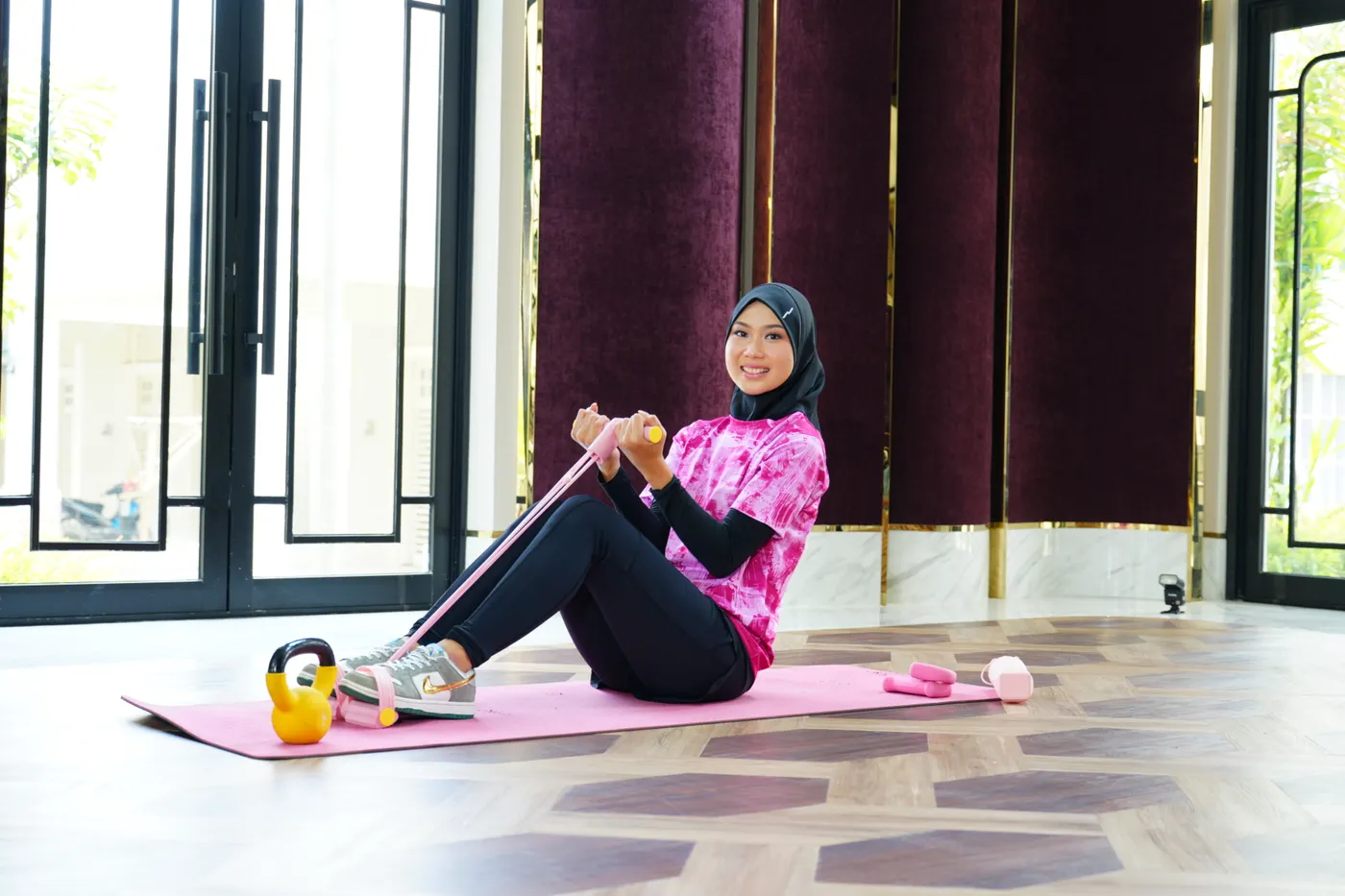
A bigger muscle can contribute to greater force, but strength tests also reward movement practice, coordination and the ability to recruit muscle against a particular load. Across broader resistance-training evidence, heavier loading tends to have an advantage for improving one-repetition-maximum performance, even when different loading ranges produce similar average muscle-size changes. That is partly a specificity effect: regularly lifting heavy weights helps you become skilled at lifting heavy weights.
For someone whose main goal is maintaining muscle tissue and everyday independence, ten- and fifteen-repetition work may both be sensible. For someone who also wants to improve the heaviest safe lift they can perform, it can help to include progressively heavier sets when technique, joint tolerance and supervision allow. Neither choice should crowd out balance, walking, cardiovascular fitness or other movement skills.
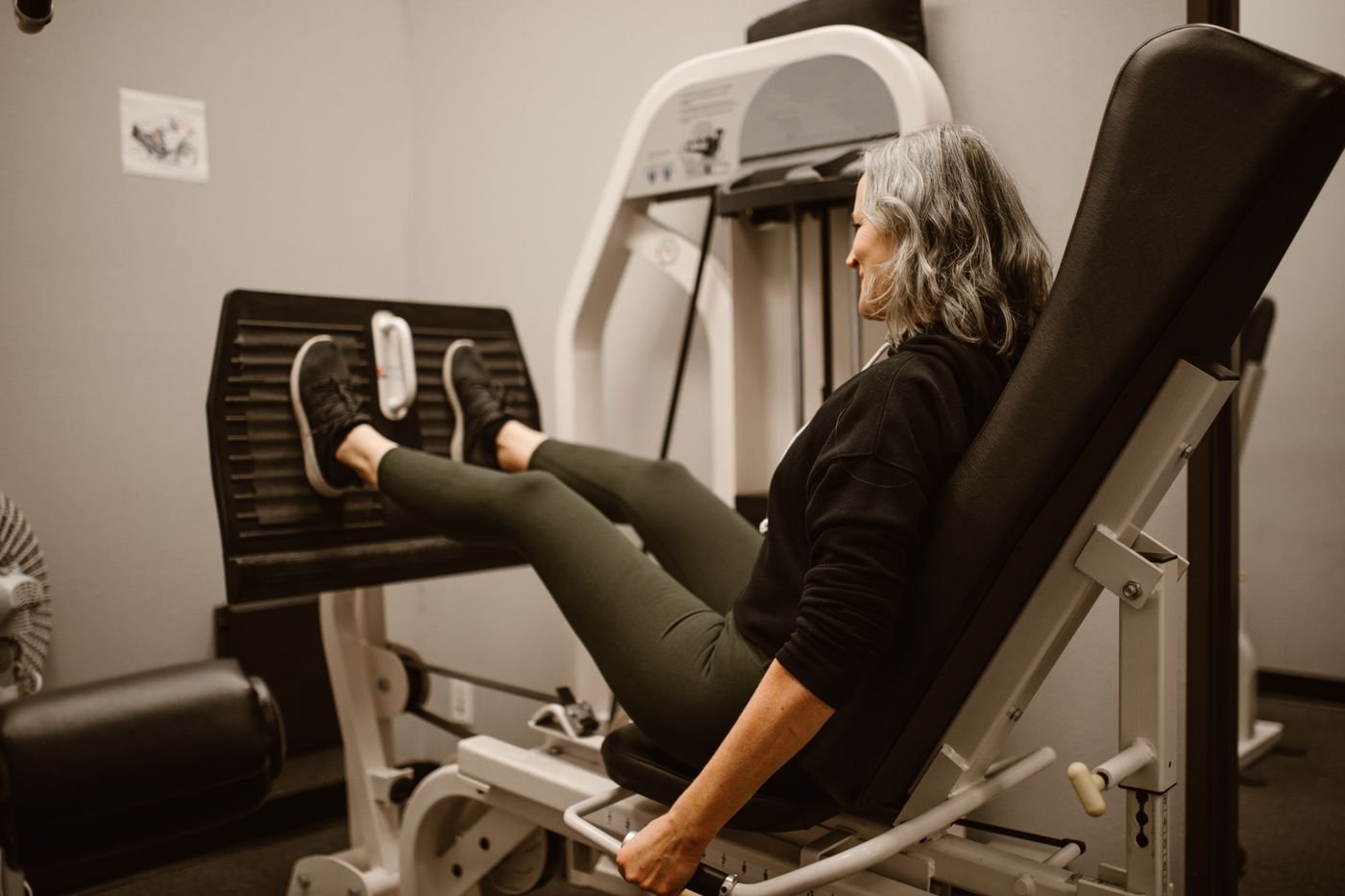
Consider a leg press. A woman might use a load she can control for fifteen smooth repetitions while rebuilding confidence, then gradually progress toward a more demanding ten-repetition set over several weeks. She can also maintain a mix: one exercise at ten to twelve reps, another at twelve to fifteen. This is a programming choice, not a claim that mixing ranges was directly tested in the trial.
Equipment should follow the movement and the person. Adjustable dumbbells, cable resistance, a stable bench and a leg-press machine can all support progressive loading. The useful features are an appropriate starting resistance, small increments, reliable setup and a comfortable range of motion—not a particular brand or complicated attachment.

Equipment Worth Exploring
Explore equipment, accessories and gear from our carefully selected range.


FID Bench MAX
Adjustable bench offering flat, incline, and decline positions + adjustable headrest.
VOLTRA
Compact digital cable trainer with smooth, adjustable resistance.

Go-Tone Pro
Portable digital cable trainer with up to 66 lb (30 kg) of adjustable resistance.


Why a nonresponder label deserves caution

Training studies often divide participants into responders and nonresponders by whether a measured change exceeds a chosen threshold. This can be useful for describing variation, but it is not a permanent diagnosis of someone’s ability to improve. A participant whose estimated muscle mass changes by slightly less than the threshold may still have improved strength, endurance, coordination or confidence. Another participant may show a change just over the threshold partly because of ordinary measurement variability.
Response also depends on the question being asked. Someone can gain strength without a large change in DXA-estimated muscle mass. A different exercise, longer intervention, better recovery or more consistent training could change the outcome. Age, prior training, nutrition, sleep, medications and medical conditions may matter, but this small crossover experiment cannot isolate the contribution of each factor.
Before concluding that a program has failed, inspect the process. Were the planned sessions actually completed? Did the loads or repetitions progress? Were sets demanding without forcing painful repetitions? Was the person eating enough to support recovery? Did the assessment use the same conditions each time? These checks are more actionable than declaring a person genetically unable to gain muscle.
Measure progress in several ways. Track working weights, completed repetitions, walking speed, the ease of rising from a chair and day-to-day function. If body composition is measured, use comparable conditions and interpret small changes over months rather than days. A broad view avoids turning a single laboratory number into the only definition of success.
Choosing between ten and fifteen reps in real workouts
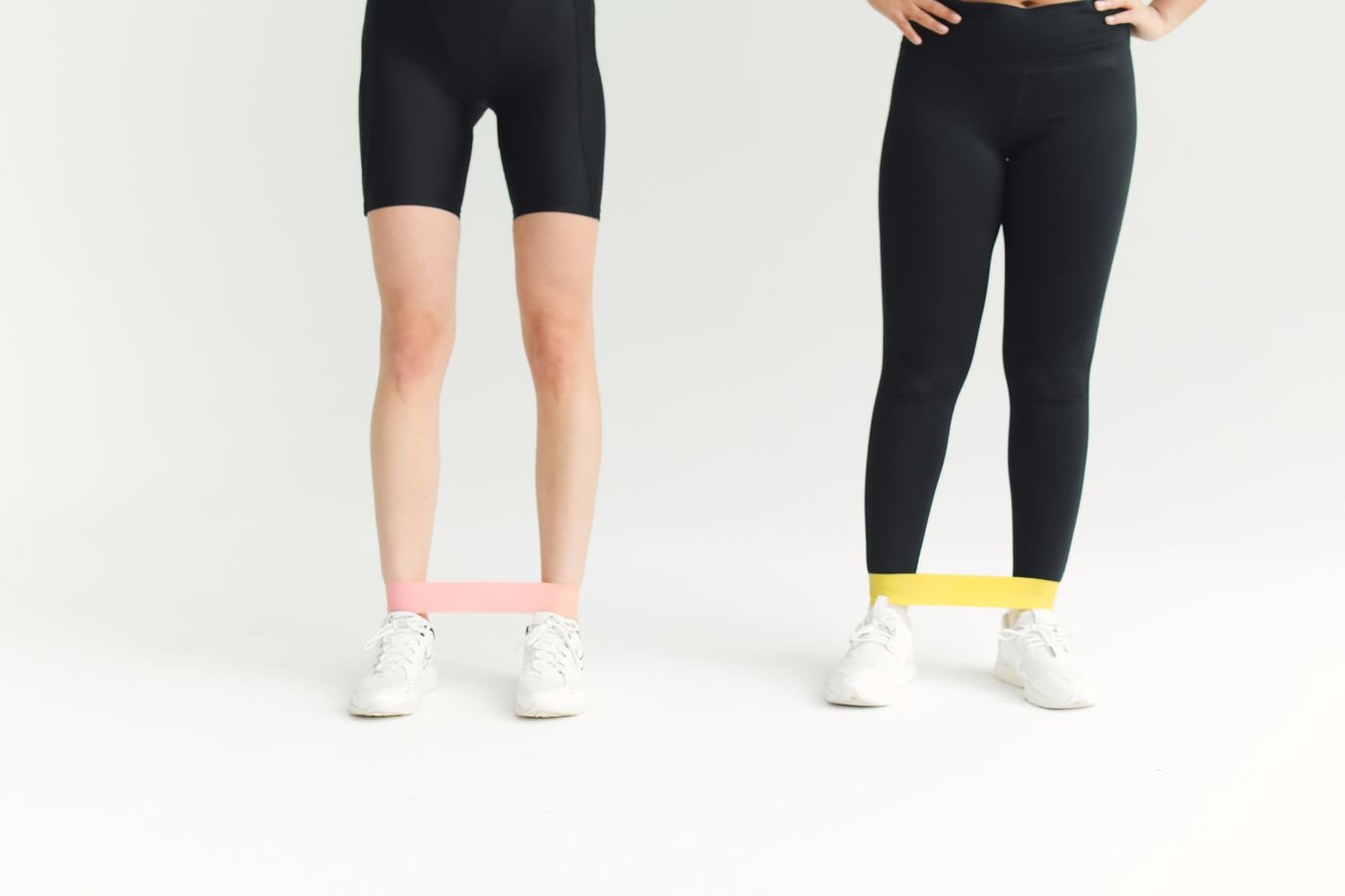
Begin with an exercise that feels stable and allows the intended muscles to do the work. For a ten-rep target, select a weight that makes the last few repetitions challenging while still allowing consistent technique. For fifteen reps, use a lighter load but keep the final repetitions purposeful. A useful starting guideline is to finish most working sets with roughly one to three technically sound repetitions left in reserve, adjusting for experience, exercise complexity and symptoms.
Ten reps may suit someone who prefers shorter sets, has enough control for a somewhat heavier load and wants a blend of muscle and strength practice. Fifteen reps may be more comfortable for an individual learning a movement, using limited equipment increments or preferring a lighter external load. Neither range is automatically safer: a heavy weight can challenge joints and technique, while a long set can cause substantial fatigue and form deterioration.
Use a simple progression rule. When every set reaches the upper end of its target range with consistent form and appropriate effort, increase the load by the smallest practical increment. If the next weight jump is too large, add a repetition, slow an uncontrolled lowering phase or improve the available range of motion before increasing resistance. These are alternatives for maintaining a useful stimulus, not proof that tempo alone replaces progressive loading.
For knee-dominant movements, stable support and a controllable depth are more valuable than chasing a particular machine setting. For rows and presses, maintain a smooth path without using momentum to disguise a load that is too heavy. Stop or modify a movement if it produces unusual pain, dizziness or other concerning symptoms. The goal is repeatable training, not a single heroic session.
Leg Day Shirts & Workout Gear
Leg-day gym shirts and workout gear for lifters who never skip squats, lunges and lower-body punishment.

Squat Queen Gym | Funny Burger King Parody Workout | Le Hoodie
Stay casual and show some burger-loving attitude with “Squat Queen”.

Never Skip Leg Day Chicken Legs Meme Decal Water Sticker
Give your everyday gear a playful “Never Skip Leg Day” twist.

Heavy Squatter Gym Wizards | Funny Harry Potter Muscle Tank Top
Show some personality between sets with “Heavy Squatter Gym Wizards”.

Squatbucks Gym | Funny Starbucks Parody Muscle Shirt | Tank Top
Train hard, laugh a little, and rep “Squatbucks”.

Let It Grow Girl – Booty Builders, Leg Day & Squats T-Shirt
Bring “Let It Grow Gym Girl” humor to your next gym day.

Leg Day The Day That Never Comes Meme Heavy Metal T-Shirt
Make gym days more fun with “Leg Day The Day That Never Comes Meme” style.

Coffee Shots & Heavy Squats for Caffeine, Lifting and S Sticker
Put “Coffee Shots & Heavy Squats” gym humor on your laptop, bottle, or gym gear.

Meme – Smash Weights Girl, Bootybuilder & – Leg Day T-Shirt
Rep “Smash Weights” humor in and out of the gym.

Hippo Thrust Meme Leg Day Decal Water Bottles, Sticker
Put “Hippo Thrust Gym Meme” gym humor on your laptop, bottle, or gym gear.

Shirt – I Want You To Squat Uncle Sam Patriotic – T-Shirt
Bring “I Want You To Squat Uncle Sam Patriotic” humor to your next gym day.
A practical two-day full-body plan
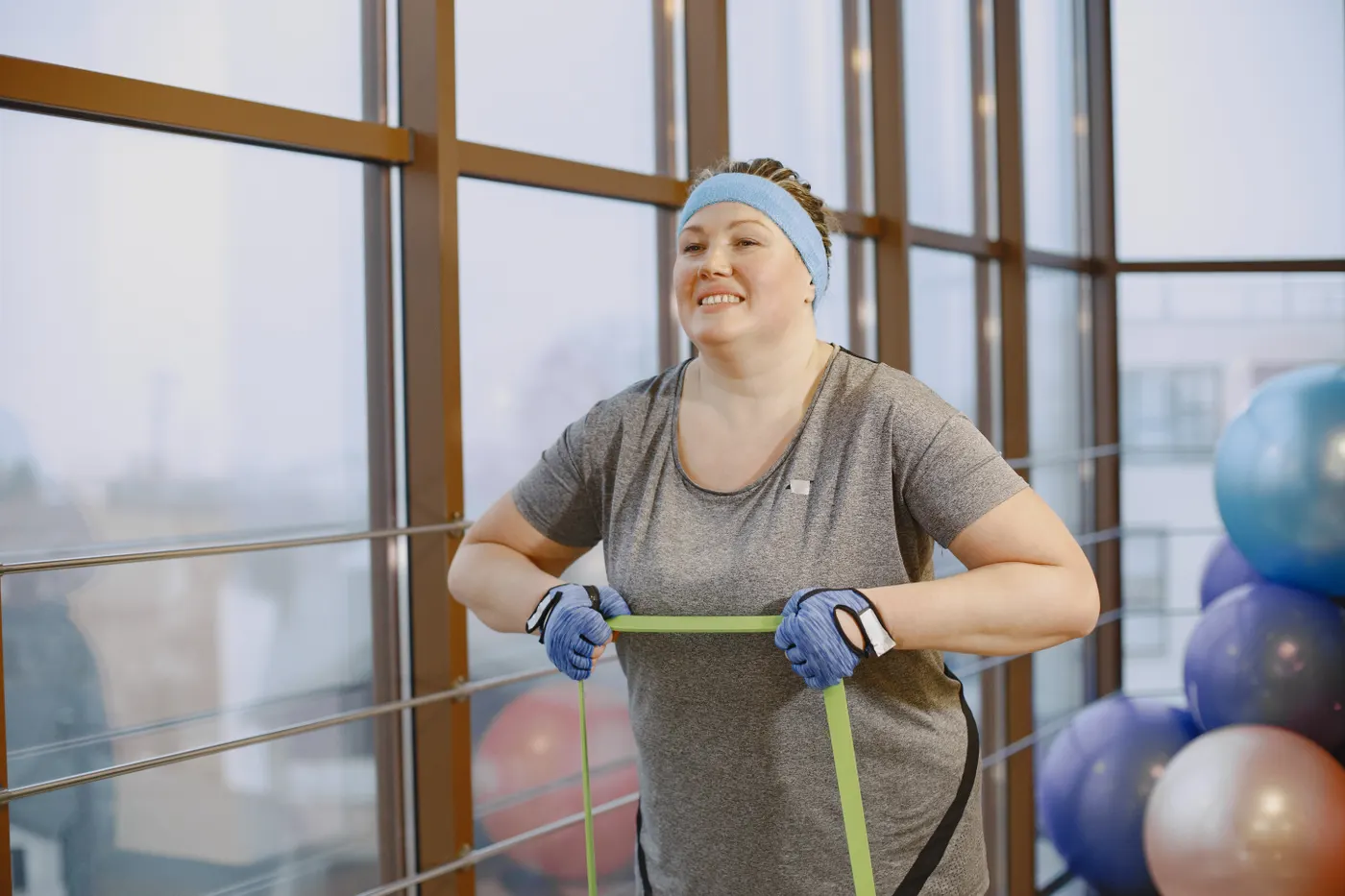
The following is an example for a generally healthy older adult who can exercise safely. It is not the exact intervention from the 2026 trial. Start with five to eight minutes of comfortable walking or cycling, then rehearse the first strength movement with a light set. Perform the exercises twice weekly on nonconsecutive days, leaving enough recovery time between sessions.
Day A: supported squat or leg press, two sets of ten to twelve; seated row or cable row, two sets of twelve to fifteen; chest press or dumbbell bench press, two sets of ten to twelve; supported calf raise, two sets of twelve to fifteen; and a brief balance practice near a stable support. Rest around one to two minutes between moderate sets, longer when breathing or technique needs to recover.
Day B: controlled step-up or split squat, two sets of eight to ten per side; lat pulldown, two sets of ten to fifteen; hip hinge with dumbbells or a suitable machine, two sets of ten to twelve; shoulder press in a comfortable range, one or two sets of ten to fifteen; and a supported carry or core exercise. Choose alternatives that match current mobility and equipment.
During weeks one and two, emphasize learning and repeatability. In weeks three and four, progress a few exercises only when the existing sets feel controlled. In weeks five through eight, aim to increase total quality repetitions or resistance gradually rather than raising everything at once. If recovery is poor, keep the load steady and improve consistency first. Pair this plan with regular walking and balance work, rather than treating lifting as the entire physical-activity program.
A coach or qualified clinician can help tailor exercises for osteoporosis, recent falls, joint replacements or other medical limitations. The program should fit the individual, not force the individual to fit a template.
Equipment Worth Exploring
Explore equipment, accessories and gear from our carefully selected range.

HUSLA Leg Extension Pad
Pad attachment designed to increase usable range of motion on compatible leg-extension machines.


GymPin Squat Wedges
Non-slip 15-degree squat wedges help elevate the heels for deeper quad-focused squats.

Squat Harness
Wearable harness for hands-free cable squats, sled work, and lower-body training.


What this evidence can—and cannot—change
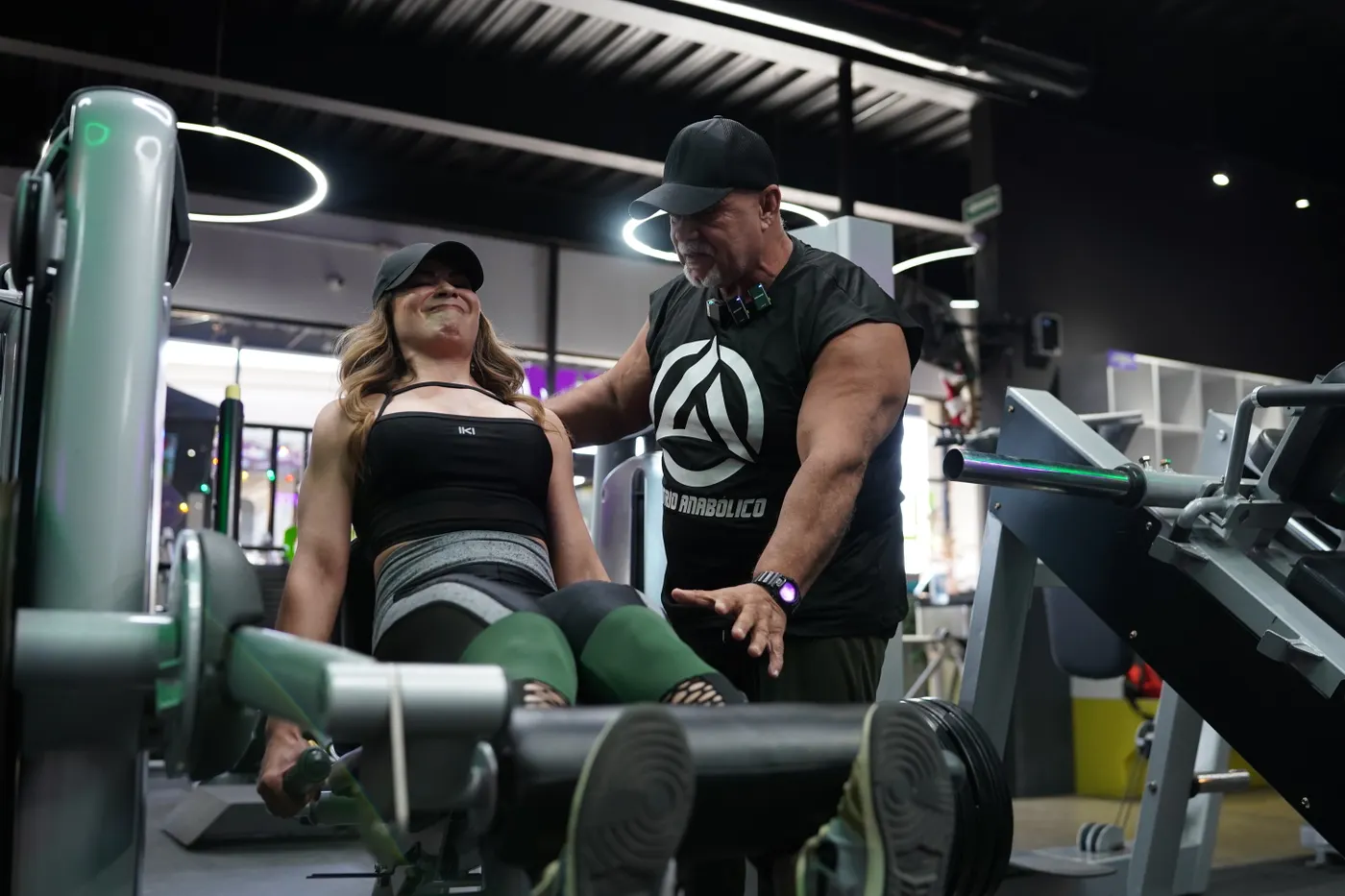
Two practical lessons emerge. First, muscle-building exercise after 60 does not require a single rigid repetition target. Both ten-RM and fifteen-RM training increased estimated muscle mass in this small study of older women. Second, a short-term response category should not determine whether someone deserves continued training support. Most participants showed the same response classification under both protocols, and the apparent differences between individuals require careful interpretation.
The limits are equally important. The trial included 27 women, not thousands of adults with different health histories. Its intervention periods lasted eight weeks. It measured estimated skeletal muscle mass rather than every outcome that matters to older lifters, and its findings do not prove that very light sets of thirty repetitions or extremely heavy sets of three are interchangeable. Nor does a statistically unclear difference establish exact equivalence between ten and fifteen repetitions for every person.
For a realistic decision, select the rep range that lets you train hard enough, move well, recover and return for the next session. Track progress over several weeks, then adjust loads, sets or exercises when progress stalls. If heavier training is well tolerated and maximal strength matters, include some heavier practice. If moderate loads are more sustainable, that is a legitimate route to building or maintaining muscle.
Bottom line: consistency, appropriate effort and gradual progression deserve more attention than arguing over whether the ideal set ends at repetition ten or fifteen. The strongest plan is one that produces measurable progress without making training unnecessarily difficult to sustain.