Advertising disclosure: This page includes affiliate links that may earn us a commission at no additional cost to you.
The Rogue Monster Utility Bench 2.0 presents a buying decision that a heavy steel frame cannot settle for you: which combination of pad and finished height actually fits your pressing setup? A thicker pad changes more than cushioning. It raises your body relative to the floor, the bar and the rack safeties. A wider pad changes the support beneath your upper back and the space available around your shoulders.
This specification-based guide focuses on those choices, plus foot clearance and storage. It is not a hands-on review. Start with measurements from a bench you already find comfortable, then compare complete configurations rather than choosing each option separately.
Choose the finished height before the frame label
Standard and Shorty describe two frame choices, but the useful measurement is floor to pad top. The published height chart lists the standard-height setup at 17 inches with its traditional textured foam pad, or 19.25 inches with a Fat Pad. The corresponding Shorty combinations are 15 and 17.25 inches. Those figures explain why a shorter frame can make sense even for someone who does not want an unusually low bench.
A thick pad on the taller frame creates a different platform from the same pad on the shorter one. Before ordering, confirm the finished height of the exact current pad and frame selected in the configurator. Product options and descriptive specification tables can use different pad wording; a familiar label is not a substitute for checking the assembled measurement.
Measure your current bench with your training shoes on nearby. Lie down, establish your normal upper-back position and check whether both feet reach their intended support comfortably. Record the height that works. If several people share the gym, repeat the check for each person instead of assuming that the tallest lifter should determine everybody’s setup. A very low bench may also be awkward to sit onto or rise from.
For comparison, the REP FB-5000 currently lists a 16.9-inch bench height. That is another configuration reference, not proof that one height suits everyone. Build a shortlist around your actual foot position and unrack rather than a category name such as competition-style.
Compare pad width and length as separate decisions
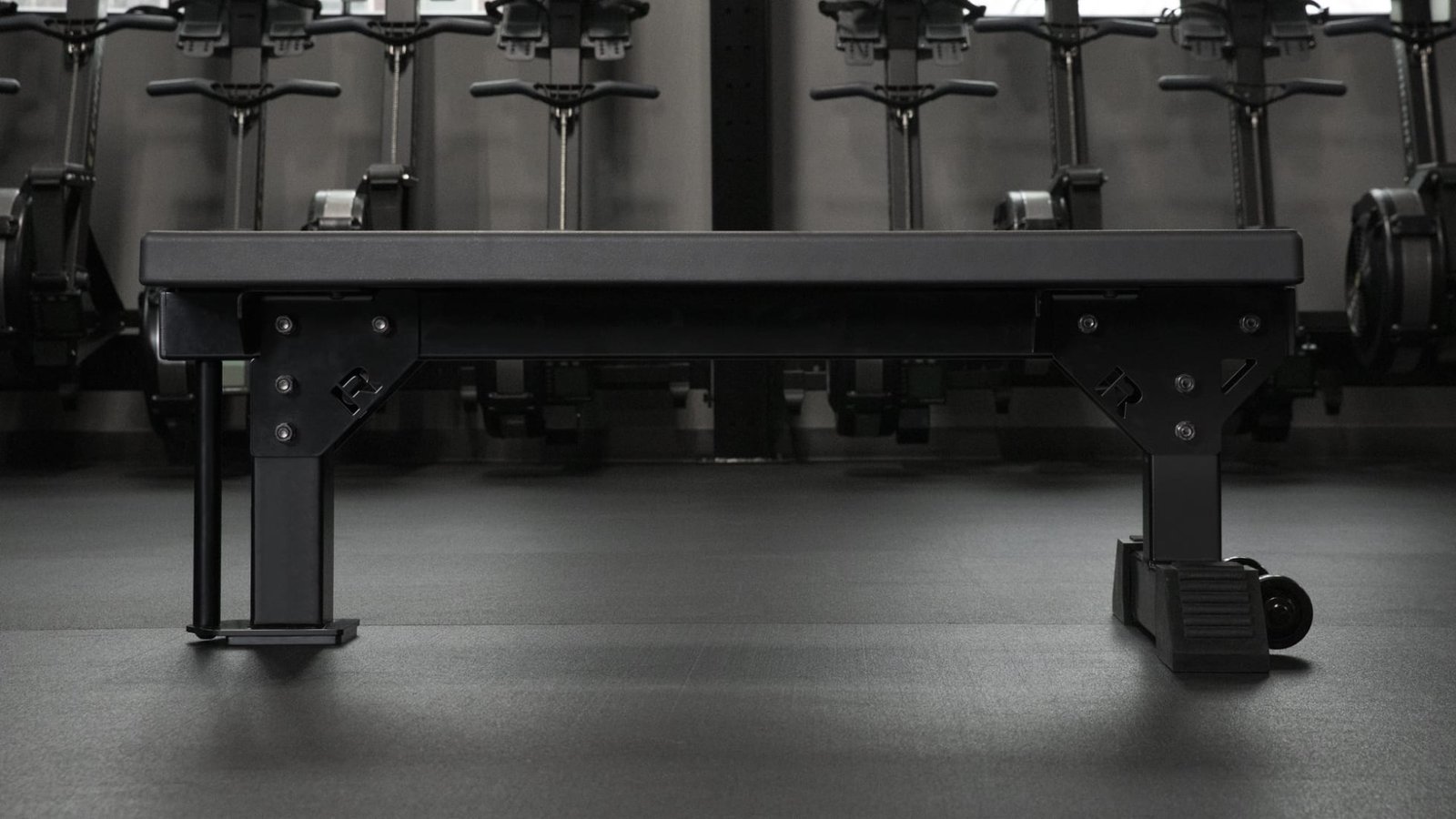
The listed traditional foam pad measures 47 by 12 inches. The Competition Fat Pad measures 50 by 12.5 inches, while the Thompson Fat Pad measures 50 by 14.5 inches. Both listed Fat Pads are thicker than the traditional option. The distinction matters: choosing extra cushioning does not automatically mean choosing the widest pad.
Think about where the edges sit under your upper back. You want support you can reproduce without spending every set searching for a comfortable position. If possible, try a bench with similar dimensions before committing. Keep your grip and pressing movement familiar during that comparison; changing several variables makes the pad harder to judge. Width alone cannot establish whether a shoulder will feel better or whether a particular setup is appropriate for pain.
Length deserves its own check, especially if your head tends to approach the end of a shorter pad. A longer cushion also changes the space occupied around the rack and storage position. Measure the whole assembly rather than treating the frame footprint as the outline of every pad option.
Decide whether this will be a dedicated flat bench or your only bench. A continuous flat pad keeps the buying question focused, but it does not provide incline settings. If you need one bench for several angles, our adjustable-bench guide to rack fit and pad angles explains the additional measurements to compare.

Equipment Worth Exploring
Explore equipment, accessories and gear from our carefully selected range.
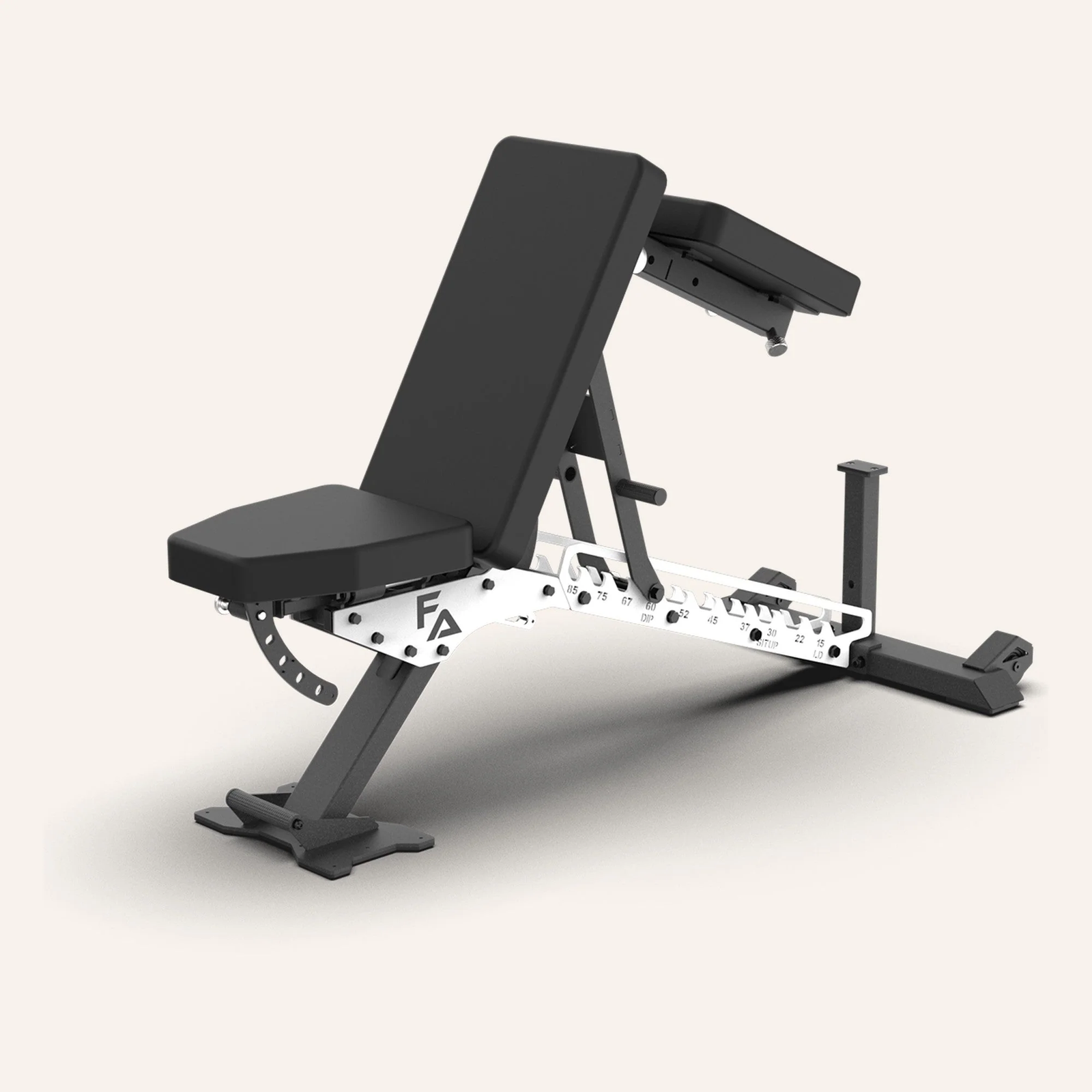

FID Bench MAX
Adjustable bench offering flat, incline, and decline positions + adjustable headrest.


Multi Bench MBX-650 2.0
Adjustable multi-bench with roller adjustment, 15 backrest positions and accessory mounts.


Rubber Hex Dumbbells
Rubber-coated hex dumbbell pairs with a stable shape for home and commercial strength training.


Check foot clearance and rack position together
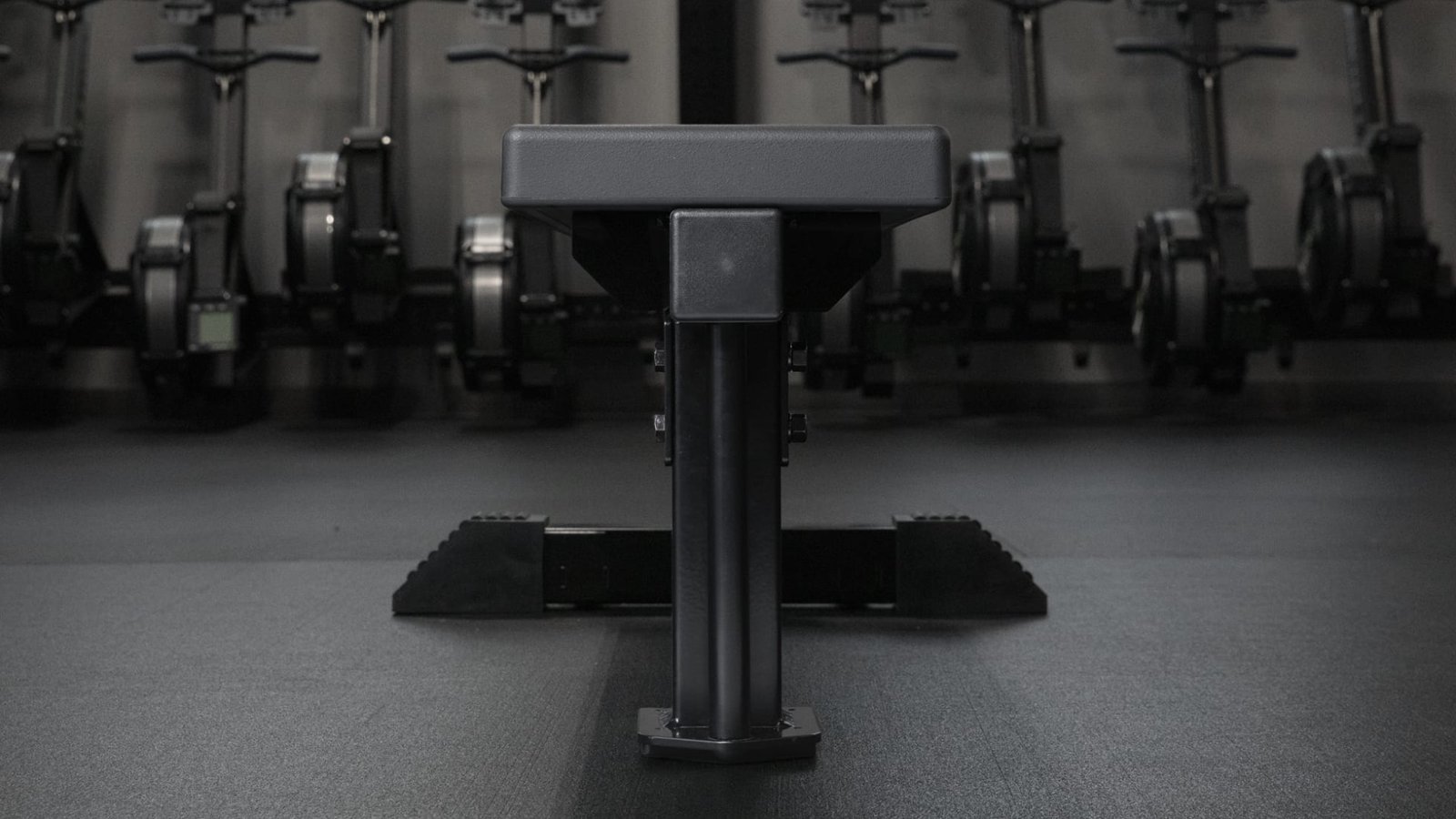
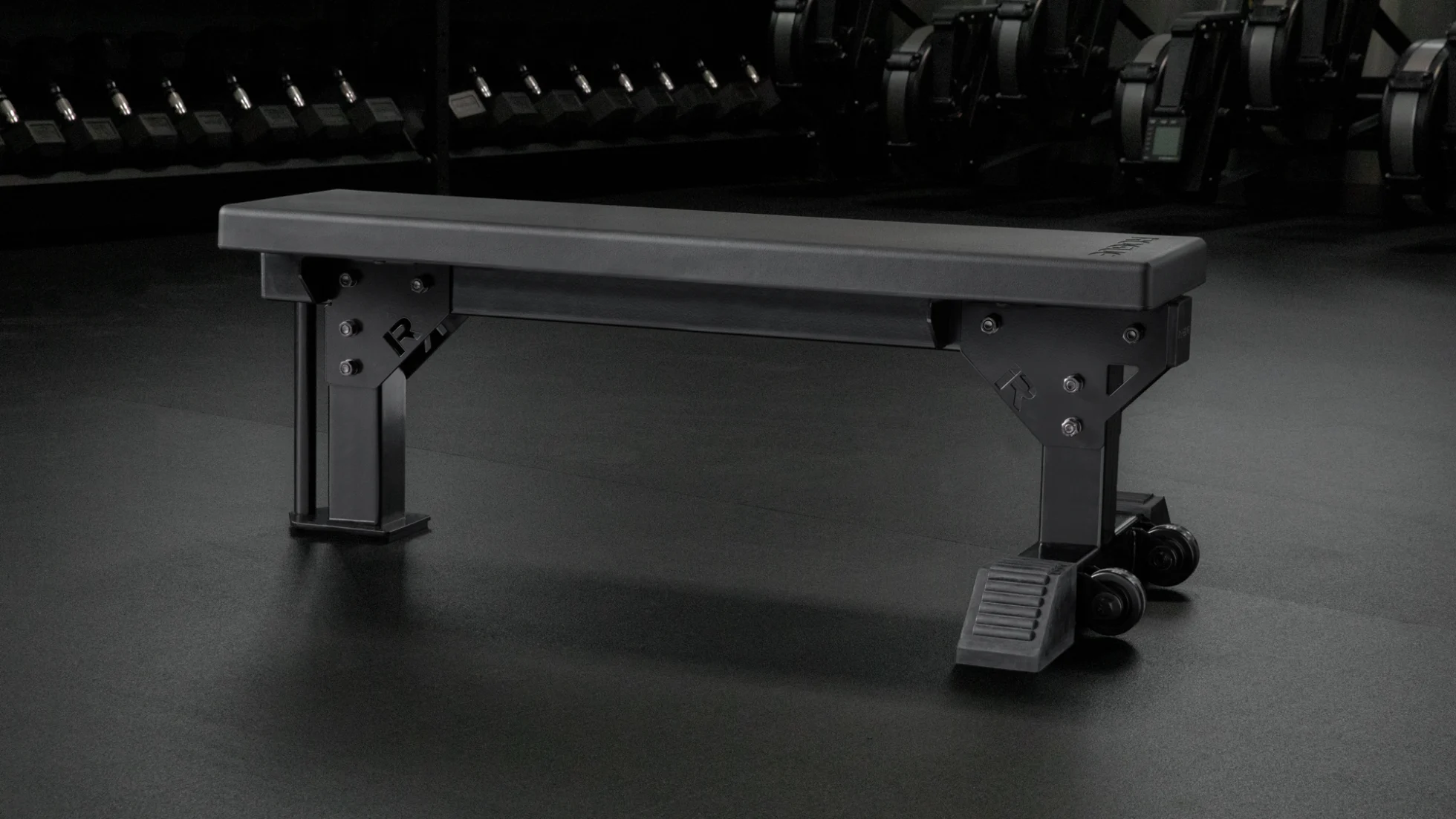
The Monster Utility Bench 2.0 uses a single-column front foot and a wider rear base. That geometry leaves a different area around your shoes from a bench with a broad crossbar at both ends. It is a useful feature to investigate, not a guarantee that every stance will fit.
Mark your usual foot positions beside your current bench. Include the space you need to move into position, not just the point where your shoes finish. Then compare the front column, rear foot and rack uprights with those marks. A base can be narrow where your feet sit yet still meet a crossmember before the bench reaches the right unrack position.
The listed frame footprint is 47.375 by 26.25 inches. Tape that rectangle on the floor, then add the selected pad’s outline and a movement corridor. Check the actual inside of your rack near floor level, including low pulleys, stabilizers and platform edges. Advertised rack width alone leaves too much unanswered.
Finish the fit check with an unloaded bar and the bench in its intended position. You should be able to reach the bar without rearranging your upper back to escape an obstruction. Confirm the J-cup and safety settings for that setup. Changing pad height later means revisiting those settings too.
Use a repeatable pressing setup to judge the purchase
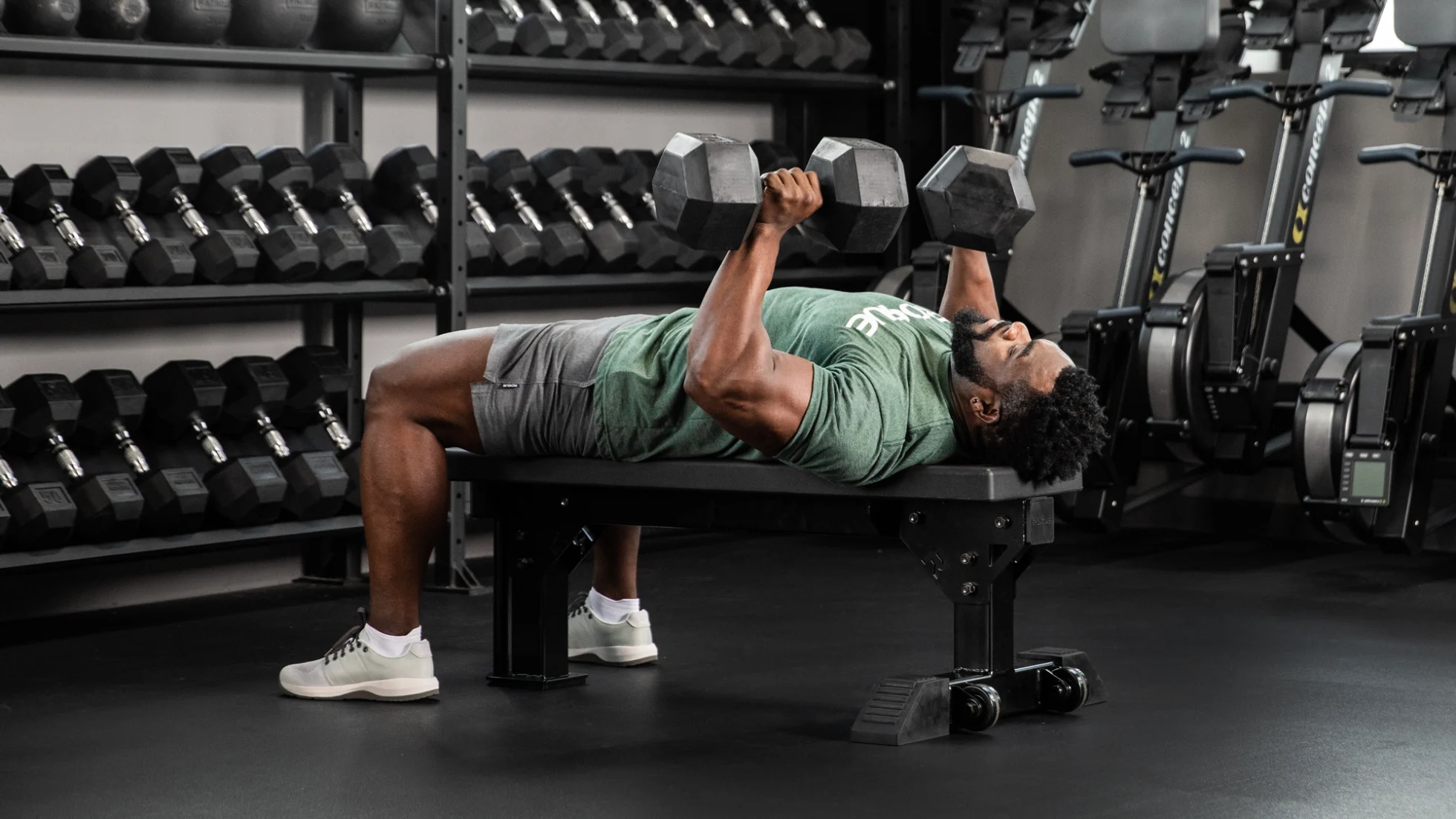
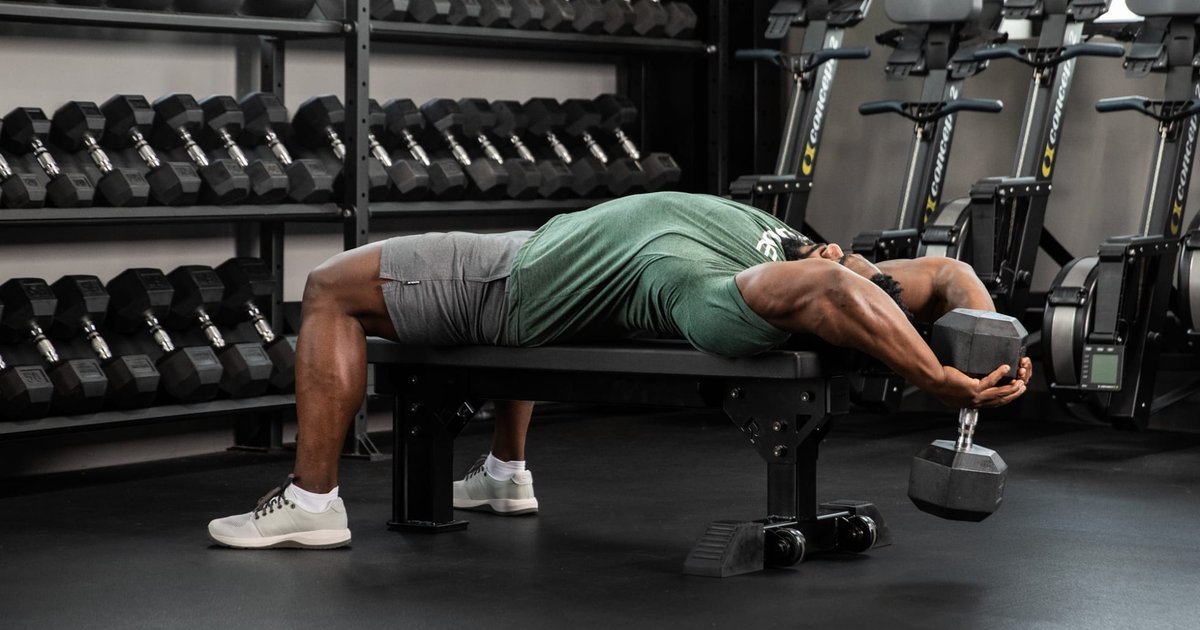
A bench upgrade earns its place when it makes an existing training task easier to repeat. For a strength-focused flat-bench session, record your bench position, foot placement, grip and safety settings alongside load and repetitions. For dumbbell pressing, also plan how you will get the weights into position and finish the set. A comfortable pad does not solve a difficult handoff or an obstructed exit.
Practise with manageable resistance before using a new configuration for demanding sets. Check that the assembled bench sits level, the hardware is secured as instructed and the floor is clear. Arrange suitable spotting and safeties for the lift; steel thickness and pad width do not replace that plan. Agree on lift-off and assistance signals before a spotted barbell set.
If controlled bench repetitions are already part of your programme, our Spoto press guide to a repeatable pause and setup offers a specific technique example. You do not need to add that variation to justify buying a bench. Use the movement you actually train to assess whether the new support helps you keep your intended position.
Powerlifting and chest-day culture often celebrate bigger plate totals. The useful buying question comes earlier: can you set up consistently enough that those numbers describe comparable repetitions? A thicker or wider pad is an equipment choice, not a promise of an immediate personal record.

Powerlifting Shirts & Lifting Gear
Powerlifting shirts and gym gear for squat, bench and deadlift lifters who live for heavy numbers.

4 Plates Bench Club Chest Day Meme & Top T-Shirt
Make gym days more fun with “4 Plates Bench Club” style.

I Love Bench Press Hooded | for Bench & Chest Day Lifti Hoodie
Keep it laid-back with a little “I Love Bench Press Hooded” attitude.


Ultimate Bench Press Tee
Heavy lifts, good laughs, and a little “Ultimate Bench Press” energy.

Bending Bars Meme – Barbell Squat Bench Deadlift, & T-Shirt
Heavy lifts, good laughs, and a little “Bending Bars Gym Meme” energy.


Meme – "Shhh I'M Doing Plate Math" Vest & Tank Top
Train hard, laugh a little, and rep “"Shhh I'm Doing Plate Math"”.

Gym Sir Swole of Benchalot Medieval Knight Bench Press Sticker
Give your everyday gear a playful “Sir Swole of Benchalot Medieval Knight” twist.

Lift Heavy – Hardcore Heavy Metal Gym Crewneck for Powe T-Shirt
Show some gym-day personality with “Lift Heavy”.

Lift Eat Repeat – Weightlifting & – Meme Bros & T-Shirt
Make gym days more fun with “Lift Eat Repeat” style.
Allow room to move and store the complete bench
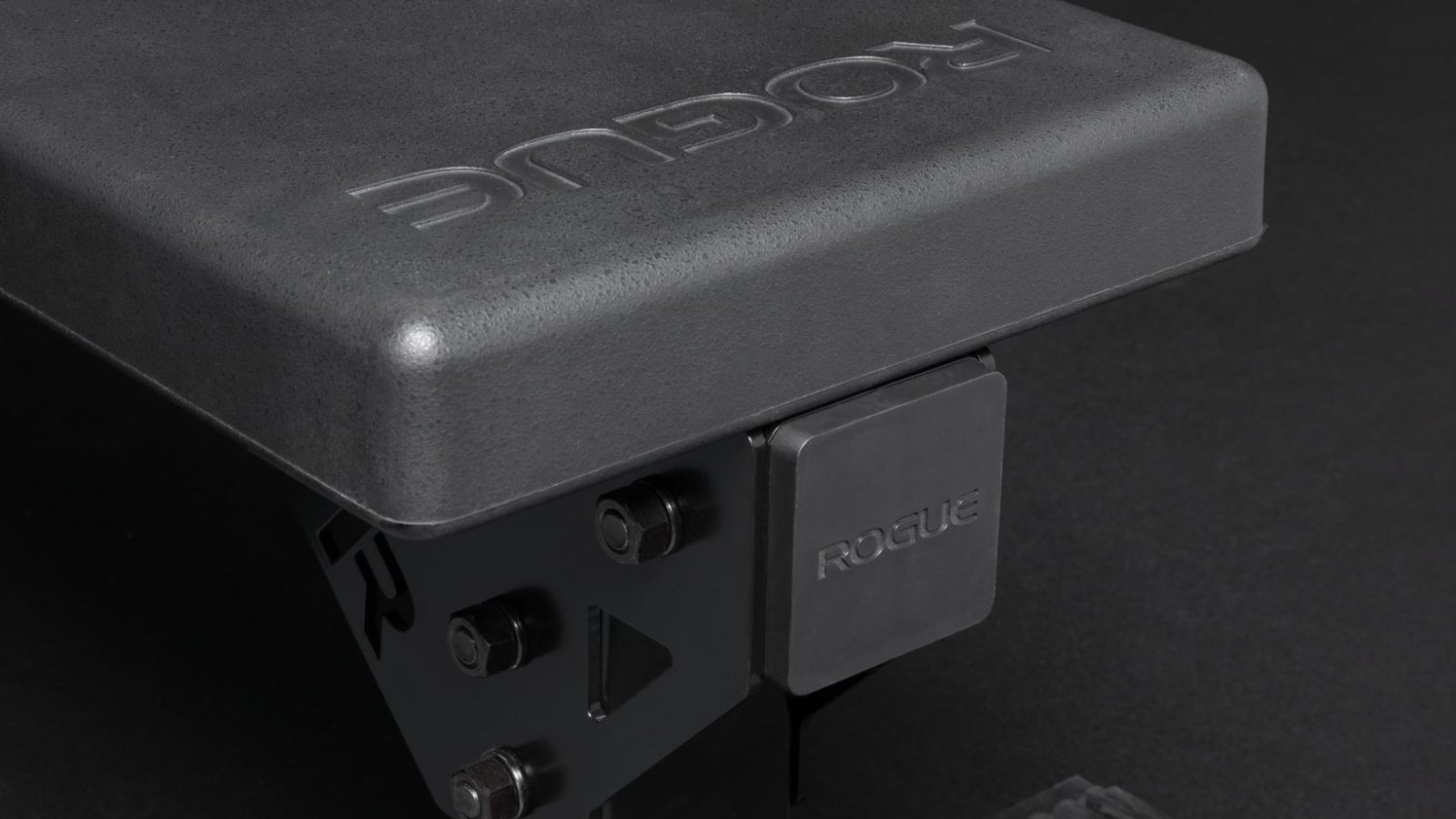
Rear wheels and a handle incorporated into the front foot are intended for repositioning. Upright storage uses a UHMW cap at the end of the spine to make contact with the floor rather than leaving the pad as the contact point. These are practical design features, but they still need a suitable place in your gym.
Map the route between the rack and the proposed parking spot. Include turning space and the room required to lift or lower the bench into its storage position. Keep the storage area away from regular foot traffic, children and pets, and follow the manufacturer’s procedure. Protecting the pad from floor contact does not make an upright bench impossible to knock over.
Before ordering, write down four answers: finished height, preferred pad width, usable rack clearance and storage location. Confirm the exact configuration, assembly instructions and delivered cost. Choose the combination that solves those requirements. If your current bench already does so, a heavier frame or thicker cushion alone is a weak reason to replace it.