Advertising disclosure: This page includes affiliate links that may earn us a commission at no additional cost to you.
On 10 July 1924, Paavo Nurmi won two Olympic track finals in Paris: the 1500 metres and the 5000 metres. The second race began less than an hour after he had finished the first. It is an astonishing endurance achievement, but the interesting part for ordinary runners is not the prospect of copying his workload. It is how deliberately he prepared for it.
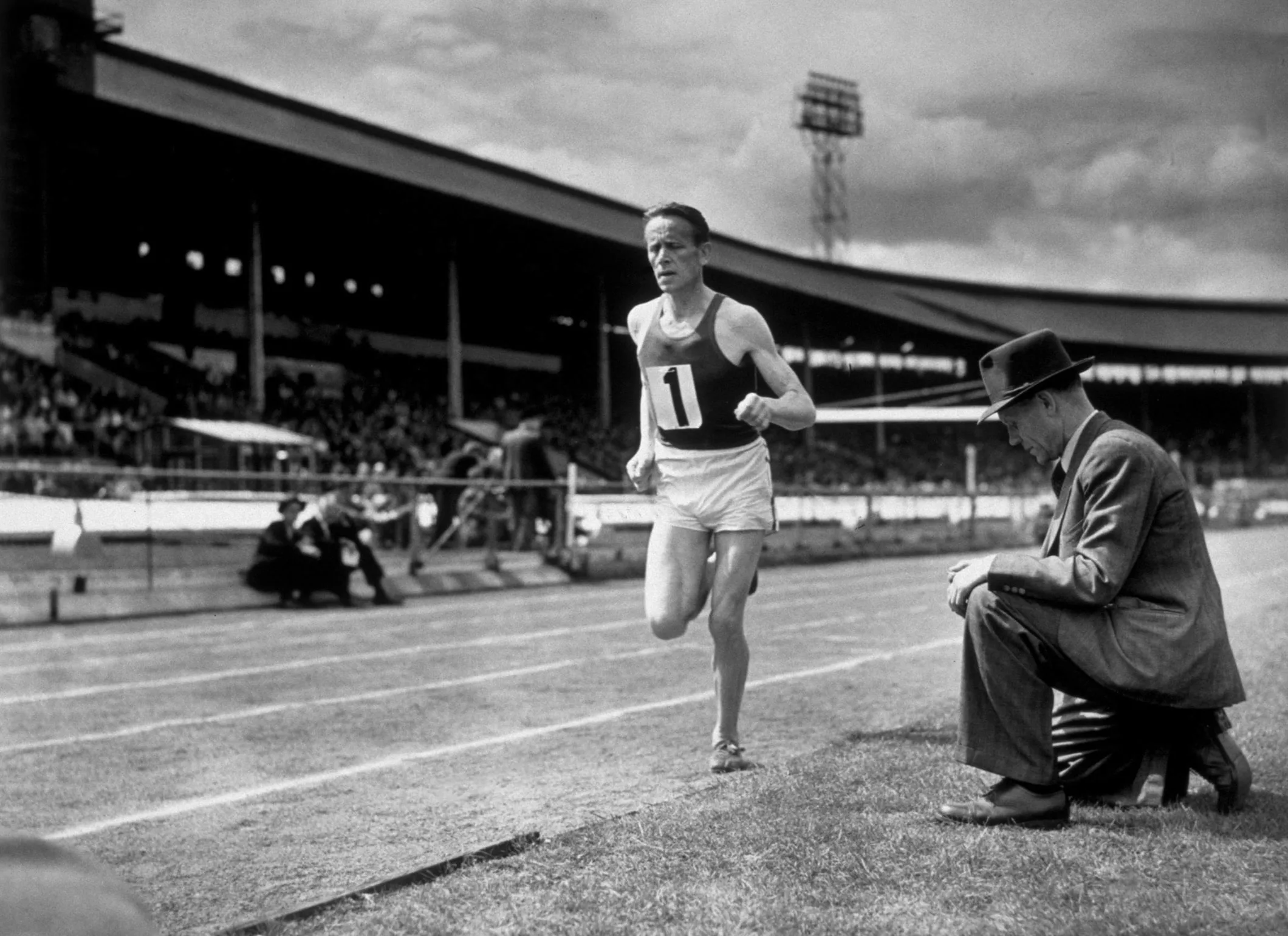
Nurmi made timing an essential part of his running. In an era when athletes could not glance at a GPS watch for instant splits, he used a handheld stopwatch to keep his effort close to a planned pace. His approach raises a question that remains relevant today: how can you make a difficult session predictable enough to execute well without becoming a prisoner of the numbers?
The numbers behind the Paris double
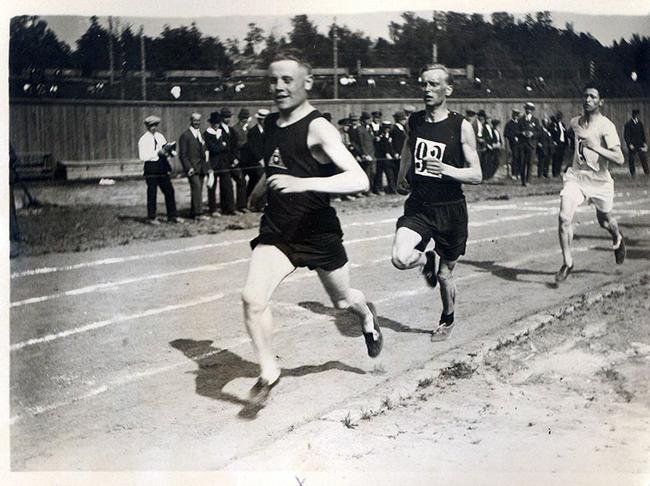
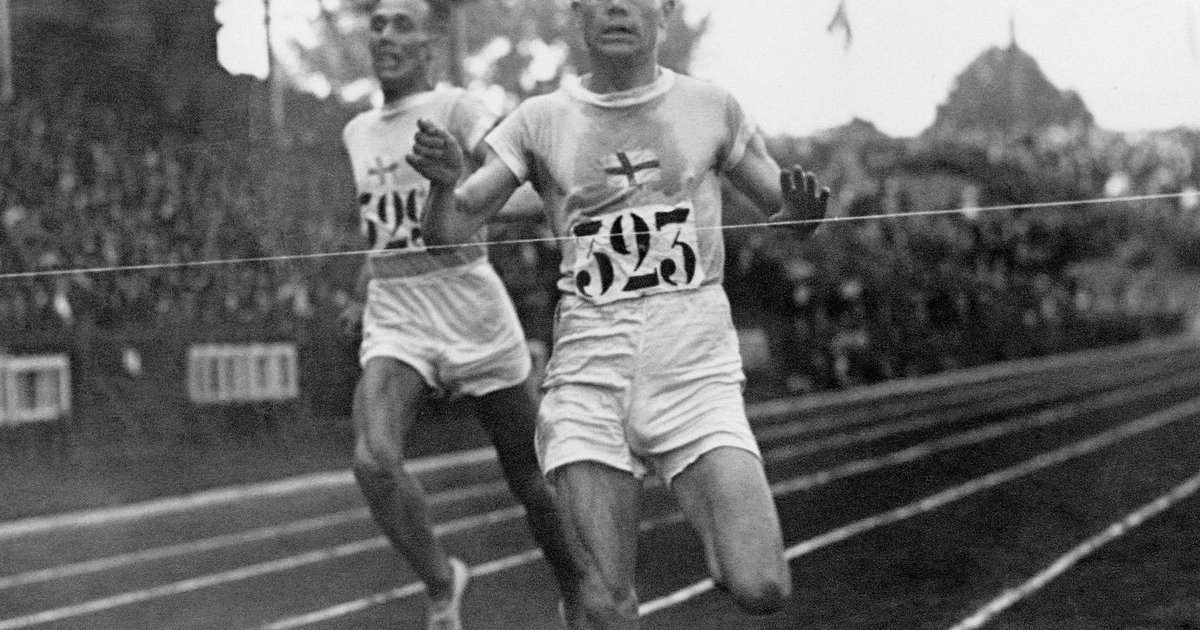
The Paris results give the scale of the challenge. Nurmi covered 1500 metres in 3:53.6, then won the 5000 metres in 14:31.2. Both were Olympic records at the time. The second victory was narrowly contested by fellow Finn Ville Ritola, who finished two tenths of a second behind him. These were competitive finals, not two comfortable training efforts.
Converted to modern training units, the shorter race averages roughly 62.3 seconds per 400 metres, or 2:36 per kilometre. The longer race averages about 69.7 seconds per 400 metres, or 2:54 per kilometre. These are averages calculated from finishing times, not measured lap-by-lap splits. The distinction matters because a runner may accelerate, slow down or respond to competitors within a race while still achieving a particular average.
For a recreational runner, the useful comparison is relative intensity. Your personal 1500-metre race pace is substantially different from the effort you can sustain over a longer event. Even if you have excellent endurance, running the shorter distance at maximum effort will influence what you can do later. Treat two close, hard races as a special competition demand, not a normal weekly training prescription.
The stopwatch was a tool, not a finishing kick
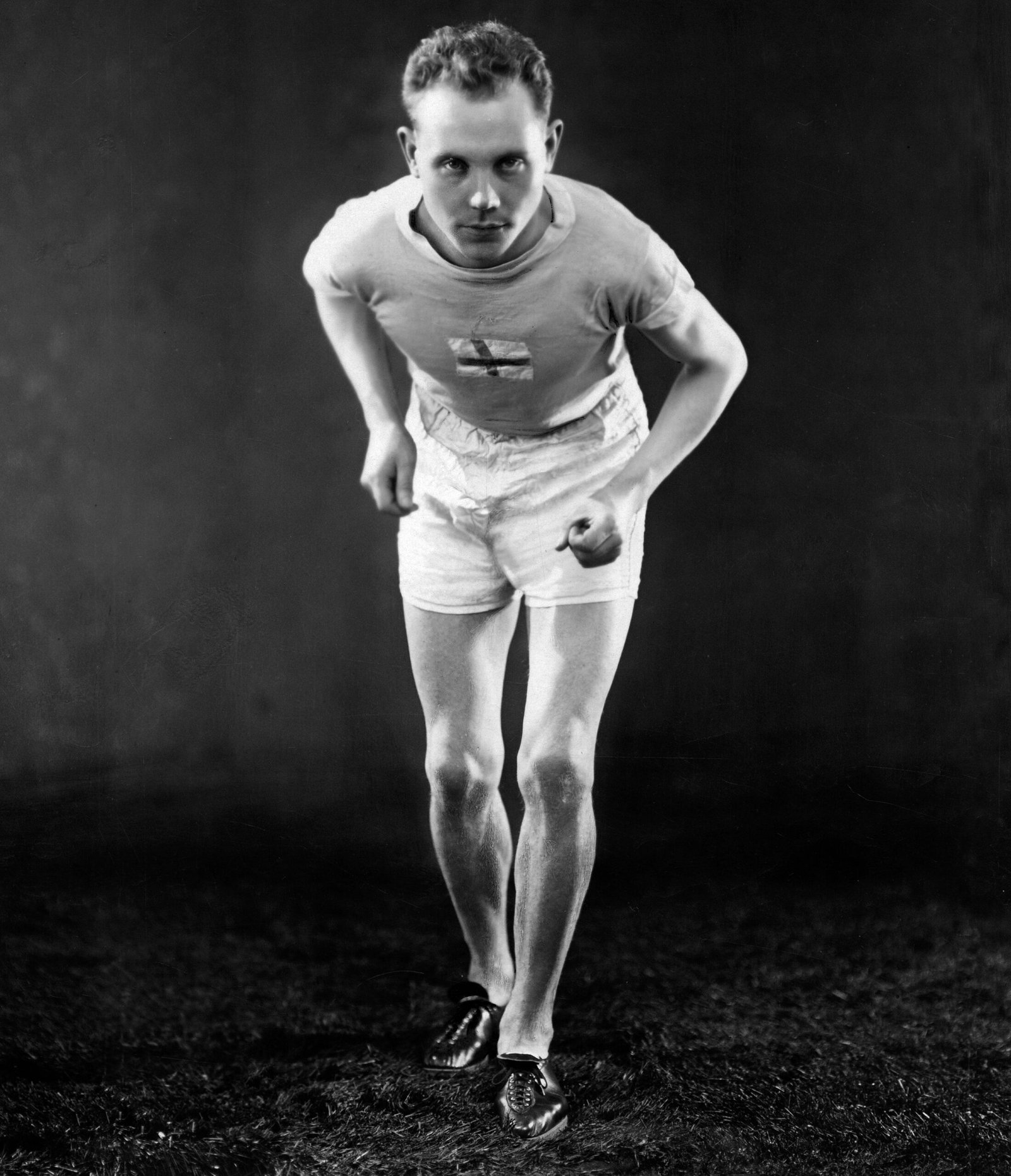
Nurmi’s stopwatch helped him make a plan measurable. Timing the distance covered gave him an external reference rather than relying entirely on how fast the first few minutes felt. That is particularly useful because effort perception often changes during a race. Fresh legs, excitement and the movements of nearby competitors can make a demanding early pace seem surprisingly easy.
A modern runner can apply the same principle without carrying a watch in one hand. Choose a measured track or a reliably marked route, set a pace that fits the workout’s objective, then check intermediate times. If the plan is a controlled session rather than a race, there is no prize for beating your target on the opening repetition.
For example, a runner targeting 25 minutes for a 5K needs an average pace of 5:00 per kilometre, equivalent to two minutes for 400 metres. Those numbers provide a reference for suitable practice intervals, not a requirement that every training run should be at goal race pace. Easy days should feel easier; warm-ups and recovery intervals should not be squeezed into the same target.
Precision also has limits. A GPS reading can be inaccurate around bends or between buildings, and wind, slopes and heat change the cost of a given pace. If conditions change substantially, use effort as well as time. A good training plan tells you when to adjust, not merely when to push harder.
Rehearsing the demands before competition
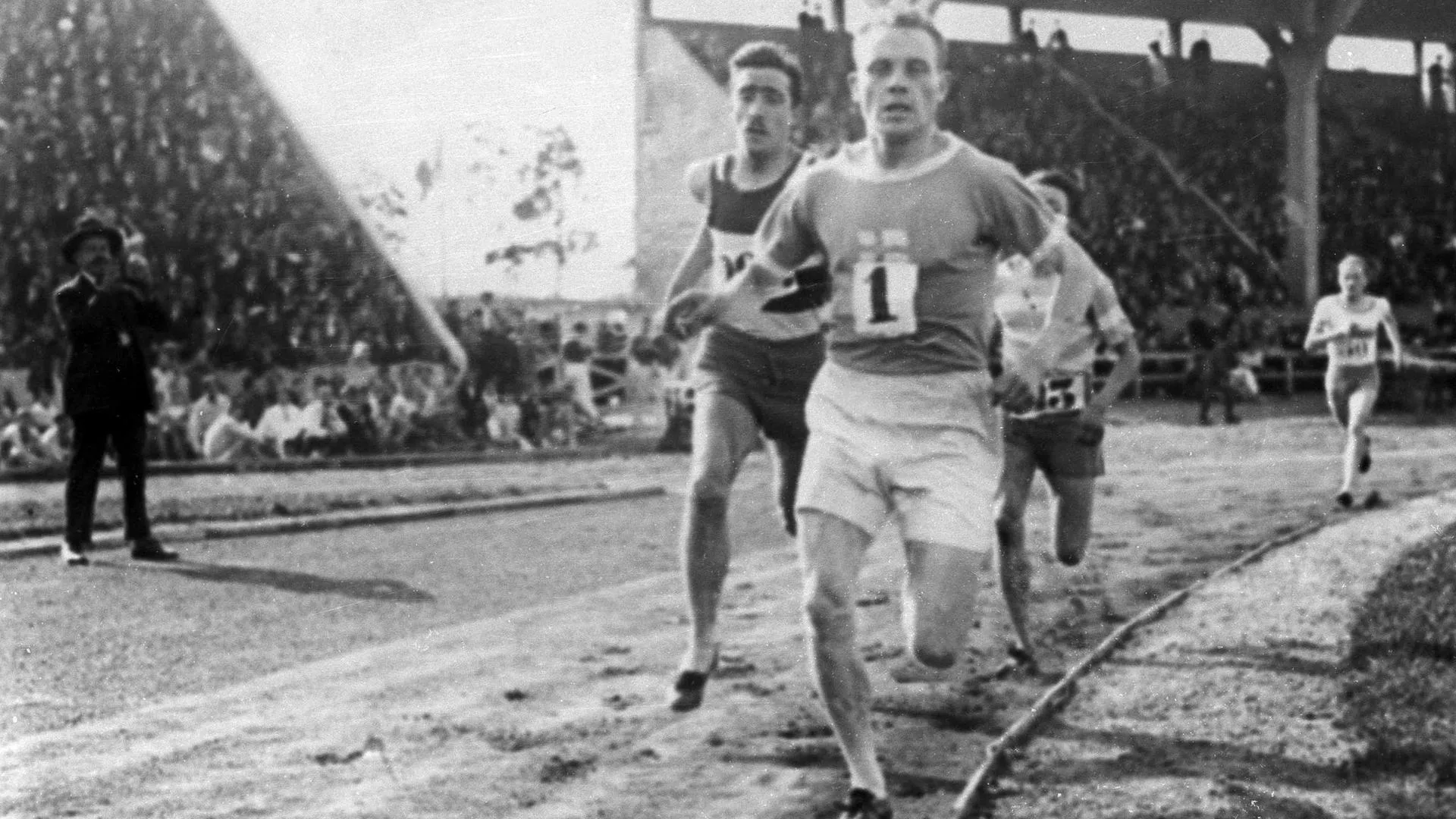
Nurmi had already demonstrated his ability to compete over both distances before Paris. At the Finnish trials in Helsinki on 19 June 1924, he ran 3:52.6 for 1500 metres and 14:28.2 for 5000 metres, setting world records at both distances. This rehearsal was an extraordinary elite performance in its own right. It also illustrates the value of preparing for the actual demands of an event rather than training only for the individual distances.
Consider a runner who has entered two events on the same day or must start a second stage of a competition while fatigued. Their preparation involves more than improving speed. They need to understand how the first effort affects the second, how much time is available for changing kit or warming up again, and whether the planned recovery routine works in practice.
For most people, a rehearsal does not need to involve two maximal races. A lower-risk approach is to finish a manageable first effort, take a scheduled break, then complete a short controlled session. The purpose is to practice the transition, not prove that you can run yourself into the ground. Establish normal single-session training first; add unusual demands only when they serve a real competition goal and fit your recovery.
It is equally useful to rehearse logistics. Know where you can find water, how you will reach the second start and what you can comfortably eat between events. Test these decisions during training rather than introducing an unfamiliar routine on race day.
Turn the pacing idea into a realistic training session
The following is an editorial example inspired by the pacing principle, not a reconstruction of Nurmi’s personal training schedule. An established runner with no relevant injury or medical restriction might begin with a comfortable 10–15-minute warm-up, then complete four to six controlled 400-metre repetitions with easy jogging or walking recoveries. Pick a sustainable target based on current ability rather than on an ambitious personal best.
Record each repetition and note the perceived difficulty near the end. If your first interval is dramatically faster than the last, you may have started too aggressively for this session’s purpose. If every repetition is comfortable, increase the challenge gradually in a future workout rather than immediately adding more distance and speed. Finish with an easy cooldown and allow enough recovery before the next demanding session.
Indoor training can also help develop the habit of controlled effort. A treadmill is the closest equipment alternative for practicing running, although manual treadmill readings and outdoor track times are not directly interchangeable. Rowing, stationary cycling, climbing and ski trainers can provide aerobic cross-training with different movement patterns. Track time, resistance and effort within the same machine rather than pretending its speed corresponds to your running pace.
Short rope-skipping sessions and moderate sled work are other conditioning options for people who already tolerate them, but neither is essential for distance running. They should supplement your main running practice rather than displace it. Select the simplest tool available, and avoid adding a new high-impact exercise or demanding conditioning circuit just before a race.
Beginners may benefit more from alternating easy running and walking for a few weeks before attempting timed repetitions. Your benchmark is a session you can complete repeatedly with good recovery, not an Olympic record. In all cases, unusual pain, dizziness or symptoms of heat illness are reasons to stop rather than chase a split.

Equipment Worth Exploring
Explore equipment, accessories and gear from our carefully selected range.


Why Nurmi’s legacy is bigger than one extraordinary afternoon
Nurmi’s Paris medal total was five, but that does not mean he won five separate individual track finals. Alongside his two track victories, he earned individual and team cross-country gold and another team gold in the 3000-metre race. Across the Olympics of 1920, 1924 and 1928, he collected nine gold medals and three silvers.
His cross-country victory is also a reminder that sporting history contains demands we should not romanticize. The Paris race was held in extreme heat, with many competitors unable to finish. Modern athletes should respect environmental conditions, follow event safety instructions and change or cancel a session when the heat makes the planned workload unsafe.
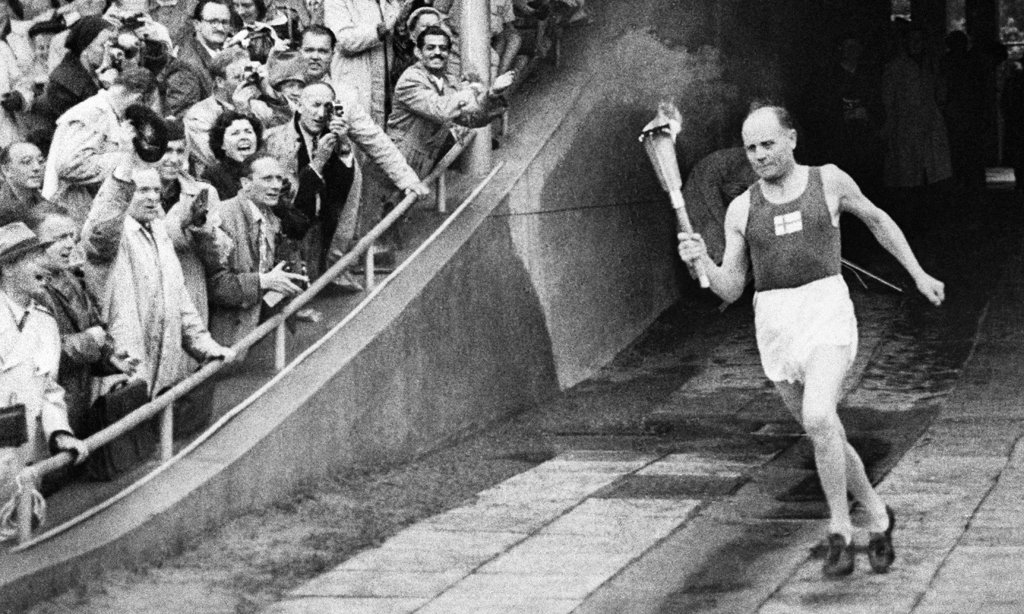
The Finnish runner later carried the Olympic flame into the stadium at the Helsinki Games in 1952. His place in sporting history was already secure. The stopwatch and the extraordinary double remain memorable because they combine endurance with the discipline to prepare deliberately.
That is the part worth taking into your next training week. Decide what a session is for, choose an effort suited to that purpose and collect enough feedback to know whether you executed it. Keep easy work easy, practice unfamiliar competition demands gradually, and reserve maximal effort for occasions that justify it. You do not need to repeat Nurmi’s double to benefit from the principle behind his preparation.