Advertising disclosure: This page includes affiliate links that may earn us a commission at no additional cost to you.
Seitan is worth considering when you want a chewy, savoury ingredient that can take the place of meat in a sandwich, stir-fry or rice bowl. The useful question is whether you want to buy it ready-made or make it yourself. Those routes ask for different amounts of time, give you different control over seasoning and need different approaches to tracking a meal.
For lifters, the protein number matters, but so does whether an ingredient fits the meals you actually eat. A convenient pack you use regularly may suit your week better than an ambitious batch that never gets made. Here is how to compare the options without treating every seitan product as nutritionally identical.
1. Know what seitan actually is
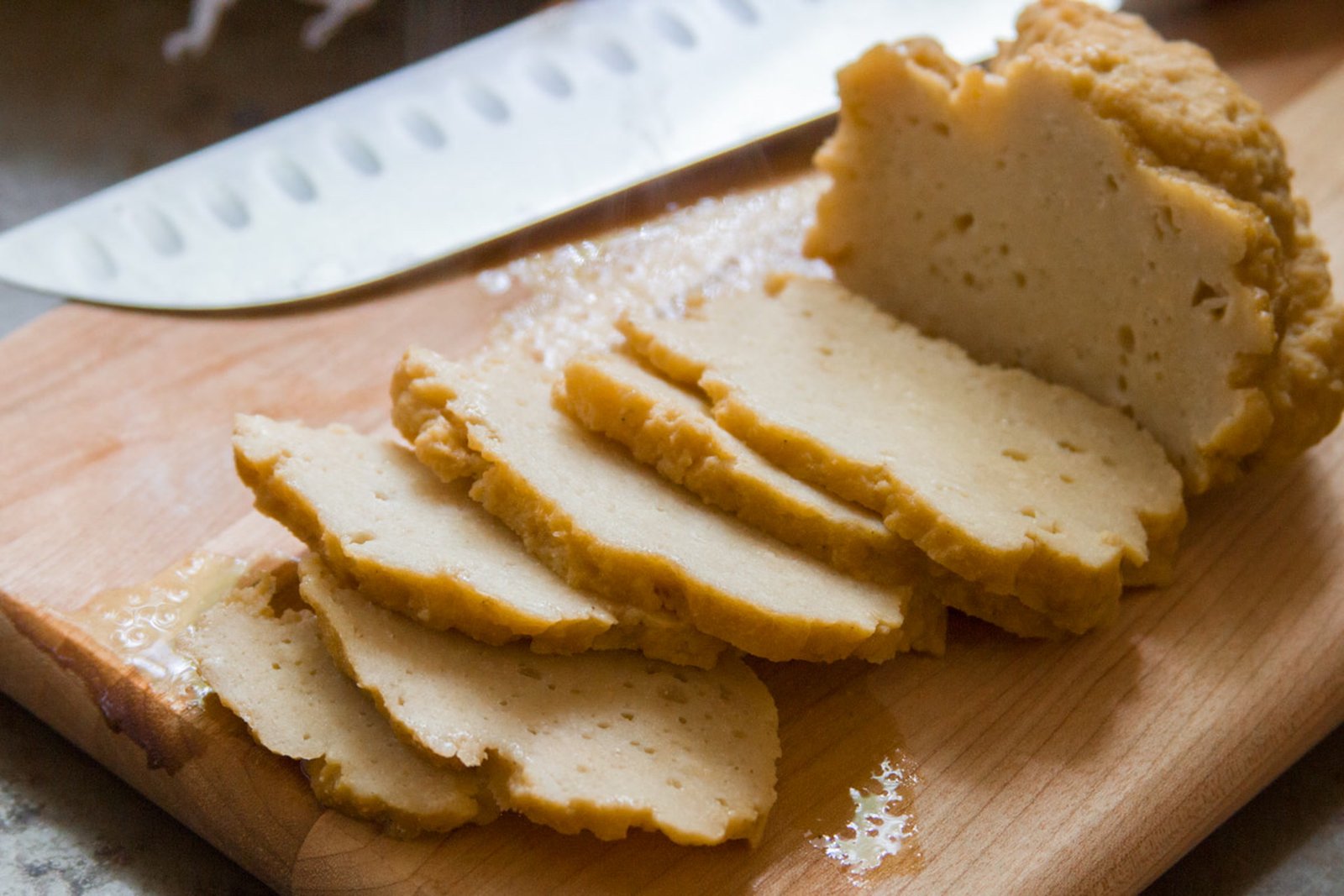
Seitan is made from wheat gluten, the protein component that helps give dough its stretch. Once prepared and cooked, it can have a firm, chewy texture. It is a different ingredient from tofu or tempeh, which are soy foods, even though all three may occupy the same shelf or the same place in a plant-based meal.
That distinction matters before you look at macros. Seitan is unsuitable for someone who needs to avoid gluten, including someone with coeliac disease. Wheat is also a major food allergen. A particular recipe or pack may contain soy or other allergens as well, so read both the ingredients and any allergen statement. A meat-free label does not tell you everything about suitability.
The name describes a type of food rather than one fixed formulation. Homemade recipes may combine vital wheat gluten with tofu, chickpea flour, seasonings or other ingredients. Commercial versions also vary. Those additions affect flavour, texture and the nutrition of the finished food.
If you are choosing between several options, our tofu, tempeh and edamame comparison explains the soy alternatives. There is no need to make one ingredient do every job: the best choice for a crisp stir-fry may differ from the one you prefer in a cold lunch.
2. Compare the ready-made pack with the work of making a batch
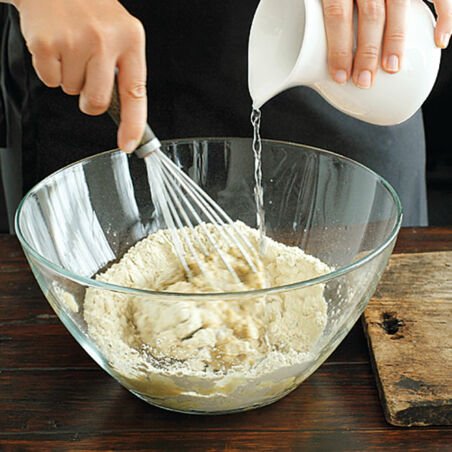
Ready-made seitan offers convenience and a label for that particular product. Check whether it is plain, marinated, breaded or already mixed into a dish. Look at the serving size, protein, calories and sodium, then consider the amount you will actually use. A small labelled serving is a reference quantity, not an instruction that your meal must stop there.
For a concrete example, Upton’s Naturals Traditional Seitan lists 18 grams of protein and 90 calories per 57-gram serving, with 440 milligrams of sodium. Two of those servings provide 36 grams of protein, 180 calories and 880 milligrams of sodium before anything else is added. Those are figures for that product’s stated label, not a universal entry for all seitan.
Homemade seitan gives you more control over the ingredients and seasoning, but that control comes with preparation and cleaning. You also need to account for everything in your chosen recipe if you track nutrition. Swapping flour, tofu or oil changes the batch; a generic database entry cannot know what went into it.
Compare the whole task rather than the ingredient price alone. Can you obtain the ingredients easily? Will you use the batch? Does a ready-made option save enough time to be worthwhile? Neither route is automatically cheaper or better. Start with the one you can realistically fit into your cooking week.
3. Homemade seitan has a preparation stage and a finishing stage
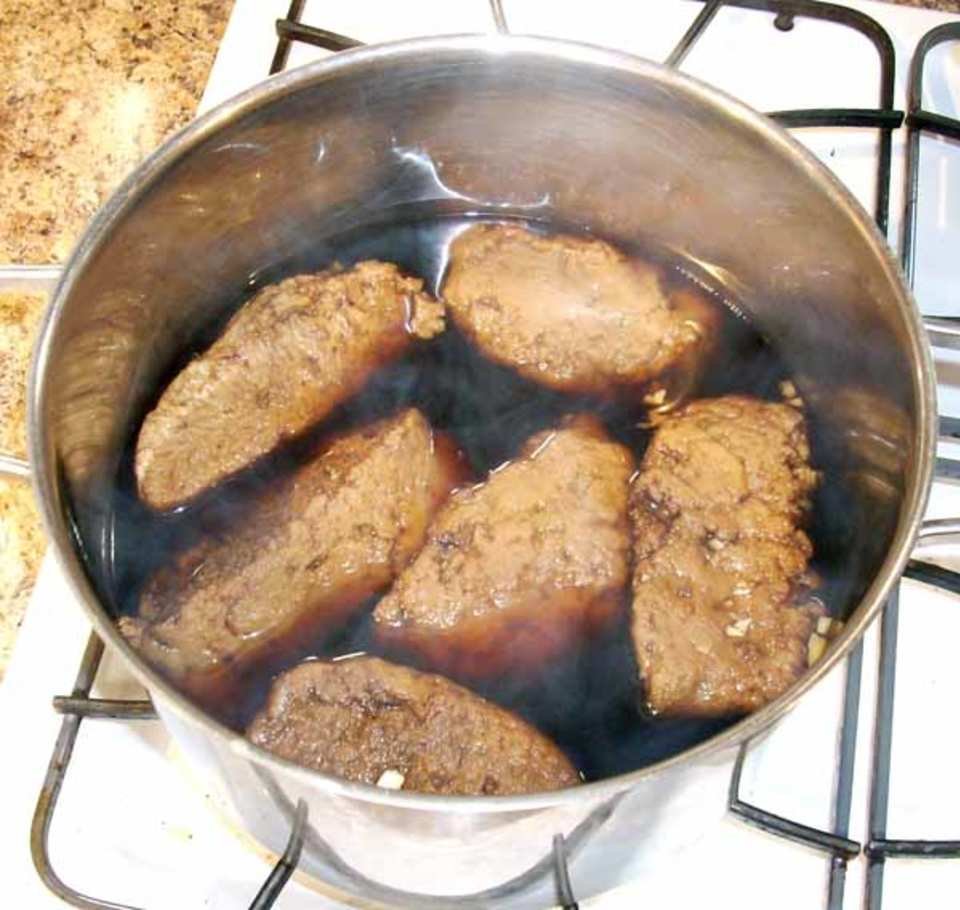
Making seitan is more involved than tipping dry powder into a hot pan. A typical approach combines vital wheat gluten with liquid and other ingredients, develops a dough, then cooks it using the method specified by the recipe. The cooked seitan can subsequently be sliced, torn or finished in a dish.
Use one coherent, tested recipe for your first attempt. Do not borrow a liquid quantity from one recipe, a kneading instruction from another and a cooking time from a third. Their dough composition, shape and cooking method may differ. A timing written for small pieces should not be assumed to work for a large loaf.
It helps to separate the questions “Is this prepared as the recipe requires?” and “How do I want to serve it?” The first concerns the dough and initial cooking process. The second concerns browning, sauce, shape and the rest of the meal. Finishing a piece in a pan is not a substitute for following its preparation instructions.
For a bought product, follow that pack’s cooking and storage directions instead of assuming that every version is ready to eat cold. For homemade food, follow the recipe’s storage guidance and refrigerate appropriately. Make a modest first batch: it is easier to adjust your next attempt when you know which texture and seasoning you liked.
4. Choose the shape and flavour for the meal
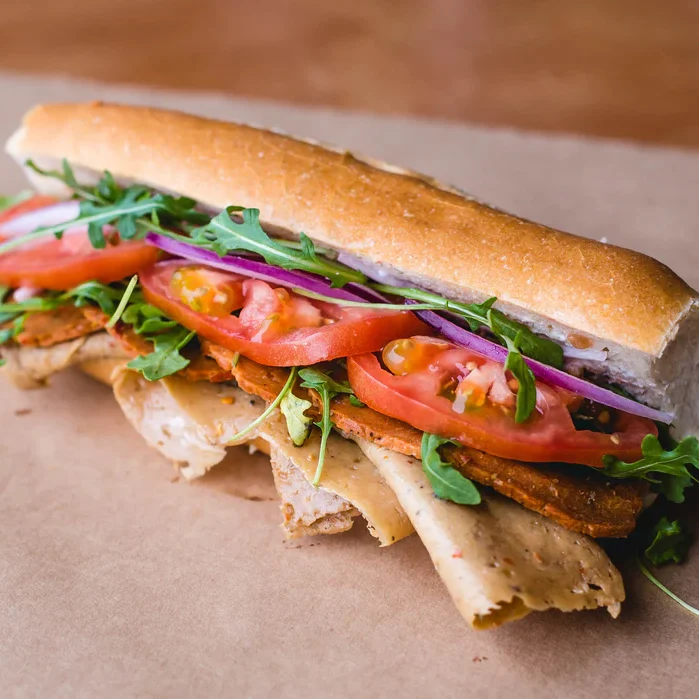
A good use for seitan starts with a dish rather than a demand to imitate a particular meat perfectly. Thin slices can work in a substantial sandwich with crunchy vegetables and a sauce. Strips fit a stir-fry. Small pieces can spread through a rice bowl so that you get the chewy ingredient alongside the other components.
These are meal ideas, not instructions to cook every product in the same way. Follow the relevant preparation directions, then choose a finish that suits it. A heavily seasoned pack may need little extra sauce; a mild homemade version may need more attention to flavour. Taste the dish before adding several salty condiments by habit.
For a repeatable lunch, keep the structure simple: a portion of seitan, bread or another carbohydrate, vegetables you enjoy and a dressing or sauce. Change one component at a time if you want variety. A sandwich with tomato and mustard feels different from a bowl with rice, cucumber and a tangy dressing, even when the protein ingredient stays the same.
If you track food, count the extras as part of the meal. Oil, sauces, bread and rice contribute to the total too. The protein figure on a seitan pack does not describe the finished sandwich, and the size of a photographed bowl tells you little about its macros.

Bodybuilding Shirts & Workout Gear
Bodybuilding shirts, tanks and gym gear for lifters chasing muscle, size, symmetry and the pump.

Broccolift Eat Broccoli Lift Hooded Gains Meme Jumper Hoodie
Keep it laid-back with a little “Broccolift” attitude.

Protein Gym Cosmic Decal , Workout Macros Energy Design Sticker
Give your everyday gear a playful “Protein” twist.

Lift Eat Sleep Repeat Meme & Lifting Vest Tank Top
Show some personality between sets with “Lift Eat Sleep Repeat”.

Shirt Protein Addicts – , Meme , Top Gymbros T-Shirt
Heavy lifts, good laughs, and a little “for Protein Addicts” energy.

This Is Your Body On Protein Shirt – Meme & Top T-Shirt
Bring “This Is Your Body On Protein” humor to your next gym day.

Work Hard Eat Hard Bulk Hoodie
Stay casual and show some lifting attitude with “Work Hard Eat Hard”.

Bear Protein : Hilarious Meme Tank Top
Your gym-day look, with a playful “Gym Bear Protein” twist.

Protein Monster Cookie Monster Meme T-Shirt
Keep things casual with a little “Protein Monster” attitude.

Bulking Season Bulk T-Shirt
Heavy lifts, good laughs, and a little “Bulking Season” energy.

Funny Protein King Gym | Burger King Parody Muscle Shir Tank Top
Add some burger-loving attitude to training with “Protein King”.
5. Keep the rest of the plate varied
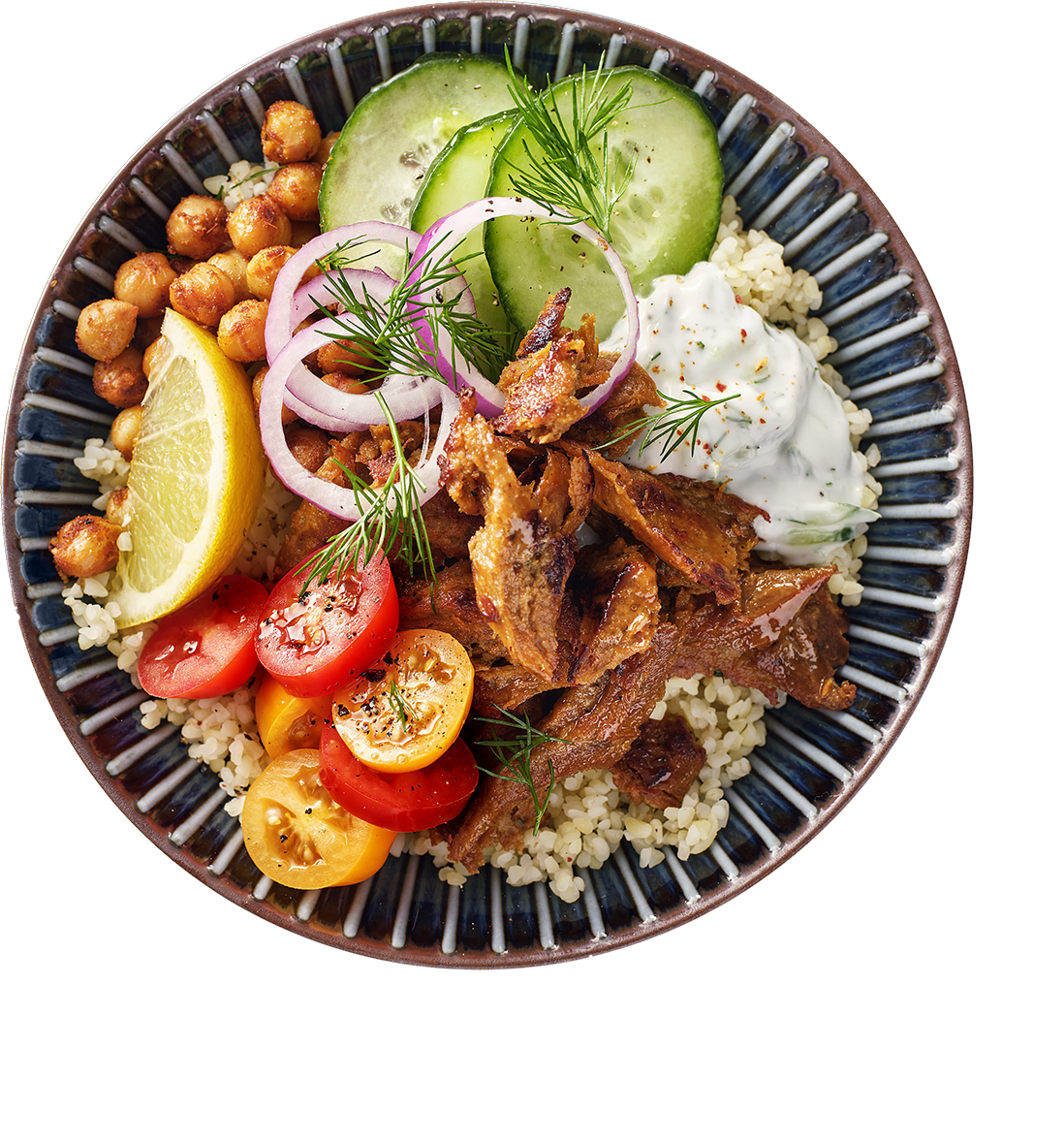
Seitan can be one useful protein ingredient without becoming the centre of every meal. A varied eating pattern leaves room for beans, lentils, soy foods, grains, vegetables, nuts and seeds, based on your preferences and dietary needs. Changing ingredients also gives you different flavours and textures, which can make a plan easier to keep using.
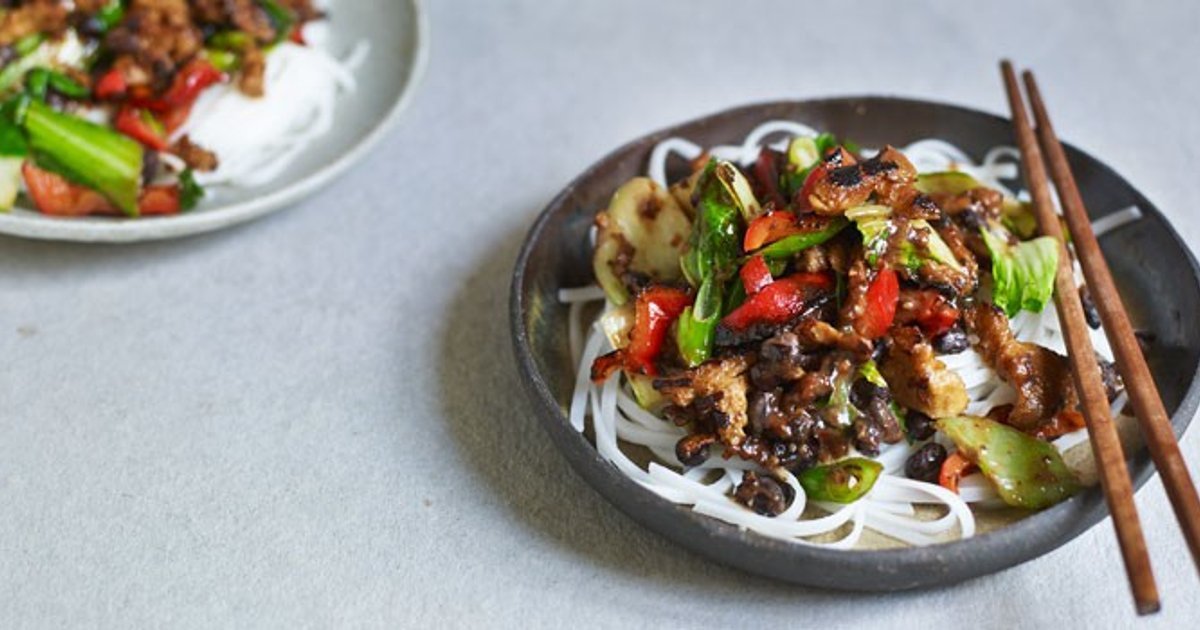
For example, a seitan bowl could include chickpeas and vegetables alongside a grain. That is an editorial meal suggestion, not a claim that the photograph has a particular protein total or that one exact combination is required. Our guide to using chickpeas, hummus and roasted chickpeas in meals offers other ways to build that variety.
Evaluate the ingredient after a few actual meals. Did you enjoy the texture? Was preparation manageable? Did the pack size or batch size fit your week? Could you build a satisfying plate around it? Those answers are more useful than deciding that a food is essential because its protein number looks impressive.
Buy ready-made when convenience makes it useful. Try homemade when the cooking interests you and you want control over the recipe. In either case, read the ingredients, use the right nutrition information and judge the complete meal.