Advertising disclosure: This page includes affiliate links that may earn us a commission at no additional cost to you.
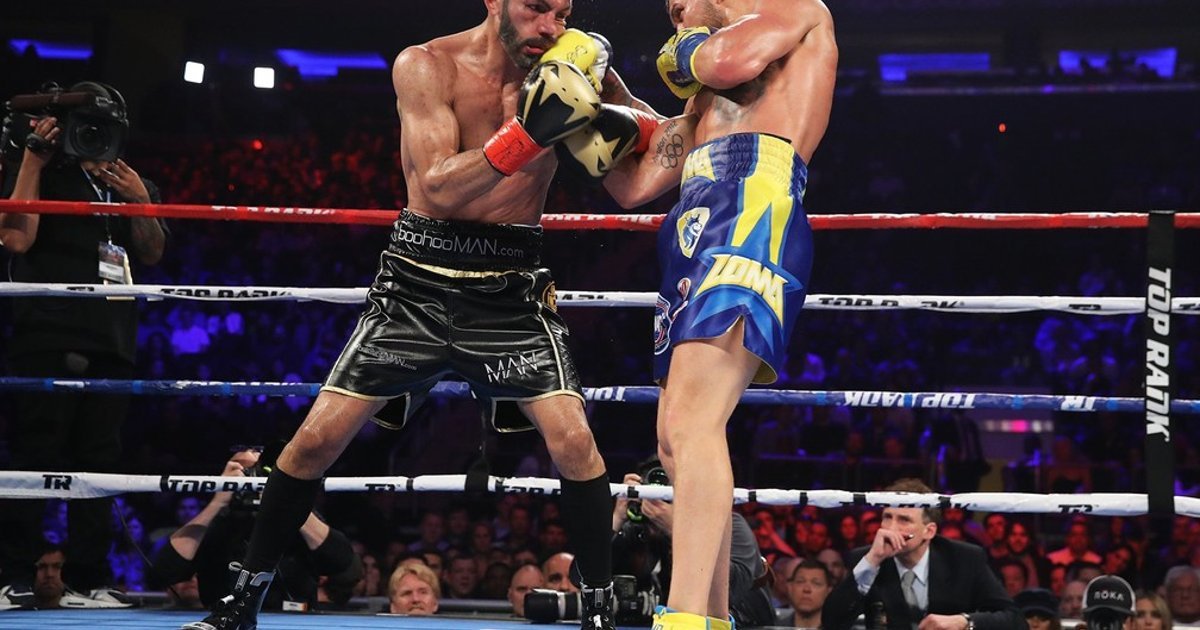
Vasyl Lomachenko’s movement in the boxing ring is striking even if you have never put on a pair of gloves. He can appear to be occupying one piece of floor and then move to another without the lengthy setup that many less experienced athletes need. That ability is not simply a matter of having fast legs. It reflects years of learning how to balance, change direction, read a moving opponent and coordinate the rest of his body with his feet.
His early dance lessons are often presented as the explanation for everything that made him unusual. They are an interesting part of the story, but a much more useful lesson for ordinary athletes is how different forms of movement practice can contribute to a specific performance goal. The following breakdown looks at that principle and how recreational boxers and lifters can apply it without trying to reproduce an elite fighter’s entire training camp.
Two Olympic gold medals and a different movement education
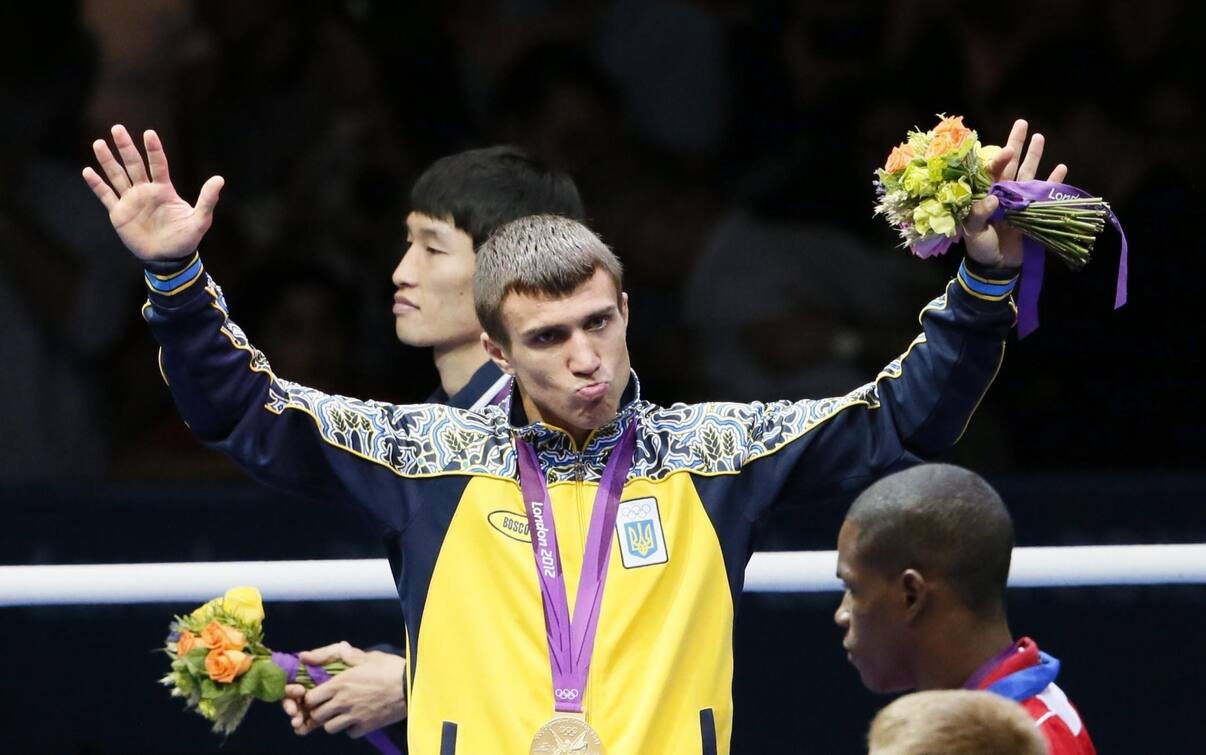
Lomachenko won Olympic gold in Beijing in 2008 at featherweight and again in London in 2012 at lightweight. In the London final, he defeated South Korea’s Han Soon-chul by 19 points to nine. The achievements matter because they establish that his movement abilities were already producing competitive results long before he became a professional champion.
His father and coach Anatoly introduced him to different activities when he was young. Lomachenko began dance training at around nine years old and continued for approximately four years. Gymnastics and other sports, including basketball and football, were also part of his broader movement background. It would be misleading to isolate dance as the single cause of his boxing ability. He also accumulated an enormous amount of boxing-specific practice under coaching, and the precise contribution of each childhood activity cannot be measured from his later achievements.
Consider what a young athlete can learn from moving to music. The athlete has to place one foot in relation to the other, manage rhythm, remember sequences, stay balanced and make transitions without losing control of posture. A game of basketball presents different problems: responding to other people, stopping, accelerating and changing direction in a shared space. Gymnastics demands yet another set of solutions involving body awareness and relative strength.
These are not substitutes for boxing instruction. They are experiences that can give someone a larger movement vocabulary when it comes time to learn a new sport. For adults, the practical conclusion is not that you missed your opportunity if you did not dance as a child. It is that learning a different movement pattern can be worthwhile at any age, provided the exercise is appropriate for your current ability and you subsequently practise the movement you actually want to improve.
Why quick feet are not the same as useful footwork

Footwork is often judged by how rapidly someone completes an agility ladder. But an athlete who can fly through a memorized sequence may still struggle when an unexpected cue requires them to stop or move in a new direction. The ladder is a useful coordination tool; it is not a comprehensive measurement of agility.
Separate three qualities. First is the capacity to move the feet quickly in a predictable pattern. Second is the ability to absorb force and control the body when slowing down or changing direction. Third is the ability to recognize a relevant cue and choose an appropriate response. A well-designed training session gives each quality some attention rather than treating them as interchangeable.
Start with a small grid marked out on the floor. Walk through a simple forward and lateral stepping sequence, keeping the steps quiet and controlled. Repeat at a slightly quicker pace only when you can consistently finish in a comfortable, balanced position. Use tape on a nonslip surface rather than buying equipment you do not need. A rope can provide a similarly simple rhythm challenge, especially when you practise short sets rather than forcing yourself through repeated errors.
Next, add a deliberate stop. Move laterally for a few steps, slow down and hold your finishing position for two seconds. Make sure you are not stumbling or having to reposition your feet several times. This is a basic test of movement quality, not a test of how low you can crouch. If you are new to lateral movement, start with small distances and modest speed.
Finally, work with a partner who calls out a direction or shows a hand signal. Keep the initial choices simple. A correct and balanced response is more valuable than guessing in advance and moving quickly in the wrong direction. You can make the task more complex later, but only after you demonstrate control under the existing conditions.
Turn movement into a sport-specific skill
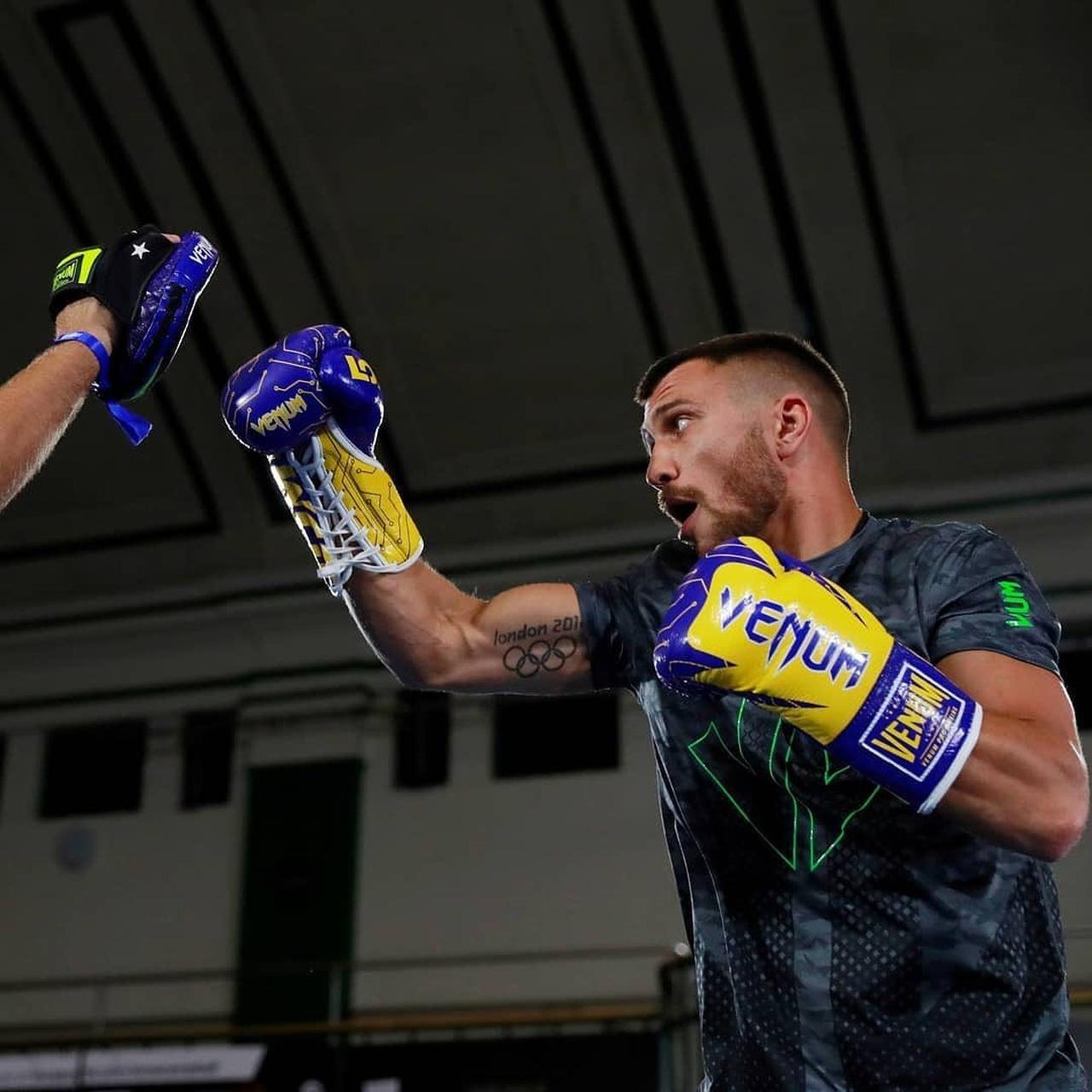
Training sessions documented during Lomachenko’s 2018 career illustrate how much attention his team devoted to movement beyond conventional bag work. Partner-based footwork drills, coordination tasks and other preparatory activities were part of the gym environment. They were not isolated from his main discipline; they existed alongside years of technical boxing and practice with other athletes.
This is where many attempts to imitate a champion go wrong. People copy the most visually impressive exercise, repeat it until they are tired and assume the resulting improvement must transfer into their main sport. The transfer is not guaranteed. A predictable movement drill does not expose you to the same information as a live opponent. Strength exercises can improve physical capacity without automatically improving the timing of a complicated skill.
Recreational boxers should therefore keep technical practice, under appropriate coaching, at the centre of the programme. A short coordination warm-up can prepare the body for the work, but should not consume the energy needed for the main session. For example, use a few minutes of relaxed stepping, a few short rope intervals and some simple partner reactions before working on the skills assigned by your coach. Do not measure the success of the warm-up by exhaustion.
If your primary sport is lifting, the same distinction applies. Strength work gives you the capacity to produce force, whereas a movement drill teaches you to organize that capacity in a particular task. Keep your main lifts and use a small amount of supplementary coordination training if it helps you pursue a sport or movement goal. There is no need to transform a productive strength programme into a collection of balancing challenges.
A sensible supplemental strength session might use split squats with dumbbells or a kettlebell, a controlled row and a straightforward pressing exercise. The objective is to build usable strength while leaving enough recovery capacity for sport practice. A light sled or air bike can supply conditioning when additional running or jumping would create excessive impact. These are examples for recreational athletes, not a claim about the equipment or exact loading used by Lomachenko.

Equipment Worth Exploring
Explore equipment, accessories and gear from our carefully selected range.


Slam Ball
Low-bounce weighted slam ball for explosive throws and high-intensity conditioning.


Rubber Hex Dumbbells
Rubber-coated hex dumbbell pairs with a stable shape for home and commercial strength training.


Cast Iron Kettlebells
Textured cast-iron kettlebells for swings, squats, carries, and full-body training.


Pro Sled System
Heavy-duty push-pull training sled for loaded conditioning, speed, and strength work.
Build coordination without turning every drill into a circus trick
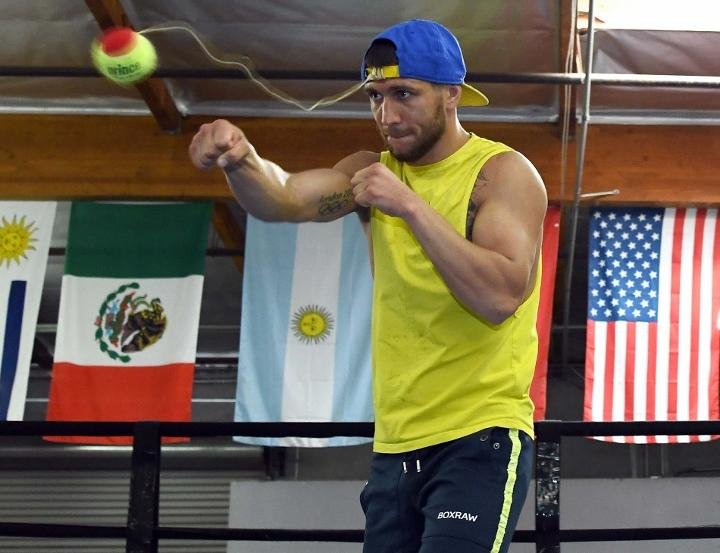
Lomachenko has also been documented practising unconventional coordination tasks, such as juggling and using a ball attached to a headband. These activities can demand attention, hand-eye coordination and rhythm. They are interesting examples of a coach challenging an athlete in different ways, but they do not prove that juggling or reflex-ball training alone produces superior boxing performance.
There is a difference between improving at a drill and improving at a sport. If you practise a juggling pattern every day, you will probably become more proficient at that pattern. Whether the practice improves an unrelated sporting task depends on the similarities between them and on how the new skill is integrated into your training. Treat the drill as a supplementary challenge, not a shortcut around technique.
Try simple ball-catching games or low-speed coordination sequences if you enjoy them. Use a soft ball, clear the surrounding area and increase difficulty gradually. A demanding balancing trick or an advanced gymnastics movement has no special value simply because an elite boxer can perform it. Avoid risky stunts and never practise underwater breath-holding challenges; they are unnecessary for improving recreational footwork and can be dangerous.
Discipline in this context means consistent attention to small improvements, not training until you fail at every session. Record the number of clean repetitions, the errors made or the time needed to regain a balanced position. A useful drill is one you can progressively improve while retaining the quality that made it relevant. If a drill is only getting faster because you are sacrificing balance, reducing the range of movement or guessing the cue, adjust it instead of celebrating a misleading personal record.

Funny Gym Shirts & Workout Gear
Funny gym shirts, tanks, hoodies and workout gear for lifters who like training hard.


Hero Jump Rope Cardio Speed Flash Inspired Gym Pullover T-Shirt
For laid-back days and cardio humor: “Gym Hero Jump Rope Cardio Speed”.

Blood Sweat and Tears Weight Plate 45LB Plate Blood & W Tank Top
Add some Halloween attitude to training with “Blood Sweat and Tears Weight Plate”.

Cardio Heartbeat for Runners, Cyclists, Rowers and Fitn Sticker
Give your everyday gear a playful “Cardio Heartbeat” twist.

Hybrid Athlete – Strength & Endurance Gym Pullover for Hoodie
Keep it laid-back with a little “Hybrid Athlete” attitude.

Practice Stoicism Under The Barbell Meme – Sigma T-Shirt
Bring “Practice Stoicism Under the Barbell” humor to your next gym day.

Focus Stoic Bodybuilder Greek God Marble Sculpture T-Shirt
Heavy lifts, good laughs, and a little “Focus Stoic Bodybuilder Greek God Marble” energy.

Progressive Overload Milo Bull : Greek Mythology T-Shirt
Show some bodybuilding attitude with a playful “Progressive Overload Milo Bull” tee.

Doctor Discipline Sticker
Stick a little “Doctor Discipline Gym Villain” humor on your favorite gear.

Shirt – Train Hard Gains – Meme , & Workouts T-Shirt
Bring “Train Hard Gains” humor to your next gym day.
A four-week footwork and conditioning plan

The following is an example for a recreational athlete with a normal strength or boxing schedule. It is not Lomachenko’s personal training programme. Add two short coordination sessions a week, separated by at least a day, and keep them away from the most fatiguing portion of your existing workout. Beginners can use walking-speed drills and low-impact alternatives to jumping.
Week one: establish control. Warm up for five minutes at a comfortable pace. Practise three rounds of 30 seconds of simple grid stepping, resting for 30 to 60 seconds between efforts. Follow with four rounds of 20 seconds of easy rope skipping or low-impact rhythmic stepping. Finish with three sets of five controlled lateral steps in each direction, pausing in a balanced position. Record how many times you lose the sequence or have to make an extra step.
Week two: improve rhythm. Keep the same grid and rope intervals, but introduce one additional step pattern. Work at a speed that still allows you to finish each sequence cleanly. Add a short set of direction-change drills using a predictable signal. Keep your strength work familiar and moderate; there is no need to increase both conditioning and lifting volume simultaneously.
Week three: introduce a choice. Ask a partner to give a random visual or verbal cue for two possible directions. Complete four or five rounds of 20 to 30 seconds, resting long enough to maintain control. Progress one variable only, such as adding a third direction or increasing the speed slightly. If you are also boxing, let your coach decide how this preparation fits into your technical work.
Week four: compare rather than exhaust. Repeat the week-one sequence under similar conditions. Count errors and assess how consistently you can stop in balance. If you complete the pattern with fewer mistakes at the same speed, that is progress. You can then try a modestly quicker pace without needing to turn the assessment into an all-out fitness test.
Conditioning can remain separate from the coordination sessions. An easy 15- to 25-minute bike session at conversational intensity is a reasonable optional starting point for someone accustomed to aerobic exercise. If you enjoy harder work, use a few brief sled pushes or bike efforts on another day, but avoid adding them when your existing programme already leaves you struggling to recover. Reduce the volume if persistent soreness or fatigue interferes with sport practice.
The enduring lesson from Lomachenko’s approach is not that every athlete needs a childhood in dance, gymnastics or years of juggling. It is that developing movement options, practising them consistently and learning when to use them are different parts of athletic development. Build the physical foundation, give coordination a manageable place in your training and spend most of your skill-development time on the task you want to perform better.