Advertising disclosure: This page includes affiliate product links that may earn us a commission, as well as products from our own store.
The PJR pullover looks like a dumbbell pullover until you notice the elbows. Instead of locking their angle and pulling mostly through the shoulders, you bend and extend the elbows while the weight travels behind your head. That change turns an old-school pullover pattern into a triceps-focused accessory with a distinctive stretch at the bottom.
The long head of the triceps crosses the shoulder, so an overhead arm position can lengthen it. But more stretch is not automatically more growth, and no single lift deserves to be called the only exercise you need. Here is how to set up the PJR movement, control the arc, avoid the common mistakes and fit it into a sensible arm plan without confusing it with a straight-arm lat pullover.
The PJR pullover is a triceps extension, not a lat pullover
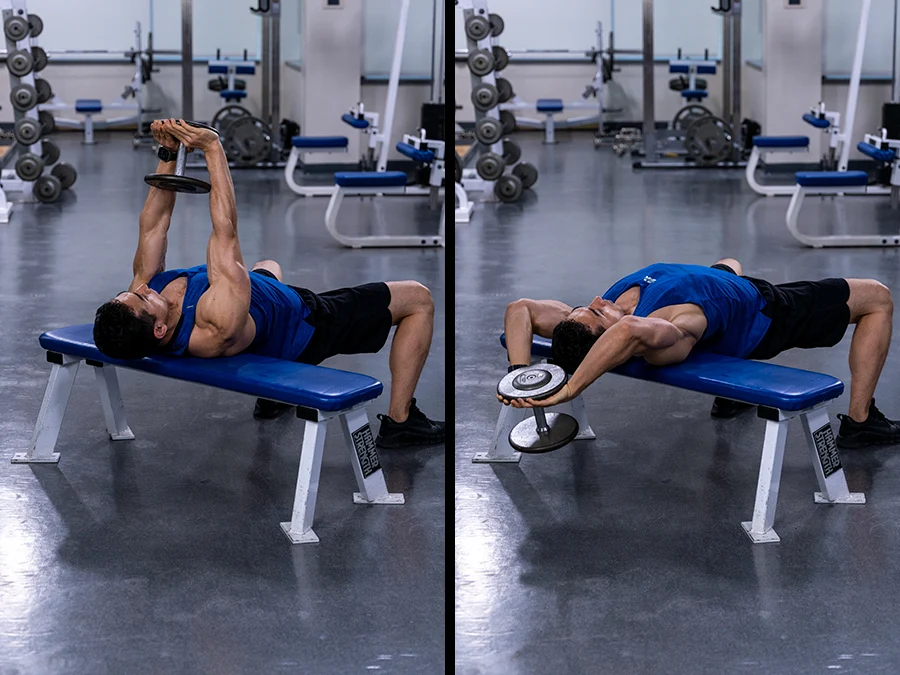
A regular dumbbell pullover is usually coached as a shoulder movement: you keep a small, fairly consistent bend at the elbows and sweep the weight from above the torso toward the space behind the head. The PJR version deliberately changes that pattern. Both the shoulders and elbows move, and the key effort on the way up is straightening the elbows, not simply pulling the upper arms forward with the back.
That distinction matters because the triceps are not one uniform muscle. All three heads extend the elbow, but the long head also crosses the shoulder. Putting the upper arm overhead changes its length and makes the bottom of a controlled pullover-extension a distinctive training position. This does not mean the long head is the only tissue working. The shoulders, lats, chest and grip still stabilize or contribute as the dumbbell moves.
Think of the exercise as a hybrid between a lying dumbbell extension and a pullover, rather than as a secret replacement for pressing. It can fit after bench presses, overhead presses or another compound movement when you want additional direct elbow-extension work. It is a programming option, not a guarantee of superior growth.
Set the bench, dumbbell and starting position
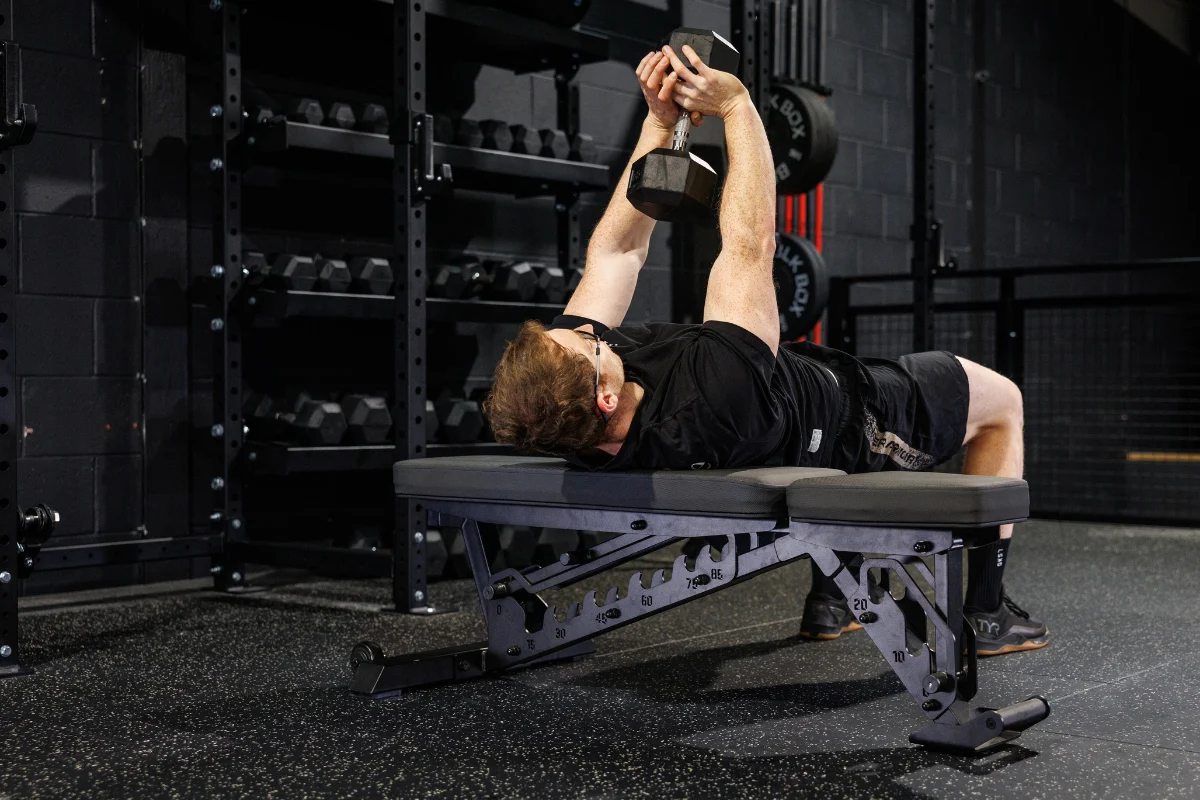
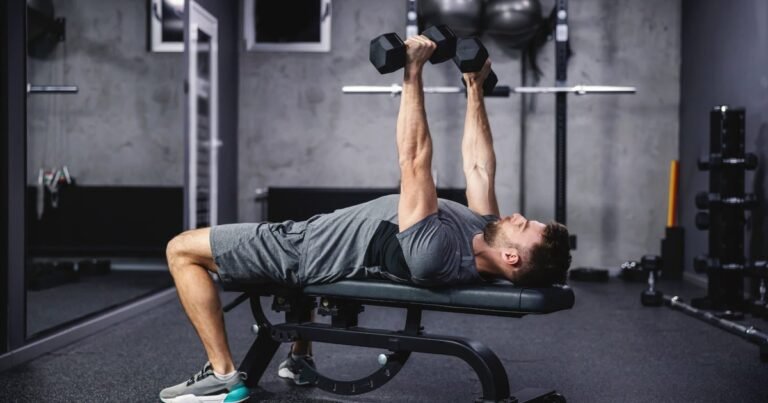
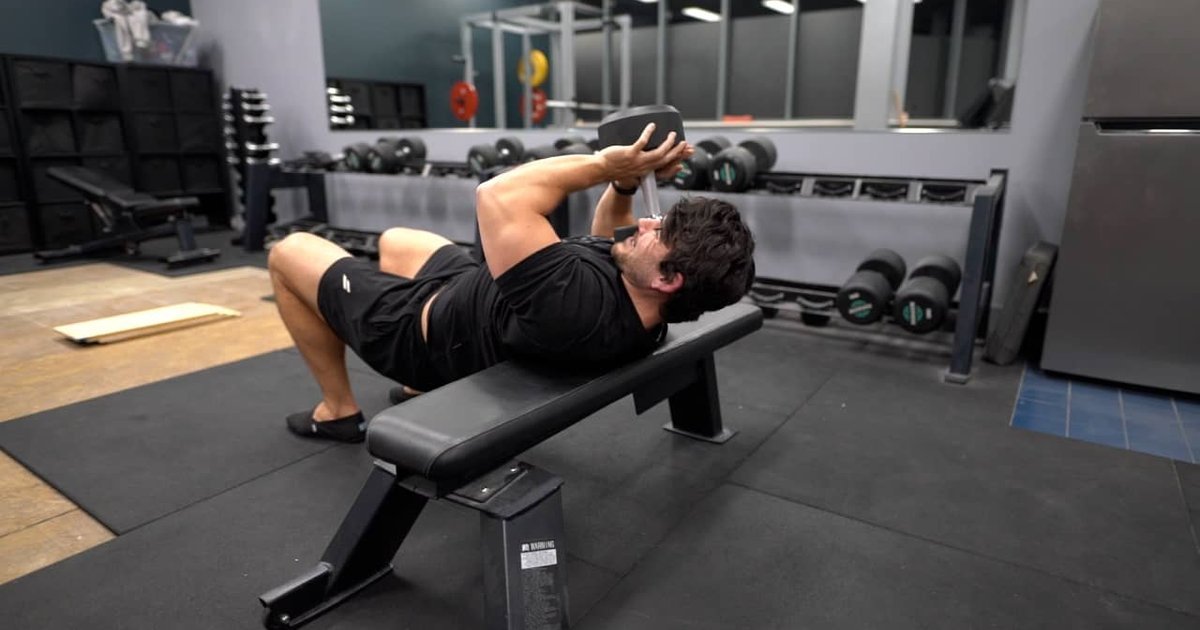
Choose a stable flat bench and one dumbbell that is easy to handle. A single weight held with both hands lets you learn the path before worrying about left-right timing. Sit with the dumbbell on your thighs, guide it into position as you lie back, and plant your feet so that you are not balancing on your toes. Support your head and upper back; you do not need to hang your torso across the bench.
Hold the inner face or upper end of the dumbbell securely with both hands, making sure the plate and handle cannot slip through your grip. Bring it above your upper chest or face, with the elbows extended but not jammed into a forceful lockout. Keep the ribs relatively quiet and your pelvis stable. A small natural spinal arch is not a problem, but do not transform the repetition into a bridge as soon as the weight moves backward.
Before you lower anything, decide where a safe rep can finish. You need clear space behind the head and no obstacles beneath the dumbbell. If the bench is against a wall, the dumbbell can hit it at exactly the point where control is hardest. When using adjustable dumbbells, confirm that plates and locking mechanisms are secure and that the weight shape allows a solid two-hand hold.
Start with a rehearsal set of eight slow repetitions using a much lighter load than your regular presses. Find a path where both shoulders move evenly and the elbows flex without abrupt flaring. Add weight only after the motion feels predictable.

Equipment Worth Exploring
Explore equipment, accessories and gear from our carefully selected range.


Rubber Hex Dumbbells
Rubber-coated hex dumbbell pairs with a stable shape for home and commercial strength training.




FID Bench MAX
Adjustable bench offering flat, incline, and decline positions + adjustable headrest.


Multi Bench MBX-650 2.0
Adjustable multi-bench with roller adjustment, 15 backrest positions and accessory mounts.


EZ Curl Barbell
Olympic EZ curl bar with angled grips for curls and triceps exercises.
Lower behind the head, then lead the return with your elbows
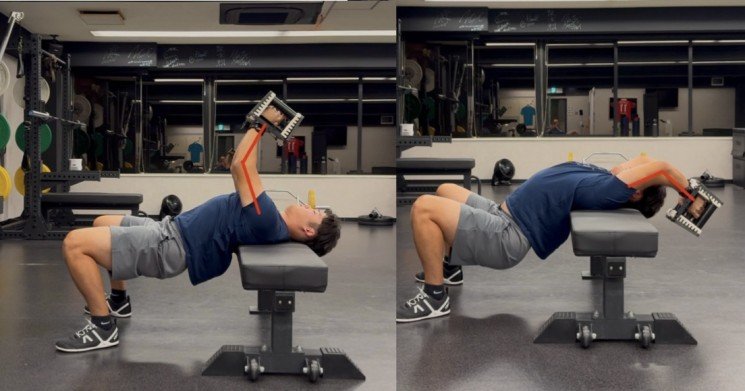
From the top, let the upper arms travel backward while you bend the elbows. The dumbbell moves toward the floor behind your head, not straight down to the forehead. Keep the weight away from your face and avoid collapsing both elbows into an uncontrollable bottom position. At the deepest point you can own, you should feel tension through the back of the upper arms without sharp discomfort in the shoulder, elbow or wrist.
Reverse the repetition by thinking about extending the elbows while guiding the dumbbell forward in a controlled arc. Some shoulder motion is inevitable, but the exercise loses its triceps bias if you immediately pull the entire weight upward with mostly straight elbows. At the top, finish above the upper chest or face rather than swinging the dumbbell far toward your stomach, where the position becomes largely a rest.
A controlled two- or three-second descent is a helpful learning cue, not a mandatory tempo law. Pause briefly only if you can do so without losing your grip or letting your shoulders drift into a painful range. One consistent repetition that is slightly shallower is more productive than a deep rep that changes shape each time. A camera from the side can show whether the elbow angle genuinely changes and whether the dumbbell follows the same route.
Do not chase maximum shoulder flexion or a prescribed elbow angle just because somebody else can reach it. Long arms, shoulder mobility, bench height and dumbbell shape change how the bottom feels. Stop at your controlled limit and let smooth repetitions define the working range.
Mistakes, joint comfort and the best alternatives
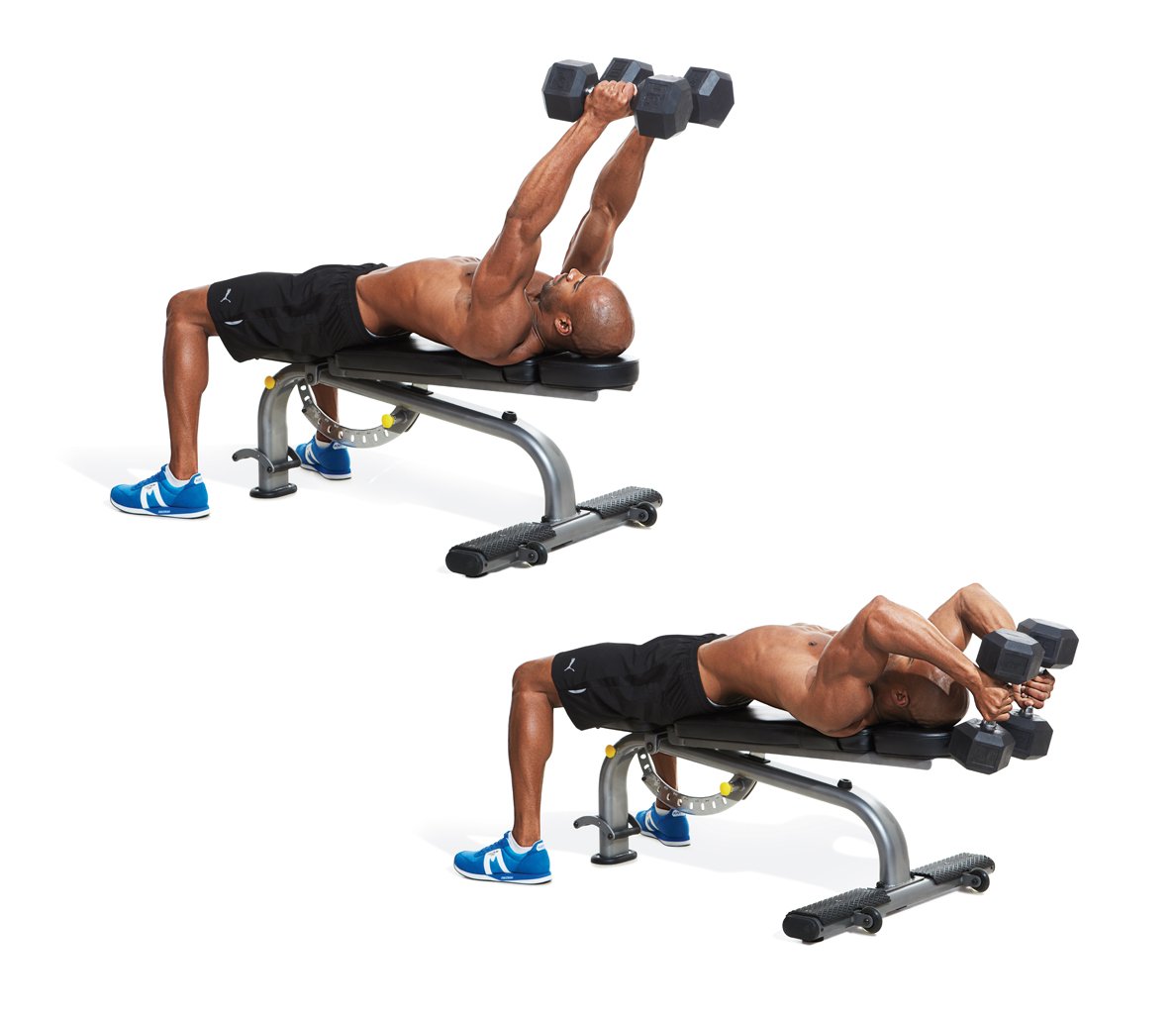
The most common mistake is choosing a press-sized dumbbell. A load that is manageable for a conventional bench press can be awkward when held behind the head on a long lever. Too much weight encourages a sudden drop, extreme elbow flare or a bounce at the bottom. Reduce the load until you can actively brake the descent and reverse it without jerking the neck or moving the torso.
Another mistake is turning every rep into an almost straight-arm lat pullover. If the elbows barely change angle, you are no longer using the main feature that defines the PJR version. On the other hand, excessive elbow bending with no backward movement of the upper arms turns it into a more ordinary skull crusher. Neither alternative is inherently bad; it simply trains a different path. Pick the version intentionally rather than allowing fatigue to choose for you.
Keep the wrists stacked as comfortably as the dumbbell allows. If the hands ache or the weight feels unstable, try a shorter range, lighter dumbbell, or an EZ-bar version on a clear bench. With an EZ bar, make sure both plates are secured and the bar cannot collide with the bench supports. Do not assume a heavier bar makes the exercise more effective.
If the overhead position provokes joint pain, switch to neutral-grip lying dumbbell extensions, rope pushdowns or a controlled seated overhead extension within your pain-free range. These are useful substitutes, not consolation prizes. Sharp pain, tingling or repeated loss of control is a reason to stop the set rather than keep stretching into the sensation.

Bodybuilding Shirts & Workout Gear
Bodybuilding shirts, tanks and gym gear for lifters chasing muscle, size, symmetry and the pump.


Gym If You're Reading This It's Arm Day Drake Parody & Hoodie
Bring “If You're Reading This It's Arm Day Drake” gym humor to lazy days and post-workout plans.

Welcome To The Gun Show Bro Meme Huge Arms Tank Top
Train hard, laugh a little, and rep “Welcome to the Gun Show”.

– Flex Armstrong Astronaut Moon Huge Arms Pullover Hoodie
Show off your bodybuilding humor in a laid-back “Flex Armstrong Astronaut Moon Huge Arms” hoodie.

Mike Mentzer Heavy Duty Old School Bodybuilding Gym Dec Sticker
A fun “Mike Mentzer Heavy Duty” touch for bottles, laptops, and lockers.

Gym Hardcore Skull Crewneck for Powerlifting Bodybuildi T-Shirt
Keep things casual with a little “Hardcore Skull” attitude.

Gym Dost Thou Even Curl Medieval Knight Arm Day Crewnec T-Shirt
Show some gym-day personality with “Dost Thou Even Curl Medieval Knight Arm Day”.


Just Flex It Meme Shirt – Essential T-Shirt
Show some bodybuilding attitude with a playful “Just Flex It” tee.

Gym Iron Before Honor Medieval Knight Crewneck for Stre T-Shirt
Show some gym-day personality with “Iron Before Honor Medieval Knight”.
A four-week progression that fits actual arm training
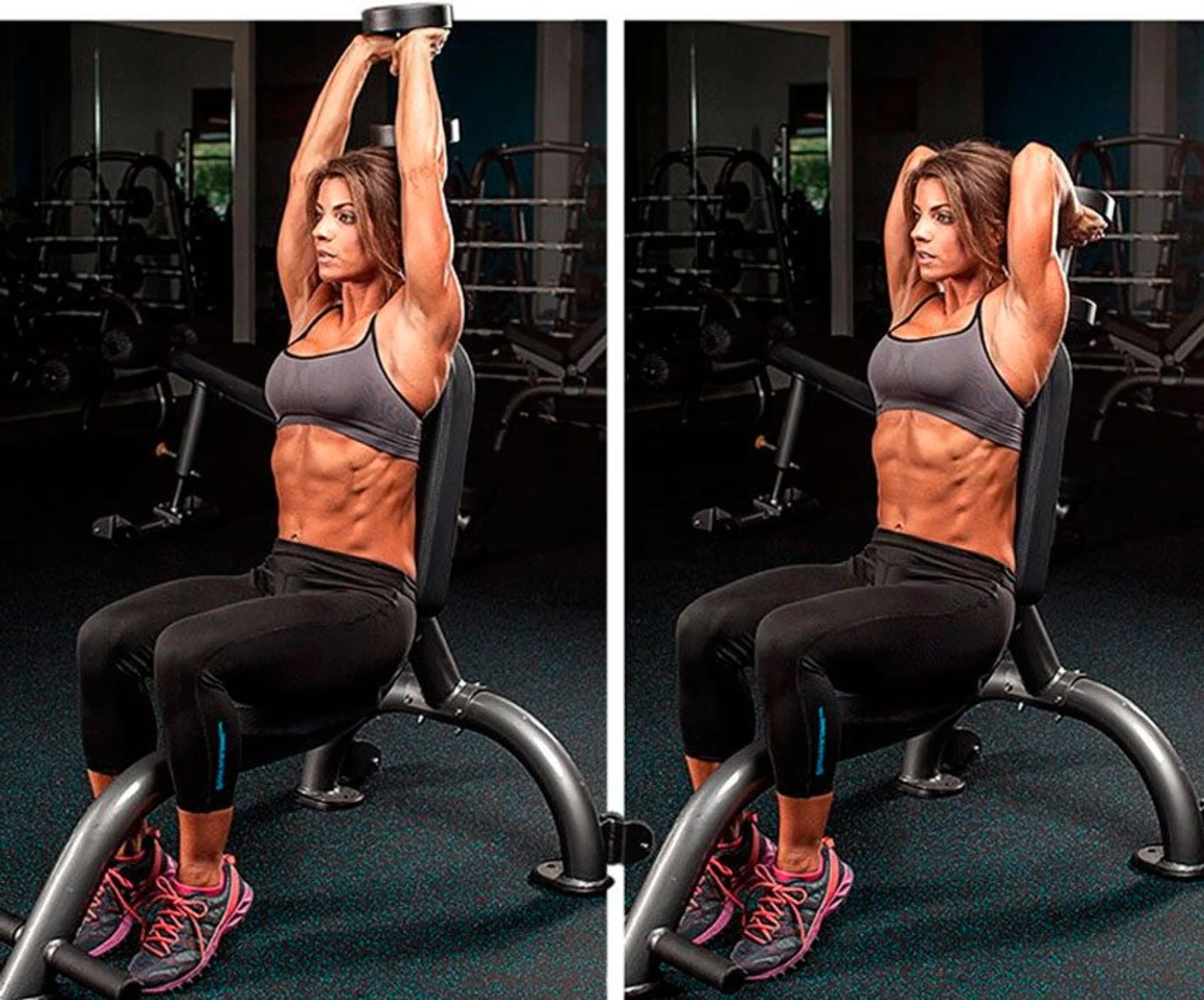
Place PJR pullovers after your main pressing work, when the shoulder and elbow joints are warm but before you are too exhausted to steer a dumbbell near your head. For a first exposure, use two working sets of 10–12 smooth repetitions with roughly two or three repetitions left in reserve. Rest about 90–150 seconds, then repeat the same form. If you already perform substantial pushdowns, skull crushers and pressing, treat this as a replacement for some direct triceps sets rather than automatically adding volume.
Week one: practice twice, leaving two or three reps in reserve. Record the dumbbell weight, reps, comfort and the furthest controlled position behind the head. Week two: maintain the load and add one or two repetitions per set if the path stays consistent. Week three: aim for two sets in the 12–15 range, still without bouncing or an exaggerated back arch. Week four: if both sets reach the top of that range comfortably, increase the dumbbell by the smallest practical increment and return to the lower end of the range.
This is a sample progression, not a claim that four weeks is enough to transform arm size. Hypertrophy depends on the overall training load, recovery, nutrition and consistency. The point of the plan is to make the lift measurable: you know whether you improved because the same controlled motion now uses more repetitions or a little more weight, not because you learned to swing a heavier dumbbell.
If you prefer fewer triceps exercises, pair PJR pullovers with pushdowns or a press to cover a variety of arm positions. If the stretched position does not feel good, omit it. A comfortable exercise that you can progress for months is more useful than a theoretically perfect movement you dread loading.
Equipment Worth Exploring
Explore equipment, accessories and gear from our carefully selected range.

Long Tricep ERGO Ropes
Extended triceps ropes with ergonomic grips for cable pressdowns and overhead extensions.
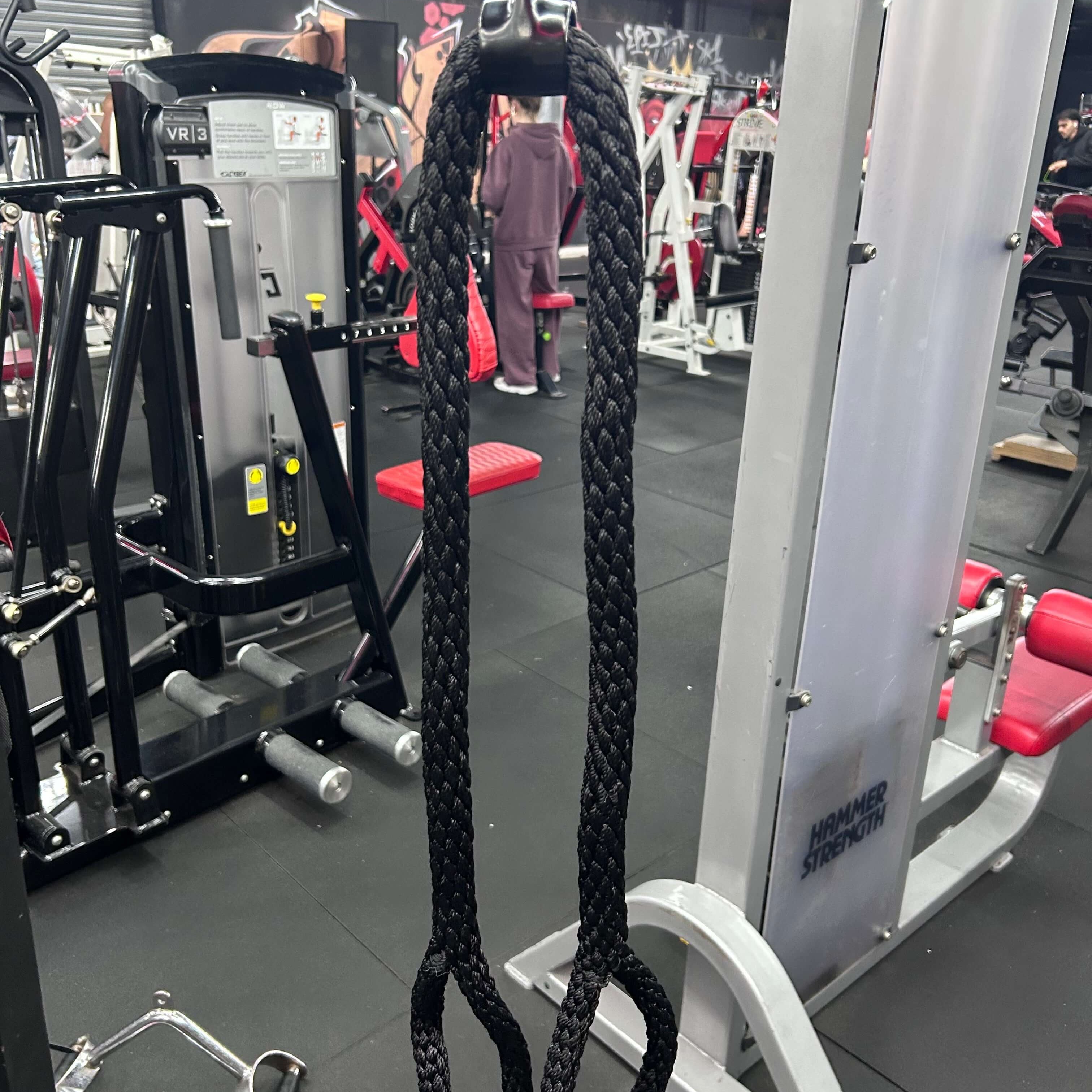
Super Long Tricep Rope
Extra-long looped cable rope for triceps pressdowns and overhead extensions.
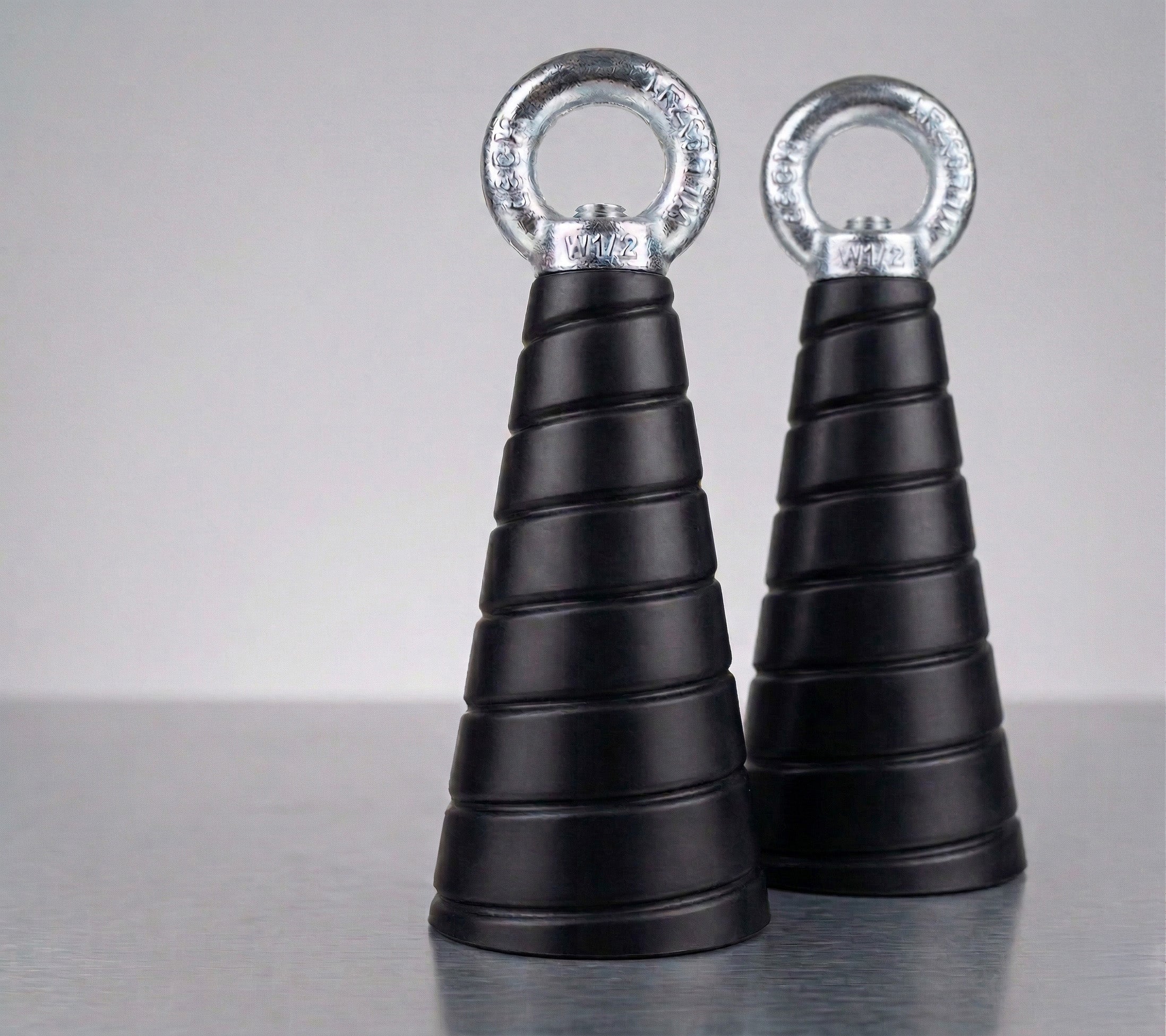
Tapered Tricep Cone
Tapered rubber cable grip for triceps extensions, face pulls and hammer curls.
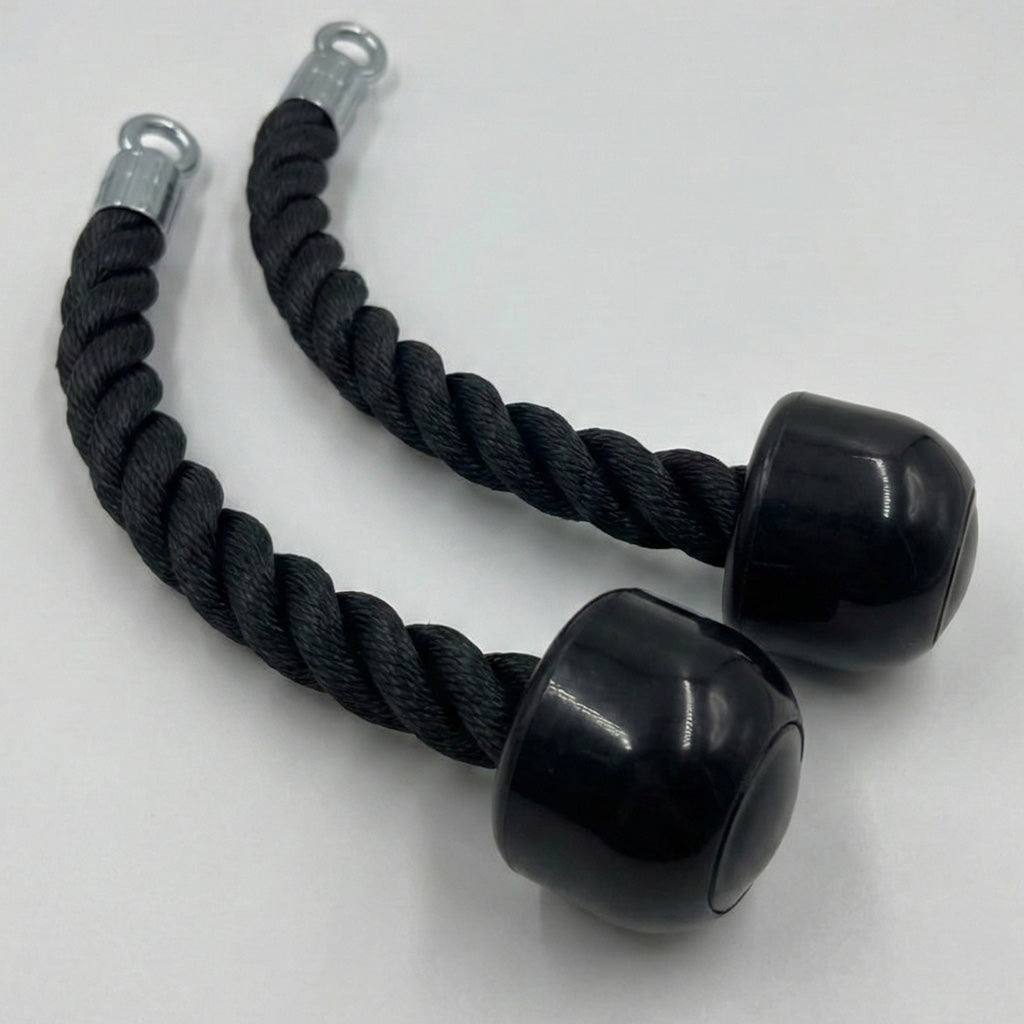
Individual Tricep Ropes
Pair of individual cable ropes for triceps pressdowns and cable hammer curls.

Multi-Length Tricep Strap
Adjustable-length cable strap for triceps, biceps and upper-body cable exercises.

Dual Hook EZ Curl Bar
Angled aluminum dual-hook cable bar for biceps curls and pulldown variations.

GymPin Ergo Handles
Pair of ergonomic cable handles shaped for comfortable triceps and pulling exercises.

GymPin D Handle Bar
Multi-use steel D-handle bar for cable rows, pulldowns and other cable exercises.

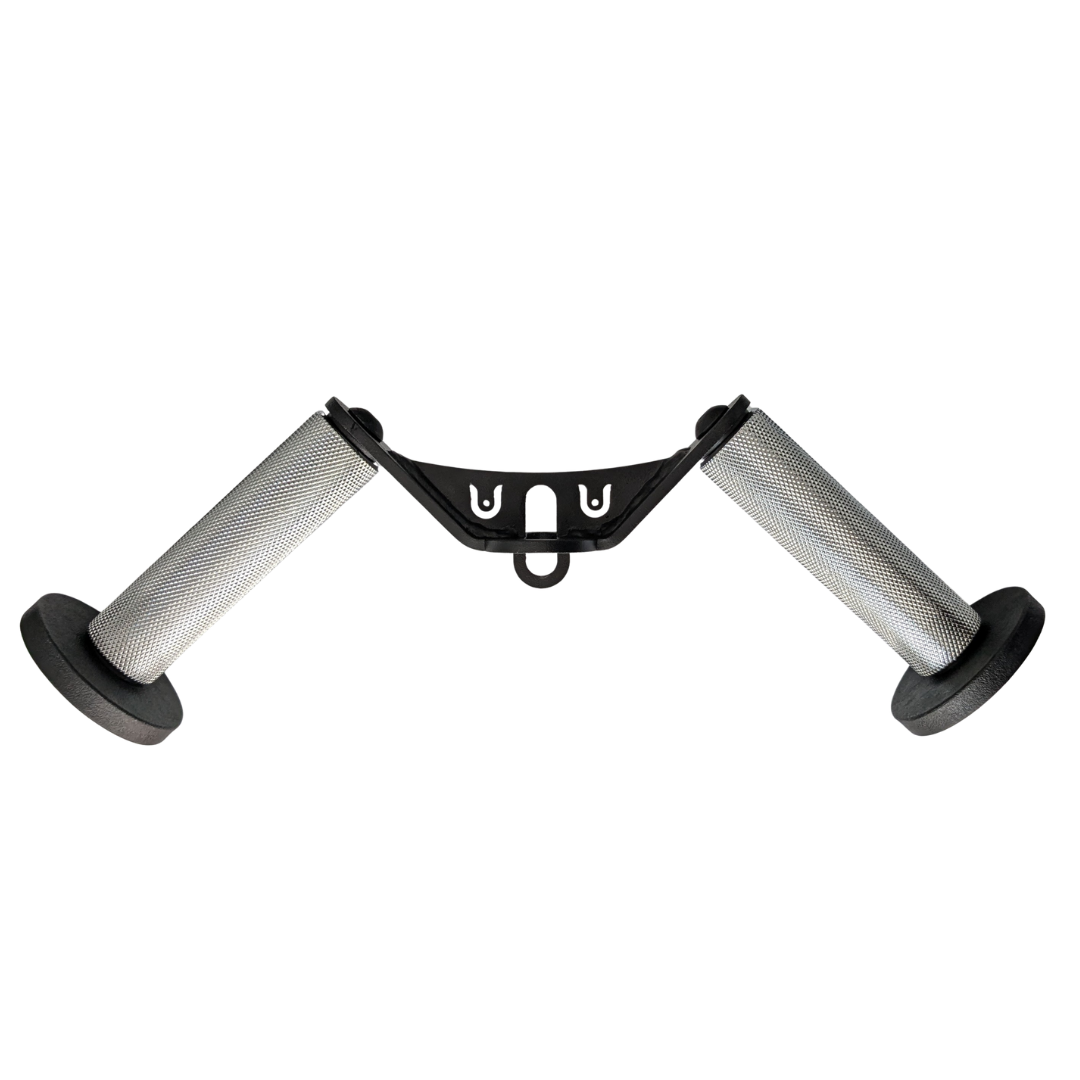
W Grip
Angled cable grip for comfortable rows, pushdowns, and curls.
Bottom line: Make elbow extension the defining feature, control your own shoulder range and keep the load modest enough that the dumbbell never surprises you behind your head. Progress repetitions before weight.