Advertising disclosure: This page includes affiliate links that may earn us a commission at no additional cost to you.
Kyle Snyder won his fifth senior world wrestling title in 2026, eleven years after his first. His earlier reflections on strength training put longevity and readiness at the center of a much broader preparation process. What can a wrestler who also lifts learn from that perspective?
A decade at the top is not one long peak
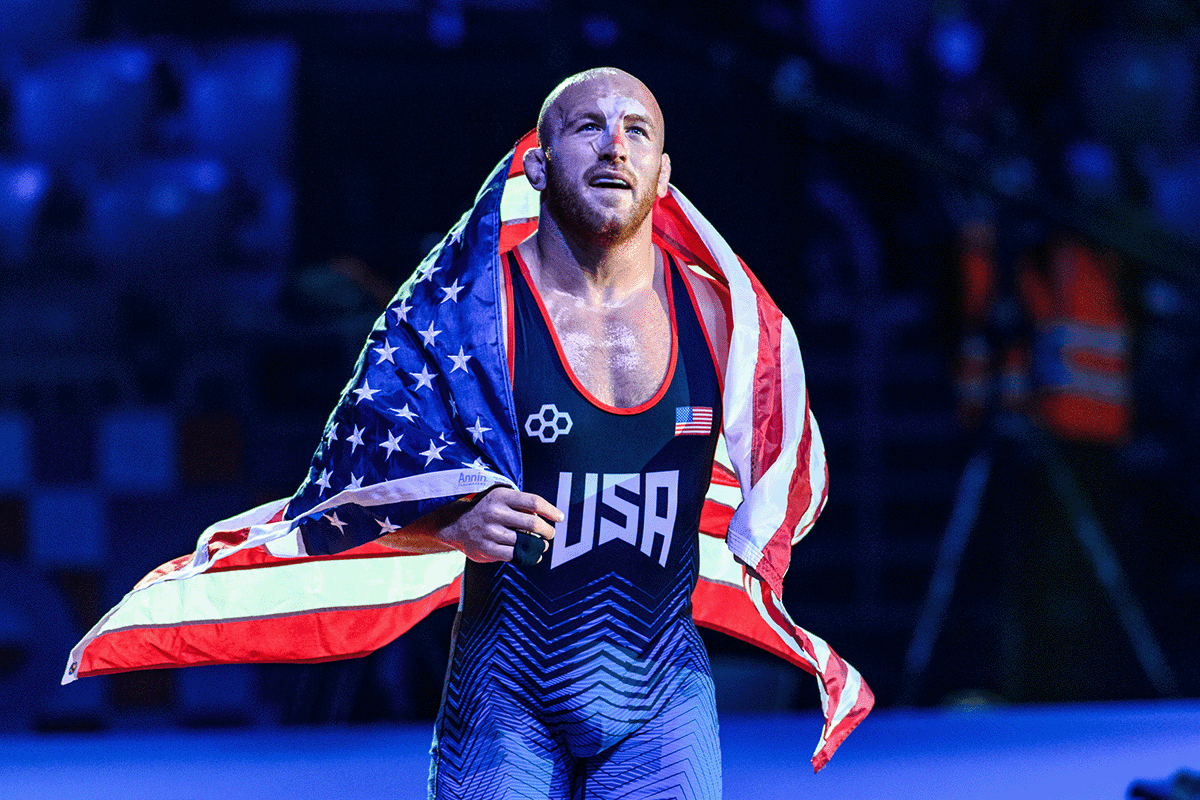
In 2015, Kyle Snyder won his first senior freestyle world championship. In 2026, he won his fifth. Between those titles sit Olympic gold in Rio, silver in Tokyo, a medal-less Paris Olympics and another world championship in 2025. That is a remarkably long stretch of international competition, but the most useful part of the story for a lifter is not the medal count. It is the distinction between building a physical capacity and being able to express it when a sport demands it.
Snyder’s January 2024 discussion of his preparation for Paris identified strength training as a way to support his longevity, physical readiness and confidence. That conversation came before the Games, when the outcome was still uncertain. It would be a mistake to read the subsequent results as proof that a particular gym program guarantees medals. They are a much better invitation to ask what a sustainable strength program should accomplish for an athlete who already has a demanding primary sport.
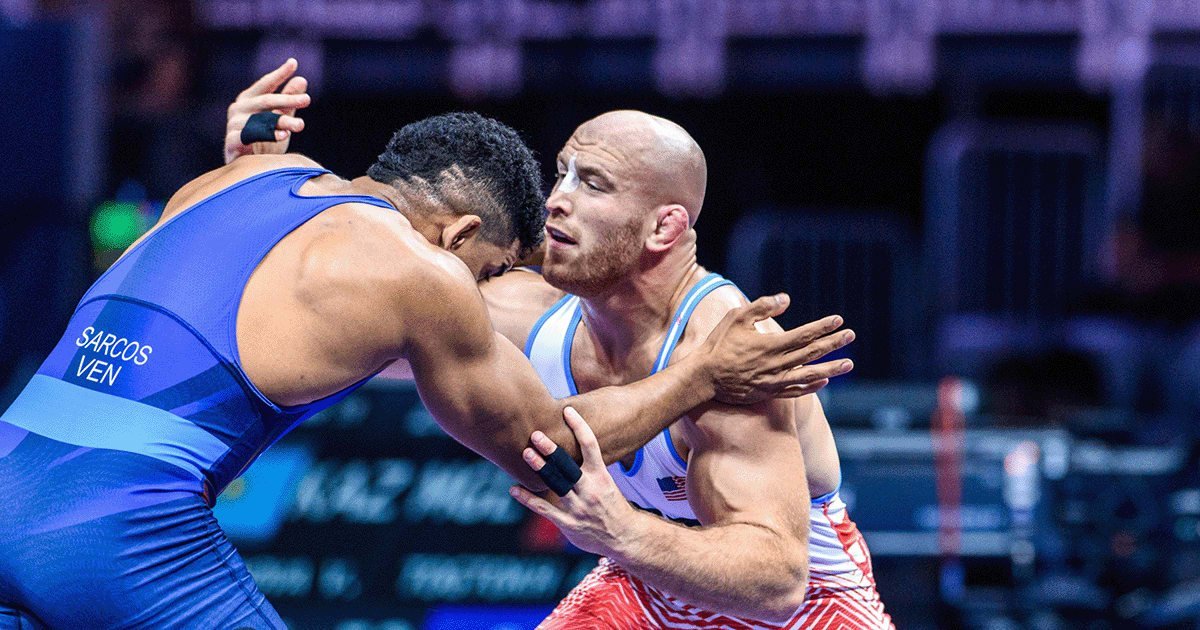
In Paris, Snyder lost the bronze-medal bout to Iran’s Amirali Azarpira, 4–1. At the 2025 world championships, he beat the same opponent 4–2 in the final. At the 2026 world championships on October 30, Snyder won the 97 kg title again. His five senior world titles came in 2015, 2017, 2022, 2025 and 2026. Those are distinct competitions with different circumstances; the result of one bout tells us surprisingly little about how much weight an athlete should put on a bar the following Monday.
An ordinary wrestler can take a narrower lesson from that timeline. There is no obligation to hit a personal best in the gym at every point in a competitive calendar. The better target is to remain capable of training well, recover enough to develop technical skill and arrive at the next competition with useful physical qualities intact.
Why the mat still comes first
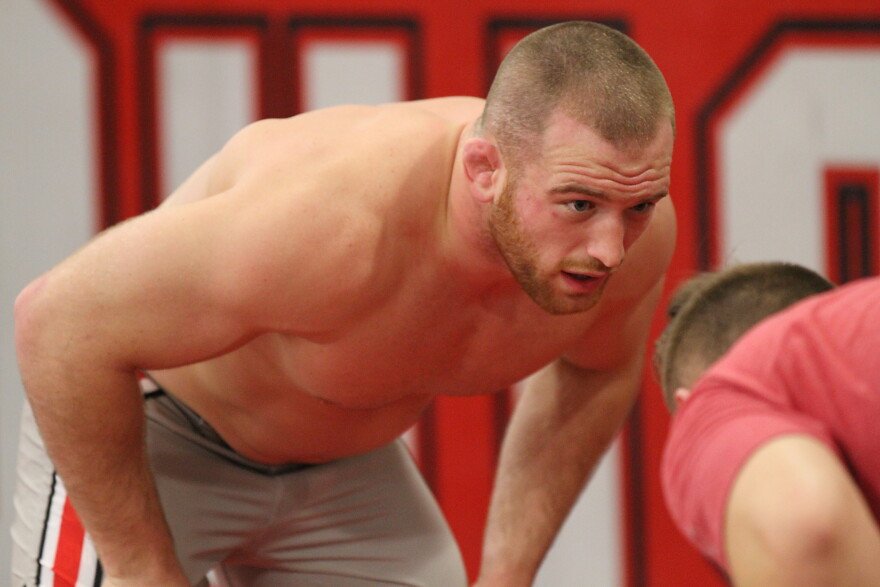
Freestyle wrestling requires repeated changes in position under resistance. A wrestler may be pushing against an opponent, pulling them toward an opening, absorbing a change in direction or controlling a position at an awkward angle. The same movement can demand different force depending on where both athletes place their feet. That is why it is misleading to reduce wrestling strength to a single squat, bench press or deadlift number.
Barbell training can build the legs and hips, the trunk and upper-body musculature that contribute to those efforts. It cannot replicate the information an opponent gives you in real time. A powerful athlete who recognizes a position too late can still lose the exchange. Drilling, positional practice and live wrestling develop capacities that lifting does not replace. For someone with limited weekly training time, the mat sessions that matter most deserve first claim on energy and attention.
Consider a Wednesday practice built around difficult live rounds. If Tuesday’s lower-body workout leaves the athlete struggling to move comfortably on Wednesday, the extra squat volume might have cost more than it contributed. The solution is not necessarily to eliminate squats. It might be to move the session, remove a set, reduce the load or stop several repetitions before failure.
The practical question is whether the athlete is becoming better at the combined training week, not whether each isolated workout looks impressive. A stronger posterior chain, for example, can be valuable; so can the ability to drill cleanly and repeat hard rounds. Scheduling is one way to prevent those goals from competing unnecessarily.
Build strength without testing it every week
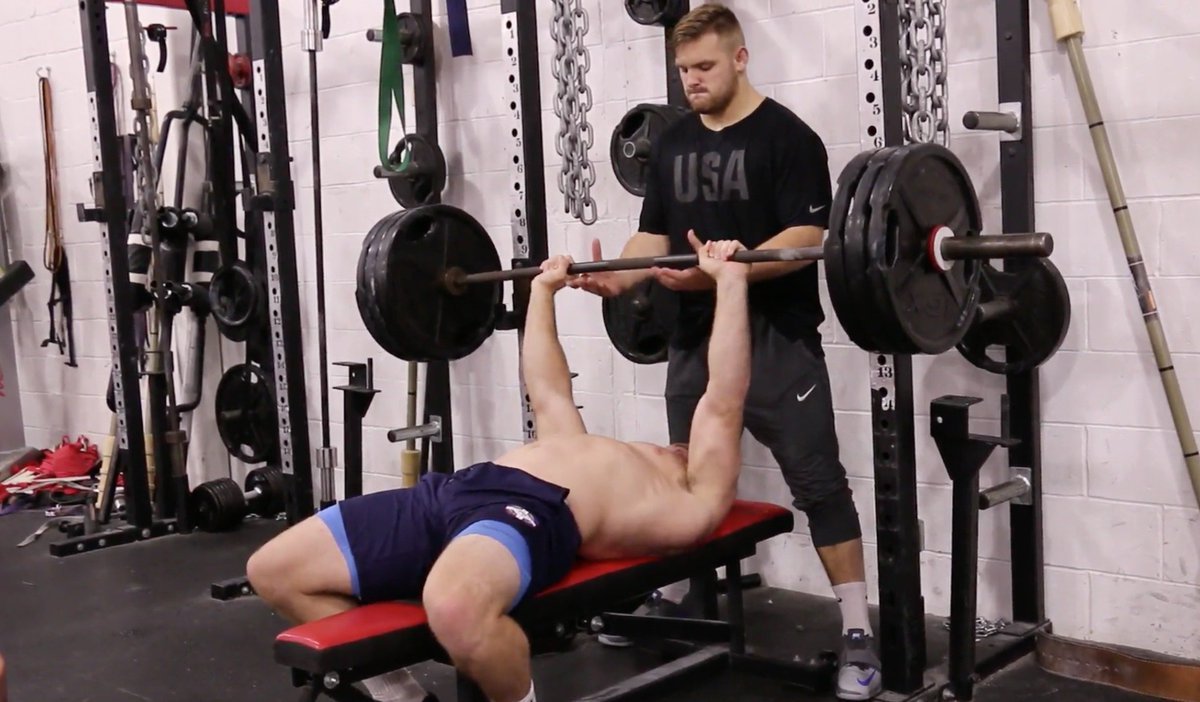
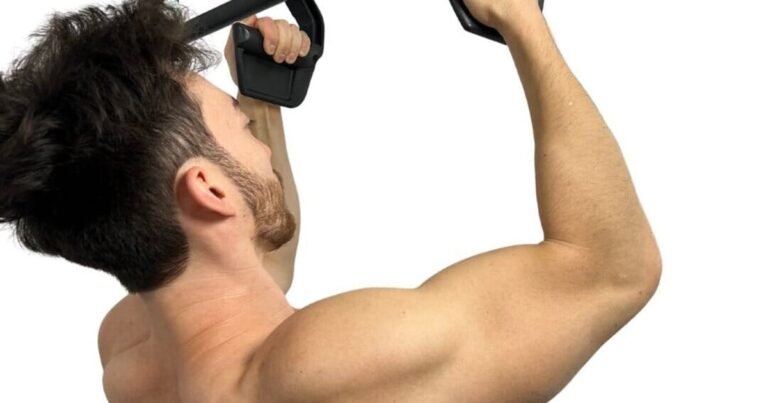
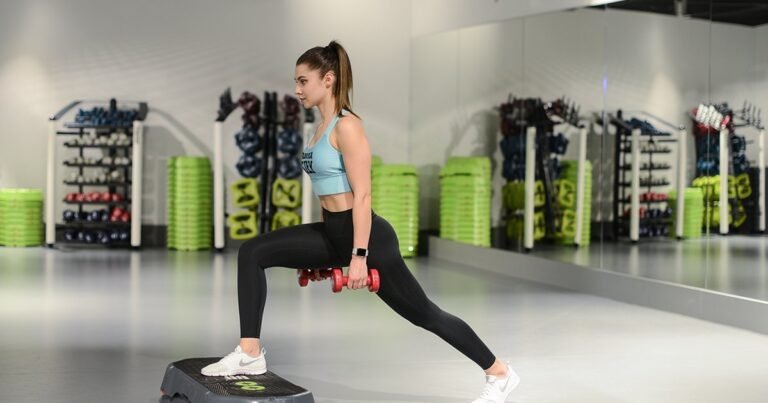
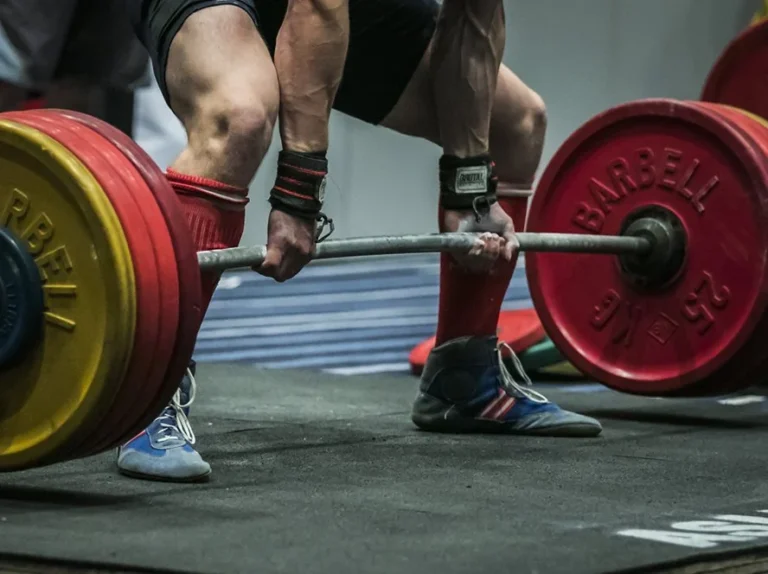
Snyder’s emphasis on strength for a long career offers a useful alternative to constant maximum-effort lifting. The following is an illustrative training framework, not his private routine. A wrestler could use a manageable squat or split squat, a trap-bar deadlift or another hinge, a bench press or dumbbell press, a row and a pull-up variation. The exact exercise matters less than its suitability to the athlete’s experience, equipment and current workload.
For the main lifts, a few sets of three to six controlled repetitions are a reasonable starting point for an experienced lifter. Leave two or three good repetitions available rather than turning every final rep into a test. Smaller accessory movements can use a higher repetition range if they remain comfortable. A newer trainee should begin lighter, learn the movements and build a base with coaching instead of assuming that a competitive wrestler’s loading is appropriate.
Heavy squats and deadlifts may make it easier to quantify lower-body progress, but an athlete does not need to prioritize both equally during a crowded competition block. A single main lower-body exercise can carry much of a session. Similarly, rows and pull-ups can be progressed with added resistance or more controlled repetitions without exhausting the grip before wrestling practice. A short sled push can offer additional conditioning without requiring another elaborate strength exercise, provided its difficulty fits the rest of the week.
Keep a simple log: exercise, load, completed repetitions and an honest estimate of how hard the sets felt. Also note whether the next mat session was unusually poor. A pattern of good lifting numbers and declining practice quality deserves attention, even if the gym program looks successful on paper.
Progress can mean adding a small amount of load after several repeatable sessions, not immediately after one unusually good day. A steady increase that leaves room for technical practice is often more useful to a dual-sport trainee than a rapid increase that repeatedly forces breaks. The aim is not to avoid effort; it is to spend it where it supports the athlete’s priorities.

Equipment Worth Exploring
Explore equipment, accessories and gear from our carefully selected range.




Power Tower
Freestanding pull-up and dip station with adjustable handles for bodyweight training.


Grip Plates
Rubber-coated weight plates with handholds for loading barbells and machines.


Angles 90 Grips
Flexible grip attachments that allow natural wrist movement during pulling exercises.

Cast Iron Kettlebells
Textured cast-iron kettlebells for swings, squats, carries, and full-body training.
What a comeback can teach about readiness
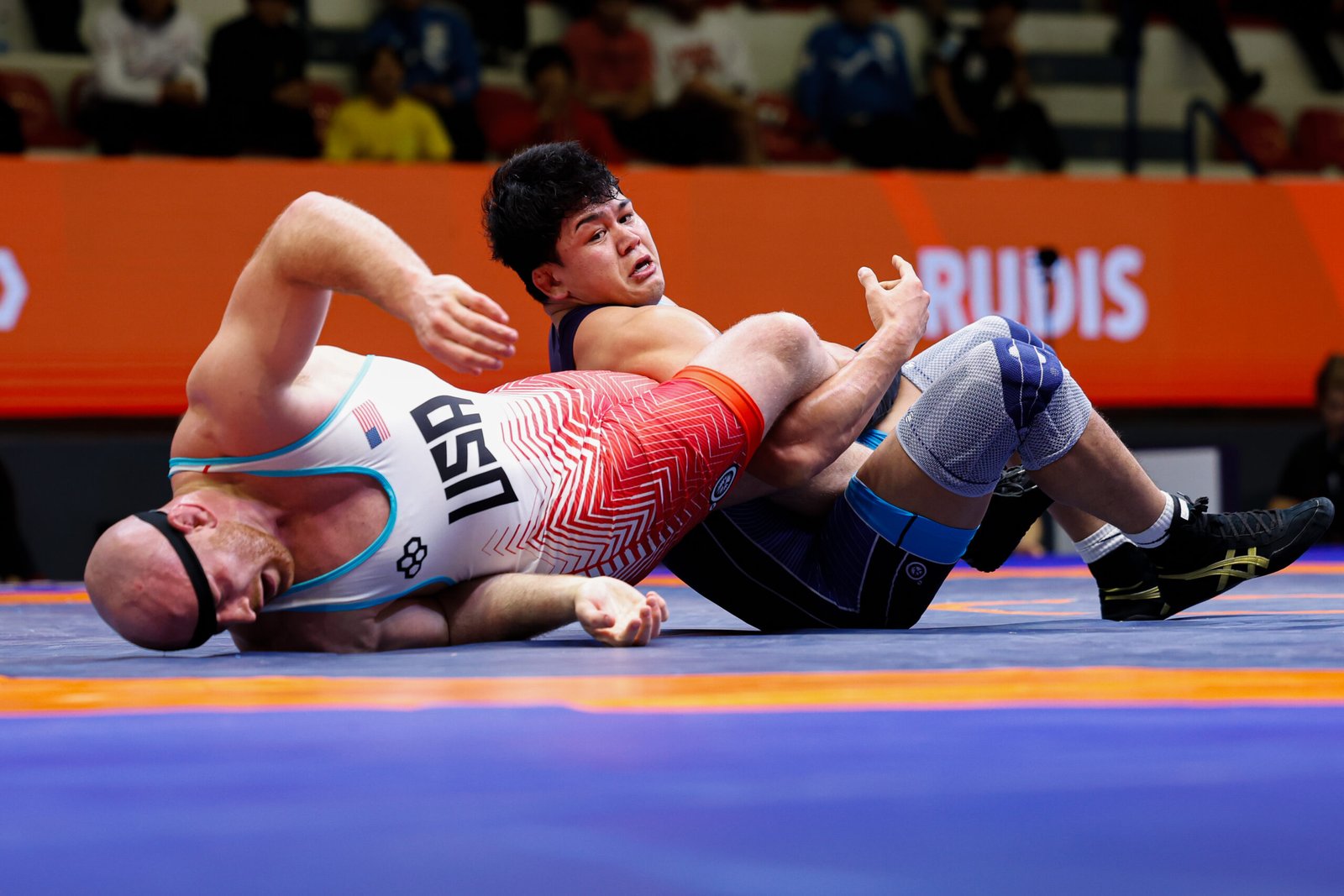
The 2026 final illustrates why an athlete must stay capable of performing under changing conditions. Snyder faced Japan’s Arash Yoshida and trailed 4–0. Two late takedowns brought the score to 4–4, and Snyder won on the applicable scoring criteria. It was a close comeback, not a demonstration that the winner was simply stronger in every physical respect.
A comeback like that also illustrates the limits of drawing training conclusions from match footage. We cannot isolate maximal strength, endurance, tactical decisions, technical execution or confidence as the cause of the result. A championship bout is not a controlled experiment. The best approach for a recreational athlete is to learn from the importance of maintaining useful readiness while leaving specific technical analysis to qualified wrestling coaches.
Readiness is more than the absence of soreness. A lifter might feel comfortable but still have unusually poor bar speed, coordination or motivation after several demanding days. One bad session need not mean anything is wrong. Repeated reductions in performance, especially alongside poor sleep or persistent pain, are a reason to reassess the weekly workload rather than blindly increasing it.
Useful adjustments can be modest. Reduce the number of hard sets before a tournament, retain familiar exercises at manageable loads and avoid introducing a novel high-volume session just before a demanding practice. This is not a prescription for tapering elite competitors, who have individual coaching and much more detailed schedules. It is a way for recreational trainees to reduce avoidable interference between activities.
Being prepared for a difficult match depends on much more than fatigue management. Nevertheless, the ability to train consistently across months is something that a thoughtfully arranged strength program can help support.
A sustainable template for the recreational wrestler
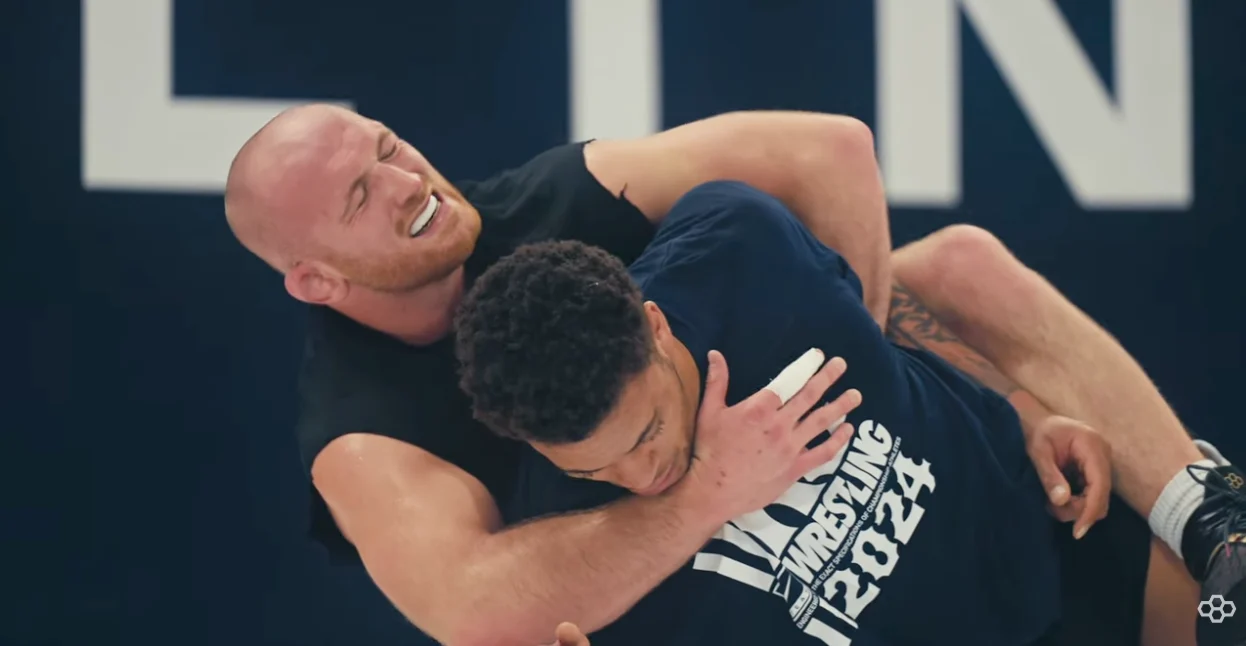
Start with two short strength sessions per week if wrestling is already the main sport. On a relatively fresh day, use a squat variation, a press and a row. On a second day, use a hinge, a pull-up variation and a single-leg movement. Add a carry or a small amount of trunk work if there is room for it, rather than trying to include every accessory exercise in the same week.
An illustrative week might place the first strength session on Monday, lighter technical practice on Tuesday, demanding wrestling on Wednesday, the second strength session on Thursday or Friday and another mat session at the weekend. Move sessions to match actual practice dates. If the second lift consistently compromises the weekend session, shorten it or move it earlier; the calendar is a starting point rather than a fixed rule.
Choose a load that permits good technique and leaves a small reserve. For the first few weeks, keep the total number of working sets low and watch how the rest of training responds. Increase one variable at a time: a little load, an additional repetition or an additional set, not all three in the same workout. If training on the mat gets substantially harder, holding gym volume steady or reducing it temporarily is a valid progression decision.
Keep adequate rest between demanding sets and make time for sleep and regular meals. Persistent or worsening pain warrants professional assessment; trying to duplicate an elite athlete’s schedule is not a solution to an injury. A coach who sees both the lifting and wrestling sessions can help identify which adjustments are worth making.
Snyder’s fifth world title does not tell us exactly how many sets to perform. His career does, however, illustrate why a long-term outlook matters. The useful strength program is one the athlete can recover from, repeat and integrate with their sport. Build the physical capacity to support practice, leave room to express it and judge progress over the whole training cycle.

Powerlifting Shirts & Lifting Gear
Powerlifting shirts and gym gear for squat, bench and deadlift lifters who live for heavy numbers.

Dead Pull Funny Gym Sweatshirt Crewneck Pump
Bring “Dead Pull” humor to your everyday gym style.

Minecraft Deadlift Gym | Funny Pick Up Heavy Blocks Wor Sticker
A fun “Minecraft Deadlift” touch for bottles, laptops, and lockers.

I Love Deadlifts Gym | Funny Heart Plate Hooded for Dea Hoodie
Keep it laid-back with a little “I Love Deadlifts” attitude.

Captain Deadlift Crewneck Pullover Sweater Leg Day Work T-Shirt
Add a playful “Captain Deadlift” touch to your casual rotation.

Gym Thou Art Not Yet Ripped Medieval Knight Deadlift Bo Tank Top
Bring “Thou Art Not Yet Ripped Medieval Knight” humor to your next lifting session.

Skeleton Deadlift Decal Water Bottles & Gear Meme Sticker
Put “Skeleton Deadlift” gym humor on your laptop, bottle, or gym gear.


Deadlifts And Dragons Shirt Fantasy Swoleplaying T-Shirt
Rep “Deadlifts and Dragons” humor in and out of the gym.

SwoleBob Squatpants Meme – Leg Day, & Gains – Top T-Shirt
Rep “SwoleBob Squatpants Gym Meme” humor in and out of the gym.