Advertising disclosure: This page includes affiliate links that may earn us a commission at no additional cost to you.
There is a moment on a steep hill when sitting down feels too slow and standing up feels too expensive. Your legs may be strong enough to grind a large gear, but the extra effort sends your breathing through the roof and the next bend seems impossibly far away. The problem is not necessarily a lack of strength. It may be a lack of practice using two different riding positions at sustainable intensities.
For lifters who use cycling for conditioning, this is a particularly useful skill to develop. Cycling climbs reward the ability to deliver power repeatedly, manage fatigue and choose a gear that keeps the pedals moving. The goal is not to copy a professional road cyclist or force yourself to stand for every ascent. It is to make seated and standing climbing complementary tools rather than competing techniques.
Find the seated effort you can repeat
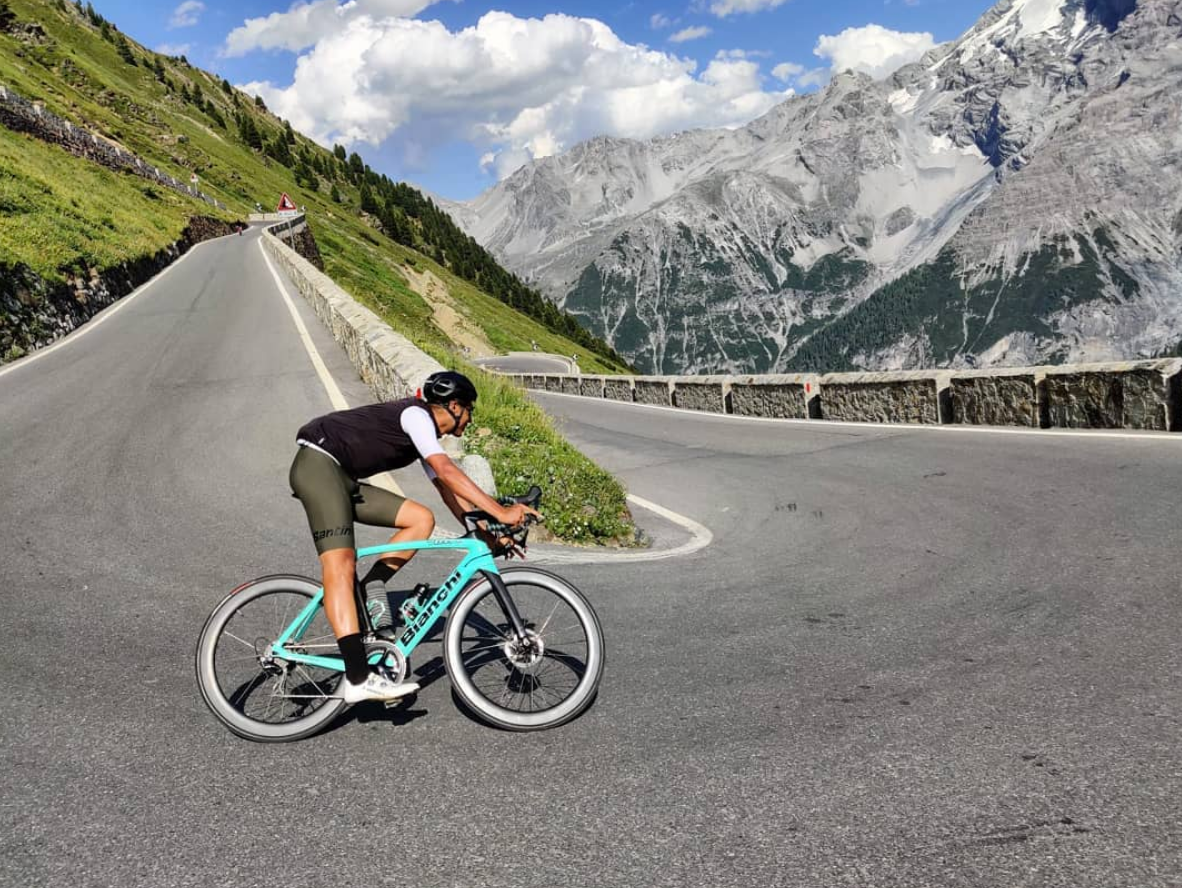
Start with the position you can sustain. When seated, your saddle supports much of your body weight, leaving your legs to turn the pedals while your arms and torso help guide the bicycle. On a long steady incline this is usually a sensible default. A rider who is constantly getting up to rescue a fading cadence may be using a gear that is too demanding for the gradient and intended effort.
Cadence describes the number of pedal revolutions per minute. At the same external power, lower cadence requires more average crank torque, while higher cadence reduces that torque but asks your legs to move faster. That explains why a lifter can feel very strong at sixty revolutions per minute and nevertheless find a long climb harder than expected. Muscular strength does not remove the need to sustain oxygen delivery or repeat hundreds of contractions.
Choose a moderate climb where you can ride for several minutes without stopping. Shift down before the gradient becomes uncomfortable, not after the pedals have nearly stalled. Keep your upper body relatively relaxed, hold the bars securely and allow your natural pedalling rhythm to settle. If you have a power meter, aim for a steady output rather than trying to match speed on every change of gradient. Without a meter, use a conversational to moderately hard effort and keep breathing controlled.
Do not chase one supposedly perfect cadence. A comfortable range depends on gradient, gearing, training background and how hard you are riding. Record the gear and approximate cadence that let you finish a climb with something left. That is a better baseline than the fastest single minute of the ascent.
Learn to stand without turning every hill into a sprint
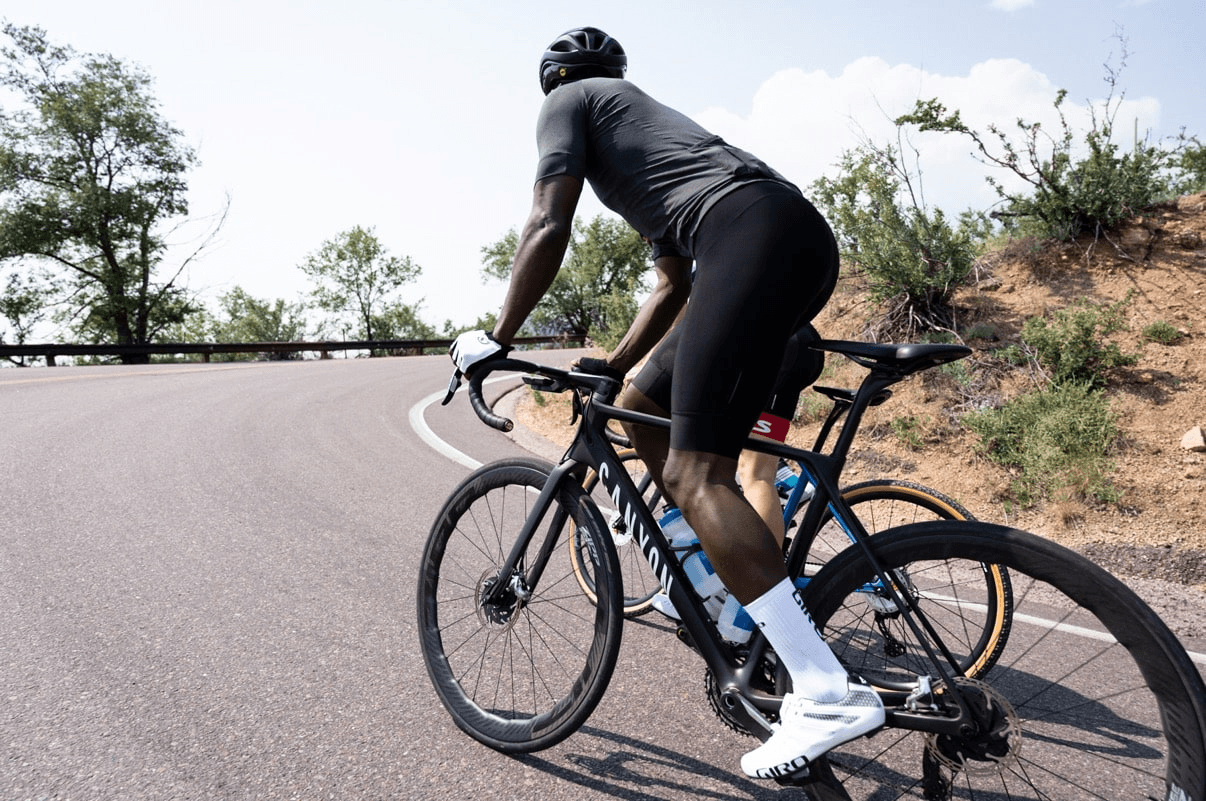
Standing lets you change the way you distribute weight across the pedals and handlebars. On a short, steep ramp, a change in posture can be valuable when the seated rhythm becomes awkward. It also provides a way to vary the work and pressure on the contact points. But a standing position is not a magical shortcut to a faster climb at the same effort.
In a 2018 uphill cycling experiment, thirteen elite riders alternated between seated and standing efforts on a motorised treadmill across different gradients and intensities. Standing increased the measured mechanical cost by about four percent overall, but the study did not find a statistically significant difference in its measured energy cost. The mechanical measurements included more lateral movement and rolling resistance. These are acute laboratory results in highly trained cyclists, not a universal ranking of which position is best on every road.
Practise standing deliberately rather than only when you are already exhausted. On an empty, straight stretch of suitable road, select a gear that gives enough pedal resistance to support a controlled transition. Rise smoothly, maintain forward momentum, keep your hands secure and let the bicycle move naturally beneath you. Do not force exaggerated side-to-side movement or throw your body forward. Sit back down before the quality of the movement deteriorates.
Try twenty to thirty seconds at a time at first. If you are breathing much harder immediately after standing, you may simply be producing more power. Make the next standing interval gentler and compare the sensation. A controlled standing effort is a skill; it need not be an all-out acceleration.
Practice transitions and use indoor training wisely
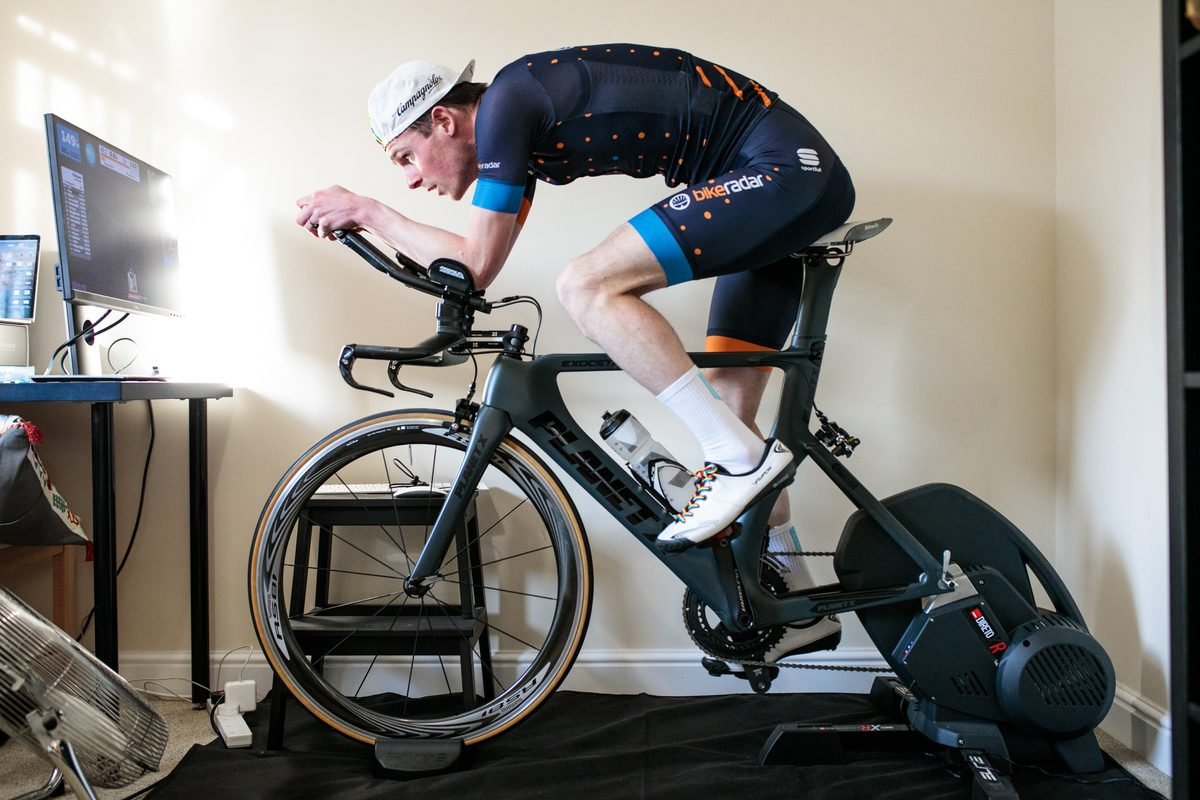
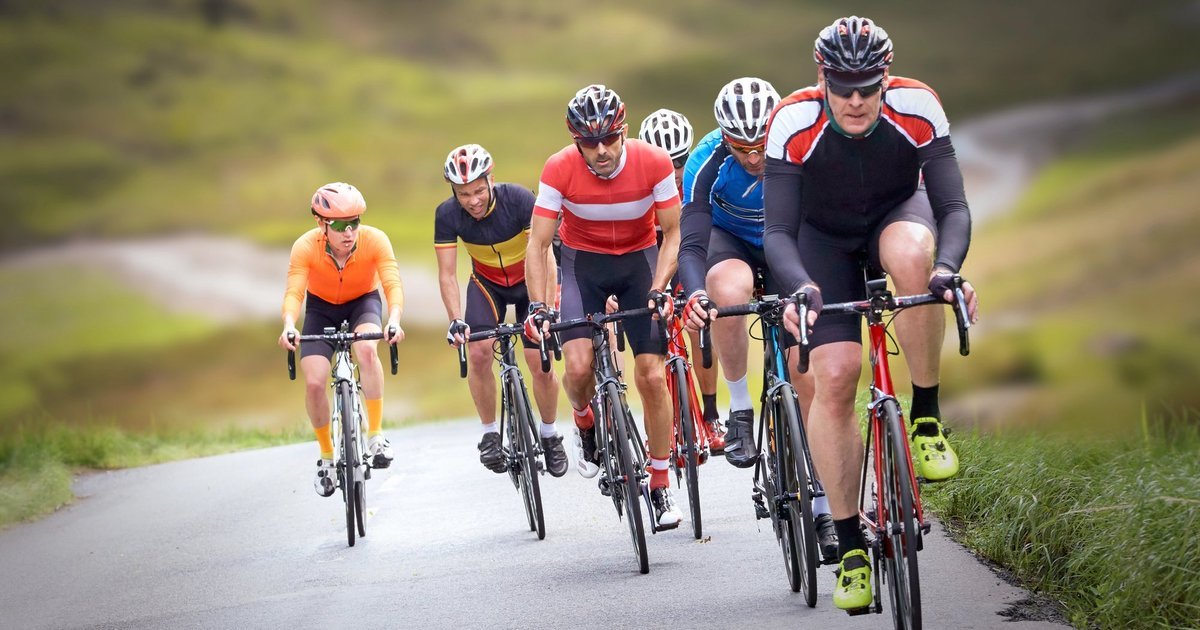
The most useful climbing session for many recreational riders alternates the two positions. This trains the moment of changing posture as well as the time spent in each one. Warm up gradually for ten to fifteen minutes, including a few short, gentle increases in effort. Then choose a section of road without junctions, traffic conflicts or sharp bends. If the road is too busy for safe repetition, train elsewhere.
Start with six minutes of alternating one minute seated with twenty seconds standing, returning to seated riding for the remainder of each block. Keep both positions controlled at first. A rider with a reliable threshold estimate can eventually let the standing periods rise a little above threshold and recover slightly below threshold when seated. There is no requirement to do that in the first session. The aim is to finish each repetition with smooth transitions and a repeatable pace.
An indoor trainer is particularly helpful for controlling resistance and comparing intervals without traffic or weather interruptions. Check that the manufacturer permits standing efforts, that the bicycle is secured, and that the trainer remains stable. A fixed trainer changes the balance demands and lateral movement of the bicycle, so it cannot teach every aspect of outdoor climbing. Use indoor sessions to work on sustained effort, cadence and breathing, then practise actual bike handling outdoors.
Be careful with resistance changes. In a fixed-power mode, abrupt changes in cadence can make the pedals feel unexpectedly heavy as the trainer adjusts. Practise changes gradually, or use a resistance setting that allows you to control cadence and gear yourself. A comfortable, consistent interval is more useful than a frantic attempt to hold a number on the display.
Build leg strength without exhausting your cycling legs
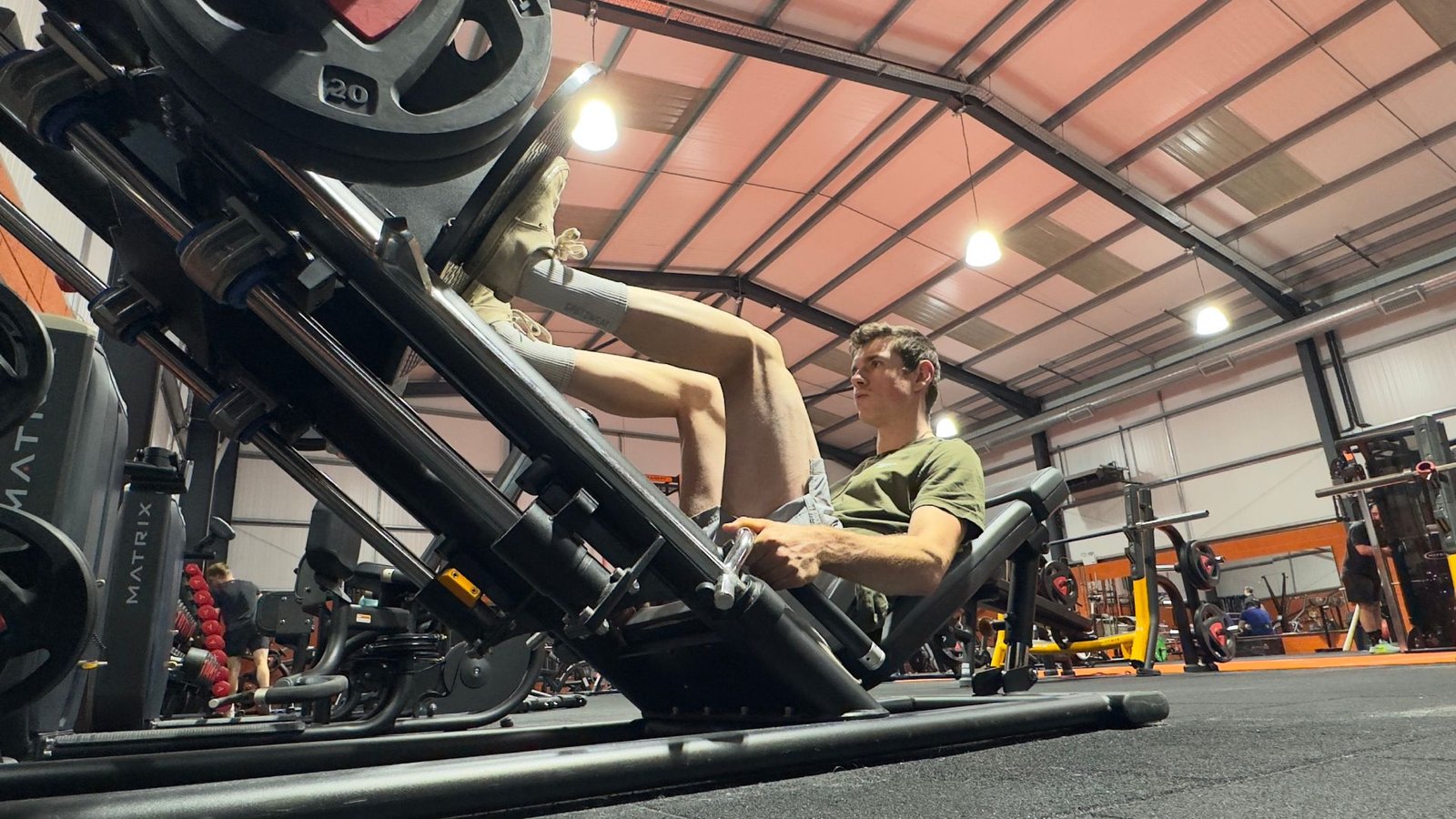
Heavy lifting and endurance cycling can complement one another, but the gym work should solve a real physical limitation instead of becoming another source of fatigue. Stronger legs may help you produce the required torque at a smaller fraction of your maximal strength. That does not mean that adding more squat sets automatically increases your sustainable climbing power.
A 2025 systematic review of seventeen studies involving 262 adult endurance cyclists found that adding heavy resistance training improved pooled cycling performance, cycling efficiency and anaerobic power. The review did not find a significant improvement in maximal oxygen uptake. Importantly, the certainty of the evidence was low, so the results support using strength training without establishing a single optimal lifting routine for every rider.
For a lifter already training legs twice per week, there is no need to add a third demanding session simply because cycling has become a goal. Keep a manageable main lift, such as a squat or leg press, and a hip-dominant exercise such as a Romanian deadlift. A split squat can provide unilateral work, while a side plank or controlled cable anti-rotation exercise can challenge the trunk. Start with two or three working sets per exercise, keep two or three repetitions in reserve and adjust the load to your current training experience.
For example, use three sets of five to eight repetitions on a squat or press, two sets of six to ten on a hinge and two sets of eight per side on a split squat. This is an illustrative strength session, not a proven cycling-specific prescription. A beginner should start with lighter loads and learn the movements first. Choose equipment that fits your mobility and training setup, and do not introduce several unfamiliar exercises in the same week as your hardest hill session.
Scheduling matters as much as exercise selection. A hard climbing workout immediately after heavy squats may provide poor cycling practice. Separate demanding sessions where practical, or put the session you care most about first when they must share a day.

Equipment Worth Exploring
Explore equipment, accessories and gear from our carefully selected range.


Leg Press/Hack Squat BPR-790
Convertible 45-degree leg press and hack squat machine with a broad footplate and band pegs.

Compact Leg Press CLP-700
Compact reverse-style leg press with a moving seat carriage and an adjustable footplate.

Studio V-Squat
Plate-loaded V-squat machine for supported lower-body strength training.

Rubber Hex Dumbbells
Rubber-coated hex dumbbell pairs with a stable shape for home and commercial strength training.


GymPin Squat Wedges
Non-slip 15-degree squat wedges help elevate the heels for deeper quad-focused squats.
A four-week climbing experiment that fits a lifting schedule
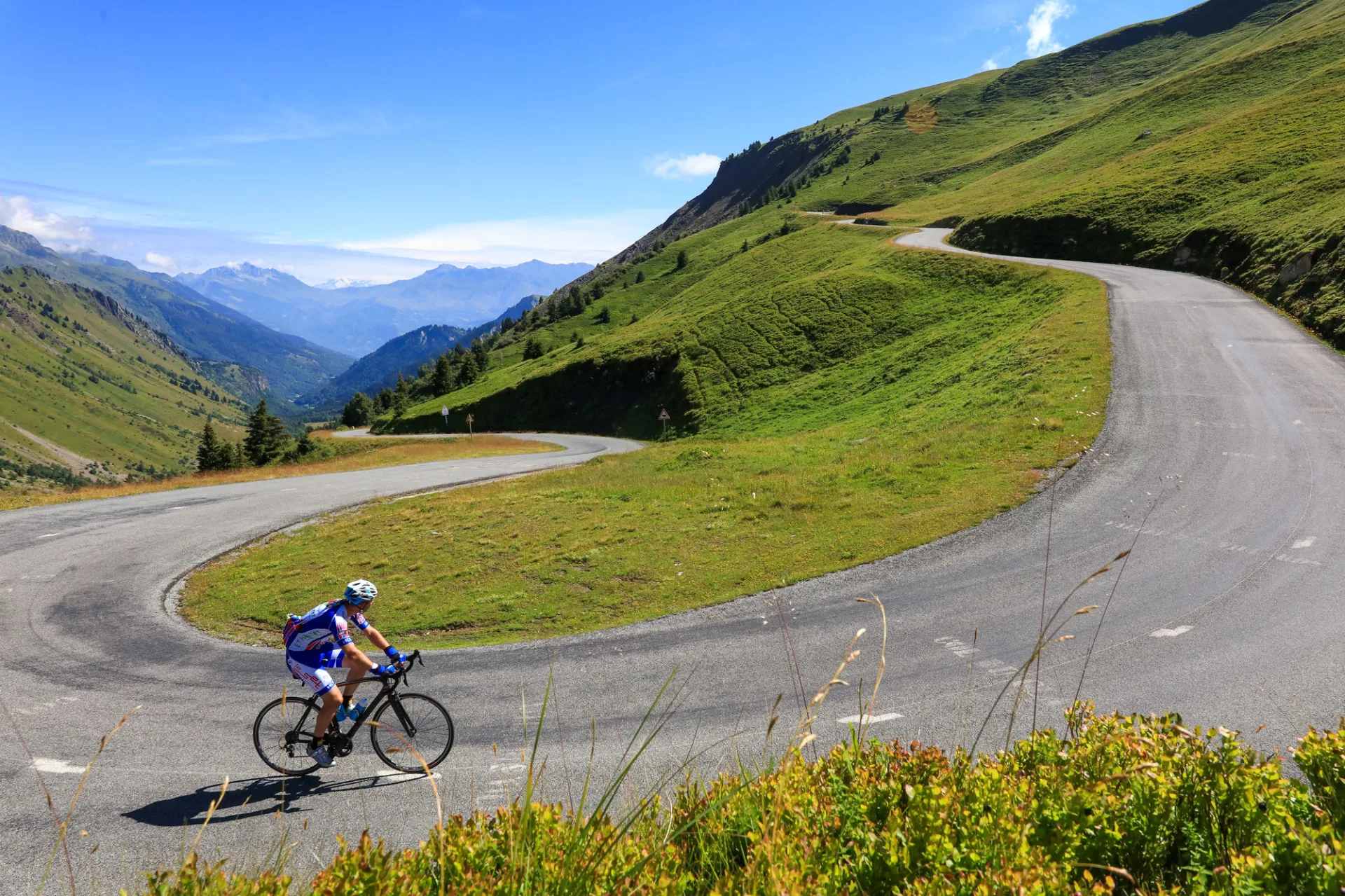
Use the next four weeks to test whether your riding becomes more economical and repeatable, not whether you can punish yourself harder. Keep the rest of your weekly training broadly consistent so you can interpret what changes. One dedicated climbing practice per week is enough for a first experiment; additional cycling should generally be easy enough not to interfere with your priority lifting sessions.
- Week one: Complete two six-minute climbing blocks with brief standing periods. Recover easily for several minutes between blocks. Record your average effort, the approximate cadence in both positions and how smoothly you can sit down again.
- Week two: Extend each block to eight minutes if week one felt manageable. Keep the standing periods short, and use a manageable gear throughout. If transitions still disrupt your rhythm, repeat week one instead.
- Week three: Try two ten-minute blocks, with standing periods of thirty to forty seconds where the route permits. Increase duration or effort, not both at the same time. Keep your strength work steady rather than adding volume.
- Week four: Return to the same climb and roughly the same effort as week one. Compare completion time, cadence stability, breathing and how quickly your legs settle when you sit back down. If the conditions are different, treat the comparison cautiously.
When you evaluate progress, consider more than the final time. A smoother climb at a similar perceived effort, less need to change gear under pressure and a more controlled transition back to seated riding are useful results. Heart rate can help describe longer intervals, but it responds with a delay and varies with heat, hydration, sleep and stress. It is not a reliable instant measure of the cost of a twenty-second effort.
Take a rest or reduce the workload if your regular lifting performance declines, your legs remain unusually heavy or your easy rides no longer feel easy. Stop if you experience concerning symptoms such as chest pain, dizziness or unusual breathlessness. The best climbing position is the one you can use at the right moment, at an appropriate effort, without sacrificing the next part of your ride or the next training session.

Cardio Shirts & Workout Gear
Cardio and conditioning gym gear for runners, endurance athletes and anyone who earns the sweat.

Anti Cycling Cycling Club – Ironic Cardio Meme & T-Shirt
Show some cardio attitude with a playful “Anti Cycling Cycling Club” tee.

Cardio Heartbeat Hoodie
Show off your cardio humor in a laid-back “Cardio Heartbeat” hoodie.

Iron Man Triathlon Hooded Pullover for Swim Bike Run At Hoodie
Stay casual and show some superhero attitude with “Iron Man Triathlon”.

Dost Thou Even Pedal Medieval Air Bike CrossFit Parody Sticker
Give your everyday gear a playful “Dost Thou Even Pedal” twist.

Chucky Spin Bike Horror Meme | Funny Cardio Aversion Gy Sticker
Put “Chucky Spin Bike Horror Meme” gym humor on your laptop, bottle, or gym gear.

Jigsaw'S Cardio Game Spin Bike Horror T-Shirt
Show some gym-day personality with “Jigsaw's Cardio Game”.


Cardio Is Hardio – Workout Meme Vest Muscle Shirt For S Tank Top
Add some cardio attitude to training with “Cardio Is Hardio”.

Cardio Is Calling You , Meme Top Answer Or Decline? T-Shirt
Make gym days more fun with “Cardio Is Calling You” style.

Negative Cardio Review 1 Star Sweater Cardio Sucks T-Shirt
Show some gym-day personality with “Negative Cardio Review”.